

Benefits and Advantages of Orange Cake
This orange cake recipe stands out for its moist and tender crumb, infused with fresh and vibrant orange flavor. It is simple to prepare, making it accessible to home bakers of all skill levels. The combination of orange zest and freshly squeezed orange juice creates a natural citrus aroma and taste that delights the palate without overwhelming sweetness.
The cake’s balanced sweetness and soft texture make it a versatile treat perfect for any occasion from casual family dessert to celebration centerpiece. Additionally, it offers comforting nourishment thanks to vitamin C and antioxidants found in fresh oranges, which contribute to dietary wellness.
With clear instructions and adaptable ingredient options, this orange cake recipe allows for flexibility in dietary needs such as vegan and gluten-free variations. Whether glazed, frosted, or served plain, it delivers consistently delicious results that satisfy diverse tastes.
Easy to make and bursting with natural citrus flavor, orange cake is a bright and tender dessert that everyone will enjoy.
Jump to:
- Benefits and Advantages of Orange Cake
- Essential Ingredients for Orange Cake
- Dietary Substitutions to Customize Your Orange Cake
- How to Prepare the Perfect Orange Cake: Step-by-Step Guide
- Mastering Orange Cake: Advanced Tips and Variations
- How to Store Orange Cake: Best Practices
- Nutritional Value of Orange Cake
- FAQs: Frequently Asked Questions About Orange Cake
- How should I store orange cake to keep it fresh?
- Can I substitute butter for oil in orange cake recipes?
- Is fresh orange juice and zest necessary, or can I use bottled juice and extract?
- How can I prevent my orange cake from collapsing while baking?
- Can I make orange cake cupcakes using this recipe, and how long should they bake?
- Orange Cake
- Ingredients
- Instructions
- Last Step:
- Notes
- Nutrition
- Did you make this recipe?
Essential Ingredients for Orange Cake
- 2¼ to 2⅞ cups (270-350 g) all-purpose flour, sifted
- ⅓ cup (40 g) cornstarch (optional, for lighter texture)
- 2 to 2¼ teaspoons baking powder
- ¼ to ½ teaspoon salt
- ¾ cup (170 g) unsalted butter, room temperature (or substitute with 1 cup/240 ml vegetable or canola oil for moister texture)
- ⅓ to 1 cup (75-240 ml) unflavored vegetable oil
- 1¼ to 1½ cups (250-300 g) granulated white sugar
- Zest of 3 to 4 oranges (about 3 tablespoons), using only the colored outer layer
- 3 to 4 large eggs, room temperature
- 5½ tbsp to 1¼ cups (90-300 ml) milk, preferably full-fat and room temperature (milk may be omitted if using all oil)
- ½ to 1¼ cups (112-300 ml) freshly squeezed orange juice
- 1 to 2 teaspoons vanilla extract or essence
Optionally:
- 3 tablespoons (45 ml) freshly squeezed orange juice and ¼ cup (50 g) superfine sugar for orange syrup
- 1 cup (120 g) powdered sugar and 2-3 tablespoons (30-45 ml) orange juice for orange glaze
- For frosting: 1 cup (225 g) unsalted butter, 4½ cups (570 g) powdered sugar, 1½ cups (335 g) cream cheese, 1½ tsp vanilla, 2 tsp orange zest, and 1½ tbsp fresh orange juice

Dietary Substitutions to Customize Your Orange Cake
To customize the orange cake to suit various dietary preferences and restrictions, consider the following substitutions:
- Vegan Adaptation: Replace eggs with flaxseed or chia seed “eggs” (1 tbsp ground seeds mixed with 3 tbsp water, left to gel). Use plant-based margarine or coconut oil instead of butter.
- Gluten-Free: Substitute all-purpose flour with almond flour or a gluten-free baking blend, ensuring the cake remains tender and moist.
- Low Calorie or Sugar Reduction: Reduce sugar or replace it with natural sweeteners such as stevia, monk fruit, or erythritol for a lighter cake.
- Dairy-Free: Use plant-based milks like almond, oat, or soy milk in place of dairy milk to accommodate lactose intolerance.
- Oil Substitution: Butter can be partially or fully substituted by vegetable or canola oil for enhanced moisture and a different crumb texture.
These modifications help you enjoy a flavorful orange cake tailored to your nutritional needs and ingredient availability.
How to Prepare the Perfect Orange Cake: Step-by-Step Guide
- Preheat and Prepare: Set your oven to 350°F (175°C). Grease and flour your cake pans, or line them with parchment paper for easier removal.
- Mix Dry Ingredients: In a bowl, sift together the flour, cornstarch (if using), baking powder, and salt. Set aside.
- Cream Butter and Sugar: In a large bowl or mixer, beat softened butter (and part or all oil if using) with sugar and orange zest on medium speed for 2-3 minutes until light and fluffy.
- Add Eggs: Incorporate eggs one at a time (or vegan substitutes), mixing well after each to maintain a smooth batter.
- Combine Wet Ingredients: Mix in the freshly squeezed orange juice, milk, and vanilla extract until well combined.
- Fold in Dry Ingredients: Gradually add the dry mixture, folding gently by hand or mixing on low speed until just incorporated. Avoid overmixing to keep the cake tender.
- Transfer Batter: Pour the batter evenly into prepared pans and smooth the surfaces. Tap the pans gently to release air bubbles.
- Bake: Bake according to pan size about 30-35 minutes for round pans, 40-50 minutes for loaf pans, or 45-60 minutes for bundt pans. Check doneness by inserting a toothpick; it should come out clean or with a few moist crumbs.
- Cool: Allow the cakes to cool in pans for 10-20 minutes before transferring to wire racks to cool completely.
- Optional Finishing Touches: Brush warm cake with orange syrup for added moisture and flavor, drizzle orange glaze, or frost with cream cheese frosting once cooled.
Following these steps will help you bake a moist, flavorful orange cake every time.
For more delightful dessert ideas, visit our Strawberry Cheesecake recipe and enjoy a creamy finish to your meal.
Mastering Orange Cake: Advanced Tips and Variations
Mastering orange cake starts with selecting fresh, high-quality oranges rich in flavor and aroma. Zest the oranges before juicing to capture the essential oils without adding bitterness to the batter. To intensify the citrus notes, allow the batter to rest for 5 to 10 minutes before baking, which enhances the infusion of flavor throughout the cake.
Try adding a teaspoon of almond extract to complement the orange zest subtly. For texture and nutrition, incorporate mix-ins such as poppy seeds or finely grated carrots. Vegan and gluten-free variations can benefit from moisture boosters like plant-based yogurt or applesauce to keep the cake tender.
For finishing touches, experiment with natural orange glazes made from freshly squeezed juice and powdered sugar to add a glossy sheen and a sweet tang. This simple addition creates an elegant look and an extra layer of flavor. Whether you prefer a classic plain cake or a frosted treat, these variations will help you customize your orange cake to suit any occasion or dietary preference.
These techniques bring out the full potential of orange cake delivering moistness, vibrant flavor, and delightful texture with every bite.
How to Store Orange Cake: Best Practices
Orange cake storage depends on whether it is frosted or unfrosted. For cakes with cream cheese frosting, store them in an airtight container in the refrigerator overnight to maintain freshness and prevent spoilage. Before serving, allow the cake to sit at room temperature for about 30 minutes to soften the frosting and enhance flavor.
Unfrosted orange cakes or those with only a glaze can be stored at room temperature in an airtight container for up to one week, keeping the cake moist and tender. To extend shelf life even further, freeze the cake wrapped securely in plastic wrap and aluminum foil for up to two months. Thaw frozen cake at room temperature before serving, and reheat briefly in a low oven if desired to revive freshness.
Proper storage preserves the delicate balance of moisture and crumb texture, ensuring your orange cake tastes as delightful as the day it was baked.
Smart storage keeps your orange cake moist, flavorful, and ready for any occasion without losing its charm.
Nutritional Value of Orange Cake
| Nutrient | Average Amount per Serving | Health Benefit or Note |
|---|---|---|
| Calories | Approximately 750 kcal | Provides energy mainly from carbohydrates and fat |
| Carbohydrates | Around 95 grams | Primary fuel for energy; includes sugars contributing to sweetness |
| Protein | About 10 grams | Supports muscle repair and maintenance mainly from eggs |
| Fat | Approximately 35 grams | Includes saturated and unsaturated fats; butter/oil content |
| Sugar | Around 70 grams | Sweetens the cake; consider natural sweeteners for alternatives |
Adding fresh orange zest and juice contributes vitamin C and antioxidants, offering immune support. Using plant-based ingredients or sugar substitutes can modify the nutritional profile for specific needs.
FAQs: Frequently Asked Questions About Orange Cake
How should I store orange cake to keep it fresh?
Orange cake with cream cheese frosting should be stored in an airtight container in the refrigerator to keep it fresh overnight. The frosting’s sugar and fat slow spoilage but refrigeration prevents it from going bad. For unfrosted orange cake, you can keep it covered at room temperature for up to one day. To serve, bring refrigerated cake to room temperature for better flavor and texture.
Can I substitute butter for oil in orange cake recipes?
While you can use butter instead of oil, oil keeps the cake moister and creates a lighter texture because it remains liquid at room temperature. Butter may make the cake denser and can slightly mute the orange flavor. Some bakers combine half butter and half oil for a balance, but oil alone is preferable for a moist, tender crumb in orange cake.
Is fresh orange juice and zest necessary, or can I use bottled juice and extract?
Freshly squeezed orange juice and zest provide the best natural flavor and aroma for orange cake. Bottled 100% orange juice can be used as a substitute, but it may lack brightness. Orange extract is much more concentrated and can be used sparingly (around 1 teaspoon), though it may taste artificial if overused. For a fresh taste, prioritize zest for aromatic oils and fresh juice.
How can I prevent my orange cake from collapsing while baking?
Common reasons for cake collapse include overmixing the batter, underbaking, opening the oven door too early, or using expired leavening agents like baking powder. Maintain the oven temperature accurately, avoid excessive mixing, and bake fully until a toothpick inserted comes out clean. Avoid opening the oven door in the first 20-25 minutes to keep the cake rising steadily.
Can I make orange cake cupcakes using this recipe, and how long should they bake?
Yes, this batter works for cupcakes, but their light, airy texture means they may not hold as well as a full cake. Bake cupcakes at 350°F (175°C) for about 15 to 22 minutes. Start checking at 15 minutes by inserting a skewer; if it comes out clean, the cupcakes are done. Avoid overbaking to keep them moist and tender.

Orange Cake
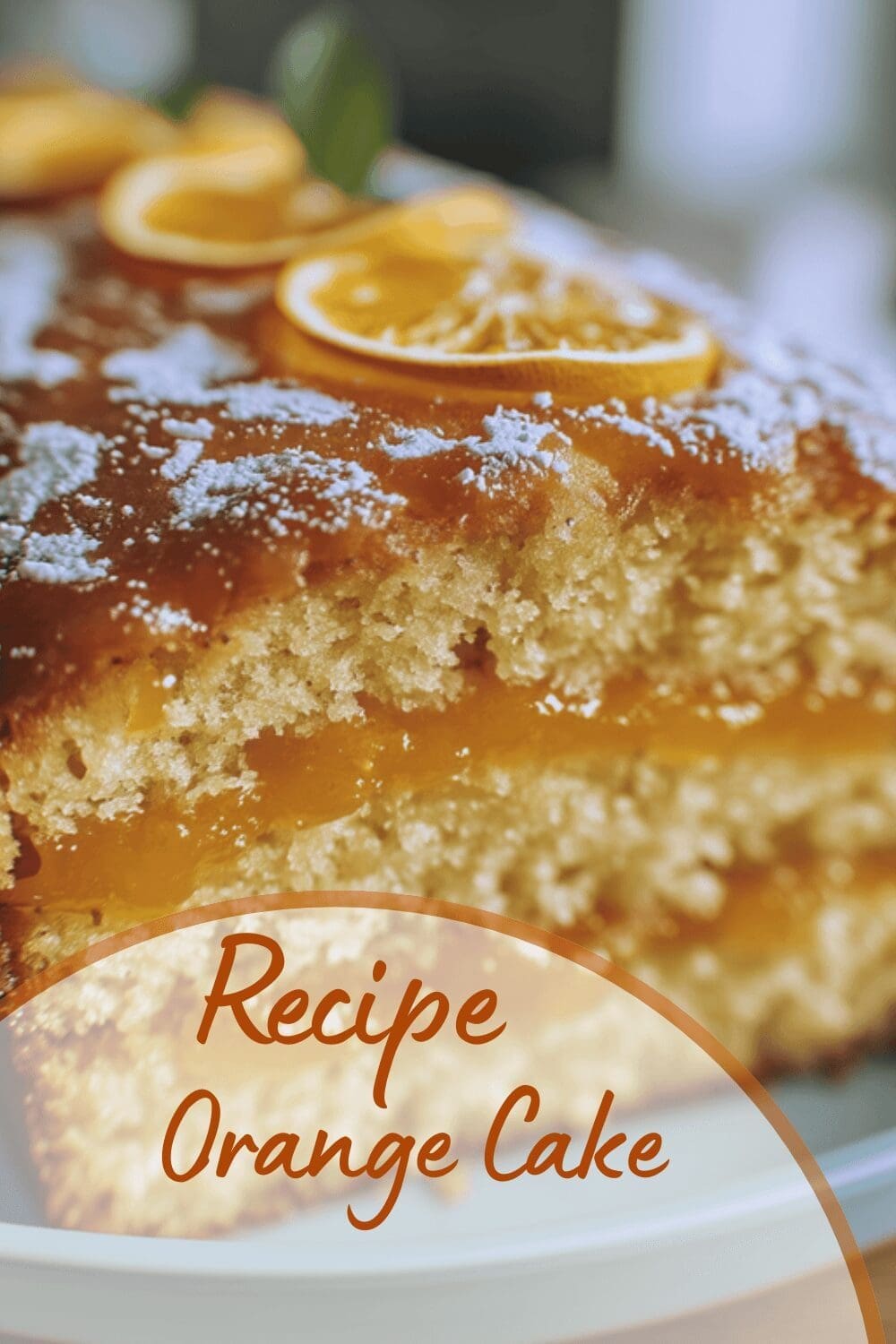
🍊 Experience the zestful delight of a Moist and Easy Orange Cake, offering a burst of citrus flavor with every bite.
🎂 A perfect blend of sweet and tangy, this cake ensures a perfect bake every time, making it a must-try for dessert lovers.
- Total Time: 1.5-3 hours
- Yield: 10–12 servings 1x
Ingredients
2¼ to 2⅞ cups (270–350 g) all-purpose flour (sifted)
⅓ cup (40 g) cornstarch (optional for lighter texture)
2 to 2¼ teaspoons baking powder
¼ to ½ teaspoon salt
¾ cup (170 g) unsalted butter, room temperature
⅓ to 1 cup (75–240 ml) unflavored vegetable oil
1¼ to 1½ cups (250–300 g) granulated white sugar
Zest of 3 to 4 oranges (approximately 3 tablespoons)
3 to 4 large eggs, room temperature
5½ tbsp to 1¼ cups (90–300 ml) milk, preferably full-fat and room temperature
½ to 1¼ cups (112–300 ml) freshly squeezed orange juice
1 to 2 teaspoons vanilla extract or essence
Optional Orange Syrup:
3 tablespoons (45 ml) freshly squeezed orange juice
¼ cup (50 g) superfine sugar
Optional Orange Glaze:
1 cup (120 g) powdered sugar
2–3 tablespoons (30–45 ml) freshly squeezed orange juice
Orange Cream Cheese Frosting (optional):
1 cup (225 g) unsalted butter, room temperature
4½ cups (570 g) powdered sugar
1½ cups (335 g) cold, firm cream cheese
1½ tsp vanilla extract or essence
2 tsp orange zest
1½ tbsp freshly squeezed orange juice
Instructions
1. Preheat oven to 180°C (350°F), or 160°C (320°F) if using fan/convection mode. Grease and/or line chosen baking pans.
2. In a bowl, sift together the flour, cornstarch (if using), baking powder, and salt. Set aside.
3. In a large mixing bowl, cream the butter, oil, sugar, and orange zest on medium speed until light and fluffy.
4. Add eggs one at a time, mixing well after each addition.
5. Mix in milk, orange juice, and vanilla extract until fully combined.
6. Gradually fold in the dry ingredients until just incorporated, avoiding overmixing.
7. Pour or divide batter evenly into prepared pans, level the tops, and tap gently to release air bubbles.
8. Bake for 30–35 minutes for round pans, 40–50 minutes for loaf pans, or 45–60 minutes for bundt pans.
9. Let cakes cool in pans for 10–20 minutes before transferring to wire racks to cool completely.
10. (Optional) Prepare orange syrup and brush over warm cake. For glaze, whisk powdered sugar with juice and drizzle over cooled cake. To make frosting, beat all frosting ingredients until smooth and fluffy.
Last Step:
Please leave a rating and comment letting us know how you liked this recipe! This helps our business to thrive and continue providing free, high-quality recipes for you.Notes
🔪 Always use room temperature ingredients for better texture.
🍊 Zest oranges before juicing to maximize flavor.
🧁 Avoid overmixing the batter to maintain a light and tender crumb.
- Prep Time: 15 minutes
- Marinate Time: 1–3 hours
- Cook Time: 30-60 minutes
- Category: Dessert
- Method: Baking
- Cuisine: International
- Diet: Vegetarian
Nutrition
- Serving Size: 1 slice
- Calories: 750 kcal
- Sugar: 70 g
- Sodium: 300 mg
- Fat: 35 g
- Saturated Fat: 20 g
- Unsaturated Fat: 13 g
- Trans Fat: 0 g
- Carbohydrates: 95 g
- Fiber: 1 g
- Protein: 10 g
- Cholesterol: 105 mg


