

Why You’ll Love This Mongolian Beef Recipe
- Ease of preparation: This Mongolian beef recipe is straightforward and quick to make, perfect for busy weeknights. With minimal ingredients and simple steps, it cooks in under 30 minutes, allowing you to enjoy a delicious meal without hassle.
- Health benefits: Packed with lean beef and fresh vegetables, this recipe offers protein and essential nutrients that support muscle growth and overall wellness. The use of low-sodium soy sauce and minimal oil helps keep it heart-healthy and balanced.
- Versatility: Adaptable to various dietary needs, you can substitute beef with tofu or tempeh for a vegan option, or use gluten-free tamari sauce to accommodate gluten sensitivities. This flexibility makes the Mongolian beef recipe suitable for many types of diets without sacrificing flavor.
- Distinctive flavor: Combining a rich, savory sauce with the sweetness of brown sugar and the zing of ginger and garlic, this dish stands out with a bold, satisfying taste that’s both comforting and exciting. The fresh green onions add brightness, perfectly complementing the deep flavors.
Jump to:
- Why You’ll Love This Mongolian Beef Recipe
- Essential Ingredients for Mongolian Beef Recipe
- Special Dietary Options:
- How to Prepare the Perfect Mongolian Beef Recipe: Step-by-Step Guide
- First Step: Prepare Ingredients
- Second Step: Make the Sauce
- Third Step: Coat the Beef
- Fourth Step: Sauté Aromatics
- Fifth Step: Sear the Beef
- Sixth Step: Thicken the Sauce
- Seventh Step: Combine and Finish Cooking
- Final Step: Add Green Onions and Serve
- Dietary Substitutions to Customize Your Mongolian Beef Recipe
- Protein and Main Component Alternatives
- Vegetable, Sauce, and Seasoning Modifications
- Mastering Mongolian Beef Recipe: Advanced Tips and Variations
- How to Store Mongolian Beef Recipe: Best Practices
- FAQs: Frequently Asked Questions About Mongolian Beef Recipe
- What is Mongolian Beef and how is it traditionally made?
- How can I make the beef tender for my Mongolian Beef recipe?
- Can I use ground beef or other cuts instead of flank steak for Mongolian Beef?
- Are there vegetables that go well in Mongolian Beef, and when should I add them?
- What is the best way to store and reheat leftover Mongolian Beef?
- Mongolian Beef Recipe
- Ingredients
- Instructions
- Last Step:
- Notes
- Nutrition
- Did you make this recipe?
Essential Ingredients for Mongolian Beef Recipe
- 1 pound (about 450g) flank steak, thinly sliced against the grain into ¼-inch pieces – provides tender, lean beef perfect for quick cooking
- ⅓ to ½ cup cornstarch, divided – used for coating beef to achieve a crispy texture and help thicken the sauce
- 2 teaspoons vegetable oil plus 2 tablespoons neutral oil (such as vegetable, canola, or avocado oil), divided – for stir-frying and sautéing
- ½ teaspoon minced fresh ginger – adds warmth and a subtle spicy note to the dish
- 3 to 4 cloves garlic, finely minced – enhances aroma and depth of flavor
- ½ cup low-sodium soy sauce (light soy sauce preferred) – brings savory umami and balances sweetness
- ¼ cup water or beef/chicken broth – used to create the sauce base
- ½ cup packed brown sugar (light or dark) – imparts sweetness and caramelization
- 2 green onions (scallions), sliced (white and green parts separated) – white parts add flavor in cooking; green parts garnish for freshness
- Optional: 1 to 8 dried chili peppers or red pepper flakes – to adjust heat to taste
Special Dietary Options:
- Vegan: Replace flank steak with firm tofu or tempeh for a plant-based protein alternative.
- Gluten-free: Use gluten-free tamari sauce or coconut aminos instead of soy sauce to accommodate gluten intolerance.
- Low-calorie: Choose leaner cuts of beef and reduce oil amount or opt for oil sprays to decrease fat content without losing flavor.
How to Prepare the Perfect Mongolian Beef Recipe: Step-by-Step Guide
First Step: Prepare Ingredients
Start by slicing the flank steak thinly across the grain into ¼-inch strips. Mince fresh ginger and garlic finely. Slice the green onions, separating the white parts from the green parts for layered flavor usage.
Second Step: Make the Sauce
In a small bowl, mix low-sodium soy sauce, water or broth, and brown sugar. Stir well until the sugar dissolves completely to create a balanced, slightly sweet soy-based sauce.
Third Step: Coat the Beef
Place the sliced beef in a mixing bowl and toss it with half of the cornstarch, ensuring each piece is lightly coated. Shake off any excess cornstarch to avoid clumping during cooking.
Fourth Step: Sauté Aromatics
Heat 2 teaspoons of vegetable oil in a large skillet or wok over medium-low heat. Add minced ginger and garlic, stirring gently until fragrant, about one minute. Remove these aromatics from the pan and set aside.
Fifth Step: Sear the Beef
In the same pan or a separate wok, heat 1 to 2 tablespoons of neutral oil over medium-high heat. Sear the beef slices in batches, cooking each side for 1 to 2 minutes until browned and crisp but not fully cooked. Transfer the cooked beef to a plate and set aside.
Sixth Step: Thicken the Sauce
Return the ginger and garlic to the pan. Pour in the prepared soy and sugar sauce, simmering it over medium heat for 3 to 5 minutes until it thickens slightly into a glossy glaze. Add dried chili peppers or red pepper flakes at this stage if using for a spicy kick.
Seventh Step: Combine and Finish Cooking
Return the seared beef to the pan, tossing to coat evenly with the thickened sauce. Cook for an additional 1 to 2 minutes until the beef is heated through and coated in the flavorful glaze.
Final Step: Add Green Onions and Serve
Stir in the white parts of the green onions during cooking to develop flavor. Reserve the green parts to sprinkle on top just before serving for a fresh crunch and vibrant color. Serve hot over steamed rice with optional steamed vegetables like broccoli or bell peppers for a balanced meal.
“Thin slicing and proper searing are keys to a tender, crispy Mongolian beef that bursts with flavor.”
For another flavorful Asian-inspired dish, try our Mongolian Chicken Recipe.
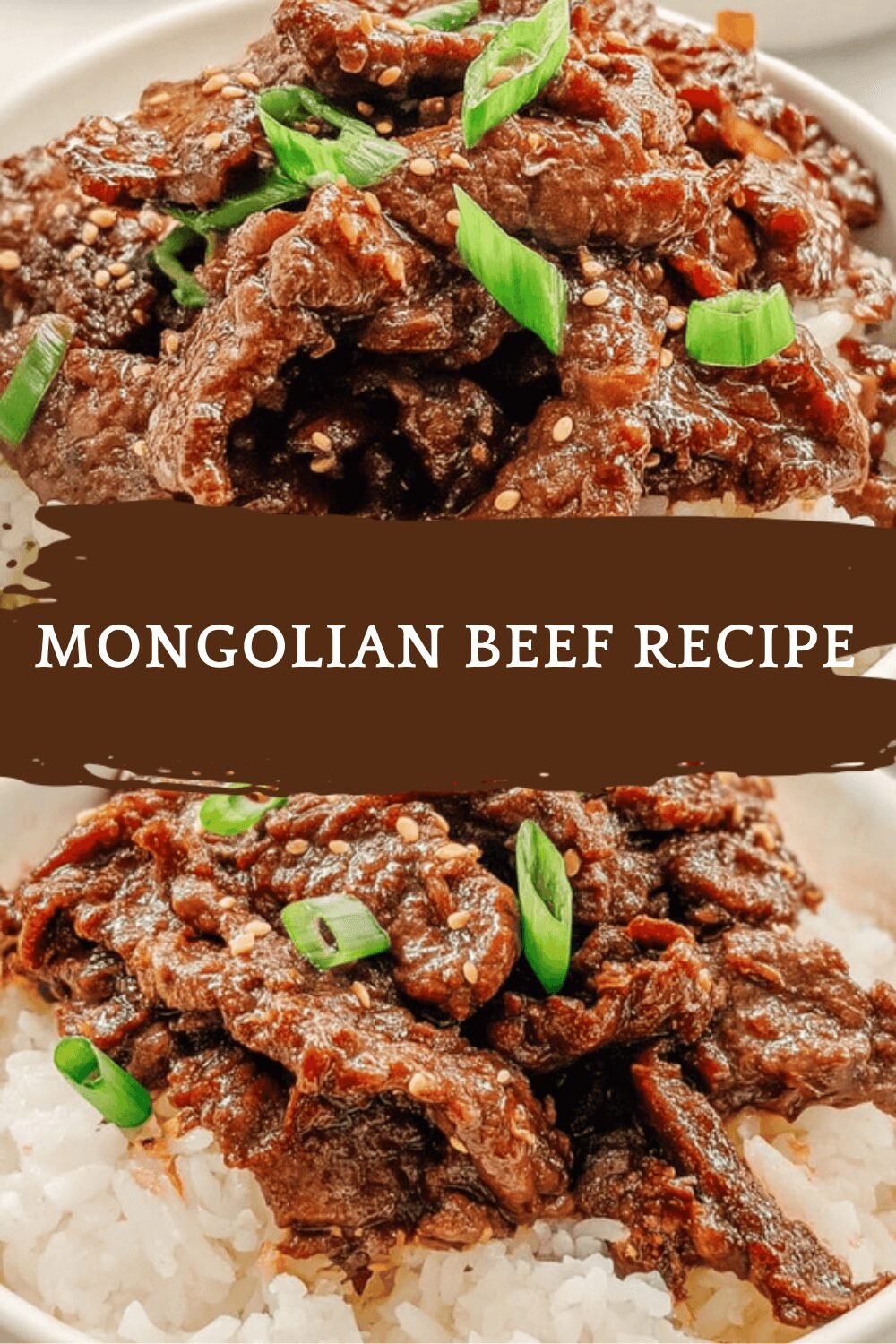
Dietary Substitutions to Customize Your Mongolian Beef Recipe
Protein and Main Component Alternatives
- Replace flank steak with firm tofu or seitan for a vegan or vegetarian version without sacrificing texture.
- Use chicken breast or turkey slices as a lean alternative to beef.
- For pescatarians, firm white fish or shrimp can be delicious seafood options within the Mongolian sauce.
Vegetable, Sauce, and Seasoning Modifications
- Swap green onions with chives or scallions for a similar fresh garnish.
- Use gluten-free tamari or coconut aminos instead of soy sauce to accommodate gluten sensitivity.
- Adjust sweetness by substituting brown sugar with honey or maple syrup, adjusting quantity to taste.
- Add crunchy vegetables like bell peppers, broccoli, or snap peas for extra nutrients and color.
- Spice levels can be customized using dried chili peppers or red pepper flakes according to preference.
Mastering Mongolian Beef Recipe: Advanced Tips and Variations
- Pro cooking techniques: Use a wok for high-heat searing to achieve proper caramelization and a deep, savory flavor. Marinate beef briefly with baking soda and water to boost tenderness.
- Flavor variations: Incorporate hoisin or oyster sauce for richer umami layers. Add crushed Szechuan peppercorns or chili flakes for a spicy, numbing sensation.
- Presentation tips: Garnish with toasted sesame seeds and fresh green onion strips. Serve on a bed of steamed jasmine rice accompanied by stir-fried vegetables for a complete meal.
- Make-ahead options: Prepare and marinate beef slices and sauce separately. Store refrigerated and stir-fry just before serving for fresh, cooked-to-order taste.
How to Store Mongolian Beef Recipe: Best Practices
| Storage Method | Guidelines |
|---|---|
| Refrigeration | Keep cooked Mongolian beef in airtight containers in the refrigerator for up to 3 days to maintain freshness and safety. |
| Freezing | Freeze portions in airtight containers or freezer bags for up to 2 months. Thaw overnight in the refrigerator before reheating. |
| Reheating | Reheat gently in a skillet over medium heat, adding a splash of water or broth if sauce thickens too much, to preserve texture. |
| Meal Prep Considerations | Batch cook and portion meals in individual containers. Store sauce and protein separately if preparing in advance to avoid sogginess. |
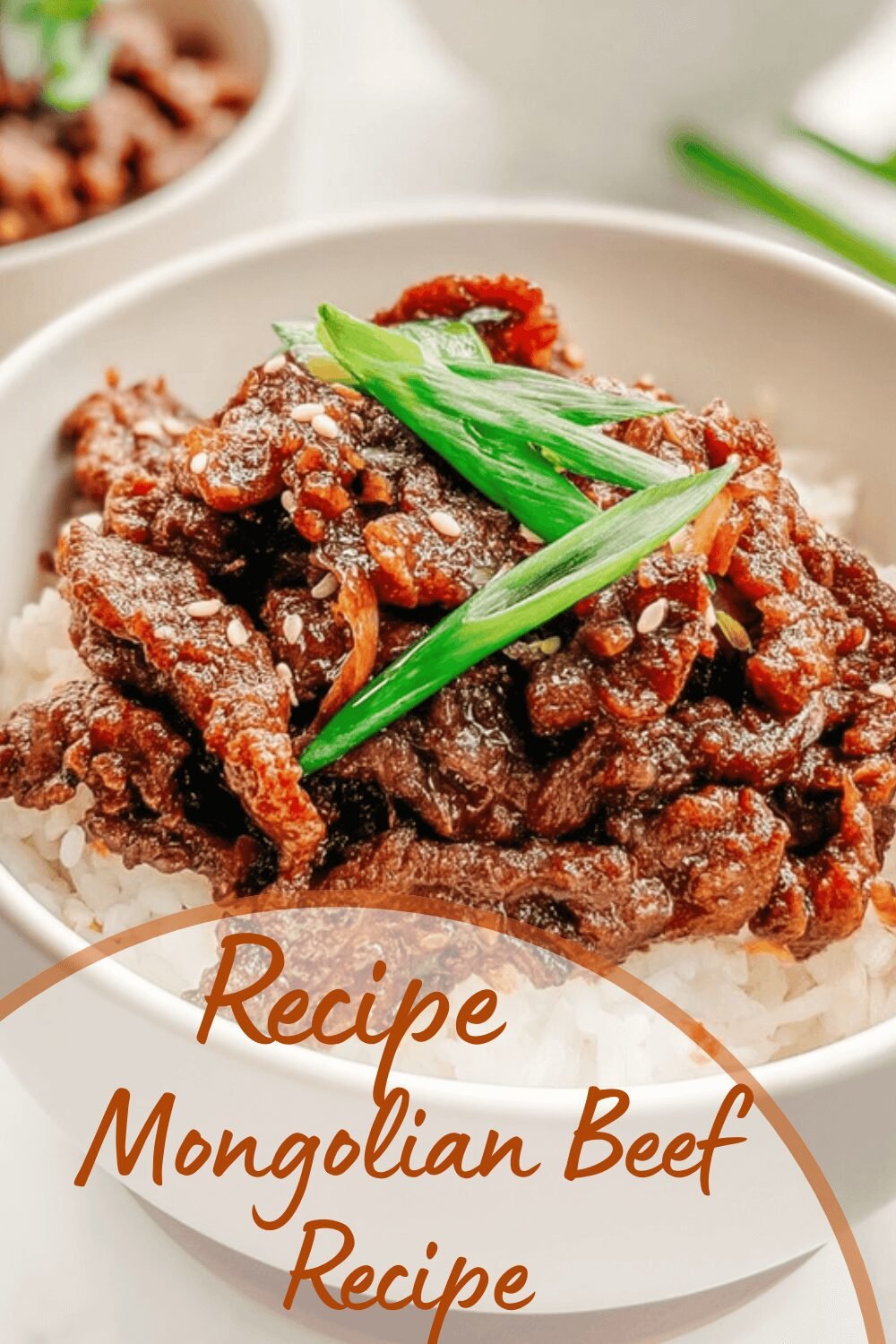
FAQs: Frequently Asked Questions About Mongolian Beef Recipe
What is Mongolian Beef and how is it traditionally made?
Mongolian Beef is a popular Chinese-American stir-fry dish featuring thin slices of beef cooked quickly in a sauce made from soy sauce, brown sugar, garlic, and ginger. The brown sugar caramelizes with the soy sauce, creating a slightly sticky glaze that coats the beef. This dish is usually served over steamed rice or noodles for a flavorful and satisfying meal.
How can I make the beef tender for my Mongolian Beef recipe?
To keep the beef tender, toss the thinly sliced flank steak or sirloin with cornstarch before cooking. Cornstarch helps by sealing in juices and thickening the sauce. Also, cut the beef against the grain to reduce toughness and cook it in small batches over high heat to prevent steaming, which can toughen the meat.
Can I use ground beef or other cuts instead of flank steak for Mongolian Beef?
Ground beef is not recommended because it won’t provide the texture typical of Mongolian Beef. Flank steak, skirt steak, or sirloin are preferred due to their quick-cooking, tender qualities when sliced thinly. These cuts absorb the sauce well and give the dish its signature flavor and texture.
Are there vegetables that go well in Mongolian Beef, and when should I add them?
Yes, vegetables like sliced red bell peppers, green onions, or broccoli work well. Add sturdier vegetables like bell peppers after browning the beef so they have time to soften without overcooking. Add quick-cooking vegetables like green onions at the end to preserve their texture and flavor.
What is the best way to store and reheat leftover Mongolian Beef?
Store leftovers in an airtight container in the refrigerator for up to 4 days. For longer storage, freeze portions for up to 4 months. Reheat refrigerated Mongolian Beef in a microwave or on the stovetop over low heat, adding a splash of water if needed to restore moisture. Frozen portions can be reheated directly from the freezer in the microwave or oven.
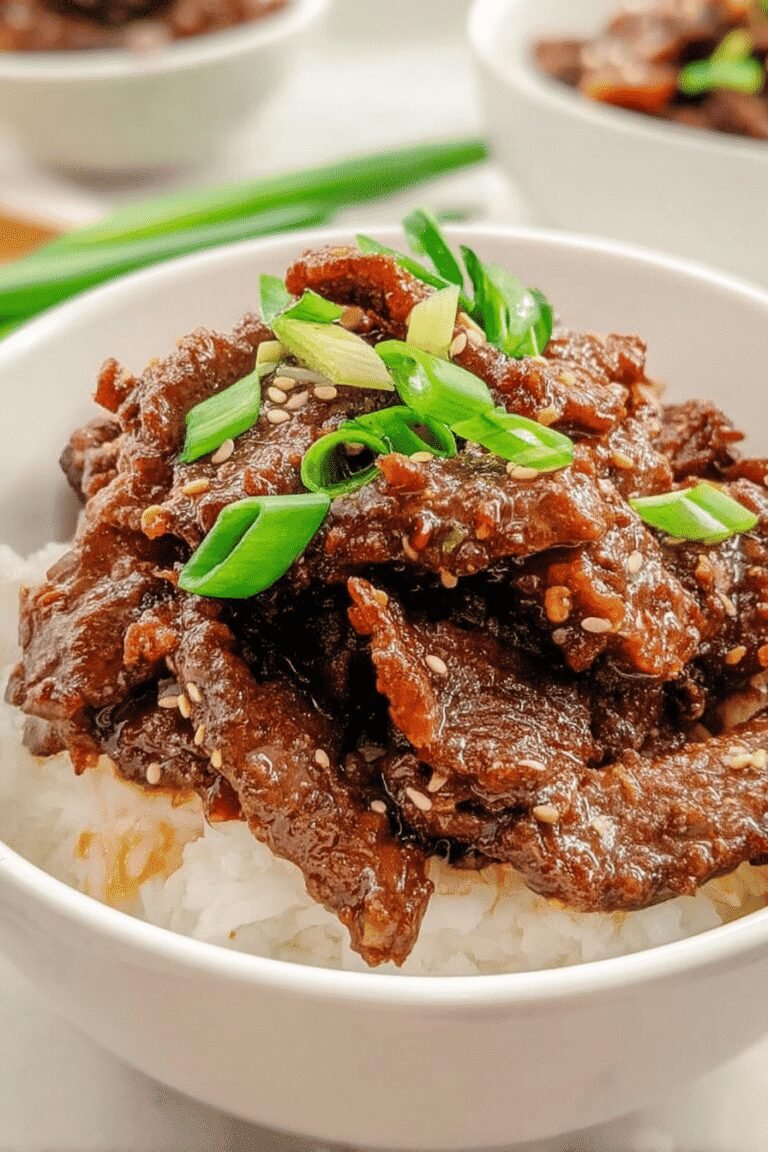
Mongolian Beef Recipe
🍽️ This Mongolian Beef recipe is perfect for a quick dinner, combining savory and sweet flavors with a delightful crispy texture.
🥡 Enjoy authentic Chinese flavor with each bite, enhanced by ginger, garlic, and a touch of heat if desired!
- Total Time: 30-45 minutes
- Yield: 4 servings
Ingredients
– 1 pound flank steak for quick cooking
– ⅓ to ½ cup cornstarch for coating
– 2 teaspoons vegetable oil for stir-frying
– 2 tablespoons neutral oil for stir-frying
– ½ teaspoon minced fresh ginger
– 3 to 4 cloves garlic
– ½ cup low-sodium soy sauce
– ¼ cup water
– ½ cup packed brown sugar
– 2 green onions
– Optional: 1 to 8 dried chili peppers or red pepper flakes
Instructions
First Step: Prepare Ingredients Start by slicing the flank steak thinly across the grain into ¼-inch strips. Mince fresh ginger and garlic finely. Slice the green onions, separating the white parts from the green parts for layered flavor usage.
Second Step: Make the Sauce In a small bowl, mix low-sodium soy sauce, water or broth, and brown sugar. Stir well until the sugar dissolves completely to create a balanced, slightly sweet soy-based sauce.
Third Step: Coat the Beef Place the sliced beef in a mixing bowl and toss it with half of the cornstarch, ensuring each piece is lightly coated. Shake off any excess cornstarch to avoid clumping during cooking.
Fourth Step: Sauté Aromatics Heat 2 teaspoons of vegetable oil in a large skillet or wok over medium-low heat. Add minced ginger and garlic, stirring gently until fragrant, about one minute. Remove these aromatics from the pan and set aside.
Fifth Step: Sear the Beef In the same pan or a separate wok, heat 1 to 2 tablespoons of neutral oil over medium-high heat. Sear the beef slices in batches, cooking each side for 1 to 2 minutes until browned and crisp but not fully cooked. Transfer the cooked beef to a plate and set aside.
Sixth Step: Thicken the Sauce Return the ginger and garlic to the pan. Pour in the prepared soy and sugar sauce, simmering it over medium heat for 3 to 5 minutes until it thickens slightly into a glossy glaze. Add dried chili peppers or red pepper flakes at this stage if using for a spicy kick.
Seventh Step: Combine and Finish Cooking Return the seared beef to the pan, tossing to coat evenly with the thickened sauce. Cook for an additional 1 to 2 minutes until the beef is heated through and coated in the flavorful glaze.
Final Step: Add Green Onions and Serve Stir in the white parts of the green onions during cooking to develop flavor. Reserve the green parts to sprinkle on top just before serving for a fresh crunch and vibrant color. Serve hot over steamed rice with optional steamed vegetables like broccoli or bell peppers for a balanced meal.
Last Step:
Please leave a rating and comment letting us know how you liked this recipe! This helps our business to thrive and continue providing free, high-quality recipes for you.Notes
🔪 Freeze beef briefly for easier slicing.
🌿 Adjust sugar and soy sauce to taste for balanced flavors.
🌶️ Customize spice level with more or fewer chili peppers.
- Prep Time: 20-35 minutes
- Marinating Time: 30-60 minutes
- Cook Time: 10-20 minutes
- Category: Main Course
- Method: Stir-Fry
- Cuisine: Chinese
- Diet: Varies
Nutrition
- Serving Size: 1 portion
- Calories: 340-380
- Sugar: 14-27 g
- Sodium: 960-1700 mg
- Fat: 8-16 g
- Saturated Fat: 3 g
- Unsaturated Fat: Varies
- Trans Fat: 0 g
- Carbohydrates: 31-40 g
- Fiber: 1 g
- Protein: 26-28 g
- Cholesterol: 68 mg






Wow, this Mongolian Beef was a hit with my family! 🥰 I made a small tweak by adding some sliced bell peppers for a bit of color and crunch. It turned out amazing! Thank you for sharing this delicious recipe.