

Why You’ll Love This Miso
Miso offers a simple way to enhance meals with its rich, fermented flavor, making it perfect for home cooks and busy parents looking for quick yet nutritious options. This versatile ingredient provides ease of preparation, as it requires minimal cooking time and straightforward steps that fit into any schedule. Beyond its convenience, miso delivers significant health benefits through its probiotics, which support digestive health and overall wellness, making it a smart choice for diet-conscious individuals and seniors alike.
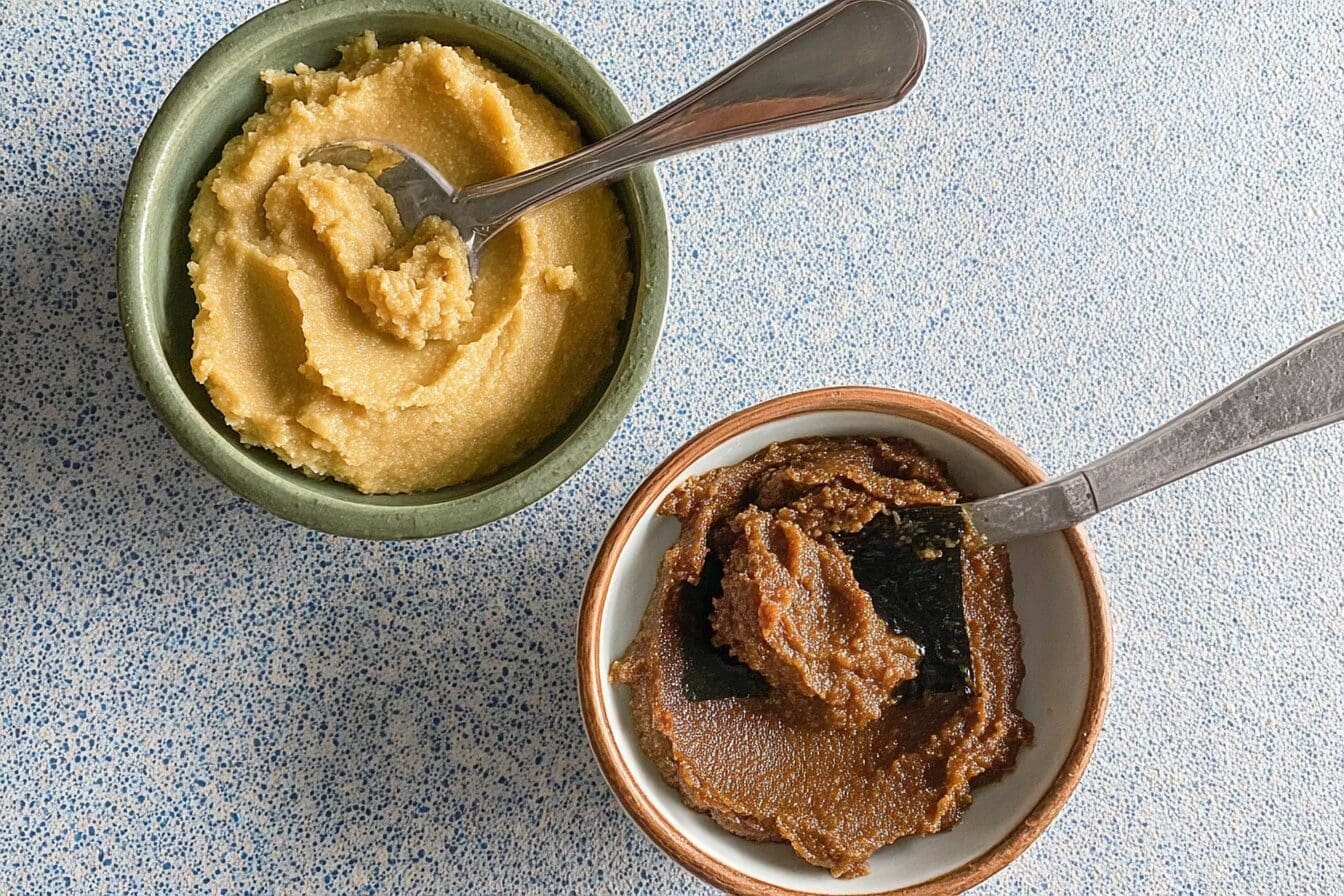
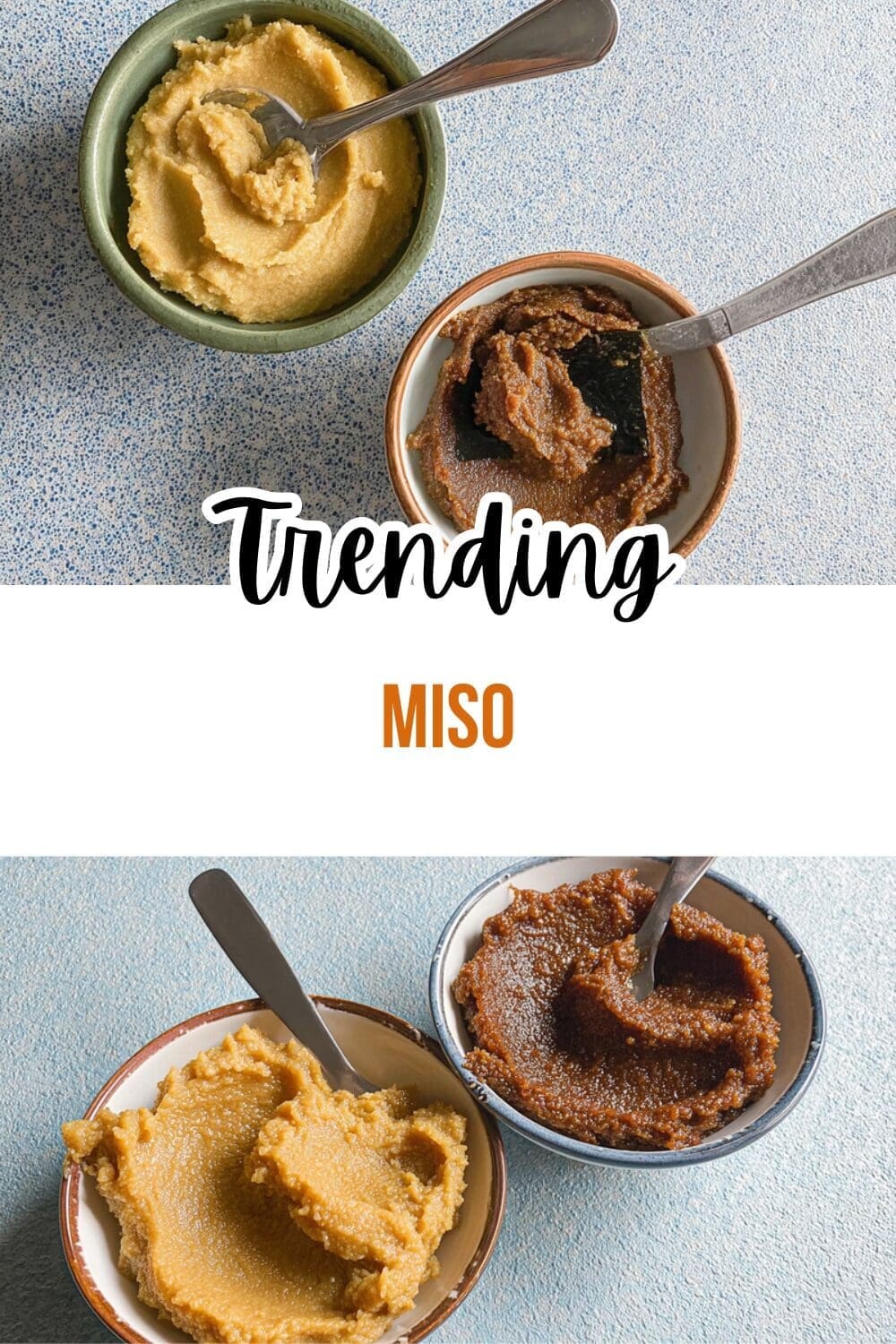
One of the standout features of miso is its adaptability to various dietary needs, allowing for easy modifications to create vegan, gluten-free, or low-calorie versions. Miso is a traditional Japanese seasoning made by fermenting soybeans with salt and kōji mold (Aspergillus oryzae), which is cultivated on grains such as rice, barley, or wheat, providing a range of flavors from salty and earthy to sweet and fruity depending on the type and fermentation period. Additional optional ingredients can include sesame seeds, chickpeas, corn, or other legumes, adding even more variety to its uses. The fermentation process varies from as little as five days up to several years, influencing the final product’s aroma and taste, while common types like rice miso, barley miso, soybean miso, and mixed miso differ in grain composition, color, and flavor profiles.
This makes miso not only nutritious but also a fun ingredient for food enthusiasts and baking enthusiasts experimenting in the kitchen. Nutritionally, per 100 grams, miso contains about 199 calories, 26.47 grams of protein, 6.2 grams of carbohydrates, and 5.4 grams of fat, along with essential vitamins and minerals such as vitamin B12, iron, zinc, magnesium, calcium, potassium, and sodium. It stands out for its natural umami components like glutamic acid, which enhance dishes without overpowering them, and studies show its high salt content has a less pronounced effect on blood pressure compared to pure sodium sources. For those new to miso, exploring simple chicken-based recipes can help integrate this ingredient into everyday meals, fostering creativity and community gatherings as described on this blog.
Jump to:
- Why You’ll Love This Miso
- Essential Ingredients for Miso
- How to Prepare the Perfect Miso: Step-by-Step Guide
- Dietary Substitutions to Customize Your Miso
- Mastering Miso: Advanced Tips and Variations
- How to Store Miso: Best Practices
- FAQs: Frequently Asked Questions About Miso
- What is miso and how is it made?
- How do you store miso to keep it fresh?
- What are some easy ways to use miso in everyday cooking?
- What are the health benefits of eating miso regularly?
- Can miso be used in vegan and vegetarian diets?
- Miso
- Ingredients
- Instructions
- Last Step:
- Notes
- Nutrition
- Did you make this recipe?
Essential Ingredients for Miso
To create the perfect miso dish, start with high-quality ingredients that form the base of this flavorful recipe. Below is a comprehensive list of all ingredients mentioned, formatted for clarity. This ensures home cooks and busy parents can easily follow along and adjust for their needs.
- 1/4 cup miso paste – Adds umami richness and acts as the flavor base.
- 2 cups vegetable broth – Provides a savory liquid foundation.
- 100g tofu, cubed – Adds protein and texture.
- 1 tbsp soy sauce – Enhances saltiness and depth.
- 1 tsp sesame oil – Imparts a subtle nutty aroma.
Steamed grains are inoculated with kōji mold spores to grow enzymes that break down starches and proteins, which is then mixed with cooked soybeans and salt typically in quantities such as 100 grams of soybeans with proportional amounts of kōji and salt depending on batch size and left to ferment under controlled conditions. After fermentation, the miso paste is stored refrigerated, ensuring it remains fresh for use in recipes like this one. For special dietary options, consider the following adaptations to make the dish more accessible.
- Vegan: Use plant-based miso and vegetable broth substitutes to ensure no animal products are included.
- Gluten-free: Opt for tamari or gluten-free soy sauce alternatives to accommodate those with gluten sensitivities.
- Low-calorie: Choose light miso paste and reduce oil quantity, such as using just 1/2 tsp sesame oil, to lower calorie content while maintaining flavor.
When cooking with miso, add it toward the end of the process or after removing the dish from heat to preserve its beneficial enzymes and delicate flavors, as recommended for optimal results. Miso can also be used raw in dressings or dips, and mixing varieties like red miso for stronger, saltier notes or white miso for sweeter, lighter tastes helps balance the overall profile. For more nutritional insights, check out this resource: Why Miso is Healthy.
How to Prepare the Perfect Miso: Step-by-Step Guide
Preparing miso at home involves a few key steps that highlight its traditional process while adapting it for modern kitchens. To begin, gather all ingredients and ensure they are measured accurately for the best results, such as using exactly 100 grams of soybeans if making your own paste, though for this recipe we focus on using prepared miso. Miso is made by fermenting soybeans with salt and kōji mold, where steamed grains are inoculated with kōji spores to develop enzymes that break down components, creating the paste’s signature flavor.
- First Step: Gather all ingredients, measure accurately, and prepare the tofu by cutting into cubes to ensure everything is ready for mixing. This step helps maintain an organized workflow, especially for busy parents or working professionals.
- Second Step: Heat vegetable broth in a pot over medium heat until it simmers gently, which takes around 5 minutes, allowing flavors to begin developing without overcooking.
- Third Step: Reduce heat to low and whisk in miso paste thoroughly to dissolve it fully, avoiding boiling to protect the probiotics and enzymes that make miso beneficial.
- Fourth Step: Add tofu cubes and soy sauce to the pot, then simmer for an additional 3-5 minutes so the flavors can meld together effectively.
- Fifth Step: Stir in sesame oil, then taste and adjust seasoning, opting for low-sodium alternatives if needed to suit diet-conscious individuals.
- Final Step: Serve warm, garnished with fresh scallions or seaweed, and for dietary tweaks, swap tofu with tempeh or incorporate vegetables like spinach for added nutrition. Remember, to prepare miso optimally, it involves mixing cooked soybeans with kōji and salt, followed by fermentation that can last from five days to several years.
This method preserves the delicate flavors of different miso types, such as rice miso or barley miso, which vary by grain and fermentation time. For those interested in expanding their recipe repertoire, exploring air fryer techniques can complement miso dishes by adding crispy elements. Nutritionally, this approach ensures you retain the vitamins and minerals in miso, including iron and zinc, making it a wholesome choice.
Dietary Substitutions to Customize Your Miso
Customizing miso recipes allows for flexibility to meet various preferences, making it ideal for travelers, newlyweds, or community organizers planning group meals. For protein alternatives, consider options that maintain the dish’s nutritional value while accommodating different tastes. Miso’s base ingredients, like fermented soybeans mixed with kōji and salt, can be adapted easily, and its fermentation period influences the final flavor, from earthy to fruity notes.
- Replace tofu with tempeh for a firmer texture and nuttier flavor, which adds more protein and pairs well with the umami from miso.
- Use cooked beans or lentils as a plant-based protein substitute, ensuring the recipe remains vegan and gluten-free for broader appeal.
When modifying vegetables, sauces, and seasonings, focus on fresh, seasonal items to enhance the dish’s health benefits. For instance, different miso varieties like red or white can be mixed to balance taste, with white miso offering a sweeter profile. Vegetables, sauce, and seasoning modifications can include the following for added versatility:
- Substitute spinach, bok choy, or kale based on what’s available, boosting the nutritional content with vitamins like those found in miso.
- Use tamari or coconut aminos in place of soy sauce for gluten-free options, helping to keep sodium levels in check.
- Add ginger, garlic, or chili flakes to enhance flavors, drawing from miso’s natural umami to create more complex profiles.
These changes help preserve miso’s enzymes and probiotics, which support gut health, and keep the dish adaptable for baking enthusiasts or seniors. Remember to store opened miso in a sealed container in the refrigerator for freshness.
Mastering Miso: Advanced Tips and Variations
Taking your miso skills to the next level involves understanding pro techniques and flavor variations that elevate simple recipes into standout dishes for food enthusiasts. Gently warm miso without boiling to keep its probiotic qualities intact, as the enzymes from the kōji mold fermentation process are delicate and contribute to health benefits like improved digestion. To prepare miso, steamed grains inoculated with kōji spores are mixed with soybeans and salt, undergoing fermentation that can range from five days to years, resulting in types like soybean miso or mixed miso with added ingredients such as sesame seeds or chickpeas.
Flavor variations allow for creativity in the kitchen, such as incorporating dashi stock or mushroom broth for deeper umami, which complements miso’s natural glutamic acid. A table below summarizes common miso types and their characteristics for easy reference:
| Miso Type | Grain Composition | Color and Taste |
|---|---|---|
| Rice Miso | Rice-based with soybeans | Light color, sweet and mild |
| Barley Miso | Barley-based with soybeans | Medium color, earthy and balanced |
| Soybean Miso | Pure soybeans | Dark color, salty and robust |
| Mixed Miso | Combination of grains | Varies, often fruity and complex |
Presentation tips include garnishing with sliced scallions, toasted sesame seeds, or seaweed strips to make the dish visually appealing for gatherings. For make-ahead options, prepare the broth separately and store it refrigerated, assembling just before serving to maintain freshness, much like how fermented miso is handled post-production. Nutritionally, this approach maximizes benefits like protein and B vitamins while minimizing waste.
How to Store Miso: Best Practices
Proper storage is key to preserving the quality of miso, ensuring its flavors remain intact for future use in recipes favored by students and working professionals. Store miso in an airtight container in the refrigerator, where it can last up to several months, as the fermentation process continues slowly under cool conditions. After fermentation, miso paste is typically stored refrigerated to halt further changes, and opened containers should be kept sealed to avoid contamination.
Freezing is another effective method for long-term storage, allowing you to portion miso broth and thaw it overnight in the fridge before gently reheating. Reheating on low heat without boiling helps retain miso’s probiotic benefits and delicate enzymes, which are crucial for its health advantages. For meal prep, batch cook broth and keep components like tofu separate to combine later, drawing from miso’s nutritional profile that includes minerals such as potassium and calcium for balanced diets.
Miso, with its varying fermentation periods, offers flavors from salty to sweet, making it a staple for community events and family meals always prioritize refrigeration to extend its shelf life.
FAQs: Frequently Asked Questions About Miso
What is miso and how is it made?
Miso is a traditional Japanese seasoning paste made from fermented soybeans, salt, and a fungus called koji (Aspergillus oryzae). Sometimes rice or barley is added to change the flavor. The fermentation process usually takes several months, during which enzymes break down the soybeans, creating a rich umami flavor and a thick, paste-like texture. Miso varies in color and taste depending on the ingredients and fermentation time, ranging from white and mild to dark and robust.
How do you store miso to keep it fresh?
Miso should be stored in an airtight container in the refrigerator to preserve its flavor and prevent spoilage. Because it is a fermented product, refrigeration slows down further fermentation and bacterial growth. Use a clean spoon each time you scoop to avoid contamination. Properly stored, miso can last for several months, and its flavor may develop and deepen even after opening.
What are some easy ways to use miso in everyday cooking?
Miso is versatile and can be added to soups, salad dressings, marinades, and sauces. A classic use is miso soup, made by dissolving miso paste in hot broth. You can also blend miso into vinaigrettes for a savory twist or use it as a marinade base for fish and meats to add depth. Stir miso into cooked vegetables or grains for extra flavor. Always add miso towards the end of cooking to preserve its beneficial enzymes and delicate taste.
What are the health benefits of eating miso regularly?
Miso contains probiotics from fermentation that support gut health and digestion. It is also a good source of protein, vitamins (especially B vitamins), and minerals like zinc and manganese. Studies suggest that regular miso consumption may help lower blood pressure and boost immune function. However, because miso is high in sodium, it’s best consumed in moderation within a balanced diet.
Can miso be used in vegan and vegetarian diets?
Yes, miso is naturally plant-based and widely used in vegan and vegetarian cooking. It provides umami flavor and richness without animal products, making it a great seasoning alternative for soups, sauces, and dressings. When buying miso, check the label to ensure it doesn’t contain added fish or meat extracts, as some specialty varieties may include these ingredients.

Miso
🍲 Discover the rich umami flavor and nutritional benefits of miso, a traditional Japanese fermented seasoning.
🌿 Incorporate miso into your cooking for enhanced taste and a boost of probiotics supporting digestive health.
- Total Time: Varies with fermentation
- Yield: Varies
Ingredients
– 1/4 cup miso paste Adds umami richness and acts as the flavor base
– 2 cups vegetable broth Provides a savory liquid foundation
– 100g tofu, cubed Adds protein and texture
– 1 tbsp soy sauce Enhances saltiness and depth
– 1 tsp sesame oil Imparts a subtle nutty aroma
Instructions
1-First Step: Gather all ingredients, measure accurately, and prepare the tofu by cutting into cubes to ensure everything is ready for mixing. This step helps maintain an organized workflow, especially for busy parents or working professionals.
2-Second Step: Heat vegetable broth in a pot over medium heat until it simmers gently, which takes around 5 minutes, allowing flavors to begin developing without overcooking.
3-Third Step: Reduce heat to low and whisk in miso paste thoroughly to dissolve it fully, avoiding boiling to protect the probiotics and enzymes that make miso beneficial.
4-Fourth Step: Add tofu cubes and soy sauce to the pot, then simmer for an additional 3-5 minutes so the flavors can meld together effectively.
5-Fifth Step: Stir in sesame oil, then taste and adjust seasoning, opting for low-sodium alternatives if needed to suit diet-conscious individuals.
6-Final Step: Serve warm, garnished with fresh scallions or seaweed, and for dietary tweaks, swap tofu with tempeh or incorporate vegetables like spinach for added nutrition. Remember, to prepare miso optimally, it involves mixing cooked soybeans with kōji and salt, followed by fermentation that can last from five days to several years.
Last Step:
Please leave a rating and comment letting us know how you liked this recipe! This helps our business to thrive and continue providing free, high-quality recipes for you.Notes
💡 Add miso towards the end of cooking to preserve beneficial enzymes.
🥄 Mix varieties such as red and white miso to balance flavor profiles.
❄️ Store opened miso in a sealed container in the refrigerator for freshness.
- Prep Time: 15 minutes
- Fermentation period: 5 days to several years
- Cook Time: 0 minutes
- Category: Condiment
- Method: Fermentation
- Cuisine: Japanese
- Diet: Vegan, Gluten-Free option (check ingredient grains)
Nutrition
- Serving Size: 1 tablespoon
- Calories: 199 kcal
- Sugar: 1 g
- Sodium: 1500 mg
- Fat: 5.4 g
- Saturated Fat: 0.7 g
- Unsaturated Fat: 4.7 g
- Trans Fat: 0 g
- Carbohydrates: 6.2 g
- Fiber: 2 g
- Protein: 26.47 g
- Cholesterol: 0 mg


