

Why You’ll Love These Mini Lemon Cakes With Lavender Glaze
If you love bright citrus desserts with a soft floral finish, these Mini Lemon Cakes With Lavender Glaze are going to be a new favorite. They bring together lemon, orange, and a gentle lavender drizzle in a way that feels fancy, but still totally doable on a busy day.
- Easy to make: This recipe uses simple pantry ingredients and mixes up fast, so it is great for home cooks, students, and busy parents who want a pretty dessert without a lot of fuss.
- Bright and sunny flavor: The mix of lemon juice, orange juice, zest, and sweet glaze gives these Mini Lemon Cakes a fresh, happy taste that works well for spring gatherings, showers, and tea time.
- Great for sharing: Mini cakes travel well, serve easily, and fit right in at potlucks, church events, picnics, and neighborhood get-togethers.
- A little bit special: The Lavender Glaze adds a soft floral note that makes these cakes stand out from the usual citrus dessert.
According to the Cleveland Clinic’s look at lemon benefits, citrus can bring a refreshing boost to your baking routine. And if you like a dessert that feels comforting but a little elegant, this one hits that sweet spot.
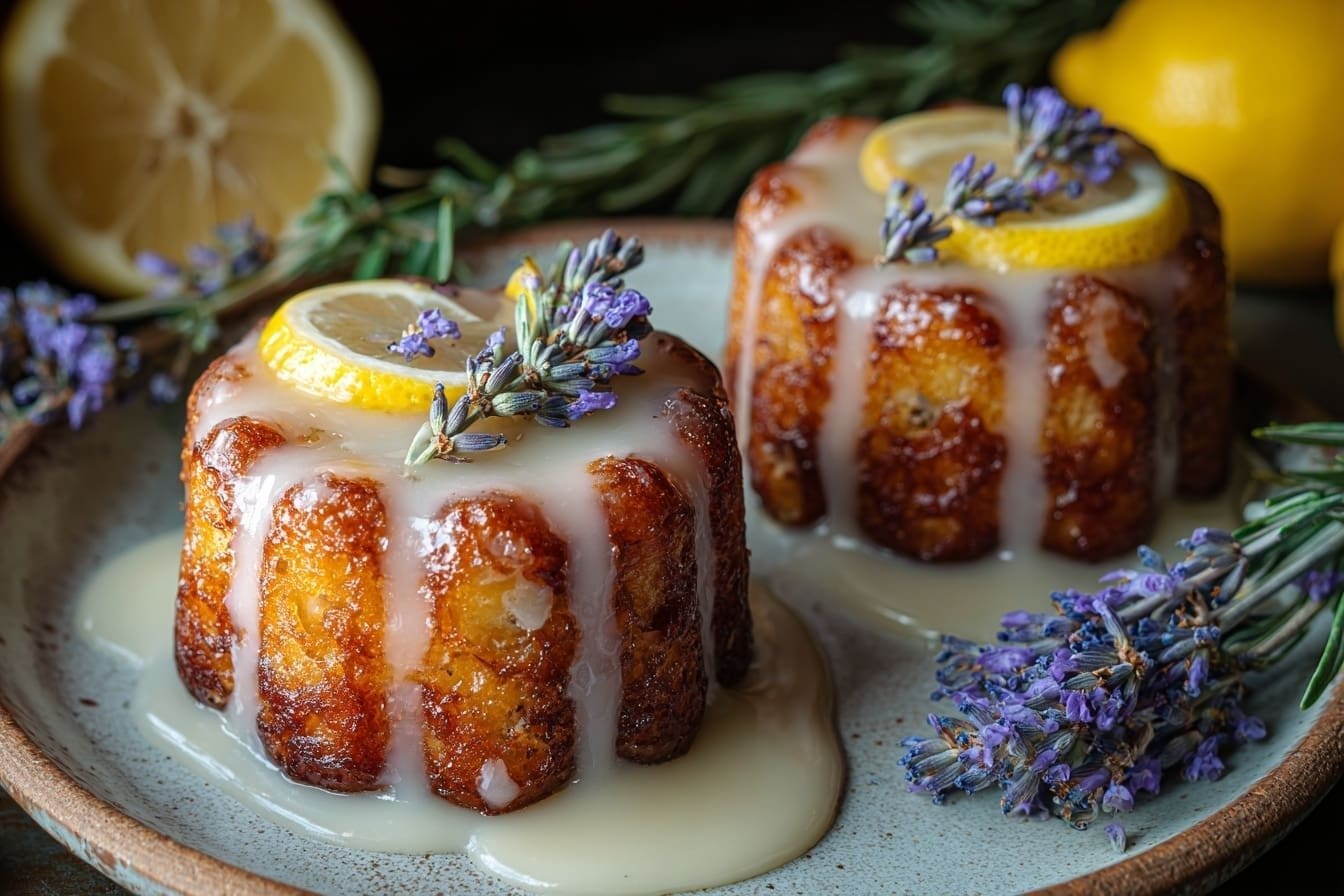
These little cakes feel like sunshine on a plate, with just enough lavender to make them memorable.
They are a lovely choice when you want something that looks beautiful, tastes fresh, and can be served with coffee, tea, or a big smile.
Jump to:
- Why You’ll Love These Mini Lemon Cakes With Lavender Glaze
- Essential Ingredients for Mini Lemon Cakes With Lavender Glaze
- Cake Ingredients
- Icing Ingredients
- Ingredient Notes
- Special Dietary Options
- How to Prepare the Perfect Mini Lemon Cakes With Lavender Glaze: Step-by-Step Guide
- First Step: Get the pan and oven ready
- Second Step: Mix the dry ingredients
- Third Step: Cream the butter and sugar
- Fourth Step: Bring the batter together
- Fifth Step: Fill the pans and bake
- Sixth Step: Cool before glazing
- Seventh Step: Make the lavender glaze
- Eighth Step: Glaze and serve
- Dietary Substitutions to Customize Your Mini Lemon Cakes With Lavender Glaze
- Protein and Main Component Alternatives
- Vegetable, Sauce, and Seasoning Modifications
- Mastering Mini Lemon Cakes With Lavender Glaze: Advanced Tips and Variations
- Pro cooking techniques
- Flavor variations
- Presentation tips
- Make-ahead options
- How to Store Mini Lemon Cakes With Lavender Glaze: Best Practices
- Refrigeration
- Freezing
- Reheating
- Meal prep considerations
- FAQs: Frequently Asked Questions About Mini Lemon Cakes With Lavender Glaze
- What ingredients do I need for mini lemon cakes with lavender glaze?
- How do I make lavender glaze for mini lemon cakes?
- Can I make mini lemon cakes with lavender glaze without a mini pan?
- How should I store mini lemon cakes with lavender glaze?
- Is lavender safe to use in mini lemon cakes and what can I substitute?
- Mini Lemon Cakes With Lavender Glaze
- Ingredients
- Instructions
- Last Step:
- Notes
- Nutrition
- Did you make this recipe?
Essential Ingredients for Mini Lemon Cakes With Lavender Glaze
Here is everything you need for these tender citrus cakes and their pretty glaze. I have listed the ingredients exactly so you can gather everything before you start baking.
Cake Ingredients
- 2 1/2 cups flour, plus extra for the pan
- 1/4 teaspoon salt
- 2/3 cup butter, plus extra for the pan
- 5 tablespoons orange juice
- 2 tablespoons lemon juice
- 2 tablespoons water
- Zest from 1 lemon
- Zest from 1 orange
- 2 teaspoons baking powder
- 3 eggs
- 1 1/2 cups sugar
Icing Ingredients
- 1 cup powdered sugar
- 1/4 cup lemon juice
- 2 tablespoons milk
- 1 tablespoon fresh or dried culinary lavender
Ingredient Notes
| Ingredient | Why It Matters |
|---|---|
| Flour and baking powder | Give the mini cakes structure and a soft rise. |
| Butter and eggs | Add richness, help the crumb stay tender, and give the cakes a classic bakery-style texture. |
| Lemon and orange juice | Bring the bright citrus flavor that makes each bite taste fresh and lively. |
| Lemon and orange zest | Boost the aroma and give the cakes a stronger citrus kick. |
| Lavender | Creates the floral finish in the glaze, which is lovely when used in small amounts. |
Special Dietary Options
- Vegan: Swap the butter for plant-based butter, use a flax egg or egg replacer, and choose unsweetened plant milk for the glaze.
- Gluten-free: Use a 1-to-1 gluten-free baking flour blend in place of the flour.
- Low-calorie: Try reducing the glaze amount, using a lighter drizzle, or serving the cakes plain with extra citrus zest on top.
If you enjoy lemon-forward bakes, you might also like the sweet-tart flavor in these lemon bars from the site. They are another fun option for citrus lovers.
How to Prepare the Perfect Mini Lemon Cakes With Lavender Glaze: Step-by-Step Guide
First Step: Get the pan and oven ready
Start by preheating your oven to 350°F. Grease your mini bundt pans very well with butter, then dust them lightly with flour. This helps the cakes release cleanly later. If you are using a different pan, like mini muffin tins, line or grease them so the batter does not stick.
This step matters a lot because these little cakes have delicate edges. A well-prepared pan means your Mini Lemon Cakes With Lavender Glaze will keep their pretty shape. If you are baking for a crowd, prep a few pans at once so the batter can go straight in.
Second Step: Mix the dry ingredients
In a medium bowl, whisk together the flour, salt, and baking powder. Whisking helps break up any lumps and spreads the leavening evenly through the flour. That means your mini cakes will rise more evenly and bake up with a softer crumb.
If you are using a gluten-free flour blend, this is the same step to keep in place. Just make sure the blend is meant for baking. For best results, do not skip the whisking. It is a small step that makes a nice difference.
Third Step: Cream the butter and sugar
In a large bowl, beat the butter and sugar together until light and fluffy. This usually takes a few minutes with a hand mixer or stand mixer. The mixture should look pale and airy, which helps create a tender texture in the finished cake.
Once the butter and sugar are ready, beat in the eggs one at a time. Mix well after each egg so the batter stays smooth. Then stir in the orange juice, lemon juice, water, lemon zest, and orange zest. The batter may look a little loose at this stage, and that is just fine.
Fourth Step: Bring the batter together
Add the dry ingredients to the wet mixture in two or three additions. Stir gently and only until combined. Overmixing can make mini cakes tough, and nobody wants that when they are after a soft, tender bite.
The batter should be smooth and thick enough to spoon, but not dry. If it seems too thick, you can check your measurements again before adding anything extra. For this recipe, the balance of citrus juice and butter gives the cakes a moist crumb with a bright flavor.
Fifth Step: Fill the pans and bake
Spoon the batter into the prepared pans, filling each cavity about two-thirds full. This gives the cakes room to rise without spilling over. Tap the pans gently on the counter to settle the batter and release a few air bubbles.
Bake for 18 to 22 minutes for mini bundt pans, or until a toothpick inserted into the center comes out clean. If you are using mini muffin tins, start checking a few minutes earlier. Oven temperatures vary, so keep an eye on them near the end. You want the tops lightly golden and springy to the touch.
Sixth Step: Cool before glazing
Let the cakes cool in the pan for about 10 minutes. Then turn them out onto a wire rack to cool completely. Cooling is important because warm cakes can soak up too much glaze and lose their pretty shape. A fully cooled cake gives you that lovely glossy finish instead of a runny one.
If you are making these ahead for a party, bake the cakes in the morning and glaze them later in the day. That makes them easier to transport and serve when guests arrive.
Seventh Step: Make the lavender glaze
In a small bowl, whisk the powdered sugar, lemon juice, milk, and culinary lavender together until smooth. If you are using dried lavender, crush it lightly between your fingers first so the flavor blends more evenly. The glaze should be thick enough to coat a spoon, but still loose enough to drizzle.
If the glaze feels too thick, add a tiny splash more milk or lemon juice. If it is too thin, add a little more powdered sugar. The goal is a sweet, fragrant drizzle that tastes like lemon candy with a soft floral note. According to Cleveland Clinic’s overview of lavender benefits, lavender has long been valued for its calming scent, and a little bit goes a long way in baking too.
Eighth Step: Glaze and serve
Spoon or drizzle the glaze over the cooled cakes. Let it set for a few minutes before serving so the finish looks neat and the glaze does not slide off. If you want a little extra flair, add a tiny bit of lemon zest or a pinch of lavender on top.
Serve these Mini Lemon Cakes at brunch, afternoon tea, baby showers, spring celebrations, or any time you need a dessert that looks special without much stress. They are pretty enough for company, yet easy enough for a Tuesday night treat.
Best results come from fully cooling the cakes before glazing. That one step keeps the finish clean and beautiful.
Dietary Substitutions to Customize Your Mini Lemon Cakes With Lavender Glaze
Protein and Main Component Alternatives
If you need to adjust the recipe, there are a few smart swaps that still keep the spirit of these citrus cakes alive. For an egg-free version, use a reliable egg replacer or a flax egg. For butter, plant-based baking sticks work well in place of dairy butter, especially in cakes with strong citrus flavor like this one.
If you want a dairy-free glaze, swap the milk for almond milk, oat milk, or another unsweetened non-dairy milk. The lemon juice still gives the glaze its bright taste, so the end result stays lively and sweet. If you are baking for someone who does not love floral flavors, you can leave out the lavender and make a simple lemon glaze instead.
Vegetable, Sauce, and Seasoning Modifications
These mini cakes do not include vegetables, but the flavorings can still be changed to suit the season or your guests. Try adding a little extra orange zest for a stronger citrus edge, or use a touch of vanilla to soften the floral notes. If lavender is not your thing, skip it and pair the lemon glaze with a bit of orange juice for a different twist.
For a lighter version, drizzle only half the glaze and serve the rest on the side. That keeps the cake from feeling too sweet while still giving people that pretty finish. These changes make the recipe flexible for different tables, from family brunches to dessert trays at church suppers.
Mastering Mini Lemon Cakes With Lavender Glaze: Advanced Tips and Variations
Pro cooking techniques
For the prettiest crumb, use room-temperature butter and eggs. They blend more smoothly, which helps the batter hold air. Also, do not rush the creaming step. That fluffy butter-sugar mix is part of what gives these Mini Lemon Cakes With Lavender Glaze their soft texture.
If you want perfectly neat cakes, chill the batter for 10 minutes before baking. This can help the mini bundt shapes stay sharp. Another trick is to use a piping bag or a large zip-top bag with the corner snipped off to fill the pans cleanly.
Flavor variations
You can play with the citrus in fun ways. Swap a little of the lemon juice for extra orange juice if you want a softer, sweeter flavor. A tiny bit of almond extract can also add a bakery-style note, though it should stay subtle so the lemon still shines.
For a more garden-fresh version, add a touch of finely grated lemon zest right over the glaze. If you love berry and citrus together, these cakes would also be lovely beside a berry dessert like blackberry pie bars.
Presentation tips
Use a spoon to drizzle the glaze in a back-and-forth motion for a pretty rustic look. If you want a cleaner finish, dip the tops of the mini cakes into the glaze and let the excess drip off. A tiny lemon twist or a few lavender buds on top makes them feel bakery-ready.
These are great for a dessert tray because they look fancy all on their own. Put them on a white platter, add fresh berries around the edge, and you have a sweet little centerpiece.
Make-ahead options
You can bake the cakes a day ahead and store them unglazed. The glaze can also be mixed a few hours in advance and kept covered in the fridge. Just whisk it again before using if it thickens too much. That makes these cakes a smart choice for busy hosts who want dessert ready before the guests ring the bell.
How to Store Mini Lemon Cakes With Lavender Glaze: Best Practices
Good storage keeps these citrus cakes tasting fresh and soft. If you are planning ahead, it helps to store the cakes and glaze separately until close to serving time.
Refrigeration
Store glazed mini cakes in an airtight container in the refrigerator for up to 4 days. Place parchment paper between layers if needed, but try not to stack them too much or the glaze can smudge. Bring them to room temperature before serving so the texture feels soft and pleasant.
Freezing
For longer storage, freeze the cakes without glaze. Wrap each one tightly in plastic wrap, then place them in a freezer-safe bag or container. They can keep well for up to 3 months. When you are ready to serve, thaw them overnight in the fridge and glaze them fresh.
Reheating
If you like your cake slightly warm, reheat unglazed cakes for 10 to 15 seconds in the microwave. Do not heat glazed cakes for long or the icing may melt. A short warm-up works best if you want a just-baked feel.
Meal prep considerations
These mini cakes are a handy make-ahead dessert for parties, bake sales, and holiday trays. Bake the cakes, cool them fully, and store them unglazed. Mix the glaze just before serving for the prettiest look. That way, the citrus stays bright and the glaze stays smooth.

FAQs: Frequently Asked Questions About Mini Lemon Cakes With Lavender Glaze
What ingredients do I need for mini lemon cakes with lavender glaze?
For about 24 mini lemon cakes, you’ll need: 1 ½ cups all-purpose flour, 1 tsp baking powder, ¼ tsp salt, ½ cup unsalted butter (softened), ¾ cup granulated sugar, 2 large eggs, zest and juice of 2 lemons (about ¼ cup juice), ½ cup buttermilk, and 1 tsp vanilla extract for the cakes. For the lavender glaze: 1 cup powdered sugar, 2-3 tbsp milk or lemon juice, 1 tsp culinary lavender buds (food-grade), and optional purple food coloring. Use fresh lemons for bright flavor and ensure lavender is edible to avoid bitterness. Measure precisely for tender crumb—sift dry ingredients to prevent lumps. This combo yields zesty cakes with a floral, sweet drizzle perfect for tea time. Prep time: 15 minutes. (92 words)
How do I make lavender glaze for mini lemon cakes?
Steep 1 tsp culinary lavender buds in 3 tbsp hot water or milk for 10-15 minutes to extract flavor without bitterness. Strain through a fine mesh sieve, pressing buds gently. In a bowl, whisk 1 cup sifted powdered sugar with 2-3 tbsp of the infused liquid until smooth and glossy—add more liquid drop by drop for desired thickness. Stir in a pinch of lemon zest for extra tang. Drizzle over cooled mini cakes using a spoon or piping bag for even coverage. Makes enough for 24 minis. Pro tip: Taste and adjust; too strong? Dilute with plain milk. Sets in 30 minutes. Store extras in fridge up to a week. (108 words)
Can I make mini lemon cakes with lavender glaze without a mini pan?
Yes, improvise with a standard muffin tin lined with paper liners for easy release—fill ¾ full for domed tops mimicking minis. Bake at 350°F (175°C) for 15-18 minutes until a toothpick comes out clean. For true mini size, use a mini muffin tin or slice baked sheet cake into bites. No pan? Spoon batter into silicone molds or even ice cube trays greased well. Cool fully before glazing to avoid soggy cakes. This method works for 36-48 smaller treats. Yields same bright lemon flavor with subtle lavender notes. Test doneness early to keep them moist. (96 words)
How should I store mini lemon cakes with lavender glaze?
Store unglazed cakes in an airtight container at room temperature for up to 2 days or refrigerate up to 5 days—they stay moist thanks to buttermilk. Glazed cakes go in the fridge immediately in a single layer to prevent sticking; bring to room temp before serving for best texture. Freeze unglazed cakes wrapped individually in plastic and foil for up to 3 months—thaw overnight, then glaze fresh. Avoid stacking glazed ones to preserve the pretty drizzle. In humid climates, add a silica packet to containers. Perfect for make-ahead parties. (92 words)
Is lavender safe to use in mini lemon cakes and what can I substitute?
Yes, use only culinary-grade dried lavender buds (Lavandula angustifolia) from spice shops—1 tsp max per recipe to avoid soapy taste. Wash and dry fresh buds if foraging, but dried is consistent. Substitute with lemon extract (½ tsp) for citrus boost, or violet syrup/food coloring for color without floral notes. No lavender? Try honey-thyme glaze: steep fresh thyme in warm honey, mix with powdered sugar. Always start small and taste-test glaze. Fun fact: Lavender pairs with lemon’s acidity, cutting richness—popular in French patisserie. Kid-friendly version skips it entirely. (98 words)

Mini Lemon Cakes With Lavender Glaze
🍊 Revel in moist, zesty citrus cake infused with lemon and orange for bright, refreshing flavor in every tender bite.
🌸 Crown with silky lemon-lavender glaze adding floral sophistication – a showstopper for teas, brunches, or celebrations.
- Total Time: 1 hour 20 minutes
- Yield: 12 mini bundt cakes
Ingredients
– 2 1/2 cups flour, plus extra for the pan
– 1/4 teaspoon salt
– 2/3 cup butter, plus extra for the pan
– 5 tablespoons orange juice
– 2 tablespoons lemon juice
– 2 tablespoons water
– Zest from 1 lemon
– Zest from 1 orange
– 2 teaspoons baking powder
– 3 eggs
– 1 1/2 cups sugar
– 1 cup powdered sugar
– 1/4 cup lemon juice
– 2 tablespoons milk
– 1 tablespoon fresh or dried culinary lavender
Instructions
1-First Step: Get the pan and oven ready Start by preheating your oven to 350°F. Grease your mini bundt pans very well with butter, then dust them lightly with flour. This helps the cakes release cleanly later. If you are using a different pan, like mini muffin tins, line or grease them so the batter does not stick. This step matters a lot because these little cakes have delicate edges. A well-prepared pan means your Mini Lemon Cakes With Lavender Glaze will keep their pretty shape. If you are baking for a crowd, prep a few pans at once so the batter can go straight in.
2-Second Step: Mix the dry ingredients In a medium bowl, whisk together the flour, salt, and baking powder. Whisking helps break up any lumps and spreads the leavening evenly through the flour. That means your mini cakes will rise more evenly and bake up with a softer crumb. If you are using a gluten-free flour blend, this is the same step to keep in place. Just make sure the blend is meant for baking. For best results, do not skip the whisking. It is a small step that makes a nice difference.
3-Third Step: Cream the butter and sugar In a large bowl, beat the butter and sugar together until light and fluffy. This usually takes a few minutes with a hand mixer or stand mixer. The mixture should look pale and airy, which helps create a tender texture in the finished cake. Once the butter and sugar are ready, beat in the eggs one at a time. Mix well after each egg so the batter stays smooth. Then stir in the orange juice, lemon juice, water, lemon zest, and orange zest. The batter may look a little loose at this stage, and that is just fine.
4-Fourth Step: Bring the batter together Add the dry ingredients to the wet mixture in two or three additions. Stir gently and only until combined. Overmixing can make mini cakes tough, and nobody wants that when they are after a soft, tender bite. The batter should be smooth and thick enough to spoon, but not dry. If it seems too thick, you can check your measurements again before adding anything extra. For this recipe, the balance of citrus juice and butter gives the cakes a moist crumb with a bright flavor.
5-Fifth Step: Fill the pans and bake Spoon the batter into the prepared pans, filling each cavity about two-thirds full. This gives the cakes room to rise without spilling over. Tap the pans gently on the counter to settle the batter and release a few air bubbles. Bake for 18 to 22 minutes for mini bundt pans, or until a toothpick inserted into the center comes out clean. If you are using mini muffin tins, start checking a few minutes earlier. Oven temperatures vary, so keep an eye on them near the end. You want the tops lightly golden and springy to the touch.
6-Sixth Step: Cool before glazing Let the cakes cool in the pan for about 10 minutes. Then turn them out onto a wire rack to cool completely. Cooling is important because warm cakes can soak up too much glaze and lose their pretty shape. A fully cooled cake gives you that lovely glossy finish instead of a runny one. If you are making these ahead for a party, bake the cakes in the morning and glaze them later in the day. That makes them easier to transport and serve when guests arrive.
7-Seventh Step: Make the lavender glaze In a small bowl, whisk the powdered sugar, lemon juice, milk, and culinary lavender together until smooth. If you are using dried lavender, crush it lightly between your fingers first so the flavor blends more evenly. The glaze should be thick enough to coat a spoon, but still loose enough to drizzle. If the glaze feels too thick, add a tiny splash more milk or lemon juice. If it is too thin, add a little more powdered sugar. The goal is a sweet, fragrant drizzle that tastes like lemon candy with a soft floral note. According to Cleveland Clinic’s overview of lavender benefits, lavender has long been valued for its calming scent, and a little bit goes a long way in baking too.
8-Eighth Step: Glaze and serve Spoon or drizzle the glaze over the cooled cakes. Let it set for a few minutes before serving so the finish looks neat and the glaze does not slide off. If you want a little extra flair, add a tiny bit of lemon zest or a pinch of lavender on top. Serve these Mini Lemon Cakes at brunch, afternoon tea, baby showers, spring celebrations, or any time you need a dessert that looks special without much stress. They are pretty enough for company, yet easy enough for a Tuesday night treat.
Last Step:
Please leave a rating and comment letting us know how you liked this recipe! This helps our business to thrive and continue providing free, high-quality recipes for you.Notes
🍋 Finely zest citrus to maximize bright flavor while avoiding bitter pith.
🌿 Steep lavender in warm milk then strain for smooth, aromatic glaze without bits.
❄️ Cool cakes fully before glazing to ensure glaze sets properly without melting.
- Prep Time: 20 minutes
- Cooling: 30 minutes
- Cook Time: 30 minutes
- Category: Dessert
- Method: Baking
- Cuisine: American
- Diet: Vegetarian
Nutrition
- Serving Size: 1 mini cake
- Calories: 280 kcal
- Sugar: 28g
- Sodium: 120mg
- Fat: 10g
- Saturated Fat: 6g
- Unsaturated Fat: 4g
- Trans Fat: 0g
- Carbohydrates: 45g
- Fiber: 1g
- Protein: 4g
- Cholesterol: 65mg


