

Why You’ll Love These Meloui Rolled Pancakes
Meloui Rolled Pancakes are one of those recipes that feels special without being fussy. This Moroccan favorite brings together soft dough, buttery layers, and a crisp, golden finish that makes every bite satisfying. If you enjoy recipes that work for breakfast, brunch, or a cozy snack, this one belongs in your rotation.
- Easy to prepare: The dough comes together with simple pantry staples, then rests while you get the rest of your kitchen ready. The shaping takes a little patience, but the method is straightforward once you see the layering process.
- Good for shared meals: These pancakes travel well, reheat nicely, and fit right in at potlucks, family brunches, and community gatherings. That makes them a lovely choice for the kind of food shared at the table and remembered later.
- Flexible for different tastes: Serve Meloui Rolled Pancakes with honey, jam, butter, or soft cheese. They can lean sweet or savory, which makes them a strong fit for busy households and mixed crowds.
- Distinctive flavor and texture: The combination of flour, semolina, butter, and oil gives these pancakes their signature flaky layers. They cook up crisp outside and tender inside, with a texture that feels closer to laminated bread than a standard pancake.
These pancakes are at their best when they are cooked slowly enough to turn golden all the way through, so give them the time they need on the griddle.
Because this recipe makes a generous batch, it is a practical pick for home cooks who like make-ahead options. It also pairs well with other breakfast favorites like fluffy Japanese souffle pancakes when you want a fun brunch spread.
For readers who like whole grains in their cooking, you may also want to read about the general benefits of whole grains from this helpful whole grains guide.
Jump to:
- Why You’ll Love These Meloui Rolled Pancakes
- Essential Ingredients for Meloui Rolled Pancakes
- Main ingredients
- Special dietary options
- How to Prepare the Perfect Meloui Rolled Pancakes: Step-by-Step Guide
- First step: make the dough
- Second step: rest and divide the dough
- Third step: prepare your shaping area
- Fourth step: stretch and layer the first dough ball
- Fifth step: wrap the second square around the first roll
- Sixth step: cut and rest the laminated roll
- Seventh step: cook the meloui
- Final step: cool and serve
- Dietary Substitutions to Customize Your Meloui Rolled Pancakes
- Protein and main component alternatives
- Vegetable, sauce, and seasoning modifications
- Mastering Meloui Rolled Pancakes: Advanced Tips and Variations
- Pro cooking techniques
- Flavor variations
- Presentation tips and make-ahead options
- How to Store Meloui Rolled Pancakes: Best Practices
- Nutritional Information for Meloui Rolled Pancakes
- FAQs: Frequently Asked Questions About Meloui Rolled Pancakes
- What is Meloui and how does it differ from regular pancakes?
- What ingredients and flour mix make authentic Meloui pancakes?
- How do you prepare and rest Meloui dough step by step?
- What is the easiest way to shape and roll Meloui pancakes?
- How do you cook Meloui pancakes and store leftovers?
- Meloui Rolled Pancakes
- Ingredients
- Instructions
- Last Step:
- Notes
- Nutrition
- Did you make this recipe?
Essential Ingredients for Meloui Rolled Pancakes
Below is the full ingredient list for authentic Meloui. Each item plays a role in the dough, the layering, or the final texture, so it helps to measure carefully before you begin.
Main ingredients
- 2 cups white flour – Bread flour or high gluten flour is preferred for a stronger dough structure.
- 1 1/2 cups whole wheat flour – Adds flavor and depth, though you can substitute with more white flour if needed.
- 2 teaspoons sugar – Helps the dough brown lightly and adds a touch of balance.
- 2 teaspoons salt – Brings out the flavor in the dough.
- 1/4 teaspoon dry yeast – Adds gentle lift without making the dough overly airy.
- 1 1/2 cups warm water, approximately – Used to bring the dough together into a soft, pliable mass.
- 1 cup vegetable oil, approximately – Needed for shaping, stretching, and keeping the dough from sticking.
- 1/2 cup unsalted butter, softened, approximately – Gives the layers rich flavor and helps create a tender finish.
- 1/2 cup semolina, approximately – Adds traditional texture and a delicate bite between the layers.
Special dietary options
- Vegan: Replace the butter with a plant-based butter and keep the vegetable oil as written. The rest of the ingredients already fit a plant-based pattern.
- Gluten-free: Use a gluten-free flour blend designed for yeast doughs, though the texture will be different from the traditional version.
- Lower calorie: Lightly reduce the butter and oil during shaping, but keep enough fat to prevent tearing and preserve the layered structure.
| Ingredient | Purpose | Notes |
|---|---|---|
| White flour | Builds the dough | Bread flour gives better strength |
| Whole wheat flour | Adds flavor | Can be replaced with white flour |
| Butter and oil | Create layers | Do not skip both |
| Semolina | Improves texture | Best for sprinkling during rolling |
How to Prepare the Perfect Meloui Rolled Pancakes: Step-by-Step Guide
First step: make the dough
Start by combining the white flour, whole wheat flour, salt, sugar, and dry yeast in a large bowl. Stir everything together so the yeast is evenly distributed. Add the warm water gradually, then mix until a soft, pliable dough forms. The dough should feel smooth and slightly elastic, but it should not be sticky. If it feels too wet, add a little flour. If it feels dry, add a spoonful of warm water at a time.
Knead the dough by hand for about 10 minutes, or use a stand mixer for about 5 minutes. The goal is a smooth dough that springs back a bit when pressed. Good kneading matters here because it helps the dough stretch thin without tearing later. This is one of the most important steps in making Meloui Rolled Pancakes with the right texture.
Second step: rest and divide the dough
Oil a large tray so the dough balls will not stick. Divide the dough into about 16 balls, each about the size of a small plum. Place them on the oiled tray with space between them, then lightly oil the tops. Cover loosely with plastic wrap and let them rest for 20 to 30 minutes.
This resting time helps the gluten relax, which makes the dough easier to stretch. It also keeps the balls soft and workable while you shape them. If your kitchen is cool, place the tray in a warm spot so the dough stays relaxed and easy to handle.
Third step: prepare your shaping area
Before you begin laminating, set up everything within reach. You will want a tray of dough balls, a bowl of vegetable oil, softened butter, and semolina. A flat surface at least 12 inches square works well. Oil the surface generously and oil your hands too. This prevents sticking and helps you stretch the dough without tearing it.
If you like recipes that depend on smart prep, you might also enjoy practical breakfast ideas such as these easy cheese scones, which also work well for sharing.
Fourth step: stretch and layer the first dough ball
Take one dough ball and flatten it with oiled hands. Using light pressure and a sweeping finger motion, stretch it into a thin square. Take your time here. The dough should be thin enough to see some light through it, but it should still hold together. If a tiny tear appears, pinch it gently closed.
Spread a thin layer of softened butter over the square, then sprinkle with semolina. The butter adds richness while the semolina gives the layers their traditional bite. After that, roll the dough up like a cinnamon roll, keeping the roll snug as you go. Set it aside.
Fifth step: wrap the second square around the first roll
Flatten a second dough ball into another thin square. Butter it and sprinkle with semolina in the same way. Place the first roll at the top edge of the second square, then roll the square downward to wrap the first roll snugly. You are building layers inside layers, and that is what gives Meloui its beautiful flakiness.
Repeat this process using half of the dough balls to make one thick laminated roll. The tighter you keep the layers, the better the final spiral will hold together during cooking. This is the stage where patience pays off.
Sixth step: cut and rest the laminated roll
Once the laminated roll is formed, cut it into 8 slices. Place the slices cut-side up on a tray and cover them loosely. Repeat the shaping process with the remaining dough balls to create a second laminated roll, then cut that into 8 more pieces. Let the shaped pieces rest for 15 to 20 minutes before cooking.
This second rest helps the dough settle after shaping. It also gives the butter and semolina time to spread a little through the layers, which helps with the final texture. During this time, you can heat your pans and clear space for cooking.
Seventh step: cook the meloui
Heat a double griddle or two frying pans over medium heat. A cast iron skillet or non-stick pan also works well. Flatten two rolls at a time until they are about 1/8 inch thick. Cook them for several minutes, turning as needed, until the outside is golden and crispy and the center is cooked through.
Keep the heat moderate. If the heat is too high, the outside can brown too fast while the inside stays undercooked. If the heat is too low, the pancakes may dry out before they take on color. You want steady heat so the layers can cook through and separate nicely.
Final step: cool and serve
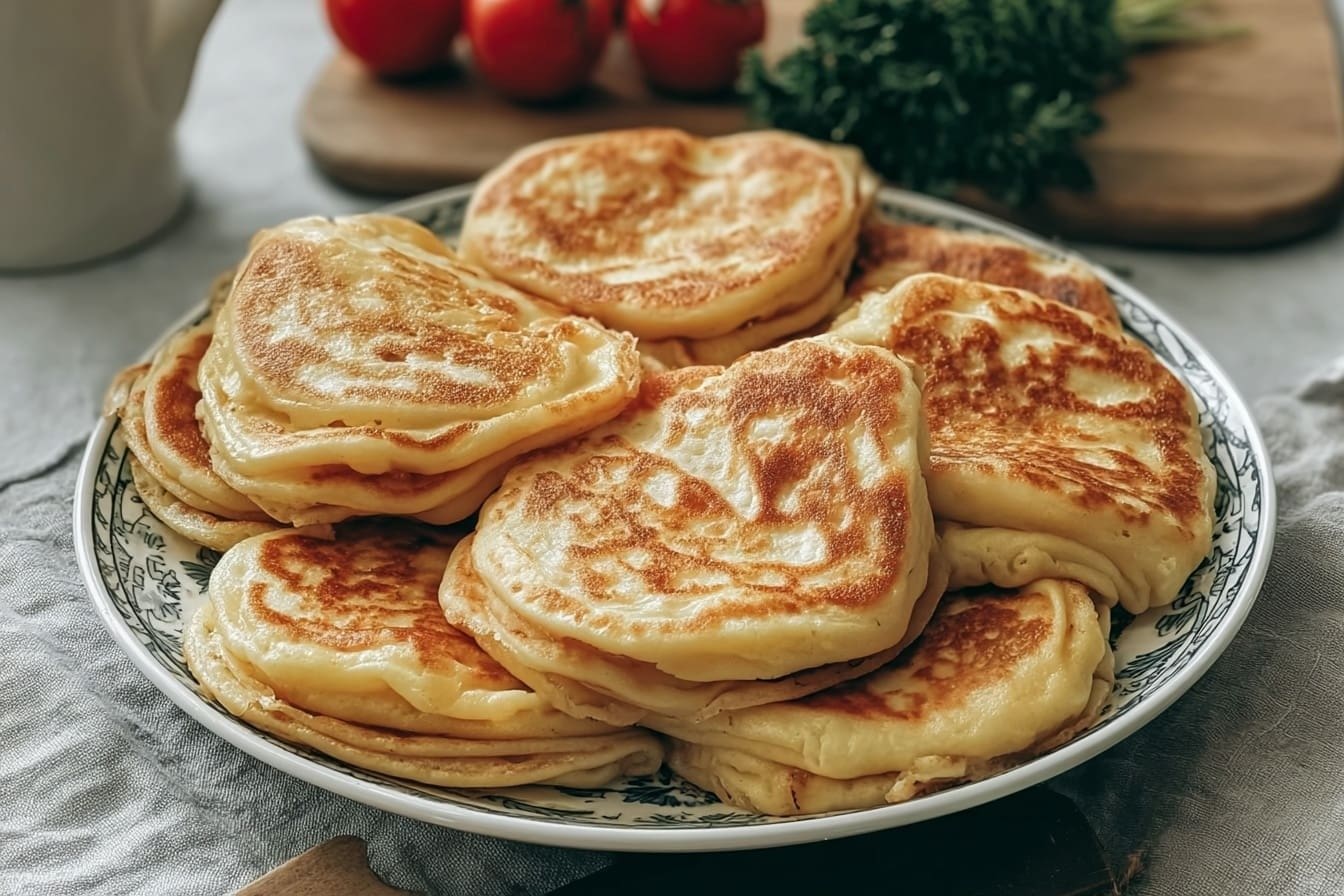
When the Meloui Rolled Pancakes are done, move them to a wire rack so steam does not soften the crust. Serve them warm with butter, honey, jam, or soft cheese. Traditional service often includes dipping them in hot syrup made from melted butter and honey, which is especially lovely if you want a rich Moroccan-style breakfast spread.
Warm Meloui with honey and butter is hard to beat, but a little jam or soft cheese can be just as satisfying if you want a lighter bite.
Dietary Substitutions to Customize Your Meloui Rolled Pancakes
Protein and main component alternatives
Even though Meloui Rolled Pancakes are built around flour, butter, and oil rather than a major protein ingredient, you can still adjust the recipe to fit your needs. If you want a more wholesome dough, use more whole wheat flour and a little less white flour. If you prefer a lighter version, swap some of the butter for more vegetable oil during shaping, though the texture will be slightly less rich.
For dairy-free cooking, use a good plant-based butter that softens well and spreads easily. If you need to cut gluten, use a trusted gluten-free flour blend made for yeast breads, but expect less stretch and a more delicate structure. For those who like a more traditional bite, semolina or durum flour keeps the layers closer to the Moroccan original.
Vegetable, sauce, and seasoning modifications
Meloui is wonderfully flexible when it comes to serving. For a sweet plate, choose honey, jam, or a light syrup. For a savory table, offer soft cheese, herbed cheese, or a mild spread. You can even add a pinch of cinnamon or orange blossom water to the butter for a fragrant finish.
If you are serving a mixed crowd, set out small bowls of different toppings so each person can choose their favorite. That approach works especially well for gatherings, brunch boards, and family-style meals where variety matters more than strict rules.
Mastering Meloui Rolled Pancakes: Advanced Tips and Variations
Pro cooking techniques
One of the best ways to improve your Meloui Rolled Pancakes is to keep the layers snug while rolling. Loose coils can separate too much during cooking, while tight coils help the pancake hold its shape. Oil your hands often, and do not rush the stretching step. A gentle touch helps keep the dough from tearing.
Using a double griddle or multiple pans can save time, especially if you are making a full batch for guests. Many cooks also find that a cast iron pan gives a very appealing crust, while a non-stick pan offers easy turning. Let the pancakes cook long enough at moderate heat so the center cooks through fully.
Flavor variations
For a richer version, brush a little extra butter between the layers. For a nuttier taste, lean into whole wheat flour rather than replacing it completely. If you want a sweeter breakfast, serve the pancakes with butter and honey as soon as they come off the griddle. A pinch of cinnamon in the topping can also make them feel extra cozy.
Since this recipe is rooted in Moroccan tradition, it also fits nicely on a breakfast table with other crowd-pleasing dishes. If you enjoy savory-sweet combinations, you might like serving it with chicken waffle sliders for a weekend brunch that feels fun and filling.
Presentation tips and make-ahead options
For serving, stack the pancakes slightly overlapping on a warmed platter and finish with a light drizzle of honey. A small dish of jam or soft cheese on the side makes the plate look generous and inviting. If you are serving a group, cut them into wedges so guests can sample more than one topping.
To save time, make the dough earlier in the day and keep the oiled dough balls covered until you are ready to shape. You can also cook the pancakes ahead, cool them fully, and freeze them for later. That makes this recipe especially friendly for busy parents, students, and working professionals who like to plan meals ahead.
How to Store Meloui Rolled Pancakes: Best Practices
Meloui stores well if you handle it properly. For short-term storage, let the pancakes cool completely, then keep them in an airtight container for up to one day at room temperature. For longer storage, freeze them once cooled. They can keep in the freezer for up to two months without losing too much quality.
To reheat, warm them in a pan on the stove or place them in a preheated 350 F oven for a few minutes. This helps bring back some of the crisp texture. If you are planning for meal prep, it is smart to freeze them in small stacks separated by parchment so you can pull out only what you need.
Do not leave cooked Meloui out too long. Like many enriched breads, it tastes best fresh and should be stored promptly once fully cooled.
Nutritional Information for Meloui Rolled Pancakes
Here is the nutrition breakdown per meloui, based on the recipe details provided. Keep in mind that exact values can vary slightly depending on how much oil or butter is used during shaping and cooking.
| Nutrient | Per meloui |
|---|---|
| Calories | 233 kcal |
| Carbohydrates | 29 g |
| Protein | 4 g |
| Fat | 10 g |
| Saturated Fat | 7 g |
| Cholesterol | 9 mg |
| Sodium | 292 mg |
| Potassium | 70 mg |
| Fiber | 1 g |
| Vitamin A | 105 IU |
| Calcium | 8 mg |
| Iron | 1.7 mg |
These pancakes are not a low-fat food, but they do offer a satisfying balance of carbs and a bit of protein. Because whole wheat flour is included, you also get a little fiber and the hearty flavor many home cooks enjoy. For a deeper look at ingredient fats and how they fit into meals, you can read more from this guide to vegetable oil.
FAQs: Frequently Asked Questions About Meloui Rolled Pancakes
What is Meloui and how does it differ from regular pancakes?
Meloui, also called Maloui or Moroccan rolled pancakes, are square-shaped laminated flatbreads made from a soft dough coiled and rolled into layers before flattening and cooking on a griddle. Unlike regular pancakes, which are batter-based and poured into rounds, Meloui starts as a kneadable dough stretched thin, oiled, and spiraled to create flaky, pull-apart layers similar to paratha. They’re savory or sweet, with a crispy exterior and tender inside. Originating from Morocco, they’re staples at breakfast or tea time. Expect 20-30 minutes resting time plus shaping, yielding 8-10 pancakes from basic dough of flour, semolina, yeast, salt, sugar, and warm water. (78 words)
What ingredients and flour mix make authentic Meloui pancakes?
For authentic Meloui, use 2 cups total flour: 1 cup semolina or durum flour for chewiness and nutty flavor, 3/4 cup all-purpose flour, and 1/4 cup whole wheat flour for depth. Add 1 tsp salt, 1 tsp yeast, 1 tsp sugar, and 3/4 cup warm water to form a soft dough. Oil generously with neutral oil like vegetable or olive during shaping. Knead 5-10 minutes until smooth. This mix mimics traditional Moroccan texture—crisp layers that separate easily. Avoid bread flour as it makes dough too elastic. Yields pliable balls ready after 20-30 minute rest under a damp cloth. (92 words)
How do you prepare and rest Meloui dough step by step?
Mix dry ingredients (flours, salt, yeast, sugar) in a bowl. Add warm water gradually, kneading 8-10 minutes into a soft, sticky dough that pulls away from sides. Divide into 4-6 oiled balls, about golf ball size. Place on an oiled tray, brush tops with oil, cover loosely with plastic or a towel, and rest 20-30 minutes in a warm spot until slightly puffy. This hydration (around 60%) and rest develop gluten for thin stretching without tearing. Tip: If dough is too dry, add water 1 tsp at a time. Ready dough stretches paper-thin for layering. (96 words)
What is the easiest way to shape and roll Meloui pancakes?
Oil a surface and stretch one dough ball into a thin 10-inch square. Roll tightly into a cigar shape, then coil that roll snugly into a spiral. For modern lamination, place the spiral on another oiled square, fold edges over, roll out again, and repeat 2-3 times for extra layers. Slice coiled roll into 1-inch portions. Roll each flat to 6-inch rounds without pressing coils apart. Snug rolling prevents separation during cooking—loose coils puff unevenly. Practice on floured parchment if sticking occurs. Takes 10-15 minutes per batch; oil hands to avoid tears. (98 words)
How do you cook Meloui pancakes and store leftovers?
Heat two medium-heat skillets or a double griddle with light oil. Flatten slices to 1/4-inch thick rounds and cook 3-4 minutes per side, flipping twice until golden, crispy, and layers puff. Press gently for even browning; avoid high heat to prevent burning. Serve warm split open with butter, honey, jam, or cheese. Store cooled pancakes in an airtight bag at room temp for 1 day, fridge for 3 days, or freeze up to 2 months. Reheat on stovetop or 350°F oven 5 minutes. Pro tip: Freeze pre-cooked coils for quick meals. (94 words)

Meloui Rolled Pancakes
🥞🌍 Moroccan Meloui Recipe crafts flaky laminated rounds from stretched dough – buttery, crispy breakfast bliss!
🍯 Semolina-layered pancakes: warm honey-dipped tradition, easy homemade Moroccan indulgence!
- Total Time: 1 hour 45 minutes
- Yield: 16 servings
Ingredients
– 2 cups white flour
– 1 1/2 cups whole wheat flour
– 2 teaspoons sugar
– 2 teaspoons salt
– 1/4 teaspoon dry yeast
– 1 1/2 cups warm water, approximately
– 1 cup vegetable oil, approximately
– 1/2 cup unsalted butter, softened, approximately
– 1/2 cup semolina, approximately
Instructions
1-First step: make the dough Start by combining the white flour, whole wheat flour, salt, sugar, and dry yeast in a large bowl. Stir everything together so the yeast is evenly distributed. Add the warm water gradually, then mix until a soft, pliable dough forms. The dough should feel smooth and slightly elastic, but it should not be sticky. If it feels too wet, add a little flour. If it feels dry, add a spoonful of warm water at a time. Knead the dough by hand for about 10 minutes, or use a stand mixer for about 5 minutes. The goal is a smooth dough that springs back a bit when pressed. Good kneading matters here because it helps the dough stretch thin without tearing later. This is one of the most important steps in making Meloui Rolled Pancakes with the right texture.
2-Second step: rest and divide the dough Oil a large tray so the dough balls will not stick. Divide the dough into about 16 balls, each about the size of a small plum. Place them on the oiled tray with space between them, then lightly oil the tops. Cover loosely with plastic wrap and let them rest for 20 to 30 minutes. This resting time helps the gluten relax, which makes the dough easier to stretch. It also keeps the balls soft and workable while you shape them. If your kitchen is cool, place the tray in a warm spot so the dough stays relaxed and easy to handle.
3-Third step: prepare your shaping area Before you begin laminating, set up everything within reach. You will want a tray of dough balls, a bowl of vegetable oil, softened butter, and semolina. A flat surface at least 12 inches square works well. Oil the surface generously and oil your hands too. This prevents sticking and helps you stretch the dough without tearing it.
4-Fourth step: stretch and layer the first dough ball Take one dough ball and flatten it with oiled hands. Using light pressure and a sweeping finger motion, stretch it into a thin square. Take your time here. The dough should be thin enough to see some light through it, but it should still hold together. If a tiny tear appears, pinch it gently closed. Spread a thin layer of softened butter over the square, then sprinkle with semolina. The butter adds richness while the semolina gives the layers their traditional bite. After that, roll the dough up like a cinnamon roll, keeping the roll snug as you go. Set it aside.
5-Fifth step: wrap the second square around the first roll Flatten a second dough ball into another thin square. Butter it and sprinkle with semolina in the same way. Place the first roll at the top edge of the second square, then roll the square downward to wrap the first roll snugly. You are building layers inside layers, and that is what gives Meloui its beautiful flakiness. Repeat this process using half of the dough balls to make one thick laminated roll. The tighter you keep the layers, the better the final spiral will hold together during cooking. This is the stage where patience pays off.
6-Sixth step: cut and rest the laminated roll Once the laminated roll is formed, cut it into 8 slices. Place the slices cut-side up on a tray and cover them loosely. Repeat the shaping process with the remaining dough balls to create a second laminated roll, then cut that into 8 more pieces. Let the shaped pieces rest for 15 to 20 minutes before cooking. This second rest helps the dough settle after shaping. It also gives the butter and semolina time to spread a little through the layers, which helps with the final texture. During this time, you can heat your pans and clear space for cooking.
7-Seventh step: cook the meloui Heat a double griddle or two frying pans over medium heat. A cast iron skillet or non-stick pan also works well. Flatten two rolls at a time until they are about 1/8 inch thick. Cook them for several minutes, turning as needed, until the outside is golden and crispy and the center is cooked through. Keep the heat moderate. If the heat is too high, the outside can brown too fast while the inside stays undercooked. If the heat is too low, the pancakes may dry out before they take on color. You want steady heat so the layers can cook through and separate nicely.
8-Final step: cool and serve When the Meloui Rolled Pancakes are done, move them to a wire rack so steam does not soften the crust. Serve them warm with butter, honey, jam, or soft cheese. Traditional service often includes dipping them in hot syrup made from melted butter and honey, which is especially lovely if you want a rich Moroccan-style breakfast spread.
Last Step:
Please leave a rating and comment letting us know how you liked this recipe! This helps our business to thrive and continue providing free, high-quality recipes for you.Notes
🌾 Semolina sprinkle key for traditional flaky texture!
🌀 Roll dough snugly – prevents layers separating.
🔥 Moderate heat cooks thick center fully golden.
- Prep Time: 45 minutes
- Resting: 40 minutes
- Cook Time: 20 minutes
- Category: Breakfast
- Method: Pan-Frying
- Cuisine: Moroccan
- Diet: Vegetarian
Nutrition
- Serving Size: 1 meloui
- Calories: 233 kcal
- Sugar: 2g
- Sodium: 292mg
- Fat: 10g
- Saturated Fat: 7g
- Unsaturated Fat: 3g
- Trans Fat: 0g
- Carbohydrates: 29g
- Fiber: 1g
- Protein: 4g
- Cholesterol: 9mg


