

Benefits and Advantages of mediterranean veggie bowls
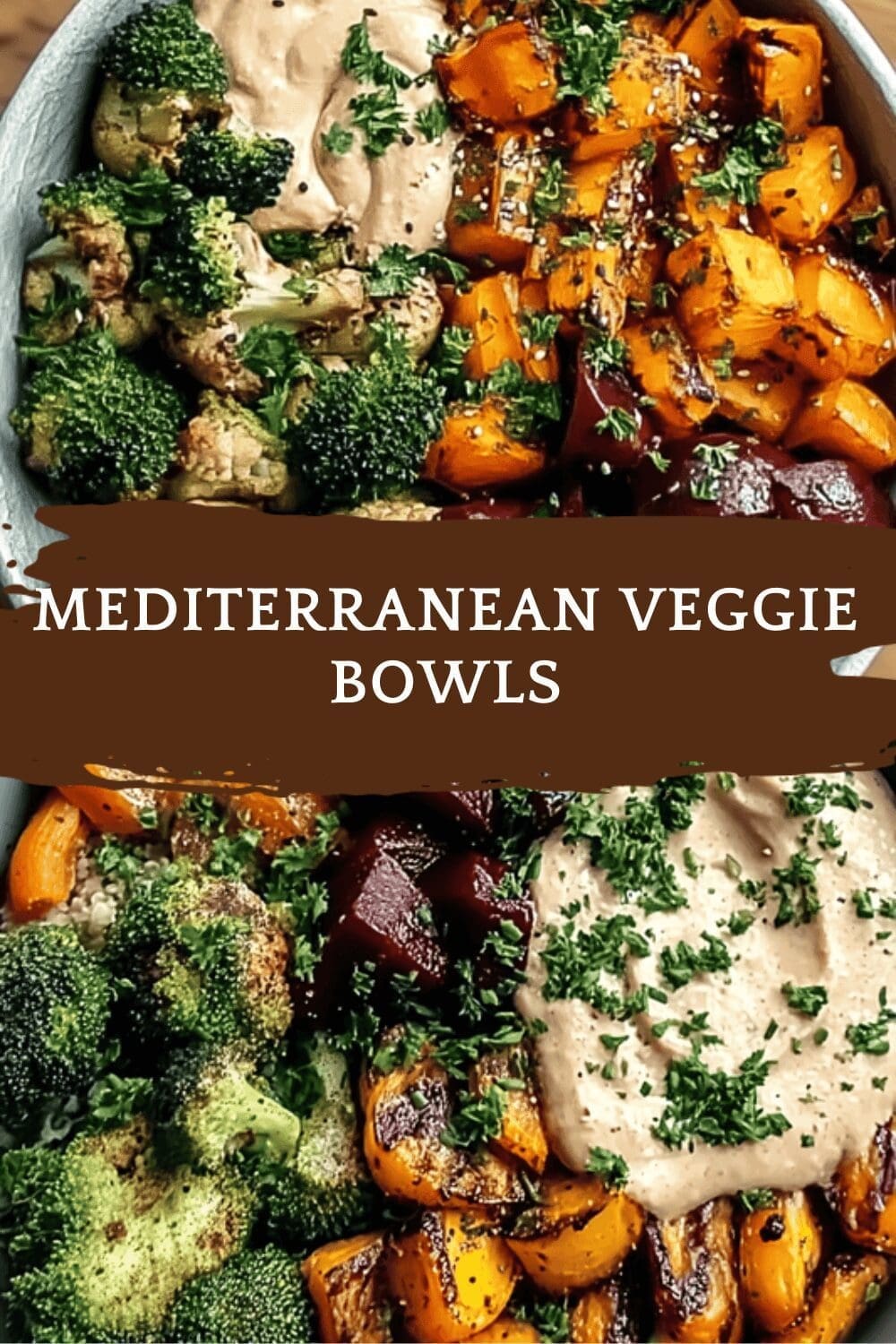
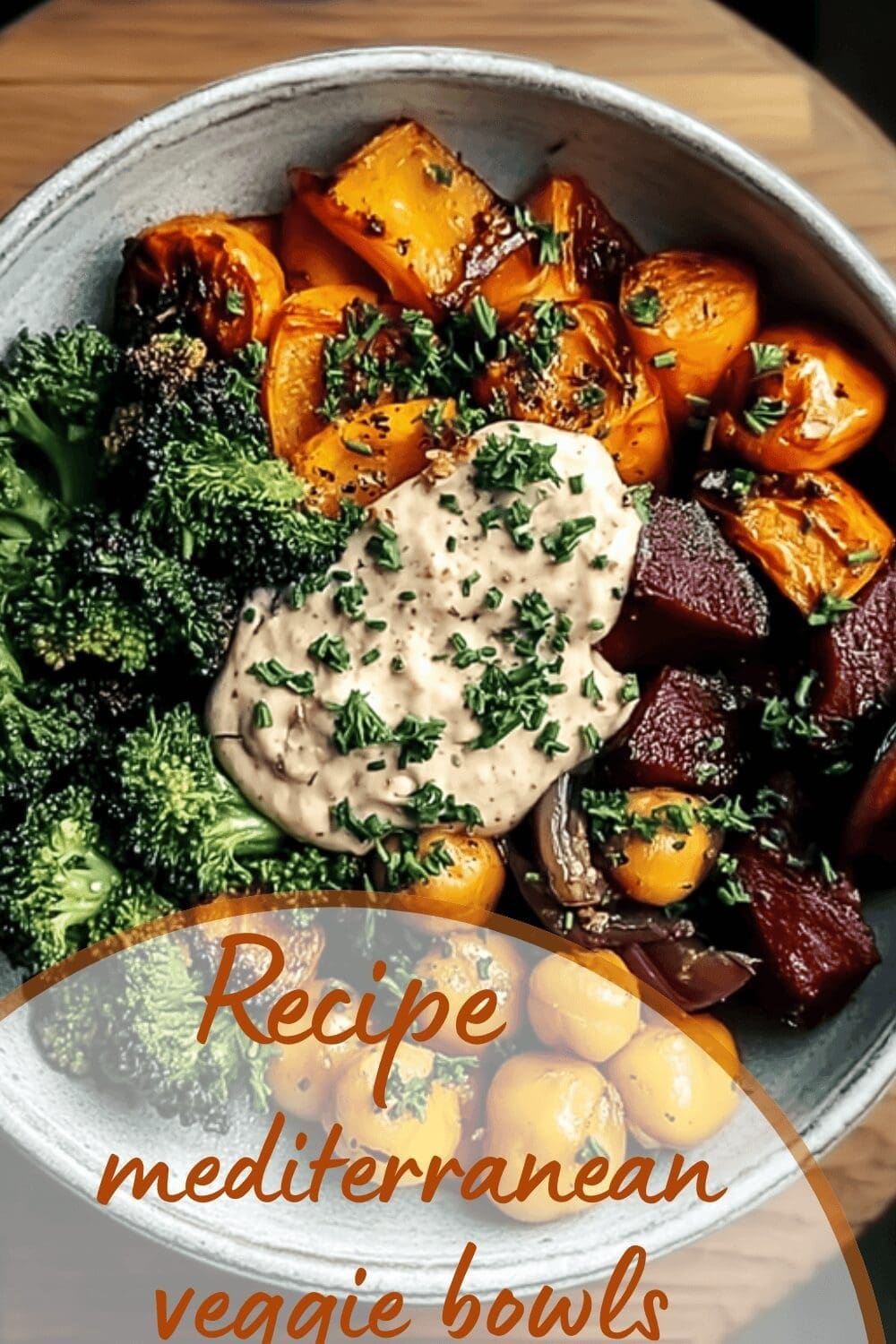
Mediterranean veggie bowls stand out for their effortless preparation, making them a top choice for nutritious and quick meals. These bowls combine fresh vegetables, legumes, grains, and creamy hummus, offering a well-rounded meal that’s rich in vitamins, minerals, and antioxidants. This nutrient-dense combination supports heart health, digestion, and vitality due to its emphasis on plant-based, wholesome ingredients. Mediterranean veggie bowls offer versatility, accommodating a wide range of dietary preferences and allowing creativity with seasonal produce. Their balanced profile includes fiber for digestion, healthy fats from olive oil, and protein from chickpeas and quinoa. The naturally gluten-free, plant-forward nature of these bowls makes them approachable for various eating plans, while the inclusion of fresh herbs adds bright flavors and antioxidants. Overall, these bowls provide satisfying, sustaining energy and are perfect for anyone seeking a vibrant, healthy meal that aligns with the principles of Mediterranean cuisine.
Jump to:
- Benefits and Advantages of mediterranean veggie bowls
- Essential Ingredients for mediterranean veggie bowls
- Dietary Substitutions to Customize Your mediterranean veggie bowls
- How to Prepare the Perfect mediterranean veggie bowls: Step-by-Step Guide
- Mastering mediterranean veggie bowls: Advanced Tips and Variations
- How to Store mediterranean veggie bowls: Best Practices
- Nutritional Value of mediterranean veggie bowls
- FAQs: Frequently Asked Questions About mediterranean veggie bowls
- Can I prepare Mediterranean veggie bowls in advance for meal prep?
- What vegetables work best in Mediterranean veggie bowls?
- How can I make a Mediterranean veggie bowl vegan-friendly?
- Should Mediterranean veggie bowls be served hot or cold?
- Can I add protein to Mediterranean veggie bowls to make them more filling?
- mediterranean veggie bowls
- Ingredients
- Instructions
- Last Step:
- Notes
- Nutrition
- Did you make this recipe?
Essential Ingredients for mediterranean veggie bowls
- 15 ounces canned chickpeas (drained, skins optionally removed for creaminess)
- 3 tablespoons lemon juice
- 2 tablespoons tahini
- 1–2 garlic cloves
- ½ teaspoon salt
- 2–3 ice cubes (to smooth hummus consistency)
- 14–15 ounces canned chickpeas (drained and rinsed for roasting)
- 1 tablespoon olive oil
- ½ teaspoon garlic powder
- ½ teaspoon smoked paprika
- ½ teaspoon onion powder
- ½ teaspoon dried oregano
- 1 teaspoon salt
- ½ teaspoon black pepper
- 1 cup cooked quinoa (rinsed before cooking)
- 2 cups baby spinach or mixed greens
- ½ red onion, thinly sliced
- 1 cup cherry tomatoes, quartered or halved
- ½ English cucumber or 2 small cucumbers, sliced or diced
- 1 bell pepper, diced (optional for sweetness and color)
- ½ cup pitted olives (such as kalamata)
- 1 cup feta cheese (optional; omit for vegan bowls)
- Chopped fresh parsley for garnish
- Olive oil for drizzling
- Freshly cracked black pepper
Dietary Substitutions to Customize Your mediterranean veggie bowls
Mediterranean veggie bowls are adaptable to various dietary needs and ingredient availability. For vegan options, exclude feta cheese or substitute with plant-based cheese alternatives to maintain creamy richness. Gluten-free diets are naturally supported by using quinoa or millet instead of wheat-based grains, and ensuring all seasonings are gluten-free. Low-carb variations can be created by increasing leafy greens, cucumbers, and other non-starchy vegetables, while reducing grains or chickpeas. For nut-allergic individuals, omit nuts or seeds often used as garnish, and consider adding roasted chickpeas for crunch instead. Dairy-free alternatives include replacing feta with sliced avocado or vegan cheese and using tahini-based dressings to keep creaminess. These substitutions provide flexibility, ensuring that everyone can enjoy flavorful and nutritious Mediterranean veggie bowls tailored to preferences and dietary restrictions while maintaining the dish’s vibrant character and health benefits.
How to Prepare the Perfect mediterranean veggie bowls: Step-by-Step Guide
- Gather all ingredients: Collect fresh vegetables, canned chickpeas, cooked quinoa, and dressing components to streamline assembly.
- Prepare the hummus: Soak chickpeas if desired, peel skins for a smoother texture, and blend with lemon juice, tahini, garlic, salt, and ice cubes until creamy and smooth.
- Optional roasted chickpeas: Preheat oven to 400°F (200°C), toss rinsed chickpeas with olive oil, garlic powder, smoked paprika, onion powder, oregano, salt, and pepper. Roast for 20–30 minutes, stirring halfway until crunchy, then cool.
- Cook quinoa: Rinse quinoa under cold water to remove bitterness. Cook ½ cup quinoa with 1 cup water, bring to boil, then simmer covered for 15 minutes until water is absorbed. Fluff with fork. Alternatively, microwave for convenience.
- Chop vegetables: Slice cucumbers, quarter cherry tomatoes, thinly slice red onions, and dice bell peppers to uniform sizes for easy eating and appealing presentation.
- Assemble bowls: Spread a layer of hummus in each bowl. Top with cooked quinoa, spinach or mixed greens, sliced vegetables, olives, and roasted chickpeas, if using.
- Add optional feta cheese: Crumble feta over the bowl or skip for vegan-friendly versions.
- Garnish and finish: Sprinkle chopped parsley, drizzle olive oil, and grind fresh black pepper on top to finish the flavors.
- Serve immediately: Enjoy fresh or chill briefly for flavors to meld; ideal for meal prep or quick meals.
This recipe emphasizes fresh, wholesome ingredients assembled simply to create a harmonious, flavorful Mediterranean veggie bowl with creamy hummus and vibrant textures.
Explore more wholesome dishes like our Peach Salad recipe for a refreshing complement to your Mediterranean bowls.
Mastering mediterranean veggie bowls: Advanced Tips and Variations
Mastering Mediterranean veggie bowls involves recognizing the importance of ingredient quality and preparation techniques. Use organic and seasonal vegetables for the best flavor and nutritional value. Toasting nuts like pine nuts or almonds adds a delightful crunch and depth. Experiment with different herbs, such as basil or cilantro, to customize the flavor profile. For additional protein, include grilled chicken, shrimp, or halloumi cheese based on dietary preferences. Variations also include changing the base ingredients, using grains like farro or freekeh instead of traditional options, providing diverse textures and nutritional benefits. Dressing variations can range from adding tahini for creaminess to incorporating yogurt-based dressings for a tangy twist. Maintaining natural incorporation of the focus keyphrase and its synonyms ensures the content remains engaging and useful for readers seeking to perfect their Mediterranean veggie bowl experience.
How to Store mediterranean veggie bowls: Best Practices
To store Mediterranean veggie bowls properly, refrigeration is the preferred method to maintain freshness. Keep the components separated when possible store fresh vegetables, cooked grains, and dressings individually in airtight containers to prevent sogginess. When combining, consume within 2-3 days for optimal taste and nutrition. For longer preservation, freeze cooked legumes or grains in portioned containers, but fresh vegetables should be added after thawing to maintain texture. When reheating, warm grains and legumes gently, avoiding high heat to preserve flavor and nutrients, then add fresh ingredients and dressing. Using terms like Mediterranean plant-based bowl storage and veggie bowl preservation ensures the explanation is SEO-friendly and informative.
Nutritional Value of mediterranean veggie bowls
Mediterranean veggie bowls offer a nutrient-dense meal option featuring a balanced macronutrient profile. Generally, a serving contains approximately 350-450 calories, depending on ingredient choices. It provides healthy fats from olive oil, primarily monounsaturated fats essential for heart health. Protein intake averages 12-18 grams per serving from legumes such as chickpeas or lentils. Carbohydrates mainly come from vegetables and grains, offering fiber that supports digestion and blood sugar regulation. Vitamins such as A, C, and K are abundant due to the high vegetable content, alongside minerals like potassium and magnesium. Low in saturated fat and devoid of trans fats, these bowls cater well to weight management and chronic disease prevention. The use of related nutritional terminology alongside Mediterranean veggie bowls enhances search visibility.
FAQs: Frequently Asked Questions About mediterranean veggie bowls
Can I prepare Mediterranean veggie bowls in advance for meal prep?
Yes, you can prepare parts of Mediterranean veggie bowls ahead of time. Items like hummus and cooked quinoa keep well in the fridge for up to a week, and hummus can also be frozen for up to three months. For best freshness, chop and prepare the vegetables just before serving. This approach helps maintain the texture and flavor of the fresh ingredients while saving time on busy days.
What vegetables work best in Mediterranean veggie bowls?
Common vegetables for Mediterranean bowls include cucumbers, cherry tomatoes, red onions, and olives. You can also add roasted bell peppers, zucchini, or avocado for extra flavor and texture. These vegetables complement the creamy hummus and grains, creating a balanced and colorful dish that’s nutrient-rich and satisfying.
How can I make a Mediterranean veggie bowl vegan-friendly?
To make a Mediterranean veggie bowl vegan, simply omit cheese like feta. Focus on plant-based ingredients such as hummus, fresh or roasted vegetables, quinoa or couscous, and chickpeas. Using olive oil and lemon juice as dressing enhances the taste while keeping the bowl fully vegan and nutritious.
Should Mediterranean veggie bowls be served hot or cold?
Mediterranean veggie bowls are typically served cold or at room temperature, highlighting the fresh, crisp vegetables and cool hummus. However, if preferred, cooked components such as grains or roasted vegetables can be warmed before assembling the bowl. Serving temperature can be adjusted based on personal preference and season.
Can I add protein to Mediterranean veggie bowls to make them more filling?
Yes, adding protein can turn your Mediterranean veggie bowl into a more complete meal. Popular options include cooked chicken, grilled lamb, or plant-based options like chickpeas, falafel, or quinoa. Adding these proteins boosts satiety and balances carbohydrates and fats, making your bowl ideal for lunch or dinner.

mediterranean veggie bowls
🥗 Enjoy a burst of Mediterranean flavors in every bite, loaded with fresh veggies and creamy hummus for a hearty, nutritious meal.
🌿 Quick to prepare and filled with vibrant ingredients, these bowls offer a healthy, satisfying option to nourish your day.
- Total Time: 25-40 minutes
- Yield: 4 servings 1x
Ingredients
15 ounces chickpeas (drained and optionally skin-removed)
3 tablespoons lemon juice
2 tablespoons tahini
1–2 garlic cloves
½ teaspoon salt
2–3 ice cubes
14–15 ounces chickpeas (drained and rinsed, for roasting)
1 tablespoon olive oil
½ teaspoon garlic powder
½ teaspoon smoked paprika
½ teaspoon onion powder
½ teaspoon dried oregano
1 teaspoon salt
½ teaspoon black pepper
1 cup cooked quinoa
2 cups baby spinach or mixed greens
½ red onion, thinly sliced
1 cup cherry tomatoes, quartered or halved
½ English cucumber or 2 small cucumbers, sliced
1 bell pepper, diced
½ cup pitted olives
1 cup feta cheese
Chopped fresh parsley
Olive oil
Freshly cracked black pepper
Instructions
1. Prepare hummus by blending chickpeas until powdery. Add lemon juice, tahini, garlic, salt, and ice cubes, blending until smooth. Adjust flavor with lemon or salt.
2. For roasted chickpeas, preheat oven to 400°F. Toss chickpeas with olive oil and spices, roast on a baking sheet for 20–30 minutes, stirring halfway.
3. Rinse quinoa, then cook with water until absorbed, fluff with a fork.
4. Assemble bowls with a hummus base, add quinoa, greens, onions, tomatoes, cucumbers, peppers, olives, and optionally roasted chickpeas and feta. Garnish with parsley, olive oil, and pepper.
Last Step:
Please leave a rating and comment letting us know how you liked this recipe! This helps our business to thrive and continue providing free, high-quality recipes for you.Notes
🥗 Assemble bowls just before serving to keep ingredients crisp.
🍅 Cut vegetables to similar sizes for easy eating.
🥄 Prep quinoa and hummus in advance for quick assembly.
- Prep Time: 15-25 minutes
- Cook Time: 15 minutes
- Category: Main Course
- Method: Mixing
- Cuisine: Mediterranean
- Diet: Vegetarian
Nutrition
- Serving Size: 1 bowl
- Calories: 324-430
- Sugar: 6-9g
- Sodium: 878-1219mg
- Fat: 12-17g
- Trans Fat: 0g
- Carbohydrates: 44-48g
- Fiber: 11-12g
- Protein: 14-21g


