

Benefits and Advantages of mediterranean veggie bowls
Mediterranean veggie bowls offer numerous benefits that make them a standout choice for a healthy and delicious meal. One of the key advantages of this recipe is its ease of preparation: with simple, fresh ingredients coming together quickly, it’s perfect for busy individuals seeking nutritious options without spending hours in the kitchen. These bowls are packed with a variety of vegetables, legumes, and grains that boost fiber intake, support heart health, and provide essential vitamins and minerals.
Additionally, the vibrant combination of flavors from olives, feta, cucumbers, and tomatoes creates a satisfying taste experience that helps keep meals exciting. This recipe stands out due to its versatility, accommodating dietary preferences such as vegan or gluten-free easily, and its balanced nutritional profile that promotes sustained energy levels. Moreover, the Mediterranean diet’s proven health benefits, including reduced risk of chronic diseases, are encapsulated perfectly in these veggie bowls, making them not only tasty but a smart dietary choice as well.
Jump to:
- Benefits and Advantages of mediterranean veggie bowls
- Essential Ingredients for mediterranean veggie bowls
- Dietary Substitutions to Customize Your mediterranean veggie bowls
- How to Prepare the Perfect mediterranean veggie bowls: Step-by-Step Guide
- Mastering mediterranean veggie bowls: Advanced Tips and Variations
- How to Store mediterranean veggie bowls: Best Practices
- Nutritional Value of mediterranean veggie bowls
- FAQs: Frequently Asked Questions About mediterranean veggie bowls
- Can Mediterranean veggie bowls be prepared in advance?
- What are common vegetables to include in a Mediterranean veggie bowl?
- How can I make a Mediterranean veggie bowl vegan?
- Are Mediterranean veggie bowls typically served hot or cold?
- Can Mediterranean veggie bowls be customized for added protein?
- mediterranean veggie bowls
- Ingredients
- Instructions
- Last Step:
- Notes
- Nutrition
- Did you make this recipe?
Essential Ingredients for mediterranean veggie bowls
This recipe calls for a variety of fresh and wholesome ingredients designed to enhance flavor and nutrition. Key items include:
- 1 cup cooked quinoa (about 1/2 cup uncooked quinoa, rinsed)
- 2 cups baby spinach or mixed greens
- 1/2 medium red onion, thinly sliced
- 1 cup cherry tomatoes, quartered or halved
- 1 medium English cucumber, sliced or diced
- 1/2 cup pitted Kalamata or other olives
- 1/2 to 1 cup crumbled feta cheese (optional, omit for vegan version)
- 3 tablespoons lemon juice
- 3 tablespoons tahini (for hummus)
- 1 can (about 425 g) chickpeas, drained and rinsed (optional: skins removed for creamier hummus)
- 2 garlic cloves
- 1 teaspoon salt
- 3-4 ice cubes (to smooth hummus texture)
- 1 tablespoon olive oil (for drizzling)
- 2 tablespoons chopped fresh parsley
- Freshly cracked black pepper, to taste
These ingredients provide a wholesome base combining plant-based protein, fiber, and healthy fats. The olive oil-based dressing and fresh herbs deliver classic Mediterranean flavors.
Dietary Substitutions to Customize Your mediterranean veggie bowls
To tailor mediterranean veggie bowls to various dietary needs or ingredient availability, consider several substitutions:
- Vegan option: Omit feta cheese or replace it with plant-based cheese alternatives to keep the dish dairy-free.
- Gluten-free grains: Use quinoa as a gluten-free alternative to couscous or bulgur.
- Additional protein: Swap roasted chickpeas or lentils with grilled tofu, tempeh, or lean grilled chicken for a protein boost.
- Lower calorie dressing: Reduce olive oil in the dressing or substitute with a lemon vinaigrette with less oil.
- Seasonal veggies: Add or replace vegetables with roasted bell peppers, steamed artichokes, or zucchini for variety and freshness.
These flexible options allow each bowl to be customized easily, accommodating personal taste preferences, dietary restrictions, and ingredient accessibility while preserving the dish’s signature Mediterranean-inspired flavors.
How to Prepare the Perfect mediterranean veggie bowls: Step-by-Step Guide
- Gather ingredients: Wash and dry all fresh vegetables thoroughly to maintain texture and flavor.
- Prepare quinoa: Rinse 1/2 cup uncooked quinoa under cold water. Combine with 1 cup water in a saucepan. Bring to a boil, reduce heat to low, cover, and simmer for about 15 minutes until water is absorbed. Fluff with a fork and set aside to cool slightly.
- Make hummus: Optionally peel chickpeas by rubbing between your hands or with a towel. Blend chickpeas alone first until powder-like. Add lemon juice, tahini, garlic, salt, and ice cubes. Blend for about 5 minutes or until very smooth. Adjust seasoning as needed.
- Prepare vegetables: Slice red onion thinly. Quarter or halve cherry tomatoes. Slice or dice cucumber. Chop fresh parsley.
- Roast chickpeas (optional): Toss drained chickpeas with 1 tablespoon olive oil, 1/2 teaspoon garlic powder, 1/2 teaspoon smoked paprika, 1/2 teaspoon onion powder, 1/2 teaspoon dried oregano, 1 teaspoon salt, and 1/2 teaspoon black pepper. Roast at 400°F (200°C) for 20–30 minutes, stirring midway. Cool slightly.
- Assemble bowls: Spoon a generous amount of homemade hummus into each bowl, spreading with the back of a spoon. Add cooked quinoa, baby spinach or mixed greens.
- Add vegetables: Arrange sliced onion, tomatoes, cucumber, olives, and roasted chickpeas if using on top.
- Finish: Crumble feta cheese (if using) over the bowl. Drizzle olive oil and sprinkle chopped parsley and freshly cracked black pepper.
- Serve: Serve immediately to enjoy fresh and vibrant flavors, or refrigerate for later consumption.
This detailed step-by-step method ensures a balanced, flavorful, and visually appealing Mediterranean veggie bowl every time.
Mastering mediterranean veggie bowls: Advanced Tips and Variations
To get the most flavor and nutrition from your mediterranean veggie bowls, start by using fresh, seasonal, and organic vegetables whenever possible. Roasting veggies like eggplant, zucchini, or bell peppers before adding them to the bowl adds a smoky depth and pleasing texture contrast that enhances the overall experience. Experiment with fresh herbs such as oregano, mint, or parsley to enliven the dish and provide aromatic layers of flavor.
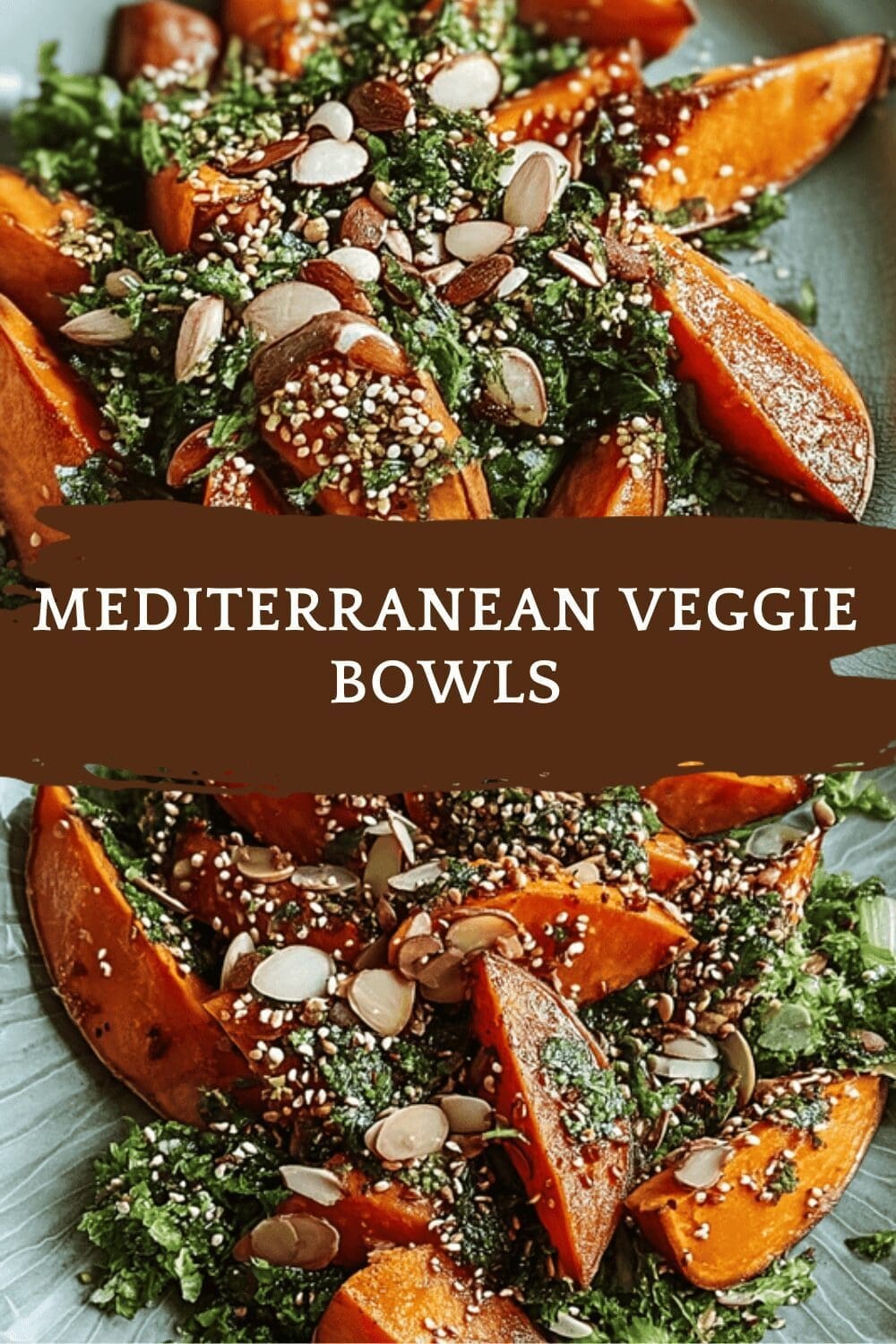
Try incorporating different protein sources besides chickpeas, such as grilled shrimp, roasted chicken, or marinated tofu, depending on your dietary preferences. For added texture and nutrients, sprinkle toasted nuts or seeds like pine nuts, slivered almonds, or sesame seeds over your bowl. Homemade vegan feta created from tofu and nutritional yeast offers a delicious alternative for dairy-free diets.
Switch up the grain base by trying farro, bulgur, or even a warm basmati rice to prevent monotony. To introduce a tangy twist, add a splash of pomegranate molasses or a pinch of sumac to your dressing. These advanced techniques allow you to customize mediterranean veggie bowls and keep the meals exciting, while maintaining their bright, balanced flavors and healthful profile.
How to Store mediterranean veggie bowls: Best Practices
Proper storage preserves the freshness and vibrant flavors of mediterranean veggie bowls. For best results, refrigerate the bowl in an airtight container and consume it within 2 to 3 days. To avoid sogginess, store components such as dressing, cheese, and fresh vegetables separately, combining them just before serving. Most ingredients except delicate fresh vegetables like cucumbers and tomatoes freeze well; freeze cooked grains and legumes separately if long-term storage is needed.
When ready to enjoy, thaw frozen elements overnight in the refrigerator, and gently reheat grains or roasted vegetables either in a microwave or on the stovetop. Avoid overheating to maintain texture. Label containers with dates to track freshness effectively. Adhering to these methods helps reduce waste and keeps your mediterranean veggie bowls tasting fresh and vibrant even as leftovers.
Nutritional Value of mediterranean veggie bowls
| Nutrient | Amount per Serving | Health Benefits |
|---|---|---|
| Calories | 350–400 kcal | Provides balanced energy from wholesome plant-based ingredients |
| Protein | 12–15 g | Supports muscle health and satiety, from legumes and grains |
| Carbohydrates | 40–45 g | Complex carbs for sustained energy |
| Fiber | 8–10 g | Promotes digestive health and fullness |
| Fat | 12–17 g (mainly monounsaturated) | Heart-healthy fats from olive oil and olives |
| Vitamin A | Significant | Supports immune and eye health via colorful vegetables |
| Vitamin C | Moderate | Antioxidant that supports skin and immune function |
These bowls are nutrient dense, naturally gluten-free, and provide a satisfying mix of macronutrients and vitamins. For detailed nutritional insight, explore the health benefits of hummus and nutritional value of quinoa.

FAQs: Frequently Asked Questions About mediterranean veggie bowls
Can Mediterranean veggie bowls be prepared in advance?
Yes, you can prepare several components of Mediterranean veggie bowls ahead of time. For example, hummus can be made up to a week in advance and stored in the refrigerator, or frozen for up to three months. Cooked grains like quinoa or couscous can also be prepared a few days ahead and kept refrigerated. However, fresh vegetables are best cut and added right before serving to maintain their crispness and flavor.
What are common vegetables to include in a Mediterranean veggie bowl?
Popular vegetables for Mediterranean veggie bowls include cucumbers, cherry tomatoes, bell peppers, olives, red onions, and roasted eggplant or zucchini. You can also add fresh herbs like parsley or mint for extra flavor. These ingredients provide a balance of textures and tastes, making the bowl vibrant and nutritious.
How can I make a Mediterranean veggie bowl vegan?
To make your Mediterranean veggie bowl vegan, simply omit any animal products such as feta cheese or yogurt-based dressings. Instead, you can add extra hummus, avocado, or a drizzle of tahini sauce. These plant-based options maintain the creamy texture and rich flavor typical of Mediterranean dishes.
Are Mediterranean veggie bowls typically served hot or cold?
Mediterranean veggie bowls are most commonly served cold or at room temperature. The fresh vegetables, herbs, and chilled ingredients like hummus and olives make them refreshing and perfect for warmer weather. However, you can serve components like roasted vegetables or grains warm if you prefer a hot meal.
Can Mediterranean veggie bowls be customized for added protein?
Absolutely. To increase the protein content, you can add chickpeas, lentils, grilled chicken, or hard-boiled eggs. Plant-based proteins like falafel or marinated tofu also work well. Including protein makes the bowl more filling and suitable as a complete meal.

mediterranean veggie bowls
🥗 Enjoy a nutrient-rich Mediterranean bowl that’s both satisfying and customizable, perfect for any meal.
🌿 This recipe is packed with fresh veggies and creamy hummus, making it a healthy and flavorful option.
- Total Time: 15-25 minutes
- Yield: 4 servings 1x
Ingredients
1 can chickpeas, drained and rinsed (optional: peel skins)
3 tablespoons lemon juice
3 tablespoons tahini
2 garlic cloves
1 teaspoon salt
3–4 ice cubes
1 cup cooked quinoa (1/2 cup uncooked quinoa rinsed)
2 cups baby spinach or mixed greens
1/2 medium red onion, thinly sliced
1 cup cherry tomatoes, quartered or halved
1 medium English cucumber, sliced or diced
1/2 cup pitted Kalamata olives
1/2 to 1 cup crumbled feta cheese (optional)
1 tablespoon olive oil (for drizzling)
2 tablespoons chopped fresh parsley
Freshly cracked black pepper, to taste
Optional toppings: Roasted chickpeas, sun-dried tomatoes, bell peppers, pine nuts
Protein alternatives: shredded chicken, salmon, or Lebanese hashweh
Garnish with sesame seeds or nuts
Instructions
1. Prepare the hummus: Optionally peel chickpeas. Blend chickpeas alone until powder-like. Add lemon juice, tahini, garlic, salt, ice cubes, and blend until smooth. Adjust seasoning.
2. Cook the quinoa: Rinse 1/2 cup quinoa well. Combine with 1 cup water, bring to a boil, reduce heat, cover, and simmer for 15 minutes until liquid is absorbed. Fluff and set aside.
3. Roast chickpeas (optional): Toss chickpeas with olive oil and spices, spread on a baking sheet, and roast at 400°F for 20–30 minutes, stirring halfway through.
4. Assemble the bowl: Spread a layer of hummus in bowls. Add quinoa, greens, onion, tomatoes, cucumber, olives, and optional feta. Include roasted chickpeas and extras if using.
5. Finish: Drizzle olive oil, sprinkle parsley and black pepper, and garnish with sesame seeds if desired. Serve fresh.
Last Step:
Please leave a rating and comment letting us know how you liked this recipe! This helps our business to thrive and continue providing free, high-quality recipes for you.Notes
🍴 Assemble bowls just before serving to maintain freshness.
🥄 Make hummus and quinoa up to 5 days ahead; store in the fridge.
🥬 Substitute grains like farro or rice if desired for variety.
- Prep Time: 15-25 minutes
- Cook Time: 15 minutes
- Category: Main Course
- Method: Mixing and Roasting
- Cuisine: Mediterranean
- Diet: Vegetarian
Nutrition
- Serving Size: 1 bowl
- Calories: 324-574
- Sugar: 5-9 g
- Sodium: 878-3736 mg
- Fat: 12-21 g
- Saturated Fat: 2-3 g
- Trans Fat: 0 g
- Carbohydrates: 44-79 g
- Fiber: 11-20 g
- Protein: 14-25 g