

Why You’ll Love This Mashed Potato Casserole
There’s something magical about a mashed potato casserole that brings everyone to the table with eager anticipation. This recipe takes the humble comfort of creamy mashed potatoes and transforms them into a crowd-pleasing dish that’s perfect for any gathering, from holiday feasts to weeknight family dinners.
What makes this casserole truly special is how it balances simplicity with irresistible flavor. The combination of fluffy mashed potatoes, melted cheese, and crispy bacon creates layers of texture and taste that have guests coming back for seconds. Trust me, once you serve this at a potluck, you’ll be asked to bring it every single time.
Benefits That Make This Recipe a Winner
- Ease of preparation: With straightforward steps and common ingredients, this casserole comes together without any fancy equipment. You can have it ready for the oven in about 30 minutes of active prep time, making it manageable even for busy weeknights.
- Make-ahead convenience: One of the biggest advantages is that you can assemble the entire dish up to three days in advance. This means less stress on serving day and more time to spend with family and friends.
- Versatility for dietary needs: The base recipe works beautifully, but it’s also easy to customize. Whether you need gluten-free options or want to adjust the richness, simple swaps keep this dish accessible for most eaters.
- Irresistible flavor combination: The pairing of mozzarella for gooey stretchiness with a flavorful cheese like Red Leicester or cheddar creates that perfect golden top. Add crispy bacon and fresh green onions, and you have a side dish that steals the spotlight.
Jump to:
- Why You’ll Love This Mashed Potato Casserole
- Benefits That Make This Recipe a Winner
- Essential Ingredients for Mashed Potato Casserole
- Main Ingredients List
- Ingredient Purpose and Benefits
- Special Dietary Options
- How to Prepare the Perfect Mashed Potato Casserole: Step-by-Step Guide
- Step 1: Cook the Bacon Until Crispy
- Step 2: Prepare the Potatoes
- Step 3: Drain and Dry the Potatoes
- Step 4: Mash with Flavorful Additions
- Step 5: Prepare for Make-Ahead Storage (Optional)
- Step 6: Preheat and Assemble
- Step 7: Add Cheese and Bacon Topping
- Step 8: Bake to Golden Perfection
- Step 9: Garnish and Serve
- Dietary Substitutions to Customize Your Mashed Potato Casserole
- Protein and Main Component Alternatives
- Vegetable, Sauce, and Seasoning Modifications
- Mastering Mashed Potato Casserole: Advanced Tips and Variations
- Pro Cooking Techniques
- Flavor Variations to Try
- Presentation Tips
- Make-Ahead Options for Busy Schedules
- How to Store Mashed Potato Casserole: Best Practices
- Refrigeration Guidelines
- Freezing Options
- Reheating Best Practices
- Meal Prep Considerations
- FAQs: Frequently Asked Questions About Mashed Potato Casserole
- What type of potatoes works best for mashed potato casserole?
- Can you make mashed potato casserole ahead of time?
- How do you reheat make-ahead mashed potato casserole?
- What cheese is best for mashed potato casserole?
- Can you freeze mashed potato casserole?
- Mashed Potato Casserole
- Ingredients
- Instructions
- Last Step:
- Notes
- Nutrition
- Did you make this recipe?
Essential Ingredients for Mashed Potato Casserole
Getting the right ingredients makes all the difference between an okay casserole and one that people talk about for weeks. Here’s everything you’ll need with precise measurements to ensure success every time.
Main Ingredients List
- 1.75 kg (3.5 lb) potatoes suitable for mashing (Sebago in Australia, Russet in US, Maris Piper/King Edwards in UK)
- 1 tablespoon cooking or kosher salt for cooking potatoes
- 2/3 cup milk (preferably full fat/whole milk, lite is acceptable)
- Additional 2/3 cup milk for make-ahead option
- 75 g (5 tablespoons) unsalted butter, cut into 1 cm cubes
- 1/2 cup full fat sour cream or yogurt
- 1 teaspoon cooking or kosher salt, or to taste
- 1 1/2 cups tightly packed freshly shredded mozzarella cheese
- 1 cup tightly packed shredded Red Leicester, cheddar, or other flavored cheese
- 200 g (6 oz) streaky bacon, chopped
- 1/4 cup finely sliced green onion
Pro tip: Always shred your own cheese from a block rather than buying pre-shredded. Pre-shredded cheese contains anti-caking agents that prevent it from melting smoothly, which means your casserole topping won’t get that beautiful bubbly, golden finish you’re looking for.
Ingredient Purpose and Benefits
| Ingredient | Purpose | Benefit |
|---|---|---|
| Starchy potatoes (Russet, Sebago, Maris Piper) | Creates fluffy texture | High starch content breaks down for smooth mash |
| Full fat milk | Adds creaminess | Richer flavor and better texture than low-fat alternatives |
| Sour cream or yogurt | Adds tang and creaminess | Depth of flavor that plain milk cannot provide |
| Mozzarella cheese | Provides stretch | Creates that satisfying cheese pull when serving |
| Red Leicester or cheddar | Adds bold flavor and color | Gives the topping its appetizing golden hue |
| Streaky bacon | Provides savory crunch | Fat renders during cooking for better crispness |
Special Dietary Options
For those with dietary restrictions, here are some simple substitutions:
- Gluten-free: This recipe is naturally gluten-free when you verify that your bacon and cheese brands don’t contain hidden gluten ingredients.
- Lighter version: Use lite milk, reduced-fat cheese, and turkey bacon. The texture will be slightly different but still delicious.
- Lower sodium: Reduce the added salt and choose low-sodium bacon. You can also skip the extra teaspoon of salt in the mash and let everyone season at the table.
How to Prepare the Perfect Mashed Potato Casserole: Step-by-Step Guide
Creating a memorable mashed potato casserole is easier than you might think. Follow these detailed steps, and you’ll have a dish that rivals anything from your favorite restaurant. For more make-ahead casserole inspiration, check out this comprehensive guide to make-ahead mashed potato casserole that shares similar techniques.
Step 1: Cook the Bacon Until Crispy
Start by preparing the bacon, which adds that essential savory crunch to your casserole. Place 200 g (6 oz) of chopped streaky bacon in a cold non-stick pan over medium heat. There’s no need to add oil because as the pan heats up, the bacon fat will render out and create its own cooking medium. This technique, starting cold, allows the fat to melt gradually and results in crispier bacon.
After about 2 minutes, increase the heat to medium-high and continue stirring for approximately 3 minutes until the pieces turn golden brown. Transfer the cooked bacon to paper towels to drain excess fat. The bacon will crisp up further as it cools, giving you perfect texture for topping your casserole.
Step 2: Prepare the Potatoes
While the bacon cooks, peel your potatoes and cut them into 3 cm chunks. Keeping the pieces uniform in size ensures they cook evenly and finish at the same time. Place the cut potatoes in a large pot and cover them with water about 10 cm above the potato level. This generous water coverage allows for evaporation during boiling and ensures all pieces cook through.
Add 1 tablespoon of cooking or kosher salt to the water. This step seasons the potatoes from within, creating a flavorful base for your casserole. Bring the pot to a boil over high heat, then reduce to a rapid simmer. Cook for about 15 minutes or until the potatoes are very soft and easily pierced with a fork.
Step 3: Drain and Dry the Potatoes
This step is crucial for achieving fluffy mashed potatoes. Drain the cooked potatoes thoroughly in a colander, then return them to the warm pot. Let them sit for 1 minute, giving the pot an occasional shake. The residual heat from the pot evaporates remaining moisture from the potato surfaces. Excess water is the enemy of fluffy mashed potatoes, so don’t skip this drying step.
Step 4: Mash with Flavorful Additions
Add the butter (75 g, cut into 1 cm cubes), 2/3 cup of milk, 1/2 cup of full fat sour cream or yogurt, and 1 teaspoon of salt to the pot with the dried potatoes. Use a potato masher to break everything down until smooth. Work quickly but gently to avoid overworking the starches.
Important: Never use a food processor or electric beaters to mash potatoes. The high speed releases too much starch, resulting in a gluey, paste-like texture that no amount of butter can fix. Hand mashing gives you control over the texture.
If you’re making this casserole ahead of time, add an additional 2/3 cup of milk at this stage. Refrigeration firms up mashed potatoes significantly, and that extra liquid keeps the mash creamy when it’s time to reheat.
Step 5: Prepare for Make-Ahead Storage (Optional)
If you’re planning to bake the casserole later, now’s the time for storage. Let the mashed potatoes cool completely at room temperature, then transfer to your baking dish. Cover tightly with cling wrap and refrigerate for up to 3 days. When you’re ready to bake, remove the dish from the fridge 2 hours before reheating to take the chill off, which ensures even warming.
Step 6: Preheat and Assemble
Preheat your oven to 200 degrees C (400 degrees F, or 180 degrees C fan forced). Spread the mashed potatoes evenly in a 2-liter or 2-quart baking dish, creating a smooth surface for the toppings. A smaller, deeper dish works better than a shallow one because it keeps the potatoes moist and allows the toppings to create a nice thick layer.
Step 7: Add Cheese and Bacon Topping
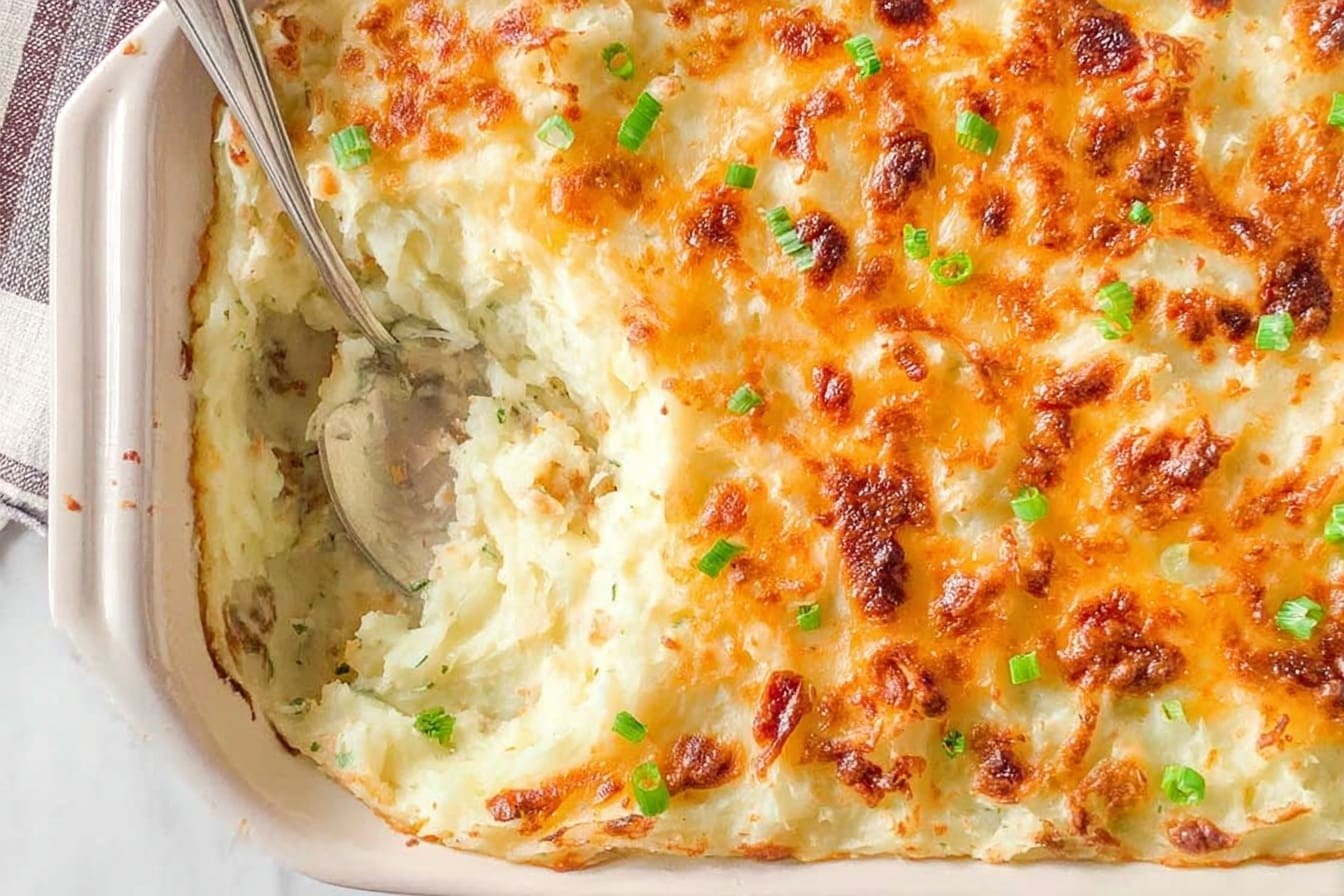
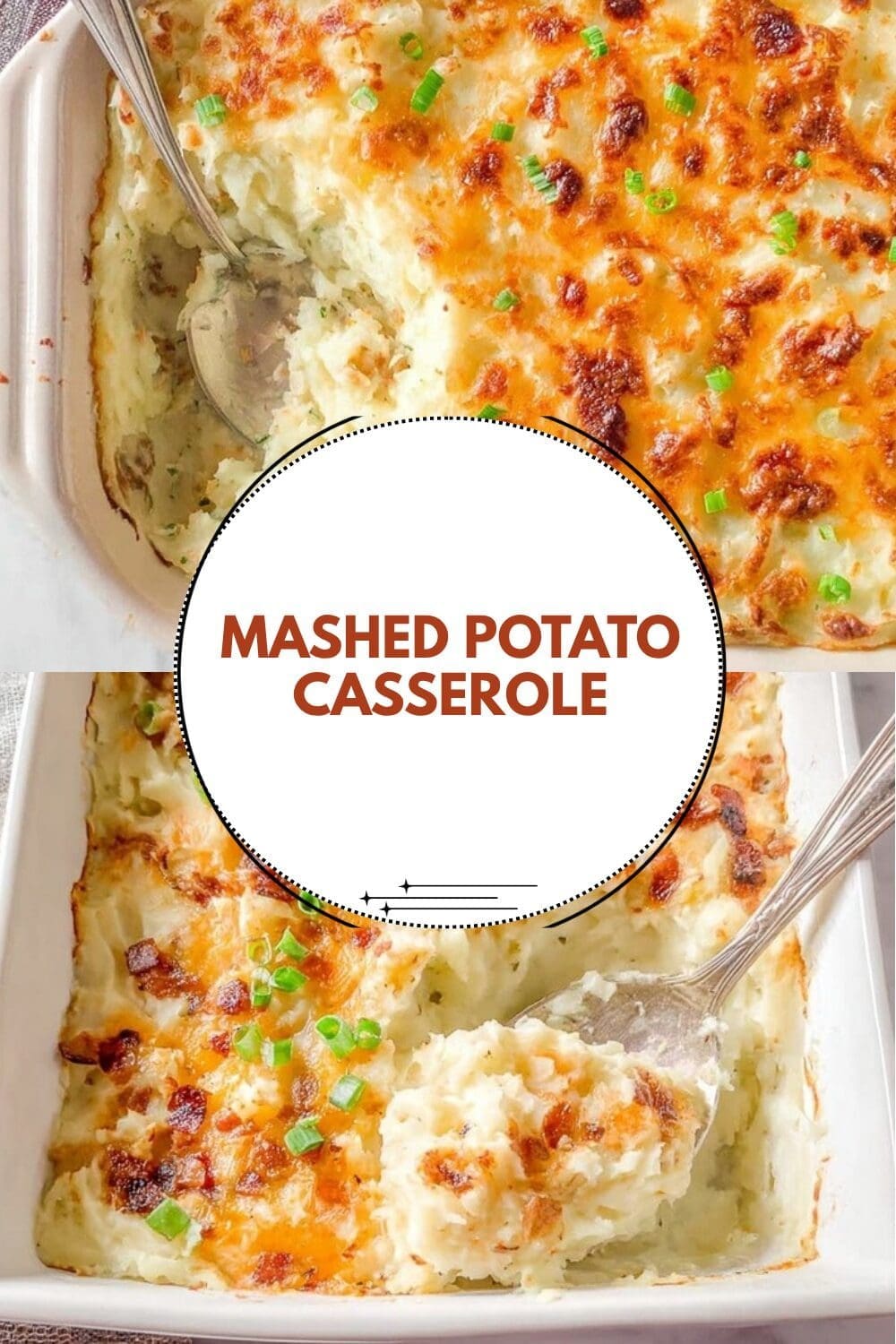
Sprinkle 1 1/2 cups of tightly packed freshly shredded mozzarella cheese over the mashed potatoes, followed by 1 cup of tightly packed shredded Red Leicester, cheddar, or other flavored cheese. The mozzarella provides that amazing stretch when you scoop, while the aged cheese brings bold flavor and a beautiful orange color.
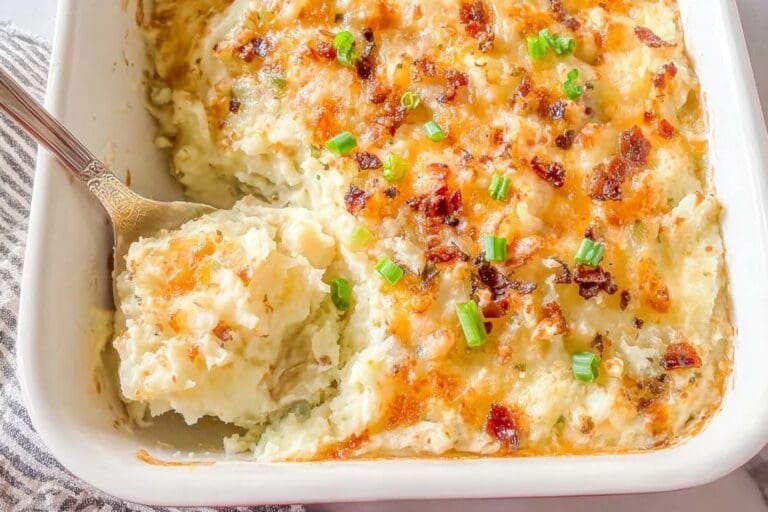
Next, distribute the cooked bacon evenly across the top. The bacon pieces should be scattered rather than clumped, ensuring every serving gets some of that crispy, savory goodness. Potatoes offer surprising health benefits too, including potassium and vitamin C, making this comfort food more nutritious than many realize.
Step 8: Bake to Golden Perfection
Cover the dish loosely with aluminum foil. If you just prepared the casserole and it’s still warm, bake covered for 20 minutes. If you’re reheating a make-ahead casserole that was refrigerated, bake covered for 35 minutes. The foil prevents the top from browning too quickly while allowing everything to heat through.
Remove the foil and continue baking for an additional 10 minutes, or until the cheese is bubbly and developing golden spots. Keep an eye on it during these final minutes because the cheese can go from perfectly melted to overdone quickly.
Step 9: Garnish and Serve
Remove the casserole from the oven and immediately sprinkle 1/4 cup of finely sliced green onion across the top. The residual heat slightly wilts the onions while keeping their fresh flavor and bright color. Serve immediately while the cheese is still melty and the bacon maintains its crunch.
This casserole pairs wonderfully with roasted meats. If you’re planning a complete meal, consider serving it alongside oven baked chicken legs for a satisfying dinner that feeds a crowd.
Dietary Substitutions to Customize Your Mashed Potato Casserole
Protein and Main Component Alternatives
While bacon is traditional in this mashed potato casserole, several substitutions work beautifully depending on your preferences or dietary needs. Turkey bacon provides a leaner option with similar smoky flavor, though it won’t render as much fat during cooking. Ham is another excellent alternative, offering a sweeter profile that pairs nicely with the cheese and potatoes.
For those avoiding pork entirely, crispy chicken skin from a roasted bird makes a creative topping that echoes the bacon’s crunch. Vegetarians can skip the meat altogether and add extra cheese, or substitute crispy fried onions for texture contrast. Another option is to include sauteed mushrooms, which provide umami depth that compensates for the missing bacon’s savory quality.
If you want to make this dish heartier, consider mixing in cooked ground beef or shredded beef. This transforms the side dish into a complete meal that’s filling enough for dinner on its own. Just brown the meat thoroughly and drain excess fat before folding it into the mashed potatoes.
Vegetable, Sauce, and Seasoning Modifications
The base recipe welcomes all sorts of vegetable additions that can add color, nutrition, and flavor. Steamed broccoli florets, sweet corn kernels, or caramelized onions all work beautifully folded into the mash before baking. These additions make the casserole more substantial and increase the vegetable content without sacrificing the creamy texture everyone loves.
For a spicier version, add diced jalapenos to the potato mixture or use pepper jack cheese in place of the cheddar. Garlic lovers can roast a head of garlic and squeeze the soft cloves into the mash, creating a sophisticated flavor profile that elevates the humble potato.
Seasoning variations are nearly endless. Fresh herbs like chives, dill, or parsley can replace or complement the green onions. A teaspoon of smoked paprika in the potatoes adds warmth and complexity. For a more decadent version, stir in some cream cheese along with the sour cream for extra richness.
Mastering Mashed Potato Casserole: Advanced Tips and Variations
Pro Cooking Techniques
The difference between good mashed potato casserole and truly memorable casserole often comes down to technique. Start with potatoes that are truly starchy rather than waxy. Russet potatoes in the US, Sebago in Australia, and Maris Piper or King Edwards in the UK are ideal choices because their high starch content creates that light, fluffy texture without requiring special equipment.
Temperature matters when mashing. Cold butter and milk can cool down your potatoes and make them gummy. Let these ingredients come to room temperature before adding them to the hot potatoes. The butter should be soft enough to leave an indentation when pressed, and the milk should not feel cold to the touch.
When measuring shredded cheese by volume, pack the measuring cups tightly. Loose measurements can leave you with significantly less cheese than the recipe intends. A tightly packed cup of cheese gives you the full amount needed for proper coverage and melting.
Flavor Variations to Try
Once you’ve mastered the basic recipe, consider these creative variations:
- Loaded Baked Potato Style: Add sour cream extra to the mash, top with bacon, cheddar, and a dollop of sour cream after baking. Serve with chives for that classic baked potato experience.
- Ranch Version: Mix a packet of dry ranch seasoning into the mashed potatoes for an herbed twist. This pairs particularly well with chicken dishes.
- Jalapeno Popper Style: Add diced pickled jalapenos and use pepper jack cheese. A layer of cream cheese mixed into the potatoes creates an irresistible spicy-creamy combination.
Presentation Tips
A beautiful presentation makes your casserole even more appealing. Use a 2-liter baking dish rather than spreading the mixture thin in a larger pan. The depth keeps the potatoes moist and allows for a generous layer of toppings. For a party, consider baking individual portions in ramekins, which gives everyone their own personal casserole and looks impressive on the table.
Always garnish with the green onions at the very end, right after removing from the oven. The residual heat slightly softens them without cooking away their vibrant color. For extra visual appeal, reserve a small handful of bacon pieces and a sprinkle of shredded cheese to add on top of the green onions.
Make-Ahead Options for Busy Schedules
This casserole shines as a make-ahead dish because you can prepare it completely up to three days before serving. The key is adding that extra milk when mashing, which compensates for the firming that occurs during refrigeration. Store the unbaked casserole tightly covered with cling wrap, pressing the wrap directly onto the surface of the potatoes to prevent a skin from forming.
For holiday meals or large gatherings, this make-ahead capability is invaluable. You can assemble the dish the day before, refrigerate it, and simply pop it in the oven when needed. Just remember to remove it from the refrigerator 2 hours before baking so it comes to room temperature, which ensures even heating throughout.
Speaking of hearty dishes that travel well to gatherings, this BBQ beef tater tot casserole is another crowd-pleasing option that’s perfect for potlucks and family dinners.
How to Store Mashed Potato Casserole: Best Practices
Refrigeration Guidelines
Leftover mashed potato casserole stores well in the refrigerator for 3 to 4 days when properly contained. Transfer leftovers to an airtight container or cover the baking dish tightly with foil or cling wrap. The cheese and bacon toppings may lose some of their texture during storage, but the flavors will continue to meld, often making day-two servings even more delicious.
For best results when refrigerating, portion the leftovers into serving-sized containers. This makes reheating easier and prevents you from having to reheat the entire dish multiple times, which can affect texture and food safety.
Freezing Options
You can freeze assembled but unbaked mashed potato casserole for up to 2 months. Wrap the dish thoroughly in plastic wrap followed by aluminum foil to prevent freezer burn. Label with the date and contents. When ready to serve, thaw overnight in the refrigerator before baking as directed.
Freezing baked leftovers is possible, though the texture may change slightly. The potatoes can become a bit grainy after freezing and thawing. To restore creaminess, add a splash of milk when reheating and stir gently.
Reheating Best Practices
For refrigerated leftovers, the oven provides the best results. Preheat to 180 degrees C (350 degrees F), cover the dish with foil, and bake for 20-25 minutes until heated through. Remove the foil for the last 5-10 minutes to re-crisp the top. If the cheese has lost its meltiness, add a fresh sprinkle before the final minutes of baking.
The microwave works for individual portions. Heat on high in 2-minute intervals, stirring between each, until hot throughout. Add a small pat of butter or splash of milk to refresh the texture. Avoid using high power for extended periods, which can create hot spots and uneven heating.
Meal Prep Considerations
For meal prep, consider making a double batch and freezing one unbaked casserole for later. This strategy gives you two meals for roughly the same prep effort. You can also freeze individual portions of the baked casserole for quick weekday lunches. Thaw overnight in the refrigerator and reheat in the microwave for a comforting meal in minutes.
FAQs: Frequently Asked Questions About Mashed Potato Casserole
What type of potatoes works best for mashed potato casserole?
Floury or all-purpose potatoes are ideal for mashed potato casserole because they create a fluffy, creamy texture without becoming gummy. In the US, choose Russet potatoes for their high starch content. Australians should use Sebago varieties, while UK cooks can opt for Maris Piper. Avoid waxy potatoes like red or new potatoes, as they hold their shape too much and result in a denser mash. Peel the potatoes before boiling them in salted water until fork-tender, about 20-25 minutes. This choice ensures the base of your casserole stays light and absorbs flavors from cheese, bacon, and cream perfectly. For best results, select firm potatoes without sprouts or green spots. (92 words)
Can you make mashed potato casserole ahead of time?
Yes, mashed potato casserole is perfect for prepping in advance. Assemble the full dish up to 3 days ahead, cover tightly, and store in the fridge. Add an extra 2-3 tablespoons of milk to the mashed potatoes before mixing in other ingredients—this prevents the mash from firming up too much during refrigeration, keeping it creamy when reheated. It’s great for holidays or busy weeknights. Just avoid freezing if you’re short on time, as thawing can affect texture. Label the container with the date to track freshness. This method saves hours on serving day while delivering fresh-tasting results. (98 words)
How do you reheat make-ahead mashed potato casserole?
For best results, remove the chilled mashed potato casserole from the fridge 2 hours before reheating to reduce cold spots. Preheat your oven to 350°F (175°C). Cover the dish with foil and bake for 35 minutes, then uncover and bake another 10 minutes until the top is bubbly and golden brown. If the edges dry out, add a splash of milk before covering. Microwave works for small portions: heat on high in 2-minute intervals, stirring midway, until hot throughout (about 6-8 minutes total). Internal temperature should reach 165°F for safety. This keeps the cheese melty and bacon crisp. (102 words)
What cheese is best for mashed potato casserole?
Use a mix of mozzarella for superior meltiness and a bold cheese like aged cheddar, Red Leicester, Colby, or Monterey Jack for flavor depth. Freshly shred your own block cheese instead of pre-shredded, which has anti-caking agents that hinder smooth melting. Aim for 2 cups total: 1 cup mozzarella and 1 cup of the sharper variety. Stir half into the mash and sprinkle the rest on top before baking for a gooey, crispy layer. This combo balances creaminess with a savory kick that pairs well with bacon and potatoes. Experiment with smoked gouda for a twist. (96 words)
Can you freeze mashed potato casserole?
Yes, mashed potato casserole freezes well, though results may vary slightly in texture. Assemble the dish, wrap tightly in plastic and foil, or use freezer-safe containers, and freeze for up to 2 months. Thaw overnight in the fridge before reheating as usual—covered at 350°F for 35-45 minutes until hot. Add extra milk if needed post-thaw to restore creaminess, as potatoes can dry out. A tested report from our team showed good outcomes with no separation. It’s handy for batch cooking, but fresh-refrigerated tastes best. Avoid refreezing thawed portions. Label with freeze date for easy tracking. (98 words)
Mashed Potato Casserole
🥔 Creamy cheesy bacon mashed potato casserole – fluffy mash bubbly golden top comfort!
🍲 Make-ahead fridge 3 days bake; starchy potato holiday side feeds crowds!
- Total Time: 1 hour 5 minutes
- Yield: 12 servings
Ingredients
– 1.75 kg (3.5 lb) potatoes suitable for mashing (Sebago in Australia, Russet in US, Maris Piper/King Edwards in UK)
– 1 tablespoon cooking or kosher salt for cooking potatoes
– 2/3 cup milk (preferably full fat/whole milk, lite is acceptable)
– Additional 2/3 cup milk for make-ahead option
– 75 g (5 tablespoons) unsalted butter, cut into 1 cm cubes
– 1/2 cup full fat sour cream or yogurt
– 1 teaspoon cooking or kosher salt, or to taste
– 1 1/2 cups tightly packed freshly shredded mozzarella cheese
– 1 cup tightly packed shredded Red Leicester, cheddar, or other flavored cheese
– 200 g (6 oz) streaky bacon, chopped
– 1/4 cup finely sliced green onion
Instructions
1-Step 1: Cook the Bacon Until Crispy Start by preparing the bacon, which adds that essential savory crunch to your casserole. Place 200 g (6 oz) of chopped streaky bacon in a cold non-stick pan over medium heat. There’s no need to add oil because as the pan heats up, the bacon fat will render out and create its own cooking medium. This technique, starting cold, allows the fat to melt gradually and results in crispier bacon. After about 2 minutes, increase the heat to medium-high and continue stirring for approximately 3 minutes until the pieces turn golden brown. Transfer the cooked bacon to paper towels to drain excess fat. The bacon will crisp up further as it cools, giving you perfect texture for topping your casserole.
2-Step 2: Prepare the Potatoes While the bacon cooks, peel your potatoes and cut them into 3 cm chunks. Keeping the pieces uniform in size ensures they cook evenly and finish at the same time. Place the cut potatoes in a large pot and cover them with water about 10 cm above the potato level. This generous water coverage allows for evaporation during boiling and ensures all pieces cook through. Add 1 tablespoon of cooking or kosher salt to the water. This step seasons the potatoes from within, creating a flavorful base for your casserole. Bring the pot to a boil over high heat, then reduce to a rapid simmer. Cook for about 15 minutes or until the potatoes are very soft and easily pierced with a fork.
3-Step 3: Drain and Dry the Potatoes This step is crucial for achieving fluffy mashed potatoes. Drain the cooked potatoes thoroughly in a colander, then return them to the warm pot. Let them sit for 1 minute, giving the pot an occasional shake. The residual heat from the pot evaporates remaining moisture from the potato surfaces. Excess water is the enemy of fluffy mashed potatoes, so don’t skip this drying step.
4-Step 4: Mash with Flavorful Additions Add the butter (75 g, cut into 1 cm cubes), 2/3 cup of milk, 1/2 cup of full fat sour cream or yogurt, and 1 teaspoon of salt to the pot with the dried potatoes. Use a potato masher to break everything down until smooth. Work quickly but gently to avoid overworking the starches. Important: Never use a food processor or electric beaters to mash potatoes. The high speed releases too much starch, resulting in a gluey, paste-like texture that no amount of butter can fix. Hand mashing gives you control over the texture. If you’re making this casserole ahead of time, add an additional 2/3 cup of milk at this stage. Refrigeration firms up mashed potatoes significantly, and that extra liquid keeps the mash creamy when it’s time to reheat.
5-Step 5: Prepare for Make-Ahead Storage (Optional) If you’re planning to bake the casserole later, now’s the time for storage. Let the mashed potatoes cool completely at room temperature, then transfer to your baking dish. Cover tightly with cling wrap and refrigerate for up to 3 days. When you’re ready to bake, remove the dish from the fridge 2 hours before reheating to take the chill off, which ensures even warming.
6-Step 6: Preheat and Assemble Preheat your oven to 200 degrees C (400 degrees F, or 180 degrees C fan forced). Spread the mashed potatoes evenly in a 2-liter or 2-quart baking dish, creating a smooth surface for the toppings. A smaller, deeper dish works better than a shallow one because it keeps the potatoes moist and allows the toppings to create a nice thick layer.
7-Step 7: Add Cheese and Bacon Topping Sprinkle 1 1/2 cups of tightly packed freshly shredded mozzarella cheese over the mashed potatoes, followed by 1 cup of tightly packed shredded Red Leicester, cheddar, or other flavored cheese. The mozzarella provides that amazing stretch when you scoop, while the aged cheese brings bold flavor and a beautiful orange color. Next, distribute the cooked bacon evenly across the top. The bacon pieces should be scattered rather than clumped, ensuring every serving gets some of that crispy, savory goodness. Potatoes offer surprising health benefits too, including potassium and vitamin C, making this comfort food more nutritious than many realize.
8-Step 8: Bake to Golden Perfection Cover the dish loosely with aluminum foil. If you just prepared the casserole and it’s still warm, bake covered for 20 minutes. If you’re reheating a make-ahead casserole that was refrigerated, bake covered for 35 minutes. The foil prevents the top from browning too quickly while allowing everything to heat through. Remove the foil and continue baking for an additional 10 minutes, or until the cheese is bubbly and developing golden spots. Keep an eye on it during these final minutes because the cheese can go from perfectly melted to overdone quickly.
9-Step 9: Garnish and Serve Remove the casserole from the oven and immediately sprinkle 1/4 cup of finely sliced green onion across the top. The residual heat slightly wilts the onions while keeping their fresh flavor and bright color. Serve immediately while the cheese is still melty and the bacon maintains its crunch. This casserole pairs wonderfully with roasted meats. If you’re planning a complete meal, consider serving it alongside oven baked chicken legs for a satisfying dinner that feeds a crowd.
Last Step:
Please leave a rating and comment letting us know how you liked this recipe! This helps our business to thrive and continue providing free, high-quality recipes for you.Notes
🧀 Fresh-shred cheese melts stretchy; pre-shredded won’t.
🥛 Extra milk make-ahead keeps mash loose post-fridge.
🥓 Streaky fatty bacon crisps flavor sans oil.
- Prep Time: 20 minutes
- Make-ahead Chill: Up to 3 days
- Cook Time: 45 minutes
- Category: Side Dish
- Method: Oven
- Cuisine: American
- Diet: Omnivore
Nutrition
- Serving Size: 1/12 casserole
- Calories: 333 kcal
- Sugar: 3g
- Sodium: 1057mg
- Fat: 21g
- Saturated Fat: 11g
- Unsaturated Fat: 10g
- Trans Fat: 0g
- Carbohydrates: 26g
- Fiber: 3g
- Protein: 11g
- Cholesterol: 54mg


