

Benefits and Advantages of Malfatti
Malfatti is a traditional Italian dish prized for its simplicity and nourishing qualities. It offers home cooks an approachable way to prepare fresh, tender dumplings using commonly available ingredients. One of the main benefits of Malfatti is its quick preparation time compared to other pasta dishes, making it accessible even for beginners.
Rich in protein and calcium thanks to ricotta and Parmesan cheese, Malfatti also boasts the nutritional advantages of fresh spinach loaded with vitamins A, C, and iron. Its light, tender texture makes it ideal for those seeking a satisfying yet gentle dish, which can easily fit into various dietary plans including low-calorie and gluten-free options with appropriate substitutions.
Versatility is another highlight; Malfatti pairs brilliantly with a range of sauces, from a classic tomato-based Napoli sauce to a simple browned butter and sage dressing. This flexibility allows it to suit many culinary preferences and occasions, offering both comforting familiarity and room for creativity.
The harmonious balance of wholesome ingredients, ease of preparation, and adaptable flavor profiles makes Malfatti a standout choice for both everyday meals and special occasions.
Jump to:
- Benefits and Advantages of Malfatti
- Essential Ingredients for Malfatti
- Dietary Substitutions to Customize Your Malfatti
- How to Prepare the Perfect Malfatti: Step-by-Step Guide
- Mastering Malfatti: Advanced Tips and Variations
- How to Store Malfatti: Best Practices
- Nutritional Value of Malfatti
- FAQs: Frequently Asked Questions About Malfatti
- What are Malfatti and how are they different from gnocchi?
- How do I prepare spinach properly for making Malfatti?
- Can I freeze Malfatti before or after cooking?
- What sauces pair well with Malfatti and how should I serve them?
- What should I do if my Malfatti dough is too soft to shape?
- Malfatti
- Ingredients
- Instructions
- Last Step:
- Notes
- Nutrition
- Did you make this recipe?
Essential Ingredients for Malfatti
- 320 grams dry, crumbly ricotta cheese (about 1⅓ cups)
- 620 grams fresh baby spinach (or 20 oz), thoroughly drained and chopped
- 1½ tablespoons olive oil or butter (for sautéing spinach)
- 2 to 3 garlic cloves, finely minced or smashed
- 1 small eschalot or half a red onion, finely diced
- Fresh basil leaves (a handful), finely sliced (used in tomato sauce variant)
- 2 lightly beaten eggs plus 1 egg yolk (extra yolk adds richness)
- 3 to 6 oz finely grated Parmesan or Parmigiano-Reggiano cheese (about ¾ cup)
- 65 grams all-purpose flour (about ½ cup), plus extra for dusting
- 50 grams semolina flour (about ½ cup, optional for texture and dusting)
- Pinch of nutmeg (optional, enhances flavor)
- Salt and black pepper, to taste
For the sauce options, either:
- Napoli Sauce: olive oil, garlic, onion, crushed tomatoes, tomato paste, water, basil stem, white sugar, salt, and pepper
- Browned Butter and Sage Sauce: unsalted butter, fresh sage leaves, additional grated Parmesan, and optional lemon zest
These ingredients combine to produce the characteristic light yet flavorful dumplings that define Malfatti.
Dietary Substitutions to Customize Your Malfatti
Malfatti is adaptable to a variety of dietary needs and preferences. For vegan versions, replace the ricotta cheese with plant-based ricotta alternatives such as almond ricotta or cashew cream. Eggs can be substituted with flaxseed or chia seed “eggs” (ground seeds mixed with water) to maintain binding properties in the dough.
Those requiring gluten-free options can use alternative flours like rice flour, almond flour, or prepared gluten-free all-purpose blends in place of wheat flour. To keep the texture delicate, it’s best to combine gluten-free flours and adjust quantities based on dough consistency.
For lactose intolerance, lactose-free ricotta or vegan cheeses work well. In low-fat versions, reduce the amount of cheese and increase the quantity of spinach or add extra vegetables to keep the dumplings light and nutritious. Additionally, nutritional yeast can be added to mimic cheesiness without dairy.
These substitutions preserve the traditional essence of Malfatti while making the dish accessible and enjoyable for diverse dietary restrictions.
By adjusting ingredients thoughtfully, Malfatti remains a comforting and elegant dish suited to many palates and nutrition goals.
How to Prepare the Perfect Malfatti: Step-by-Step Guide
- Prepare the spinach: Rinse and drain 620 grams of fresh baby spinach. Sprinkle with salt and let sit for 20 minutes to draw out moisture. Then, squeeze tightly in a clean towel or cheesecloth to remove excess water. Alternatively, boil spinach for 1 to 2 minutes, drain, plunge into ice water, and squeeze out water thoroughly. Roughly chop the spinach.
- Sauté aromatics and spinach: Heat 1½ tablespoons of olive oil or butter in a pan. Add 2 to 3 finely minced garlic cloves and 1 small diced eschalot or half a red onion. Sauté briefly until fragrant, then add the chopped spinach. Cook for 3 to 5 minutes until wilted and flavors meld. Remove garlic if whole.
- Make the dough: In a large bowl, combine the cooled spinach mixture with 320 grams of dry, crumbly ricotta cheese, 2 lightly beaten eggs plus 1 egg yolk, 3 to 6 ounces of finely grated Parmesan or Parmigiano-Reggiano, salt and black pepper to taste, and a pinch of nutmeg (optional). Add 65 grams of all-purpose flour and 50 grams semolina flour (if using). Mix gently to form a soft but firm dough that holds together yet stays moist and tender. Adjust flour as needed if the mixture is too loose.
- Shape the dumplings: Using two spoons or hands dusted with flour or semolina, form malfatti into rustic football or small cylinder shapes and place them on a lined or floured tray.
- Cook the malfatti: Bring a large pot of salted water to a boil. Add dumplings in batches to avoid overcrowding. Cook until they float to the surface, about 2 to 5 minutes depending on size. Remove with a slotted spoon and drain on paper towels.
- Prepare sauces (optional):
- Napoli sauce: Heat 2 tablespoons olive oil, sauté 2 minced garlic cloves and 1 small diced onion until soft. Add 400 grams crushed or diced tomatoes, 1½ tablespoons tomato paste, ½ cup water, a basil stem (remove before serving), 1 teaspoon white sugar, salt, and black pepper. Simmer for 20 minutes until thickened.
- Browned butter and sage sauce: Melt 5 tablespoons unsalted butter over medium-low heat, add 40 fresh sage leaves, cook until butter browns and sage crisps. Remove from heat.
- Finish and serve:
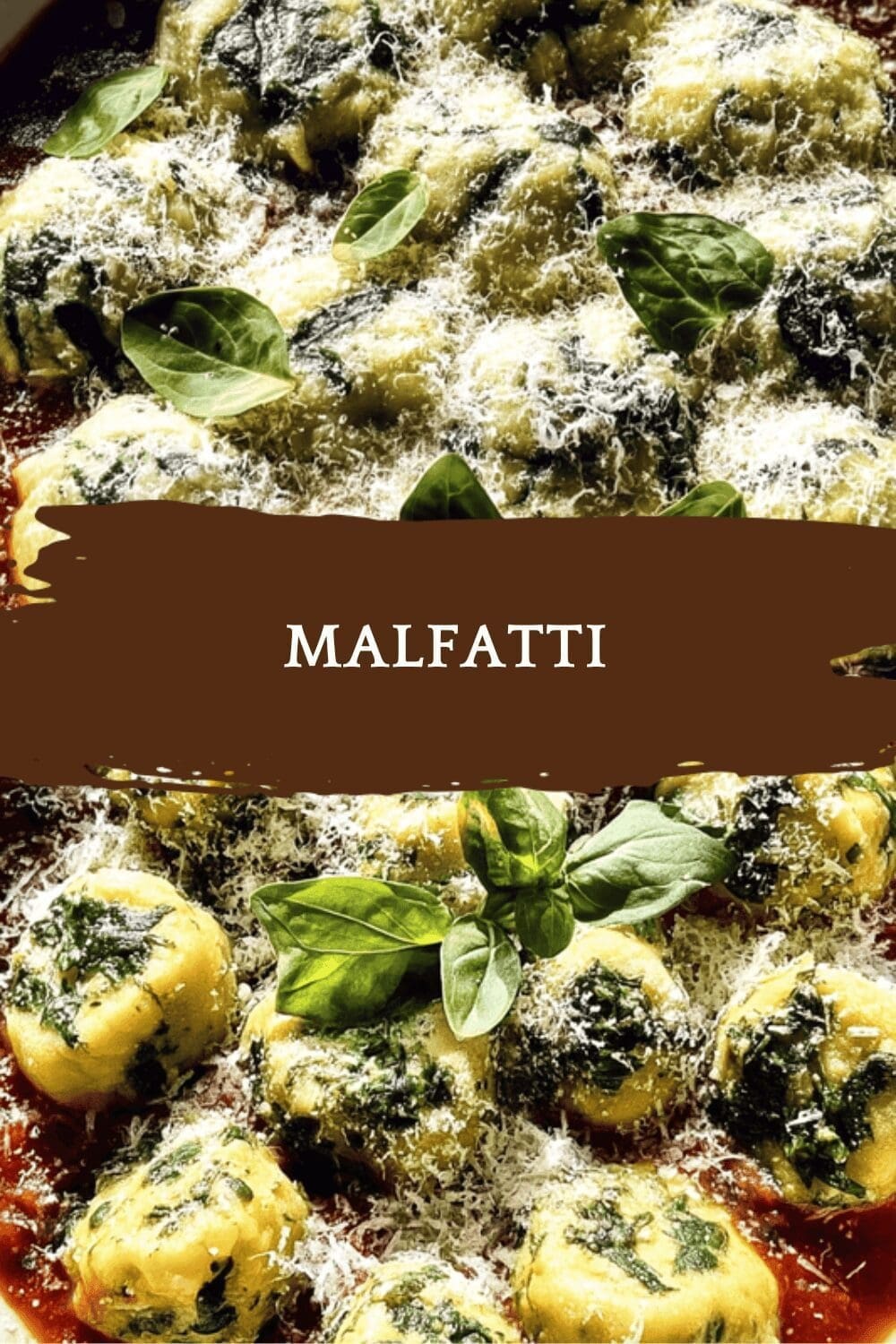
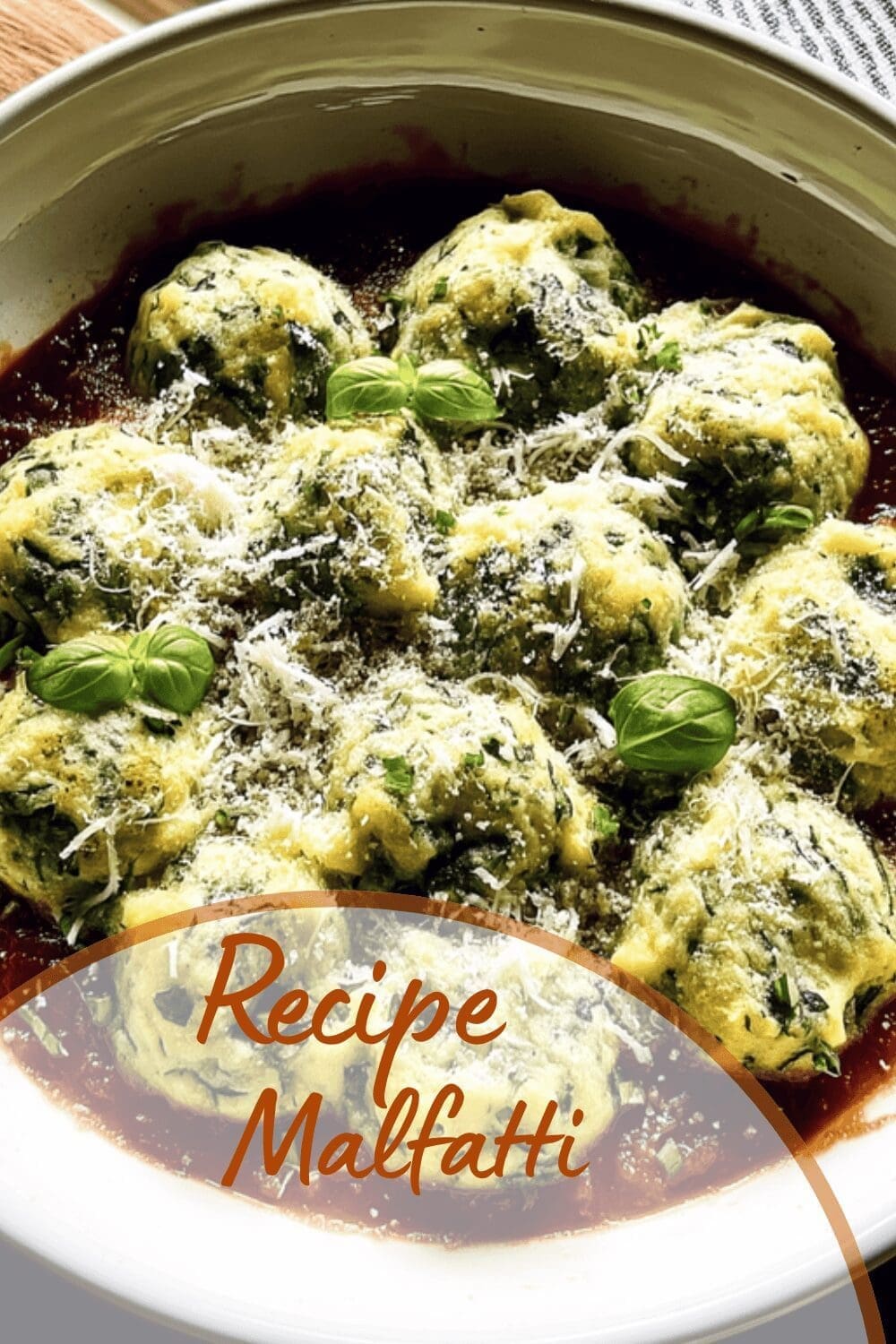
- For Napoli sauce, spread sauce in a baking dish, place malfatti on top, drizzle with olive oil, and bake at 180°C (350°F) for 15 minutes until golden. Sprinkle with extra Parmesan and fresh basil before serving.
- For browned butter sauce, toss malfatti gently in the sauce, add pasta water if needed to create creaminess, plate and garnish with Parmesan and lemon zest.
Mastering Malfatti: Advanced Tips and Variations
To perfect Malfatti, remove as much moisture as possible from your spinach before mixing. Using dry, crumbly ricotta rather than wet varieties improves dough consistency. Fold ingredients gently to keep the dough tender instead of over-mixing. Try adding a pinch of nutmeg or fresh herbs like basil and parsley for additional aroma.
Experiment with cheeses such as pecorino or goat cheese for unique flavors. Roasted vegetables incorporated into the dough add texture and richness, while serving malfatti in a light broth creates a comforting and elegant variation. Adjust flours, using semolina for a slightly firmer chew or all-purpose flour alone for softness. Baking malfatti briefly after boiling in a tomato sauce allows them to develop a lightly crisp crust while avoiding sogginess.
Small adjustments in ingredients and cooking methods can elevate traditional Malfatti into a creative and memorable dish.
How to Store Malfatti: Best Practices
Store cooked Malfatti in an airtight container in the refrigerator to keep fresh for 2 to 3 days. Reheat gently in a pan with a little butter or olive oil, or warm in the microwave to prevent drying.
For longer storage, freeze uncooked Malfatti. Place them individually on a baking sheet dusted with flour or semolina, freeze until solid, then transfer into a sealed freezer bag or container to avoid sticking. Cook from frozen by boiling until they float and are heated through; cooking time may increase by a couple of minutes.
Freezing uncooked Malfatti maintains texture and flavor, providing convenience for future meals without compromising quality.
Nutritional Value of Malfatti
| Nutrient | Per Serving (approximate) | Benefit |
|---|---|---|
| Calories | 460–500 kcal | Balanced energy for a filling meal |
| Carbohydrates | 30–32 grams | Provides energy and dietary fiber |
| Protein | 22–29 grams | Supports muscle repair and maintenance |
| Fat | 29–31 grams (saturated fat 16–18 grams) | Contributes to satiety and flavor |
| Vitamin A | 6800–15400 IU | Supports vision and immunity |
| Vitamin C | 34–44 mg | Antioxidant and immune function aid |
| Calcium | 500–620 mg | Essential for bone health |
| Iron | 5–6 mg | Supports oxygen transport in the blood |
FAQs: Frequently Asked Questions About Malfatti
What are Malfatti and how are they different from gnocchi?
Malfatti are Italian dumplings traditionally made from ricotta cheese, spinach, eggs, flour, and Parmesan. Unlike gnocchi, which usually use potatoes as a base, Malfatti have a softer texture and often a rustic, irregular shape—hence their name meaning “badly made.” They are similar to gnudi, a Tuscan variation, and are typically boiled until they float and served with light sauces such as sage butter or tomato-based Napoli sauce.
How do I prepare spinach properly for making Malfatti?
To avoid watery Malfatti, first cook fresh or frozen spinach in boiling salted water until wilted (1–2 minutes fresh, 8–10 minutes frozen). Drain and cool, then wrap it tightly in a clean towel or cheesecloth and squeeze firmly to remove excess moisture. This step prevents soggy dumplings and helps the dough hold together. After draining, chop or finely mince the spinach before mixing it into the dough.
Can I freeze Malfatti before or after cooking?
Yes, Malfatti can be frozen both before and after cooking. For uncooked Malfatti, place them on a floured baking sheet in a single layer to freeze individually, then transfer to an airtight container or freezer bag. This prevents sticking. Cooked Malfatti can be stored in the refrigerator for up to two to three days and reheated gently, but freezing after cooking may alter texture. Defrost frozen Malfatti in the refrigerator before cooking or reheating.
What sauces pair well with Malfatti and how should I serve them?
Malfatti are traditionally served with simple sauces that complement their delicate flavor. Classic options include brown butter with sage leaves or a fresh Napoli tomato sauce. You can toss the cooked Malfatti in the sauce with a little pasta cooking water to create a light coating. Serve them as a main course or appetizer without additional sides, or accompany with a crisp green salad or garlic bread for a balanced meal.
What should I do if my Malfatti dough is too soft to shape?
If the dough feels too loose or wet to form dumplings, add a small amount of all-purpose or semolina flour gradually until it firms up enough to handle easily. Using dry, well-drained ricotta and thoroughly squeezed spinach helps prevent excess moisture. Avoid adding too much flour to keep the texture light and tender. If necessary, chilling the mixture briefly can also make shaping easier.

Malfatti
🍽️ Delight in the rich flavor and tender texture of Malfatti, perfect for a heartwarming meal.
🧆 These homemade spinach and ricotta dumplings are an easy and delicious way to enjoy authentic Italian pasta.
- Total Time: 1 hour 10 minutes
- Yield: 5 servings 1x
Ingredients
320 grams dry, crumbly ricotta cheese
620 grams fresh baby spinach
1½ tablespoons olive oil or butter
2 to 3 garlic cloves, finely minced
1 small eschalot or half a red onion, finely diced
Fresh basil leaves, finely sliced
2 lightly beaten eggs plus 1 egg yolk
3 to 6 oz finely grated Parmesan
65 grams all-purpose flour
50 grams semolina flour
Pinch of nutmeg
Salt and black pepper
2 tablespoons olive oil
2 garlic cloves, finely minced
1 small onion, finely diced
400 grams crushed or diced tomatoes
1½ tablespoons tomato paste
½ cup water
Basil stem
1 teaspoon white sugar
Salt and black pepper
5 tablespoons unsalted butter
40 fresh sage leaves
Additional grated Parmesan
Optional: Meyer lemon zest
Instructions
1. Prepare the spinach: Rinse and drain the spinach, sprinkle with salt, and let sit for 20 minutes. Squeeze out excess water with a towel.
2. Sauté spinach and aromatics: Heat oil or butter in a pan, add garlic and onion, sauté until fragrant. Add spinach, cook until wilted.
3. Make the dough: Combine spinach mixture with ricotta, basil, eggs, Parmesan, flour, and seasonings. Mix gently to form a soft dough.
4. Shape the dumplings: Form malfatti into small shapes using spoons or hands dusted with flour. Place on a floured tray.
5. Cook the malfatti: Boil a pot of salted water, add dumplings, cook until they float. Remove and drain on paper towels.
6. Prepare sauces:
– Napoli sauce: Heat oil, sauté garlic and onion, add tomatoes, basil, and seasonings, simmer for 20 minutes.
– Browned butter and sage: Melt butter, add sage, cook until butter browns and sage crisps.
7. Finish and serve: For Napoli sauce, bake malfatti with sauce at 180°C for 15 minutes. For browned butter, toss malfatti in sauce and serve with Parmesan and lemon zest.
Last Step:
Please leave a rating and comment letting us know how you liked this recipe! This helps our business to thrive and continue providing free, high-quality recipes for you.Notes
🧀 Use dry, crumbly ricotta for the best texture; drain if necessary.
🌿 Remove excess water from spinach to prevent a soggy dough.
🍀 Rustic shapes are traditional, no need for perfection.
- Prep Time: 25 minutes
- Cook Time: 30 to 45 minutes
- Category: Main Course
- Method: Boiling and Baking
- Cuisine: Italian
- Diet: Vegetarian
Nutrition
- Serving Size: 1 plate
- Calories: 480 kcal
- Sugar: 5 g
- Sodium: 1000 mg
- Fat: 30 g
- Saturated Fat: 17 g
- Unsaturated Fat: 11 g
- Trans Fat: 0 g
- Carbohydrates: 31 g
- Fiber: 4 g
- Protein: 25 g
- Cholesterol: 110 mg


