

Benefits and Advantages of Lobster Rolls
Lobster rolls are celebrated for their ease of preparation, making them a perfect choice for both novice and experienced cooks. This dish requires minimal cooking time, allowing fresh lobster meat to shine without overwhelming complexity. Health-wise, lobster meat is a lean protein source rich in essential nutrients like omega-3 fatty acids, vitamins, and minerals, supporting heart health and overall wellness.
What makes lobster rolls stand out is their delicious balance of rich, succulent lobster and light, toasted bread, creating a satisfying yet refreshing meal. Incorporating variations such as light dressings or alternative buns can enhance both flavor and suitability for various dietary preferences, emphasizing the versatility of lobster rolls.
Lobster rolls offer a flavorful, nutritious, and quickly prepared seafood option ideal for gatherings and everyday meals alike.
Jump to:
- Benefits and Advantages of Lobster Rolls
- Essential Ingredients for Lobster Rolls
- Dietary Substitutions to Customize Your Lobster Rolls
- Bread Alternatives
- Dressing Substitutes
- Seafood Alternatives
- Additional Flavor Enhancements
- How to Prepare the Perfect Lobster Rolls: Step-by-Step Guide
- Mastering lobster rolls: Advanced Tips and Variations
- How to Store lobster rolls: Best Practices
- Storing Lobster Filling
- Storing Bread and Assembled Rolls
- Freezing
- Reheating Tips
- Nutritional Value of lobster rolls
- FAQs: Frequently Asked Questions About lobster rolls
- What type of lobster meat is best for making a lobster roll?
- What kind of bun should I use to make a lobster roll?
- How should I prepare the lobster filling for a traditional Maine lobster roll?
- What is the main difference between Maine-style and Connecticut-style lobster rolls?
- Can I prepare lobster rolls ahead of time without the bread getting soggy?
- Lobster Roll Recipes: Classic and Creative Ways to Make the Best Lobster Roll
- Ingredients
- Instructions
- Last Step:
- Notes
- Nutrition
- Did you make this recipe?
Essential Ingredients for Lobster Rolls
To make traditional lobster rolls, you’ll need the following core ingredients formatted for easy reference:
- 1 pound (approximately 450 grams) cooked lobster meat (claw, knuckle, and tail), cut into chunky pieces
- 2 to 3 tablespoons melted butter or mayonnaise
- ½ tablespoon fresh lemon juice
- ½ teaspoon lemon zest
- Salt and freshly cracked black pepper, to taste
- 1 rib celery, finely diced (optional)
- 1 tablespoon fresh chives or scallions, finely chopped (optional)
- Dash of hot sauce (optional)
- Fresh herbs like tarragon or capers (optional)
- 4 New England-style split-top hot dog buns or similarly soft buttery buns
- Butter for toasting buns
- Lettuce leaves (optional, for inside the bun)
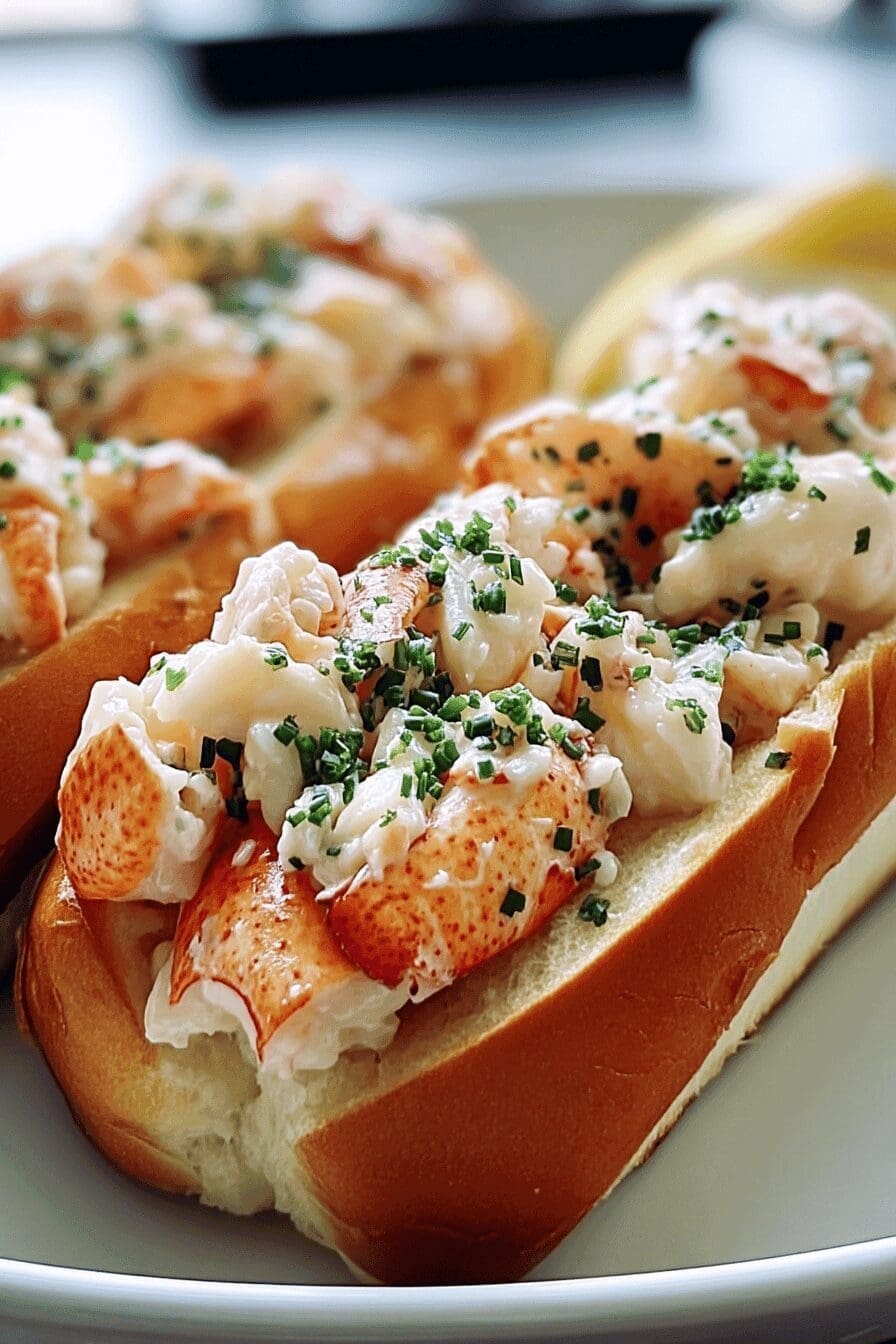
These ingredients come together to deliver the classic lobster roll flavor and texture. The blend of lobster with butter or mayonnaise dressing is accented by fresh citrus and subtle seasoning. The toasted buns contribute a crispy contrast that holds the filling well.
Dietary Substitutions to Customize Your Lobster Rolls
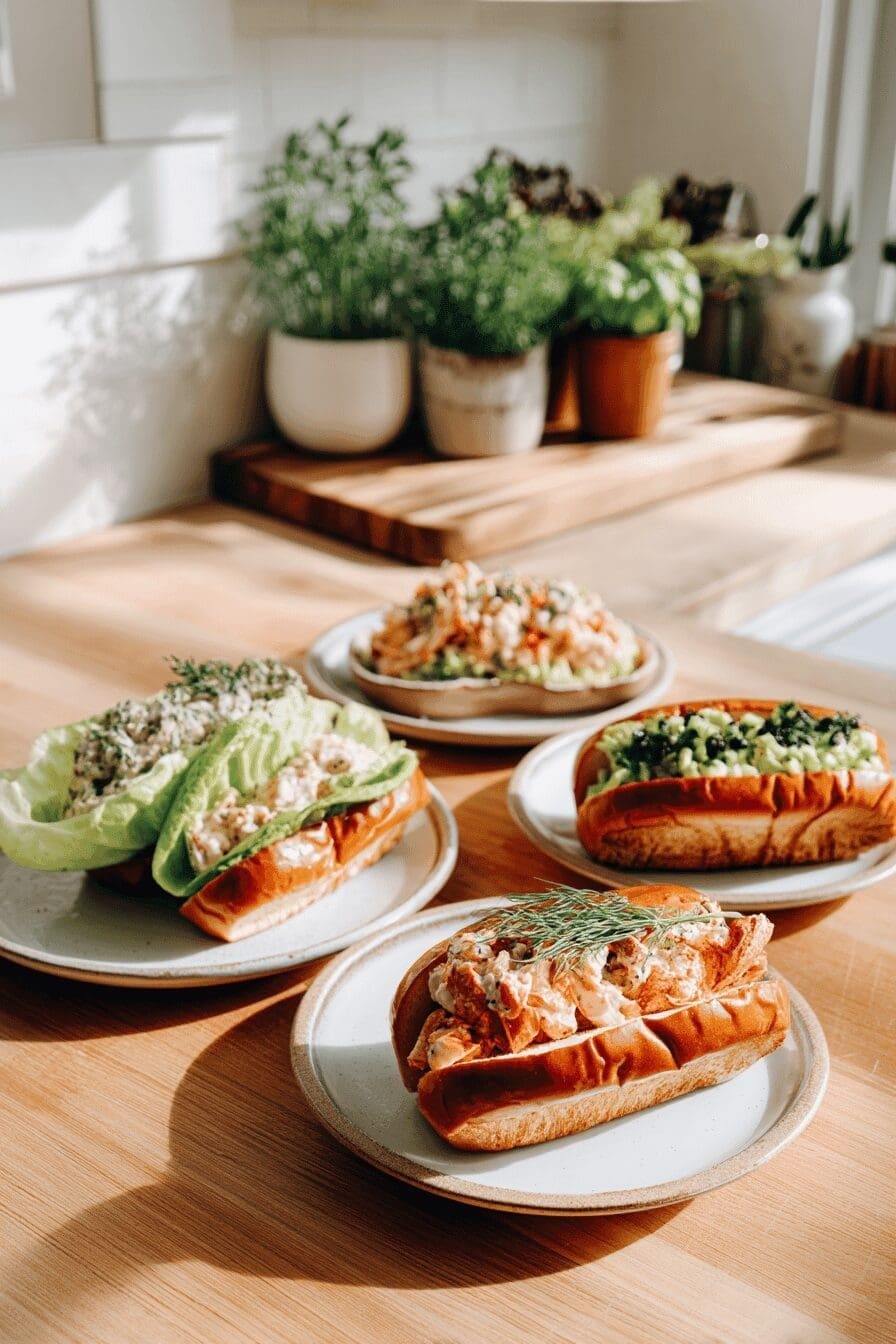
Adjust lobster rolls to fit dietary restrictions or personal preferences by trying these substitutions:
Bread Alternatives
- Gluten-free buns or rolls for gluten sensitivity
- Lettuce wraps or collard greens for a low-carb, paleo-friendly option
Dressing Substitutes
- Use vegan mayonnaise or a light olive oil-based dressing for dairy-free and vegan diets
- Swap melted butter for a dairy-free butter substitute when warming lobster meat
- Try Greek yogurt-based dressings for a lower-fat option while maintaining creaminess
Seafood Alternatives
- Hearts of palm or marinated king oyster mushrooms for plant-based versions
- Crab meat or shredded chicken breast as alternatives for shellfish allergies
Additional Flavor Enhancements
- Add diced avocado for creaminess
- Include fresh herbs like cilantro or dill for flavor variation
- Use spices such as Old Bay seasoning or cayenne for a touch of heat
These substitutions keep the spirit of the lobster roll while accommodating diverse diets and flavor preferences.
How to Prepare the Perfect Lobster Rolls: Step-by-Step Guide
- Poach the Lobster: Boil salted water, then poach fresh lobster tails for 5 to 7 minutes until shells turn bright red. Cool immediately in ice water.
- Prepare the Lobster Meat: Remove shells carefully, extracting claw, knuckle, and tail meat. Chop meat into chunky pieces, removing cartilage and veins.
- Make the Filling: In a bowl, combine lobster meat with 2 to 3 tablespoons of mayonnaise or melted butter (depending on preference), ¼ cup finely diced celery, ½ tablespoon fresh lemon juice, and season with salt and freshly cracked black pepper. Gently fold to mix without breaking up lobster chunks.
- Toast the Rolls: Butter the flat sides of New England-style split-top buns and toast in a skillet or oven until golden brown and slightly crisp.
- Assemble: Optionally place a lettuce leaf inside each roll. Spoon the lobster filling generously into the toasted buns.
- Add Garnish: Sprinkle fresh chives or tarragon, a dash of hot sauce, or capers if desired.
- Serve: Enjoy immediately with classic sides like potato chips, French fries, or a pickle spear.
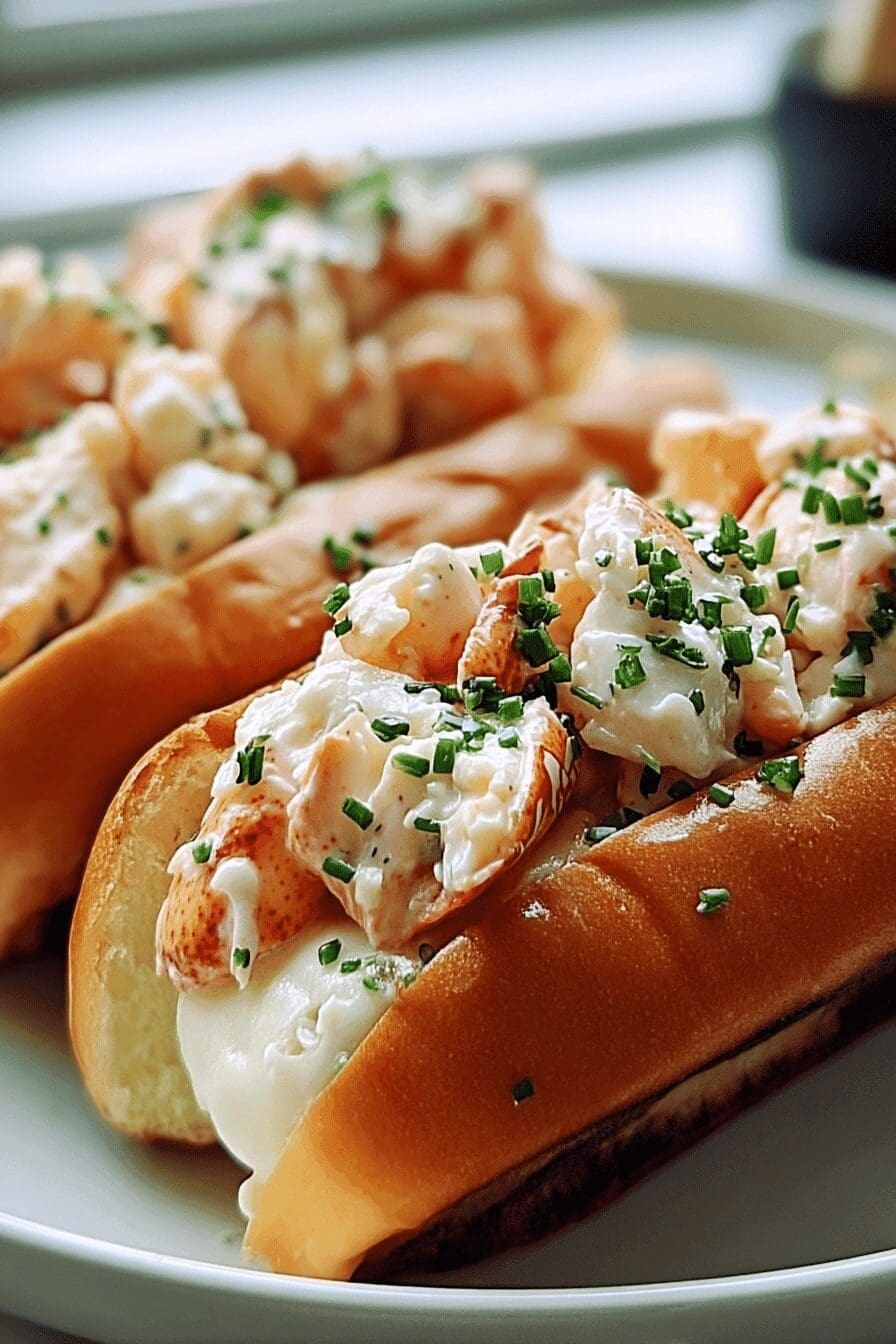
Fresh lobster meat, lightly dressed and nestled in toasted, buttery rolls, makes each bite rich, tender, and flavorful.
For additional tips and variations, check out this practical guide on Classic New England Lobster Roll Recipe.
Mastering lobster rolls: Advanced Tips and Variations
To create outstanding lobster rolls, start with the freshest lobster meat available, preferably claw, knuckle, and tail portions, which offer a satisfying mix of sweet flavor and tender texture. Use just enough seasoning and dressing to let the lobster shine. For a subtle kick, add smoked paprika or a pinch of cayenne pepper to your mayonnaise or melted butter.
Consider these variations to add personality and sophistication to your lobster rolls:
- Warm Butter Lobster Roll: Toss lobster gently in melted clarified butter, serving it warm on toasted buns, a style popular in Connecticut.
- Avocado Addition: Incorporate finely diced avocado into your lobster mixture for creaminess and freshness.
- Bread Choices: Experiment with brioche, a soft brioche roll, or even a French baguette for varied textures and presentation.
- Mayonnaise Alternatives: Use a light vinaigrette or Greek yogurt dressing if you prefer less rich options.
Mix in finely diced celery, scallions, or fresh herbs like tarragon or chives to enhance texture and flavor complexity. A dash of hot sauce or capers can introduce a subtle tang. These subtle adaptations keep lobster rolls exciting and delicious while preserving their classic appeal.
Simple adjustments can refresh the classic lobster roll, balancing tradition with new tastes.
How to Store lobster rolls: Best Practices
Proper storage is essential for preserving the freshness and texture of lobster rolls:
Storing Lobster Filling
- Keep the lobster meat mixture in an airtight container in the refrigerator. It will stay fresh for up to 24 hours.
- Prepare the filling up to a day ahead to allow flavors to meld well.
Storing Bread and Assembled Rolls
- Store the bread separately at room temperature in foil or a bread box to maintain softness.
- Avoid assembling rolls too far in advance to prevent soggy bread.
- If assembled, consume within a few hours for best texture and flavor.
Freezing
Lobster meat can be frozen in a vacuum-sealed or airtight container for up to two months, but avoid freezing assembled rolls, which will lose bread quality. Thaw lobster meat overnight in the refrigerator before use.
Reheating Tips
Since reheating lobster can affect texture, it’s best served cold or warm without reheating. Toast the buns separately if desired to restore crispness and serve the filling chilled or at room temperature.
Separating components and assembling just before serving prevents sogginess and preserves optimal flavor.
Nutritional Value of lobster rolls
| Nutrient | Approximate Amount per Serving |
|---|---|
| Calories | 350-400 kcal |
| Protein | 26 grams |
| Total Fat | 17 grams |
| Saturated Fat | 5 grams |
| Cholesterol | 120 mg |
| Carbohydrates | 30 grams |
| Fiber | 1-2 grams |
| Sodium | 500 mg |
Lobster rolls provide a lean source of high-quality protein and essential nutrients such as vitamin B12, zinc, and omega-3 fatty acids supporting heart and brain health. The mayo or butter and the bun add calories and fats, so lightening these components can reduce overall fat content. Lobster meat itself is low in fat and rich in minerals, making lobster rolls a balanced choice when portioned carefully.
For detailed nutritional insights, you can consult the Nutritional Benefits of Lobster.
FAQs: Frequently Asked Questions About lobster rolls
What type of lobster meat is best for making a lobster roll?
The best lobster meat for lobster rolls is typically claw, knuckle, and tail meat because these parts are tender and flavorful. Using fresh cooked lobster is ideal, but many cooks also use high-quality frozen or refrigerated lobster meat available at grocery stores. Avoid canned lobster if possible, as the texture and taste can differ. For a traditional lobster roll, using a mix of claw and knuckle meat adds a balance of texture and sweetness.
What kind of bun should I use to make a lobster roll?
The classic choice is a New England-style split-top hot dog bun, which has flat, buttery sides perfect for toasting in a pan with butter. If you can’t find this type of bun, use a soft, slightly sweet bun with a sturdier texture to hold the lobster filling without falling apart. Toasting the bun enhances flavor and adds a slight crunch, which helps balance the tender lobster meat.
How should I prepare the lobster filling for a traditional Maine lobster roll?
For a traditional Maine lobster roll, gently toss chilled cooked lobster meat with a light dressing made from mayonnaise, finely chopped celery, fresh lemon juice, and chopped chives. Season with salt and freshly ground black pepper to taste. Keep the mixture cold and serve it in a toasted bun. This simple preparation highlights the lobster’s natural sweetness and texture without overpowering it.
What is the main difference between Maine-style and Connecticut-style lobster rolls?
Maine-style lobster rolls are served cold with lobster meat mixed in a light mayonnaise-based dressing and placed in a toasted bun. In contrast, Connecticut-style lobster rolls are served warm with lobster meat dipped in melted butter and served on a hot toasted bun without mayonnaise. Both styles offer distinct flavors and textures depending on whether you prefer a buttery or creamy filling.
Can I prepare lobster rolls ahead of time without the bread getting soggy?
Yes, you can prepare the lobster filling a day in advance and store it in an airtight container in the refrigerator. To prevent soggy buns, toast the buns just before serving and assemble the lobster rolls last minute. Keeping the dressing and lobster mixture separate from the bread until serving time helps maintain the bun’s crisp texture and ensures the best eating experience.

Lobster Roll Recipes: Classic and Creative Ways to Make the Best Lobster Roll
🦞 Indulge in the sweet, tender bite of perfectly seasoned lobster, wrapped in a toasty split-top bun.
🥖 Warm or cold, these lobster rolls capture a taste of the coast, offering a luxurious seafood experience.
- Total Time: 17 to 32 minutes
- Yield: 4 servings 1x
Ingredients
1 pound cooked lobster meat (claw, knuckle, and tail), cut into chunky pieces
2 to 3 tablespoons melted butter or mayonnaise
1/2 tablespoon lemon juice
1/2 teaspoon lemon zest
Salt, to taste
Freshly cracked black pepper, to taste
1 finely diced celery rib (optional)
1 tablespoon fresh chives (optional)
Dash of hot sauce (optional)
Fresh tarragon or capers (optional)
4 New England-style split-top buns
Butter for toasting buns
Lettuce leaves (optional)
Instructions
1. Prepare the lobster meat by cutting it into chunky pieces.
2. For a warm roll, gently warm the lobster in melted butter for about 2 minutes. For a cold version, mix the lobster with mayonnaise.
3. Add lemon juice, lemon zest, salt, and pepper to the lobster. You may also add optional ingredients like celery, chives, hot sauce, tarragon, or capers.
4. Preheat a skillet over medium heat. Dip the flat sides of the buns in melted butter and toast until golden and slightly crisp.
5. Optionally line each bun with a lettuce leaf.
6. Place the lobster mixture into the toasted buns.
7. Serve the lobster rolls immediately, potentially with sides like chips or a pickle spear.
Last Step:
Please leave a rating and comment letting us know how you liked this recipe! This helps our business to thrive and continue providing free, high-quality recipes for you.Notes
✅ Use fresh lobster for the best flavor and quality.
🥰 Ensure the buns are well-toasted to maintain texture and prevent sogginess.
🧊 The lobster salad can be made ahead and stored up to one day in the refrigerator.
- Prep Time: 15 to 30 minutes
- None: 0 minutes
- Cook Time: 2 minutes
- Category: Main Course
- Method: Mixing
- Cuisine: American
- Diet: Pescatarian
Nutrition
- Serving Size: 1 roll
- Calories: 400
- Sugar: N/A
- Sodium: N/A
- Fat: 17g
- Saturated Fat: N/A
- Unsaturated Fat: N/A
- Trans Fat: N/A
- Carbohydrates: N/A
- Fiber: N/A
- Protein: 26g
- Cholesterol: N/A