

Why You’ll Love This Lemon Pasta
- Ease of preparation: This lemon pasta recipe is a breeze to make, perfect for busy weeknights or quick lunches. It uses simple ingredients and comes together in about 20 to 35 minutes, offering a fresh and satisfying meal without complicated steps.
- Health benefits: Loaded with fresh lemon juice and zest, this lemon pasta delivers a rich source of vitamin C and antioxidants. The use of olive oil and butter provides healthy fats while keeping the dish light, making it a nutritious yet flavorful choice.
- Versatility: Lemon pasta adapts well to various dietary preferences. Whether you prefer vegan options by swapping Parmesan with nutritional yeast, need gluten-free pasta, or want to reduce calories with whole wheat or veggie noodles, this recipe accommodates delicious tweaks without sacrificing taste.
- Distinctive flavor: The bright acidity from lemon combined with buttery richness and garlic offers a wonderfully refreshing and silky sauce. Its balance of tang and creaminess makes this lemon pasta stand out from heavier cream-based or tomato sauces.
Jump to:
- Why You’ll Love This Lemon Pasta
- Essential Ingredients for Lemon Pasta
- Special Dietary Options
- How to Prepare the Perfect Lemon Pasta: Step-by-Step Guide
- First Step: Cook the Pasta
- Second Step: Prepare the Lemon Butter Sauce
- Third Step: Combine Pasta and Sauce
- Fourth Step: Incorporate Cheese and Lemon Juice
- Final Step: Season and Serve
- Dietary Substitutions to Customize Your Lemon Pasta
- Protein and Main Component Alternatives
- Vegetable, Sauce, and Seasoning Modifications
- Mastering Lemon Pasta: Advanced Tips and Variations
- How to Store Lemon Pasta: Best Practices
- FAQs: Frequently Asked Questions About Lemon Pasta
- What are the basic ingredients needed to make lemon pasta?
- How do I make a creamy lemon pasta sauce without heavy cream?
- Why does my lemon pasta taste bitter, and how can I prevent this?
- Can leftover lemon pasta be stored and reheated without losing flavor?
- Can I prepare lemon pasta with leftover cooked pasta if I don’t have reserved pasta water?
- Lemon Pasta
- Ingredients
- Instructions
- Last Step:
- Notes
- Nutrition
- Did you make this recipe?
Essential Ingredients for Lemon Pasta
- 8 ounces (about 225 grams) spaghetti or linguine – classic long pasta with a firm bite to hold the sauce.
- 4 tablespoons (about 56 grams) butter, sliced – provides richness and emulsifies with pasta water to create a creamy sauce.
- 2 tablespoons lemon zest – adds bright citrus aroma and fresh flavor without bitterness.
- 2 to 3 cloves garlic, minced – infuses the sauce with savory depth.
- ½ cup (about 50 grams) grated Parmesan cheese – adds salty creaminess; Pecorino Romano can be a substitute.
- 1 tablespoon lemon juice, plus more to taste – imparts refreshing tang to balance richness.
- Sea salt and freshly ground black pepper, to taste – essential for seasoning and flavor balance.
- 1 tablespoon (15 mL) olive oil (optional) – enhances richness and smoothness.
- 2 to 3 tablespoons fresh parsley or basil, chopped – adds herbaceous brightness and garnish.
- Reserved pasta cooking water (about ½ to 1 cup) – starch-rich water that helps create silky sauce texture.
Special Dietary Options
- Vegan: Use vegan butter or olive oil and replace Parmesan with nutritional yeast or vegan cheese.
- Gluten-free: Substitute spaghetti with gluten-free pasta such as rice or chickpea pasta.
- Low-calorie: Choose whole wheat or vegetable spiralized pasta and reduce butter or olive oil amounts.
How to Prepare the Perfect Lemon Pasta: Step-by-Step Guide
First Step: Cook the Pasta
Bring a large pot of salted water to a boil and cook your pasta according to package instructions until al dente, usually 8 to 10 minutes. Reserve about ½ to 1 cup of the starchy pasta cooking water before draining the pasta.
Second Step: Prepare the Lemon Butter Sauce
While the pasta cooks, melt the butter in a large skillet over medium heat until it foams. Reduce heat to low and add minced garlic and lemon zest. Sauté for 1–2 minutes until fragrant, taking care not to brown the garlic to avoid bitterness. For richer flavor, add the optional olive oil at this stage. Remove the skillet from heat if the pasta isn’t ready.
Third Step: Combine Pasta and Sauce
Using tongs, transfer the cooked pasta directly to the skillet. Add about ½ cup of reserved pasta water and toss the pasta gently over low heat to coat with the silky sauce.
Fourth Step: Incorporate Cheese and Lemon Juice
Gradually add half of the grated Parmesan, tossing to combine. Then stir in the lemon juice followed by the remaining Parmesan. Toss continuously until the sauce is velvety and clings nicely to the pasta strands. If the sauce becomes too thick, add more reserved pasta water in small amounts to loosen.
Final Step: Season and Serve
Season with sea salt, freshly ground black pepper, and additional lemon juice to taste. Garnish generously with chopped fresh parsley or basil and extra lemon zest for a vibrant finish. Serve immediately with extra Parmesan on the side if desired.

Dietary Substitutions to Customize Your Lemon Pasta
Protein and Main Component Alternatives
- Add grilled chicken, sautéed shrimp, or pan-seared scallops for a protein boost.
- Use tempeh or chickpeas for plant-based protein in vegan adaptations.
Vegetable, Sauce, and Seasoning Modifications
- Swap garlic for shallots or scallions for milder onion flavor.
- Add seasonal vegetables like asparagus, peas, or baby spinach to increase nutrition.
- Experiment with fresh herbs such as basil, thyme, or dill to vary aroma and flavor.
- Use dairy-free cheeses or omit cheese entirely for allergy-friendly versions.
Mastering Lemon Pasta: Advanced Tips and Variations
- Pro cooking techniques: Save and use pasta water strategically to emulsify the sauce. Cooking pasta slightly under al dente ensures the perfect final texture when combined with sauce.
- Flavor variations: Add chili flakes for heat, capers for a briny contrast, or roasted garlic for deeper complexity. Try Pecorino Romano cheese for sharper flavor.
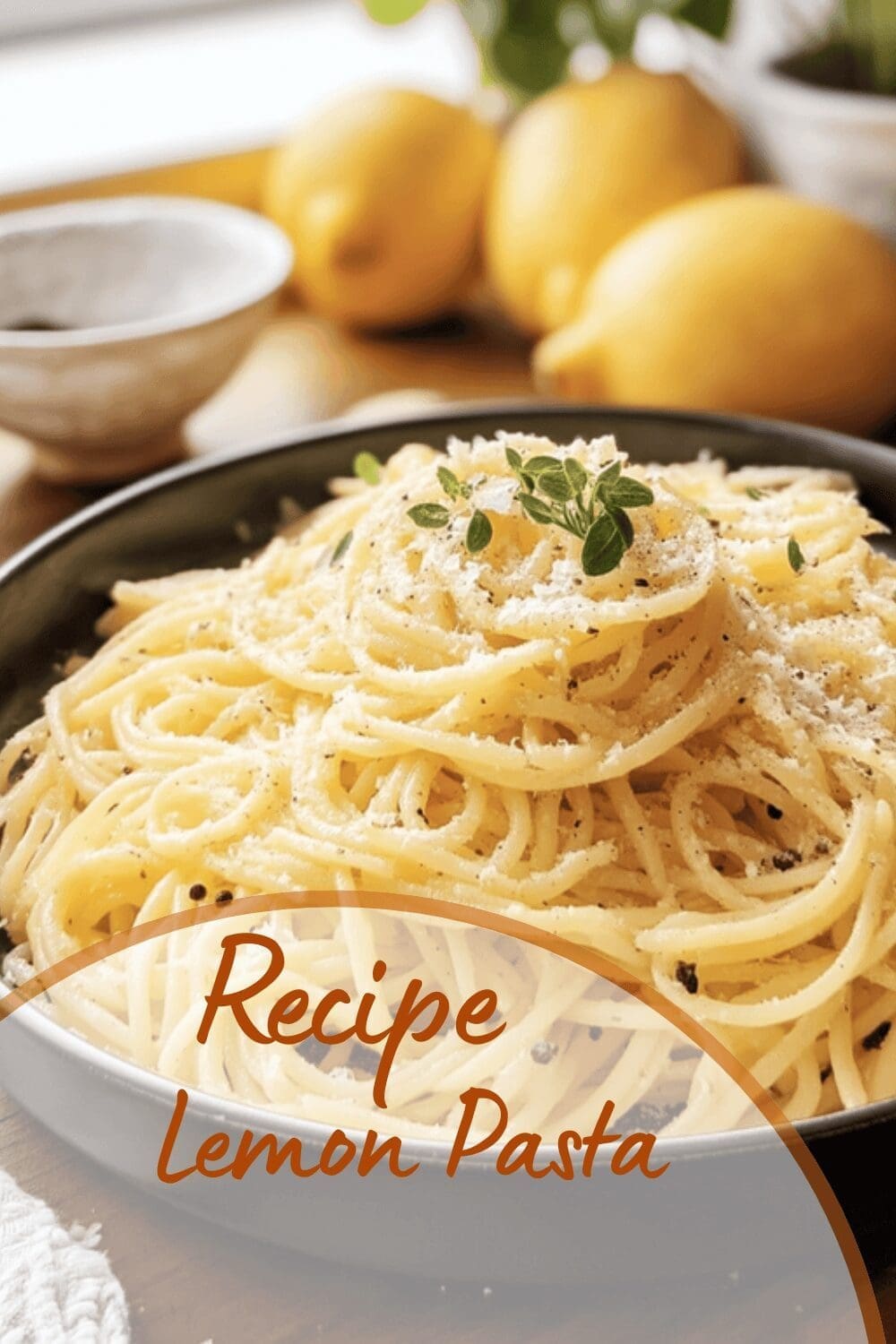
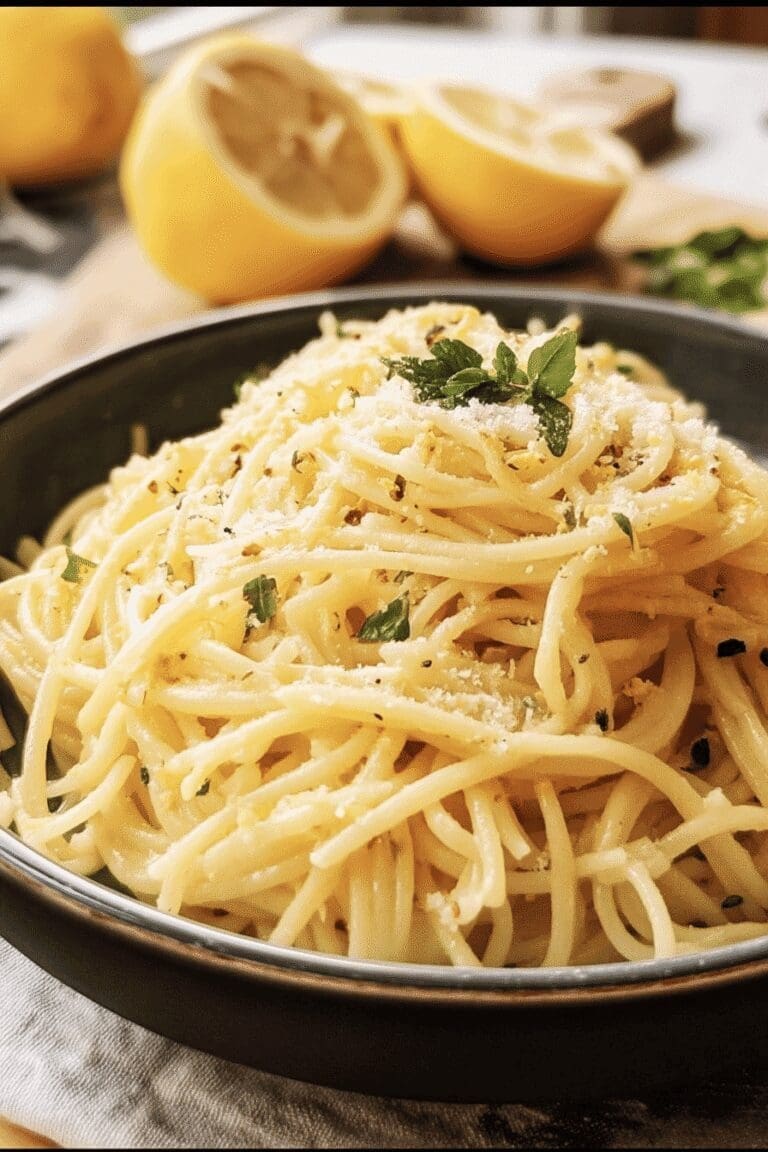
- Presentation tips: Twirl pasta into nests, garnish with lemon wheels or fresh herbs, and drizzle with high-quality olive oil to enhance visual appeal.
- Make-ahead options: Prepare the lemon butter sauce ahead and store separately, then toss with freshly cooked pasta just before serving to keep flavors vibrant.
How to Store Lemon Pasta: Best Practices
Refrigeration: Store leftover lemon pasta in an airtight container in the fridge for up to 3 days. To prevent the pasta from drying out, add a splash of olive oil or reserved pasta water before sealing.
Freezing: Freezing lemon pasta is possible but may affect texture. If needed, freeze portions in airtight containers and thaw overnight in the fridge.
Reheating: Reheat gently over low heat or in a microwave with a little olive oil or water to restore sauce creaminess and avoid drying out.
Meal prep considerations: For batch cooking, keep sauce and pasta separate until serving to maintain freshness and ideal texture throughout the week.
FAQs: Frequently Asked Questions About Lemon Pasta
What are the basic ingredients needed to make lemon pasta?
To make lemon pasta, you’ll need spaghetti or linguine, butter, garlic, grated Parmesan or pecorino cheese, fresh lemon zest and lemon juice, salt, and pepper. Fresh herbs like parsley or basil are commonly added for garnish. These simple ingredients combine to create a bright, creamy sauce without heavy cream.
How do I make a creamy lemon pasta sauce without heavy cream?
Cook pasta al dente and save some of the starchy pasta water. Melt butter in a skillet, then add minced garlic and lemon zest. Toss the cooked pasta with the butter mixture and add reserved pasta water gradually to form a silky sauce. Stir in Parmesan cheese and lemon juice until creamy, then season with salt and pepper. The starch in the pasta water and cheese create a smooth texture without cream.
Why does my lemon pasta taste bitter, and how can I prevent this?
Bitterness usually comes from zesting the white pith under the lemon’s skin, which has a strong bitter flavor. To avoid this, zest gently using a fine grater or microplane, only removing the outer yellow layer. Using fresh lemons also helps keep the flavor bright and balanced.
Can leftover lemon pasta be stored and reheated without losing flavor?
Yes, store leftover lemon pasta in an airtight container in the refrigerator for up to three days. When reheating on the stovetop or microwave, add a splash of water to loosen the sauce and restore its creaminess. Lemon pasta is best enjoyed fresh, but proper storage helps maintain its taste.
Can I prepare lemon pasta with leftover cooked pasta if I don’t have reserved pasta water?
Yes, if you don’t have reserved pasta water, you can make a simple slurry by mixing a small amount of cornstarch (about 1/8 teaspoon) and salt with boiling water. Heat this mixture until slightly thickened, then combine it with the lemon butter sauce and pasta to mimic the starchy texture that helps bind the sauce.
Lemon Pasta
🍝 Create a refreshing meal with this quick lemon pasta made from simple ingredients for vibrant flavor.
🍋 Bursting with citrus and cheesy goodness, this dish is perfect for any weeknight dinner.
- Total Time: 25 minutes
- Yield: 2 to 3 servings
Ingredients
– 8 ounces spaghetti or linguine
– 4 tablespoons butter
– 2 tablespoons lemon zest
– 2 to 3 cloves garlic
– ½ cup grated Parmesan cheese
– 1 tablespoon lemon juice
– Sea salt and freshly ground black pepper
– 1 tablespoon olive oil
– 2 to 3 tablespoons fresh parsley or basil
– Reserved pasta cooking water
Instructions
1-First Step: Cook the Pasta
Bring a large pot of salted water to a boil and cook your pasta according to package instructions until al dente, usually 8 to 10 minutes. Reserve about ½ to 1 cup of the starchy pasta cooking water before draining the pasta.
2-Second Step: Prepare the Lemon Butter Sauce
While the pasta cooks, melt the butter in a large skillet over medium heat until it foams. Reduce heat to low and add minced garlic and lemon zest. Sauté for 1–2 minutes until fragrant, taking care not to brown the garlic to avoid bitterness. For richer flavor, add the optional olive oil at this stage. Remove the skillet from heat if the pasta isn’t ready.
3-Third Step: Combine Pasta and Sauce
Using tongs, transfer the cooked pasta directly to the skillet. Add about ½ cup of reserved pasta water and toss the pasta gently over low heat to coat with the silky sauce.
4-Fourth Step: Incorporate Cheese and Lemon Juice
Gradually add half of the grated Parmesan, tossing to combine. Then stir in the lemon juice followed by the remaining Parmesan. Toss continuously until the sauce is velvety and clings nicely to the pasta strands. If the sauce becomes too thick, add more reserved pasta water in small amounts to loosen.
5-Final Step: Season and Serve
Season with sea salt, freshly ground black pepper, and additional lemon juice to taste. Garnish generously with chopped fresh parsley or basil and extra lemon zest for a vibrant finish. Serve immediately with extra Parmesan on the side if desired.
Last Step:
Please leave a rating and comment letting us know how you liked this recipe! This helps our business to thrive and continue providing free, high-quality recipes for you.Notes
🍋 Use only the yellow part of the lemon zest to avoid bitterness from the pith.
💧 Pasta water helps thicken the sauce; keep some aside to adjust the sauce consistency.
🌿 Red pepper flakes, cooked vegetables, or proteins can add variety and depth to the dish.
- Prep Time: 5 minutes
- None: 0 minutes
- Cook Time: 20 minutes
- Category: Main Course
- Method: Boiling
- Cuisine: Italian
- Diet: Vegetarian
Nutrition
- Serving Size: 1 serving
- Calories: Varies
- Sugar: Varies
- Sodium: Varies
- Fat: Varies
- Saturated Fat: Varies
- Unsaturated Fat: Varies
- Trans Fat: 0g
- Carbohydrates: Varies
- Fiber: Varies
- Protein: Varies
- Cholesterol: Varies


This lemon pasta recipe is a game-changer! 🍋 I made it last night for my family, and everyone loved the fresh zingy flavor. I’m curious, could I add some grilled chicken or shrimp to make it more of a complete meal? Thanks for the inspiration!