

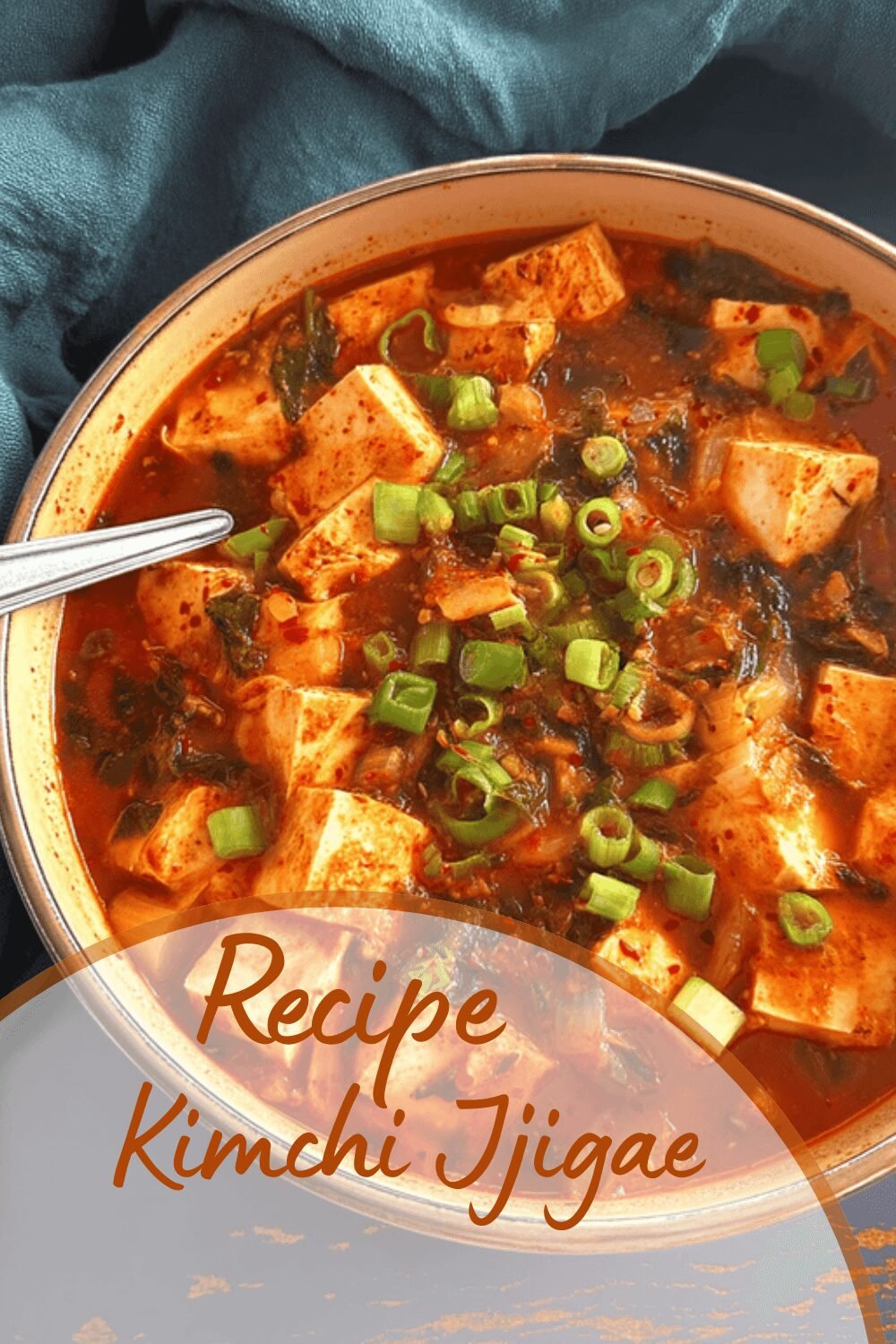
Why You’ll Love This Kimchi Jjigae
- Ease of preparation: This kimchi jjigae recipe is quick and simple, requiring just about 30 minutes and minimal ingredients. Perfect for busy weeknights, it lets you enjoy a hearty Korean stew without a lengthy cooking process.
- Health benefits: Loaded with probiotic-rich aged kimchi and nutrient-dense vegetables, this stew supports digestion and boosts immunity. Its balanced mix of protein, fiber, and vitamins makes it a wholesome, low-calorie meal option.
- Versatility: Easily adapted for vegan, gluten-free, or low-calorie diets by swapping pork belly with mushrooms or plant-based proteins and using gluten-free soy sauce alternatives without compromising flavor.
- Distinctive flavor: The tangy, spicy kimchi combined with savory pork belly, earthy mushrooms, and umami-rich gochujang creates a complex, comforting taste profile that stands out among Korean stews.
Jump to:
- Why You’ll Love This Kimchi Jjigae
- Essential Ingredients for Kimchi Jjigae
- Special Dietary Options:
- How to Prepare the Perfect Kimchi Jjigae: Step-by-Step Guide
- First Step: Prepare all Ingredients
- Second Step: Cook the Kimchi
- Third Step: Brown the Pork Belly
- Fourth Step: Layer the Ingredients
- Fifth Step: Simmer the Stew
- Final Step: Add Fresh Green Onions and Serve
- Dietary Substitutions to Customize Your Kimchi Jjigae
- Protein and Main Component Alternatives
- Vegetable, Sauce, and Seasoning Modifications
- Mastering Kimchi Jjigae: Advanced Tips and Variations
- How to Store Kimchi Jjigae: Best Practices
- FAQs: Frequently Asked Questions About Kimchi Jjigae
- What type of kimchi is best for making kimchi jjigae?
- Can I make kimchi jjigae without pork, and what are good protein alternatives?
- How do I prepare and cook pork ribs for kimchi jjigae?
- What can I use instead of water as the cooking base for kimchi jjigae?
- What are some practical tips to improve the flavor of kimchi jjigae?
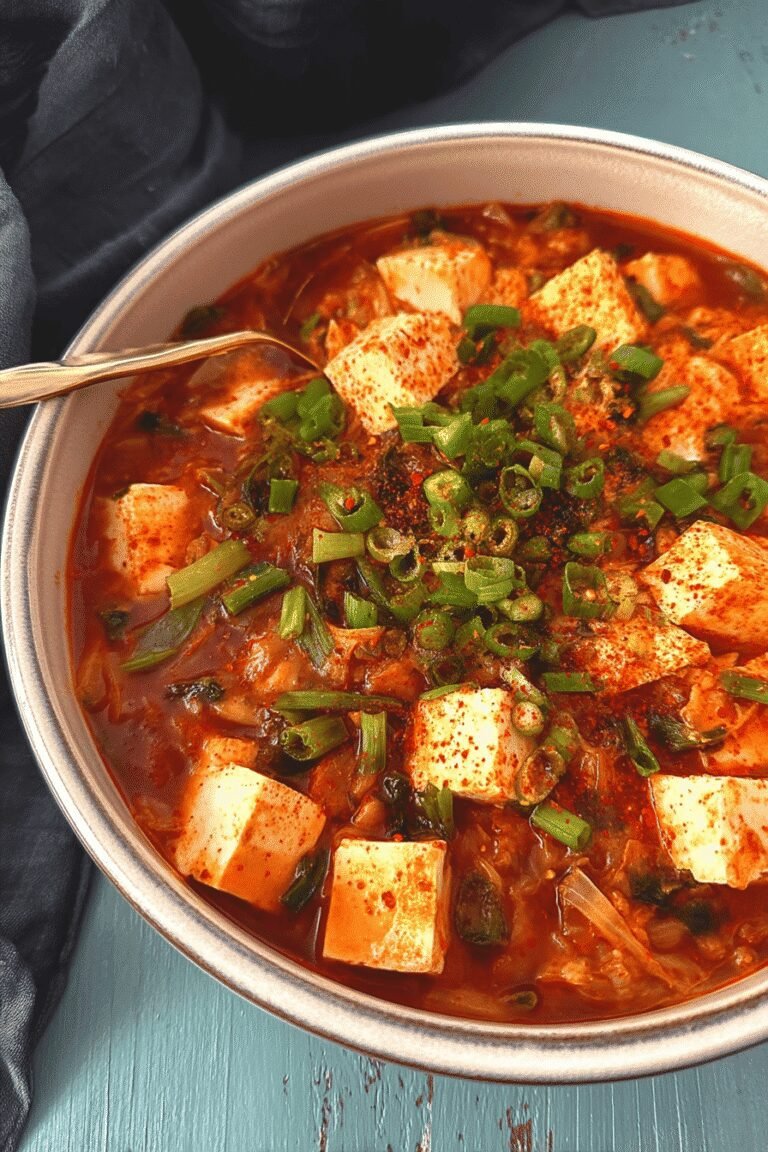
- Kimchi Jjigae
- Ingredients
- Instructions
- Last Step:
- Notes
- Nutrition
- Did you make this recipe?
Essential Ingredients for Kimchi Jjigae
- 180g skinless pork belly, bite-sized pieces – adds rich, savory depth and texture
- 3/4 cup aged kimchi (fermented 2-3 weeks), cut into bite-sized pieces – imparts signature tangy flavor and probiotics
- 1/4 small brown onion (30g), thinly sliced – brings sweetness and aromatic balance
- 1/2 stalk small green onion (5g), thinly sliced – fresh garnish and flavor boost
- 2 small shiitake mushrooms (50g), stems removed and thinly sliced – adds earthy umami
- 150g firm tofu, sliced into 1cm thick rectangles – provides protein and a smooth texture
- 1 tablespoon gochugaru (Korean chili flakes) – gives the stew moderate heat and color
- 1 tablespoon soy sauce – enhances umami depth (use tamari for gluten-free)
- 1 teaspoon gochujang (Korean chili paste) – adds rich, spicy flavor
- 1/4 teaspoon minced garlic – fragrant foundation
- 3 sprinkles ground black pepper – spice balance
- 1 cup water or broth (vegetable, anchovy, or kelp broth recommended) – soup base
- 1 tablespoon sweet rice wine (mirin) – used for marinating pork belly to tenderize
Special Dietary Options:
- Vegan: Substitute pork belly with mushrooms or plant-based protein and use vegetable broth with tamari soy sauce.
- Gluten-free: Use tamari instead of soy sauce and ensure gochujang and gochugaru are gluten-free.
- Low-calorie: Increase tofu and vegetables, replace pork with leaner options or mushrooms, and use low-sodium broth.
How to Prepare the Perfect Kimchi Jjigae: Step-by-Step Guide
First Step: Prepare all Ingredients
Slice the pork belly into bite-sized pieces and marinate with 1 tablespoon sweet rice wine and a few sprinkles of ground black pepper for about 15 minutes. Chop the aged kimchi, slice the brown onion, green onions, and shiitake mushrooms. Cube the tofu into 1cm thick rectangles. Measure out the gochugaru, gochujang, soy sauce, minced garlic, and broth.
Second Step: Cook the Kimchi
In a hot skillet or directly in a cooking pot, sauté the kimchi until softened and fragrant, about 5 minutes. This intensifies the flavor and deepens the aroma, forming the stew’s robust base.
Third Step: Brown the Pork Belly
In the cooking pot, place the marinated pork belly pieces at the bottom and cook over medium heat until lightly browned but not fully cooked through, about 3–5 minutes.
Fourth Step: Layer the Ingredients
On top of the pork belly, layer the cooked kimchi, sliced brown onions, shiitake mushrooms, and tofu slices. Pour in 1 cup of water or broth, adding the jjigae sauce made from mixing gochugaru, soy sauce, gochujang, minced garlic, and black pepper excluding the green onions.
Fifth Step: Simmer the Stew
Bring the stew to a boil over medium-high heat. Once boiling, reduce heat to medium, cover partially, and simmer for 10 to 15 minutes, allowing the pork to cook thoroughly and flavors to meld. Stir gently and occasionally spoon broth over the ingredients to keep everything moist.
Final Step: Add Fresh Green Onions and Serve
Add the sliced green onions just before turning off the heat to preserve their fresh aroma. Serve the kimchi jjigae piping hot with steamed white rice for a satisfying and authentic Korean meal.
Tip: For a thicker broth, use rice rinse water (ssalddeumul) instead of plain water, or add some kimchi juice and anchovy broth to intensify the soup.

Dietary Substitutions to Customize Your Kimchi Jjigae
Protein and Main Component Alternatives
- Replace pork belly with diced beef, canned tuna, or salmon for different flavors and protein sources.
- Use tofu or tempeh exclusively for vegan-friendly versions.
- Substitute anchovy broth with vegetable broth or water for pescatarian or vegetarian preferences.
Vegetable, Sauce, and Seasoning Modifications
- Swap napa cabbage kimchi with radish kimchi or milder varieties if desired.
- Adjust heat by increasing or decreasing amounts of gochugaru and gochujang.
- Include additional vegetables such as zucchini or spinach for variety and nutrition.
- Replace soy sauce with tamari or coconut aminos to make the stew gluten-free.
Mastering Kimchi Jjigae: Advanced Tips and Variations
- Pro cooking techniques: Briefly blanch pork belly before frying to reduce excess fat and achieve cleaner flavor. Toast gochugaru lightly to heighten its aroma before adding to the stew.
- Flavor variations: Incorporate a spoonful of miso paste for added umami or splash rice wine for brightness. Balance sourness by adding sugar if kimchi is overly fermented.
- Presentation tips: Serve in traditional Korean earthenware (ttukbaegi) or stone pots and garnish with toasted sesame seeds and thinly sliced chili for color and texture.
- Make-ahead options: Prepare the stew base in advance and refrigerate; add tofu and green onions fresh when reheating to preserve texture and freshness.
How to Store Kimchi Jjigae: Best Practices
| Storage Method | Guidelines |
|---|---|
| Refrigeration | Store kimchi jjigae in an airtight container for up to 3 days to maintain freshness and flavor. |
| Freezing | Freeze portions in freezer-safe containers for up to 1 month. Defrost and reheat gently over low heat to preserve texture. |
| Reheating | Warm the stew gently on the stove, stirring occasionally. Avoid microwaving on high to prevent texture loss. |
| Meal prep considerations | Cook in bulk and store in single servings. Add tofu and green onions fresh upon reheating for optimal taste and texture. |
FAQs: Frequently Asked Questions About Kimchi Jjigae
What type of kimchi is best for making kimchi jjigae?
The ideal kimchi for kimchi jjigae is well-fermented, sour kimchi. Older kimchi enhances the stew’s depth of flavor. If you only have fresh or mildly fermented kimchi, adding a small amount of vinegar can mimic the sourness and improve the taste. Avoid using very mild or fresh kimchi as it will result in a less flavorful stew.
Can I make kimchi jjigae without pork, and what are good protein alternatives?
Yes, kimchi jjigae can be made without pork. Common alternatives include canned tuna, beef, or even skipping meat altogether for a vegetarian option. Each protein changes the stew’s flavor profile: tuna adds a seafood twist, while beef offers a richer taste. Adjust cooking times accordingly, especially for seafood, which requires less time.
How do I prepare and cook pork ribs for kimchi jjigae?
Before adding pork ribs to kimchi jjigae, it’s best to pre-boil them for about 20 to 30 minutes until tender. This step helps remove impurities and softens the meat, allowing it to absorb flavors better during stewing. After boiling, cook the ribs with the kimchi to combine flavors before adding liquids.
What can I use instead of water as the cooking base for kimchi jjigae?
Instead of plain water, many cooks use the water from rinsed rice to create a slightly thickened and flavorful broth for kimchi jjigae. You can also use vegetable, chicken, or beef broth to enrich the stew’s taste. Additionally, adding some kimchi juice boosts acidity and complexity.
What are some practical tips to improve the flavor of kimchi jjigae?
To enhance kimchi jjigae, cook the kimchi and meat together before adding liquids to deepen the flavor. Using old kimchi is key, as its tanginess forms the stew’s base. Incorporate kimchi juice and use rice rinsing water or broth as the cooking liquid. Adding tofu and scallions near the end preserves their texture and freshness. Finally, balancing sourness with a little sugar can prevent the stew from tasting too sharp.
Kimchi Jjigae
🥘 Kimchi Jjigae is the perfect warming dish, combining the rich, tangy flavor of aged kimchi with tender pork belly for a satisfying meal.
🍜 This fusion with Sopa de Fideo brings a fresh twist with noodles adding delightful texture and depth to this classic stew.
- Total Time: 30 minutes
- Yield: 2 servings
Ingredients
– 180g skinless pork belly adds rich, savory depth and texture
– 3/4 cup aged kimchi (fermented 2-3 weeks) imparts signature tangy flavor and probiotics
– 1/4 small brown onion (30g) brings sweetness and aromatic balance
– 1/2 stalk small green onion (5g) fresh garnish and flavor boost
– 2 small shiitake mushrooms (50g) adds earthy umami
– 150g firm tofu provides protein and a smooth texture
– 1 tablespoon gochugaru (Korean chili flakes) gives the stew moderate heat and color
– 1 tablespoon soy sauce enhances umami depth
– 1 teaspoon gochujang (Korean chili paste) adds rich, spicy flavor
– 1/4 teaspoon minced garlic fragrant foundation
– 3 sprinkles ground black pepper spice balance
– 1 cup water or broth soup base
– 1 tablespoon sweet rice wine (mirin) used for marinating pork belly to tenderize
Instructions
1-First Step: Prepare all Ingredients. Slice the pork belly into bite-sized pieces and marinate with 1 tablespoon sweet rice wine and a few sprinkles of ground black pepper for about 15 minutes. Chop the aged kimchi, slice the brown onion, green onions, and shiitake mushrooms. Cube the tofu into 1cm thick rectangles. Measure out the gochugaru, gochujang, soy sauce, minced garlic, and broth.
2-Second Step: Cook the Kimchi. In a hot skillet or directly in a cooking pot, sauté the kimchi until softened and fragrant, about 5 minutes. This intensifies the flavor and deepens the aroma, forming the stew’s robust base.
3-Third Step: Brown the Pork Belly. In the cooking pot, place the marinated pork belly pieces at the bottom and cook over medium heat until lightly browned but not fully cooked through, about 3–5 minutes.
4-Fourth Step: Layer the Ingredients. On top of the pork belly, layer the cooked kimchi, sliced brown onions, shiitake mushrooms, and tofu slices. Pour in 1 cup of water or broth, adding the jjigae sauce made from mixing gochugaru, soy sauce, gochujang, minced garlic, and black pepper excluding the green onions.
5-Fifth Step: Simmer the Stew. Bring the stew to a boil over medium-high heat. Once boiling, reduce heat to medium, cover partially, and simmer for 10 to 15 minutes, allowing the pork to cook thoroughly and flavors to meld. Stir gently and occasionally spoon broth over the ingredients to keep everything moist.
6-Final Step: Add Fresh Green Onions and Serve. Add the sliced green onions just before turning off the heat to preserve their fresh aroma. Serve the kimchi jjigae piping hot with steamed white rice for a satisfying and authentic Korean meal.
Last Step:
Please leave a rating and comment letting us know how you liked this recipe! This helps our business to thrive and continue providing free, high-quality recipes for you.Notes
🌶️ Fully sour kimchi imparts the best flavor; adjust with sugar or vinegar if needed.
🍚 Use rice rinse water for a thicker broth.
🥢 Add noodles for extra texture—a delightful twist to the stew.
- Prep Time: 15 minutes
- Marinating Time: 15 minutes
- Cook Time: 15 minutes
- Category: Stew
- Method: Simmering
- Cuisine: Korean
- Diet: Gluten-Free
Nutrition
- Serving Size: 1 bowl
- Calories: 374
- Sugar: 1 g
- Sodium: 422 mg
- Fat: 33 g
- Saturated Fat: 11 g
- Unsaturated Fat: –
- Trans Fat: –
- Carbohydrates: 6 g
- Fiber: 1 g
- Protein: 10 g
- Cholesterol: 43 mg






This kimchi jjigae recipe brought back so many memories of my grandmother’s cooking! I added some sliced tofu for extra texture, and it turned out amazing. Can’t wait to make this again on a chilly evening. 🍲