

Why You’ll Love This Jambalaya
If you want a Jambalaya recipe that fits busy weeknights, family dinners, and potluck tables, this one-pan meal checks all the boxes. It brings together chicken, sausage, vegetables, rice, and bold Cajun flavor in a way that feels comforting and crowd-friendly. Best of all, it comes together in just 55 minutes, with 20 minutes of prep and 35 minutes of cooking.
Easy preparation
This Jambalaya keeps things simple with one skillet and a fitted lid, so cleanup stays easy. You brown the meat, sauté the vegetables, then let the rice finish in the same pan. That makes it a smart choice for home cooks who want a hearty dinner without a lot of fuss.
Good balance of protein and nutrients
Each serving offers plenty of protein from chicken and sausage, plus vegetables like onion, celery, bell pepper, and tomatoes. According to the nutrition benefits of chicken, chicken can be a helpful part of a balanced meal plan when paired with vegetables and grains.
Flexible for different diets
You can adjust this Jambalaya recipe to fit your table. Swap in gluten-free flour, use vegetable broth for a meatless version, or add shrimp for a seafood twist. It is the kind of recipe that works for students, busy parents, and community meals alike.
Bold flavor in every bite
Cajun seasoning, garlic, basil, and diced tomatoes give this dish its rich Southern-style taste. The sausage adds depth, the rice soaks up the broth, and the peppers bring freshness. If you like food with personality, this recipe delivers it in a big way.
This is the kind of meal that tastes like you spent all day cooking, but it really comes together fast.
Jump to:
- Why You’ll Love This Jambalaya
- Easy preparation
- Good balance of protein and nutrients
- Flexible for different diets
- Bold flavor in every bite
- Essential Ingredients for Jambalaya
- Main ingredients
- Special dietary options
- How to Prepare the Perfect Jambalaya: Step-by-Step Guide
- First step: brown the chicken
- Second step: cook the sausage
- Third step: start the flavor base
- Fourth step: sauté the vegetables
- Fifth step: season the pan
- Sixth step: add broth and rice
- Seventh step: return the meat
- Eighth step: let it rest
- Ninth step: serve and enjoy
- Dietary Substitutions to Customize Your Jambalaya
- Protein and main component alternatives
- Vegetable, sauce, and seasoning modifications
- Mastering Jambalaya: Advanced Tips and Variations
- Pro cooking techniques
- Flavor variations
- Presentation tips
- Make-ahead options
- How to Store Jambalaya: Best Practices
- Refrigeration
- Freezing
- Reheating
- Meal prep considerations
- FAQs: Frequently Asked Questions About Jambalaya
- What is jambalaya?
- What’s the difference between jambalaya and gumbo?
- Can you make jambalaya with brown rice?
- How do you make vegetarian jambalaya?
- Can jambalaya be made ahead and reheated?
- Jambalaya
- Ingredients
- Instructions
- Last Step:
- Notes
- Nutrition
- Did you make this recipe?
Essential Ingredients for Jambalaya
Here is everything you need to make this Jambalaya recipe. The ingredient list is simple, but each item plays a key role in the final flavor and texture.
Main ingredients
- 1 tablespoon vegetable or canola oil – Helps brown the chicken and sausage without sticking.
- 1 pound andouille sausage, cut into 1/4 inch thick slices – Adds smoky, savory flavor. Milder sausage can be used if you prefer less heat.
- 1 1/2 pounds boneless skinless chicken breasts, cut into bite-size pieces – Brings lean protein and helps make the meal filling.
- 2 tablespoons butter – Adds richness and helps build the base of the sauce.
- 2 tablespoons all-purpose flour – Thickens the cooking liquid. Gluten-free flour can be substituted.
- 1 yellow or white onion, chopped – Adds sweetness and depth.
- 4 green onions, chopped – Bring fresh flavor and a little bite.
- 4 cloves garlic, finely minced – Gives the dish its savory backbone.
- 3 ribs celery, chopped – Part of the classic Cajun vegetable base.
- 1 green bell pepper, chopped – Adds color, texture, and mild sweetness.
- 1 1/2 teaspoons dried basil – Adds a soft herbal note.
- 1 1/2 teaspoons Cajun seasoning – Builds the signature spice blend.
- 1 teaspoon salt – Seasons the rice and meat evenly.
- 1/2 teaspoon fresh ground black pepper – Adds mild heat and depth.
- 1/4 teaspoon cayenne pepper – Optional, but perfect if you want extra spice.
- 1 can diced tomatoes, 14.5 ounces – Gives the dish moisture and a classic Creole-style color.
- 2 1/2 cups chicken broth – Cooks the rice and carries the flavor through the pan.
- 1 1/4 cups long grain white rice – Soaks up the broth and makes the dish hearty.
Special dietary options
- Vegan: Omit the chicken and sausage, use vegetable broth, and add mushrooms, zucchini, or beans for extra body.
- Gluten-free: Replace the all-purpose flour with a gluten-free flour blend.
- Low-calorie: Use less sausage, choose extra lean chicken breast, and add more vegetables for volume.
If you enjoy chicken-based comfort food, you may also like this chicken and rice dinner for another easy family-friendly meal.
How to Prepare the Perfect Jambalaya: Step-by-Step Guide
Making Jambalaya at home is easier than it looks. The key is to build flavor in layers, then let the rice finish gently so everything stays tender and flavorful. A large skillet with a fitted lid works best because it gives the rice room to cook while trapping steam.
First step: brown the chicken
Heat 1 tablespoon of vegetable or canola oil in a large skillet over medium-high heat. Add the bite-size chicken pieces and brown them on all sides without cooking them through. This step gives the meat color and a richer taste. Once browned, transfer the chicken to a bowl.
Second step: cook the sausage
Add the sliced andouille sausage to the same skillet. Let it brown on both sides, which usually takes just a few minutes. The sausage will leave flavorful browned bits in the pan, and those bits help build the base of the dish. Move the sausage to the bowl with the chicken when done.
Third step: start the flavor base
Reduce the heat to medium and add the butter and flour. Stir well, scraping up the browned bits from the pan. This creates a light thickening base that helps the broth cling to the rice later. If you need a gluten-free version, this is where a gluten-free flour blend works well.
Fourth step: sauté the vegetables
Add the onion, garlic, celery, and green bell pepper to the skillet. Cook for about 3 minutes, stirring often. The vegetables should soften a little but still keep some texture. This mix gives the dish its classic Cajun flavor foundation and a nice color balance.
Fifth step: season the pan
Stir in the dried basil, Cajun seasoning, diced tomatoes, salt, black pepper, and cayenne pepper if you want heat. Mix everything well so the spices coat the vegetables evenly. The tomatoes add moisture and help create that rich, savory sauce that makes Jambalaya so satisfying.
Sixth step: add broth and rice
Pour in the chicken broth and stir in the long grain white rice. Bring the mixture to a gentle boil. At this point, the liquid should be bubbling lightly, not rapidly. Gentle heat helps the rice cook evenly and keeps the bottom from sticking.
Seventh step: return the meat
Add the browned chicken and sausage back into the pan. Stir to combine, then reduce the heat to low. Cover the skillet with the lid and cook for 20 minutes. Try not to lift the lid too often because the steam helps the rice cook properly. If you are making a seafood version, shrimp can be added during this stage or stirred in near the end.
Eighth step: let it rest
After 20 minutes, remove the skillet from the heat but keep the lid on. Let it rest for 10 minutes. Then fluff the rice with a fork and let it sit for 5 more minutes before serving. This resting time helps the grains firm up and keeps the texture fluffy instead of wet.
Ninth step: serve and enjoy
Spoon the Jambalaya into bowls and serve it hot. It is great on its own, but it also pairs nicely with cornbread, a simple green salad, or roasted vegetables. For another meal that brings big flavor to the table, try this Cajun chicken pasta from the same kitchen.
| Recipe detail | Amount |
|---|---|
| Servings | 6 |
| Prep time | 20 minutes |
| Cook time | 35 minutes |
| Total time | 55 minutes |
| Calories per serving | 628 kcal |

Dietary Substitutions to Customize Your Jambalaya
Protein and main component alternatives
One of the best things about Jambalaya is how easy it is to adapt. If you want a lighter dish, use more chicken and less sausage. For seafood lovers, shrimp works beautifully and can be added toward the end so it stays tender. If you prefer a meatless meal, skip the chicken and sausage and use hearty vegetables, beans, and vegetable broth instead.
Vegetable, sauce, and seasoning modifications
You can also change the vegetables based on what is in your fridge. Mushrooms, zucchini, corn, or okra are all good add-ins. If you like more heat, increase the cayenne or choose a spicier sausage. If you want a milder bowl, use a gentle sausage and a lighter Cajun seasoning blend. Brown rice is another option, but it needs longer cooking time, so it is often best to cook it separately and add it in later with a splash of broth.
For a more seafood-friendly dinner, you can also serve your rice dishes alongside this bold BBQ shrimp recipe.
Mastering Jambalaya: Advanced Tips and Variations
Once you have made this Jambalaya recipe once or twice, a few small tricks can help you get even better results. The biggest secret is to build flavor in the pan before the rice goes in. Browning the chicken and sausage creates bits on the bottom that make the whole dish taste richer.
Pro cooking techniques
Keep the heat steady once the rice starts cooking. Too much heat can scorch the bottom before the rice is done, while too little heat can leave the grains undercooked. If your skillet runs hot, check the pan after about 15 minutes and adjust as needed. Always use a fitted lid so the steam stays inside.
Flavor variations
You can play with the spice level by adding more cayenne or using a hotter sausage. If you want a deeper Southern taste, stir in a little extra Cajun seasoning. For a slightly fresher finish, add extra green onions right before serving. Shrimp, smoked turkey, or even diced ham can change the flavor in a fun way.
Presentation tips
Serve the Jambalaya in wide bowls so the rice and meat are easy to see. A sprinkle of sliced green onions on top adds color and makes the dish feel finished. If you are cooking for a gathering, keep the pot on low heat and let guests serve themselves. That makes it a great fit for church suppers, potlucks, and family parties.
Make-ahead options
This recipe can be made the night before and reheated in a crock pot with a splash of chicken broth. Stir it now and then until it is hot throughout. That makes it a practical choice for busy parents, working professionals, and anyone planning meals ahead of time.
How to Store Jambalaya: Best Practices
Leftover Jambalaya stores well, which is one reason it works so nicely for meal prep and gatherings. Let it cool before storing, then move it into airtight containers.
Refrigeration
Keep leftovers in the refrigerator for up to 4 days. Store them in shallow containers so they cool quickly and reheat evenly.
Freezing
You can freeze jambalaya for longer storage, though the rice texture may soften a little after thawing. Use freezer-safe containers and freeze in individual portions when possible. Thaw overnight in the refrigerator before reheating.
Reheating
Reheat on the stovetop over medium heat with a splash of chicken broth or water to loosen the rice. Stir often and heat until steaming hot. A crock pot also works well for larger batches, especially if you add a little extra liquid.
Meal prep considerations
For make-ahead lunches, portion the dish into containers with a side of fruit or salad. This makes lunch easy to grab during a busy week and keeps the meal satisfying.
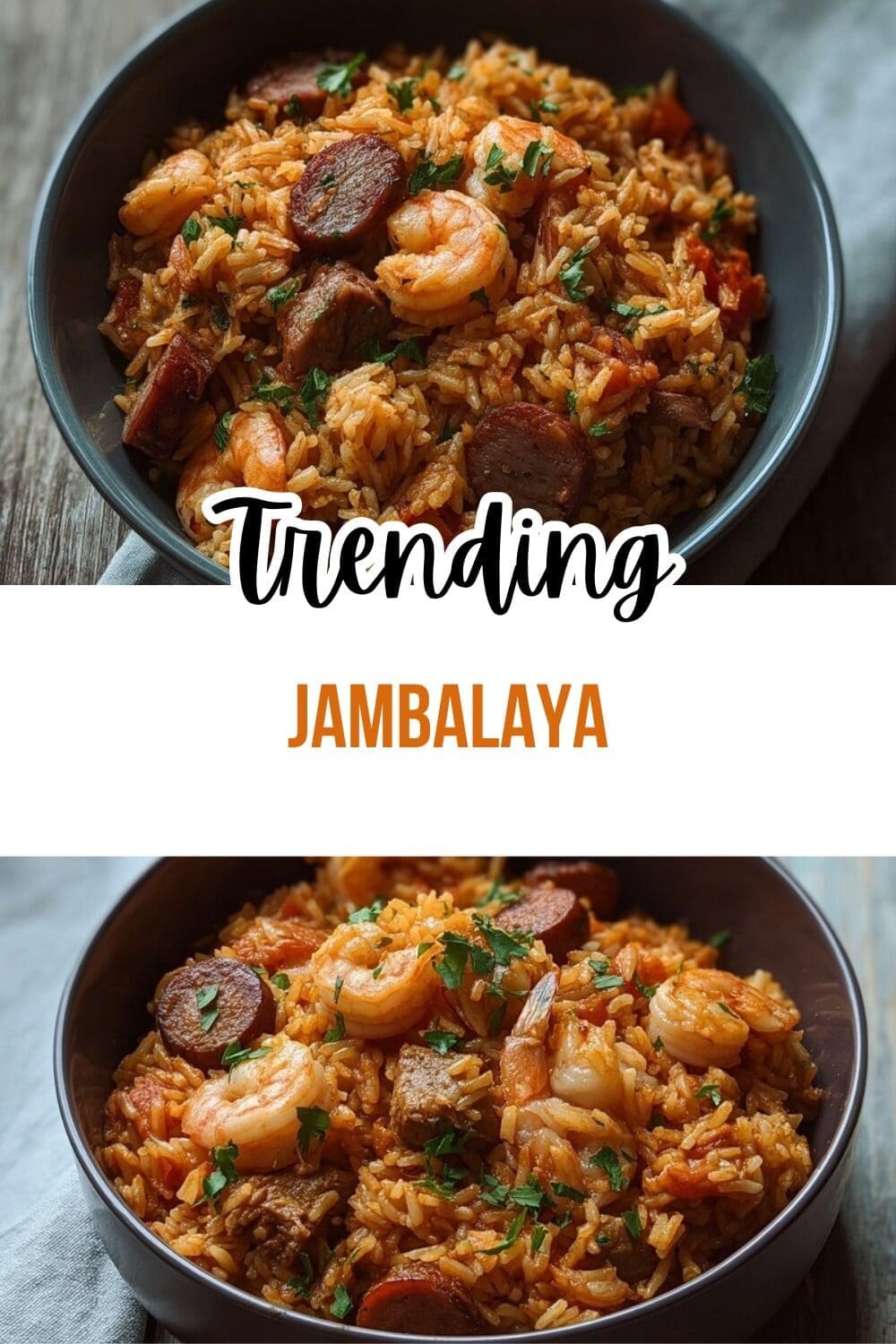
FAQs: Frequently Asked Questions About Jambalaya
What is jambalaya?
Jambalaya is a hearty one-pot rice dish from Louisiana with roots in Cajun and Creole cooking. It features the “holy trinity” of onion, celery, and bell peppers, combined with proteins like andouille sausage, chicken, or shrimp, and spices such as cayenne and thyme. There are two main styles: Creole jambalaya includes tomatoes for a red hue, while Cajun skips them for a brown color from roux. A typical recipe serves 6-8 people and cooks in about 45 minutes. Start by sautéing the trinity and meats, then add rice, broth, and seasonings to simmer until fluffy. It’s versatile for weeknights or parties, with around 400-500 calories per serving depending on ingredients. Pair it with cornbread or a green salad for a complete meal.
What’s the difference between jambalaya and gumbo?
Jambalaya and gumbo are both Louisiana staples but differ in form and preparation. Jambalaya is a complete rice dish where everything cooks together in one pot, resembling Spanish paella with its mix of rice, the holy trinity (onion, celery, bell peppers), sausage, shrimp, and spices. Gumbo is a thicker stew made with a roux base, okra or filé for thickening, and served over separate rice. Jambalaya has a drier, fluffy texture; gumbo is soupy. Both use similar proteins, but jambalaya cooks faster (under an hour) and stores well for leftovers. If you’re new to Cajun food, try jambalaya first for its simplicity—no separate rice needed.
Can you make jambalaya with brown rice?
Yes, brown rice works in jambalaya but requires adjustments since it takes longer to cook (about 40-45 minutes versus 20 for white rice). Use the same 1:2 rice-to-liquid ratio, but increase broth by 1/4 cup and simmer covered on low for 35-40 minutes, checking for tenderness. Avoid stirring much to prevent mushiness. For best results, partially cook brown rice first (about 20 minutes), then add to the jambalaya pot with meats and veggies to finish. This keeps the dish hearty and nutritious, boosting fiber to 4-5g per serving. Taste and add extra broth if needed. It’s a healthy swap that maintains authentic flavors without compromising texture.
How do you make vegetarian jambalaya?
Easily adapt jambalaya to vegetarian by skipping meat and using vegetable broth. Sauté the holy trinity (2 onions, 2 celery stalks, 1 bell pepper), add garlic, Cajun seasoning, 2 cups diced tomatoes, 1.5 cups uncooked rice, 3 cups veggie broth, and extras like mushrooms, zucchini, or okra for bulk. Simmer covered 20-25 minutes until rice absorbs liquid. Stir in 1 cup thawed frozen corn or peas at the end for color. This version serves 4-6, cooks in 40 minutes, and packs plant-based protein from beans if added (1 can drained). Season boldly with smoked paprika to mimic sausage flavor. It’s freezer-friendly for up to 3 months and reheats with a splash of broth.
Can jambalaya be made ahead and reheated?
Yes, jambalaya is perfect for make-ahead meals like potlucks. Prepare fully, cool to room temperature within 2 hours, then store covered in the fridge for up to 4 days. Reheat on stovetop over medium heat with 2-3 tbsp broth or water per 4 servings, stirring until hot (165°F internal temp). For larger batches, use a slow cooker on low for 1-2 hours, adding liquid as needed. It freezes well in airtight containers for 2-3 months—thaw overnight in fridge before reheating. Flavors deepen overnight, making it tastier the next day. Avoid microwaving big portions to prevent drying; always stir and check consistency for the best fluffy rice texture.

Jambalaya
🥘🔥 Jambalaya Simple One Pan Recipe sizzles chicken sausage Cajun spices rice veggies – bold flavorful one-skillet feast!
🍚 55-min no-fuss family dinner: high-protein hearty cleanup-free comfort win!
- Total Time: 55 minutes
- Yield: 6 servings
Ingredients
– 1 tablespoon vegetable or canola oil for browning the chicken and sausage without sticking
– 1 pound andouille sausage, cut into 1/4 inch thick slices for smoky, savory flavor
– 1 1/2 pounds boneless skinless chicken breasts, cut into bite-size pieces for lean protein and filling the meal
– 2 tablespoons butter for richness and building the base of the sauce
– 2 tablespoons all-purpose flour for thickening the cooking liquid
– 1 yellow or white onion, chopped for sweetness and depth
– 4 green onions, chopped for fresh flavor and a little bite
– 4 cloves garlic, finely minced for savory backbone
– 3 ribs celery, chopped part of the classic Cajun vegetable base
– 1 green bell pepper, chopped for color, texture, and mild sweetness
– 1 1/2 teaspoons dried basil for a soft herbal note
– 1 1/2 teaspoons Cajun seasoning for the signature spice blend
– 1 teaspoon salt for seasoning the rice and meat evenly
– 1/2 teaspoon fresh ground black pepper for mild heat and depth
– 1/4 teaspoon cayenne pepper for extra spice
– 1 can diced tomatoes, 14.5 ounces for moisture and classic Creole-style color
– 2 1/2 cups chicken broth for cooking the rice and carrying the flavor
– 1 1/4 cups long grain white rice for soaking up the broth and making the dish hearty
Instructions
1-First step: brown the chicken Heat 1 tablespoon of vegetable or canola oil in a large skillet over medium-high heat. Add the bite-size chicken pieces and brown them on all sides without cooking them through. This step gives the meat color and a richer taste. Once browned, transfer the chicken to a bowl.
2-Second step: cook the sausage Add the sliced andouille sausage to the same skillet. Let it brown on both sides, which usually takes just a few minutes. The sausage will leave flavorful browned bits in the pan, and those bits help build the base of the dish. Move the sausage to the bowl with the chicken when done.
3-Third step: start the flavor base Reduce the heat to medium and add the butter and flour. Stir well, scraping up the browned bits from the pan. This creates a light thickening base that helps the broth cling to the rice later. If you need a gluten-free version, this is where a gluten-free flour blend works well.
4-Fourth step: sauté the vegetables Add the onion, garlic, celery, and green bell pepper to the skillet. Cook for about 3 minutes, stirring often. The vegetables should soften a little but still keep some texture. This mix gives the dish its classic Cajun flavor foundation and a nice color balance.
5-Fifth step: season the pan Stir in the dried basil, Cajun seasoning, diced tomatoes, salt, black pepper, and cayenne pepper if you want heat. Mix everything well so the spices coat the vegetables evenly. The tomatoes add moisture and help create that rich, savory sauce that makes Jambalaya so satisfying.
6-Sixth step: add broth and rice Pour in the chicken broth and stir in the long grain white rice. Bring the mixture to a gentle boil. At this point, the liquid should be bubbling lightly, not rapidly. Gentle heat helps the rice cook evenly and keeps the bottom from sticking.
7-Seventh step: return the meat Add the browned chicken and sausage back into the pan. Stir to combine, then reduce the heat to low. Cover the skillet with the lid and cook for 20 minutes. Try not to lift the lid too often because the steam helps the rice cook properly. If you are making a seafood version, shrimp can be added during this stage or stirred in near the end.
8-Eighth step: let it rest After 20 minutes, remove the skillet from the heat but keep the lid on. Let it rest for 10 minutes. Then fluff the rice with a fork and let it sit for 5 more minutes before serving. This resting time helps the grains firm up and keeps the texture fluffy instead of wet.
9-Ninth step: serve and enjoy Spoon the Jambalaya into bowls and serve it hot. It is great on its own, but it also pairs nicely with cornbread, a simple green salad, or roasted vegetables. For another meal that brings big flavor to the table, try this Cajun chicken pasta from the same kitchen.
Last Step:
Please leave a rating and comment letting us know how you liked this recipe! This helps our business to thrive and continue providing free, high-quality recipes for you.Notes
🦐 Shrimp add rice time – seafood jambalaya upgrade!
🌭 Mild sausage sub – spice level control!
🌾 Brown rice separate cook – absorbs perfect!
- Prep Time: 20 minutes
- Resting: 15 minutes
- Cook Time: 35 minutes
- Category: Main Dish
- Method: One-Pan
- Cuisine: Cajun
- Diet: High Protein
Nutrition
- Serving Size: 1/6 recipe
- Calories: 628 kcal
- Sugar: 4g
- Sodium: 1222mg
- Fat: 31g
- Saturated Fat: 10g
- Unsaturated Fat: 17g
- Trans Fat: 0.4g
- Carbohydrates: 43g
- Fiber: 3g
- Protein: 45g
- Cholesterol: 148mg


