

Benefits and Advantages of Italian Seasoning
- Ease of preparation: Italian seasoning simplifies cooking by combining commonly used herbs into one blend, streamlining meal preparation without sacrificing flavor depth.
- Health benefits: Packed with herbs like basil, oregano, and thyme, it offers antioxidants and anti-inflammatory properties that support overall wellness.
- Versatility: Suitable for vegan, gluten-free, and low-calorie diets, Italian seasoning enhances a wide range of dishes while accommodating different dietary preferences.
- Distinctive flavor: This aromatic blend provides a classical Mediterranean taste that enriches sauces, meats, vegetables, and soups.
Italian seasoning is a simple yet effective way to bring authentic, robust Italian flavors to your kitchen.
Jump to:
- Benefits and Advantages of Italian Seasoning
- Essential Ingredients for Italian Seasoning
- Dietary Substitutions to Customize Your Italian Seasoning
- Protein and Main Component Alternatives
- Vegetable, Sauce, and Seasoning Modifications
- How to Prepare the Perfect Italian Seasoning: Step-by-Step Guide
- Mastering Italian Seasoning: Advanced Tips and Variations
- Pro Cooking Techniques
- Flavor Variations
- Presentation Tips
- Make-Ahead Options
- How to Store Italian Seasoning: Best Practices
- FAQs: Frequently Asked Questions About Italian Seasoning
- What herbs are typically included in Italian seasoning?
- How do you make your own Italian seasoning at home?
- What is the best way to store Italian seasoning for maximum freshness?
- Can I use Italian seasoning in dishes other than pasta?
- How much Italian seasoning should I use when cooking?
- Italian Seasoning
- Ingredients
- Instructions
- Last Step:
- Notes
- Nutrition
- Did you make this recipe?
Essential Ingredients for Italian Seasoning
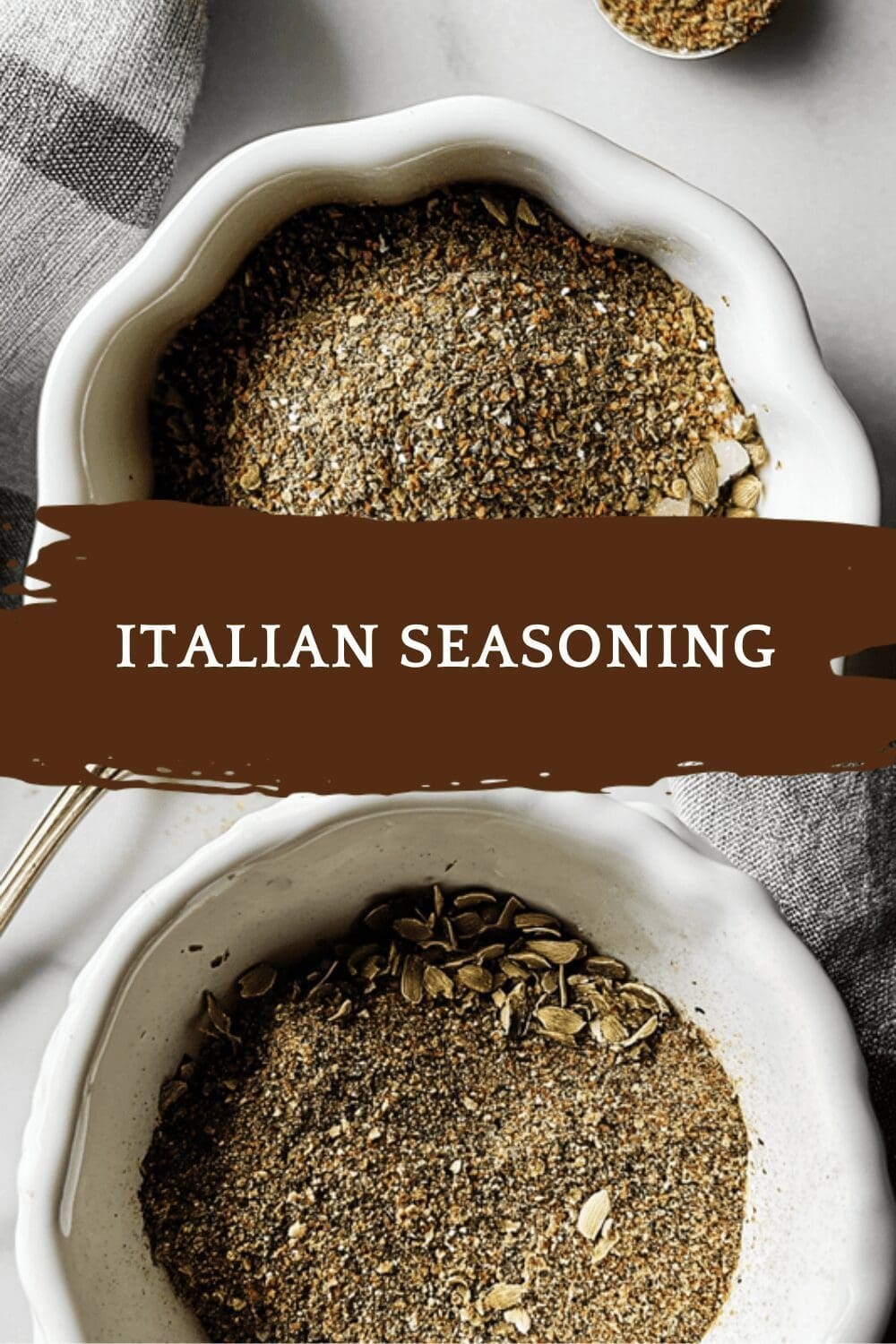
- 4 tablespoons dried basil – adds sweet, peppery notes.
- 2 tablespoons dried oregano – provides earthiness and depth.
- 2 tablespoons dried rosemary – contributes pine-like aroma.
- 2 tablespoons dried marjoram – offers mild, sweet herbal flavor.
- 2 tablespoons dried thyme – imparts subtle minty aroma.
- 2 tablespoons red pepper flakes (optional) – for a touch of heat.
- Optional additions:
- Parsley
- Sage
- Garlic powder
- Salt and black pepper
- Coriander
Dietary notes: All ingredients are plant-based, gluten-free, and naturally low calorie.
Dietary Substitutions to Customize Your Italian Seasoning
Italian seasoning can be tailored to fit various dietary needs and flavor preferences through these modifications:
Protein and Main Component Alternatives
- Replace traditional meats with plant-based proteins like tofu or tempeh for vegan dishes.
- Use legumes or mushrooms as vegetarian or gluten-free protein options.
- Choose gluten-free sauces and verify all ingredients for gluten-free certification when necessary.
Vegetable, Sauce, and Seasoning Modifications
- Incorporate seasonal vegetables such as zucchini, eggplant, or bell peppers to diversify texture and nutritional content.
- Substitute traditional tomato-based sauces with vegetable purees or pesto to accommodate dietary restrictions or personal tastes.
- Adjust heat levels and allergen-friendly options by varying red pepper flakes or omitting certain herbs to suit your palate.
How to Prepare the Perfect Italian Seasoning: Step-by-Step Guide
- Gather herbs carefully: Measure out all dried herbs precisely, ensuring they are fresh for maximum flavor and nutrients.
- Combine: In a mixing bowl, whisk dried basil, oregano, thyme, rosemary, marjoram, garlic powder, and red pepper flakes evenly.
- Store properly: Transfer your blend to an airtight glass container and keep it in a cool, dark, and dry place, away from heat and sunlight to preserve potency.
- Use in cooking: Sprinkle the seasoning on dishes according to your recipe’s needs. Adjust amounts to accommodate taste and dietary considerations like low sodium.
- Enhance flavors: For an aromatic boost, lightly toast your seasoning in a dry pan before adding to dishes, taking care to avoid burning to retain delicate aromas.
- Enjoy widely: Use your homemade Italian seasoning in pasta sauces, grilled vegetables, soups, breads, pizza, and more to impart authentic Italian flair.
For related recipes using Italian seasoning and ideas on homemade blends, explore Creamy Italian Sausage Gnocchi Soup and learn how to make your own blends with this How to Make Your Own Italian Seasoning guide.
Learn the Health Benefits of Basil and Uses and Benefits of Oregano to deepen your appreciation for herb blends like Italian seasoning.
Mastering Italian Seasoning: Advanced Tips and Variations
Unlock deeper flavors and customize your Italian seasoning blend with these tips and variations:
Pro Cooking Techniques
- Lightly toast each dried herb individually in a dry skillet before blending to release essential oils, enhancing aroma and taste without overpowering the balance.
- Use a food processor to finely grind the herbs for uniform texture, improving mixing and flavor distribution.
- Allow the seasoning blend to rest for at least 24 hours after mixing to enable flavor melding before using in dishes.
Flavor Variations
- Add dried sage or savory for a distinctive herbal twist that complements the classic blend.
- Incorporate smoked paprika or coriander to introduce a smoky or warm peppery dimension.
- Adjust the heat by varying the amount of red pepper flakes according to preference.
Presentation Tips
- Garnish finished dishes with fresh chopped parsley or basil to contrast the dry seasoning and add freshness.
- Consider sprinkling the seasoning on toasted bread alongside olive oil for an authentic, aromatic appetizer.
Make-Ahead Options
- Prepare large batches of Italian seasoning ahead of time and store in airtight glass containers to preserve flavor and aroma.
- Keep batches in a cool, dark place to extend shelf life up to six months, allowing convenient use for multiple meals.
How to Store Italian Seasoning: Best Practices
| Storage Method | Guidelines |
|---|---|
| Room Temperature | Store Italian seasoning in an airtight glass jar or container in a cool, dry, and dark pantry away from sunlight and heat sources. |
| Refrigeration | For short-term freshness, place the sealed container in the refrigerator to protect from humidity and preserve flavor. |
| Freezing | Freeze the seasoning in an airtight freezer-safe container to maintain aromatic qualities for up to six months but ensure it is moisture-free before freezing. |
Usage Tip: Avoid cooking Italian seasoning at high temperatures for extended times; add it towards the end of cooking to retain its bright flavors and nutritious properties.
For batch meal prep, add Italian seasoning just before sealing food containers to keep seasoning aroma lively during storage and reheating.
FAQs: Frequently Asked Questions About Italian Seasoning
What herbs are typically included in Italian seasoning?
Italian seasoning usually contains dried basil, oregano, thyme, rosemary, marjoram, and parsley. Some blends also add garlic powder or red pepper flakes for extra zest. These herbs combine to provide a balanced, savory flavor that enhances many Italian dishes like pasta sauces, marinades, and roasted vegetables.
How do you make your own Italian seasoning at home?
To make Italian seasoning, mix equal parts dried basil, oregano, thyme, rosemary, marjoram, and parsley in a bowl. You can add ½ teaspoon of garlic powder or red pepper flakes if you like. Store the blend in an airtight container away from light and moisture. This custom mix allows you to control the flavors and avoid preservatives often found in store-bought versions.
What is the best way to store Italian seasoning for maximum freshness?
Keep Italian seasoning in a tightly sealed glass jar or container stored in a cool, dry, and dark place such as a pantry or cupboard. Avoid exposure to heat and sunlight, which can degrade the herbs’ potency. When stored properly, it typically remains fresh for up to six months.
Can I use Italian seasoning in dishes other than pasta?
Yes, Italian seasoning is very versatile. It can be sprinkled on grilled chicken and fish, added to soups and stews, used to flavor vegetables, or mixed into bread dough and popcorn. Its blend of herbs brings a savory, aromatic taste to a wide variety of recipes beyond traditional Italian cuisine.
How much Italian seasoning should I use when cooking?
Generally, start by adding 1 to 2 teaspoons of Italian seasoning per four servings of your dish, then adjust based on taste. Because the blend is concentrated, adding it gradually ensures the flavors complement rather than overpower your meal. Always taste as you go and add more if needed.

Italian Seasoning
🌿 Enhance your culinary creations with this Italian Seasoning that brings authentic flavors to your kitchen.
🍽️ A simple and efficient way to flavorize various dishes, making your meals special and full of zest.
- Total Time: 5 minutes
- Yield: 10 servings 1x
Ingredients
4 tablespoons dried basil
2 tablespoons dried oregano
2 tablespoons dried rosemary
2 tablespoons dried marjoram
2 tablespoons dried thyme
2 tablespoons red pepper flakes (optional)
Parsley
Sage
Garlic powder
Salt and black pepper
Coriander
Instructions
Gather herbs carefully: Measure out all dried herbs precisely, ensuring they are fresh for maximum flavor and nutrients.
Combine: In a mixing bowl, whisk dried basil, oregano, thyme, rosemary, marjoram, garlic powder, and red pepper flakes evenly.
Store properly: Transfer your blend to an airtight glass container and keep it in a cool, dark, and dry place, away from heat and sunlight to preserve potency.
Use in cooking: Sprinkle the seasoning on dishes according to your recipe’s needs. Adjust amounts to accommodate taste and dietary considerations like low sodium.
Enhance flavors: For an aromatic boost, lightly toast your seasoning in a dry pan before adding to dishes, taking care to avoid burning to retain delicate aromas.
Enjoy widely: Use your homemade Italian seasoning in pasta sauces, grilled vegetables, soups, breads, pizza, and more to impart authentic Italian flair.
Last Step:
Please leave a rating and comment letting us know how you liked this recipe! This helps our business to thrive and continue providing free, high-quality recipes for you.Notes
🍃 If marjoram is unavailable, double the amount of oregano as a substitute.
🔄 Fresh herbs offer a more intense flavor but using a dry blend saves time and provides flexibility.
🕒 Store seasoning properly to ensure it maintains its flavor and potency over time.
- Prep Time: 5 minutes
- Cook Time: 0 minutes
- Category: Seasoning
- Method: Mixing
- Cuisine: Italian
- Diet: Vegan
Nutrition
- Serving Size: 1 tablespoon
- Calories: 10-14
- Sugar: 0 g
- Sodium: Varies
- Fat: Negligible
- Saturated Fat: 0 g
- Unsaturated Fat: 0 g
- Trans Fat: 0 g
- Carbohydrates: 2-3 g
- Fiber: Variable
- Protein: 0-0.5 g
- Cholesterol: 0 mg


