

Why You’ll Love This homemade pie crust
- Ease of preparation: This homemade pie crust recipe is crafted for simplicity, using just a handful of staple ingredients and straightforward steps. Whether you choose to make it by food processor or by hand, the dough comes together quickly, letting you enjoy freshly baked crust in little time without fuss.
- Health benefits: Made with wholesome, natural components like cold unsalted butter and unprocessed flour, this homemade pie crust avoids the additives and preservatives found in many store-bought crusts. The recipe offers a balanced fat content from butter, which provides satisfying richness while supporting a more natural diet.
- Versatility: This homemade pie crust is incredibly adaptable. It can be tailored for vegan diets by substituting butter with plant-based fats, converted to gluten-free versions using specialty flours, and lightened for calorie-conscious bakers by incorporating whole grain or reduced-fat ingredients all while maintaining great texture and flavor.
- Distinctive flavor: The rich buttery taste and flaky texture you get from making pie crust at home surpass mass-produced options. The visible pockets of cold butter in the dough create a tender crumb with a golden finish and a delightful aroma, perfectly complementing both sweet and savory pies.
Jump to:
- Why You’ll Love This homemade pie crust
- Essential Ingredients for homemade pie crust
- Special Dietary Options:
- How to Prepare the Perfect homemade pie crust: Step-by-Step Guide
- First Step: Prepare ingredients and mix dry components
- Second Step: Incorporate cold butter into flour
- Third Step: Add remaining flour and water
- Fourth Step: Form dough and chill
- Fifth Step: Roll out dough and shape crust
- Sixth Step: Blind bake crust (optional)
- Final Step: Fill and bake as desired
- Dietary Substitutions to Customize Your homemade pie crust
- Protein and Main Component Alternatives
- Vegetable, Sauce, and Seasoning Modifications
- Mastering homemade pie crust: Advanced Tips and Variations
- How to Store homemade pie crust: Best Practices
- FAQs: Frequently Asked Questions About homemade pie crust
- What are the basic ingredients needed for a homemade pie crust?
- How do I make pie crust dough without a food processor?
- How long can I store homemade pie crust dough in the fridge or freezer?
- What is blind baking and when should I blind bake a pie crust?
- How can I prevent my pie crust from becoming tough or too crumbly?
- homemade pie crust
- Ingredients
- Instructions
- Last Step:
- Notes
- Nutrition
- Did you make this recipe?
Essential Ingredients for homemade pie crust
- 2 1/2 cups (about 325g) all-purpose flour, plus extra for dusting and rolling – foundational ingredient that gives structure and imparts the necessary texture.
- 1/2 tablespoon sugar (optional, for sweet pies or quiches) – enhances mild sweetness and browning.
- 1/2 teaspoon salt (kosher or fine sea salt) – balances and elevates flavors in the crust.
- 1/2 pound (2 sticks or 230g) very cold unsalted butter, diced into 1/4 to 1/2 inch pieces – delivers richness, tenderness, and flakiness without added fats like shortening.
- 6 to 8 tablespoons ice water (typically 7 tablespoons) – binds the dry ingredients together while keeping the butter cold to maintain texture.
Special Dietary Options:
- Vegan: Use solid coconut oil or vegan margarine in place of unsalted butter to maintain fat content and create flaky texture.
- Gluten-free: Swap all-purpose flour for a gluten-free blend formulated for baking; add xanthan gum if needed for elasticity.
- Low-calorie: Replace half the flour with whole wheat pastry flour and opt for light butter or fat substitutes to reduce calories while preserving taste.
How to Prepare the Perfect homemade pie crust: Step-by-Step Guide
First Step: Prepare ingredients and mix dry components
Begin by measuring out all ingredients. Cut cold butter into small cubes and keep refrigerated until ready. In a large bowl or food processor, combine 1 1/2 cups of flour with sugar and salt. Pulse or whisk together to evenly distribute the dry ingredients.
Second Step: Incorporate cold butter into flour
Add the diced butter to the flour mixture and pulse in short bursts if using a food processor until the mixture resembles coarse crumbs with visible pea-sized chunks of butter. For hand mixing, use a pastry cutter or two forks to cut butter through flour similarly. Avoid over-processing to preserve the distinct butter pieces that create flakiness.
Third Step: Add remaining flour and water
Mix in the remaining 1 cup of flour briefly for even texture. Gradually drizzle in 6 to 8 tablespoons of ice water, pulsing or folding the dough gently until moist clumps form. Avoid making the dough sticky by adding water a teaspoon at a time as needed.
Fourth Step: Form dough and chill
Turn the dough onto a lightly floured surface and gently gather it without kneading into a ball. Divide it into two disks, wrap tightly in plastic wrap, and refrigerate for at least one hour to rest and firm up the dough. Dough can be refrigerated longer or frozen for up to three months.
Fifth Step: Roll out dough and shape crust
Allow chilled dough to rest 10-20 minutes at room temperature before rolling. Lightly flour your surface and rolling pin, then roll each disk into a 12-inch circle about 1/8 inch thick, flipping and rotating occasionally to prevent sticking. Transfer dough to a pie pan by folding over the rolling pin, then ease into the pan without stretching. Trim and fold the excess under itself to create a thick edge, then crimp or flute with your fingers.
Sixth Step: Blind bake crust (optional)
To prevent shrinking and sogginess, chill the shaped crust in the freezer for 30 minutes. Preheat your oven to 425°F (220°C). Line the crust with parchment paper and fill with pie weights or dry beans to weigh it down. Bake for 17 minutes, remove the weights and parchment, prick the crust’s base with a fork, then bake for another 5 minutes until golden and dry. Cool before adding fillings.
Final Step: Fill and bake as desired
Add your favorite filling and finish baking according to your pie recipe’s instructions. Allow the pie and crust to cool slightly for best texture and flavor.
Tip: Use minimal handling to keep butter cold, which is key for flaky, tender crusts. Overmixing or warming dough leads to tough, oily results.

Dietary Substitutions to Customize Your homemade pie crust
Protein and Main Component Alternatives
- Use vegan solid fats such as coconut oil, vegan margarine, or plant-based butter to replace unsalted butter.
- Substitute all-purpose flour with gluten-free baking flour blends that include binder agents like xanthan gum to mimic gluten’s texture and elasticity.
Vegetable, Sauce, and Seasoning Modifications
- Add nutritional yeast or finely chopped herbs (rosemary, thyme) for savory pie crust variations.
- Replace table salt with sea salt or kosher salt to customize saltiness and purity.
- The addition of seasonal purees, such as pumpkin or sweet potato, can provide moisture and sweet subtlety for specialized crusts with a softer crumb.
Mastering homemade pie crust: Advanced Tips and Variations
- Pro cooking techniques: Always keep tools and ingredients cold. Use a dough scraper to handle dough efficiently. A food processor speeds mixing but avoid pulsing too much to retain butter pockets.
- Flavor variations: For sweet pies, add cinnamon, nutmeg, or brown sugar into the dough. For savory pies, mix in grated cheese or chopped herbs for enhanced aroma.
- Presentation tips: Crimp or flute edges for a decorative look. Brush edges or top with egg wash or cream to get a shiny golden crust. Sprinkle sugar on sweet crusts before baking.
- Make-ahead options: Dough freezes well in wrapped disks for up to 3 months. Thaw gradually and rest at room temperature before rolling to maintain elasticity.
How to Store homemade pie crust: Best Practices
Store dough wrapped tightly in plastic wrap in the refrigerator for up to 2 days to preserve freshness and moisture. For longer storage, freeze dough disks in airtight containers or freezer bags for up to 3 months, thawing overnight in the fridge before use.
Baked crusts reheat best in an oven preheated to 350°F (175°C) for 10-15 minutes to refresh crispness without drying out. Prepare multiple dough batches and freeze portions to streamline future baking while keeping quality intact.
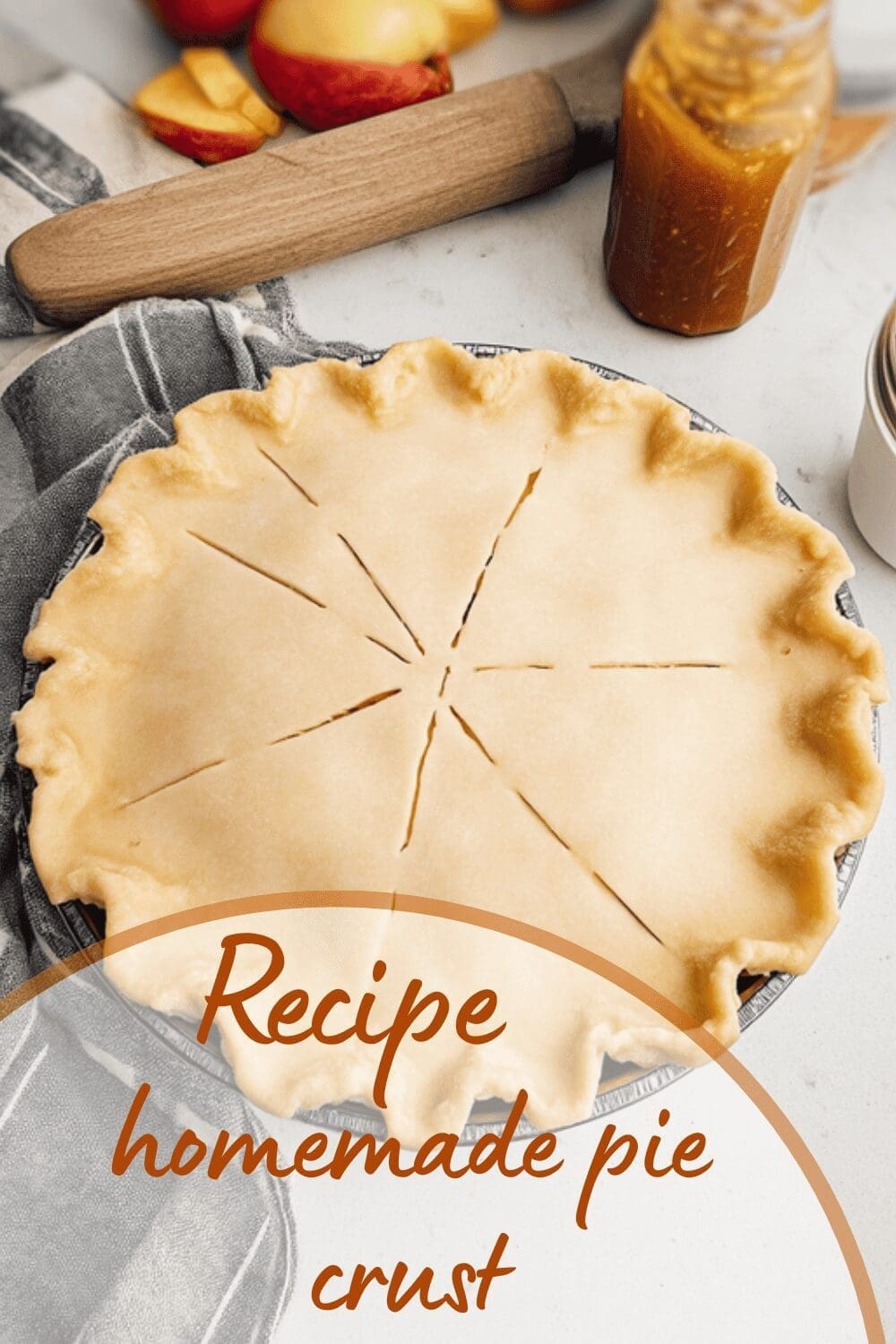
FAQs: Frequently Asked Questions About homemade pie crust
What are the basic ingredients needed for a homemade pie crust?
A classic homemade pie crust typically requires flour, cold unsalted butter, salt, and ice water. Some recipes include vegetable shortening for added flakiness and pliability. Using cold butter and ice water is key to keeping the dough tender and flaky by preventing the fats from melting before baking. Measuring flour by weight or using the spoon-and-level method helps maintain the right dough consistency.
How do I make pie crust dough without a food processor?
You can make pie crust dough by hand using a pastry cutter or two forks to cut cold, diced butter into the flour and salt mixture. Toss the ingredients lightly, then cut the butter until the mixture resembles coarse crumbs with pea-sized pieces. Gradually add ice water a tablespoon at a time and gently mix until the dough just holds together. Avoid overworking to keep the crust tender.
How long can I store homemade pie crust dough in the fridge or freezer?
Homemade pie crust dough can be refrigerated for up to 3 days, wrapped tightly in plastic wrap. For longer storage, freeze the dough for up to 3 months in an airtight container. When ready to use, thaw frozen dough overnight in the refrigerator. Let refrigerated dough rest at room temperature for 10-20 minutes before rolling to soften it slightly.
What is blind baking and when should I blind bake a pie crust?
Blind baking is pre-baking the pie crust before adding filling, used to prevent sogginess especially for custard, cream, or fruit pies with wet fillings. To blind bake, chill the rolled dough in the pie dish, line it with parchment or foil, and add pie weights or dry beans. Bake at 425°F for about 15-17 minutes, remove the weights, and bake a few minutes more until the crust is dry and lightly golden.
How can I prevent my pie crust from becoming tough or too crumbly?
To avoid a tough crust, handle the dough gently and avoid overmixing, which develops gluten. Keep all ingredients cold, especially butter, and add ice water gradually to help dough hold together without becoming sticky. If the dough cracks while rolling, lightly moisten edges with ice water to patch it. If it’s crumbly, it may need a small amount of extra water or flour added carefully.

homemade pie crust
🥧 Create a perfectly flaky and rich buttery pie crust that’s ideal for both sweet and savory dishes.
🍴 Impress your family and friends with this easy-to-follow recipe that yields professional-quality results every time.
- Total Time: 1 hour 32 minutes (including chilling)
- Yield: Two single crusts or one double crust pie
Ingredients
– 2 1/2 cups all-purpose flour
– 1/2 tablespoon sugar for sweet pies or quiches
– 1/2 teaspoon salt
– 1/2 pound unsalted butter
– 6 to 8 tablespoons ice water
Instructions
First Step: Prepare ingredients and mix dry components Begin by measuring out all ingredients. Cut cold butter into small cubes and keep refrigerated until ready. In a large bowl or food processor, combine 1 1/2 cups of flour with sugar and salt. Pulse or whisk together to evenly distribute the dry ingredients.
Second Step: Incorporate cold butter into flour Add the diced butter to the flour mixture and pulse in short bursts if using a food processor until the mixture resembles coarse crumbs with visible pea-sized chunks of butter. For hand mixing, use a pastry cutter or two forks to cut butter through flour similarly. Avoid over-processing to preserve the distinct butter pieces that create flakiness.
Third Step: Add remaining flour and water Mix in the remaining 1 cup of flour briefly for even texture. Gradually drizzle in 6 to 8 tablespoons of ice water, pulsing or folding the dough gently until moist clumps form. Avoid making the dough sticky by adding water a teaspoon at a time as needed.
Fourth Step: Form dough and chill Turn the dough onto a lightly floured surface and gently gather it without kneading into a ball. Divide it into two disks, wrap tightly in plastic wrap, and refrigerate for at least one hour to rest and firm up the dough. Dough can be refrigerated longer or frozen for up to three months.
Fifth Step: Roll out dough and shape crust Allow chilled dough to rest 10-20 minutes at room temperature before rolling. Lightly flour your surface and rolling pin, then roll each disk into a 12-inch circle about 1/8 inch thick, flipping and rotating occasionally to prevent sticking. Transfer dough to a pie pan by folding over the rolling pin, then ease into the pan without stretching. Trim and fold the excess under itself to create a thick edge, then crimp or flute with your fingers.
Sixth Step: Blind bake crust (optional) To prevent shrinking and sogginess, chill the shaped crust in the freezer for 30 minutes. Preheat your oven to 425°F (220°C). Line the crust with parchment paper and fill with pie weights or dry beans to weigh it down. Bake for 17 minutes, remove the weights and parchment, prick the crust’s base with a fork, then bake for another 5 minutes until golden and dry. Cool before adding fillings.
Final Step: Fill and bake as desired Add your favorite filling and finish baking according to your pie recipe’s instructions. Allow the pie and crust to cool slightly for best texture and flavor.
Last Step:
Please leave a rating and comment letting us know how you liked this recipe! This helps our business to thrive and continue providing free, high-quality recipes for you.Notes
❄️ Tip: Use very cold butter to ensure flaky crusts, handling it as little as possible.
👍 Tip: Avoid overmixing the dough to keep it tender.
🕒 Tip: If dough is too firm after refrigeration, let it rest at room temperature for 10-20 minutes before rolling.
- Prep Time: 15 minutes
- Chilling Time: 1 hour
- Cook Time: 17 minutes (blind baking)
- Category: Baking
- Method: Baking
- Cuisine: American
Nutrition
- Serving Size: 1/8 of the dough
- Calories: 232-345
- Sodium: 99 mg
- Fat: 15-23 g
- Saturated Fat: 9-15 g
- Carbohydrates: 20-30 g
- Protein: 2-4 g
- Cholesterol: 40-61 mg


This pie crust recipe is a game-changer! 🥧 I added a pinch of cinnamon to the dough, and it gave the crust a nice, warm flavor. Thank you for sharing such a detailed guide!