

Why You’ll Love This Homemade Pie Crust
Imagine pulling a golden, flaky homemade pie crust from the oven. This recipe makes that dream easy and rewarding for anyone in the kitchen. It’s perfect for busy parents whipping up family desserts or baking enthusiasts experimenting with new flavors. Let’s dive into why this homemade pie crust stands out among others you might try.
- It offers unbeatable freshness and quality that store-bought versions can’t match, letting you create pies that wow at family gatherings or community events.
- The simple steps save time, making it ideal for students and working professionals who want tasty results without fuss.
- With just a few tweaks, it’s adaptable for diet-conscious folks, ensuring everyone can enjoy a slice.
Ease of preparation
This homemade pie crust comes together in about 10 minutes of active prep with an hour of chilling, fitting seamlessly into any schedule. The steps are straightforward, using basic tools like a food processor or a simple bowl and whisk, which keeps things simple for home cooks. You’ll appreciate how quickly you can master this skill and share pies at potlucks or picnics without stress.
Health benefits
Making your own homemade pie crust lets you control the ingredients, like using unsalted butter for lower sodium content. Each serving brings modest calories at 232 along with nutrients such as vitamin A and iron, supporting a balanced diet. This approach aligns with goals for seniors or travelers seeking lighter options while still enjoying comforting foods.
Versatility
This recipe adapts easily to various dietary needs, from gluten-free swaps to vegan alternatives, making it a go-to for newlyweds hosting mixed crowds. You can use it for sweet pies like fruit fillings or savory ones for meals, fitting the lifestyle of community organizers planning events. It’s all about creating dishes that bring people together, no matter the occasion.
Distinctive flavor
What sets this homemade pie crust apart is its buttery taste and perfect flakiness, thanks to cold ingredients that shine through in every bite. The subtle sweetness from a touch of sugar balances flavors, enhancing everything from creamy fillings to tart fruits. Baking enthusiasts will love how it elevates simple ingredients into something memorable for food lovers everywhere.
Jump to:
- Why You’ll Love This Homemade Pie Crust
- Ease of preparation
- Health benefits
- Versatility
- Distinctive flavor
- Essential Ingredients for Homemade Pie Crust
- How to Prepare the Perfect Homemade Pie Crust: Step-by-Step Guide
- Dietary Substitutions to Customize Your Homemade Pie Crust
- Protein and Main Component Alternatives
- Vegetable, Sauce, and Seasoning Modifications
- Mastering Homemade Pie Crust: Advanced Tips and Variations
- How to Store Homemade Pie Crust: Best Practices
- FAQs: Frequently Asked Questions About Homemade Pie Crust
- What ingredients do I need for homemade pie crust?
- How do I make pie dough by hand without a food processor?
- How do I know if my pie dough has enough water and how do I handle it?
- Why is my homemade pie crust tough and how can I fix it?
- How do I blind bake pie crust and what can I use instead of pie weights?
- Homemade Pie Crust
- Ingredients
- Instructions
- Last Step:
- Notes
- Nutrition
- Did you make this recipe?
Essential Ingredients for Homemade Pie Crust
Gathering the right ingredients is the first step to a successful homemade pie crust. Each one plays a key role in achieving that ideal texture and taste. Below is a detailed list with precise measurements and explanations to guide you through.
- 2 1/2 cups all-purpose flour, plus more for dusting – This provides the structure and base, helping create those light, flaky layers when mixed with fat.
- 1/2 tablespoon sugar – Adds a hint of sweetness to balance flavors and aids in browning for a golden finish.
- 1/2 teaspoon salt – Enhances the overall taste, ensuring the crust isn’t bland and complements both sweet and savory fillings.
- 1/2 pound cold unsalted butter (2 sticks), diced into 1/4-inch pieces – The cold butter creates flakiness as it melts during baking, making the crust tender and rich.
- 7 tablespoons ice water (7 to 8 tablespoons) – Binds the dough without making it sticky, keeping everything cold for the best results.
For those with specific dietary needs, here are some options to customize:
- Vegan: Replace butter with an equal amount of chilled vegan margarine or coconut oil to maintain flakiness while keeping it plant-based.
- Gluten-free: Swap all-purpose flour with a 1:1 gluten-free blend to ensure the crust holds together without gluten issues.
- Low-calorie: Use a reduced-fat butter alternative, but add it gradually to avoid affecting the texture.
To learn more about how butter impacts your baking, check out US Dairy’s butter guide, which explains its role in recipes like this. For insights on flour choices, read about health benefits of freshly milled flour.
How to Prepare the Perfect Homemade Pie Crust: Step-by-Step Guide
Creating the perfect homemade pie crust starts with gathering your ingredients and tools. Begin by ensuring all items are cold to keep the dough flaky. This guide walks you through each step, making it simple for home cooks to follow along. Remember to work in a cool kitchen for the best outcome.
First Step: Combine the dry ingredients by mixing 2 1/2 cups all-purpose flour, 1/2 tablespoon sugar, and 1/2 teaspoon salt in a food processor. If you don’t have one, whisk them together in a bowl instead. This sets the foundation for your dough and ensures even distribution of flavors.
Second Step: Add the 1/2 pound of cold unsalted butter, diced into 1/4-inch pieces, to the dry mixture. Pulse the food processor until the butter forms coarse crumbs with some pea-sized pieces. This step is crucial because it creates the layers that make the crust tender; if doing it by hand, use a pastry cutter for the same effect.
Third Step: Slowly add 7 tablespoons of ice water, one tablespoon at a time, while pulsing the processor. Stop when the dough starts to form small clumps that stick together without being sticky. This process, which takes just a minute or two, prevents overmixing and keeps the dough workable.
Fourth Step: Gather the dough on a clean surface and lightly fold or knead it just until it holds together, leaving some butter pieces visible for extra flakiness. Avoid overworking it to prevent a tough texture. Once done, divide the dough in half and flatten each part into disks, then cover with plastic wrap.
Fifth Step: Refrigerate the dough disks for 1 hour to chill and rest. This step, with a total prep time of about 1 hour 10 minutes, allows the gluten to relax and the butter to firm up, making rolling easier. For busy schedules, you can make it ahead and store as needed.
Sixth Step: To roll out the dough, dust your surface and rolling pin with flour. Take one disk and roll it into a 12-inch circle. Gently press it into a pie pan and tuck the edges under to form a double layer, adapting for dietary preferences like using gluten-free flour if required.
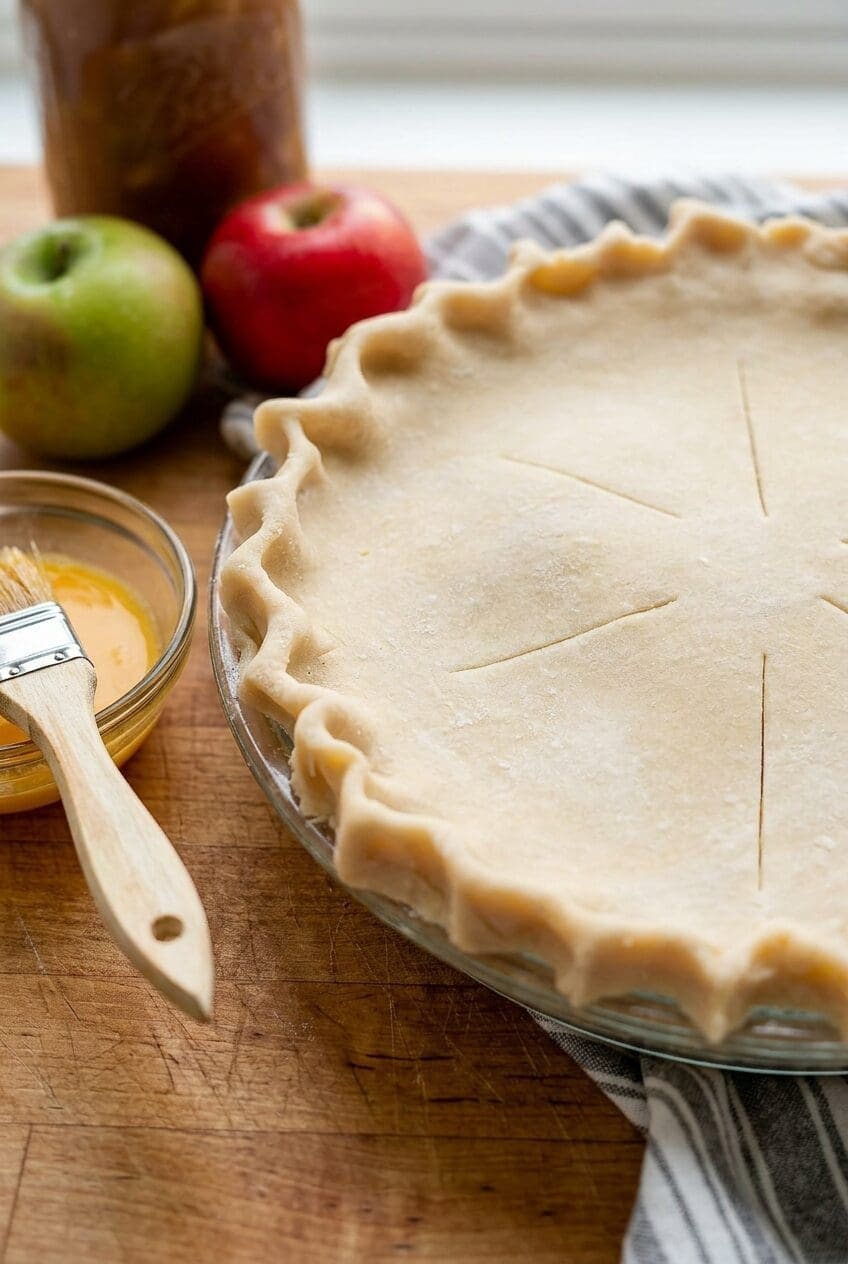
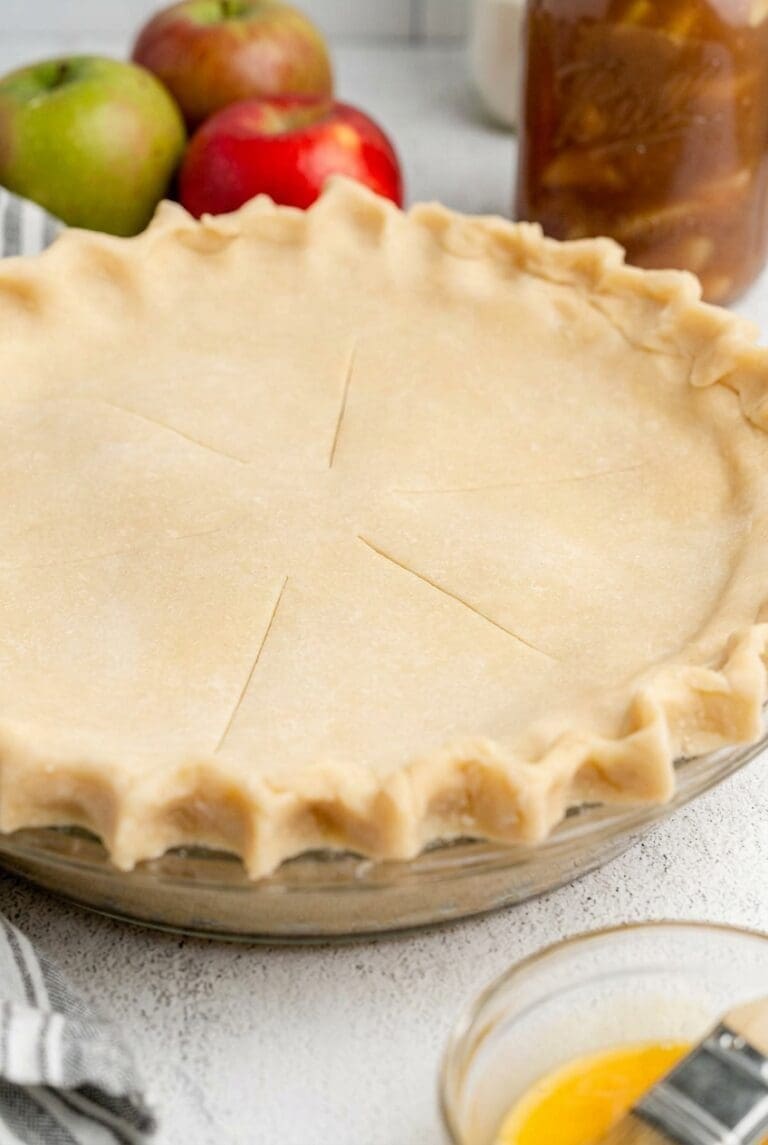
Seventh Step: Flute the edges by pinching them with your thumb and finger to create a scalloped rim. For pies needing a pre-baked crust, chill it in the freezer for 30 minutes first. This final touch adds a professional look and helps with even baking.
Eighth Step: If blind baking, line the chilled crust with parchment paper and fill with pie weights or alternatives like dry beans or rice. Bake at 425°F for 17 minutes, then remove the weights and bake for another 5 minutes until golden and dry. This ensures a crisp base, and you can adapt by adjusting bake time for different altitudes. For more baking ideas, try this homemade donut holes recipe on our site.
Dietary Substitutions to Customize Your Homemade Pie Crust
Protein and Main Component Alternatives
Swapping ingredients can make your homemade pie crust fit various diets. For instance, if you’re avoiding dairy, use vegan margarine in place of butter to keep the flakiness intact. Those sensitive to gluten might opt for almond flour as a substitute for all-purpose flour, ensuring the dough binds properly with a bit more water.
Vegetable, Sauce, and Seasoning Modifications
Adjust seasonings for a twist, like adding herbs for savory crusts or reducing sugar for less sweetness. In fruit pies, pair with low-sugar fruits to cater to diet-conscious individuals. These changes help travelers and seniors adapt recipes easily, maintaining the core of homemade pie crust while suiting preferences.
Mastering Homemade Pie Crust: Advanced Tips and Variations
Taking your homemade pie crust to the next level involves some pro techniques. Start with keeping butter straight from the fridge to ensure maximum flakiness, as warmer butter can lead to a denser result. For flavor variations, experiment with adding cinnamon or herbs to the dry mix for a unique twist that suits different gatherings.
Pro cooking techniques include using a food processor for efficiency, though forks work if you’re gentle to avoid overmixing. Presentation tips might involve creative fluting or brushing with egg wash for a shiny finish. Make-ahead options let you refrigerate dough up to 3 days or freeze for 3 months, ideal for busy parents and professionals.
One variation is turning this into a gluten-free version, which we cover in our blackberry pie bars recipe, showing how to adapt for various needs without losing quality.
How to Store Homemade Pie Crust: Best Practices
Proper storage keeps your homemade pie crust fresh and ready for use. For short-term needs, wrap the dough tightly in plastic and place it in the fridge. Refrigeration works well for up to 3 days, maintaining that flaky texture for your next bake.
Freezing offers long-term options; just wrap the disks securely and store for up to 3 months, thawing them fully in the fridge before rolling. Reheating baked crusts can be done in a low oven to crisp them up again without sogginess. For meal prep, consider batch-making dough to save time during busy weeks, ensuring it’s always on hand for community events.

FAQs: Frequently Asked Questions About Homemade Pie Crust
What ingredients do I need for homemade pie crust?
For a basic homemade pie crust that makes two 9-inch crusts, gather 2 1/2 cups all-purpose flour, 1 teaspoon salt, 1 tablespoon granulated sugar, 1 cup (2 sticks) cold unsalted butter cut into 1/2-inch cubes, and 6-8 tablespoons ice water. The flour provides structure, salt enhances flavor, sugar adds slight sweetness for balance, cold butter creates flaky layers when it melts during baking, and ice water binds without warming the fat. Measure flour by spooning into the cup and leveling with a knife to avoid packing. Keep butter chilled until use. This simple recipe yields tender, flaky results better than store-bought. Prep time is about 20 minutes plus chilling. (78 words)
How do I make pie dough by hand without a food processor?
Start with dry ingredients in a large bowl: 2 1/2 cups flour, 1 tsp salt, 1 tbsp sugar. Add 1 cup cold cubed butter. Use a pastry cutter or two forks to cut butter into flour until it looks like coarse crumbs with pea-sized butter pieces—about 5 minutes. Don’t let it get uniform. Drizzle in 6-8 tbsp ice water, one tablespoon at a time, mixing with a fork until dough clumps. Press a piece; if it holds, stop. Gather into two disks, wrap in plastic, and chill 1 hour. This method keeps butter cold for maximum flakiness without special tools. (92 words)
How do I know if my pie dough has enough water and how do I handle it?
Test by squeezing a walnut-sized dough piece: it should hold together without crumbling but not feel sticky. If crumbly, add ice water 1 tsp at a time. Overdo it and the crust toughens from excess gluten. Gently gather dough into a ball—avoid kneading or overmixing to preserve butter pockets for tenderness. Divide into two equal disks, flatten slightly, wrap tightly in plastic, and refrigerate 1-2 hours (or up to 3 days). This rest relaxes gluten and firms butter. For best results, work quickly in a cool kitchen to prevent warming. (89 words)
Why is my homemade pie crust tough and how can I fix it?
Tough crusts usually result from overmixing, which develops gluten, or warm butter that melts too soon. Other causes: too much water or over-kneading. Prevent by using ice-cold butter and water, cutting fat into flour until pea-sized (not smooth), and handling minimally. If dough warms, chill midway. After chilling, let rest 10-20 minutes if rock-hard before rolling on a floured surface to 1/8-inch thick. Roll from center out, rotate often to avoid sticking. This keeps texture tender and flaky—home bakers report 80% better results with cold ingredients. Patch cracks with dough scraps. (94 words)
How do I blind bake pie crust and what can I use instead of pie weights?
For custard or fruit pies needing a pre-baked shell, fit dough into a 9-inch pie plate, trim overhang to 1/2-inch, fold under, crimp edges. Freeze shaped crust 30 minutes. Line with parchment, fill with pie weights, dry beans, or uncooked rice (rice reusable after cooling). Bake at 425°F for 15-20 minutes until edges brown. Remove liner and weights, prick bottom with fork, bake 5-10 more minutes until golden. Cool before filling. Beans/rice prevent puffing and sogginess. Store unused for future bakes. This technique ensures crisp bases every time. (92 words)
Homemade Pie Crust
🥧 Master this easy homemade pie crust for its buttery, flaky layers that elevate any pie filling, using simple pantry staples for a tender texture that’s far superior to store-bought, ready after just 10 minutes of hands-on time and an hour chill for foolproof results.
🧈 Why try it? This versatile recipe yields two crusts for sweet or savory pies, customizable with herbs or cheese, offering a satisfying baking from-scratch win that freezes well for spontaneous desserts, teaching essential techniques without intimidation for beginners.
- Total Time: 1 hour 10 minutes
- Yield: 2 single pie crusts (or 1 double)
Ingredients
– 2 1/2 cups all-purpose flour, plus more for dusting
– 1/2 tablespoon sugar
– 1/2 teaspoon salt
– 1/2 pound cold unsalted butter (2 sticks), diced into 1/4-inch pieces
– 7 tablespoons ice water (7 to 8 tablespoons)
Instructions
1-First Step: Combine the dry ingredients by mixing 2 1/2 cups all-purpose flour, 1/2 tablespoon sugar, and 1/2 teaspoon salt in a food processor. If you don’t have one, whisk them together in a bowl instead. This sets the foundation for your dough and ensures even distribution of flavors.
2-Second Step: Add the 1/2 pound of cold unsalted butter, diced into 1/4-inch pieces, to the dry mixture. Pulse the food processor until the butter forms coarse crumbs with some pea-sized pieces. This step is crucial because it creates the layers that make the crust tender; if doing it by hand, use a pastry cutter for the same effect.
3-Third Step: Slowly add 7 tablespoons of ice water, one tablespoon at a time, while pulsing the processor. Stop when the dough starts to form small clumps that stick together without being sticky. This process, which takes just a minute or two, prevents overmixing and keeps the dough workable.
4-Fourth Step: Gather the dough on a clean surface and lightly fold or knead it just until it holds together, leaving some butter pieces visible for extra flakiness. Avoid overworking it to prevent a tough texture. Once done, divide the dough in half and flatten each part into disks, then cover with plastic wrap.
5-Fifth Step: Refrigerate the dough disks for 1 hour to chill and rest. This step, with a total prep time of about 1 hour 10 minutes, allows the gluten to relax and the butter to firm up, making rolling easier. For busy schedules, you can make it ahead and store as needed.
6-Sixth Step: To roll out the dough, dust your surface and rolling pin with flour. Take one disk and roll it into a 12-inch circle. Gently press it into a pie pan and tuck the edges under to form a double layer, adapting for dietary preferences like using gluten-free flour if required.
7-Seventh Step: Flute the edges by pinching them with your thumb and finger to create a scalloped rim. For pies needing a pre-baked crust, chill it in the freezer for 30 minutes first. This final touch adds a professional look and helps with even baking.
8-Eighth Step: If blind baking, line the chilled crust with parchment paper and fill with pie weights or alternatives like dry beans or rice. Bake at 425°F for 17 minutes, then remove the weights and bake for another 5 minutes until golden and dry. This ensures a crisp base, and you can adapt by adjusting bake time for different altitudes. For more baking ideas, try this homemade donut holes recipe on our site.
Last Step:
Please leave a rating and comment letting us know how you liked this recipe! This helps our business to thrive and continue providing free, high-quality recipes for you.Notes
🧈 Keep butter ice-cold by dicing directly from the fridge and chilling the processor bowl first, pulsing briefly to create steam pockets that translate to flaky layers without turning the dough into dense pastry.
❄️ If dough crumbles during rolling, sprinkle with minimal ice water and rest 5 minutes wrapped at room temp—dust flour sparingly to avoid toughening from excess gluten activation.
🎂 Double-wrap chilled disks in plastic and foil for freezing up to 3 months, thawing in fridge overnight before rolling; use vodka instead of water for tender results as it evaporates without developing gluten.
- Prep Time: 10 minutes
- Chilling: 1 hour
- Category: Baking Basics
- Method: Chilled
- Cuisine: American
- Diet: Vegetarian
Nutrition
- Serving Size: 1/8 crust
- Calories: 232
- Sugar: 1g
- Sodium: 99mg
- Fat: 15g
- Saturated Fat: 9g
- Unsaturated Fat: 6g
- Trans Fat: 0g
- Carbohydrates: 20g
- Fiber: 1g
- Protein: 2g
- Cholesterol: 40mg


