

Why You’ll Love This Hollandaise Sauce
- Ease of preparation: This hollandaise sauce recipe is surprisingly straightforward, requiring just a handful of ingredients and about five minutes of blending time. It’s designed for home cooks seeking a quick, reliable method to create a classic sauce without intricate steps or long cooking times.
- Health benefits: Made from wholesome ingredients like fresh egg yolks, melted butter, and lemon juice, this hollandaise sauce offers a rich source of healthy fats and essential vitamins such as vitamin A and vitamin C. The recipe’s simplicity ensures minimal additives, making it a nourishing complement to a balanced meal.
- Versatility: This quick hollandaise sauce adapts well to various dietary needs. With easy substitutions like plant-based butter or vegan egg yolks, it can be tailored for vegan or gluten-free diets without sacrificing its luxurious texture or flavor.
- Distinctive flavor: The sauce’s buttery creaminess balanced by bright, fresh lemon juice and a hint of Dijon mustard creates a uniquely tangy yet smooth profile. The addition of cayenne pepper offers a gentle warmth, enhancing its appeal and making it an exceptional accompaniment for dishes like eggs Benedict or steamed vegetables.
Jump to:
- Why You’ll Love This Hollandaise Sauce
- Essential Ingredients for Hollandaise Sauce
- Special Dietary Options
- How to Prepare the Perfect Hollandaise Sauce: Step-by-Step Guide
- First Step: Prepare Butter and Ingredients
- Second Step: Whisk Egg Yolks and Lemon Juice
- Third Step: Emulsify Butter into Egg Mixture
- Fourth Step: Adjust Sauce Consistency and Seasoning
- Final Step: Serve Warm
- Dietary Substitutions to Customize Your Hollandaise Sauce
- Protein and Main Component Alternatives
- Vegetable, Sauce, and Seasoning Modifications
- Mastering Hollandaise Sauce: Advanced Tips and Variations
- How to Store Hollandaise Sauce: Best Practices
- FAQs: Frequently Asked Questions About Hollandaise Sauce
- What are the essential ingredients for making hollandaise sauce at home?
- How can I tell if my hollandaise sauce has broken, and what is the best way to fix it?
- Is it safe to use raw eggs in hollandaise sauce, and how can I reduce any health risks?
- What is the best way to store hollandaise sauce and how long will it keep?
- Can I make hollandaise sauce using an immersion blender, and how do I do it properly?
- Hollandaise Sauce
- Ingredients
- Instructions
- Last Step:
- Notes
- Nutrition
- Did you make this recipe?
Essential Ingredients for Hollandaise Sauce
- 3 large egg yolks – provide the richness and emulsification that form the creamy base.
- 1 tablespoon fresh lemon juice – adds brightness and fresh acidity to balance the richness.
- 1 teaspoon Dijon mustard – enhances flavor complexity and helps stabilize the emulsion.
- 1/4 teaspoon salt (heaping) – boosts overall taste.
- Pinch of cayenne pepper (about 2 pinches) – gives a subtle kick without overpowering.
- 1/2 cup (1 stick) unsalted butter or ghee, melted and hot – creates the smooth, buttery texture essential for authentic hollandaise.
- Hot water as needed – adjusts the sauce consistency if too thick or splitting occurs.
Special Dietary Options
- Vegan: Substitute unsalted butter with plant-based butter alternatives and replace egg yolks with aquafaba (chickpea water) emulsified with starches for a dairy-free version.
- Gluten-free: All primary ingredients are naturally gluten-free, making this sauce safe for gluten-sensitive diets when cross-contamination is avoided.
- Low-calorie: Use light margarines or reduced-fat butter substitutes, and reduce the butter quantity while balancing with additional lemon juice to maintain flavor.
How to Prepare the Perfect Hollandaise Sauce: Step-by-Step Guide
First Step: Prepare Butter and Ingredients
Melt 1/2 cup unsalted butter until hot, either by microwaving for about one minute or gently on the stove over medium-low heat. Meanwhile, separate 3 large egg yolks carefully, ensuring no egg white remains, as it can affect emulsification.
Second Step: Whisk Egg Yolks and Lemon Juice
In a heatproof bowl or the container of a high-powered blender, combine the egg yolks with 1 tablespoon fresh lemon juice, 1 teaspoon Dijon mustard, 1/4 teaspoon salt, and a pinch of cayenne pepper. Whisk or blend for 5 to 15 seconds until the mixture is frothy and lightened in color.
Third Step: Emulsify Butter into Egg Mixture
With the blender running on medium-high or using a whisk in a bowl over a double boiler, slowly drizzle the hot melted butter into the egg yolk mixture, blending continuously. This process emulsifies the butter with the yolks, producing a smooth, creamy hollandaise sauce.
Fourth Step: Adjust Sauce Consistency and Seasoning
If the sauce becomes too thick or begins to split, gradually add one to two tablespoons of hot water while whisking or blending to smooth and loosen the sauce. Taste and adjust the salt, lemon juice, or cayenne pepper as needed for balance.
Final Step: Serve Warm
Remove the hollandaise sauce from heat if using the stovetop method, or stop blending if using a blender. Serve immediately while warm, drizzling over eggs Benedict, steamed vegetables, grilled fish, or your favorite dishes. To keep it warm for brief periods, place the sauce bowl over very low heat and stir occasionally to prevent separation.
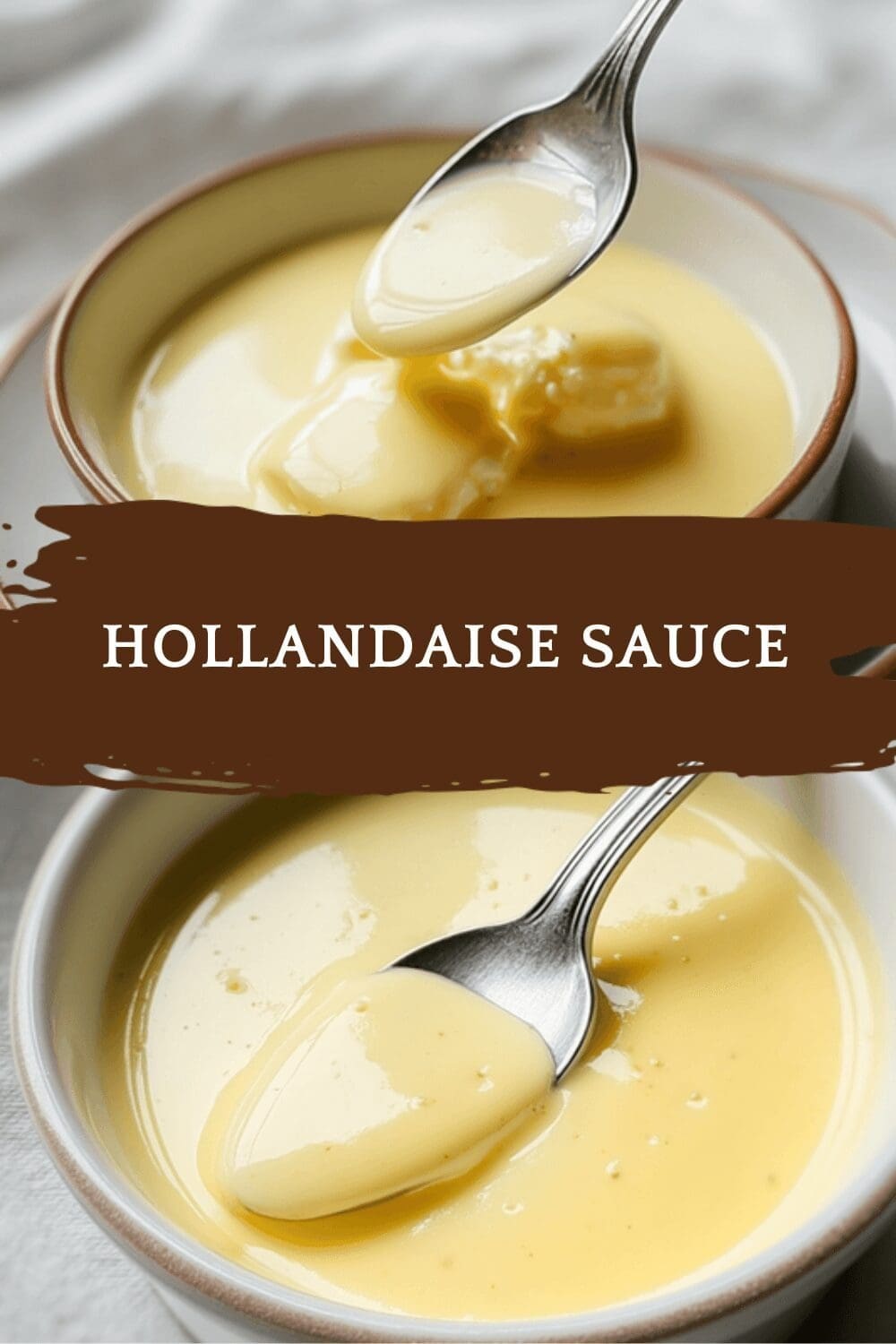
Dietary Substitutions to Customize Your Hollandaise Sauce
Protein and Main Component Alternatives
- Use aquafaba as a plant-based replacement for egg yolks in vegan variations, whisked with starch to simulate emulsification.
- Nutritional yeast adds umami and depth for vegan options substituting traditional butter and cheese flavors.
Vegetable, Sauce, and Seasoning Modifications
- Include fresh herbs like tarragon or chives to add brightness and fresh layers of flavor.
- Add spices such as smoked paprika or extra cayenne for warmth and complexity.
- Substitute lemon juice with lime juice or white wine vinegar to change the acid profile and add unique twists.
Mastering Hollandaise Sauce: Advanced Tips and Variations
- Pro cooking techniques: Use a kitchen thermometer to maintain the sauce between 140°F and 150°F to prevent curdling. Utilize clarified butter for a cleaner, more stable emulsification.
- Flavor variations: Customize your sauce with additions like Dijon mustard, roasted garlic, or infused herb oils to create unique versions.
- Presentation tips: Serve garnished with finely chopped fresh herbs and an extra drizzle of lemon juice to highlight brightness and freshness.
- Make-ahead options: Prepare the hollandaise ahead and keep warm over a very low heat water bath, whisking occasionally to maintain smooth texture before serving.
How to Store Hollandaise Sauce: Best Practices
Refrigeration: Store your hollandaise sauce in an airtight container in the refrigerator for up to 2 days. Its delicate texture means it is best enjoyed fresh but can be refrigerated safely in small batches.
Freezing: Freezing hollandaise sauce is generally not recommended as it tends to separate and lose its creamy texture upon thawing.
Reheating: Reheat gently in a double boiler or a heatproof bowl over simmering water, whisking continuously to restore smoothness and prevent separation or overcooking.
Meal prep considerations: Make batch preparations but store in small portions and reheat only the needed amount to maintain the sauce’s quality and flavor.
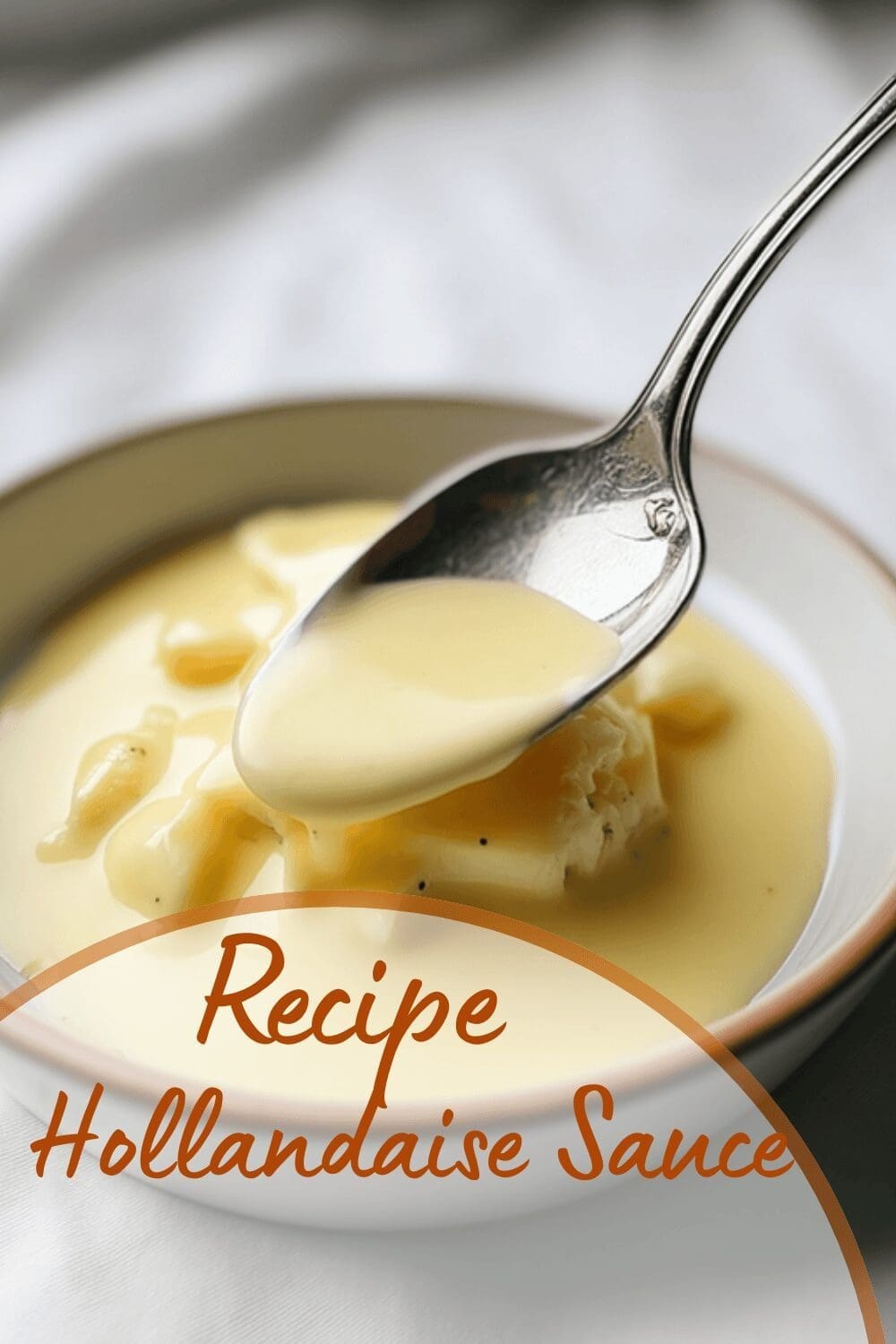
FAQs: Frequently Asked Questions About Hollandaise Sauce
What are the essential ingredients for making hollandaise sauce at home?
The basic ingredients for hollandaise sauce include egg yolks, melted butter, fresh lemon juice, Dijon mustard, salt, and a pinch of cayenne pepper. These combine to create a smooth, creamy emulsion with a rich, tangy flavor. Using fresh lemon juice and hot melted butter poured slowly into the egg yolks helps achieve the proper consistency and taste.
How can I tell if my hollandaise sauce has broken, and what is the best way to fix it?
Hollandaise sauce is broken if it looks lumpy, separated, or curdled instead of smooth and creamy. To fix it, try gradually whisking in 1 or 2 tablespoons of boiling water to bring the sauce back together. Alternatively, blend an additional egg yolk with a small amount of hot water and slowly re-emulsify the broken sauce by blending or whisking until smooth.
Is it safe to use raw eggs in hollandaise sauce, and how can I reduce any health risks?
Traditional hollandaise sauce uses raw egg yolks, but the hot melted butter gently cooks them while emulsifying. For added safety, especially for vulnerable groups, use pasteurized eggs to reduce the risk of foodborne illness. Heating the sauce carefully and avoiding temperatures above 160°F helps maintain safety without scrambles.
What is the best way to store hollandaise sauce and how long will it keep?
Hollandaise sauce is best enjoyed fresh but can be refrigerated in an airtight container for up to two days. To reheat, warm gently in a double boiler or over very low heat, stirring constantly and adding a small amount of water or melted butter to restore its creamy texture. Avoid overheating to prevent the eggs from curdling.
Can I make hollandaise sauce using an immersion blender, and how do I do it properly?
Yes, an immersion blender is an effective tool for making hollandaise sauce. Blend the egg yolks, lemon juice, mustard, salt, and cayenne until frothy in a deep bowl. With the blender running at low speed, slowly pour in hot melted butter in a thin stream to form a stable emulsion. This method is quick and reduces the chance of the sauce breaking.

Hollandaise Sauce
🍳 Elevate your dishes with this quick and easy hollandaise sauce, perfect for adding a touch of elegance to breakfasts and brunches.
🥚 Pair with eggs, vegetables, or fish for a rich, buttery finish that’s sure to impress anyone at the table.
- Total Time: 5 minutes
- Yield: About 1 cup
Ingredients
– 3 large egg yolks
– 1 tablespoon fresh lemon juice
– 1 teaspoon Dijon mustard
– 1/4 teaspoon salt
– Pinch of cayenne pepper
– 1/2 cup unsalted butter or ghee, melted and hot
– Hot water
Instructions
First Step: Prepare Butter and Ingredients
Melt 1/2 cup unsalted butter until hot, either by microwaving for about one minute or gently on the stove over medium-low heat. Meanwhile, separate 3 large egg yolks carefully, ensuring no egg white remains, as it can affect emulsification.
Second Step: Whisk Egg Yolks and Lemon Juice
In a heatproof bowl or the container of a high-powered blender, combine the egg yolks with 1 tablespoon fresh lemon juice, 1 teaspoon Dijon mustard, 1/4 teaspoon salt, and a pinch of cayenne pepper. Whisk or blend for 5 to 15 seconds until the mixture is frothy and lightened in color.
Third Step: Emulsify Butter into Egg Mixture
With the blender running on medium-high or using a whisk in a bowl over a double boiler, slowly drizzle the hot melted butter into the egg yolk mixture, blending continuously. This process emulsifies the butter with the yolks, producing a smooth, creamy hollandaise sauce.
Fourth Step: Adjust Sauce Consistency and Seasoning
If the sauce becomes too thick or begins to split, gradually add one to two tablespoons of hot water while whisking or blending to smooth and loosen the sauce. Taste and adjust the salt, lemon juice, or cayenne pepper as needed for balance.
Final Step: Serve Warm
Remove the hollandaise sauce from heat if using the stovetop method, or stop blending if using a blender. Serve immediately while warm, drizzling over eggs Benedict, steamed vegetables, grilled fish, or your favorite dishes. To keep it warm for brief periods, place the sauce bowl over very low heat and stir occasionally to prevent separation.
Last Step:
Please leave a rating and comment letting us know how you liked this recipe! This helps our business to thrive and continue providing free, high-quality recipes for you.Notes
🔥 Ensure your butter is hot—not just melted—to cook the egg yolks properly and achieve a smooth sauce.
🥚 Use the freshest eggs possible for the best flavor and safety; pasteurized eggs are a recommended option.
📦 Store leftovers in the fridge for up to 2 days, reheating gently with melted butter if needed to maintain texture.
- Prep Time: 5 minutes
- None: 0 minutes
- Cook Time: 0 minutes
- Category: Sauce
- Method: Blending
- Cuisine: French
- Diet: Vegetarian
Nutrition
- Serving Size: 2 tablespoons
- Calories: 249 kcal
- Sugar: 1 g
- Sodium: 369 mg
- Fat: 27 g
- Saturated Fat: 16 g
- Unsaturated Fat: Varies
- Trans Fat: 0 g
- Carbohydrates: 1 g
- Fiber: 0 g
- Protein: 2 g
- Cholesterol: 207 mg


This made my eggs benedict shine like never before! 🤩 Quick question—can I make the sauce in advance, or is it best served immediately? Thanks for the amazing recipe!