

Benefits and Advantages of high protein mac and cheese
High protein mac and cheese offers a satisfying twist on a classic comfort food by combining creamy textures with a nutritious boost. This recipe is simple to prepare and perfect for those seeking both indulgence and health benefits. The added protein supports muscle repair, promotes fullness, and aids weight management without sacrificing the rich and cheesy flavors everyone loves.
Replacing traditional pasta with protein-enriched or chickpea pasta increases fiber and protein content, making the dish more balanced and sustaining. Cottage cheese, sharp cheddar, and other protein-rich ingredients contribute to a more nutrient-dense meal. Whether for busy families or health-conscious home cooks, this version of mac and cheese provides an adaptable, wholesome option that caters to various dietary needs, including gluten-free or vegetarian lifestyles. Its approachable ingredients and quick cooking time make it an excellent choice for a nourishing comfort meal.
Jump to:
- Benefits and Advantages of high protein mac and cheese
- Essential Ingredients for high protein mac and cheese
- Dietary Substitutions to Customize Your high protein mac and cheese
- How to Prepare the Perfect high protein mac and cheese: Step-by-Step Guide
- Mastering high protein mac and cheese: Advanced Tips and Variations
- How to Store high protein mac and cheese: Best Practices
- Nutritional Value of high protein mac and cheese
- FAQs: Frequently Asked Questions About high protein mac and cheese
- How can I store and reheat high protein mac and cheese without it drying out?
- Why is cottage cheese used in high protein mac and cheese recipes?
- Can I customize the ingredients in high protein mac and cheese?
- Is it important to salt the pasta water when making high protein mac and cheese?
- Can I make a dairy-free version of high protein mac and cheese?
- High Protein Mac and Cheese Recipe with Creamy Cottage Cheese Boost
- Ingredients
- Instructions
- Last Step:
- Notes
- Nutrition
- Did you make this recipe?
Essential Ingredients for high protein mac and cheese
- 8 oz (about 225 g) chickpea or protein pasta
- 1 tbsp butter
- 1 small onion, chopped
- 1 clove garlic, roughly minced
- 1/4 cup (60 ml) milk (full-fat or low-fat based on preference)
- 1 cup (225 g) full-fat or low-fat cottage cheese
- 2 cups (200 g) shredded sharp cheddar cheese, divided
- 1 tbsp cornstarch (optional, helps thicken sauce)
- 1/4 tsp salt (adjust to taste)
- 1/4 tsp black pepper (adjust to taste)
- Optional: 1/2 tsp yellow mustard to enhance cheese flavor
- Optional: Additional seasonings such as garlic powder, onion powder, or Italian seasoning
Each ingredient contributes to the creamy, protein-packed sauce and flavorful pasta, ensuring a delicious appearance and texture.
Dietary Substitutions to Customize Your high protein mac and cheese
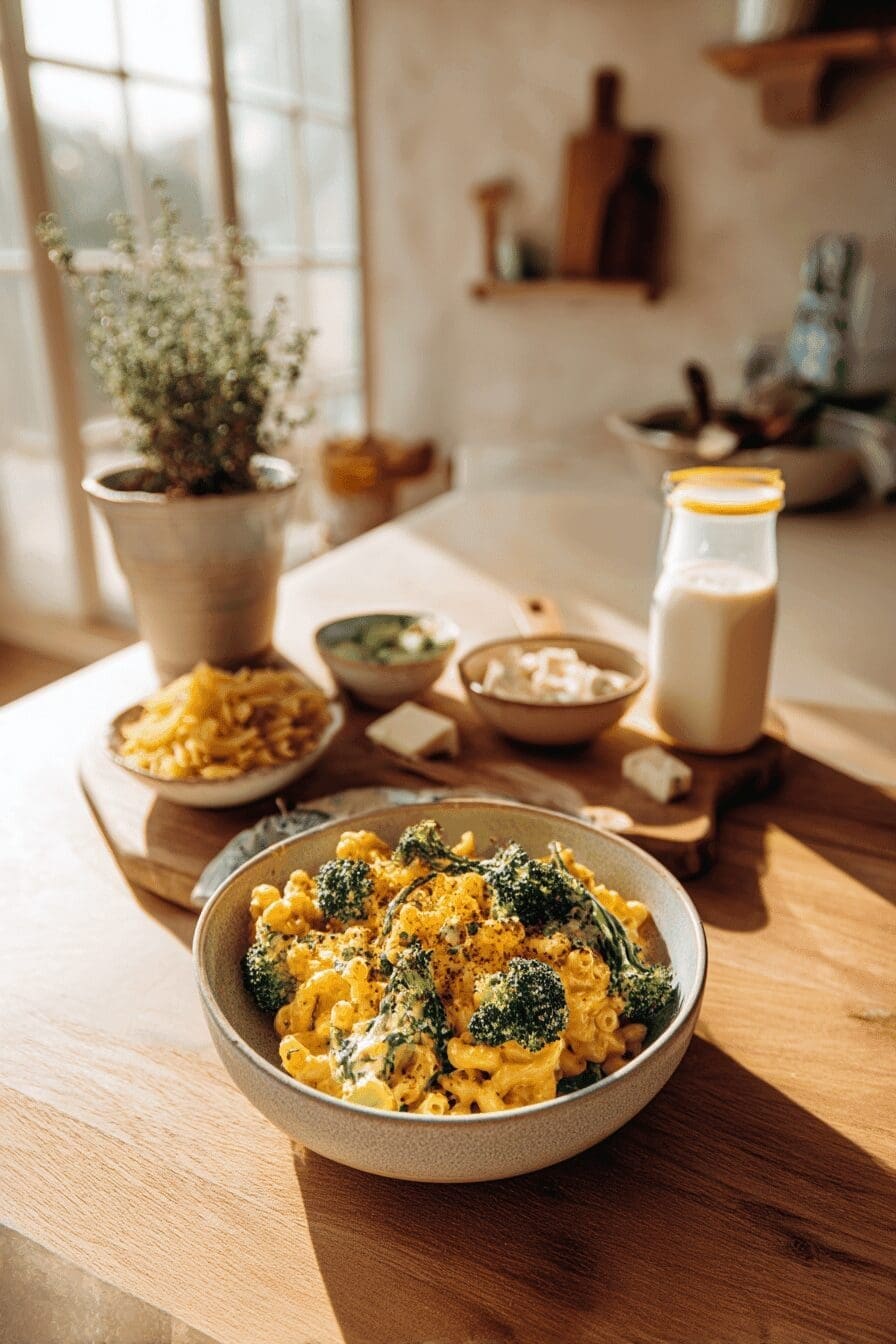
This recipe is highly adaptable. For vegan diets, replace dairy cheeses and cottage cheese with plant-based alternatives such as vegan cheese and tofu or cashew cream. Use unsweetened almond or oat milk in place of regular milk. To keep it gluten-free, select protein pasta made from chickpeas or lentils, which also increases fiber and protein.
For lower calorie options, choose low-fat or reduced-fat cheeses and use plant-based milk with fewer calories. Swapping butter with olive oil or vegan margarine is another easy modification. Adding vegetables like steamed broccoli or spinach boosts nutrition and adds color, while extra protein can be introduced with cooked chicken, shrimp, or legumes if desired. These substitutions allow everyone to enjoy a nutrient-rich, protein-packed mac and cheese suited to their preferences.
How to Prepare the Perfect high protein mac and cheese: Step-by-Step Guide
- Cook the Pasta: Boil the chickpea or protein pasta in salted water for 6-8 minutes until al dente. Drain and set aside to maintain texture.
- Sauté Aromatics: Melt butter in a pan over medium heat. Add chopped onion and garlic; cook for 4-5 minutes until softened and fragrant.
- Make the Cheese Sauce: In a blender or food processor, combine the cottage cheese, 1.5 cups of shredded cheddar, milk, cornstarch (if using), salt, pepper, mustard, and the cooked onion and garlic. Blend until smooth and creamy.
- Mix Pasta and Sauce: Let cooked pasta cool slightly for 3-4 minutes to avoid sauce separation, then gently fold the cheese sauce into the noodles. Warm over low heat if needed, avoiding overheating to retain smooth consistency.
- Bake (Optional): Transfer the mixture to a casserole dish. Top with remaining 1/2 cup of shredded cheddar. Broil on low or cover with a lid until the cheese melts and lightly browns.
- Serve: Let cool briefly, then serve. Optionally add steamed vegetables or proteins to customize the meal.
Following these steps ensures a creamy, protein-rich mac and cheese with a delicious balance of flavors and textures, suitable for everyday meals or special occasions.
For more insights on maximizing protein and enhancing cheese sauces, see Health Benefits of Cottage Cheese, Nutrition Facts of Chickpea Pasta, and a simple guide on How to Make Creamy Mac and Cheese.
Mastering high protein mac and cheese: Advanced Tips and Variations
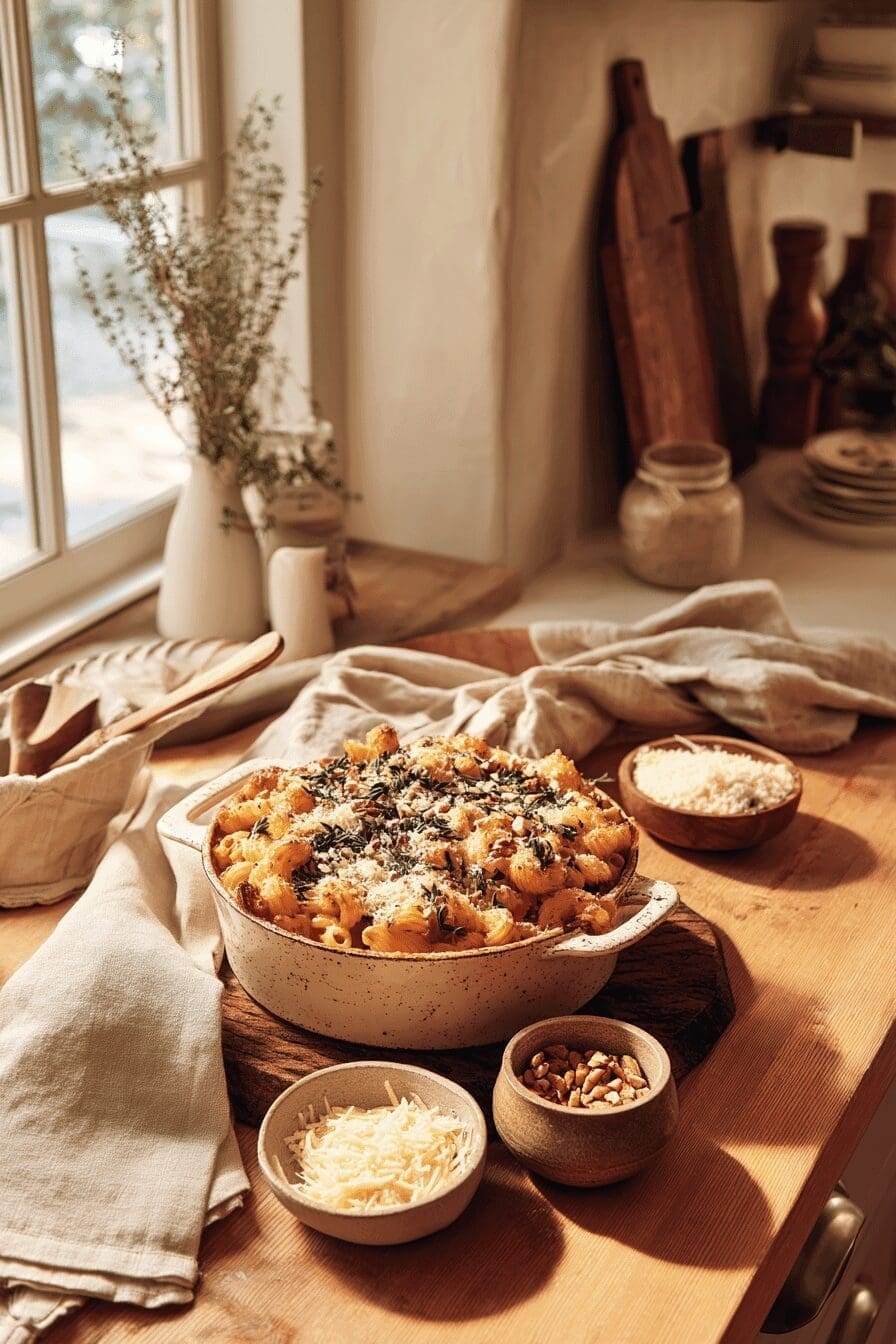
To make your high protein mac and cheese truly stand out, try combining multiple types of cheese like sharp cheddar, mozzarella, and gouda to deepen the flavor and create a richer sauce. Adding cottage cheese or ricotta to the cheese mixture boosts creaminess and enhances protein content without overwhelming the dish. For an extra protein kick, fold in cooked chicken breast, turkey, or legumes such as lentils.
Introduce smoky notes by sprinkling in smoked paprika or chipotle powder for complexity and warmth. Vegan versions benefit from blending cashew cream into the sauce to maintain luscious texture and dairy-free status. Explore using protein-enriched pastas such as chickpea or edamame noodles to lift the nutritional profile further. Garnish with toasted nuts or fresh herbs to add texture and a pop of color that elevates presentation.
These variations enable you to customize your dish without losing the comforting essence of a classic, protein-packed macaroni and cheese.
How to Store high protein mac and cheese: Best Practices
Correct storage techniques preserve the quality and flavor of high protein mac and cheese. After cooking, let the dish cool completely before transferring it to an airtight container. Store in the refrigerator for up to 3 to 4 days, keeping it fresh for easy, convenient meals throughout the week.
If you want to save it for longer periods, portion it into freezer-safe containers or resealable bags, removing excess air to prevent freezer burn. Frozen mac and cheese will keep well for up to 2 months. When ready to eat, thaw overnight in the refrigerator. Reheat gently on the stove over low heat or in the microwave, adding a splash of milk or water to restore creaminess and prevent the sauce from drying out. Avoid overheating as it can break down the texture and protein structure.
Nutritional Value of high protein mac and cheese
High protein mac and cheese offers a balanced nutritional profile ideal for those seeking both comfort and nourishment. A typical serving ranges between 350 and 450 calories, largely influenced by ingredients and portion size. It provides 20 to 30 grams of protein, supporting muscle repair and helping maintain satiety.
The dish contains 10 to 15 grams of fat, primarily healthy unsaturated fats from cheese, butter, or dairy alternatives, with options to reduce saturated fats by choosing low-fat cheeses. Carbohydrates from the pasta generally fall between 30 and 40 grams, offering energy. The fiber content varies depending on the type of pasta used; chickpea or whole grain pastas add digestive benefits.
Micronutrients such as calcium, vitamin D, and iron are present, bolstered by the dairy and legumes components. Adding Greek yogurt or silken tofu enhances the protein density while keeping calories moderate. This well-rounded nutrition aligns with the needs of those looking for protein-rich, satisfying mac and cheese options.
| Nutrient | Amount per Serving | Benefit |
|---|---|---|
| Calories | 350–450 kcal | Supports energy and fullness |
| Protein | 20–30 g | Muscle repair and satiety |
| Fat | 10–15 g | Healthy fats for heart health |
| Carbohydrates | 30–40 g | Provides energy |
| Fiber | Variable (depending on pasta) | Supports digestive health |
FAQs: Frequently Asked Questions About high protein mac and cheese
How can I store and reheat high protein mac and cheese without it drying out?
To store high protein mac and cheese, place any leftovers in an airtight container and refrigerate for up to 3-4 days. When reheating, warm it in short 30-second bursts in the microwave, stirring between intervals to prevent drying or clumping. Adding a small splash of milk or cream before reheating can help maintain creaminess. Avoid overheating as it may cause the sauce to separate or become rubbery.
Why is cottage cheese used in high protein mac and cheese recipes?
Cottage cheese is added to increase the protein content while keeping the sauce creamy and mild in flavor. It blends well with sharp cheddar without overpowering it, making the dish more nutritious without sacrificing taste. Using full-fat cottage cheese usually results in a richer texture, but low-fat versions can be used to reduce calories.
Can I customize the ingredients in high protein mac and cheese?
Yes, you can easily tailor the recipe to your taste by swapping types of cheese, such as using extra sharp cheddar or adding mozzarella. Including mix-ins like cooked bacon, jalapeños, or steamed broccoli adds flavor and texture. Just keep in mind that some additions will affect the protein or calorie count, so adjust portions accordingly.
Is it important to salt the pasta water when making high protein mac and cheese?
Salting the pasta water is recommended as it seasons the noodles from the inside out, enhancing the overall flavor of the dish. Use about 1-2 tablespoons of salt per gallon of water, or enough to make it taste slightly salty. This simple step makes a noticeable difference in taste without adding extra sodium to the finished dish.
Can I make a dairy-free version of high protein mac and cheese?
Yes, to make a dairy-free version, replace regular milk and cheese with plant-based alternatives such as almond or oat milk and dairy-free shredded cheese. You will also need to prepare a dairy-free cheese sauce, often using ingredients like nutritional yeast, cashew cream, or pureed vegetables for creaminess and flavor. This keeps the protein content high while accommodating dairy-free diets.

High Protein Mac and Cheese Recipe with Creamy Cottage Cheese Boost
🧀 This creamy mac and cheese provides a high-protein twist to a classic favorite, making it both nutritious and delicious.
🍝 Quick to prepare, it’s an ideal comfort food for busy days while helping meet your protein needs.
- Total Time: 15–20 minutes
- Yield: 4 servings 1x
Ingredients
8 oz (about 225 g) chickpea or protein pasta
1 tbsp butter
1 small onion, chopped
1 clove garlic, roughly minced
1/4 cup (60 ml) milk (full-fat or low-fat based on preference)
1 cup (225 g) full-fat or low-fat cottage cheese
2 cups (200 g) shredded sharp cheddar cheese, divided
1 tbsp cornstarch (optional, helps thicken sauce)
1/4 tsp salt (adjust to taste)
1/4 tsp black pepper (adjust to taste)
Optional: 1/2 tsp yellow mustard
Optional: Additional seasonings such as garlic powder, onion powder, or Italian seasoning
Instructions
1. Cook pasta in a large pot of salted boiling water according to package instructions (6–8 minutes), then drain and set aside.
2. While pasta cooks, sauté the chopped onion and garlic in butter over low to medium heat for about 4–5 minutes until softened, then remove from heat.
3. In a blender or food processor, combine the cottage cheese, 1.5 cups shredded cheddar, milk, cornstarch (if using), salt, pepper, optional mustard, and the cooked onions and garlic. Blend until smooth and creamy.
4. Allow the pasta to cool slightly (about 3–4 minutes) to prevent sauce separation, then gently mix the cheese sauce into the noodles. If the pasta isn’t warm enough, heat gently on low until warmed through—avoid overheating to maintain sauce texture.
5. Transfer the mac and cheese mixture to a casserole dish. Top with the remaining 1/2 cup shredded cheddar cheese and broil on low or cover with a lid until the cheese melts and lightly browns.
Last Step:
Please leave a rating and comment letting us know how you liked this recipe! This helps our business to thrive and continue providing free, high-quality recipes for you.Notes
🧀 Use full-fat cottage cheese for the creamiest sauce, but low-fat versions work well to reduce calories.
🌽 Adding cornstarch improves sauce thickness and creaminess.
🌿 Incorporate optional flavor enhancers like yellow mustard or garlic powder for deeper flavor without overpowering.
- Prep Time: 5 minutes
- Cook Time: 10–15 minutes
- Cook Time: 10–15 minutes
- Category: Main Course
- Method: Stovetop
- Cuisine: American
- Diet: Vegetarian
Nutrition
- Serving Size: 1/4 of the recipe
- Calories: 440 per serving
- Sugar: 4g
- Sodium: 700mg
- Fat: 20g
- Saturated Fat: 11g
- Unsaturated Fat: 7g
- Trans Fat: 0g
- Carbohydrates: 35g
- Fiber: 8g
- Protein: 32g
- Cholesterol: 60mg


