

Benefits and Advantages of ground beef casserole
Ground beef casserole is a classic comfort food that shines in both ease and flavor, making it a go-to dish for busy home cooks and families. One of its primary benefits is its versatility; the dish easily incorporates a wide variety of vegetables, grains, and cheeses to suit different dietary preferences and tastes.
This casserole also offers balanced nutrition by providing a rich source of protein from the ground beef, along with fibers and vitamins from added vegetables. It’s a convenient one-dish meal that simplifies cooking and cleanup, making it perfect for weeknight dinners, potlucks, or meal prepping.
Furthermore, ground beef casserole can be assembled ahead of time and baked as needed, allowing flexibility in meal planning. The dish adapts well to various flavor profiles, from classic Italian-inspired versions to spicier or more herb-forward preparations.
With its hearty ingredients, easy assembly, and delicious results, ground beef casserole proves to be a practical and satisfying choice for family-friendly meals.
Jump to:
- Benefits and Advantages of ground beef casserole
- Essential Ingredients for ground beef casserole
- Dietary Substitutions to Customize Your ground beef casserole
- How to Prepare the Perfect ground beef casserole: Step-by-Step Guide
- Mastering ground beef casserole: Advanced Tips and Variations
- How to Store ground beef casserole: Best Practices
- Refrigeration
- Freezing
- Reheating tips
- Nutritional Value of ground beef casserole
- FAQs: Frequently Asked Questions About ground beef casserole
- What are British flapjacks made of and how do they differ from American flapjacks?
- How can I make my flapjacks chewy instead of crunchy?
- Can I substitute golden syrup if I can’t find it in my local store?
- What is the best way to store flapjacks to keep them fresh?
- Can I add extras like chocolate chips or dried fruit to traditional flapjacks?
- Cheeseburger and Hamburger Casserole Recipes with Classic British Flapjack Sides
- Ingredients
- Instructions
- Last Step:
- Notes
- Nutrition
- Did you make this recipe?
Essential Ingredients for ground beef casserole
- 1 to 1 ½ pounds (450–680 grams) ground beef – lean or regular, depending on preference
- 1 medium onion, diced – to build savory flavor
- 2 to 3 cloves garlic, minced – for aromatic depth
- 1 cup (240 ml) tomato sauce or canned diced tomatoes – adds moisture and richness
- 2 cups cooked pasta or rice – provides structure and bulk
- 1 to 2 cups shredded cheese (cheddar, mozzarella, or blend) – for creamy, melty topping
- 1 cup mixed vegetables (bell peppers, mushrooms, peas, etc.) – boosts nutrition and color
- Salt and freshly ground black pepper, to taste – essential seasoning
- Optional herbs and spices: Italian seasoning, paprika, parsley, or chili powder to taste
These ingredients come together to provide a well-rounded dish that is flavorful, nutritious, and filling.
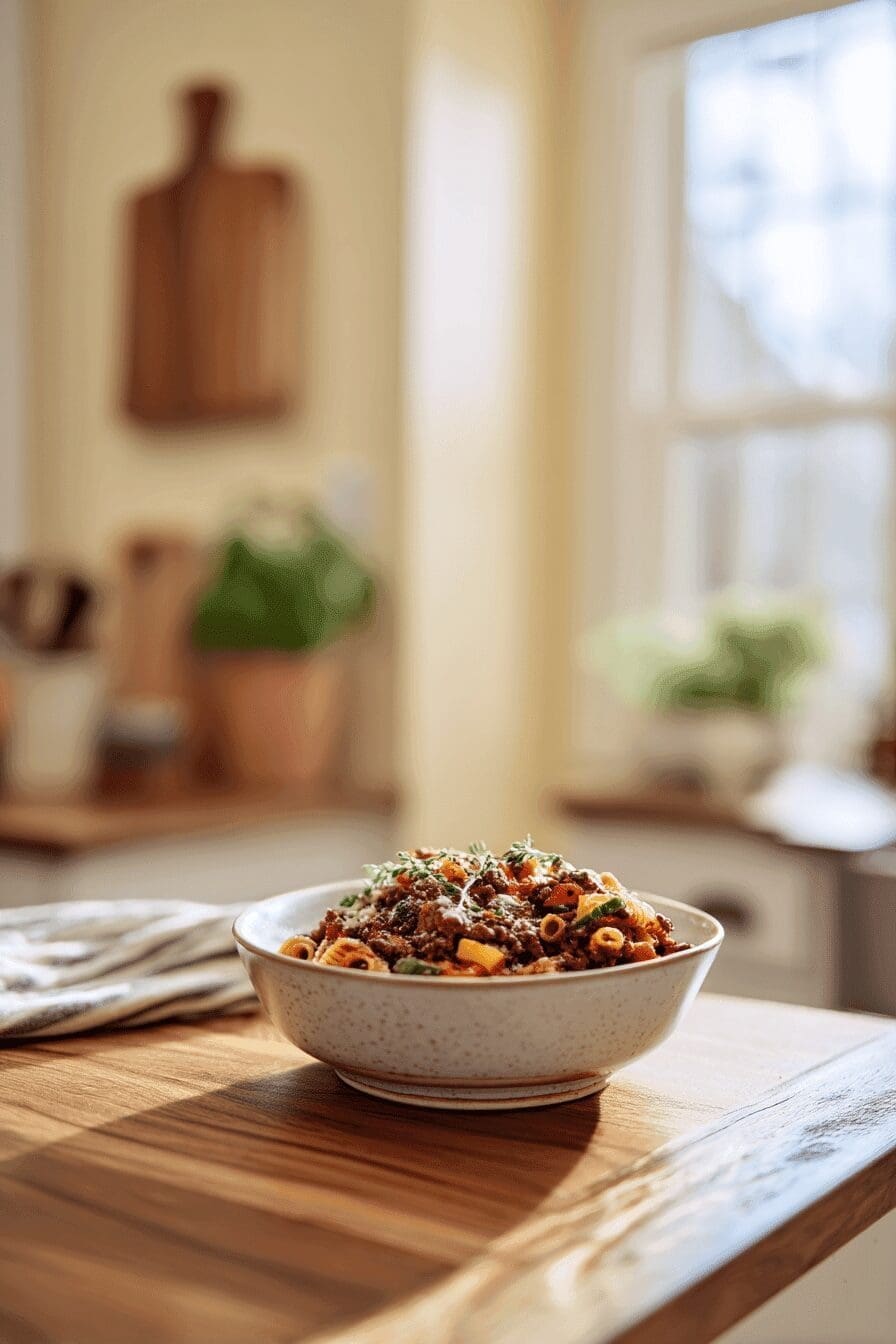
Dietary Substitutions to Customize Your ground beef casserole
Ground beef casserole is highly adaptable, allowing for various substitutions to fit dietary needs and preferences without sacrificing quality.
- Lower fat: Use lean ground beef or substitute partially with ground turkey or chicken to reduce saturated fat content.
- Gluten-free: Replace regular pasta with gluten-free pasta alternatives, or use cooked rice, quinoa, or cauliflower rice as the base.
- Dairy-free: Opt for dairy-free cheese substitutes or omit cheese entirely while enhancing flavor with nutritional yeast or herbs.
- Vegetarian: Swap ground beef with lentils, mushrooms, or plant-based meat alternatives for a protein-rich meatless casserole.
- Low sodium: Use no-salt-added tomato sauces and limit added salt, relying on herbs and spices for robust flavor.
These options help make the casserole accessible and enjoyable to a wider range of dietary lifestyles.
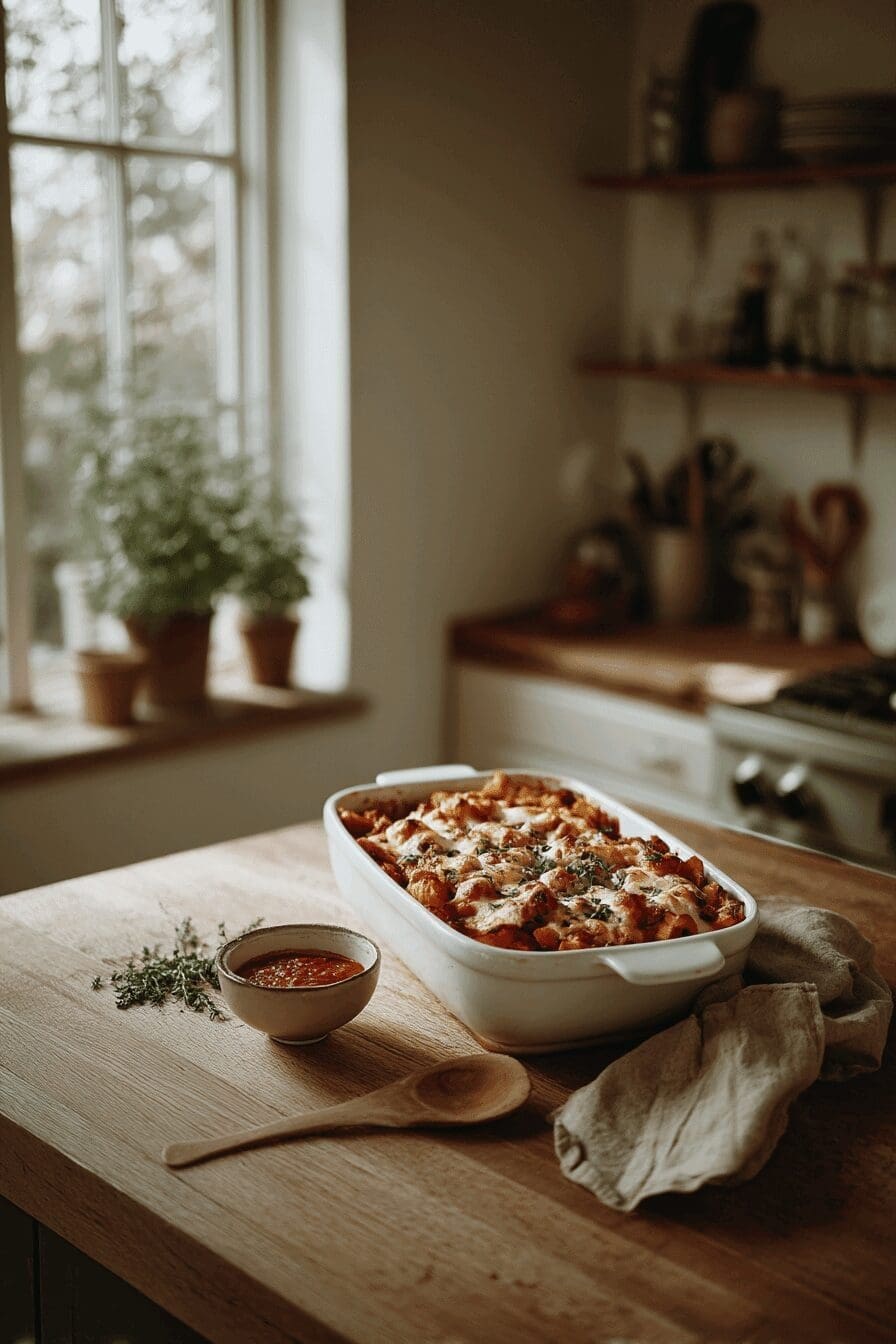
How to Prepare the Perfect ground beef casserole: Step-by-Step Guide
- Preheat the oven to 350°F (175°C) and lightly grease your casserole dish.
- Cook the beef: In a large skillet over medium heat, crumble and brown the ground beef until no longer pink. Drain excess fat.
- Sauté aromatics: Add diced onion and minced garlic to the skillet. Cook until softened and fragrant, about 4–5 minutes.
- Add tomato sauce and seasoning: Stir in tomato sauce, salt, pepper, and optional herbs or spices. Simmer for about 5 minutes to blend flavors.
- Mix starch and vegetables: In a large bowl, combine cooked pasta or rice with mixed vegetables.
- Combine beef mixture: Add the beef and sauce mixture to the bowl with pasta and vegetables. Stir gently until well incorporated.
- Assemble and top: Transfer the mixture to the prepared casserole dish. Sprinkle shredded cheese evenly over the top.
- Bake: Place the casserole in the oven and bake for 20–25 minutes, or until the cheese is melted and bubbly, and the casserole is heated through.
- Rest before serving: Let the casserole cool for 5 minutes to set before serving for easier portioning and enhanced flavor.
Following these straightforward steps results in a comforting, tasty ground beef casserole ready to please any crowd.
Mastering ground beef casserole: Advanced Tips and Variations
To take your ground beef casserole from simple to spectacular, consider these advanced tips and variations. First, properly brown the ground beef to develop rich flavors through caramelization. Avoid overcrowding the pan to ensure even browning and prevent steaming. Sauté onions and garlic separately until translucent for a more pronounced aromatic base.
Layer ingredients thoughtfully alternate between the cooked beef mixture, vegetables, and starches such as rice or pasta, then top generously with a blend of cheeses to create depth and texture. Experimenting with spices like smoked paprika, cumin, or chili powder can add exciting warmth and complexity.
For creamier casseroles, mix in sour cream, cream cheese, or a béchamel sauce. Veggie-forward variations can include mushrooms, bell peppers, zucchini, or kale. To accommodate dietary preferences, swap traditional pasta with gluten-free options or cauliflower rice.
These techniques and ingredient options will help you create versatile, flavorful casseroles tailored to your taste and dietary needs.
How to Store ground beef casserole: Best Practices
Proper storage preserves the deliciousness and safety of your ground beef casserole. Let the casserole cool slightly before transferring it to airtight containers.
Refrigeration
- Store in airtight containers for up to 3-4 days.
- Keep refrigerated promptly to minimize bacterial growth.
- Cover leftovers well to prevent drying out or absorbing odors.
Freezing
- Package in airtight freezer-safe containers or wrap tightly with foil and plastic wrap.
- Freeze portions for up to 2-3 months.
- Thaw in the refrigerator overnight before reheating.
Reheating tips
- Reheat gently in the oven at 325°F (160°C) until warmed through, to maintain texture.
- If using a microwave, reheat in short intervals, stirring periodically for even heat distribution.
- Add a splash of broth or water when reheating if the casserole appears dry.
Following these storage methods ensures your casserole stays safe and tasty for days or weeks after cooking.
Nutritional Value of ground beef casserole
| Nutrient | Approximate Amount per Serving |
|---|---|
| Calories | 380-450 kcal |
| Protein | 25-30 grams |
| Total Fat | 20-28 grams |
| Saturated Fat | 7-10 grams |
| Carbohydrates | 20-30 grams |
| Dietary Fiber | 3-5 grams |
| Sodium | 450-700 mg |
The nutritional content of ground beef casserole varies with ingredients and portion size but generally provides a balanced mix of protein, fats, and carbohydrates. Protein supports muscle function and repair, while dietary fiber from added vegetables and grains aids digestion. Fat quantity depends on beef leanness and added cheese or sauces, contributing to satiety and flavor. Adjusting ingredients can also control calories and nutrients to fit specific dietary goals.
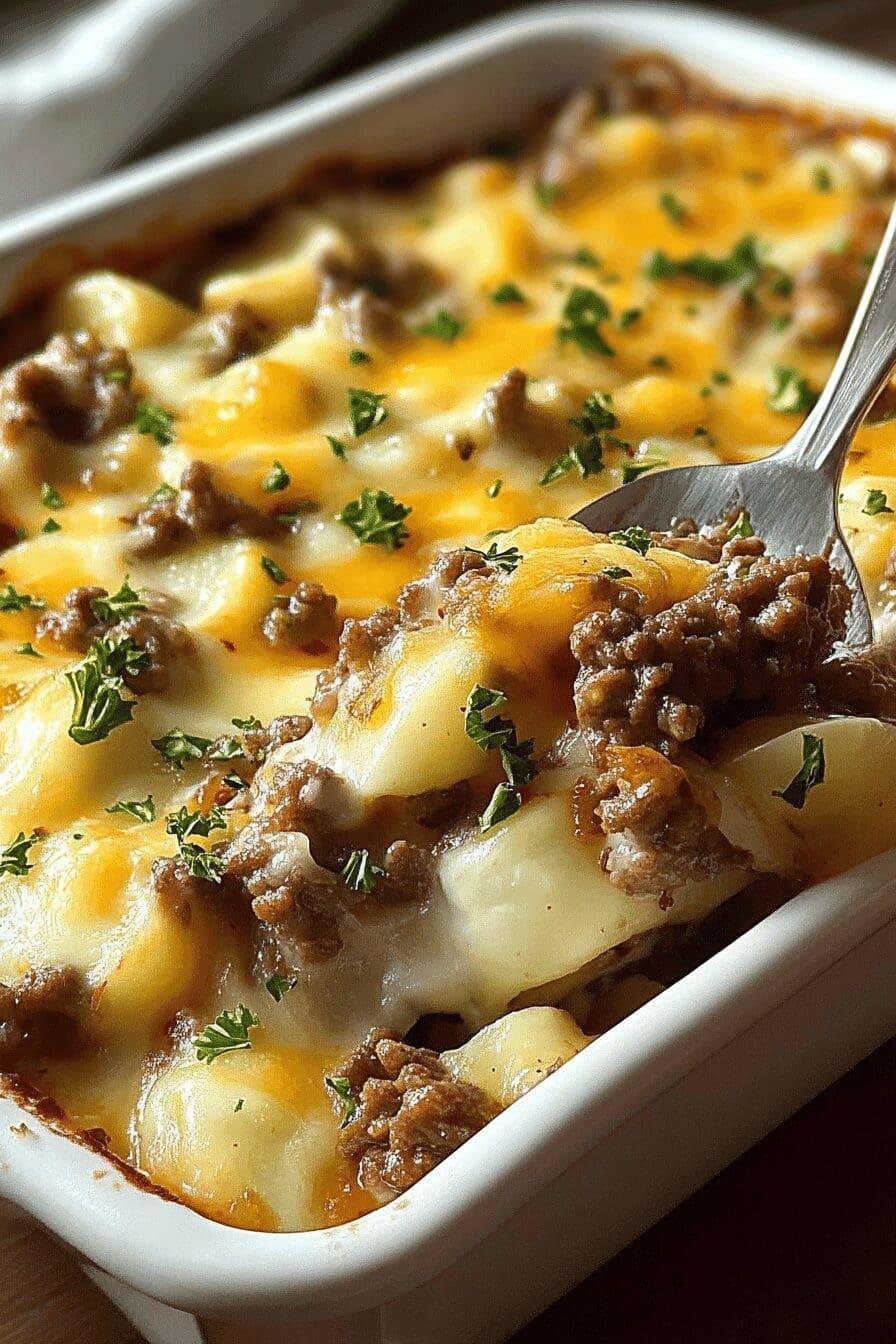
FAQs: Frequently Asked Questions About ground beef casserole
What are British flapjacks made of and how do they differ from American flapjacks?
British flapjacks are oat bars typically made from rolled oats, butter, golden syrup, and brown sugar. The mixture is baked until golden and cut into squares or rectangles. Unlike American flapjacks—similar to pancakes—British flapjacks are chewy or crunchy baked bars rather than griddle-cooked batter. They can include add-ins like chocolate chips, dried fruit, or nuts for extra texture and flavor.
How can I make my flapjacks chewy instead of crunchy?
To make flapjacks chewier, use a smaller baking pan to keep the mixture thick and bake for a shorter time, around 20 minutes, at 325°F (160°C). Avoid overbaking as the flapjacks firm up when cooling. Using rolled or jumbo oats rather than quick oats also helps maintain a moist, chewy texture.
Can I substitute golden syrup if I can’t find it in my local store?
Yes, if golden syrup is unavailable, you can substitute with dark corn syrup, maple syrup, or honey. While these alternatives add sweetness and moisture, golden syrup has a unique caramel flavor and thickness, so the texture and taste of the flapjacks may slightly vary. Reducing other liquids in the recipe can help accommodate the different syrup consistency.
What is the best way to store flapjacks to keep them fresh?
Store flapjacks in an airtight container at room temperature for up to three days. For longer storage, slice them into bars and freeze individually on a tray before transferring to a sealed container or freezer bag. They can be frozen for up to three months and should be thawed overnight before serving to restore their texture.
Can I add extras like chocolate chips or dried fruit to traditional flapjacks?
Yes, adding extras like chocolate chips, raisins, dried apricots, or nuts is common and enhances flavor. Mix these additions thoroughly with the oats and syrup mixture before baking to ensure even distribution. Adding wet ingredients like jam or peanut butter after baking is another option for variety without changing the original texture.
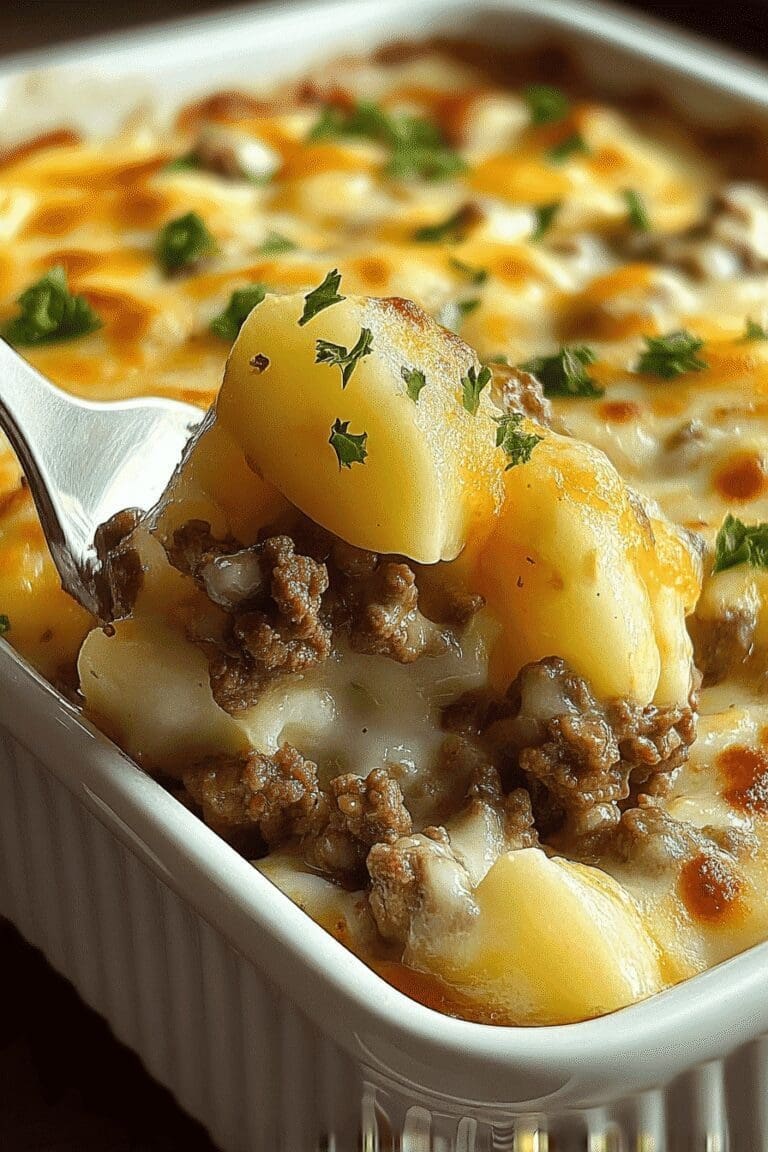
Cheeseburger and Hamburger Casserole Recipes with Classic British Flapjack Sides
🍪 Classic British flapjacks provide a chewy, satisfying snack that’s perfect with a cup of tea.
🥄 Simple to make and versatile for any occasion, these oat bars are a timeless treat.
- Total Time: 40 minutes
- Yield: 12 bars 1x
Ingredients
1/2 cup salted butter (1 stick), cubed
1/2 cup packed brown sugar
5 tablespoons golden syrup (or dark corn syrup)
1 teaspoon vanilla extract
2 1/3 cups quick-cooking oats (reduce to 2 cups if using old-fashioned oats)
Instructions
1. Preheat the oven to 325°F (163°C) without convection. Grease and line an 8-inch square baking pan with parchment paper.
2. Melt the butter over medium-low heat, then add brown sugar, golden syrup, and vanilla. Cook gently until the sugar dissolves and the mixture becomes fluid, similar to melted caramel.
3. Remove from heat and whisk the mixture until no visible melted butter remains.
4. Stir in the oats until they are thoroughly coated.
5. Spread the mixture evenly into the prepared pan, pressing down firmly with the back of a spoon or spatula.
6. Bake for 20 to 30 minutes: a shorter time yields a chewier flapjack, while longer baking produces a firmer, crispier texture. Edges will turn golden when ready.
7. Let cool for at least 10 minutes before slicing to maintain texture.
Last Step:
Please leave a rating and comment letting us know how you liked this recipe! This helps our business to thrive and continue providing free, high-quality recipes for you.Notes
🎨 Use quick-cooking oats for best consistency; adjust syrup slightly for old-fashioned oats.
🥣 Maintain low heat during melting to prevent a hard texture; mix thoroughly to avoid a greasy result.
🏺 Adjust baking times for your desired texture; use a shallower pan for crispier bars.
- Prep Time: 10 minutes
- Cooling Time: 10 minutes
- Cook Time: 20 minutes
- Category: Dessert
- Method: Baking
- Cuisine: British
- Diet: Vegetarian
Nutrition
- Serving Size: 1 bar
- Calories: 204
- Sugar: 17 g
- Sodium: 87 mg
- Fat: 10 g
- Saturated Fat: 6 g
- Unsaturated Fat: N/A
- Trans Fat: N/A
- Carbohydrates: 26 g
- Fiber: 1 g
- Protein: 1 g
- Cholesterol: 25 mg


