

Benefits and Advantages of grilled chicken
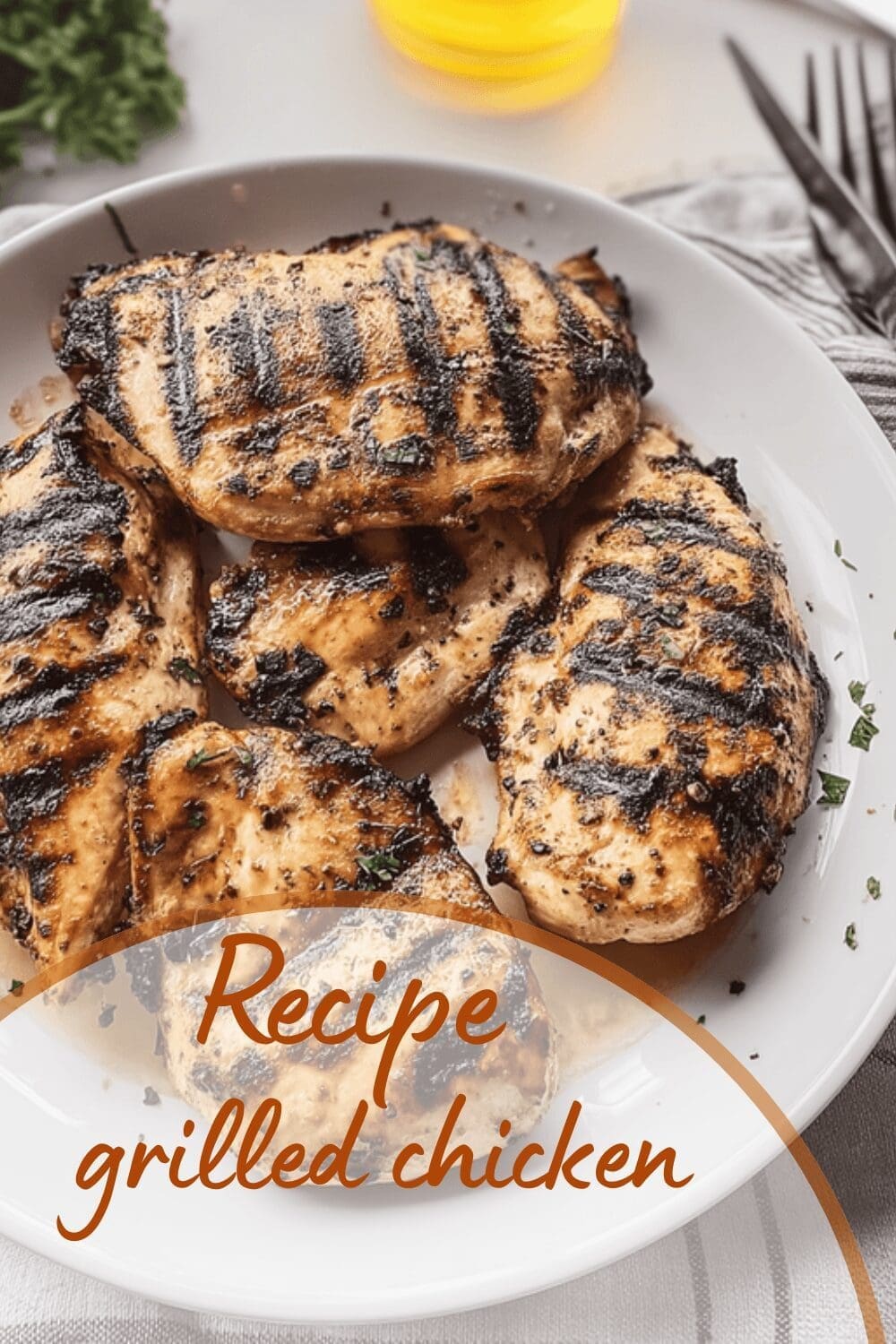
Grilled chicken is an excellent choice for a healthy and flavorful meal that is both easy to prepare and versatile. This recipe stands out due to its straightforward cooking process, which requires minimal ingredients and equipment, making it ideal for both novice and experienced cooks. From a health perspective, grilling allows excess fat to drip away, resulting in lean protein that supports muscle growth and weight management. Additionally, the smoky flavor enhances the natural taste of the chicken without the need for heavy sauces or additives, promoting a healthier diet. Its adaptability to various marinades and spices also means it can cater to a wide range of dietary preferences and cuisines. The recipe’s emphasis on quick preparation and cooking time makes it suitable for busy lifestyles while maintaining nutritional benefits.
Jump to:
- Benefits and Advantages of grilled chicken
- Essential Ingredients for grilled chicken
- Dietary Substitutions to Customize Your grilled chicken
- How to Prepare the Perfect grilled chicken: Step-by-Step Guide
- Mastering Grilled Chicken: Advanced Tips and Variations
- How to Store Grilled Chicken: Best Practices
- Nutritional Value of Grilled Chicken
- FAQs: Frequently Asked Questions About Grilled Chicken
- How can I prevent grilled chicken breasts from becoming dry and tough?
- What is the best way to know when grilled chicken breasts are fully cooked?
- How should I prepare the grill to keep chicken breasts from sticking?
- What are the benefits and risks of using acidic ingredients like lemon juice or vinegar in chicken marinades?
- Can grilled chicken breasts be frozen and reheated without losing quality?
Essential Ingredients for grilled chicken
- 1¾ lbs (about 4) boneless, skinless chicken breasts
- 6 tablespoons extra virgin olive oil
- 4 large garlic cloves, minced
- 1 teaspoon dried thyme
- ½ teaspoon dried oregano
- 1 teaspoon dried rosemary (optional)
- 1¼ teaspoons salt
- ½ teaspoon freshly ground black pepper
- 1½ teaspoons lemon zest (from one lemon)
- ¼ cup balsamic vinegar (optional for sweeter marinade)
- 2 tablespoons brown sugar (optional for sweeter marinade)
- Fresh chopped parsley for garnish (optional)
These ingredients are chosen to balance flavor, healthfulness, and ease of preparation. For gluten-free options, make sure all spices are certified gluten-free. Vegan alternatives such as marinated tofu or seitan can replace chicken for plant-based diets.

Dietary Substitutions to Customize Your grilled chicken
There are several ways to adapt this grilled chicken recipe to different dietary needs and preferences:
- Gluten-Free: Use certified gluten-free spices and marinade ingredients to avoid gluten contamination.
- Vegan/Vegetarian: Substitute chicken with grilled tofu, tempeh, or portobello mushrooms which absorb marinades well and provide satisfying texture.
- Low-Calorie: Opt for skinless chicken breasts and reduce olive oil quantity, relying on herbs and spices for flavor.
- Low Sodium: Use less salt or salt alternatives while using fresh lemon zest, garlic, and herbs to enhance flavor.
- Keto/Low-Carb: Pair grilled chicken with low-carb vegetables such as leafy greens or roasted cauliflower.
These substitutions allow the recipe to stay versatile and inclusive, providing flavorful options for all.
How to Prepare the Perfect grilled chicken: Step-by-Step Guide
- Pound chicken breasts to an even thickness of about ½ inch using a meat mallet or rolling pin. This ensures even cooking and tenderness.
- Make the marinade: In a bowl or zip-lock bag, mix 6 tablespoons extra virgin olive oil, 4 minced garlic cloves, 1 teaspoon dried thyme, ½ teaspoon dried oregano, 1 teaspoon dried rosemary (optional), 1¼ teaspoons salt, ½ teaspoon freshly ground black pepper, and 1½ teaspoons lemon zest. For a sweeter option, add ¼ cup balsamic vinegar and 2 tablespoons brown sugar.
- Marinate the chicken: Add the chicken breasts to the marinade, coating them thoroughly. Refrigerate for at least 4 hours, preferably overnight. A minimum of 20 minutes is acceptable for quicker meals.
- Preheat grill: Heat your grill to medium-high or high (about 400-450°F). Clean and oil grill grates with a paper towel dipped in vegetable oil held by tongs to prevent sticking.
- Grill chicken: Remove breasts from marinade, allow excess to drip off, then place on the grill. Cook covered for about 2 to 6 minutes per side, depending on thickness. Turn only once to develop good grill marks and a crisp exterior. If using balsamic marinade, baste after flipping with reserved marinade.
- Check temperature: Use an instant-read thermometer inserted into the thickest part of the breast to confirm an internal temperature of 165°F (74°C). Remove at 160°F to allow carryover cooking and preserve juiciness.
- Rest chicken: Transfer cooked breasts to a cutting board and let rest loosely covered for 3 to 10 minutes. This allows juices to redistribute, keeping the meat moist.
- Serve: Garnish with fresh chopped parsley if desired, and accompany with your preferred sides.
Pounding the chicken breasts evenly is critical for consistent cooking and retaining tenderness across all pieces.
For more in-depth tips and techniques, visit How to Grill Chicken Breast Perfectly.
Mastering Grilled Chicken: Advanced Tips and Variations
To take your grilled chicken to the next level, focus on marinating the meat for extended periods ideally 8 to 12 hours to allow flavors to deeply permeate and enhance tenderness. Consider brining the chicken briefly before marinating; this helps retain moisture during grilling, resulting in juicier meat. Adding wood chips such as hickory or applewood to your grill can impart a subtle smoky aroma, enriching the natural taste of the chicken.
Experimenting with different seasoning blends like Mediterranean herbs, Cajun spices, or smoked paprika allows you to customize the flavor profile to suit your palate. For a juicier outcome, try grilling bone-in cuts such as thighs or drumsticks, which retain moisture better than boneless breasts. Vegan and vegetarian adaptations work well by marinating tofu or tempeh in similar spice mixtures and grilling until nicely charred.
Serving grilled chicken atop fresh salads, grain bowls, or alongside roasted vegetables further enhances presentation and nutrition. These tips and variations ensure that every grilled chicken dish you create is delicious, juicy, and tailored to your preferences.
How to Store Grilled Chicken: Best Practices
Proper storage is essential for maintaining the freshness and safety of grilled chicken. After cooking, refrigerate the chicken within two hours to minimize bacteria growth. Store it in an airtight container or wrap it tightly with plastic wrap to prevent drying out and contamination. Grilled chicken can be safely kept in the refrigerator for up to 3 to 4 days.
For longer storage, freezing is an option. Wrap individual portions tightly in plastic wrap or foil, then place them inside freezer-safe bags to protect against freezer burn. Frozen grilled chicken maintains good quality for up to 4 months. When ready to use, thaw chicken slowly in the refrigerator overnight.
Reheat grilled chicken gently, either using a microwave covered with a damp paper towel or warming it in the oven at low temperature. Avoid reheating several times to preserve flavor and texture. Following these guidelines ensures your grilled chicken stays tasty and safe for future meals.
Nutritional Value of Grilled Chicken
| Nutrient | Amount per 100g | Benefits |
|---|---|---|
| Calories | 165 kcal | Moderate energy source suitable for balanced diets |
| Protein | 31 g | Supports muscle maintenance and growth |
| Fat | 3.6 g | Primarily heart-healthy unsaturated fats |
| Carbohydrates | 0 g | Minimal carbs, ideal for low-carb and keto diets |
| Niacin (Vitamin B3) | 12.7 mg | Promotes metabolism and energy production |
| Selenium | 27.6 mcg | Acts as antioxidant and supports immunity |
| Phosphorus | 210 mg | Important for bone and teeth health |
Grilled chicken is a nutrient-dense option that fits well in many healthy eating plans, from muscle-building to weight management. For a deeper dive into its nutritive properties, see Nutritional Facts of Grilled Chicken.
FAQs: Frequently Asked Questions About Grilled Chicken
How can I prevent grilled chicken breasts from becoming dry and tough?
To keep grilled chicken breasts juicy and tender, pound them to an even thickness of about ½ inch for uniform cooking. Avoid overcooking by grilling them on high heat for just 2 to 3 minutes per side. Marinate for at least 3 to 4 hours to add flavor and moisture, but avoid acidic marinades with lemon juice or vinegar for too long, as they can make the texture leathery. Finally, let the chicken rest for about 3 to 5 minutes after grilling to allow the juices to redistribute.
What is the best way to know when grilled chicken breasts are fully cooked?
The safest and most accurate method is to use an instant-read thermometer. Insert it into the thickest part of the chicken; the internal temperature should reach 165°F (74°C). If you don’t have a thermometer, check that the juices run clear and there is no pink inside. Avoid cutting the chicken too early to prevent loss of juices.
How should I prepare the grill to keep chicken breasts from sticking?
Start by cleaning the grill grates thoroughly to remove residue. Preheat the grill to a high temperature, then oil the grates by dipping a folded paper towel in vegetable oil and rubbing it over the bars with tongs. This creates a non-stick surface and helps achieve nice grill marks. Cooking on a hot grill for a short time also minimizes sticking.
What are the benefits and risks of using acidic ingredients like lemon juice or vinegar in chicken marinades?
Acidic ingredients add bright, tangy flavors but can affect the texture of lean chicken breasts if used too long. They do not tenderize the meat but can begin to “cook” the surface, leading to a leathery or rubbery exterior. To avoid this, limit marinating time with acids to under an hour or use zest instead for flavor without texture changes.
Can grilled chicken breasts be frozen and reheated without losing quality?
Yes, grilled chicken breasts can be frozen for later use. Allow them to cool completely, then wrap each piece tightly in plastic wrap and place in a zip-top freezer bag to prevent freezer burn and sticking. When reheating, thaw in the refrigerator overnight and warm gently over low heat or in the microwave to keep the meat moist and tender.


