

Benefits and Advantages of german pancakes
German pancakes offer a unique combination of ease and health benefits that make them a standout breakfast choice. Their simple preparation requires minimal ingredients and effort, making them accessible to both novice and experienced cooks. These pancakes are often lighter and fluffier than traditional varieties, providing a satisfying yet nutritious start to the day.
Additionally, german pancakes can be adapted to include whole grain flours or alternative milks, contributing to heart health and improved digestion. Their versatility allows for a range of toppings and fillings, from fresh fruits to low-sugar syrups, enhancing both flavor and nutritional value.
This recipe shines because it is quick to prepare, supports various dietary needs, and offers a delicious alternative to standard pancakes, ensuring a healthy and enjoyable breakfast experience.
Jump to:
- Benefits and Advantages of german pancakes
- Essential Ingredients for german pancakes
- Dietary Substitutions to Customize Your german pancakes
- How to Prepare the Perfect german pancakes: Step-by-Step Guide
- Mastering german pancakes: Advanced Tips and Variations
- How to Store german pancakes: Best Practices
- Nutritional Value of german pancakes
- FAQs: Frequently Asked Questions About german pancakes
- What ingredients do I need to make traditional German pancakes at home?
- Can I prepare German pancake batter ahead of time and how should I store it?
- What pan works best for baking German pancakes if I don’t have a cast iron skillet?
- How can I make gluten-free German pancakes?
- What are some popular toppings to serve with German pancakes?
- Classic German Pancakes Recipe: Simple Steps for Fluffy, Delicious Crepes
- Ingredients
- Instructions
- Last Step:
- Notes
- Nutrition
- Did you make this recipe?
Essential Ingredients for german pancakes
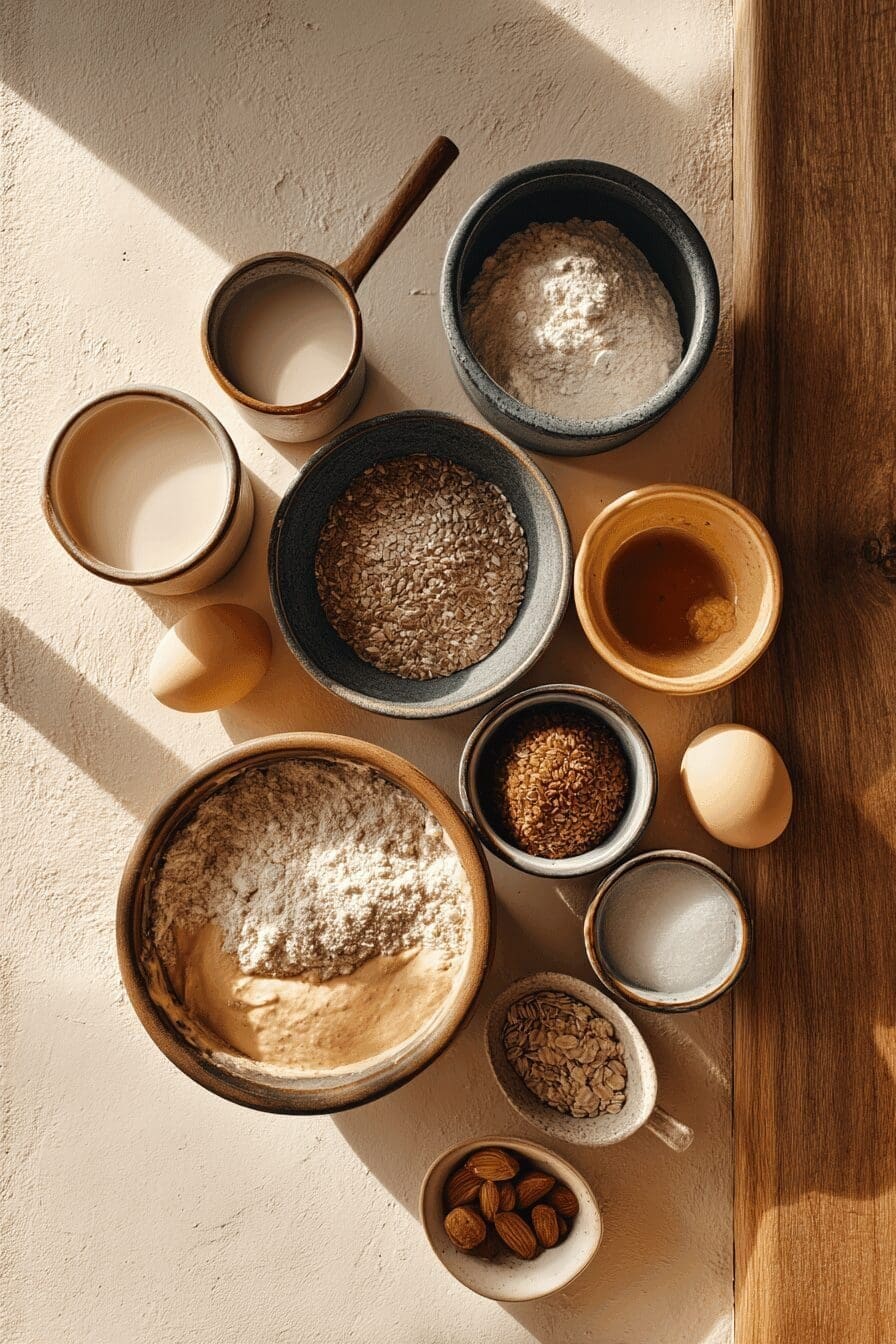
- 6 large eggs
- 1 cup (240 ml) milk
- 1 cup (120 g) all-purpose flour
- A dash of salt
- 1 teaspoon vanilla extract
- 4 to 5 tablespoons (about 60 to 70 g) butter
Optional substitutes include:
- Almond or soy milk for vegan or dairy-free options
- Flaxseed meal as an egg replacer for vegan diets
- Almond flour or gluten-free baking mixes for gluten intolerance
- Coconut oil or vegan margarine instead of butter for plant-based preferences
- Natural sweeteners such as honey or agave as sugar alternatives
Dietary Substitutions to Customize Your german pancakes
Dietary substitutions for german pancakes can easily accommodate various nutritional needs or ingredient constraints:
- Vegan adaptations: Replace dairy milk with oat, almond, or soy milk, and substitute eggs with flax eggs or commercial egg replacers.
- Gluten-free versions: Swap all-purpose flour with gluten-free baking flour blends or almond flour to maintain texture and taste.
- Low-calorie options: Reduce sugar amounts or replace with natural sweeteners like stevia or monk fruit. Use light oils instead of butter.
- Nut-free alternatives: Avoid almond milk, opting for rice or coconut milk instead.
These flexible substitutions ensure everyone can enjoy german pancakes without sacrificing flavor or dietary requirements.
How to Prepare the Perfect german pancakes: Step-by-Step Guide
- Preheat the oven: Set to 425°F (220°C) to achieve the signature puff and golden edges.
- Prepare baking dish: Grease a 9×13-inch metal or glass baking dish or a cast iron skillet with butter or oil, considering vegan options with plant-based spreads.
- Whisk eggs and sugar: In a bowl, mix eggs and sugar until light and frothy to incorporate air for fluffiness. Use flax eggs for vegan versions and adjust mixing time accordingly.
- Add liquids: Gradually stir in milk and vanilla extract, ensuring thorough blending. Non-dairy milk substitutes work well here.
- Combine dry ingredients: Sift flour and salt into the wet mixture, folding gently to avoid overmixing that can toughen the pancakes. Adjust flour ratios as needed for gluten-free flours.
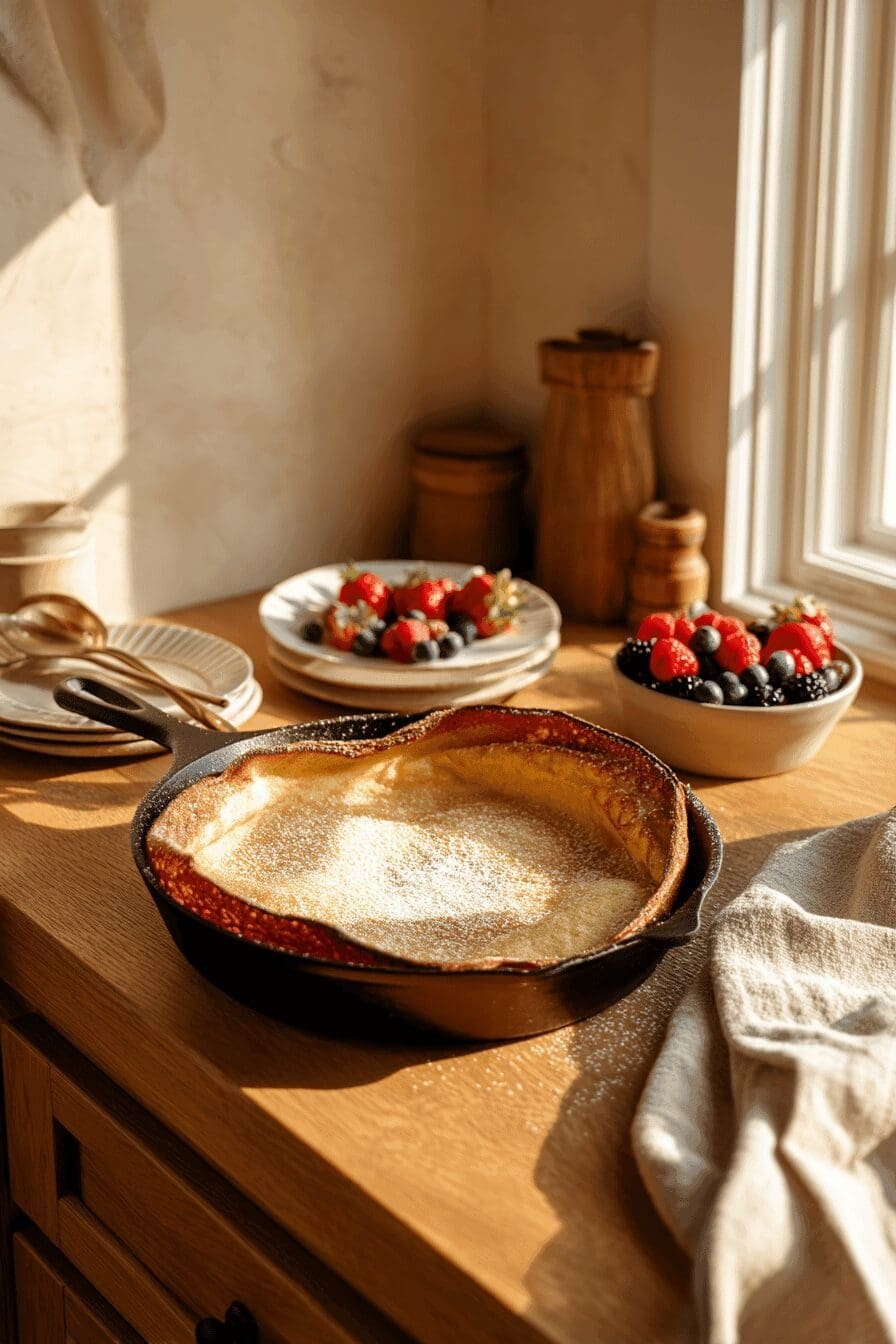
- Bake: Pour batter over the melted butter in the hot baking dish and place in the oven. Bake for about 20-25 minutes until the edges are puffed and golden. Check midway and adjust time for oven variations.
- Serve immediately: Remove and serve warm, as the pancake will deflate quickly. Top with powdered sugar, fresh fruits, syrup, or whipped cream for added flavor.
These steps ensure a fluffy, golden german pancake suitable for diverse tastes and dietary preferences.
Mastering german pancakes: Advanced Tips and Variations
To master german pancakes, begin by verifying that your oven temperature is accurate; too high can cause uneven puffing, while too low prevents proper rising. Use room-temperature eggs and milk for a smoother batter that bakes more evenly. Adding spices like cinnamon or nutmeg introduces subtle warmth, and zest from lemon or orange brightens the flavor.
For a sweeter, customized touch, fold in chocolate chips or top the finished pancake with caramelized fruits such as apples or pears. Those seeking extra nutrition can incorporate protein powder into the batter or swap white sugar for natural sweeteners like honey or maple syrup. To achieve crispier edges, prefer baking in a well-seasoned cast-iron skillet rather than a glass or metal dish. Additionally, rotating the pan halfway through baking promotes even browning and puffiness.
These tips help maintain the delicate texture and flavor profile that define german pancakes while allowing for creativity and dietary adaptations.
How to Store german pancakes: Best Practices
Proper storing keeps german pancakes fresh and flavorful for future servings. Once cooled, place pancakes in an airtight container and store them in the refrigerator, where they will stay good for up to three days.
If freezing, separate individual pancakes with parchment paper or wax paper to prevent clumping, then stack and seal them tightly in a freezer bag or container. German pancakes can be frozen for up to two months.
Reheating is best done in a conventional or toaster oven at 350°F (175°C) for 5 to 10 minutes, restoring crispness without sogginess. Microwaving is faster but often results in a softer texture. Using these storage and reheating methods ensures the pancakes maintain their characteristic puff and delightful taste.
Nutritional Value of german pancakes
| Nutrient | Approximate Amount per Serving |
|---|---|
| Calories | 300 kcal |
| Carbohydrates | 21 g |
| Protein | 10 g |
| Fat | 18 g |
| Saturated Fat | 9 g |
| Cholesterol | 231 mg |
| Sodium | 197 mg |
| Potassium | 164 mg |
| Sugar | 2 g |
This dish is a well-rounded breakfast option, providing moderate calories mostly from fats and carbohydrates. The eggs offer high-quality protein and essential vitamins like vitamin A (720 IU), calcium (92 mg), and iron (2.1 mg), supporting overall nutrition. The use of real butter and fresh eggs enhances flavor and nutrient density, while gluten-free flour alternatives can improve fiber intake and accommodate dietary preferences.
FAQs: Frequently Asked Questions About german pancakes
What ingredients do I need to make traditional German pancakes at home?
To make traditional German pancakes, also known as Dutch Baby pancakes, you will need eggs, all-purpose flour, milk, melted butter, a pinch of salt, and optionally sugar or vanilla extract for added flavor. These simple ingredients are whisked together to form a smooth batter that is baked in a hot oven-safe skillet or pan until puffed and golden.
Can I prepare German pancake batter ahead of time and how should I store it?
Yes, you can prepare the batter a day in advance. Store it in an airtight container in the refrigerator to keep it fresh. Before baking, give the batter a good whisk to recombine the ingredients and then pour it into your preheated pan. Using prepared batter saves time and still produces a light, fluffy pancake.
What pan works best for baking German pancakes if I don’t have a cast iron skillet?
While cast iron skillets are ideal for their heat retention and even cooking, you can also use an oven-safe metal skillet or a round metal cake pan without a non-stick coating. Avoid glass pans if you want the best puff and browning results, but they can be used if necessary. Always preheat and butter the pan before adding the batter.
How can I make gluten-free German pancakes?
To make gluten-free German pancakes, replace the all-purpose flour with a gluten-free flour blend using a cup-for-cup substitution. The baking time may be slightly longer, usually about 22 to 23 minutes, and the texture can be less fluffy but still tasty. Make sure your gluten-free blend includes a binding agent like xanthan gum for best results.
What are some popular toppings to serve with German pancakes?
Common toppings include powdered sugar, fresh berries such as strawberries and blueberries, maple syrup, fruit preserves, and a squeeze of lemon juice. For a richer option, Nutella, cinnamon sugar, or chocolate chips can be added. Choosing fresh, vibrant toppings complements the light, airy texture of German pancakes perfectly.

Classic German Pancakes Recipe: Simple Steps for Fluffy, Delicious Crepes
🇩🇪 Experience the delightful puff and lightness of traditional German pancakes, perfectly golden and crispy at the edges.
🥞 Impress your family with this easy, quick recipe that delivers a hearty breakfast or a satisfying dessert.
- Total Time: 30 minutes
- Yield: 4 servings 1x
Ingredients
6 large eggs
1 cup (240 ml) milk
1 cup (120 g) all-purpose flour
A dash of salt
1 teaspoon vanilla extract
4 to 5 tablespoons (60 to 70 g) butter
Instructions
1. Preheat the oven to 425°F (220°C). Place the butter in a 9×13-inch baking dish or skillet and let it melt in the oven.
2. In a mixing bowl, whisk together the eggs, milk, flour, salt, and vanilla until smooth.
3. Remove the hot dish with melted butter from the oven, and pour the batter over the butter.
4. Bake for 22 to 27 minutes, or until the edges are golden brown and puffed up.
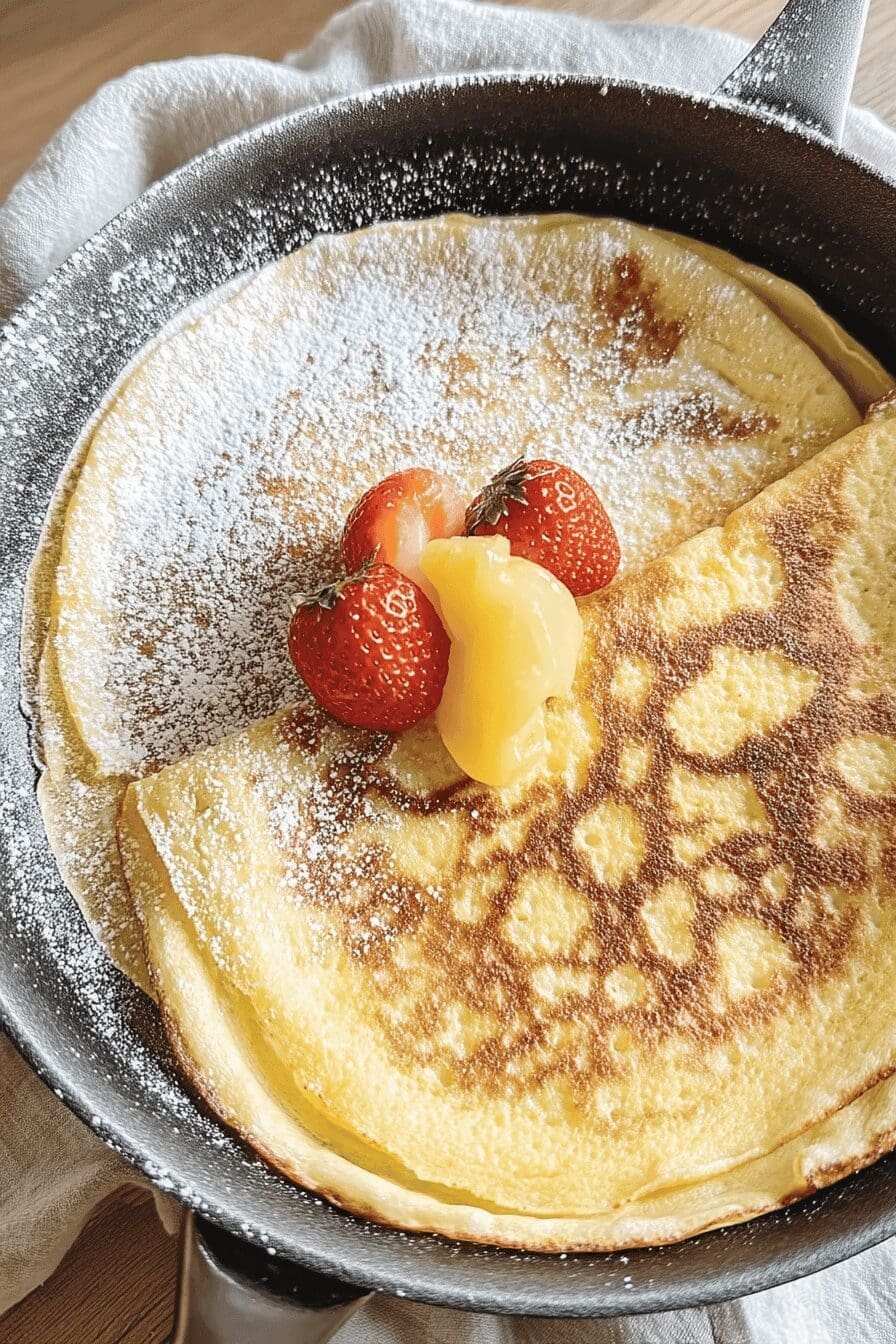
5. Serve warm, dusted with powdered sugar and your choice of toppings like lemon juice, butter, fruit, syrup, or whipped cream.
Last Step:
Please leave a rating and comment letting us know how you liked this recipe! This helps our business to thrive and continue providing free, high-quality recipes for you.Notes
🥚 For the best rise, use real butter and fresh eggs.
🧈 Avoid using the microwave to melt the butter; melt it in the oven for best results.
🕒 Prepare the batter a day in advance and refrigerate; whisk before baking for convenience.
- Prep Time: 5 minutes
- Cook Time: 22 to 27 minutes
- Category: Breakfast
- Method: Baking
- Cuisine: German
- Diet: Vegetarian
Nutrition
- Serving Size: 1 pancake
- Calories: 300
- Sugar: 2 g
- Sodium: 197 mg
- Fat: 18 g
- Saturated Fat: 9 g
- Trans Fat: 0 g
- Carbohydrates: 21 g
- Fiber: 0 g
- Protein: 10 g
- Cholesterol: 231 mg


