

Why You’ll Love This Galbi Jjim
- Ease of preparation: This Galbi Jjim recipe is designed for simplicity despite its rich flavors. With straightforward soaking, parboiling, and braising steps, it’s approachable even for cooks new to Korean cuisine. Using either a large pot or pressure cooker, you can have tender, flavorful short ribs ready in about 1.5 hours or less.
- Health benefits: Galbi Jjim offers a nutrient-packed meal with protein-rich beef short ribs and vitamin-rich vegetables like Korean radish and carrots. The slow cooking method helps preserve the vitamins and minerals, and using natural ingredients like garlic, ginger, and Asian pear provides antioxidants and supports digestion.
- Versatility: This traditional Korean braised beef dish is easily adaptable. You can customize it for vegan diets by swapping ribs for king oyster mushrooms or tofu. Gluten-free soy sauce alternatives like tamari keep it safe for gluten-sensitive diners, and sugar or honey amounts can be adjusted for lower-calorie needs without sacrificing depth.
- Distinctive flavor: Galbi Jjim stands out with its complex umami layers created by soy sauce, garlic, ginger, and Korean chili flakes combined with the mellow sweetness of Asian pear and honey. The addition of shiitake mushrooms and radish offers earthy and subtly sweet notes, making it a unique sweet-spicy Korean stew unlike any other.
Jump to:
- Why You’ll Love This Galbi Jjim
- Essential Ingredients for Galbi Jjim
- Main Ingredients:
- Special Dietary Options:
- How to Prepare the Perfect Galbi Jjim: Step-by-Step Guide
- First Step: Soak and Prepare Short Ribs
- Second Step: Parboil the Ribs
- Third Step: Prepare Braising Sauce
- Fourth Step: Assemble and Braise
- Fifth Step: Slow Cook to Tenderness
- Alternative Pressure Cooker Method
- Final Step: Garnish and Serve
- Dietary Substitutions to Customize Your Galbi Jjim
- Protein and Main Component Alternatives
- Vegetable, Sauce, and Seasoning Modifications
- Mastering Galbi Jjim: Advanced Tips and Variations
- How to Store Galbi Jjim: Best Practices
- FAQs: Frequently Asked Questions About Galbi Jjim
- What cut of beef is best for making galbi jjim?
- Should I soak or parboil the short ribs before cooking galbi jjim?
- How can I make my galbi jjim sauce spicy?
- What vegetables are commonly included in galbi jjim?
- How long should I cook galbi jjim for tender meat?
- Galbi Jjim
- Ingredients
- Instructions
- Last Step:
- Notes
- Nutrition
- Did you make this recipe?
Essential Ingredients for Galbi Jjim
Main Ingredients:
- 3.5 to 4 pounds (1.6 to 1.8 kg) bone-in English cut beef short ribs – The centerpiece protein that delivers tender, flavorful meat after slow braising.
- 8 ounces (225 g) Korean radish (mu), cut into large chunks – Adds natural sweetness and balances savory flavors.
- 1 medium carrot, cut into large chunks – Enhances color and provides mild sweetness.
- 3 to 4 dried shiitake mushrooms, soaked briefly and quartered – Imparts deep umami flavor; soaking water reserved for broth enhances richness.
- 1/2 medium Korean or Asian pear – Pureed to tenderize meat and add natural sweetness.
- 1/2 medium onion – Grated or pureed to contribute aroma and sweetness.
- 8 garlic cloves – Freshly minced to infuse savory depth.
- 1 inch (2.5 cm) piece of ginger – Provides warmth and digestive benefits.
- 1/2 cup (120 ml) soy sauce – Adds essential umami and saltiness.
- 4 tablespoons (60 ml) rice wine, mirin, or dry white wine – Contributes subtle acidity and complexity.
- 3 to 4 tablespoons gochugaru (Korean red chili flakes) – Provides characteristic mild heat and depth.
- 2 tablespoons gochujang (Korean chili pepper paste) – Adds spicy sweetness and thickness to the sauce.
- 2 tablespoons sugar – Balances savory and spicy elements.
- 2 tablespoons honey – Natural sweetness enhancing complexity.
- Pepper to taste – For seasoning adjustment.
Special Dietary Options:
- Vegan: Substitute beef short ribs with king oyster mushrooms or firm tofu to maintain texture and umami flavor.
- Gluten-free: Use tamari instead of regular soy sauce and ensure all seasoning powders and sauces are certified gluten-free.
- Low-calorie: Opt for leaner cuts, reduce sugar and honey, or substitute with low-calorie sweeteners; consider adding more vegetables like kabocha squash or rice cakes for volume.
How to Prepare the Perfect Galbi Jjim: Step-by-Step Guide
First Step: Soak and Prepare Short Ribs
Trim thick fat layers from the bone-in English cut beef short ribs, keeping thin skin intact for moisture retention. Soak ribs in cold water with 2 tablespoons sugar for 30 minutes to 2 hours or optionally overnight. This step removes blood and impurities, resulting in a cleaner-tasting broth.
Second Step: Parboil the Ribs
Place soaked ribs in room temperature water and bring to a boil. Parboil for 4 to 5 minutes, skimming off foam and excess fat that rises to the top. Remove ribs and rinse well under cold running water to clean thoroughly.
Third Step: Prepare Braising Sauce
Blend or grate half a Korean pear, half an onion, 8 garlic cloves, and a 1-inch piece of ginger into a smooth puree. In a large bowl, mix this puree with ½ cup soy sauce, 4 tablespoons rice wine (or mirin or dry white wine), 3-4 tablespoons gochugaru, 2 tablespoons gochujang, 2 tablespoons sugar, 2 tablespoons honey, and pepper to taste. Optional additions include plum syrup or dashida powder for extra depth.
Fourth Step: Assemble and Braise
In a large pot or pressure cooker, add the cleaned ribs and pour over the braising sauce. Add about 3 to 5 cups of the reserved broth from soaking and parboiling to cover about 80% of the ribs. Introduce vegetables like Korean radish chunks, carrot pieces, dried shiitake mushrooms with reserved soaking water, and optional potatoes or rice cakes. Bring to a gentle simmer and cover.
Fifth Step: Slow Cook to Tenderness
Cook on medium-low heat for about 1 hour, stirring gently occasionally and skimming fat. Then, add onions, sliced scallion greens, and optional red chili slices. Increase heat to medium-high, uncover, and simmer for 10 to 15 minutes to reduce and slightly thicken the sauce.
Alternative Pressure Cooker Method
Combine ribs, vegetables, and sauce in the pressure cooker. Cook on the “Meat” setting for 35 to 40 minutes, then allow a natural pressure release over 10 to 15 minutes. This method accelerates tenderness and enhances flavor absorption.
Final Step: Garnish and Serve
Stir in about 1 tablespoon sesame oil and roughly chopped scallions. Garnish with finely sliced scallions and toasted sesame seeds if desired. Serve hot alongside steamed rice and kimchi for a traditional experience. Optionally, chill the sauce briefly to solidify and remove excess fat before reheating.
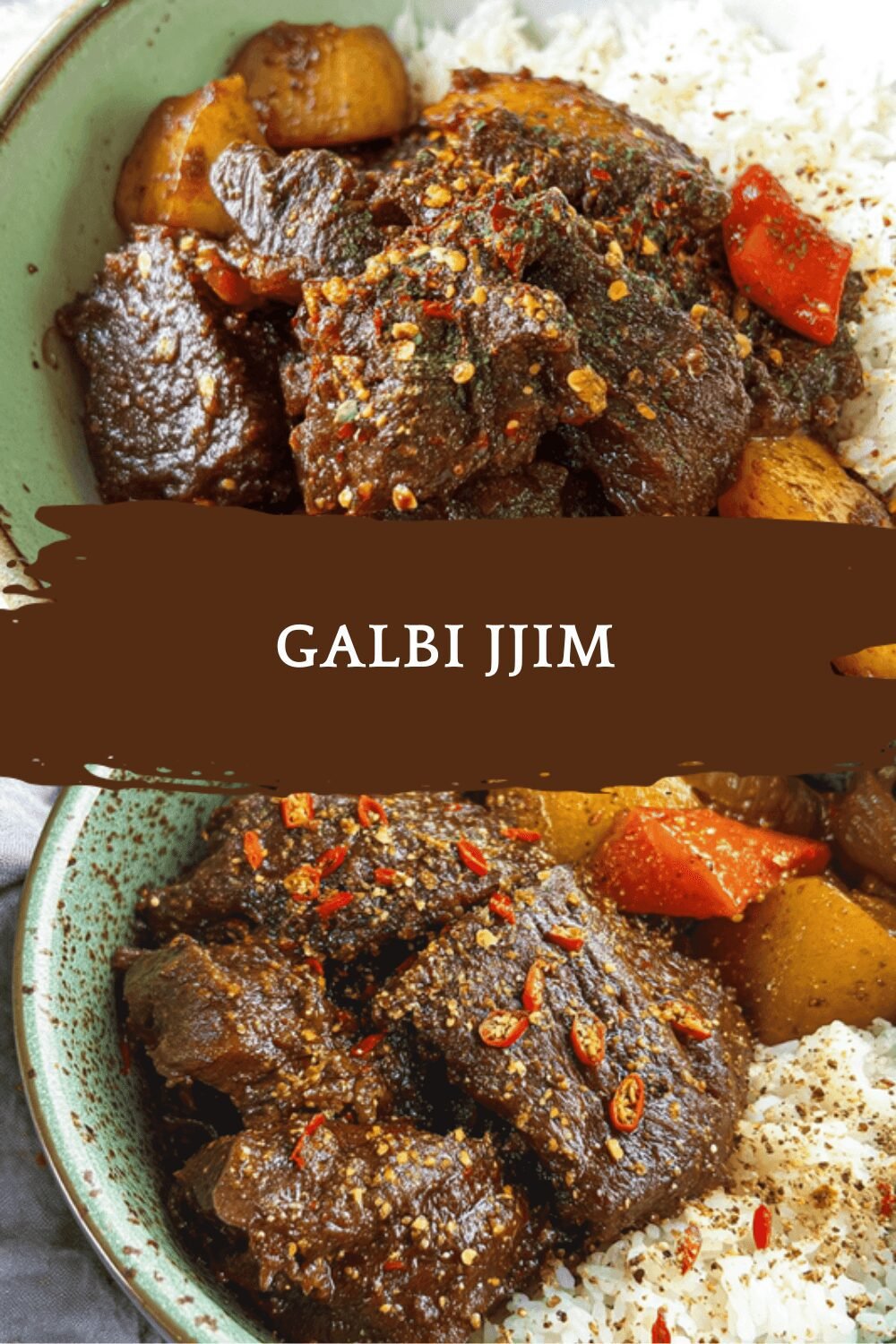
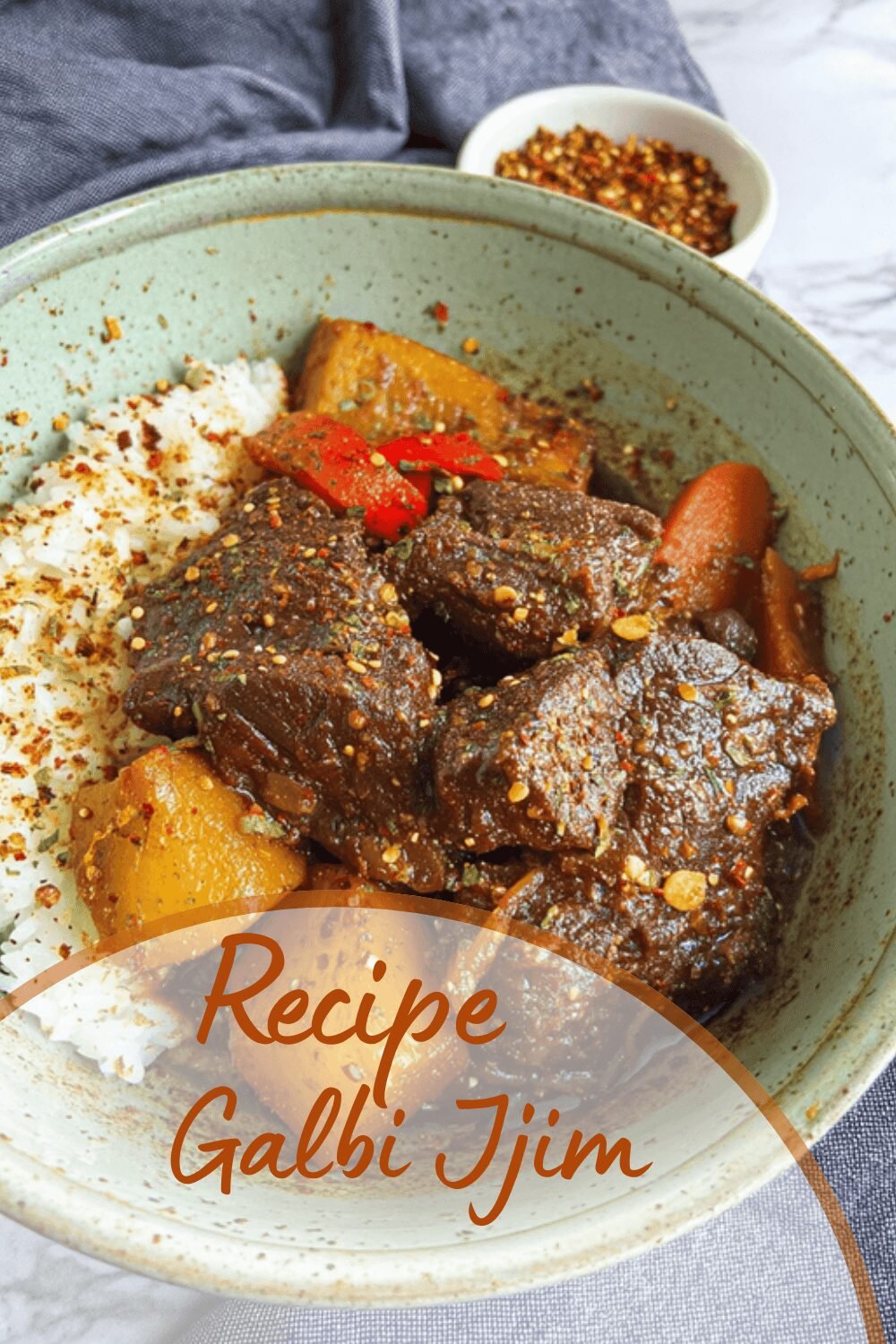
Galbi Jjim’s combination of tender meat, hearty vegetables, and a robust sweet-spicy sauce creates a signature Korean dish that delights both weeknight cooks and special occasion chefs.
Dietary Substitutions to Customize Your Galbi Jjim
Protein and Main Component Alternatives
- For vegan or vegetarian diets, replace beef short ribs with firm king oyster mushrooms or dense tofu. Adjust soak and simmer time to roughly 45 minutes for even tenderness.
- Chicken thighs or pork ribs can serve as alternative proteins, offering variations in texture and taste while following similar braising steps.
Vegetable, Sauce, and Seasoning Modifications
- Substitute Korean radish with carrots or daikon radish based on availability or preference, preserving sweetness and texture.
- Switch soy sauce with gluten-free tamari for dietary restrictions.
- Adjust sweetness by swapping sugar and honey for agave syrup or maple syrup to vary flavor nuances.
- Incorporate additional ingredients like kabocha squash, rice cakes, or shishito peppers to add texture and starchiness.
Mastering Galbi Jjim: Advanced Tips and Variations
- Pro cooking techniques: Marinate short ribs overnight in the braising sauce for deeper flavor infusion. Use a pressure cooker to save time while retaining tenderness.
- Flavor variations: Add dried shiitake mushrooms for earthier tones, or incorporate gochujang for a spicy depth. Try a splash of citrus zest for brightness.
- Presentation tips: Serve in traditional Korean-style stone pots or rustic bowls. Garnish with toasted sesame seeds and freshly chopped green onions or cilantro for color and aroma.
- Make-ahead options: Prepare the dish a day ahead to allow flavors to meld. Store in the refrigerator overnight, then gently reheat to preserve the texture and richness.
How to Store Galbi Jjim: Best Practices
| Storage Method | Guidelines |
|---|---|
| Refrigeration | Place galbi jjim in airtight containers and store in the refrigerator for up to 3 days. This helps maintain moisture and flavor while preventing odors from absorption. |
| Freezing | Freeze portions in heavy-duty, freezer-safe containers. Label with date and consume within 2 months for best quality. Thaw overnight in the refrigerator before reheating. |
| Reheating | Reheat gently on low heat to preserve the tenderness of the meat and avoid drying out. Stir occasionally to distribute heat evenly. |
| Meal prep considerations | Divide galbi jjim into single servings before refrigeration or freezing to make reheating easy and to reduce waste during meal prep. |
FAQs: Frequently Asked Questions About Galbi Jjim
What cut of beef is best for making galbi jjim?
For the best galbi jjim, choose bone-in beef short ribs with a good balance of meat and fat. Bone-in ribs add richer flavor because the marrow seeps into the sauce during cooking. Look for meaty ribs with minimal excess fat to avoid greasiness. Prime grade is ideal but not necessary. Boneless ribs can be used if needed, though the texture and taste may differ slightly.
Should I soak or parboil the short ribs before cooking galbi jjim?
Soaking the ribs in cold water for 30 minutes up to a few hours helps remove blood and impurities, reducing any gamey taste. Some recipes call for parboiling briefly to further remove fat and scum, but this step is optional. Soaking is generally sufficient for a cleaner flavor without losing beefy richness.
How can I make my galbi jjim sauce spicy?
Add Korean chili pepper flakes (gochugaru) and chili paste (gochujang) to the braising sauce for authentic heat. You can adjust spiciness by increasing these ingredients or adding dried or fresh chili peppers. Start with small amounts and taste before adding more to avoid overpowering the dish.
What vegetables are commonly included in galbi jjim?
Traditional galbi jjim usually includes Korean radish, carrots, potatoes, green onions, and shiitake mushrooms. Dried shiitake mushrooms provide a deep umami flavor, but fresh can substitute if needed. Optional additions like rice cakes, jujubes, or chestnuts can add texture and sweetness.
How long should I cook galbi jjim for tender meat?
Galbi jjim typically braises for about 2 to 2.5 hours on the stove until the meat is tender and easily pulls from the bone. When using a pressure cooker or Instant Pot, it takes roughly 35 to 40 minutes under high pressure. Allowing natural pressure release or resting after cooking helps the meat stay juicy and tender.
Galbi Jjim
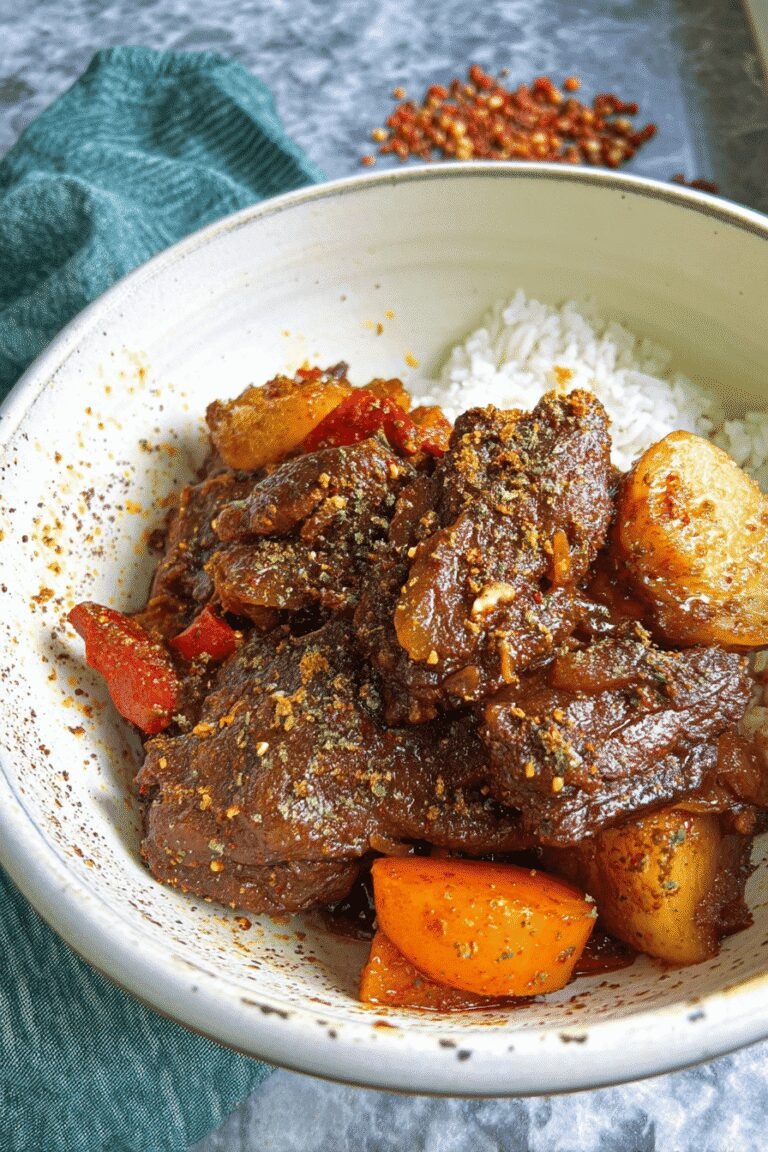
🥩 Savor the tenderness of Galbi Jjim, a Korean classic with sweet and spicy flavors that delight the palate.
🌶️ Enjoy a fulfilling meal rich in protein and vegetables, offering a comforting experience with every bite.
- Total Time: 2 to 12 hours
- Yield: 6 servings
Ingredients
– 3.5 to 4 pounds bone-in English cut beef short ribs
– 8 ounces Korean radish, cut into large chunks
– 1 medium carrot, cut into large chunks
– 3 to 4 dried shiitake mushrooms, soaked briefly and quartered
– 1/2 medium Korean or Asian pear
– 1/2 medium onion
– 8 garlic cloves
– 1 inch piece of ginger
– 1/2 cup soy sauce
– 4 tablespoons rice wine, mirin, or dry white wine
– 3 to 4 tablespoons gochugaru
– 2 tablespoons gochujang
– 2 tablespoons sugar
– 2 tablespoons honey
– Pepper to taste
Instructions
First Step: Soak and Prepare Short Ribs Trim thick fat layers from the bone-in English cut beef short ribs, keeping thin skin intact for moisture retention. Soak ribs in cold water with 2 tablespoons sugar for 30 minutes to 2 hours or optionally overnight. This step removes blood and impurities, resulting in a cleaner-tasting broth.
Second Step: Parboil the Ribs Place soaked ribs in room temperature water and bring to a boil. Parboil for 4 to 5 minutes, skimming off foam and excess fat that rises to the top. Remove ribs and rinse well under cold running water to clean thoroughly.
Third Step: Prepare Braising Sauce Blend or grate half a Korean pear, half an onion, 8 garlic cloves, and a 1-inch piece of ginger into a smooth puree. In a large bowl, mix this puree with ½ cup soy sauce, 4 tablespoons rice wine (or mirin or dry white wine), 3-4 tablespoons gochugaru, 2 tablespoons gochujang, 2 tablespoons sugar, 2 tablespoons honey, and pepper to taste. Optional additions include plum syrup or dashida powder for extra depth.
Fourth Step: Assemble and Braise In a large pot or pressure cooker, add the cleaned ribs and pour over the braising sauce. Add about 3 to 5 cups of the reserved broth from soaking and parboiling to cover about 80% of the ribs. Introduce vegetables like Korean radish chunks, carrot pieces, dried shiitake mushrooms with reserved soaking water, and optional potatoes or rice cakes. Bring to a gentle simmer and cover.
Fifth Step: Slow Cook to Tenderness Cook on medium-low heat for about 1 hour, stirring gently occasionally and skimming fat. Then, add onions, sliced scallion greens, and optional red chili slices. Increase heat to medium-high, uncover, and simmer for 10 to 15 minutes to reduce and slightly thicken the sauce.
Alternative Pressure Cooker Method: Combine ribs, vegetables, and sauce in the pressure cooker. Cook on the “Meat” setting for 35 to 40 minutes, then allow a natural pressure release over 10 to 15 minutes. This method accelerates tenderness and enhances flavor absorption.
Final Step: Garnish and Serve Stir in about 1 tablespoon sesame oil and roughly chopped scallions. Garnish with finely sliced scallions and toasted sesame seeds if desired. Serve hot alongside steamed rice and kimchi for a traditional experience. Optionally, chill the sauce briefly to solidify and remove excess fat before reheating.
Last Step:
Please leave a rating and comment letting us know how you liked this recipe! This helps our business to thrive and continue providing free, high-quality recipes for you.Notes
🥢 Use bone-in short ribs for deeper flavor and prime grade for better marbling and tenderness.
💧 Soaking, parboiling, and rinsing steps are essential to achieve a clean, rich broth without gamey or off flavors.
🍄 Retain and use shiitake soaking water for enhanced umami in the braising liquid.
- Prep Time: 30 minutes
- Soaking and Marinating Time: 30 minutes to overnight
- Cook Time: 1.5 hours
- Category: Main Course
- Method: Braising
- Cuisine: Korean
- Diet: Gluten-Free
Nutrition
- Serving Size: 1 portion
- Calories: 480 kcal
- Sugar: 8 g
- Sodium: 800 mg
- Fat: 25 g
- Saturated Fat: 10 g
- Unsaturated Fat: 15 g
- Trans Fat: 0 g
- Carbohydrates: 25 g
- Fiber: 4 g
- Protein: 35 g
- Cholesterol: 100 mg






This was a hit at our family gathering last weekend! I added a little extra garlic and it gave the dish a nice kick. My grandmother even said it reminded her of her days back in Seoul. 😊 Thanks for sharing such a delicious recipe!