

Benefits and Advantages of French Toast
French toast is a beloved breakfast favorite due to its simplicity and satisfying taste. One key advantage is how effortlessly it comes together, requiring just a handful of common ingredients and minimal cooking skills. This ease makes it a go-to for busy mornings and makes the dish accessible to cooks of all levels.
Additionally, french toast offers ample versatility, easily adapted to various dietary requirements. Using whole grain or gluten-free bread plus plant-based or low-fat milk alternatives helps tailor it for health-conscious or restricted diets. Customized toppings such as fresh fruit, nuts, or sugar-free syrup can boost nutritional value while enhancing flavor.
The balance of straightforward preparation, nutritional adaptability, and comforting richness make french toast a practical and enjoyable option for quick breakfasts or leisurely weekend brunches.
Jump to:
- Benefits and Advantages of French Toast
- Essential Ingredients for French Toast
- Dietary Substitutions to Customize Your French Toast
- Vegan Options
- Gluten-Free Adaptations
- Lower-Calorie Versions
- Other Modifications
- How to Prepare the Perfect French Toast: Step-by-Step Guide
- Mastering French Toast: Advanced Tips and Variations
- How to Store French Toast: Best Practices
- Nutritional Value of French Toast
- FAQs: Frequently Asked Questions About French Toast
- What type of bread makes the best French toast?
- How do I make classic French toast from scratch?
- Can I prepare French toast ahead and store leftovers safely?
- What are some simple toppings or variations to try on French toast?
- How can I prevent French toast from becoming soggy or greasy?
- french toast
- Ingredients
- Instructions
- Last Step:
- Notes
- Nutrition
- Did you make this recipe?
Essential Ingredients for French Toast
Creating classic french toast requires a few core ingredients:
- 4 large eggs – The base for the custard, providing protein and structure.
- 2/3 cup (160 ml) milk – Dairy or any plant-based alternative to add moisture and richness.
- 1 teaspoon vanilla extract – For aromatic sweetness and depth of flavor.
- 1 teaspoon ground cinnamon – Adds warm, spicy notes characteristic of french toast.
- A pinch of sea salt – Balances the sweetness and enhances taste.
- 8 thick slices of bread – Preferably slightly stale. Brioche, challah, ciabatta, sourdough, French bread, or good sandwich bread are ideal choices.
- Butter or oil – For cooking and adding richness.
- Optional toppings – Maple syrup, powdered sugar, fresh fruit, or nut toppings for serving.
This combination achieves a classic flavor and fluffy texture, adaptable for dietary needs with simple substitutions.
Dietary Substitutions to Customize Your French Toast
French toast can easily be modified for various dietary concerns without losing its essence.
Vegan Options
Replace eggs with a flaxseed or chia seed “egg” (1 tablespoon ground seeds + 3 tablespoons water per egg). Swap cow’s milk for oat, almond, soy, or other plant-based milks.
Gluten-Free Adaptations
Use gluten-free bread varieties, such as those made from rice or almond flour, to accommodate gluten sensitivity or celiac disease.
Lower-Calorie Versions
Choose sugar substitutes like stevia or erythritol instead of traditional sugar. Use low-fat or plant-based milk to reduce fat content.
Other Modifications
Butter can be exchanged for coconut oil or cooking spray for different flavor profiles or dietary allowances. Fresh fruit toppings or sugar-free syrups add natural sweetness and nutrients without excessive calories.
These substitutions make french toast accessible and enjoyable for a wide range of dietary preferences and needs.
How to Prepare the Perfect French Toast: Step-by-Step Guide
- Gather Ingredients: Bread, eggs (or egg substitute), milk (or plant-based milk), cinnamon, vanilla extract, sugar or sweetener, and salt.
- Prepare Custard Mix: In a shallow dish, whisk together eggs, milk, cinnamon, vanilla extract, and a pinch of salt until smooth. For vegan versions, whisk flaxseed or chia seed mixture with plant milk and spices.
- Heat Cooking Surface: Warm a non-stick skillet or griddle over medium heat. Lightly grease with butter, oil, or vegan substitute.
- Soak Bread: Dip each slice fully into the custard mixture, allowing it to soak briefly but not become soggy. Ensure both sides are coated.
- Cook: Place the soaked bread on the heated skillet. Cook for 2 to 3 minutes per side or until golden brown and cooked through. Adjust heat to medium-low if needed to prevent burning.
- Serve: Serve immediately with your choice of toppings such as maple syrup, powdered sugar, fresh berries, or nuts. Consider dietary preferences when choosing toppings.
Following these steps guarantees fluffy, flavorful french toast adaptable to any dietary needs.
For additional tips and insights, see How to Make Classic French Toast.
Enhance your breakfast with sides like crispy hash browns or German pancakes for a fulfilling morning meal.
Mastering French Toast: Advanced Tips and Variations
Refine your French toast by extending the soak time of the bread in the egg mixture for a more custardy texture. Incorporating additional spices such as nutmeg or cardamom adds wonderful depth to the flavor profile. Choose rich breads like brioche or challah to enhance softness and richness naturally, while rustic breads like ciabatta or sourdough provide a hearty bite.
For savory variations, consider adding herbs like thyme or rosemary to the batter, or stuffing the toast with cream cheese and fresh berries for extra indulgence. Vegan adaptations can use plant-based milks and egg substitutes, and gluten-free breads make the recipe accessible to those with sensitivities.
Advanced techniques and creative twists let you personalize French toast beyond the classic, supporting various diets and flavor preferences.
How to Store French Toast: Best Practices
To keep French toast fresh, allow it to cool completely before storing in an airtight container. Refrigerate for up to three days, layering slices with parchment paper to prevent sticking. For longer storage, freeze by individually wrapping slices in plastic wrap and foil to protect against freezer burn, lasting up to three months.
Reheat refrigerated French toast in a toaster oven or on a skillet to revive crispness. Frozen slices can be reheated directly in a toaster or conventional oven without thawing, preserving texture better than microwaving.
Nutritional Value of French Toast
French toast provides a balanced blend of macronutrients, delivering energy and essential vitamins. A typical serving contains approximately:
| Nutrient | Amount per Serving | Role in Nutrition |
|---|---|---|
| Calories | 250-350 kcal | Energy supply, varies by bread type and toppings |
| Protein | 8-12 g | Muscle repair and growth from eggs |
| Fat | 8-15 g | Calories and flavor; platforms for fat-soluble vitamins |
| Carbohydrates | 30-40 g | Mainly from bread; primary energy source |
| Vitamins & Minerals | B-complex, Calcium, Iron | Support metabolism, bone strength, and oxygen transport |
Customize nutritional content by selecting whole grain breads and mindful toppings. Learn more about French toast nutrition at Nutritional Facts of French Toast.
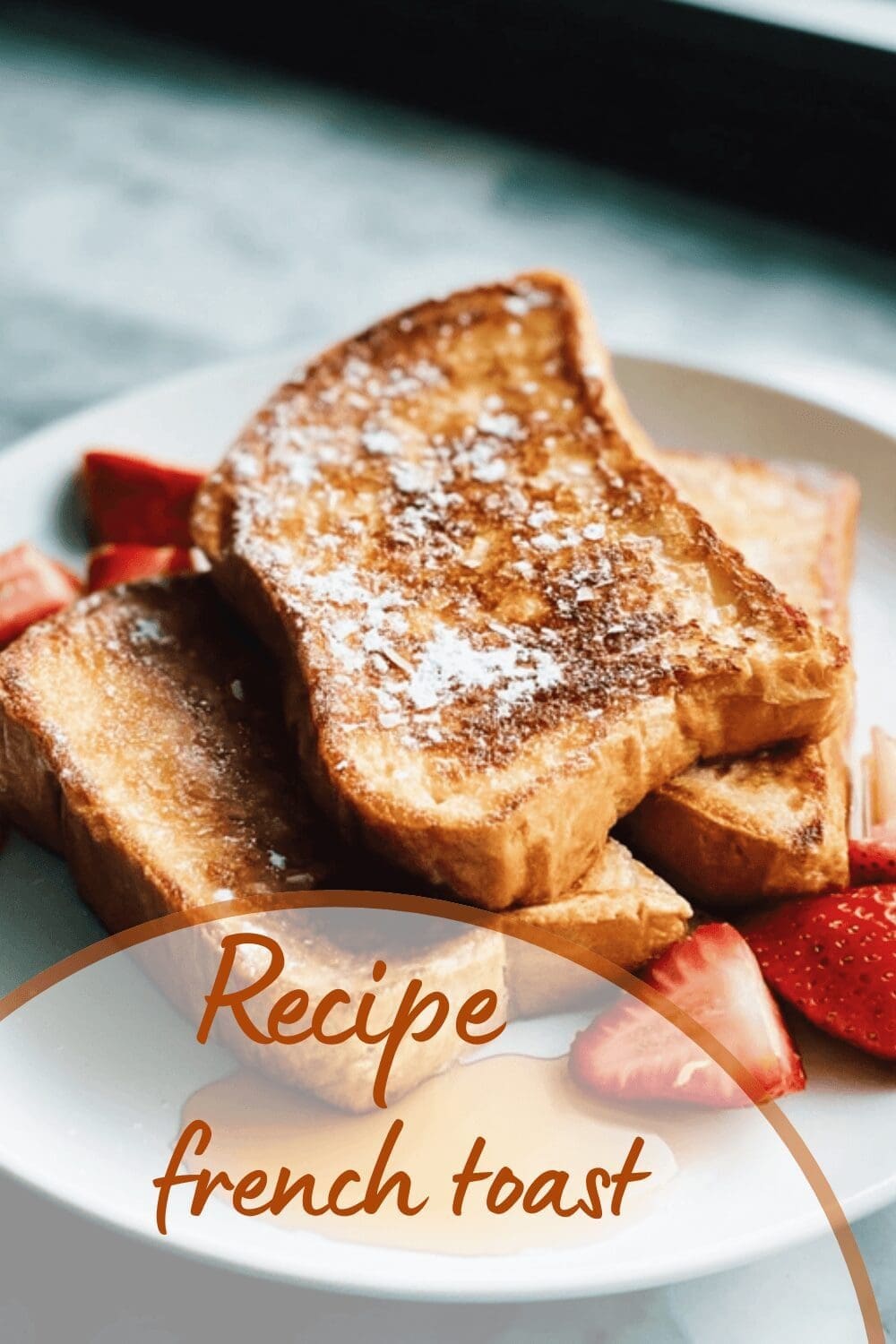
FAQs: Frequently Asked Questions About French Toast
What type of bread makes the best French toast?
The best bread for French toast is thick-sliced and slightly stale, which helps soak up the egg mixture without falling apart. Brioche and challah are top choices due to their soft texture and rich flavor. Other good options include ciabatta, sourdough, and sturdy sandwich bread. Avoid very thin or fresh bread slices, as they tend to become soggy and break easily during cooking.
How do I make classic French toast from scratch?
To make classic French toast, whisk together eggs, milk, vanilla extract, cinnamon, and a pinch of salt in a shallow bowl. Dip each bread slice in the mixture, coating both sides well. Heat a nonstick skillet or griddle over medium heat and add butter. Cook the soaked bread slices for 2 to 3 minutes per side until golden brown. Serve immediately with maple syrup or fresh fruit.
Can I prepare French toast ahead and store leftovers safely?
Yes, leftover French toast should cool to room temperature before storing. Place it in an airtight container or sealed bag and refrigerate for up to three days. For longer storage, freeze portions for up to three months. Reheat refrigerated slices in a toaster or microwave, and thaw frozen slices briefly in the microwave before reheating.
What are some simple toppings or variations to try on French toast?
Popular toppings include maple syrup, fresh berries, powdered sugar, and whipped cream. For a savory twist, try cream cheese and smoked salmon or avocado and herbs. You can also add flavors like nutmeg or orange zest to the egg mixture. Offering a variety of toppings lets you tailor French toast to suit both sweet and savory tastes.
How can I prevent French toast from becoming soggy or greasy?
To avoid sogginess, use bread that is slightly dry or stale, and do not soak slices for too long in the egg mixture. Cook French toast over medium heat to allow the inside to cook without burning the outside. Using a nonstick pan with a small amount of butter or oil prevents greasiness. Flip carefully and cook until each side is crisp and golden.

french toast
🍞 Enjoy a delicious morning treat that’s fluffy, easy to make, and perfect for breakfast indulgence!
🍞 With its rich, custard-soaked bread and crispy exterior, French toast will elevate your morning meal to a whole new level.
- Total Time: 20 minutes
- Yield: 4 servings 1x
Ingredients
4 large eggs
2/3 cup milk (any type including dairy-free options)
1 teaspoon vanilla extract
1 teaspoon ground cinnamon
A pinch of sea salt
8 thick slices of bread, preferably slightly stale
Butter or oil for cooking
Maple syrup, powdered sugar, or fresh fruit for serving
Instructions
1. In a shallow dish, whisk together the eggs, milk, vanilla extract, ground cinnamon, and a pinch of sea salt until well combined.
2. Heat a nonstick skillet or griddle over medium heat and lightly brush with butter or oil.
3. Dip each bread slice into the egg mixture, fully coating both sides.
4. Place the coated slices in the skillet and cook for about 2 minutes per side, or until golden brown. Adjust the heat to medium-low if the bread is browning too quickly.
5. Cook in batches if necessary, adding more butter or oil between batches to prevent sticking.
6. Serve warm topped with maple syrup and optional fresh fruit or powdered sugar.
Last Step:
Please leave a rating and comment letting us know how you liked this recipe! This helps our business to thrive and continue providing free, high-quality recipes for you.Notes
🍳 Use thick, slightly stale bread for better absorption and avoid sogginess.
🧈 Add 1/4 cup flour and sugar for extra fluffy French toast.
🔥 Keep cooked French toast warm in a 200°F oven tented with foil while finishing batches.
- Prep Time: 10 minutes
- Cook Time: 10 minutes
- Category: Breakfast
- Method: Frying
- Cuisine: American
- Diet: Vegetarian
Nutrition
- Serving Size: 2 slices
- Calories: 167
- Sugar: 5 grams (without toppings)
- Sodium: 237 mg
- Fat: 4 grams
- Saturated Fat: 1 gram
- Unsaturated Fat: 3 grams
- Trans Fat: 0 grams
- Carbohydrates: 26 grams
- Fiber: 1 gram
- Protein: 7 grams
- Cholesterol: 93 mg