

Why You’ll Love This Freekeh Pilaf
Discover the charm of freekeh pilaf, a dish that brings fresh flavors to your table with its simple preparation. This freekeh pilaf recipe combines nutty grains with aromatic spices and herbs for a meal packed with taste. With health benefits like high fiber and protein, it’s perfect for busy parents, students, and food enthusiasts looking for a nutritious option.
One of the best things about this recipe is how easy it is to make in under 45 minutes, fitting seamlessly into daily routines. It’s versatile for gatherings, like potlucks or picnics, which aligns with the blog’s focus on community and shared meals. The distinctive smoky notes from freekeh make it stand out, offering a satisfying alternative to regular grains.
- Ease of preparation: This freekeh pilaf recipe is quick and simple, requiring minimal ingredients and straightforward steps to get a nutritious meal on your table in under 30 minutes.
- Health benefits: Rich in fiber, protein, and essential minerals, freekeh supports digestion and helps maintain steady energy levels, making it a wholesome addition to your diet.
- Versatility: Adaptable to various dietary preferences, this pilaf can easily be modified for vegan, gluten-free, or low-calorie diets, ensuring it suits many lifestyles.
- Distinctive flavor: The nutty and smoky notes of freekeh set this pilaf apart from ordinary grains, delivering a unique taste experience that enhances any meal.
For more ideas on grain-based dishes, check out our chicken and vegetable pilaf recipe for a flavorful twist.
Jump to:
- Why You’ll Love This Freekeh Pilaf
- Essential Ingredients for Freekeh Pilaf
- Main Ingredients
- Special Dietary Options
- How to Prepare the Perfect Freekeh Pilaf: Step-by-Step Guide
- Dietary Substitutions to Customize Your Freekeh Pilaf
- Mastering Freekeh Pilaf: Advanced Tips and Variations
- Pro Cooking Techniques
- Flavor Variations
- Presentation Tips
- Make-Ahead Options
- How to Store Freekeh Pilaf: Best Practices
- FAQs: Frequently Asked Questions About Freekeh Pilaf
- What is Freekeh pilaf and how is it different from regular rice pilaf?
- How do you cook freekeh for pilaf to get the best texture?
- Can freekeh pilaf be made ahead and reheated?
- Is freekeh pilaf healthy and what are its nutritional benefits?
- What are some popular add-ins or spices to use in freekeh pilaf?
- Freekeh Pilaf
- Ingredients
- Instructions
- Last Step:
- Notes
- Nutrition
- Did you make this recipe?
Essential Ingredients for Freekeh Pilaf
Gathering the right ingredients makes this freekeh pilaf come alive with bold tastes and textures. Focus on fresh, quality items to bring out the dish’s nutty flavors and health benefits. This section lists everything you need, based on a reliable recipe that uses spices and herbs for depth.
Main Ingredients
- 2 medium onions, thinly sliced
- 25g butter
- 1 tablespoon olive oil, plus extra for finishing
- 150g freekeh or bulgur wheat
- 1/4 teaspoon ground cinnamon
- 1/4 teaspoon ground allspice
- 270ml good-quality reduced vegetable stock
- 100g Greek yoghurt
- 1 1/2 teaspoons lemon juice
- 1/2 garlic clove, crushed
- 10g parsley, finely chopped, plus extra for garnish
- 10g mint, finely chopped
- 10g coriander, finely chopped
- 2 tablespoons pine nuts, toasted and roughly broken
- salt and black pepper to taste
Special Dietary Options
Adjustments for different needs keep this recipe flexible. For vegan versions, swap butter for a plant-based alternative and ensure all components align with dietary rules.
| Option | Substitution | Benefit |
|---|---|---|
| Vegan | Use plant-based butter and vegetable stock only | Keeps the dish animal-free while retaining flavor |
| Gluten-free | Opt for certified gluten-free freekeh | Ensures safety for those with gluten sensitivities |
| Low-calorie | Reduce oil and add more herbs for volume | Maintains taste with fewer calories |
How to Prepare the Perfect Freekeh Pilaf: Step-by-Step Guide
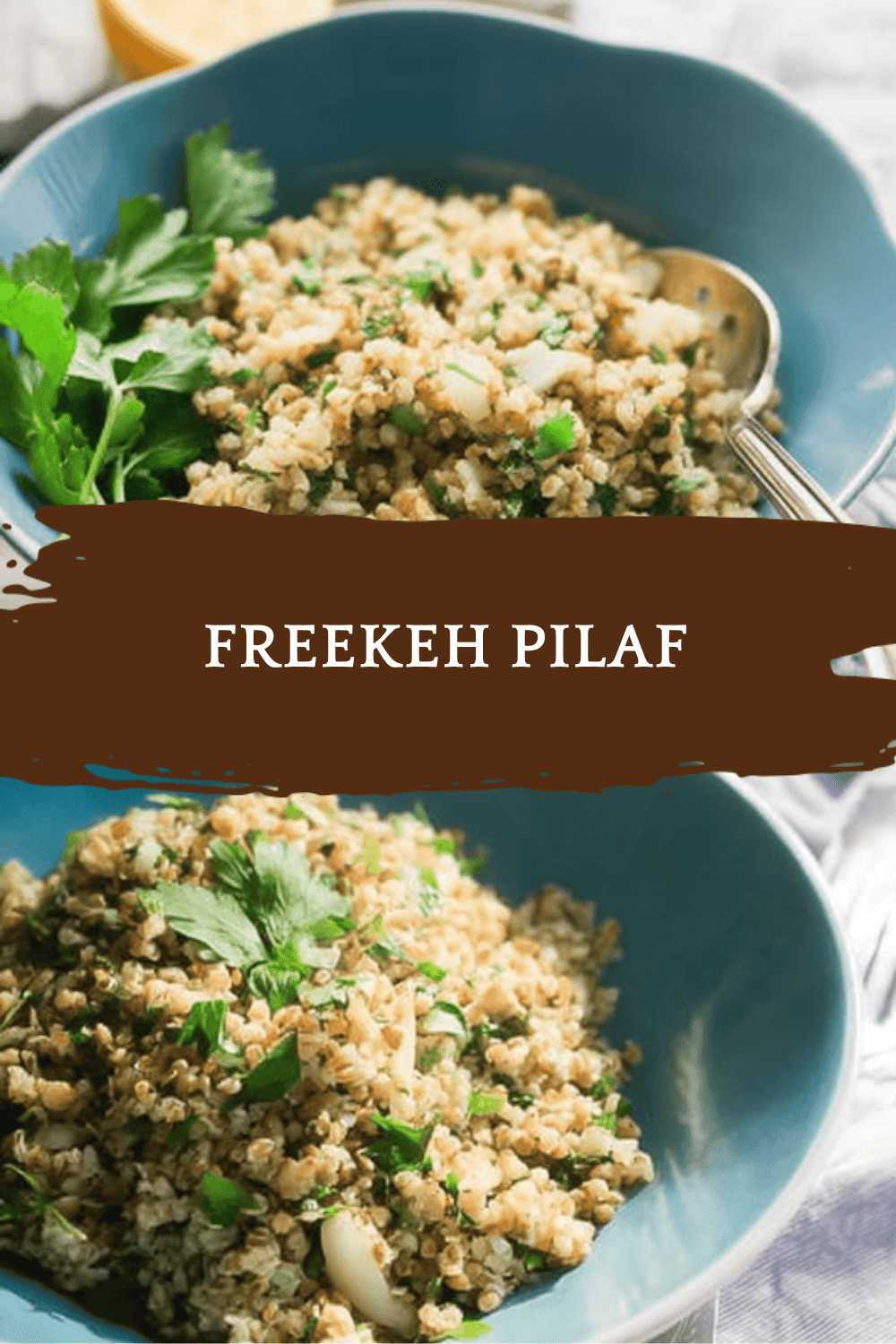
Making freekeh pilaf is straightforward and rewarding, turning basic ingredients into a flavorful dish in about 45 minutes. Start by preparing your ingredients and follow these steps for the best results. This method highlights caramelized onions and fresh herbs for a tasty, nutritious meal.
- Begin by sautéing the onions in butter and olive oil over medium heat for 15-20 minutes until soft and caramelized.
- Meanwhile, soak the freekeh in cold water for 5 minutes, then drain and rinse thoroughly.
- Add the freekeh and spices to the onions, pour in the vegetable stock, season with salt and pepper, and stir.
- Bring to a boil, then cover and simmer on very low heat for 15 minutes.
- Remove from heat and keep covered for 5 minutes, then uncover and allow the pilaf to cool slightly for another 5 minutes.
- While waiting, combine the Greek yoghurt with lemon juice, garlic, and salt.
- Stir the chopped herbs into the warm pilaf, adjust seasoning if needed, serve topped with a generous dollop of the yoghurt mixture, sprinkle with pine nuts and parsley, and finish with a drizzle of olive oil.
This recipe builds on the basics while incorporating extras like fresh herbs for added nutrition. For similar cooking techniques, visit our BBQ shotgun shells recipe to explore more grilling ideas.
Dietary Substitutions to Customize Your Freekeh Pilaf
Tailoring freekeh pilaf to fit various diets keeps it accessible for everyone, from busy professionals to seniors. Simple swaps maintain the dish’s core flavors while meeting personal needs. Think about protein boosts or vegetable changes to make it your own.
- Protein and Main Component Alternatives: Substitute freekeh with quinoa or brown rice for gluten-free options; replace vegetable broth with chicken or beef broth for non-vegetarian versions; add chickpeas or tofu for vegan protein boosts.
- Vegetable, Sauce, and Seasoning Modifications: Swap carrots and bell peppers with seasonal vegetables such as zucchini or spinach; use tamari instead of soy sauce to keep the dish gluten-free; incorporate spices like cumin, coriander, or smoked paprika to vary the flavor profile.
These changes ensure the pilaf stays nourishing and adaptable, perfect for community gatherings.
Mastering Freekeh Pilaf: Advanced Tips and Variations
Once you’re comfortable with the basics, try these advanced tips to refine your freekeh pilaf. Toasting freekeh before cooking adds extra depth, while experimenting with flavors keeps things exciting. These ideas help make the dish ideal for meal prep or events.
Pro Cooking Techniques
Toast freekeh in olive oil before adding broth to deepen its nutty flavor and improve texture.
Flavor Variations
Experiment by adding toasted nuts, dried fruits, or fresh herbs to elevate taste complexity.
Presentation Tips
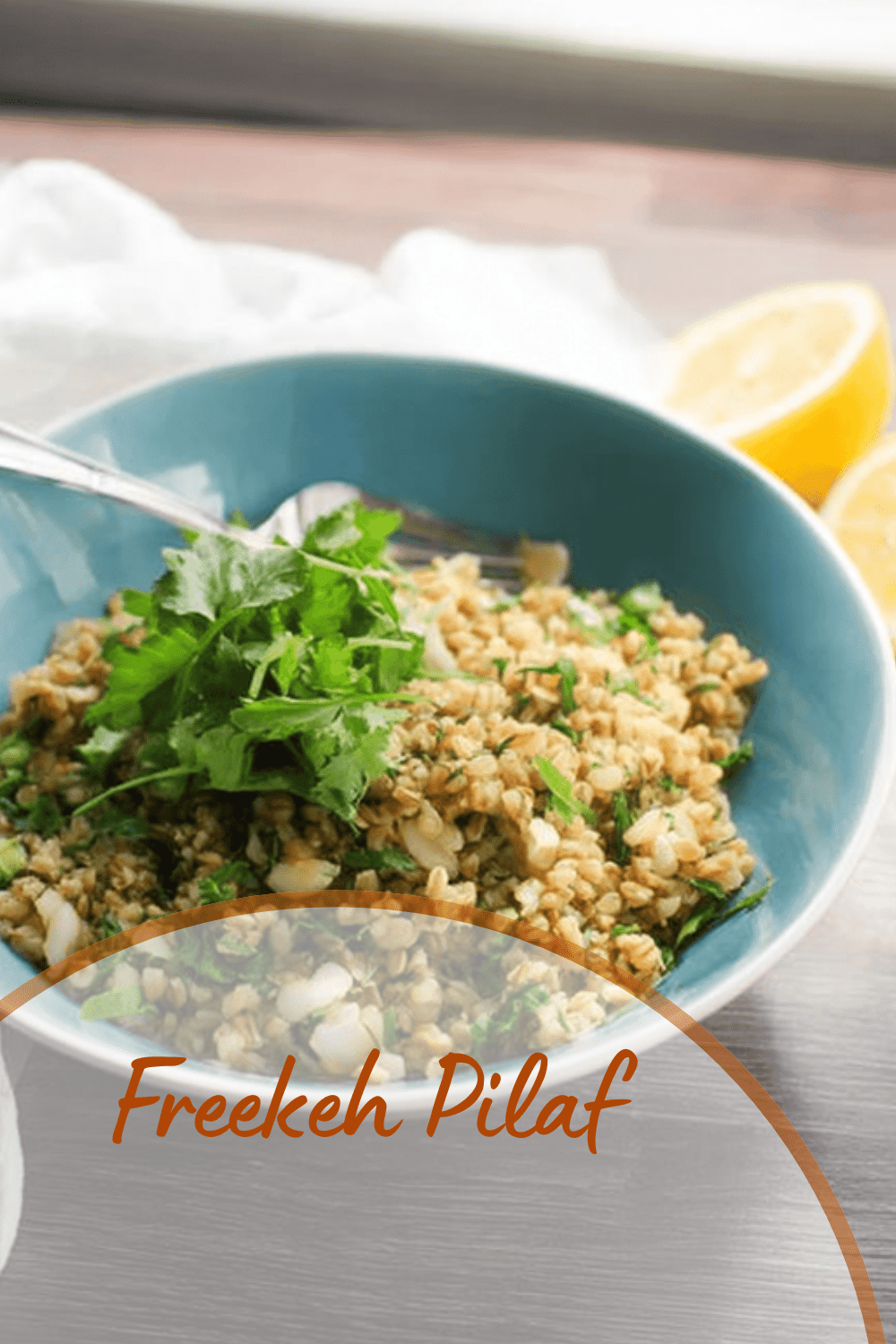
Serve pilaf in colorful bowls, garnished with chopped parsley, pomegranate seeds, or lemon wedges for visual appeal.
Make-Ahead Options
Prepare pilaf in advance and store in airtight containers in the refrigerator for up to 3 days, making it ideal for busy schedules.
How to Store Freekeh Pilaf: Best Practices
Proper storage keeps freekeh pilaf fresh and ready for later, which is great for travelers or working professionals. Follow these steps to avoid waste and maintain quality. Always use clean containers to keep things safe.
- Refrigeration: Store cooked freekeh pilaf in an airtight container in the refrigerator for up to 3-4 days to maintain freshness.
- Freezing: Portion pilaf into freezer-safe containers or bags and freeze for up to 2 months. Thaw in the refrigerator overnight before reheating.
- Reheating: Warm pilaf gently on the stovetop or in the microwave, adding a splash of water or broth to restore moisture and prevent drying.
- Meal prep considerations: Divide pilaf into single-serving containers for convenient grab-and-go meals, ensuring consistent quality and safety throughout the week.
FAQs: Frequently Asked Questions About Freekeh Pilaf
What is Freekeh pilaf and how is it different from regular rice pilaf?
Freekeh pilaf is a dish made from roasted green wheat called freekeh, cooked with broth and spices to create a flavorful grain side or main dish. Unlike regular rice pilaf, which uses white or brown rice, freekeh has a chewy texture and a nutty, smoky taste due to the roasting process. It is also higher in protein and fiber, making it a more nutritious option. Freekeh absorbs flavors well, making it versatile for various seasonings and additions like vegetables, nuts, or meat.
How do you cook freekeh for pilaf to get the best texture?
To cook freekeh for pilaf, rinse the grains under cold water first. Use a ratio of about 1 cup freekeh to 2 cups broth or water. Bring the liquid to a boil, add the freekeh, reduce to a simmer, cover, and cook for 20-25 minutes until tender but still slightly chewy. Avoid overcooking to prevent mushiness. After cooking, fluff the freekeh with a fork and let it sit covered for 5 minutes to absorb any excess liquid and develop the perfect texture.
Can freekeh pilaf be made ahead and reheated?
Yes, freekeh pilaf can be made ahead and stored in an airtight container in the refrigerator for up to 4 days. When reheating, add a splash of water or broth to loosen the grains and warm gently on the stovetop or in the microwave to maintain moisture and texture. This makes freekeh pilaf a convenient option for meal prep and quick lunches.
Is freekeh pilaf healthy and what are its nutritional benefits?
Freekeh pilaf is considered healthy due to its high fiber and protein content. One serving typically offers about 5-7 grams of protein and 6-8 grams of fiber, which helps with digestion and satiety. It is also low in fat and rich in vitamins and minerals like iron, magnesium, and zinc. Freekeh’s low glycemic index makes it suitable for steady blood sugar control compared to white rice.
What are some popular add-ins or spices to use in freekeh pilaf?
Popular add-ins for freekeh pilaf include sautéed onions, garlic, chopped herbs like parsley or cilantro, toasted nuts (pine nuts, almonds), dried fruits (raisins, apricots), and vegetables such as bell peppers or tomatoes. Common spices that complement freekeh are cumin, coriander, cinnamon, allspice, and turmeric. These ingredients enhance the natural smoky flavor and add texture, making the dish more vibrant and nutritious.

Freekeh Pilaf
🌾 Experience the wholesome nutty flavors of freekeh in this comforting pilaf with aromatic spices and fresh herbs.
🍋 This simple dish combines fragrant caramelized onions and a creamy herb yogurt topping for a satisfying, healthy meal option.
- Total Time: 45 minutes
- Yield: 4 servings 1x
Ingredients
2 medium onions, thinly sliced
25g butter
1 tablespoon olive oil, plus extra for finishing
150g freekeh or bulgur wheat
1/4 teaspoon ground cinnamon
1/4 teaspoon ground allspice
270ml good-quality reduced vegetable stock
100g Greek yoghurt
1 1/2 teaspoons lemon juice
1/2 garlic clove, crushed
10g parsley, finely chopped, plus extra for garnish
10g mint, finely chopped
10g coriander, finely chopped
2 tablespoons pine nuts, toasted and roughly broken
salt and black pepper to taste
Instructions
1-Begin by sautéing the onions in butter and olive oil over medium heat for 15-20 minutes until soft and caramelized.
2-Meanwhile, soak the freekeh in cold water for 5 minutes, then drain and rinse thoroughly.
3-Add the freekeh and spices to the onions, pour in the vegetable stock, season with salt and pepper, and stir.
4-Bring to a boil, then cover and simmer on very low heat for 15 minutes.
5-Remove from heat and keep covered for 5 minutes, then uncover and allow the pilaf to cool slightly for another 5 minutes.
6-While waiting, combine the Greek yoghurt with lemon juice, garlic, and salt.
7-Stir the chopped herbs into the warm pilaf, adjust seasoning if needed, serve topped with a generous dollop of the yoghurt mixture, sprinkle with pine nuts and parsley, and finish with a drizzle of olive oil.
Last Step:
Please leave a rating and comment letting us know how you liked this recipe! This helps our business to thrive and continue providing free, high-quality recipes for you.Notes
🧅 Take time to caramelize onions slowly for deep flavor.
💧 Soaking freekeh before cooking helps reduce cooking time and softens the grain.
🌿 Fresh herbs add brightness and complement the nuttiness perfectly.
- Prep Time: 20 minutes
- Cook Time: 25 minutes
- Category: Main Dish
- Method: Sautéing, Simmering
- Cuisine: Middle Eastern
- Diet: Vegetarian
Nutrition
- Serving Size: 1 cup
- Calories: 320 calories
- Sugar: 3 g
- Sodium: 400 mg
- Fat: 12 g
- Saturated Fat: 6 g
- Unsaturated Fat: 5 g
- Trans Fat: 0 g
- Carbohydrates: 40 g
- Fiber: 8 g
- Protein: 10 g
- Cholesterol: 20 mg


