

Why You’ll Love This Filipino Pancit
In the spirit of community gatherings and shared meals on my blog at Cooky Cooky, Filipino Pancit stands out as a go-to dish for bringing people together. This Filipino Pancit recipe is incredibly simple and quick to prepare, making it perfect for busy weeknights or last-minute potlucks. Packed with fresh vegetables and lean proteins, it offers a balanced meal that’s rich in vitamins, fiber, and protein while being lower in fat and calories. Additionally, its versatility means you can tweak it for different dietary needs, and the blend of savory flavors makes every bite a delight that’s easy to share with friends and family.
For instance, if you’re looking for quick meal ideas, check out our fastest noodle stir-fry recipes, which pair well with this dish for variety. This recipe draws from traditional Filipino roots, creating a harmonious mix of textures and tastes that appeal to home cooks, busy parents, and food enthusiasts alike. Whether you’re a student whipping up a quick dinner or a working professional prepping for a gathering, Filipino Pancit fits seamlessly into your routine, fostering those memorable moments around the table.
Health and Ease Benefits
The health benefits of Filipino Pancit come from its fresh ingredients like vegetables and proteins, which provide essential nutrients without overwhelming calories. It’s adaptable for diet-conscious individuals, allowing swaps for lighter options. Plus, the quick prep time of about 50 minutes means you can enjoy it without spending hours in the kitchen, ideal for community events or family dinners.
Externally, for more on chicken’s benefits, visit Health Benefits of Chicken to see how it boosts meals like this one.
Jump to:
- Why You’ll Love This Filipino Pancit
- Health and Ease Benefits
- Essential Ingredients for Filipino Pancit
- How to Prepare the Perfect Filipino Pancit: Step-by-Step Guide
- First Steps: Prepping and Cooking Proteins
- Building Aromatics and Veggies
- Simmering and Combining
- Dietary Substitutions to Customize Your Filipino Pancit
- Mastering Filipino Pancit: Advanced Tips and Variations
- Flavor and Presentation Ideas
- How to Store Filipino Pancit: Best Practices
- FAQs: Frequently Asked Questions About Filipino Pancit
- What is Filipino Pancit and where did it originate?
- Can I use different types of noodles when making Pancit at home?
- What are some good alternatives to pork in Pancit recipes?
- How can I prevent my Pancit noodles from becoming mushy when cooking?
- What is the best way to store and reheat leftover Pancit?
- Filipino Pancit
- Ingredients
- Instructions
- Last Step:
- Notes
- Nutrition
- Did you make this recipe?
Essential Ingredients for Filipino Pancit
Gathering the right ingredients is key to making authentic Filipino Pancit, and this section highlights everything you need for a tasty, balanced dish. Based on the recipe summary, let’s break down the essentials into a structured list to ensure you have precise measurements for success.
- 2 tablespoons neutral-flavored oil (such as avocado, canola, or vegetable oil) for pork
- 1 tablespoon neutral-flavored oil (such as avocado, canola, or vegetable oil) for chicken
- Remaining neutral-flavored oil (such as avocado, canola, or vegetable oil) for vegetables
- 8 ounces pork shoulder, belly, or loin, cut into ½-inch cubes
- 1 pound boneless chicken thighs, cut into 1-inch cubes (skin optional)
- 1 medium yellow onion, peeled and julienned
- 7 to 8 garlic cloves, finely minced
- ½ teaspoon ground achiote powder (optional)
- 2 medium carrots, peeled and julienned (about 1 cup)
- 2 celery ribs, thinly sliced on a bias (about 1 cup)
- 1 cup sugar snap peas, thinly sliced on a bias
- 4 cups green cabbage, cut into 1-inch pieces
- 3 tablespoons oyster sauce
- ½ teaspoon granulated sugar
- 3 tablespoons soy sauce
- 1 to 2 teaspoons fish sauce (optional)
- 4 cups chicken stock
- 8 ounces vermicelli noodles
- Coarse salt and freshly cracked black pepper to taste
- Lemon or lime juice (optional; for garnish)
- Sliced green onions (optional; for garnish)
This list covers all ingredients for a full recipe, making it easy to shop and prepare. For special dietary options, you can swap chicken for tofu in vegan versions or use tamari instead of soy sauce for gluten-free adaptations, keeping the dish flexible for your needs.
How to Prepare the Perfect Filipino Pancit: Step-by-Step Guide
Making Filipino Pancit at home is straightforward and rewarding, especially when you follow these clear steps from the recipe summary. Start by getting all your ingredients ready, as this helps everything come together smoothly in one wok. The process combines stir-frying proteins, veggies, and noodles for a flavorful result that’s perfect for gatherings.
First Steps: Prepping and Cooking Proteins
Heat 2 tablespoons of neutral-flavored oil in a large wok over medium-high heat until it smokes lightly. Add the 8 ounces of pork, season with salt and pepper, and stir-fry for 3 to 4 minutes until browned and cooked through, then set it aside. Next, add 1 tablespoon of oil, include the 1 pound of chicken thighs, season again, and cook without stirring for 2 to 3 minutes before stirring for another 3 to 4 minutes until browned.
Set the chicken aside with the pork to build layers of flavor. This method ensures juicy, well-seared meats that enhance the overall dish.
Building Aromatics and Veggies
Using the leftover fat, add the 1 medium julienned yellow onion, season with salt, and cook over low to medium heat for 10 to 12 minutes until browned and tender. Stir in the 7 to 8 finely minced garlic cloves for 30 to 45 seconds, then mix in the optional ½ teaspoon of ground achiote powder if desired.
Set this aside with the meats. Increase heat to high, add the remaining oil, and stir-fry the 2 medium julienned carrots (about 1 cup), 2 celery ribs sliced on a bias (about 1 cup), 1 cup of thinly sliced sugar snap peas, and 4 cups of green cabbage cut into 1-inch pieces for 90 seconds, seasoning lightly with salt.
Simmering and Combining
Over medium heat, add 3 tablespoons of oyster sauce, ½ teaspoon of granulated sugar, 3 tablespoons of soy sauce, the optional 1 to 2 teaspoons of fish sauce, and 4 cups of chicken stock to the wok, bringing it to a simmer. Add the 8 ounces of vermicelli noodles and cook, stirring constantly, for 3 to 4 minutes until they absorb the liquid and become tender.
Finally, return the cooked meat, aromatics, and vegetables to the wok and toss to combine. Serve immediately, garnished with lemon or lime juice and sliced green onions if you like. For more ideas on stir-fries, explore our cashew chicken recipe for complementary techniques.
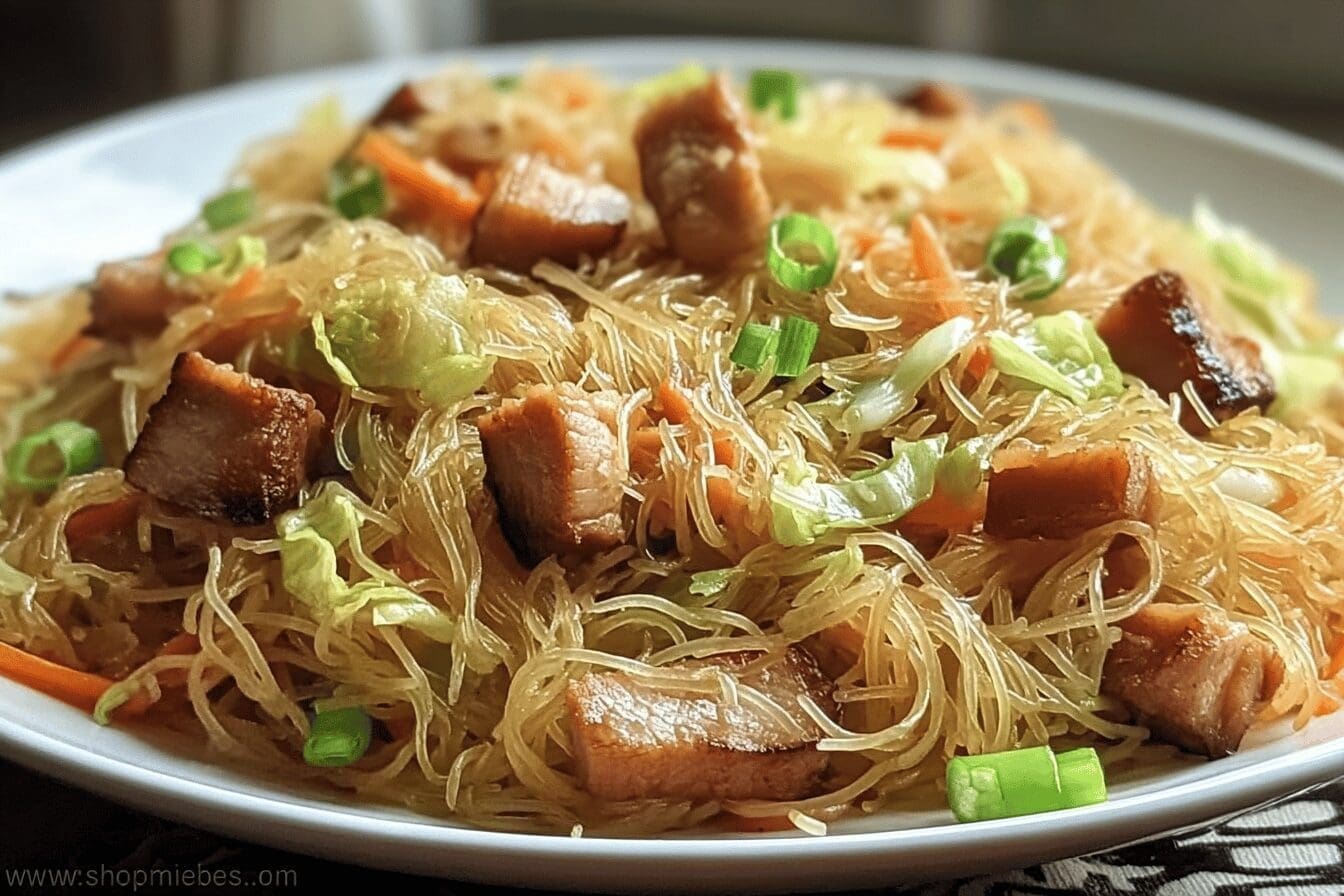
Dietary Substitutions to Customize Your Filipino Pancit
Filipino Pancit is all about flexibility, letting you adjust for different tastes or needs based on the recipe details. You can swap proteins like using firm tofu or tempeh instead of chicken for a vegan twist, or add shrimp for a seafood variation. These changes keep the dish hearty while fitting various diets.
- Replace chicken with firm tofu or tempeh for a plant-based protein.
- Use shrimp or pork to change the taste and texture.
- Swap cabbage with bok choy or snap peas for seasonal freshness.
- Opt for tamari or coconut aminos in place of soy sauce for gluten-free options.
- Try shallots or green onions instead of garlic for a milder flavor.
These tweaks ensure your Filipino Pancit stays delicious and adaptable for everyone from busy parents to seniors.
Mastering Filipino Pancit: Advanced Tips and Variations
Once you’re comfortable with the basics, take your Filipino Pancit to the next level with these tips from the recipe summary. Use a wok for high-heat stir-frying to caramelize ingredients and boost flavors, and blanch noodles briefly for the best texture. Drawing from the provided tricks, remember to cut proteins into even ½ to 1-inch pieces and slice vegetables thinly for quick, uniform cooking.
Flavor and Presentation Ideas
Incorporate calamansi juice or smoked fish flakes for authentic Filipino twists, or add crushed red pepper for some heat. For presentation, serve on a shallow platter with fresh herbs and lemon wedges to make it visually appealing for gatherings. The recipe’s versatility shines through, as you can substitute meats with shrimp or steak and include extras like bok choy or mushrooms.
| Tip Category | Advice |
|---|---|
| Preparation | Prepare ingredients in advance for efficiency. |
| Cooking | Sear meats separately to avoid steaming and enhance flavor. |
| Variations | Make it with only chicken or add more veggies for a lighter meal. |
Serve immediately for the best texture, as noted in the tips, to keep everything fresh and enjoyable.
How to Store Filipino Pancit: Best Practices
Proper storage keeps your Filipino Pancit tasty for leftovers, based on the recipe guidelines. Refrigerate it in airtight containers within two hours of cooking and eat within 2-3 days to maintain quality. For longer storage, freeze in suitable containers, noting that noodle texture might soften a bit when thawed.
- Thaw frozen portions overnight in the fridge before reheating.
- Reheat in a pan over medium heat with a splash of water or broth to restore moisture.
- Avoid the microwave to keep the texture intact, and stir frequently for even heating.
- Batch cook veggies and proteins separately for easy meal prep and freshness.
This approach works well for busy lifestyles, ensuring you can enjoy Filipino Pancit throughout the week.
FAQs: Frequently Asked Questions About Filipino Pancit
What is Filipino Pancit and where did it originate?
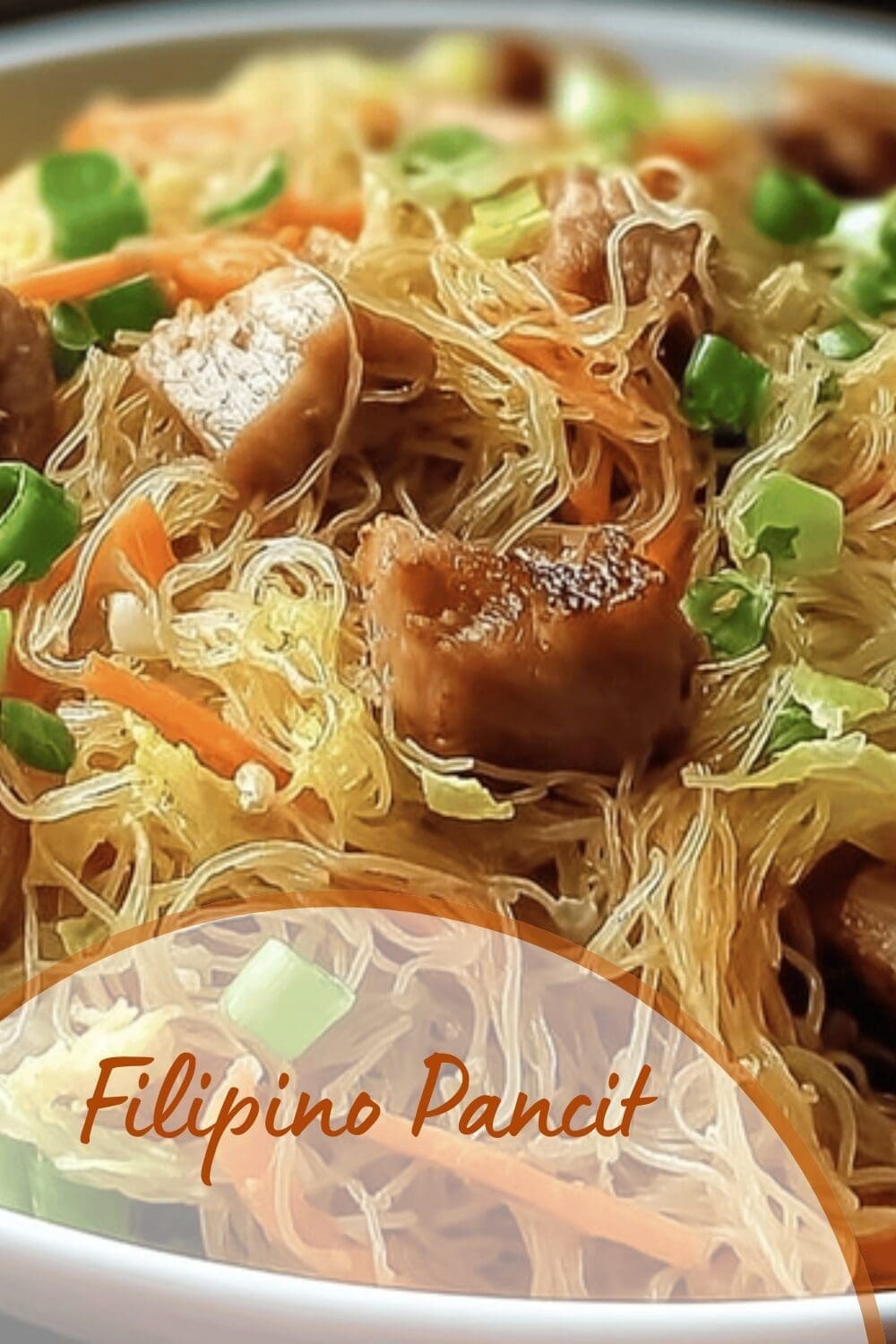
Filipino Pancit is a popular noodle dish that originated in the Philippines, influenced by Chinese immigrants in the 16th century. It features stir-fried noodles combined with meat, vegetables, and a soy-based sauce. Different types of pancit use various noodles like rice vermicelli (pancit bihon), wheat flour sticks (pancit canton), or glass noodles (pancit sotanghon), offering a range of textures and flavors unique to Filipino cuisine.
Can I use different types of noodles when making Pancit at home?
Yes, the type of noodles you use can be adjusted based on your preference or the Pancit variant. Pancit bihon traditionally uses thin rice vermicelli noodles, pancit canton uses thicker wheat flour noodles, and pancit sotanghon features translucent glass noodles. Each noodle type cooks differently, so adjust the cooking time accordingly to avoid mushiness or stickiness.
What are some good alternatives to pork in Pancit recipes?
While pork shoulder is common in Pancit, other meats can be used successfully. Pork belly or pork loin provide different textures, and chicken thighs are preferred for their juiciness. Chicken breast is an option but requires careful cooking to prevent dryness. You can also incorporate seafood like shrimp for variation.
How can I prevent my Pancit noodles from becoming mushy when cooking?
To keep Pancit noodles from turning mushy, cook the noodles briefly and keep them moving gently in the sauce or stock as they absorb liquid. Avoid overcooking by removing the pan from heat as soon as the noodles are tender but still firm. Adding stock gradually instead of all at once helps control moisture levels.
What is the best way to store and reheat leftover Pancit?
Store leftover Pancit in an airtight container in the refrigerator for up to three days or freeze it for up to two months. When reheating, warm it in a skillet over medium heat and add a small amount of water or chicken stock to restore moisture and freshness. Stir frequently to heat evenly without drying out the noodles.

Filipino Pancit
🍜 This Pancit Recipe with Chicken Filipino Style Noodles is a flavorful, hearty dish packed with tender chicken, vegetables, and savory sauces.
🥢 Its combination of vermicelli noodles and fresh ingredients creates a versatile dish perfect for family meals and celebrations.
- Total Time: 50 minutes
- Yield: 6 servings 1x
Ingredients
2 tablespoons neutral-flavored oil for pork
1 tablespoon neutral-flavored oil for chicken
Remaining neutral-flavored oil for vegetables
8 ounces pork shoulder, belly, or loin, cut into ½-inch cubes
1 pound boneless chicken thighs, cut into 1-inch cubes (skin optional)
1 medium yellow onion, peeled and julienned
7 to 8 garlic cloves, finely minced
½ teaspoon ground achiote powder (optional)
2 medium carrots, peeled and julienned (about 1 cup)
2 celery ribs, thinly sliced on a bias (about 1 cup)
1 cup sugar snap peas, thinly sliced on a bias
4 cups green cabbage, cut into 1-inch pieces
3 tablespoons oyster sauce
½ teaspoon granulated sugar
3 tablespoons soy sauce
1 to 2 teaspoons fish sauce (optional)
4 cups chicken stock
8 ounces vermicelli noodles
Coarse salt and freshly cracked black pepper to taste
Lemon or lime juice (optional; for garnish)
Sliced green onions (optional; for garnish)
Instructions
1-First Steps: Prepping and Cooking Proteins: Heat 2 tablespoons of neutral-flavored oil in a large wok over medium-high heat until it smokes lightly. Add the 8 ounces of pork, season with salt and pepper, and stir-fry for 3 to 4 minutes until browned and cooked through, then set it aside. Next, add 1 tablespoon of oil, include the 1 pound of chicken thighs, season again, and cook without stirring for 2 to 3 minutes before stirring for another 3 to 4 minutes until browned.
2-First Steps: Prepping and Cooking Proteins: Set the chicken aside with the pork to build layers of flavor. This method ensures juicy, well-seared meats that enhance the overall dish.
3-Building Aromatics and Veggies: Using the leftover fat, add the 1 medium julienned yellow onion, season with salt, and cook over low to medium heat for 10 to 12 minutes until browned and tender. Stir in the 7 to 8 finely minced garlic cloves for 30 to 45 seconds, then mix in the optional ½ teaspoon of ground achiote powder if desired.
4-Building Aromatics and Veggies: Set this aside with the meats. Increase heat to high, add the remaining oil, and stir-fry the 2 medium julienned carrots (about 1 cup), 2 celery ribs sliced on a bias (about 1 cup), 1 cup of thinly sliced sugar snap peas, and 4 cups of green cabbage cut into 1-inch pieces for 90 seconds, seasoning lightly with salt.
5-Simmering and Combining: Over medium heat, add 3 tablespoons of oyster sauce, ½ teaspoon of granulated sugar, 3 tablespoons of soy sauce, the optional 1 to 2 teaspoons of fish sauce, and 4 cups of chicken stock to the wok, bringing it to a simmer. Add the 8 ounces of vermicelli noodles and cook, stirring constantly, for 3 to 4 minutes until they absorb the liquid and become tender.
6-Simmering and Combining: Finally, return the cooked meat, aromatics, and vegetables to the wok and toss to combine. Serve immediately, garnished with lemon or lime juice and sliced green onions if you like. For more ideas on stir-fries, explore our cashew chicken recipe for complementary techniques.
Last Step:
Please leave a rating and comment letting us know how you liked this recipe! This helps our business to thrive and continue providing free, high-quality recipes for you.Notes
🍝 Cook vermicelli noodles just until tender to avoid mushiness; add extra chicken stock if needed.
🔪 Prepare all ingredients in advance for smooth cooking.
⚖️ Cut proteins and vegetables evenly to ensure even cooking and texture.
- Prep Time: 20 minutes
- Cook Time: 30 minutes
- Category: Main Dish
- Method: Stir-frying and Simmering
- Cuisine: Filipino
Nutrition
- Serving Size: 1 serving
- Calories: 548
- Sugar: 10g
- Sodium: 1505mg
- Fat: 26g
- Saturated Fat: 5g
- Unsaturated Fat: 19g
- Trans Fat: 0.1g
- Carbohydrates: 53g
- Fiber: 4g
- Protein: 26g
- Cholesterol: 94mg


