

Why You’ll Love This Filipino Empanada Stuffed Pastry
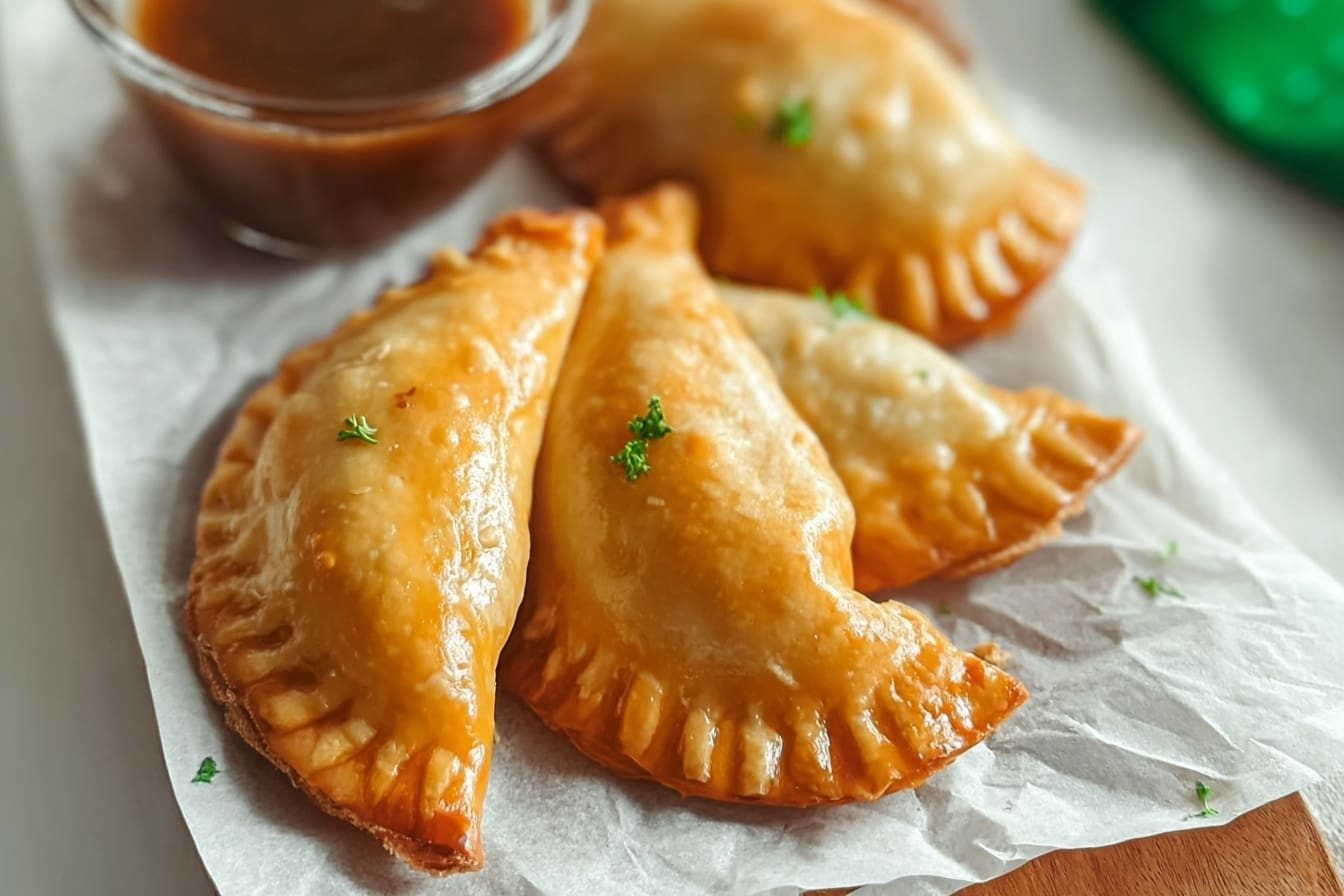
If you love hand pies that are crisp on the outside and savory inside, this Filipino Empanada Stuffed Pastry is one to keep on repeat. It brings together seasoned pork, sweet pops of sultanas, tender vegetables, and a golden fried crust that tastes just as good for lunch as it does for a snack tray at a gathering.
- Easy to make ahead: The filling and dough can both be prepared ahead of time, which is a big help for busy parents, students, and working professionals.
- Great for sharing: These empanadas travel well and are easy to serve at picnics, potlucks, church events, and family get-togethers.
- Balanced bite: The filling gives you protein, vegetables, and a touch of sweetness in every pocket.
- Bold, memorable flavor: Soy sauce, oyster sauce, garlic, and white pepper give the filling a rich savory taste that stands out.
These little pastries are the kind of food people reach for fast, then ask about the recipe right after the plate is empty.
For more crowd-friendly ideas, you might also like this easy macaroni salad for gatherings, which pairs nicely with portable finger foods like empanadas.
Jump to:
- Why You’ll Love This Filipino Empanada Stuffed Pastry
- Essential Ingredients for Filipino Empanada Stuffed Pastry
- Filling ingredients
- Pastry ingredients
- Why each ingredient matters
- Special dietary options
- Helpful note on ingredients
- How to Prepare the Perfect Filipino Empanada Stuffed Pastry: Step-by-Step Guide
- First step: cook the savory filling
- Second step: mix the pastry
- Third step: rest the dough
- Fourth step: divide and roll
- Fifth step: seal the edges
- Sixth step: fry until golden
- Quick recipe timing
- Dietary Substitutions to Customize Your Filipino Empanada Stuffed Pastry
- Protein and main component alternatives
- Vegetable, sauce, and seasoning modifications
- Mastering Filipino Empanada Stuffed Pastry: Advanced Tips and Variations
- Pro cooking techniques
- Flavor variations
- Presentation tips
- Make-ahead options
- How to Store Filipino Empanada Stuffed Pastry: Best Practices
- Refrigeration
- Freezing
- Reheating
- Meal prep considerations
- FAQs: Frequently Asked Questions About Filipino Empanada Stuffed Pastry
- What makes the pastry flaky in Filipino empanadas?
- Can I substitute butter for lard in Filipino empanada dough?
- How do you freeze Filipino empanadas for later?
- What does vinegar do in Filipino empanada dough?
- Can you bake Filipino empanadas instead of frying them?
- Filipino Empanada Stuffed Pastry
- Ingredients
- Instructions
- Last Step:
- Notes
- Nutrition
- Did you make this recipe?
Essential Ingredients for Filipino Empanada Stuffed Pastry
Here is everything you need for the filling, pastry, and frying. Each item matters, so keep the list handy before you begin.
Filling ingredients
- 1 tablespoon oil
- 1 white onion, finely chopped
- 2 cloves garlic, minced
- 500 grams lean pork mince
- 1 carrot, finely diced
- 1 small potato, finely diced
- 1/4 cup sultanas, 45 grams
- 1/2 cup frozen baby peas, 75 grams
- 2 tablespoons soy sauce, 40 mls
- 2 tablespoons oyster sauce, 40 mls
- 2 teaspoons sugar
- 1/2 teaspoon white pepper
- 1/4 cup water, 65 mls
Pastry ingredients
- 3 cups flour, 450 grams
- 2 tablespoons sugar
- 1/2 teaspoon baking powder
- 1/2 teaspoon salt
- 1/4 cup cold lard, chopped into small pieces, 50 grams
- 1/2 cup cold water, 125 mls
- 1 egg
- 1 teaspoon white vinegar
- Vegetable oil for frying
Why each ingredient matters
| Ingredient | Role in the recipe |
|---|---|
| Lean pork mince | Gives the filling its hearty, savory base |
| Sultanas | Adds a sweet contrast that makes the filling more interesting |
| Frozen baby peas | Bring color, texture, and a little freshness |
| Cold lard | Creates the flaky pastry texture that fries up beautifully |
| White vinegar | Helps the dough handle better and keeps the pastry from becoming tough |
Special dietary options
- Vegan: Swap the pork mince for crumbled tofu, chopped mushrooms, or plant-based mince, then use vegan pastry fat instead of lard.
- Gluten-free: Use a gluten-free flour blend that can handle frying, though the dough may need extra chilling and careful rolling.
- Low-calorie: Bake is not the traditional method, but you can try a lighter filling with more vegetables and less fat if you need to reduce richness.
Helpful note on ingredients
The pork and carrots in this recipe are worth a closer look if you want a little nutrition background. Pork is a solid source of protein, and carrots add color plus natural sweetness. If you want to read more, take a look at pork nutrition facts from Healthline and carrot nutrition facts from Healthline.
How to Prepare the Perfect Filipino Empanada Stuffed Pastry: Step-by-Step Guide
This recipe makes about 18 empanadas and takes a little patience, but the steps are simple once you get going. The filling should be fully cooled before assembly, and the dough needs a short rest so it rolls well. If you are new to hand pies, just take it one stage at a time and keep the dough covered whenever you are not working with it.
First step: cook the savory filling
Heat 1 tablespoon oil in a large non-stick pan over medium heat. Add the finely chopped white onion and minced garlic, then sauté until soft and fragrant. Stir in 500 grams lean pork mince and cook until it starts to brown.
Next, add the diced carrot and potato. Cook for a few more minutes so the vegetables begin to soften. Stir in the peas, sultanas, soy sauce, oyster sauce, sugar, white pepper, and water. Mix well so the seasoning coats everything evenly.
Lower the heat and cook, stirring often, until the liquid evaporates. This step matters because a wet filling can split the dough or leak during frying. Once the mixture looks fairly dry, cover it and set it aside to cool. If your kitchen is warm, place the filling in the refrigerator so it firms up faster.
Second step: mix the pastry
In a large bowl, whisk together the flour, sugar, baking powder, and salt. Add the cold lard in small pieces and rub it into the flour with your fingertips. Keep the mixture cool while you work, lifting and rubbing lightly until it looks like fine breadcrumbs. This is what helps the pastry fry up light and flaky.
In a separate cup or bowl, whisk the cold water, egg, and white vinegar together. Pour this into the flour mixture and mix until the dough starts to come together. Turn it onto a lightly floured surface and knead gently until smooth. If it feels too sticky, add a little more flour. If it feels crumbly, add a small splash of water. The goal is a soft, workable dough, not a dry one.
Third step: rest the dough
Shape the dough into a flat ball, wrap it in plastic, and refrigerate it for 20 minutes. This short rest helps the dough relax, makes it easier to roll, and keeps the lard cold so the pastry turns out crisp after frying. You can also refrigerate the dough for up to 24 hours if you want to break the recipe into stages.
Fourth step: divide and roll
Once the dough has rested, divide it into 18 equal balls. Keep them covered so they do not dry out. On a floured surface, roll each ball into a circle about 1/2 centimeter thick. Try to keep the circles even so they fry at the same pace.
Place about 2 tablespoons of filling in the center of each round. Do not overfill, or the empanadas may burst open in the oil. If you are making these for a party tray or church supper, a consistent scoop keeps the batch neat and easy to serve.
Fifth step: seal the edges
Fold the dough over the filling to form a half-moon shape. Seal the edges by pleating and crimping with your fingers, or press them closed with a fork if that is easier. A firm seal helps keep the filling inside while frying.
If pleating feels awkward the first time, do not worry. A fork works well and still gives you a tidy, homey finish.
Arrange the sealed empanadas on a tray while you finish the rest. If the dough starts to soften, pop the tray in the fridge for a few minutes before frying.
Sixth step: fry until golden
Heat vegetable oil in a wok or deep pan to about 180°C, or 350°F. Fry a few empanadas at a time so the oil temperature stays steady. Cook until golden brown on both sides, turning them gently as needed. This usually takes only a few minutes per batch.
Set the cooked empanadas on paper towels to drain. Serve them right away while the crust is still crisp and the filling is hot. They are wonderful on their own, but they also fit nicely on a snack board with pickles, salad, or a simple dipping sauce.
Quick recipe timing
| Stage | Time |
|---|---|
| Prep time | 35 minutes |
| Dough resting time | 20 minutes |
| Cook time | 40 minutes |
| Total time | 1 hour 35 minutes |
Dietary Substitutions to Customize Your Filipino Empanada Stuffed Pastry
Protein and main component alternatives
If pork is not your thing, you still have options. Ground chicken or beef can be used in place of the pork mince, though the flavor will change a bit. Chicken gives a lighter taste, while beef makes the filling richer and more robust.
For a meat-free version, use crumbled tofu, cooked lentils, or a plant-based ground substitute. Just make sure the filling cooks down until it is fairly dry, since wet fillings are the biggest cause of leaks during frying. If you like a recipe with a hearty, savory profile, you may also enjoy the bold flavors in these chili southwest eggrolls, which bring the same kind of handheld comfort.
Vegetable, sauce, and seasoning modifications
You can swap the carrot and potato for diced sweet potato, corn, or finely chopped green beans if that is what you have on hand. Frozen peas can be replaced with chopped bell pepper for a brighter flavor. Sultanas bring a sweet note, but you can leave them out if you prefer a more savory empanada.
If oyster sauce is not available, you can use a little more soy sauce plus a pinch of sugar. White pepper gives the filling a warm bite, but black pepper works too. For a milder version, reduce the pepper slightly and add a touch more carrot for sweetness. Butter can replace lard in the pastry, but the texture will be less flaky and a bit more rich. Vegetable shortening is a better swap if you want to stay closer to the original feel.
Mastering Filipino Empanada Stuffed Pastry: Advanced Tips and Variations
Once you make this recipe a couple of times, the little details start to matter. Keep the dough cold, keep the filling dry, and work in batches so the empanadas stay easy to handle. Those three habits go a long way.
Pro cooking techniques
Rub the lard into the flour with light fingertips and avoid letting the mixture warm up too much. Warm fat melts into the dough too early and can reduce the flaky finish. Vinegar in the dough helps prevent overworking, slows oxidation, and keeps the pastry looking clean and pale before frying.
If you want a better seal, brush the edge lightly with a little water before folding. This can help the pastry stick together more firmly. You can also make the rounds slightly thicker at the edges and thinner in the center for a more even bite after frying.
Flavor variations
Try adding a pinch of garlic powder, a little grated ginger, or a few chopped raisins for extra sweetness. Some cooks like to add diced hard-boiled egg to the filling for a more filling snack. Others keep it simple and let the pork, soy sauce, and oyster sauce do the talking.
Presentation tips
Serve the empanadas on a tray lined with parchment or a simple woven basket for a warm, welcoming look. A light sprinkle of chopped herbs is not traditional, but it adds color if you are serving them at a party. For a gathering spread, pair them with a cool salad or a simple dipping sauce to balance the fried crust.
Make-ahead options
The filling can be cooked a day ahead and chilled. The dough can also be made in advance and kept refrigerated for up to 24 hours, or frozen if needed. Cooked empanadas cool well and freeze nicely in zip-top bags, which makes them a smart choice for busy weeks and last-minute guests.
How to Store Filipino Empanada Stuffed Pastry: Best Practices
Filipino Empanada Stuffed Pastry tastes best fresh, but leftovers still hold up well if you store them the right way. Let them cool completely before packing so trapped steam does not soften the crust.
Refrigeration
Store cooled empanadas in an airtight container in the refrigerator for up to 3 days. Place parchment between layers if you stack them. This helps keep the crust from sticking together.
Freezing
For longer storage, freeze cooked empanadas after they have cooled fully. Place them in a single layer on a tray first, then move them to ziplock bags once solid. They keep well frozen for convenience and are handy for quick snacks or lunch boxes.
Reheating
Reheat from frozen in a medium oven until hot and crisp. This method keeps the crust much better than the microwave. If you are warming refrigerated empanadas, a few minutes in the oven or air fryer works well too.
Meal prep considerations
If you are cooking for a crowd, make a double batch and freeze half. That way, you have a ready-made snack for future gatherings, school lunches, or a fast dinner side. These empanadas are one of those recipes that make life feel a little easier.

FAQs: Frequently Asked Questions About Filipino Empanada Stuffed Pastry
What makes the pastry flaky in Filipino empanadas?
The key to flaky Filipino empanada pastry is using lard as the fat. Lard creates a light, tender texture without adding flavor, unlike butter which can make the dough denser and more flavorful. Mix cold lard into the flour until it resembles coarse crumbs, then add ice water and a splash of vinegar gradually. Knead just until smooth—overworking toughens it. Let the dough rest in the fridge for 30 minutes before rolling thin. This method yields crisp, shatteringly flaky results when fried. If lard isn’t available, try vegetable shortening, but test small batches first as results vary. Health-conscious cooks note that rendered duck fat works too, though it’s pricier. Always use high-quality flour for best lift. (98 words)
Can I substitute butter for lard in Filipino empanada dough?
Yes, you can swap butter for lard in Filipino empanada dough, but expect changes in taste and texture. Butter imparts a rich, savory flavor while lard keeps it neutral and maximizes flakiness. For butter, use the same amount (cold and cubed) and follow the same mixing steps: cut into flour, add vinegar-water mix, and chill. Roll to 1/8-inch thickness. Fry as usual, but baked versions may need egg wash for browning. Test a small dough ball first—adjust flour if sticky. In humid climates, reduce liquid by 1 tsp. This sub works for dairy lovers but won’t replicate authentic Ilocano-style crispness. Pair with traditional fillings like pork and egg for balance. (112 words)
How do you freeze Filipino empanadas for later?
Freeze cooked Filipino empanadas for up to 3 months. Cool them completely on a wire rack to prevent sogginess, then arrange in a single layer on a parchment-lined tray. Freeze until solid (2-3 hours), transfer to airtight freezer bags, and label with date. To reheat, bake straight from frozen at 375°F (190°C) on a lined tray for 15-20 minutes until hot and crisp—no thawing needed. For uncooked ones, the author hasn’t tested, so assemble, freeze solid on trays, then bag; fry from frozen adding 2-3 extra minutes per side at 350°F (175°C). Avoid refreezing thawed items. This keeps texture intact for quick meals. (104 words)
What does vinegar do in Filipino empanada dough?
Vinegar in Filipino empanada dough (1-2 tsp per 2 cups flour) serves practical purposes without affecting taste. It relaxes gluten to prevent toughening during kneading, stops oxidation that grays the dough, and helps it hold shape for crimped edges. Add it to ice water, then mix into flour-lard crumbs until smooth—not sticky or crumbly. Adjust based on humidity: drier flours need more liquid. White or apple cider vinegar both work; rice vinegar adds subtle authenticity. After resting, dough rolls easily without tearing. This tip ensures pro-level results at home, especially for beginners. Combine with chilling for superior handling and frying crispness. (102 words)
Can you bake Filipino empanadas instead of frying them?
Baking Filipino empanadas is possible but changes the texture from ultra-crispy fried to softer baked. Brush with beaten egg, bake at 400°F (200°C) for 20-25 minutes on parchment until golden. For closer authenticity, use the lard dough recipe but expect less flake. Pre-made puff pastry bakes well at same temp (15-18 min) as a shortcut, though flavor differs—add garlic powder to mimic. Fry remains best for tradition. Healthier oil like avocado works for frying too. Serve baked with atchara pickle. Test oven variations; convection crisps more. This option suits air fryer users: 375°F for 12-15 min, flipping halfway. (108 words)

Filipino Empanada Stuffed Pastry
🥟🍖 Crispy Filipino Empanadas burst with savory pork mince, diced veggies, sweet sultanas in flaky golden pastry – perfect party snack!
🇵🇭 Umami-packed soy-oyster filling in handheld delights – freezer-friendly for anytime crispy bites!
- Total Time: 1 hour 35 minutes
- Yield: 18 empanadas
Ingredients
– 1 tablespoon oil
– 1 white onion, finely chopped
– 2 cloves garlic, minced
– 500 grams lean pork mince for hearty, savory base
– 1 carrot, finely diced
– 1 small potato, finely diced
– 1/4 cup sultanas, 45 grams for sweet contrast
– 1/2 cup frozen baby peas, 75 grams for color, texture, and freshness
– 2 tablespoons soy sauce, 40 mls
– 2 tablespoons oyster sauce, 40 mls
– 2 teaspoons sugar
– 1/2 teaspoon white pepper
– 1/4 cup water, 65 mls
– 3 cups flour, 450 grams
– 2 tablespoons sugar
– 1/2 teaspoon baking powder
– 1/2 teaspoon salt
– 1/4 cup cold lard, chopped into small pieces, 50 grams for flaky pastry texture
– 1/2 cup cold water, 125 mls
– 1 egg
– 1 teaspoon white vinegar for tender pastry
– Vegetable oil for frying
Instructions
1-First step: cook the savory filling Heat 1 tablespoon oil in a large non-stick pan over medium heat. Add the finely chopped white onion and minced garlic, then sauté until soft and fragrant. Stir in 500 grams lean pork mince and cook until it starts to brown. Next, add the diced carrot and potato. Cook for a few more minutes so the vegetables begin to soften. Stir in the peas, sultanas, soy sauce, oyster sauce, sugar, white pepper, and water. Mix well so the seasoning coats everything evenly. Lower the heat and cook, stirring often, until the liquid evaporates. This step matters because a wet filling can split the dough or leak during frying. Once the mixture looks fairly dry, cover it and set it aside to cool. If your kitchen is warm, place the filling in the refrigerator so it firms up faster.
2-Second step: mix the pastry In a large bowl, whisk together the flour, sugar, baking powder, and salt. Add the cold lard in small pieces and rub it into the flour with your fingertips. Keep the mixture cool while you work, lifting and rubbing lightly until it looks like fine breadcrumbs. This is what helps the pastry fry up light and flaky. In a separate cup or bowl, whisk the cold water, egg, and white vinegar together. Pour this into the flour mixture and mix until the dough starts to come together. Turn it onto a lightly floured surface and knead gently until smooth. If it feels too sticky, add a little more flour. If it feels crumbly, add a small splash of water. The goal is a soft, workable dough, not a dry one.
3-Third step: rest the dough Shape the dough into a flat ball, wrap it in plastic, and refrigerate it for 20 minutes. This short rest helps the dough relax, makes it easier to roll, and keeps the lard cold so the pastry turns out crisp after frying. You can also refrigerate the dough for up to 24 hours if you want to break the recipe into stages.
4-Fourth step: divide and roll Once the dough has rested, divide it into 18 equal balls. Keep them covered so they do not dry out. On a floured surface, roll each ball into a circle about 1/2 centimeter thick. Try to keep the circles even so they fry at the same pace. Place about 2 tablespoons of filling in the center of each round. Do not overfill, or the empanadas may burst open in the oil. If you are making these for a party tray or church supper, a consistent scoop keeps the batch neat and easy to serve.
5-Fifth step: seal the edges Fold the dough over the filling to form a half-moon shape. Seal the edges by pleating and crimping with your fingers, or press them closed with a fork if that is easier. A firm seal helps keep the filling inside while frying. Arrange the sealed empanadas on a tray while you finish the rest. If the dough starts to soften, pop the tray in the fridge for a few minutes before frying.
6-Sixth step: fry until golden Heat vegetable oil in a wok or deep pan to about 180°C, or 350°F. Fry a few empanadas at a time so the oil temperature stays steady. Cook until golden brown on both sides, turning them gently as needed. This usually takes only a few minutes per batch. Set the cooked empanadas on paper towels to drain. Serve them right away while the crust is still crisp and the filling is hot. They are wonderful on their own, but they also fit nicely on a snack board with pickles, salad, or a simple dipping sauce.
Last Step:
Please leave a rating and comment letting us know how you liked this recipe! This helps our business to thrive and continue providing free, high-quality recipes for you.Notes
🧈 Rub cold lard quickly with fingertips – keeps pastry flaky with perfect bubbles.
❄️ Freeze cooked empanadas; reheat from frozen in 350°F oven until crisp.
🔪 Use fork to seal edges if pleating is hard – still deliciously secure!
- Prep Time: 35 minutes
- Dough Rest: 20 minutes
- Cook Time: 40 minutes
- Category: Appetizer
- Method: Frying
- Cuisine: Filipino
Nutrition
- Serving Size: 1 empanada
- Calories: 215 kcal
- Sugar: 4g
- Sodium: 255mg
- Fat: 10g
- Saturated Fat: 5g
- Unsaturated Fat: 5g
- Trans Fat: 0g
- Carbohydrates: 23g
- Fiber: 1g
- Protein: 8g
- Cholesterol: 29mg


