

Why You’ll Love This Egusi Soup
- Ease of preparation: This egusi soup recipe is remarkably simple and quick to prepare, perfect for home cooks with busy schedules. With straightforward steps, minimal prep time, and a total cook time of around 50 minutes, you can enjoy traditional West African flavors without a lengthy cooking process.
- Health benefits: Packed with nutrient-dense melon seeds, leafy greens, and lean protein choices like beef or chicken, egusi soup is a powerhouse of protein, healthy fats, fiber, and essential vitamins. Its antioxidant-rich ingredients support overall wellness and heart health.
- Versatility: Egusi soup is highly adaptable, suitable for a variety of dietary preferences. You can customize it for vegan, gluten-free, or low-calorie diets by swapping meats for plant-based proteins or adjusting the oil quantity without compromising its rich taste.
- Distinctive flavor: The soup stands out with its nutty, savory profile derived from ground melon seeds combined with the earthy depth of locust beans, spicy peppers, and aromatic spices. This combination delivers a hearty, satisfying texture and bold taste that brings authentic West African cuisine to your table.
Jump to:
- Why You’ll Love This Egusi Soup
- Essential Ingredients for Egusi Soup
- Main Ingredients:
- Special Dietary Options:
- How to Prepare the Perfect Egusi Soup: Step-by-Step Guide
- First Step: Prepare Ingredients
- Second Step: Cook Proteins
- Third Step: Sauté Base
- Fourth Step: Incorporate Core Ingredients
- Fifth Step: Final Cooking and Adding Greens
- Final Step: Serve
- Dietary Substitutions to Customize Your Egusi Soup
- Protein and Main Component Alternatives
- Vegetable, Sauce, and Seasoning Modifications
- Mastering Egusi Soup: Advanced Tips and Variations
- How to Store Egusi Soup: Best Practices
- FAQs: Frequently Asked Questions About Egusi Soup
- What type of oil is best for making Egusi soup?
- Can I add tomatoes to Egusi soup, and how does it affect the flavor?
- How should I store Egusi seeds to keep them fresh?
- What proteins work best in Egusi soup, and can I omit seafood like crayfish?
- How do I cook and season beef for Egusi soup?
- Egusi Soup
- Ingredients
- Instructions
- Last Step:
- Notes
- Nutrition
- Did you make this recipe?
Essential Ingredients for Egusi Soup
Main Ingredients:
- 2 cups egusi melon seeds (ground or whole) – the nutty base providing texture and richness
- 1 cup palm oil (adjustable) – adds authentic flavor and vibrant color essential to traditional egusi soup
- 4 tablespoons ground crayfish – infuses a subtle seafood umami aroma
- 3 tablespoons locust beans (ogiri or iru as alternatives) – contribute earthy, fermented depth
- 24 ounces chopped spinach or other leafy greens (bitter leaves, uziza, fluted pumpkin leaves, or water leaf) – boost nutrition and freshness
- 1 red bell pepper – adds sweetness and color when blended
- 1 habanero pepper – provides heat and complexity
- 1 Fresno pepper – balances spiciness
- 2 onions (1 blended, 1 diced) – essential for flavor foundation
- 1 pound assorted protein such as beef, tripe, dry fish, cow leg, goat meat, chicken, or turkey – adds heartiness and protein
- 3 cups beef or chicken stock (vegetable stock for vegetarian versions) – forms the cooking liquid and enriches taste
- Salt to taste – seasoning that enhances all flavors
- Optional: stock cube – for added savory intensity
Special Dietary Options:
- Vegan: Replace meats with mushrooms, tofu, or plant-based alternatives and use vegetable stock instead of meat-based broth.
- Gluten-free: All core ingredients are naturally gluten-free; verify stock cubes and seasonings to confirm.
- Low-calorie: Reduce palm oil quantity or substitute with olive oil; increase leafy greens while moderating protein portions.
How to Prepare the Perfect Egusi Soup: Step-by-Step Guide
First Step: Prepare Ingredients
Wash the leafy greens thoroughly and chop them finely. Blend the red bell pepper, habanero, Fresno pepper, and one onion into a smooth paste using minimal water to avoid watery sauce. Separately, blend the egusi seeds with half an onion and the crayfish, adding a little water to form a thick paste. Dice the remaining onion and chop your chosen meats into bite-sized pieces.
Second Step: Cook Proteins
Lightly boil or pre-cook your meat or fish until tender, seasoning as preferred. This ensures optimal tenderness and flavor before combining with the soup base.
Third Step: Sauté Base
Heat palm oil over medium heat, being careful to avoid overheating. Sauté the diced onion with half the locust beans for about 3 minutes until fragrant. Add the blended pepper mixture and cook for 15 minutes, stirring occasionally until water reduces and the sauce thickens.
Fourth Step: Incorporate Core Ingredients
Add the remaining locust beans, stock, salt, and optionally the stock cube. Cover and simmer for 5 minutes to marry flavors. Gently add the egusi paste without stirring immediately, cover, and cook for 20 to 30 minutes to allow it to curdle and form soft lumps.
Fifth Step: Final Cooking and Adding Greens
Stir gently after the egusi has sufficiently cooked, adding additional stock or water if too thick. Incorporate the pre-cooked meat or fish, cooking for 5 more minutes. Lastly, add chopped spinach or other leafy greens and simmer for an additional 5 minutes. Adjust seasoning to taste.
Final Step: Serve
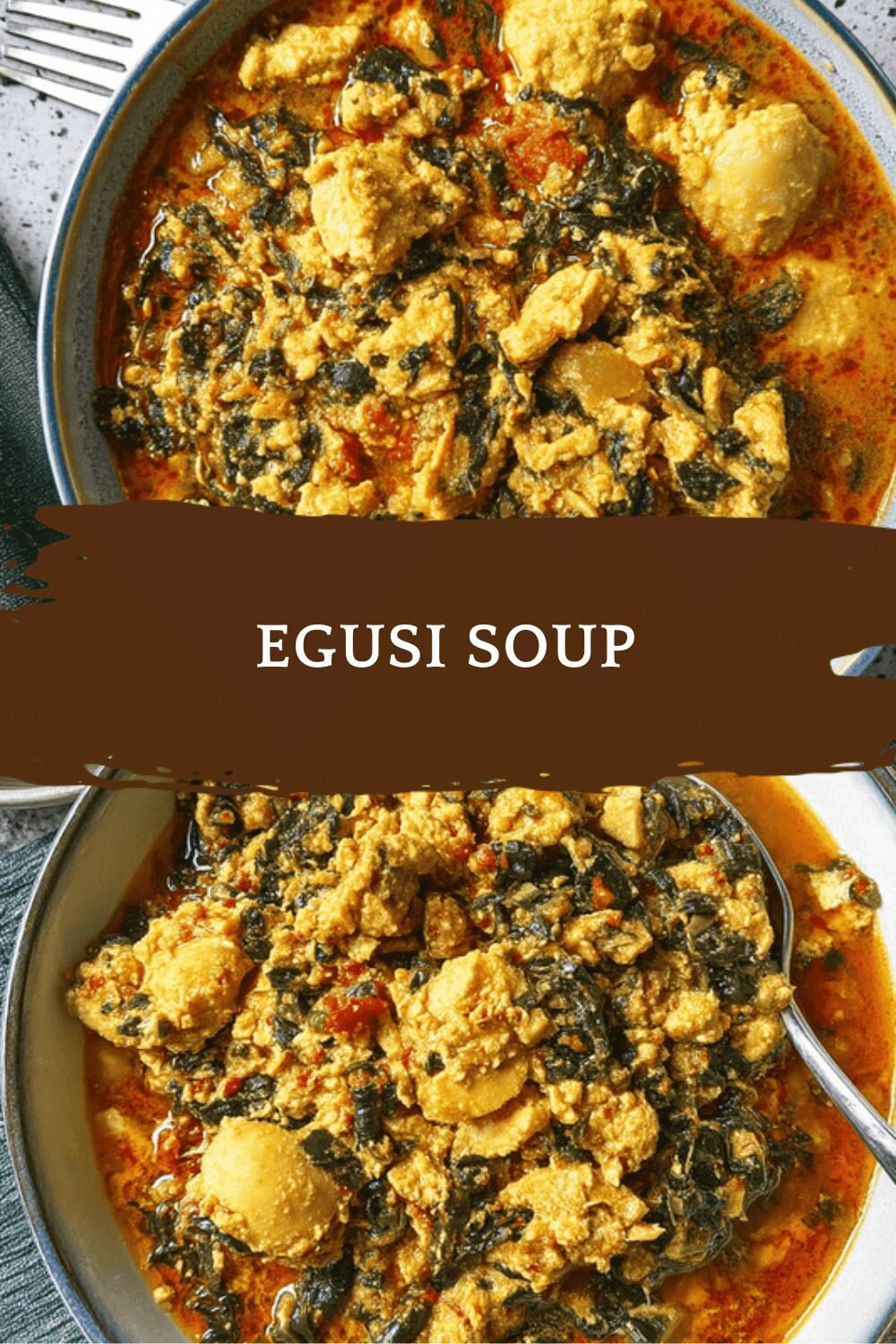
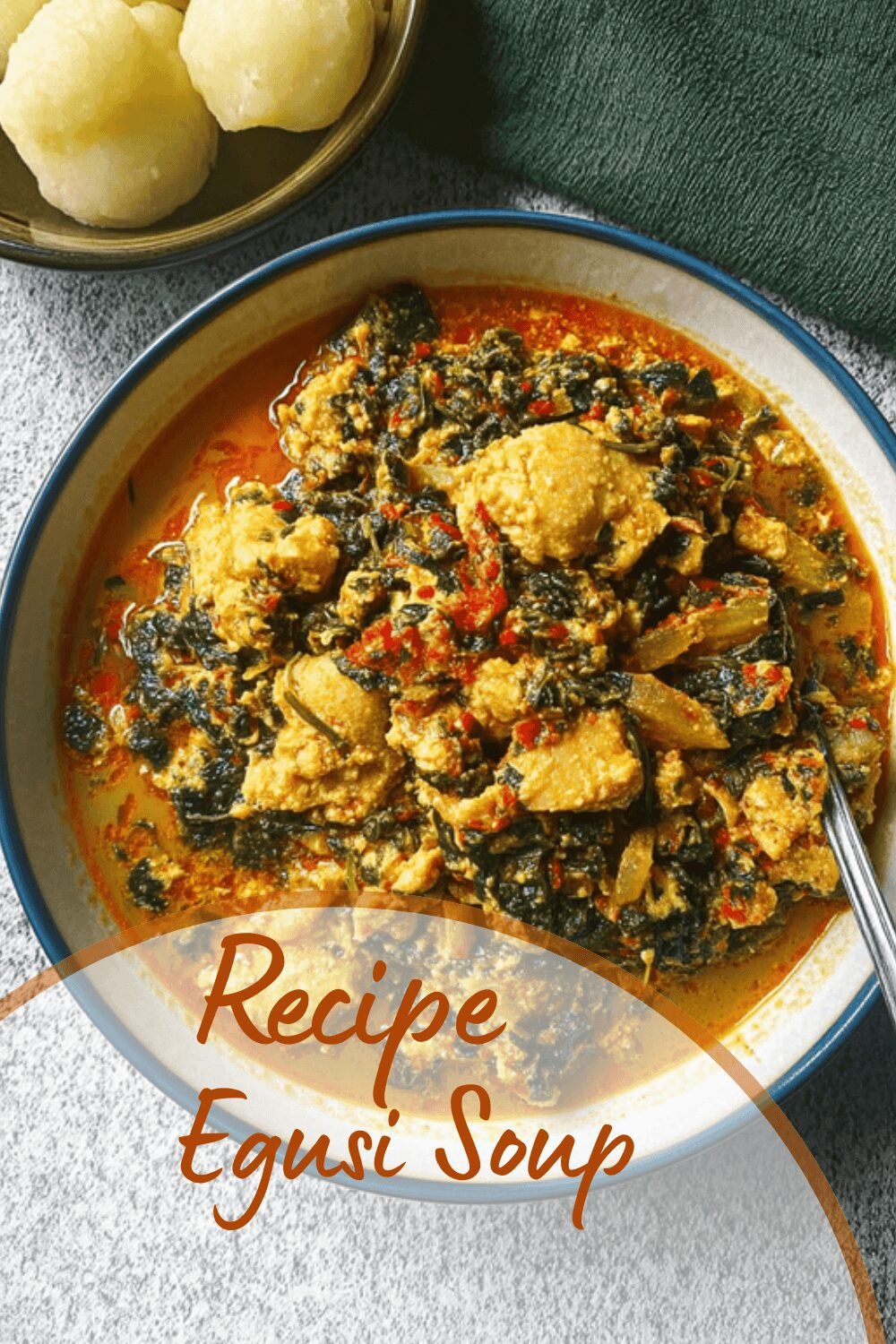
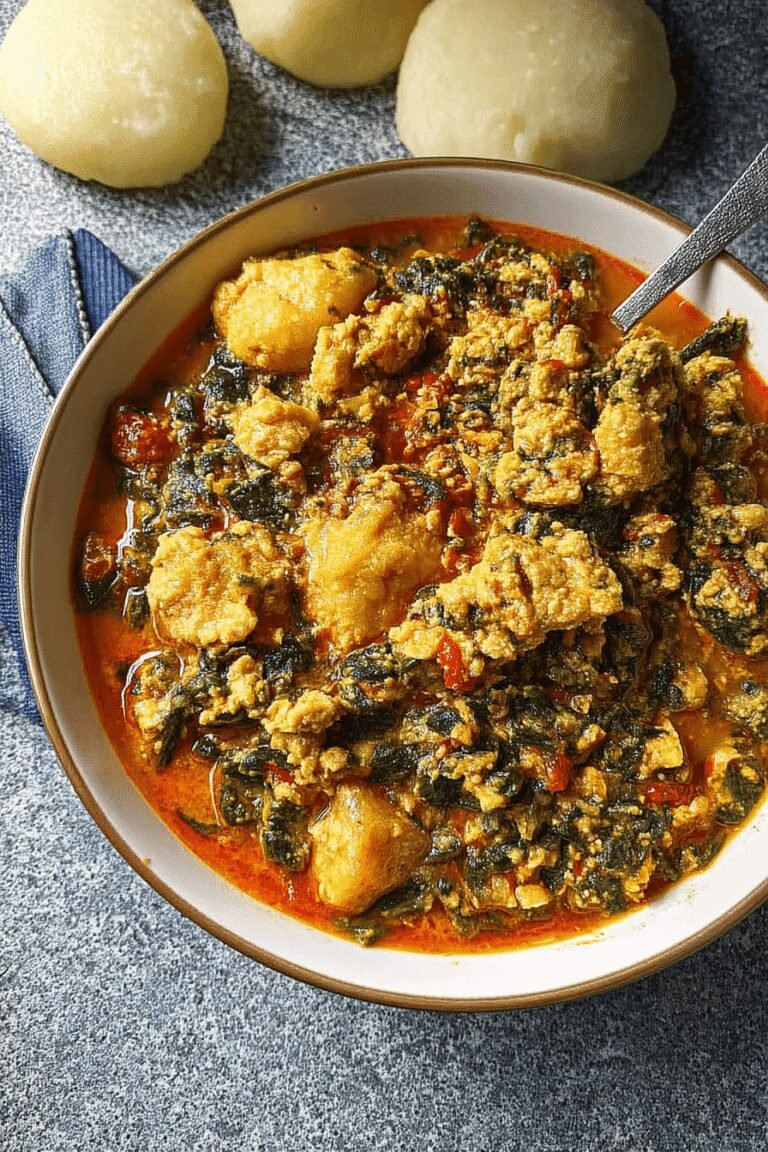
Serve the egusi soup hot with your preferred swallow options such as Eba, Amala, Pounded yam, or white rice. Garnish optionally with fresh herbs for enhanced aroma. Enjoy an authentic West African culinary experience!
Tip: Avoid stirring the egusi paste immediately after adding to allow ideal texture development and curdling.
Dietary Substitutions to Customize Your Egusi Soup
Protein and Main Component Alternatives
- Swap beef and tripe with tofu or tempeh for a vegetarian or vegan-friendly protein source.
- Use fish or chicken to create lighter, leaner versions of egusi soup.
- Omit seafood like crayfish if allergic or prefer a milder flavor; substitute with mushrooms or extra vegetables.
Vegetable, Sauce, and Seasoning Modifications
- Replace spinach with kale, collard greens, or other leafy greens according to availability.
- Use smoked paprika or mild chili powder instead of habanero for lower heat.
- Swap palm oil for olive or avocado oil to reduce saturated fat content, noting flavor changes.
- Add tomatoes to the blended pepper mix for a richer, tangier base if desired.
Mastering Egusi Soup: Advanced Tips and Variations
Pro cooking techniques: Toast egusi seeds lightly before grinding to intensify nutty flavor. Slow-cook protein separately to develop a richer broth and tender meat. Use a heavy-bottomed pot for even heat distribution.
Flavor variations: Incorporate ground walnuts or cashews for a different nutty profile. Add smoked fish or dried shrimp to deepen umami. Experiment with subtle spices like smoked paprika or a hint of clove for complexity.
Presentation tips: Serve in traditional earthenware bowls garnished with fresh chopped herbs such as parsley or green onions for contrast and color. Pair with soft, warm swallows for a complete experience.
Make-ahead options: Prepare and freeze the soup base in portions. Reheat gently, adding fresh greens and seasoning just before serving to preserve texture and vibrancy.
How to Store Egusi Soup: Best Practices
| Storage Method | Guidelines | Duration |
|---|---|---|
| Refrigeration | Store in airtight containers and refrigerate promptly after cooling to preserve freshness. | Up to 3 days |
| Freezing | Freeze in portioned freezer-safe containers. Thaw overnight in refrigerator prior to reheating. | Up to 3 months |
| Reheating | Reheat gently on stovetop over low heat with occasional stirring. Add stock or water if too thick. | N/A |
| Meal prep considerations | Batch cook and portion for convenient future meals, ensuring proper cooling before refrigeration or freezing. | N/A |
FAQs: Frequently Asked Questions About Egusi Soup
What type of oil is best for making Egusi soup?
Palm oil is traditionally used for Egusi soup because it imparts the distinctive color and rich flavor the dish is known for. While you can substitute with vegetable oil if palm oil isn’t available, it will change the soup’s taste and appearance. Olive oil is not recommended as it doesn’t complement the traditional flavor profile of Egusi soup.
Can I add tomatoes to Egusi soup, and how does it affect the flavor?
Yes, you can add tomatoes to Egusi soup if you prefer a slightly tangier and richer base. Tomatoes add acidity and depth, which can balance the flavors well. However, adding tomatoes is not part of the traditional recipe, so including them will create a variation on the classic taste.
How should I store Egusi seeds to keep them fresh?
Egusi seeds, whether ground or whole, should be stored in an airtight container to prevent exposure to moisture and air, which cause rancidity. For longer storage, keep the seeds in the freezer, where they can stay fresh for several months due to reduced oxidation. Proper storage preserves their nutty flavor and quality.
What proteins work best in Egusi soup, and can I omit seafood like crayfish?
Egusi soup traditionally includes a variety of proteins such as beef, goat meat, stockfish, and crayfish. If someone is allergic or doesn’t like seafood, you can omit crayfish and dry fish and substitute with other meat or even mushrooms for a vegetarian option. Keep in mind, leaving out crayfish will slightly change the signature flavor, but the soup will still be enjoyable.
How do I cook and season beef for Egusi soup?
Boiling beef before adding it to Egusi soup is common. While boiling, season the meat with salt, onions, and seasoning cubes or spices like garlic and ginger to infuse flavor. Once tender, add the beef and broth to your Egusi base. Frying is less common, as boiling ensures the meat is tender and integrates well with the soup.
Egusi Soup
🍲 Dive into the rich, nutty flavors of Egusi Soup, a hearty West African dish filled with protein and nutrients.
🥄 Perfect with swallows or rice, this traditional soup is sure to impress with its unique blend of spices and textures.
- Total Time: 1 hour
- Yield: 6 servings
Ingredients
– 2 cups egusi melon seeds
– 1 cup palm oil
– 4 tablespoons ground crayfish
– 3 tablespoons locust beans
– 24 ounces chopped spinach or other leafy greens
– 1 red bell pepper
– 1 habanero pepper
– 1 Fresno pepper
– 2 onions
– 1 pound assorted protein
– 3 cups beef or chicken stock
– Salt to taste
– stock cube
Instructions
First Step: Prepare Ingredients: Wash the leafy greens thoroughly and chop them finely. Blend the red bell pepper, habanero, Fresno pepper, and one onion into a smooth paste using minimal water to avoid watery sauce. Separately, blend the egusi seeds with half an onion and the crayfish, adding a little water to form a thick paste. Dice the remaining onion and chop your chosen meats into bite-sized pieces.
Second Step: Cook Proteins: Lightly boil or pre-cook your meat or fish until tender, seasoning as preferred. This ensures optimal tenderness and flavor before combining with the soup base.
Third Step: Sauté Base: Heat palm oil over medium heat, being careful to avoid overheating. Sauté the diced onion with half the locust beans for about 3 minutes until fragrant. Add the blended pepper mixture and cook for 15 minutes, stirring occasionally until water reduces and the sauce thickens.
Fourth Step: Incorporate Core Ingredients: Add the remaining locust beans, stock, salt, and optionally the stock cube. Cover and simmer for 5 minutes to marry flavors. Gently add the egusi paste without stirring immediately, cover, and cook for 20 to 30 minutes to allow it to curdle and form soft lumps.
Fifth Step: Final Cooking and Adding Greens: Stir gently after the egusi has sufficiently cooked, adding additional stock or water if too thick. Incorporate the pre-cooked meat or fish, cooking for 5 more minutes. Lastly, add chopped spinach or other leafy greens and simmer for an additional 5 minutes. Adjust seasoning to taste.
Final Step: Serve: Serve the egusi soup hot with your preferred swallow options such as Eba, Amala, Pounded yam, or white rice. Garnish optionally with fresh herbs for enhanced aroma. Enjoy an authentic West African culinary experience!
Last Step:
Please leave a rating and comment letting us know how you liked this recipe! This helps our business to thrive and continue providing free, high-quality recipes for you.Notes
🌴 Palm oil gives authentic taste and color; substitute with care for flavor changes.
🇳🇬 Locust beans enhance umami; seasoning cubes can be a substitute.
👨🍳 Avoid stirring egusi paste immediately for the best texture.
- Prep Time: 10 minutes
- Cook Time: 50 minutes
- Category: Main Course
- Method: One-pot
- Cuisine: West African
- Diet: Carnivore
Nutrition
- Serving Size: 1 bowl
- Calories: 457 kcal
- Sugar: 5 g
- Sodium: 297 mg
- Fat: 39 g
- Saturated Fat: 17 g
- Carbohydrates: 11 g
- Fiber: 3 g
- Protein: 16 g
- Cholesterol: 50 mg






Wow, this Egusi Soup reminds me so much of my childhood visits to my grandma’s house! 🍲 I added some smoked fish along with the beef, and it turned out so flavorful. Thanks for the step-by-step guide!