

Benefits and Advantages of dry brine
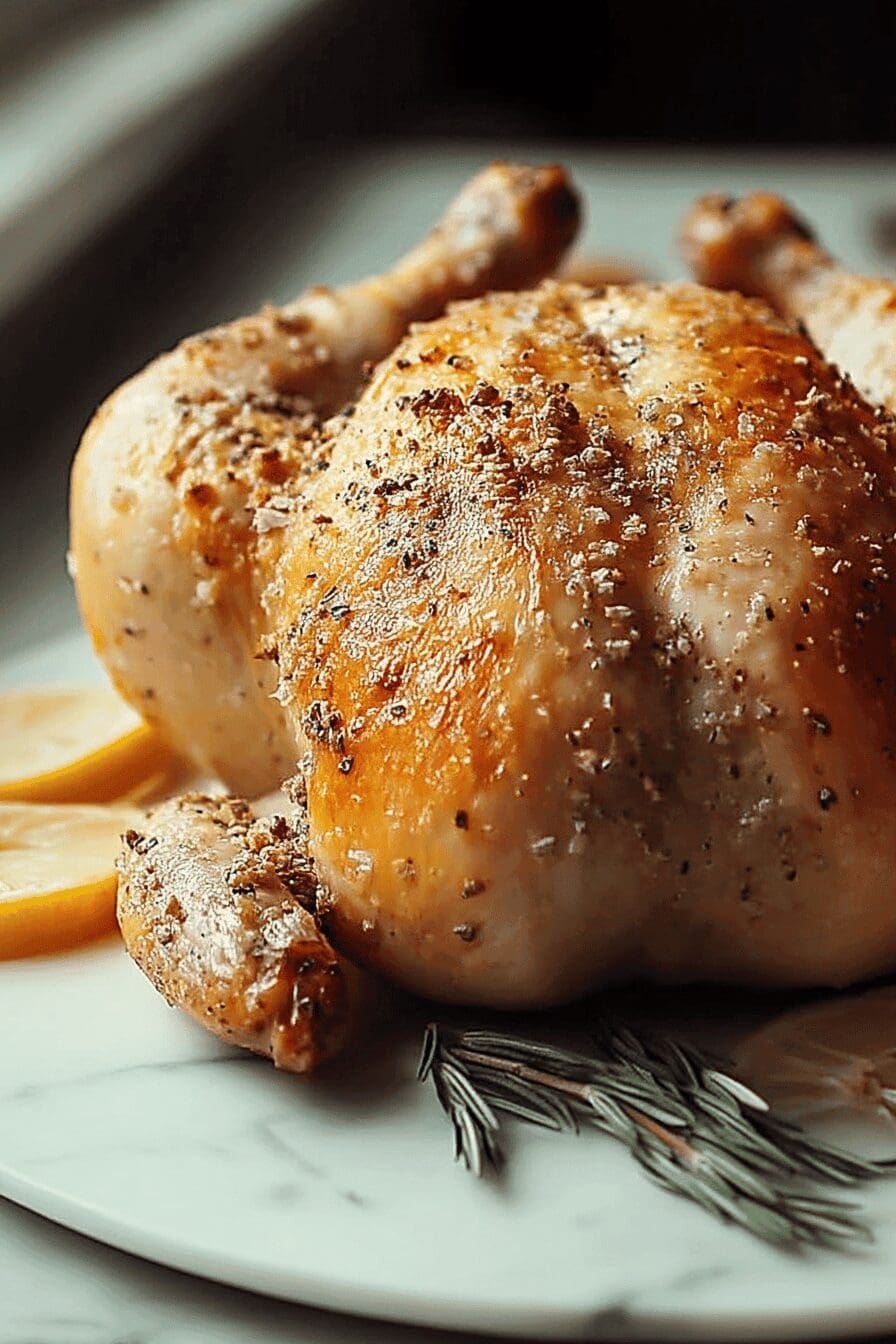
Dry brining is a simple yet highly effective technique that improves both the flavor and texture of meat, poultry, and fish. Its main benefit is enhancing juiciness and tenderness by drawing out moisture, which dissolves the applied salt and then reabsorbs into the protein. This process seasons the food evenly throughout, eliminating dryness and boosting natural flavors without adding excessive sodium or liquid.
Compared to traditional wet brining, dry brining uses less space and no cumbersome liquid solutions, making it easier to handle and less messy. It also promotes a beautifully browned, crispy exterior by drying the surface during the brining period. Additionally, dry brining is versatile and adaptable to many dietary preferences, including vegan and gluten-free, since it relies on pure salt and spices without added fats or sugars. Overall, dry brining offers an accessible, healthy, and flavorful method to elevate your cooking results.
Simple, time-efficient, and effective, dry brining unlocks moisture retention and seasoning depth while encouraging appealing textures.
Jump to:
- Benefits and Advantages of dry brine
- Essential Ingredients for dry brine
- Dietary Substitutions to Customize Your dry brine
- How to Prepare the Perfect dry brine: Step-by-Step Guide
- Mastering dry brine: Advanced Tips and Variations
- How to Store dry brine: Best Practices
- Nutritional Value of dry brine
- FAQs: Frequently Asked Questions About dry brine
- What is dry brining and how does it improve meat?
- How long should I dry brine different types of meat?
- Do I need to rinse meat after dry brining before cooking?
- How much salt should I use for dry brining?
- Can dry brining be used for all types of meat and fish?
- Dry Brine Meat and Poultry for Juicy, Flavorful Results Every Time
- Ingredients
- Instructions
- Last Step:
- Notes
- Nutrition
- Did you make this recipe?
Essential Ingredients for dry brine
A successful dry brine hinges on a few key ingredients that balance seasoning and aroma:
- Kosher salt: The primary ingredient for its coarse texture and effective moisture extraction.
- Black pepper: Adds gentle heat and aromatic complexity.
- Garlic powder: Provides savory depth without moisture.
- Onion powder: Enhances the natural umami flavors.
- Dried herbs (rosemary, thyme): Infuse subtle herbal notes to complement the meat.
- Optional additions: Smoked paprika for smokiness, lemon zest for brightness.
These ingredients are naturally vegan and gluten-free, suitable for low-calorie diets as they contain no sugars or fats. This blend captures flavor broadly while offering generous room for personalization.

Dietary Substitutions to Customize Your dry brine
The dry brine method is highly adaptable to various dietary needs and preferences through simple ingredient swaps:
- Low-sodium options: Use a reduced amount of kosher salt or switch to Himalayan pink salt, which contains trace minerals but still requires moderation.
- Gluten-free assurance: Opt for fresh, pure spices instead of pre-mixed seasonings that might have gluten fillers.
- Vegan friendly: Dry brine naturally excludes animal products, making it ideal for vegan recipes.
- Low FODMAP choices: Omit garlic and onion powders; substitute with asafoetida powder, chives, or scallion greens for savory flavor without digestive issues.
- Flavor variations: Introduce smoked sea salt for added complexity or incorporate citrus zest to brighten the profile.
These options ensure that dry brining remains a widely usable technique without limiting taste or effectiveness.

How to Prepare the Perfect dry brine: Step-by-Step Guide
- Measure Ingredients: Gather kosher salt, black pepper, garlic powder, onion powder, rosemary, and thyme. Measure accurately to balance seasoning.
- Combine Seasonings: Mix salt and spices thoroughly in a bowl for even distribution.
- Dry Surface: Pat the meat, poultry, or fish dry with paper towels to maximize the brine’s effectiveness.
- Apply Brine: Evenly sprinkle the dry brine mixture over all surfaces, rubbing gently to ensure coverage, including under skin or inside cavities if applicable.
- Refrigerate: Place the brined item on a wire rack atop a rimmed baking sheet. Refrigerate uncovered for 12 to 72 hours depending on cut size smaller cuts require less time.
- Pre-cooking Prep: Optional: rinse excess salt under cold water and pat dry thoroughly to encourage a crispy crust.
- Adjustments: Customize salt levels for low-sodium diets or modify herbs to match flavor preferences or dietary restrictions.
- Cook: Proceed with your preferred cooking method, enjoying enhanced moisture retention and deeply infused flavor.
This methodical approach ensures uniformly seasoned, juicy, and tender results with a crisp exterior.
Patience during refrigeration and thorough seasoning application are key to unlocking dry brine’s full potential.
Learn more about dry brining techniques and tips at What Is Dry Brining and How Does It Work? and enhance your skills with advice from Dry Brining Tips for Juicier Meat.
Mastering dry brine: Advanced Tips and Variations
For the best outcome with dry brining, timing and the right seasoning balance are key. Extending the dry brining period to up to 48 hours can greatly improve tenderness and flavor, especially for thick cuts, but be cautious about over-salting if left too long. Consider experimenting with different herbs such as sage or oregano to customize the aromatic profile and add depth. For a spicy touch, cracked black pepper or chili flakes can be included in the blend.
Nutritionally, reducing the salt amount while increasing fresh herbs allows you to control sodium intake without sacrificing taste. Additional creative variations involve adding citrus zest (like lemon or orange) or even ground coffee to the dry brine for unique flavor twists. Using coarse salts such as kosher or sea salt also offers a distinct texture and a slower, more gradual seasoning effect. Always keep the meat refrigerated during the brine period to maintain safety and quality.
Mastering these advanced techniques and customizing your dry brine blend opens new possibilities for delicious, juicy, and well-seasoned meats every time.
How to Store dry brine: Best Practices
To store your dry brined meats or leftover brine seasonings safely and effectively, refrigeration is the preferred method. Wrap brined meat tightly in plastic wrap or place it in airtight containers to prevent moisture loss and avoid absorbing odors from other foods. For longer storage, freezing is an excellent option. Store brined meats in freezer-safe bags or containers labeled with the date of brining, and consume within three months to ensure quality.
When reheating frozen brined meat, allow it to thaw gradually in the refrigerator to retain moisture, then reheat gently using low and moist heat methods such as baking or stovetop warming to avoid drying out the meat. Avoid refreezing thawed meats to maintain texture and safety. Proper storage preserves the enhanced flavor and tenderness achieved through the dry brining process.
Nutritional Value of dry brine
Dry brining primarily involves salt and spices, so it contributes negligible calories and almost no fat, making it a low-calorie seasoning method. The use of kosher or Himalayan pink salt provides some essential minerals in trace amounts. Since protein content depends on the meat or poultry itself rather than the brine, dry brining does not affect macronutrients significantly.
Herbs and spices in the dry brine introduce antioxidants and potential anti-inflammatory compounds without adding calories. Importantly, dry brining enhances flavor without introducing extra fats, sugars, or artificial additives. Monitoring salt quantity can help those with sodium restrictions adhere to their dietary guidelines, making dry brining a health-conscious choice for enriching meals.
FAQs: Frequently Asked Questions About dry brine
What is dry brining and how does it improve meat?
Dry brining is a technique where salt is sprinkled directly onto the surface of meat before cooking. The salt draws out moisture, which then dissolves the salt and is absorbed back into the meat. This process seasons the meat throughout, helps break down muscle fibers, and improves texture. As a result, the meat becomes juicier, more flavorful, and develops a better crust or crispy skin when cooked.
How long should I dry brine different types of meat?
The dry brining time depends on the size and type of meat. Smaller cuts like steaks or fish fillets can brine for 45 minutes to 6 hours. Larger pieces such as whole chickens or turkeys require 12 to 72 hours in the refrigerator. For pork and beef roasts, dry brining for 12 to 36 hours usually works best. The meat’s surface should feel dry before cooking to ensure optimal browning.
Do I need to rinse meat after dry brining before cooking?
No, rinsing is not recommended after dry brining. Rinsing would add moisture back to the surface, preventing the meat from developing a brown, crisp exterior. The amount of salt used during dry brining is similar to normal seasoning, so rinsing is unnecessary and could wash away the flavor.
How much salt should I use for dry brining?
For dry brining, use about 1 tablespoon of coarse kosher salt or 1.5 teaspoons of finely ground salt per 4 pounds of meat or poultry. Make sure to apply the salt evenly over the entire surface, including under the skin or inside cavities when possible. Adjust salt amounts slightly depending on personal taste and the size of the cut.
Can dry brining be used for all types of meat and fish?
Yes, dry brining works well for most meats, including beef, pork, poultry, and fish. It is especially beneficial for thicker cuts and whole birds, but can also improve flavor and texture in smaller cuts. Dry brining helps retain moisture and enhances seasoning without the need for large containers or added water, making it a versatile method for many proteins.

Dry Brine Meat and Poultry for Juicy, Flavorful Results Every Time
🥩 Experience juicy, tender meat with our simple dry brining technique—it’s your secret to chef-level cooking!
🍗 No messy solutions needed; just salt for deeply seasoned, flavorful meals every time!
- Total Time: Varies by meat type and brining duration
- Yield: Varies depending on meat quantity
Ingredients
Meat, poultry, or fish for brining
Salt (preferably coarse kosher salt for ease of sprinkling, but finely ground salt or sea salt can also be used)
Instructions
1. Pat the meat dry with paper towels.
2. Arrange the meat, poultry, or fish on a wire rack set inside a rimmed baking sheet or pan to allow airflow and catch drips.
3. Sprinkle salt evenly on all sides of the food. For smaller cuts like steaks, chops, or fillets, use about the same amount of salt as usual for seasoning. For larger items such as whole turkeys, pork loins, or roasts, apply approximately 1 tablespoon (about 15 g) of coarse kosher salt or 1.5 teaspoons (about 7 g) of finely ground salt per 4 pounds (1.8 kg) of meat. When possible, salt under the skin and inside cavities for more even seasoning.
4. Leave smaller cuts uncovered at room temperature for 45 minutes, or place them uncovered in the refrigerator for up to 6 hours.
5. For larger cuts or whole birds, refrigerate uncovered for 12 to 72 hours—dry brining is complete when the surface feels dry, not wet.
6. About one hour before cooking, remove the meat from the refrigerator to bring it closer to room temperature for even cooking.
7. Cook the dry-brined meat as usual, but omit adding any additional salt. Do not rinse the food before cooking to preserve the seasoned crust and ensure optimal browning and crisping.
Last Step:
Please leave a rating and comment letting us know how you liked this recipe! This helps our business to thrive and continue providing free, high-quality recipes for you.Notes
🧂 Kosher salt is recommended for its cost-effectiveness and ease of even distribution, though any salt can work.
🌬️ Leaving the food uncovered during the brining process allows the surface to dry, which promotes better browning, a crispier crust, or skin during cooking.
🔪 Avoid rinsing after dry brining to maintain flavor penetration and surface dryness essential for crust formation.
- Prep Time: 15 minutes
- Refrigeration: up to 72 hours
- Cook Time: Varies by meat type
- Category: Preparation Technique
- Method: Dry Brining
- Cuisine: Universal
- Diet: Varies with meat choice
Nutrition
- Serving Size: Depends on quantity of meat or poultry
- Calories: Negligible
- Sugar: 0 g
- Sodium: Varies on salt amount used
- Fat: 0 g
- Saturated Fat: 0 g
- Unsaturated Fat: 0 g
- Trans Fat: 0 g
- Carbohydrates: 0 g
- Fiber: 0 g
- Protein: 0 g
- Cholesterol: 0 mg


