Why You’ll Love This Dry Brine Turkey
We know how exciting it is to pull off a perfect turkey for your holiday table, and that’s exactly what this dry brine turkey recipe delivers every time. It’s all about keeping things simple and reliable, so you can focus on enjoying the gathering with your loved ones. Let us walk you through why this method stands out for home cooks like us who want great results without the fuss.
- Ease of preparation: Dry brining a turkey means no big buckets of liquid or hours of soaking just a quick rub and some fridge time. You’ll love how it cuts down on hands-on work with only about 30 minutes of active prep before the turkey sits for 24 to 48 hours. Our dry brined turkey recipe is foolproof, making it ideal for busy parents or anyone new to cooking, as it fits seamlessly into your day without requiring constant attention.
- Health benefits: This approach helps keep the turkey moist and flavorful while reducing added fats, which we appreciate for wellness-focused meals. The dry brine method enhances moisture retention for juicier meat, and you can easily tweak it for lower sodium options by halving the salt if your turkey is pre-treated. Plus, with nutritional perks like high protein and controlled carbs, as seen in the 1075 calories per serving with 147g of protein, it’s a smart choice for diet-conscious folks who want a hearty yet balanced dish.
- Versatility: Whether you’re cooking for a small family or a big crowd, this dry brine turkey adapts beautifully to different sizes and diets. We can scale it for smaller birds or adjust seasonings to suit preferences, making it perfect for everything from weeknight dinners to festive events. It’s also flexible for various portion sizes, like planning 1.5 to 2 pounds per person, which helps working professionals and community organizers prepare just the right amount.
- Distinctive flavor: The dry brining technique gives a concentrated seasoning that brings out deeper savory notes from the herbs and spices, resulting in crispy skin and tender meat that’s hard to beat. Our dry-brine turkey stands out with its simple mix of brown sugar, salt, thyme, and sage, creating a burst of flavor without overwhelming the natural taste of the bird. Compared to traditional methods, it’s simpler and yields that perfect golden-brown finish we all crave at gatherings.
To tie it all together, this dry brine turkey recipe combines ease, health, versatility, and flavor in a way that makes it a go-to for anyone wanting a brined turkey that’s both delicious and approachable. We’re confident you’ll see why so many home cooks rely on this method for their celebrations.
Jump to:
- Why You’ll Love This Dry Brine Turkey
- Essential Ingredients for Dry Brine Turkey
- Special Dietary Options
- How to Prepare the Perfect Dry Brine Turkey: Step-by-Step Guide
- First Step: Prepare the Turkey
- Second Step: Apply the Dry Brine
- Third Step: Brine the Turkey
- Fourth Step: Set Up for Roasting
- Fifth Step: Prepare for Roasting
- Sixth Step: Roast the Turkey
- Seventh Step: Let the Turkey Rest
- Eighth Step: Make Gravy and Serve
- Ninth Step: Adapt for Dietary Needs
- Final Step: Enjoy and Store Leftovers
- Protein and Main Component Alternatives
- Vegetable, Sauce, and Seasoning Modifications
- Mastering Dry Brine Turkey: Advanced Tips and Variations
- How to Store Dry Brine Turkey: Best Practices
- FAQs: Frequently Asked Questions About Dry Brine Turkey
- What is dry brining and how does it work on turkey?
- How long should I dry brine my turkey before cooking?
- Do I need to rinse off the dry brine before cooking my turkey?
- Can I add additional herbs or spices to the dry brine?
- Will dry brining make the turkey more tender compared to wet brining?
- Dry Brine Turkey
- Ingredients
- Instructions
- Last Step:
- Notes
- Nutrition
- Did you make this recipe?
Essential Ingredients for Dry Brine Turkey
Gathering the right ingredients is key to making our dry brine turkey shine, and we’re here to break it down so you can shop with confidence. Each item plays a specific role in creating that juicy, flavorful bird we love sharing at the table. Let’s list them out clearly for easy reference.
- 1 (12 to 14-pound) turkey, patted dry: This is the star of the show, providing a blank canvas for the dry brine method to enhance its natural flavors and moisture.
- 1/4 cup packed light brown sugar: Adds a touch of sweetness to balance the salt and promote better browning on the skin, making your dry brined turkey extra appealing.
- 3 tablespoons kosher salt: The main component for the dry brine turkey, it draws out moisture and seasons the meat deeply for tender results without needing to soak in liquid.
- 2 teaspoons dried thyme: Infuses an earthy, aromatic note into the dry-brined bird, enhancing its overall savoriness during the brining process.
- 2 teaspoons dried sage leaves or ground sage: Brings a warm, herbal flavor that complements the turkey’s natural taste in this dry brine recipe.
- 1 teaspoon freshly ground black pepper: Provides a subtle kick and depth to the seasoning mix for our dry brined turkey, ensuring every bite is well-rounded.
- 6 tablespoons unsalted butter, at room temperature: Helps the skin crisp up beautifully when smeared on before roasting, adding richness to the dry-brined turkey.
- 1 large yellow onion, cut into wedges: Acts as a flavorful base in the roasting pan, releasing juices that enhance the overall aroma of your dry brine turkey.
- 2 carrots, cut into 2-inch pieces: Contribute natural sweetness and moisture to the roasting setup, supporting the even cooking of the dry-brined bird.
- 2 stalks celery, cut into 2-inch pieces: Add a fresh, vegetal note and help build a tasty base for gravy from the dry brine turkey drippings.
Special Dietary Options
- Vegan: For a plant-based twist on the dry brine method, substitute the turkey with tofu or seitan and scale the brine mix accordingly use about 1 tablespoon kosher salt per pound of protein for similar seasoning, creating a dry-brined bird alternative that’s full of flavor.
- Gluten-free: This recipe is naturally gluten-free, but ensure your spices are pure; if adding extras, opt for certified gluten-free herbs to keep your dry brine turkey safe for sensitive eaters.
- Low-calorie: Reduce butter to 3 tablespoons or swap with a light olive oil spray to cut fats, and adjust portions for smaller servings, maintaining the benefits of the dry brine technique while lightening up the dry-brined bird.
How to Prepare the Perfect Dry Brine Turkey: Step-by-Step Guide
We’re excited to guide you through making a dry brine turkey that’s juicy, flavorful, and stress-free it’s one of our favorite ways to impress at any gathering. This step-by-step approach keeps things straightforward, with tips on timing and safety to ensure success. Let’s dive in and make this process as easy as possible for all of us in the kitchen.
First Step: Prepare the Turkey
Start by removing the giblets, neck, truss, and any excess fat from your turkey to get it ready for the dry brine method. Pat the bird dry with paper towels, as this helps the seasoning stick better and promotes crispier skin later. We recommend choosing a plain turkey without injections for the best control over flavors if it’s pre-treated, halve the salt in your brine mix to avoid over-salting.
Second Step: Apply the Dry Brine
Mix together the dry brine ingredients: 1/4 cup packed light brown sugar, 3 tablespoons kosher salt, 2 teaspoons dried thyme, 2 teaspoons dried sage, and 1 teaspoon freshly ground black pepper. Rub this mixture all over the turkey, including inside the cavity and under the skin if possible, to ensure even seasoning. This step is crucial for our dry brined turkey, as it allows the salt to penetrate and enhance moisture retention over time.
Third Step: Brine the Turkey
Place the turkey uncovered in the refrigerator for 24 to 48 hours, giving the dry brine technique time to work its magic. This duration lets the flavors develop deeply, with the salt breaking down proteins for tenderness aim for at least 24 hours for noticeable benefits. Keep in mind that longer brining improves results, but always thaw the turkey first in the fridge at about 24 hours per 4 pounds for safety.
Fourth Step: Set Up for Roasting
Preheat your oven to 375°F and scatter 1 large yellow onion cut into wedges, 2 carrots cut into 2-inch pieces, and 2 stalks celery cut into 2-inch pieces in the roasting pan. Place a rack inside the pan to elevate the turkey, allowing air to circulate and help with even cooking. Using a digital thermometer with a leave-in probe is a great idea here to monitor the internal temperature without opening the oven door.
Fifth Step: Prepare for Roasting
Brush off any excess dry brine from the turkey’s exterior using damp paper towels don’t rinse it, as that can spread bacteria. Position the turkey on the rack, tuck the wings under to prevent burning, and smear 6 tablespoons of unsalted butter all over the skin for a golden finish. This butter rub enhances browning without needing to baste, keeping your dry brined turkey’s skin extra crispy.
Sixth Step: Roast the Turkey
Roast the turkey until the skin turns deep golden-brown and the internal temperature hits 165°F in the breast and 175°F in the thigh, which takes about 1¾ to 2½ hours. Check on it at around 1½ hours and cover loosely with foil if the skin browns too quickly to avoid overcooking. For adaptations, if you’re using a smaller turkey, reduce roasting time proportionally and adjust the dry brine amounts based on weight for consistent results with the brining method.
Seventh Step: Let the Turkey Rest
Remove the turkey from the oven and carefully tilt it to pour juices from the cavity into the roasting pan, then transfer it to a platter. Tent it loosely with foil and let it rest for 20 to 30 minutes so the juices redistribute, keeping the meat moist and easier to carve. This resting period is essential for food safety and texture, especially if adapting for dietary needs like low-sodium versions by reducing salt initially.
Eighth Step: Make Gravy and Serve
While the turkey rests, use the reserved pan drippings to whip up a simple gravy, then carve the turkey and serve it with the gravy on the side. For variations, if you prefer grilling or smoking, adjust cooking times and temperatures accordingly for example, smoking might take longer at lower heat to maintain the dry brine turkey’s benefits. Always cook stuffing separately for safety, and scale the recipe for smaller birds by reducing brine quantities.
Ninth Step: Adapt for Dietary Needs
To make this dry brined turkey work for everyone, try low-sodium adjustments by cutting salt, or go plant-based with tofu and adapt the brine for marination instead of full brining. If you’re grilling, monitor temperatures closely to hit 165°F, ensuring the dry-brine technique still delivers moist results. We’ve found these tweaks help preserve the essence of the recipe while fitting various preferences.
Final Step: Enjoy and Store Leftovers
Once served, savor your dry brined turkey with sides, and think about how to store any extras for later. This step wraps up our guide, highlighting how the dry brine method makes for a versatile, delicious meal that adapts to smoking or other cooking styles while keeping safety in mind.
For more roasted poultry ideas, check out our oven-baked chicken legs recipe that pairs well with this technique.Protein and Main Component Alternatives
When we want to switch things up with our dry brine turkey, exploring protein alternatives keeps the fun going while meeting dietary needs. Let’s look at options that maintain the essence of the dry-brining technique for juicy results. For instance, using smaller birds like Cornish hens means scaling the salt to about 1 tablespoon per pound and reducing brining time to 12-24 hours for even flavor.
Poultry swaps such as chicken or turkey breast work great; brine them for 12-24 hours and expect a firmer texture that highlights the dry-brined bird’s benefits. For plant-based choices, tofu or seitan can be dry-brined with the same salt ratio, adjusted for absorption to keep that concentrated seasoning we love. Even seafood like salmon can adapt, with brining times of just 30-60 minutes to preserve moisture without overwhelming the fish’s natural taste.
Vegetable, Sauce, and Seasoning Modifications
Adding variety to our dry brine turkey means playing with vegetables, sauces, and seasonings based on the season or preferences. In winter, swap carrots and celery for root veggies like parsnips for a heartier roast, or go for summer sides with fresh herbs to lighten things up. For sauces, try gluten-free thickeners in gravy or dairy-free options like nut-based butters to complement the dry-brined bird without allergens.
Seasoning tweaks could include bold blends like citrus-forward mixes for a zesty twist, adjusting intensity to match the dry brine’s flavors. Always add delicate veggies toward the end of roasting to avoid overcooking, and for low-calorie ideas, opt for lighter sauces that enhance rather than mask the turkey’s taste, ensuring our dry-brining technique shines through.
Mastering Dry Brine Turkey: Advanced Tips and Variations
Once you’re comfortable with basics, let’s elevate our dry brine turkey with pro techniques and creative spins that make it even more exciting. Reverse-searing is a favorite for even cooking, where you brine first and then finish with high heat for a perfect crust on your dry-brined bird. Spatchcocking flattens the turkey for faster, uniform roasting, ideal for busy schedules and helping maintain that crispy skin we all adore.
For flavor variations, try a Mediterranean lemon-herb mix in the brine or an Asian five-spice glaze before roasting to add global flair to your dry brined turkey. Presentation tips include garnishing with fresh herbs and pairing with sides like our miso and gochujang butter roast chicken recipe for a cohesive meal. Make-ahead options let you brine in advance, store safely in the fridge, and reheat gently to preserve texture for those community gatherings.
How to Store Dry Brine Turkey: Best Practices
After enjoying your dry brine turkey, proper storage keeps it fresh and tasty for later. For refrigeration, cool the cooked turkey quickly and store it in airtight containers for up to 3-4 days, labeling with dates to track freshness. Freezing works well for longer term, portioning the meat and wrapping it airtight for up to 6 months, then thawing safely in the fridge to maintain quality.
When reheating, use a low-temp oven around 325°F with foil to prevent drying, adding a bit of broth for moisture while ensuring it reaches 165°F internally. For meal prep, slice and store portions for easy sandwiches or add to soups, keeping the benefits of your dry-brined turkey intact for quick meals.
FAQs: Frequently Asked Questions About Dry Brine Turkey
What is dry brining and how does it work on turkey?
Dry brining involves rubbing salt and sometimes herbs or spices directly onto the turkey’s skin and meat. The salt pulls moisture from the turkey, which then dissolves the salt and is reabsorbed back into the meat. This process seasons the turkey deeply and helps break down muscle proteins, resulting in juicier and more flavorful meat with crispier skin.
How long should I dry brine my turkey before cooking?
For best results, dry brine your turkey for at least 24 hours and up to 72 hours before roasting. A longer dry brine time allows the salt to penetrate deeper, improving flavor and tenderness. Keep the turkey uncovered in the refrigerator during this time to allow the skin to dry out, which contributes to a crispier finish.
Do I need to rinse off the dry brine before cooking my turkey?
It’s generally not necessary to rinse off the dry brine. The salt will have been absorbed into the meat, so rinsing can remove valuable seasoning and increase the risk of cross-contamination. Simply pat the turkey skin dry with paper towels before cooking to ensure crisp skin.
Can I add additional herbs or spices to the dry brine?
Yes, adding herbs like rosemary, thyme, or sage, as well as spices such as black pepper or garlic powder, can enhance the turkey’s flavor. Mix these with the salt before applying the brine for balanced seasoning. Be careful not to add too much salt, especially if using a seasoned salt blend.
Will dry brining make the turkey more tender compared to wet brining?
Dry brining can improve both moisture retention and tenderness by breaking down proteins and seasoning the meat throughout. Unlike wet brining, it doesn’t involve submerging the turkey in liquid, which means the meat texture remains firmer and less waterlogged. Many cooks prefer dry brining for a more natural turkey texture and easier preparation.
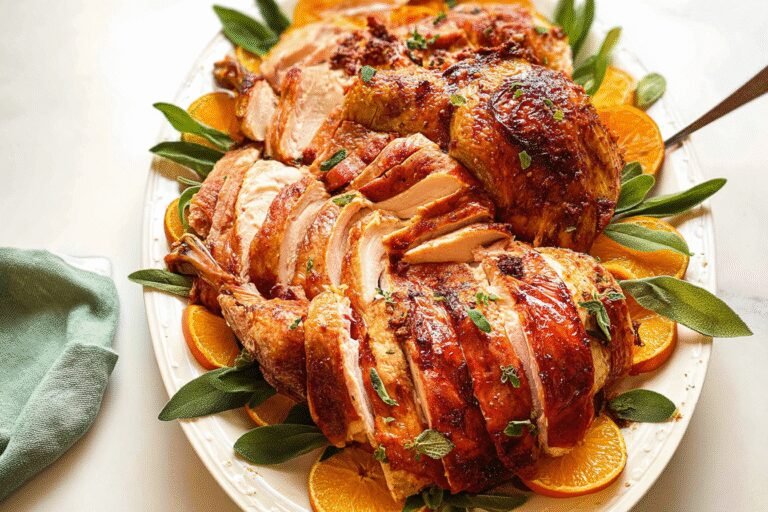
Dry Brine Turkey
🦃 This Thanksgiving Turkey Recipe offers an easy and foolproof method for perfectly juicy and flavorful turkey every time.
🔥 The dry brine technique ensures a crispy skin and tender meat without the hassle of wet brining, making it a must-try for holiday meals.
- Total Time: 27 to 30 hours
- Yield: 8 servings 1x
Ingredients
1 (12 to 14-pound) turkey
1/4 cup packed light brown sugar for sweetness and browning
3 tablespoons kosher salt for dry brine seasoning
2 teaspoons dried thyme for earthy, aromatic flavor
2 teaspoons dried sage leaves or ground sage for warm, herbal flavor
1 teaspoon freshly ground black pepper for subtle kick and depth
6 tablespoons unsalted butter, at room temperature for crisping skin and richness
1 large yellow onion, cut into wedges for flavorful roasting base
2 carrots, cut into 2-inch pieces for natural sweetness and moisture
2 stalks celery, cut into 2-inch pieces for fresh vegetal note and gravy base
Instructions
First Step: Prepare the Turkey Start by removing the giblets, neck, truss, and any excess fat from your turkey to get it ready for the dry brine method. Pat the bird dry with paper towels, as this helps the seasoning stick better and promotes crispier skin later. We recommend choosing a plain turkey without injections for the best control over flavors if it’s pre-treated, halve the salt in your brine mix to avoid over-salting.
Second Step: Apply the Dry Brine Mix together the dry brine ingredients: 1/4 cup packed light brown sugar, 3 tablespoons kosher salt, 2 teaspoons dried thyme, 2 teaspoons dried sage, and 1 teaspoon freshly ground black pepper. Rub this mixture all over the turkey, including inside the cavity and under the skin if possible, to ensure even seasoning. This step is crucial for our dry brined turkey, as it allows the salt to penetrate and enhance moisture retention over time.
Third Step: Brine the Turkey Place the turkey uncovered in the refrigerator for 24 to 48 hours, giving the dry brine technique time to work its magic. This duration lets the flavors develop deeply, with the salt breaking down proteins for tenderness aim for at least 24 hours for noticeable benefits. Keep in mind that longer brining improves results, but always thaw the turkey first in the fridge at about 24 hours per 4 pounds for safety.
Fourth Step: Set Up for Roasting Preheat your oven to 375°F and scatter 1 large yellow onion cut into wedges, 2 carrots cut into 2-inch pieces, and 2 stalks celery cut into 2-inch pieces in the roasting pan. Place a rack inside the pan to elevate the turkey, allowing air to circulate and help with even cooking. Using a digital thermometer with a leave-in probe is a great idea here to monitor the internal temperature without opening the oven door.
Fifth Step: Prepare for Roasting Brush off any excess dry brine from the turkey’s exterior using damp paper towels don’t rinse it, as that can spread bacteria. Position the turkey on the rack, tuck the wings under to prevent burning, and smear 6 tablespoons of unsalted butter all over the skin for a golden finish. This butter rub enhances browning without needing to baste, keeping your dry brined turkey’s skin extra crispy.
Sixth Step: Roast the Turkey Roast the turkey until the skin turns deep golden-brown and the internal temperature hits 165°F in the breast and 175°F in the thigh, which takes about 1¾ to 2½ hours. Check on it at around 1½ hours and cover loosely with foil if the skin browns too quickly to avoid overcooking. For adaptations, if you’re using a smaller turkey, reduce roasting time proportionally and adjust the dry brine amounts based on weight for consistent results with the brining method.
Seventh Step: Let the Turkey Rest Remove the turkey from the oven and carefully tilt it to pour juices from the cavity into the roasting pan, then transfer it to a platter. Tent it loosely with foil and let it rest for 20 to 30 minutes so the juices redistribute, keeping the meat moist and easier to carve. This resting period is essential for food safety and texture, especially if adapting for dietary needs like low-sodium versions by reducing salt initially.
Eighth Step: Make Gravy and Serve While the turkey rests, use the reserved pan drippings to whip up a simple gravy, then carve the turkey and serve it with the gravy on the side. For variations, if you prefer grilling or smoking, adjust cooking times and temperatures accordingly for example, smoking might take longer at lower heat to maintain the dry brine turkey’s benefits. Always cook stuffing separately for safety, and scale the recipe for smaller birds by reducing brine quantities.
Ninth Step: Adapt for Dietary Needs To make this dry brined turkey work for everyone, try low-sodium adjustments by cutting salt, or go plant-based with tofu and adapt the brine for marination instead of full brining. If you’re grilling, monitor temperatures closely to hit 165°F, ensuring the dry-brine technique still delivers moist results. We’ve found these tweaks help preserve the essence of the recipe while fitting various preferences.
Final Step: Enjoy and Store Leftovers Once served, savor your dry brined turkey with sides, and think about how to store any extras for later. This step wraps up our guide, highlighting how the dry brine method makes for a versatile, delicious meal that adapts to smoking or other cooking styles while keeping safety in mind.
Last Step:
Please leave a rating and comment letting us know how you liked this recipe! This helps our business to thrive and continue providing free, high-quality recipes for you.Notes
🧂 Choose a plain or natural turkey without injections for the best seasoning control and reduce salt if pre-treated.
🌡️ Use a digital thermometer with a leave-in probe to monitor cooking temperatures without opening the oven.
⏳ Let the turkey rest 20-30 minutes before carving to allow juices to redistribute and keep meat moist.
- Prep Time: 30 minutes
- Brining time: 24 to 48 hours
- Cook Time: 2 hours 30 minutes
- Category: Main Course
- Method: Roasting
- Cuisine: American
- Diet: Non-vegetarian
Nutrition
- Serving Size: 1 serving
- Calories: 1075
- Sugar: 5 g
- Sodium: 1619 mg
- Fat: 47 g
- Saturated Fat: 15 g
- Carbohydrates: 6 g
- Fiber: 0 g
- Protein: 147 g
- Cholesterol: 513 mg