

Why You’ll Love This Doro Wat
- Ease of preparation: This Doro Wat recipe balances traditional authenticity with straightforward steps, making it accessible for home cooks. While it does require slow cooking to caramelize onions and develop layers of flavor, the hands-on preparation is simple and manageable within a couple of hours.
- Health benefits: Packed with protein-rich chicken thighs and infused with nutrient-dense berbere spice, Doro Wat supports a balanced diet. Its blend of aromatic spices such as garlic, ginger, and cardamom offers anti-inflammatory properties, while niter kibbeh adds richness without excessive processed fats. For more information on the health benefits of chicken, this dish is both hearty and nourishing.
- Versatility: Doro Wat’s recipe is flexible, easily accommodating vegan substitutes like seasoned mushrooms or tofu. It’s naturally gluten-free if the spice blends are checked carefully, and the fat content can be adjusted by modifying the niter kibbeh or butter quantities to suit lower-calorie diets.
- Distinctive flavor: The signature feature of this Ethiopian chicken stew is its bold, layered taste built on slow-caramelized onions, the fiery yet aromatic berbere spice blend, and the rich, spiced clarified butter called niter kibbeh. Combined with the tang of lemon juice and sweetness from honey wine, this stew creates an unforgettable, warming culinary experience.
Jump to:
- Why You’ll Love This Doro Wat
- Essential Ingredients for Doro Wat
- Main Ingredients:
- Additional spices (optional for deeper flavor):
- Special Dietary Options:
- How to Prepare the Perfect Doro Wat: Step-by-Step Guide
- First Step: Marinate the Chicken
- Second Step: Caramelize the Onions
- Third Step: Cook Garlic and Ginger
- Fourth Step: Add Spices and Flavorings
- Fifth Step: Simmer the Chicken
- Sixth Step: Add the Hard-Boiled Eggs
- Final Step: Season and Serve
- Dietary Substitutions to Customize Your Doro Wat
- Protein and Main Component Alternatives
- Vegetable, Sauce, and Seasoning Modifications
- Mastering Doro Wat: Advanced Tips and Variations
- Pro Cooking Techniques
- Flavor Variations
- Presentation Tips
- Make-Ahead Options
- How to Store Doro Wat: Best Practices
- FAQs: Frequently Asked Questions About Doro Wat
- What is doro wat and why is it popular in Ethiopian cuisine?
- Can I substitute ingredients if I don’t have authentic berbere or niter kibbeh?
- How should I cook the onions to get the right flavor for doro wat?
- What can I serve with doro wat if I don’t have injera bread?
- Is doro wat suitable for people with gluten intolerance?
- Doro Wat
- Ingredients
- Instructions
- Last Step:
- Notes
- Nutrition
- Did you make this recipe?
Essential Ingredients for Doro Wat
Main Ingredients:
- 3 pounds (about 1.4 kg) chicken thighs, cut into 1-inch pieces, bone-in preferred – Provides juicy, tender protein that holds up to the long cooking process.
- 2 tablespoons fresh lemon juice – Tenderizes the chicken and adds brightness.
- 2 tablespoons niter kibbeh (Ethiopian spiced clarified butter) – Adds rich, complex aromas and depth.
- 2 tablespoons extra virgin olive oil or vegetable oil – Helps with caramelizing onions and sautéing.
- 3 to 6 cups finely minced onions (yellow or red), approximately 700-900 grams – Forms the stew’s sweet and deep caramelized base.
- 1 tablespoon finely minced garlic (about 3 cloves) – Enhances the savory flavor profile.
- 1 tablespoon finely minced fresh ginger (about 1 inch or 15 grams) – Contributes a warm, zesty note.
- 1/4 to 1/2 cup berbere spice blend (adjust to taste) – Key seasoning giving the dish its signature spicy complexity. See What is Berbere Spice?
- 3 tablespoons butter – Adds creaminess and richness.
- 1/2 cup Ethiopian honey wine (Tej) or substitute white wine mixed with 1 teaspoon honey – Provides subtle sweetness and complexity.
- 1 cup chicken stock or water – Adjusts sauce consistency during cooking.
- 1 teaspoon salt or to taste – Balances the flavors.
- 4 to 6 hard-boiled eggs, peeled and pierced or halved – Absorb the spicy sauce, adding texture contrast and protein enhancement.
Additional spices (optional for deeper flavor):
- 1 teaspoon Ethiopian cardamom (korarima) or green cardamom seeds
- 1/2 teaspoon black pepper
- 1/2 teaspoon nutmeg
- 1 tablespoon tomato paste (optional) for subtle acidity and richness
Special Dietary Options:
- Vegan: Use hearty mushrooms or seasoned tofu to replace chicken, and substitute niter kibbeh with spiced olive oil or vegan butter infused with garlic, ginger, cumin, fenugreek, and cardamom.
- Gluten-free: Naturally gluten-free recipe; confirm all spice blends and substitute products contain no gluten additives.
- Low-calorie: Use skinless chicken thighs, decrease the butter and niter kibbeh amounts, and increase the onion content for bulk without extra fat.
How to Prepare the Perfect Doro Wat: Step-by-Step Guide
First Step: Marinate the Chicken
Place the 3 pounds of bone-in chicken thighs cut into 1-inch pieces in a bowl. Sprinkle with 2 tablespoons of fresh lemon juice to tenderize and brighten the meat. Let it sit at room temperature for at least 30 minutes or longer if time allows to enhance tenderness and flavor absorption.
Second Step: Caramelize the Onions
Heat 2 tablespoons of niter kibbeh or your substitute along with 2 tablespoons of extra virgin olive or vegetable oil in a large heavy-bottomed pot over low heat. Add 3 to 6 cups of finely minced onions. Cover the pot and sauté the onions slowly, stirring occasionally for 45 minutes to 1 hour until deeply caramelized and golden brown. Add small amounts of oil or water if needed to prevent burning. This slow cooking unlocks the rich, sweet foundation of the stew.
Third Step: Cook Garlic and Ginger
Stir in 1 tablespoon of finely minced garlic and 1 tablespoon of finely minced fresh ginger along with 1 tablespoon of butter. Cover and cook for another 15 to 20 minutes to mellow the aromatics and blend with the onions.
Fourth Step: Add Spices and Flavorings
Mix in 1/4 to 1/2 cup of berbere spice blend, adjusting for your preferred heat level. Add the remaining butter and any optional spices such as cardamom, black pepper, nutmeg, or tomato paste. Cover and continue sautéing for 20 to 30 minutes, stirring now and then to allow the spices to bloom and fully develop their flavors.
Fifth Step: Simmer the Chicken
Pour in 1 cup chicken stock or water, add the marinated chicken pieces, 1 teaspoon of salt, and 1/2 cup of Ethiopian honey wine (Tej) or the white wine and honey substitute. Bring this mixture to a boil, then reduce heat to low, cover, and let simmer gently for 1 to 1.5 hours. Stir occasionally and add small amounts of water if the sauce thickens too much. The chicken should become tender and the sauce thick and flavorful.
Sixth Step: Add the Hard-Boiled Eggs
Add the 4 to 6 hard-boiled eggs, pierced or halved, to the pot. Simmer covered for an additional 10-15 minutes allowing the eggs to absorb the spicy sauce.
Final Step: Season and Serve
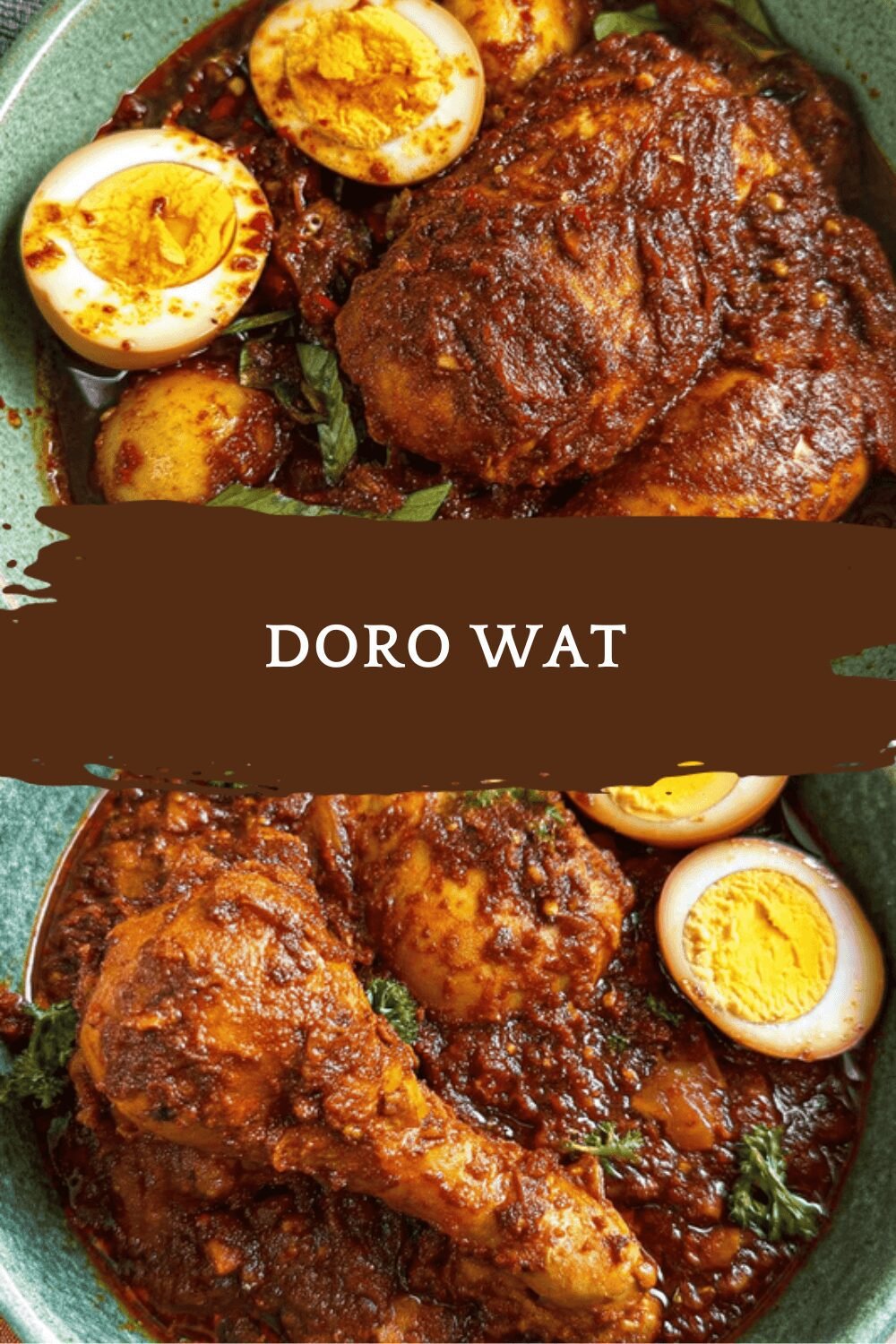
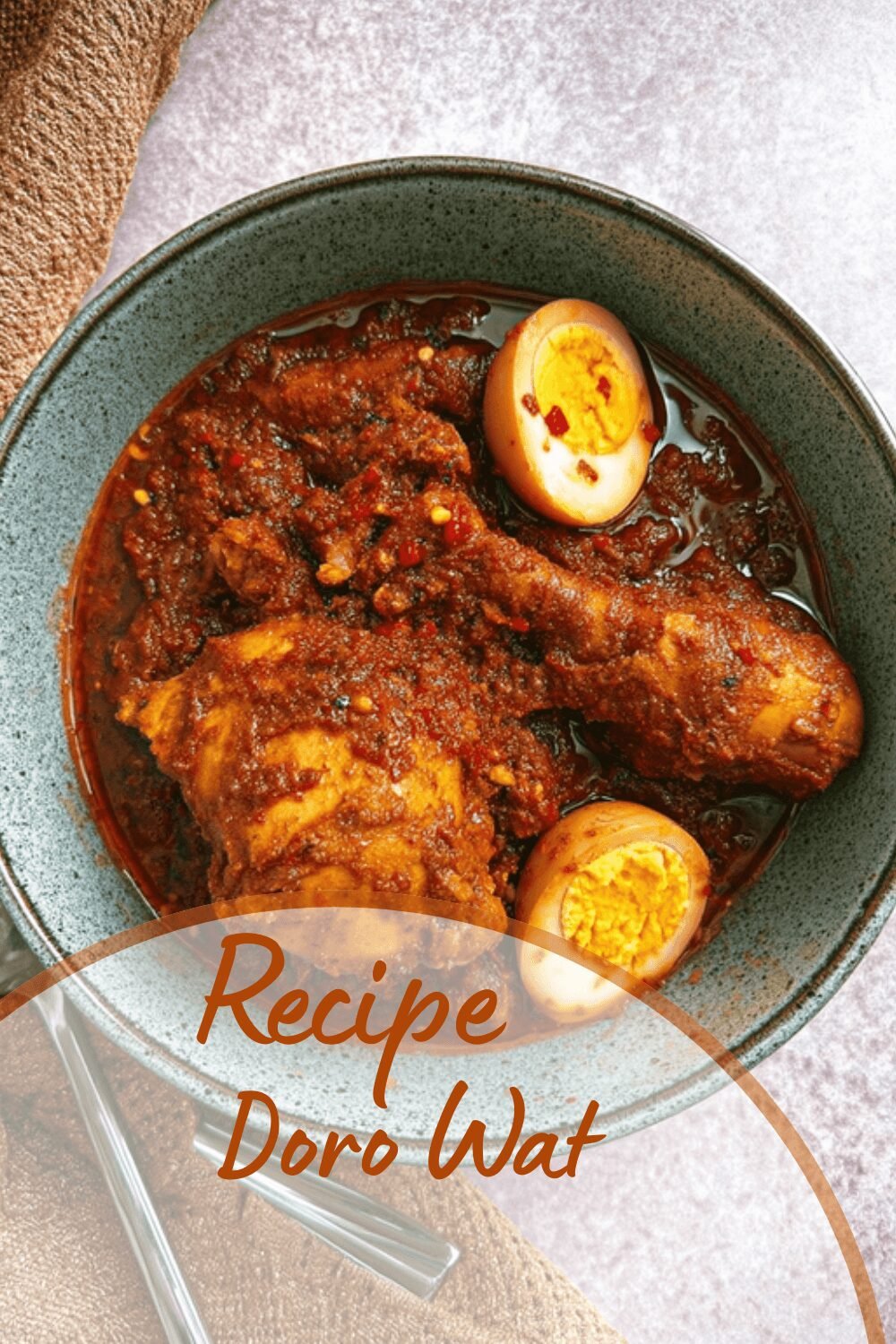
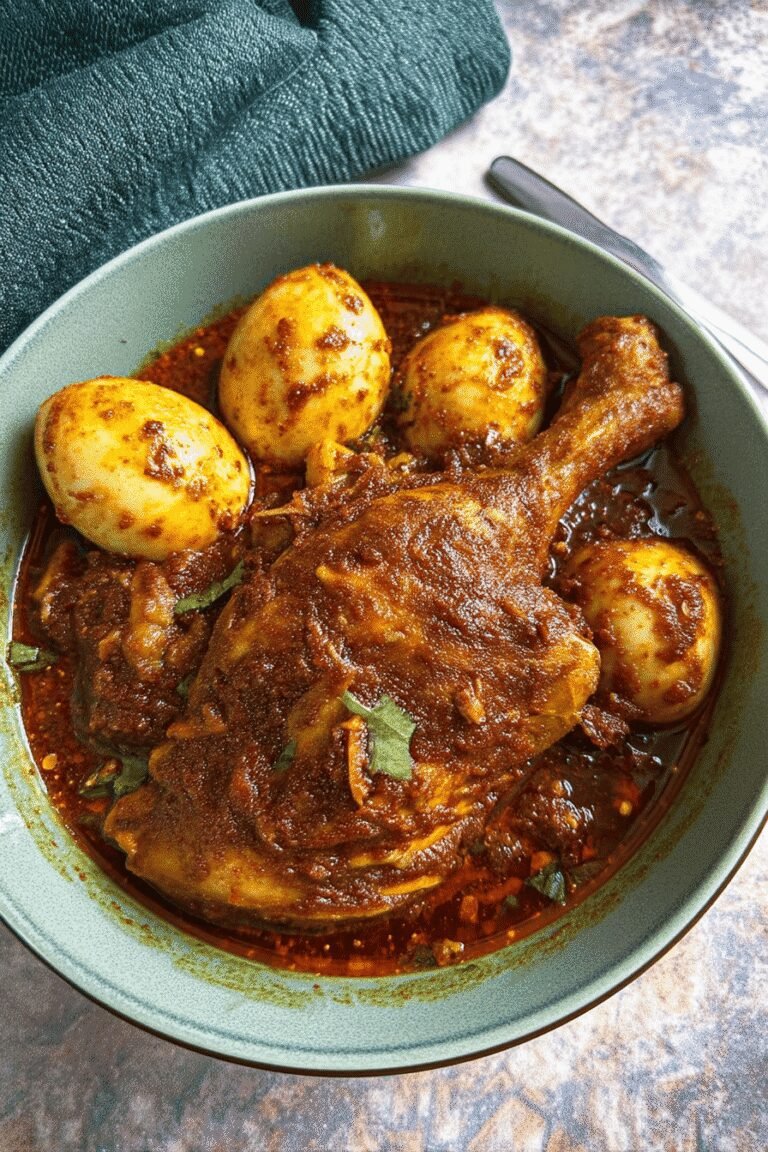
Adjust seasoning by adding more berbere spice or salt if needed for balance. Serve the Doro Wat piping hot, traditionally with injera flatbread to scoop up the stew. Alternatively, serve with other flatbreads, crepes, or rice. Arrange the flavorful eggs on top or around the dish as a beautiful garnish.
Tip: For the richest flavor, prepare Doro Wat a day ahead and let the spices and aromas meld overnight just reheat gently before serving.
Expand your collection with other savory dishes like the chicken mushroom pasta recipe for a comforting, easy-to-make meal.
Dietary Substitutions to Customize Your Doro Wat
Protein and Main Component Alternatives
- Vegan options: Replace chicken with chunky mushrooms such as portobello or shiitake, or use firm tofu marinated in lemon juice and spices to absorb the Berbere flavors well.
- Lean alternatives: Turkey thighs offer a lower-fat poultry substitute with similar texture and cook time suitable for the stew.
- Other proteins: For those adventurous, seitan could be used, keeping in mind it is gluten-rich.
Vegetable, Sauce, and Seasoning Modifications
- Onion variants: Shallots or leeks can be used instead of onions to create a milder sweetness in the sauce base.
- Spice adjustments: Berbere can be partially traded for smoked paprika for a gentler heat or to cater to sensitive palates. Adjust quantities based on spice tolerance.
- Broth substitution: Vegetable broth works as a great alternative for vegetarian and vegan preparations. Combine with seasoned oils for depth.
- Additional vegetables: Carrots or diced potatoes can be added to the stew for extra texture and subtle sweetness, making it more hearty.
Mastering Doro Wat: Advanced Tips and Variations
Pro Cooking Techniques
Slowly caramelizing the onions to a deep golden color is the heart of authentic Doro Wat. Patience in this step ensures you get the signature sweetness and complex base. Use a heavy-bottomed pot to prevent burning and maintain consistent heat.
Flavor Variations
Try enhancing the traditional berbere by adding a pinch of cinnamon or cardamom to deepen aromatic notes. For a tangier variation, a spoonful of tomato paste adds subtle acidity. A drizzle of extra spiced clarified butter right before serving adds shine and richness.
Presentation Tips
Serve Doro Wat in communal bowls garnished with halved hard-boiled eggs and fresh injera for dipping. Sprinkle with fresh cilantro or parsley for a pop of color. Providing lemon or lime wedges on the side invites guests to add a touch of zest to brighten flavors.
Make-Ahead Options
Prepare the onion and spice base a day ahead, refrigerate, and then add chicken to cook freshly before serving. This saves time and retains a vibrant, fresh taste. The stew often tastes better the next day as flavors meld beautifully.
How to Store Doro Wat: Best Practices
| Storage Method | Guidelines | Duration |
|---|---|---|
| Refrigeration | Cool Doro Wat to room temperature, transfer to airtight containers and refrigerate promptly. | Up to 3 days |
| Freezing | Divide into freezer-safe bags or containers, remove excess air to prevent freezer burn, and freeze. | Up to 3 months |
| Reheating | Gently warm on stove over low heat, stirring occasionally. Add a splash of water or chicken stock if sauce thickens too much. | N/A |
| Meal Prep | Batch cook and portion into individual servings for quick meals. Prepare fresh injera or flatbreads as needed for best texture. | N/A |
FAQs: Frequently Asked Questions About Doro Wat
What is doro wat and why is it popular in Ethiopian cuisine?
Doro wat is a traditional Ethiopian chicken stew known for its deep, spicy flavor and rich aroma. It features slow-cooked onions, berbere spice blend, niter kibbeh (spiced clarified butter), garlic, and ginger, simmered with bone-in chicken and hard-boiled eggs. This dish holds cultural significance and is often served during celebrations and special occasions, appreciated for its hearty and comforting taste.
Can I substitute ingredients if I don’t have authentic berbere or niter kibbeh?
Yes, if you can’t find authentic berbere, you can use a pre-mixed Ethiopian spice blend from specialty stores or online. For niter kibbeh, clarified butter or ghee with added spices like cardamom, fenugreek, and cinnamon works well as a replacement. These substitutions will slightly alter the flavor but still produce a tasty doro wat.
How should I cook the onions to get the right flavor for doro wat?
Cooking the onions slowly over low heat without oil or water initially is key. Stir the onions continuously for about 25-30 minutes until they turn a deep golden brown and caramelize. This process provides the stew’s characteristic sweetness and rich base flavor, essential for authentic doro wat.
What can I serve with doro wat if I don’t have injera bread?
If injera isn’t available, you can serve doro wat with other flatbreads like chapati, crepes, or even rice. To mimic injera’s slight tanginess, add a small amount of lemon juice or vinegar to the stew. This helps balance the spices and enhance the overall flavor.
Is doro wat suitable for people with gluten intolerance?
The stew itself is naturally gluten-free, as it contains chicken, spices, and vegetables without gluten ingredients. However, traditional injera often contains wheat flour, so be sure to use 100% teff injera or serve alternative gluten-free sides to keep the meal safe for those with gluten intolerance.
Doro Wat
🇪🇹 Doro Wat offers a rich and bold taste that is a quintessential part of Ethiopian culinary tradition, perfect for a delightful and hearty meal.
🍗 This stew is characterized by its complex spices which create layers of aroma and flavor, ideal for those who love vibrant, spicy dishes.
- Total Time: 3 hours 20 minutes
- Yield: 6 servings
Ingredients
– 3 pounds chicken thighs
– 2 tablespoons fresh lemon juice
– 2 tablespoons niter kibbeh
– 2 tablespoons extra virgin olive oil or vegetable oil
– 3 to 6 cups finely minced onions
– 1 tablespoon finely minced garlic
– 1 tablespoon finely minced fresh ginger
– 1/4 to 1/2 cup berbere spice blend
– 3 tablespoons butter
– 1/2 cup Ethiopian honey wine or substitute white wine mixed with 1 teaspoon honey
– 1 cup chicken stock or water
– 1 teaspoon salt
– 4 to 6 hard-boiled eggs
– 1 teaspoon Ethiopian cardamom or green cardamom seeds
– 1/2 teaspoon black pepper
– 1/2 teaspoon nutmeg
– 1 tablespoon tomato paste
Instructions
1-First Step: Marinate the Chicken
Place the 3 pounds of bone-in chicken thighs cut into 1-inch pieces in a bowl. Sprinkle with 2 tablespoons of fresh lemon juice to tenderize and brighten the meat. Let it sit at room temperature for at least 30 minutes or longer if time allows to enhance tenderness and flavor absorption.
2-Second Step: Caramelize the Onions
Heat 2 tablespoons of niter kibbeh or your substitute along with 2 tablespoons of extra virgin olive or vegetable oil in a large heavy-bottomed pot over low heat. Add 3 to 6 cups of finely minced onions. Cover the pot and sauté the onions slowly, stirring occasionally for 45 minutes to 1 hour until deeply caramelized and golden brown. Add small amounts of oil or water if needed to prevent burning. This slow cooking unlocks the rich, sweet foundation of the stew.
3-Third Step: Cook Garlic and Ginger
Stir in 1 tablespoon of finely minced garlic and 1 tablespoon of finely minced fresh ginger along with 1 tablespoon of butter. Cover and cook for another 15 to 20 minutes to mellow the aromatics and blend with the onions.
4-Fourth Step: Add Spices and Flavorings
Mix in 1/4 to 1/2 cup of berbere spice blend, adjusting for your preferred heat level. Add the remaining butter and any optional spices such as cardamom, black pepper, nutmeg, or tomato paste. Cover and continue sautéing for 20 to 30 minutes, stirring now and then to allow the spices to bloom and fully develop their flavors.
5-Fifth Step: Simmer the Chicken
Pour in 1 cup chicken stock or water, add the marinated chicken pieces, 1 teaspoon of salt, and 1/2 cup of Ethiopian honey wine (Tej) or the white wine and honey substitute. Bring this mixture to a boil, then reduce heat to low, cover, and let simmer gently for 1 to 1.5 hours. Stir occasionally and add small amounts of water if the sauce thickens too much. The chicken should become tender and the sauce thick and flavorful.
6-Sixth Step: Add the Hard-Boiled Eggs
Add the 4 to 6 hard-boiled eggs, pierced or halved, to the pot. Simmer covered for an additional 10-15 minutes allowing the eggs to absorb the spicy sauce.
7-Final Step: Season and Serve
Adjust seasoning by adding more berbere spice or salt if needed for balance. Serve the Doro Wat piping hot, traditionally with injera flatbread to scoop up the stew. Alternatively, serve with other flatbreads, crepes, or rice. Arrange the flavorful eggs on top or around the dish as a beautiful garnish.
Last Step:
Please leave a rating and comment letting us know how you liked this recipe! This helps our business to thrive and continue providing free, high-quality recipes for you.Notes
🧅 Caramelizing onions slowly is crucial for the best flavor.
🌶️ Use homemade berbere for a fresher flavor, but be cautious of salt in store-bought blends.
🥚 Pierce eggs before adding them to the stew for better flavor absorption.
- Prep Time: 20 minutes
- Marinating time: 30 minutes
- Cook Time: 2 hours 30 minutes
- Category: Main Course
- Method: Simmering
- Cuisine: Ethiopian
- Diet: N/A
Nutrition
- Serving Size: 1 bowl
- Calories: 558-647
- Sugar: 5-8g
- Sodium: 495-885mg
- Fat: 40-53g
- Saturated Fat: 14-18g
- Unsaturated Fat: N/A
- Trans Fat: N/A
- Carbohydrates: 11-20g
- Fiber: 1-4g
- Protein: 31-43g
- Cholesterol: 302-376mg






I’ve tried making Doro Wat before, but this recipe is by far the BEST! 😍 The spice balance is perfect. Quick question: if I wanted to make it less spicy for my kids, should I reduce the berbere or is there another way to keep the flavors rich but milder?