

Why You’ll Love This Dinner Rolls
Dinner rolls are a staple at any gathering, offering a simple joy that brings people together over shared meals. These fluffy bread rolls stand out for their soft texture and comforting taste, making them perfect for beginner bakers or busy families. Now, let’s dive into what makes this homemade bread rolls recipe so appealing, especially if you’re aiming for something versatile and easy to prepare.
One of the standout features of these soft bread rolls is their ease of preparation. You can whip up a batch in less than an hour of active time, with the dough coming together quickly using basic ingredients found in most kitchens. This simplicity allows even novice bakers to create fluffy dinner rolls without feeling overwhelmed, turning a potentially intimidating task into an enjoyable activity. Plus, the quick cooking time means you can have warm rolls ready for your next potluck or picnic.
- Ease of preparation: These fluffy dinner rolls come together with straightforward steps, using everyday items like flour and yeast, which makes baking accessible for anyone. The process is simple and quick, often ready in just about an hour, so you can focus more on enjoying time with family rather than spending hours in the kitchen.
- Health benefits: Opting for homemade dinner rolls lets you control the ingredients, leading to options that support wellness with less processed sugars and added nutrients from whole ingredients. These soft bread rolls can be made with whole grains if desired, offering fiber that aids digestion and helps maintain steady energy levels throughout the day.
- Versatility: This recipe for soft dinner rolls adapts easily to various dietary needs, allowing you to swap ingredients for gluten-free or vegan versions without losing that beloved fluffy texture. Whether you’re serving them at a picnic or a family dinner, they pair well with everything from soups to salads, making them a flexible choice for different occasions.
- Distinctive flavor: What sets these homemade bread rolls apart is their rich, buttery taste that comes from fresh ingredients, giving you a fluffy and tender bite every time. The subtle sweetness from a touch of sugar balances perfectly with the salt, creating a flavor profile that’s comforting and memorable, especially when enjoyed warm from the oven.
This approach to making dinner rolls ensures they’re not just food, but a way to connect and create lasting memories at your next gathering. By focusing on these benefits, you’ll see how this recipe fits seamlessly into busy lifestyles while delivering great results every time.
Jump to:
- Why You’ll Love This Dinner Rolls
- Essential Ingredients for Dinner Rolls
- Special Dietary Options
- How to Prepare the Perfect Dinner Rolls: Step-by-Step Guide
- Dietary Substitutions to Customize Your Dinner Rolls
- Protein and Main Component Alternatives
- Vegetable, Sauce, and Seasoning Modifications
- Mastering Dinner Rolls: Advanced Tips and Variations
- How to Store Dinner Rolls: Best Practices
- FAQs: Frequently Asked Questions About Dinner Rolls
- How do I keep dinner rolls soft and fresh after baking?
- What is the best way to make homemade dinner rolls rise quickly?
- Can I substitute milk with water when making dinner rolls?
- How should I reheat leftover dinner rolls without drying them out?
- What are some easy variations to make flavored dinner rolls?
- Dinner Rolls
- Ingredients
- Instructions
- Last Step:
- Notes
- Nutrition
- Did you make this recipe?
Essential Ingredients for Dinner Rolls
When it comes to baking soft dinner rolls, selecting the right ingredients is key to achieving that perfect, fluffy texture. Each item plays a specific role in the recipe, helping to create the light, airy quality that makes homemade bread rolls so irresistible. Below, you’ll find a detailed list of the essential ingredients, complete with precise measurements and a brief explanation of why each one matters.
- Whole milk: 1 cup (240ml), warmed to about 110°F (43°C) – This provides moisture and richness, activating the yeast for a tender crumb in your fluffy bread rolls.
- Instant yeast: 2 1/4 teaspoons (1 standard packet) – Acts as the rising agent, helping the dough expand quickly and giving your soft dinner rolls their light, airy structure.
- Granulated sugar: 2 tablespoons, divided – Adds a hint of sweetness to balance flavors and feeds the yeast for better rising, enhancing the overall taste of these homemade bread rolls.
- Large egg: 1 – Contributes to binding the ingredients and adding moisture, which results in a softer texture for your dinner rolls.
- Unsalted butter: 1/4 cup (4 tablespoons; 56g), room temperature, cut into 4 pieces – Offers fat that creates a tender, flaky interior and rich flavor in your soft bread rolls recipe.
- Salt: 1 teaspoon – Enhances the overall taste and controls yeast activity, ensuring your fluffy dinner rolls have the perfect balance of flavors.
- All-purpose flour or bread flour: 3 cups (390g) – Forms the base of the dough, providing structure and elasticity; bread flour adds extra strength for chewier homemade bread rolls.
- Optional Topping: Mixture of melted unsalted butter (2 tablespoons) and honey (1 tablespoon) – Adds a glossy finish and extra flavor, making your dinner rolls even more appealing and soft.
Special Dietary Options
Adapting this soft dinner rolls recipe to different needs is straightforward, ensuring everyone can enjoy these homemade delights. For a vegan version, swap the milk for a plant-based alternative like almond milk and replace the egg with flaxseed meal mixed with water, keeping that fluffy texture intact. If you’re going gluten-free, use a certified gluten-free flour blend in place of all-purpose or bread flour, and add a bit more liquid to adjust the dough’s consistency for the best results. For low-calorie tweaks, reduce the butter slightly and opt for a sugar substitute, which helps maintain the softness while cutting down on calories in your dinner rolls.
For more on flour choices, check out Bread Flour vs All-Purpose Flour to understand how it affects your soft dinner rolls.
How to Prepare the Perfect Dinner Rolls: Step-by-Step Guide
Creating soft dinner rolls at home is easier than you might think, and this guide walks you through each part with clear steps. Start by gathering all your ingredients to make the process smooth and enjoyable, just like prepping for a fun family baking session. We’ll cover everything from mixing to baking, with tips for adapting the recipe.
First Step: Warm the whole milk to about 110°F (43°C) in a microwave or on the stovetop, then stir in the instant yeast and 1 tablespoon of granulated sugar. Let this mixture sit for about 5-10 minutes until it becomes foamy, which activates the yeast for a good rise. This step is crucial for getting those fluffy dinner rolls, and for a vegan twist, use plant-based milk here.
Second Step: In a large mixing bowl, combine the foamy yeast mixture with the remaining sugar, egg, softened butter, salt, and 2 cups of flour. Use a wooden spoon or stand mixer to stir until a shaggy dough forms, which should take about 2-3 minutes. At this point, you can add in flour-based adaptations for gluten-free versions by swapping to a gluten-free blend.
Third Step: Gradually add the remaining flour, about 1/2 cup at a time, while kneading the dough on a lightly floured surface for 5-7 minutes until it’s smooth and elastic. If the dough feels too sticky, add a little more flour; for low-calorie tweaks, use less butter here to keep things light while maintaining the soft texture of your homemade bread rolls.
Fourth Step: Place the dough in a greased bowl, cover it with a damp cloth, and let it rise in a warm spot for 1 hour or until doubled in size. This proofing at room temperature around 75-80°F helps develop the flavor and fluffiness, and you can speed it up in a slightly warmer area for quicker results in your soft dinner rolls recipe.
Fifth Step: Punch down the risen dough and divide it into 12 equal pieces, shaping each into a ball and placing them in a greased baking pan. Cover again and let them proof for another 30-45 minutes until puffy, adjusting for dietary needs like using egg substitutes for vegan options to ensure even rising.
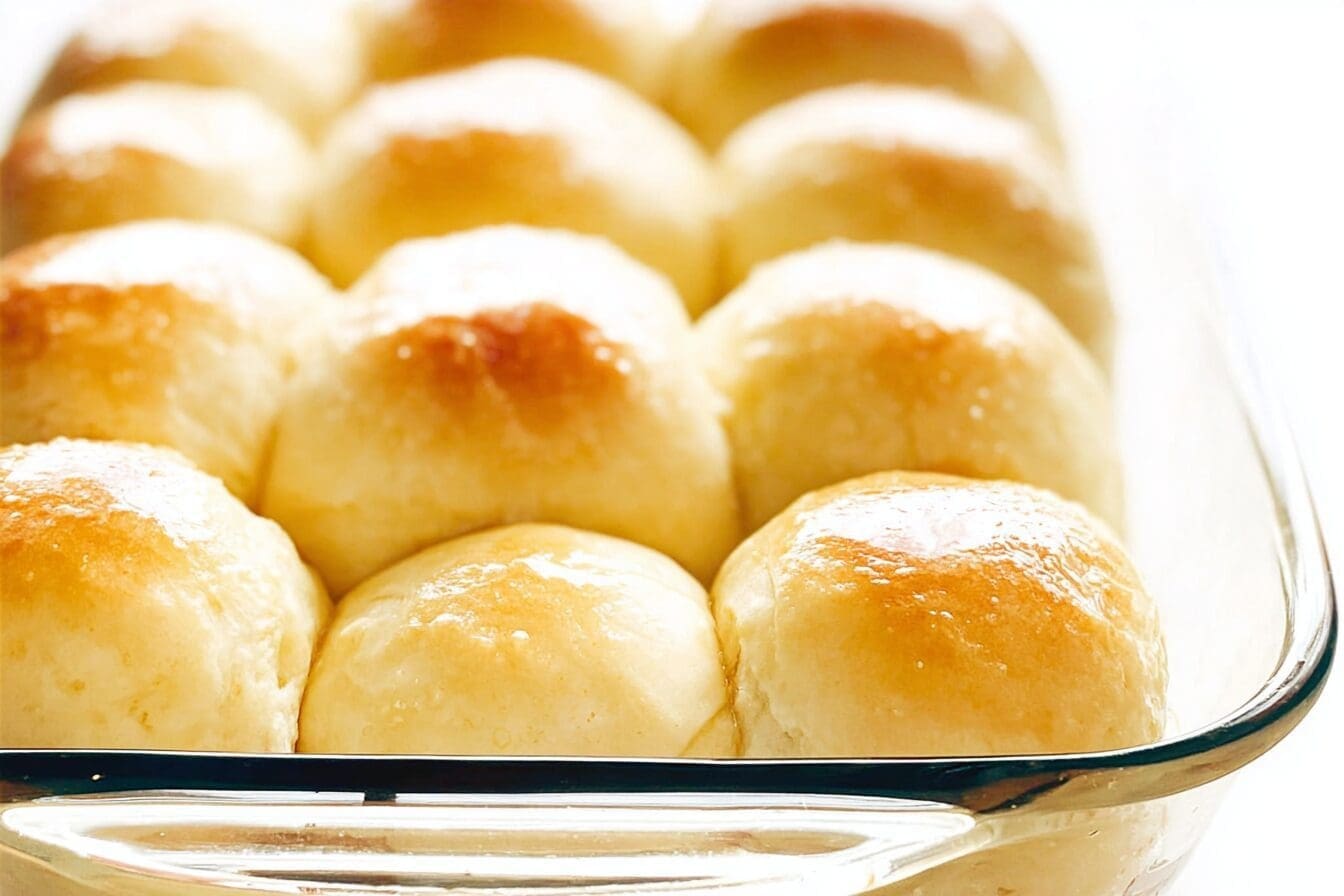
Sixth Step: Preheat your oven to 375°F (190°C) and bake the rolls for 15-20 minutes until golden brown. For the optional topping, brush the mixture of melted butter and honey on top right after baking for extra shine and flavor. Keep an eye on the time to avoid overbaking, which could make them less soft perfect for pairing with dishes like our air-fried chicken bites and broccoli for a complete meal.
Final Step: Remove the rolls from the oven and let them cool on a wire rack for 10 minutes before serving. These fluffy bread rolls are best enjoyed warm, and you can store any leftovers for later, but reheating gently will keep them soft. This method ensures delicious results every time, adaptable for various preferences to fit your lifestyle.
Dietary Substitutions to Customize Your Dinner Rolls
Protein and Main Component Alternatives
When tailoring your soft dinner rolls, consider swapping proteins to meet different needs. For plant-based options, use aquafaba instead of the egg for binding, which keeps the dough light and suitable for vegan diets, though it might make the rolls slightly less rich. Adding seeds like chia or flax can boost protein without altering the texture much, just remember to adjust liquids if the dough gets too dry for these fluffy bread rolls.
Nut flours such as almond flour can replace part of the all-purpose flour for extra protein, creating a nuttier flavor and denser crumb that’s ideal for gluten-free versions. For dairy alternatives, swap milk for oat milk and butter for coconut oil, ensuring the rolls stay soft while catering to vegetarian or low-calorie diets reduce oil amounts to keep calories in check.
Vegetable, Sauce, and Seasoning Modifications
Enhance your homemade bread rolls with vegetable add-ins like finely chopped spinach or carrots for a nutritional boost, which adds moisture and might extend bake time by a few minutes to ensure even cooking. For sauces, incorporate a light herb-infused oil instead of butter for low-fat options, helping maintain the soft texture while reducing calories in your dinner rolls.
Seasonings can vary seasonally; try fresh herbs in summer for a bright flavor or warming spices in winter, but watch for changes in moisture that could affect rising. Low-sodium salt alternatives work well for those watching their intake, and for allergen-free tweaks, use seed-based seasonings to keep things exciting without compromising the recipe’s core for these soft bread rolls.
Dive deeper into yeast types with Active Dry Versus Instant Yeast to perfect your substitutions.
Mastering Dinner Rolls: Advanced Tips and Variations
Taking your soft dinner rolls to the next level involves some pro techniques that can improve the final product. Start with autolyse, where you mix flour and water first for 20-30 minutes to develop gluten, leading to a better crumb in your fluffy bread rolls. Folding the dough during rising helps build structure, while using steam in the oven creates a crispier crust without drying out the interior.
For flavor variations, mix in herbs like rosemary for a savory twist or cinnamon for sweet versions, blending them into the dough before the first rise. Presentation tips include brushing with egg wash for a shiny finish or serving in a basket with butter for an inviting look. Make-ahead options like chilling the dough overnight can enhance flavors, and freezing baked rolls means you always have homemade bread rolls on hand.
Troubleshoot common issues by checking dough temperature; if it’s too cool, rising might take longer, resulting in dense rolls. For pairing ideas, explore our BBQ beef tater tot casserole to complement your dinner rolls and elevate your meal.
| Tips | Benefits |
|---|---|
| Autolyse technique | Improves dough strength for fluffier rolls |
| Steam baking | Creates a better crust texture |
How to Store Dinner Rolls: Best Practices
Keeping your soft dinner rolls fresh is key to enjoying them later. For short-term storage, use refrigeration by placing the rolls in an airtight container, where they’ll stay good for up to three days to preserve that fluffy texture. Always let them cool completely before storing to avoid condensation, which can make them soggy.
Freezing works great for longer storage; wrap individual rolls in plastic and freeze for up to two months, or freeze the dough after the first rise for easy baking later. To thaw, leave them at room temperature and reheat as needed, maintaining the quality of your homemade bread rolls.
Reheating is simple use the oven at 300°F for 10 minutes to keep them soft, or the microwave for quick results. For meal prep, batch cook and label portions to plan ahead, making these dinner rolls a convenient option for busy weeks.
FAQs: Frequently Asked Questions About Dinner Rolls
How do I keep dinner rolls soft and fresh after baking?
To keep dinner rolls soft and fresh, allow them to cool completely, then store them in an airtight container or resealable plastic bag at room temperature. Adding a slice of bread in the container helps maintain moisture and prevents the rolls from drying out. For longer storage, wrap the rolls tightly in plastic wrap and freeze them for up to three months. When ready to eat, thaw at room temperature and warm briefly in the oven or microwave to restore softness.
What is the best way to make homemade dinner rolls rise quickly?
To speed up the rising process for dinner rolls, proof the yeast in warm water or milk (about 100-110°F) with a bit of sugar to activate it. Place the dough in a warm, draft-free area or inside a turned-off oven with the light on. Covering the dough with a damp cloth or plastic wrap helps retain moisture, accelerating yeast fermentation. Using instant yeast or adding a pinch of sugar can also promote faster rising. Rising usually takes 45 minutes to an hour depending on conditions.
Can I substitute milk with water when making dinner rolls?
Yes, you can substitute water for milk when making dinner rolls, but the texture and flavor will be different. Milk adds richness, tenderness, and a softer crumb due to its fat and proteins, while water produces a leaner, chewier roll. To mimic some of the milk’s effects, you can add a tablespoon of butter or oil when using water. Using milk is recommended for softer, richer rolls, but water works fine for simpler, crustier rolls.
How should I reheat leftover dinner rolls without drying them out?
The best way to reheat leftover dinner rolls is to preheat your oven to 300°F (150°C), wrap the rolls in aluminum foil to lock in moisture, and warm them for 10-15 minutes. Alternatively, you can sprinkle a few drops of water on the rolls, then microwave them covered with a damp paper towel for 15-20 seconds. Avoid overheating, which can harden the crust. Reheating gently preserves softness and freshness.
What are some easy variations to make flavored dinner rolls?
For flavored dinner rolls, mix ingredients like minced garlic, fresh herbs (rosemary, thyme, or chives), shredded cheese, or caramelized onions into the dough before the first rise. Another approach is to brush melted butter mixed with herbs or garlic on top before baking for a savory finish. Sweet versions can include cinnamon and sugar or raisins added to the dough. These simple tweaks add variety and make dinner rolls more exciting without complicating the recipe.

Dinner Rolls
🍞 Discover how to make soft, fluffy dinner rolls that are perfect for any meal.
🧈 These homemade bread rolls bring a warm, comforting touch to your table with a tender crumb and buttery taste.
- Total Time: 2 hours 25 minutes
- Yield: 12 dinner rolls
Ingredients
– 1 cup (240ml) whole milk warmed to about 110°F (43°C) for moisture and richness, activating the yeast
– 2 1/4 teaspoons (1 standard packet) instant yeast as the rising agent
– 2 tablespoons granulated sugar, divided to add sweetness and feed the yeast
– 1 large egg for binding and moisture
– 1/4 cup (4 tablespoons; 56g) unsalted butter, room temperature, cut into 4 pieces for fat and rich flavor
– 1 teaspoon salt to enhance taste and control yeast activity
– 3 cups (390g) all-purpose flour or bread flour for dough structure and elasticity
– Mixture of 2 tablespoons melted unsalted butter and 1 tablespoon honey as an optional topping for a glossy finish and extra flavor
Instructions
1-First Step: Warm the whole milk to about 110°F (43°C) in a microwave or on the stovetop, then stir in the instant yeast and 1 tablespoon of granulated sugar. Let this mixture sit for about 5-10 minutes until it becomes foamy, which activates the yeast for a good rise. This step is crucial for getting those fluffy dinner rolls, and for a vegan twist, use plant-based milk here.
2-Second Step: In a large mixing bowl, combine the foamy yeast mixture with the remaining sugar, egg, softened butter, salt, and 2 cups of flour. Use a wooden spoon or stand mixer to stir until a shaggy dough forms, which should take about 2-3 minutes. At this point, you can add in flour-based adaptations for gluten-free versions by swapping to a gluten-free blend.
3-Third Step: Gradually add the remaining flour, about 1/2 cup at a time, while kneading the dough on a lightly floured surface for 5-7 minutes until it’s smooth and elastic. If the dough feels too sticky, add a little more flour; for low-calorie tweaks, use less butter here to keep things light while maintaining the soft texture of your homemade bread rolls.
4-Fourth Step: Place the dough in a greased bowl, cover it with a damp cloth, and let it rise in a warm spot for 1 hour or until doubled in size. This proofing at room temperature around 75-80°F helps develop the flavor and fluffiness, and you can speed it up in a slightly warmer area for quicker results in your soft dinner rolls recipe.
5-Fifth Step: Punch down the risen dough and divide it into 12 equal pieces, shaping each into a ball and placing them in a greased baking pan. Cover again and let them proof for another 30-45 minutes until puffy, adjusting for dietary needs like using egg substitutes for vegan options to ensure even rising.
6-Sixth Step: Preheat your oven to 375°F (190°C) and bake the rolls for 15-20 minutes until golden brown. For the optional topping, brush the mixture of melted butter and honey on top right after baking for extra shine and flavor. Keep an eye on the time to avoid overbaking, which could make them less soft perfect for pairing with dishes like our air-fried chicken bites and broccoli for a complete meal.
7-Final Step: Remove the rolls from the oven and let them cool on a wire rack for 10 minutes before serving. These fluffy bread rolls are best enjoyed warm, and you can store any leftovers for later, but reheating gently will keep them soft. This method ensures delicious results every time, adaptable for various preferences to fit your lifestyle.
Last Step:
Please leave a rating and comment letting us know how you liked this recipe! This helps our business to thrive and continue providing free, high-quality recipes for you.Notes
🍶 Warm the milk to the right temperature to activate the yeast effectively.
👩🍳 Knead the dough thoroughly for the best fluffy texture.
🧈 Brush rolls with butter and honey for a shiny, flavorful crust.
- Prep Time: 20 minutes
- Rising Time: 1 hour 45 minutes
- Cook Time: 20 minutes
- Category: Bread
- Method: Baking
- Cuisine: American
- Diet: Vegetarian
Nutrition
- Serving Size: 1 roll
- Calories: 150 kcal
- Sugar: 3 g
- Sodium: 160 mg
- Fat: 5 g
- Saturated Fat: 3 g
- Unsaturated Fat: 1.5 g
- Trans Fat: 0 g
- Carbohydrates: 22 g
- Fiber: 1 g
- Protein: 4 g
- Cholesterol: 30 mg


