

Why You’ll Love This Crawfish Etouffee
- Ease of preparation: This Crawfish Etouffee recipe is straightforward and fast, perfect for busy weeknights or spontaneous gatherings. With simple steps like making a quick roux and simmering the classic Cajun trinity of vegetables, you’ll have a rich and satisfying dish ready in under an hour.
- Health benefits: Packed with lean crawfish protein and nutrient-rich vegetables, this etouffee is a balanced meal that supports heart health and wellness. The dish includes vitamins from fresh bell peppers, celery, and onions, while the light roux and moderate use of butter keep calories in check.
- Versatility: Whether you’re gluten-intolerant, counting calories, or prefer a vegan twist, this recipe adapts with ease. Substitute ingredients like flours for gluten-free options, swap crawfish with mushrooms or shrimp, and adjust spice levels all without losing the signature flavor.
- Distinctive flavor: The hallmark of crawfish etouffee is its deep, nutty roux base layered with Cajun spices and the aromatic trinity of vegetables. The tender crawfish tails stirred in a slow-simmered sauce deliver an authentic Louisiana experience brimming with bold, comforting tastes.
Jump to:
- Why You’ll Love This Crawfish Etouffee
- Essential Ingredients for Crawfish Etouffee
- Special Dietary Options
- How to Prepare the Perfect Crawfish Etouffee: Step-by-Step Guide
- First Step: Prep Your Ingredients
- Second Step: Make the Roux
- Third Step: Sauté Vegetables
- Fourth Step: Season and Build the Sauce
- Fifth Step: Simmer with Stock
- Sixth Step: Add Crawfish and Finish Cooking
- Final Step: Serve and Garnish
- Dietary Substitutions to Customize Your Crawfish Etouffee
- Protein and Main Component Alternatives
- Vegetable, Sauce, and Seasoning Modifications
- Mastering Crawfish Etouffee: Advanced Tips and Variations
- How to Store Crawfish Etouffee: Best Practices
- FAQs: Frequently Asked Questions About Crawfish Etouffee
- What is crawfish étouffée and how is it different from other seafood dishes?
- When is the best time to buy fresh crawfish for making étouffée?
- How do you make a roux for crawfish étouffée without burning it?
- Can I use frozen crawfish or other seafood instead of fresh crawfish tails in étouffée?
- What are some tips for serving crawfish étouffée to enhance flavor and presentation?
- Crawfish Etouffee
- Ingredients
- Instructions
- Last Step:
- Notes
- Nutrition
- Did you make this recipe?
Essential Ingredients for Crawfish Etouffee
- 1 pound par-cooked crawfish tail meat (fresh or frozen) – tender seafood providing the foundational protein and authentic flavor.
- 4 tablespoons butter or peanut oil – for creating the rich, flavorful roux that thickens the sauce.
- 4 tablespoons all-purpose flour – combines with fat to form the roux, adding body and depth.
- 1 medium onion, chopped – forms part of the classic Cajun trinity, offering sweetness and aroma.
- 1 medium bell pepper, chopped (substitute jalapeno for heat) – adds color and subtle sweetness.
- 1 stalk celery, chopped – contributes earthy, aromatic base notes.
- 4 cloves garlic, minced – enhances savory depth.
- 2 teaspoons Cajun or Creole seasoning – imparts traditional spice and robust flavor.
- 1 teaspoon cayenne pepper (optional) – boosts heat for those who like it spicy.
- Salt and black pepper, to taste – balances and rounds all flavors.
- 2 cups chicken, seafood, or vegetable stock (plus extra for consistency) – builds the flavorful sauce base.
- 1 tablespoon fresh chopped parsley, plus extra for garnish – freshens and brightens the dish.
- Optional: 1 cup chopped tomatoes – adds a Creole twist with acidity and texture.
- Cooked white rice, for serving – traditional accompaniment for absorbing the rich sauce.
Special Dietary Options
- Vegan: Substitute crawfish with king oyster mushrooms and use vegetable stock to keep it entirely plant-based.
- Gluten-free: Use gluten-free flour or cornstarch for making the roux to accommodate gluten sensitivities.
- Low-calorie: Replace butter with olive oil and reduce amounts used; increase vegetable proportions for a lighter dish.
How to Prepare the Perfect Crawfish Etouffee: Step-by-Step Guide
First Step: Prep Your Ingredients
Gather fresh or thawed par-cooked crawfish tails. Chop the onion, bell pepper, celery, and mince the garlic to prepare the Cajun trinity and aromatics. Measure out your butter (or peanut oil) and flour for the roux, along with spices and stock.
Second Step: Make the Roux
Heat butter or oil in a large pan or Dutch oven over medium heat. Slowly add the flour while stirring constantly to form a smooth roux. Continue stirring and cooking for 5 to 12 minutes without letting it burn until it reaches a copper or light brown color, which forms the base for the etouffee’s richness.
Third Step: Sauté Vegetables
Add chopped onion, bell pepper, celery, and minced garlic to the roux. Cook and stir for 5 to 10 minutes until the vegetables soften and become fragrant, integrating the Cajun trinity flavors throughout the roux.
Fourth Step: Season and Build the Sauce
Sprinkle in Cajun or Creole seasoning, optional cayenne, salt, and black pepper. Stir well to coat vegetables evenly with spices. Add the optional chopped tomatoes if using and cook for an additional 3 to 5 minutes.
Fifth Step: Simmer with Stock
Slowly pour in the stock, whisking to combine smoothly with the roux and vegetable mixture. Bring the sauce to a boil, then reduce heat and simmer uncovered for 20 to 30 minutes, stirring occasionally. This allows the flavors to meld and the sauce to thicken. Add extra stock as needed to reach desired consistency.
Sixth Step: Add Crawfish and Finish Cooking
Stir in the crawfish tails and gently warm them through for 3 to 5 minutes, ensuring they are heated evenly without overcooking.
Final Step: Serve and Garnish
Remove the pan from heat and stir in fresh chopped parsley (and chopped green onions, if desired). Serve the crawfish etouffee hot over cooked white rice. Garnish with extra parsley, chili flakes, and hot sauce for additional heat and color if you like.

Dietary Substitutions to Customize Your Crawfish Etouffee
Protein and Main Component Alternatives
- Use king oyster mushrooms or shredded jackfruit for plant-based vegan versions.
- Swap crawfish for shrimp, crab, or firm white fish like catfish when preferred or unavailable.
- For low-calorie options, use smaller seafood portions or substitute with lean chicken breast.
Vegetable, Sauce, and Seasoning Modifications
- Replace bell peppers with zucchini or summer squash as per seasonal availability.
- Use homemade or low-sodium broth to reduce sodium intake.
- Adjust spice levels by decreasing Cajun seasoning or cayenne for milder versions.
- Add fresh herbs like thyme or oregano to complement traditional Cajun flavors.
Mastering Crawfish Etouffee: Advanced Tips and Variations
- Pro cooking techniques: Slowly cook the roux over moderate heat, stirring frequently to prevent burning, which ensures a deep, nutty flavor foundational to great etouffee.
- Flavor variations: Add smoked paprika, cayenne, or chipotle powder for smoky or spicier profiles. Incorporate diced tomatoes or okra for extra texture and taste complexity.
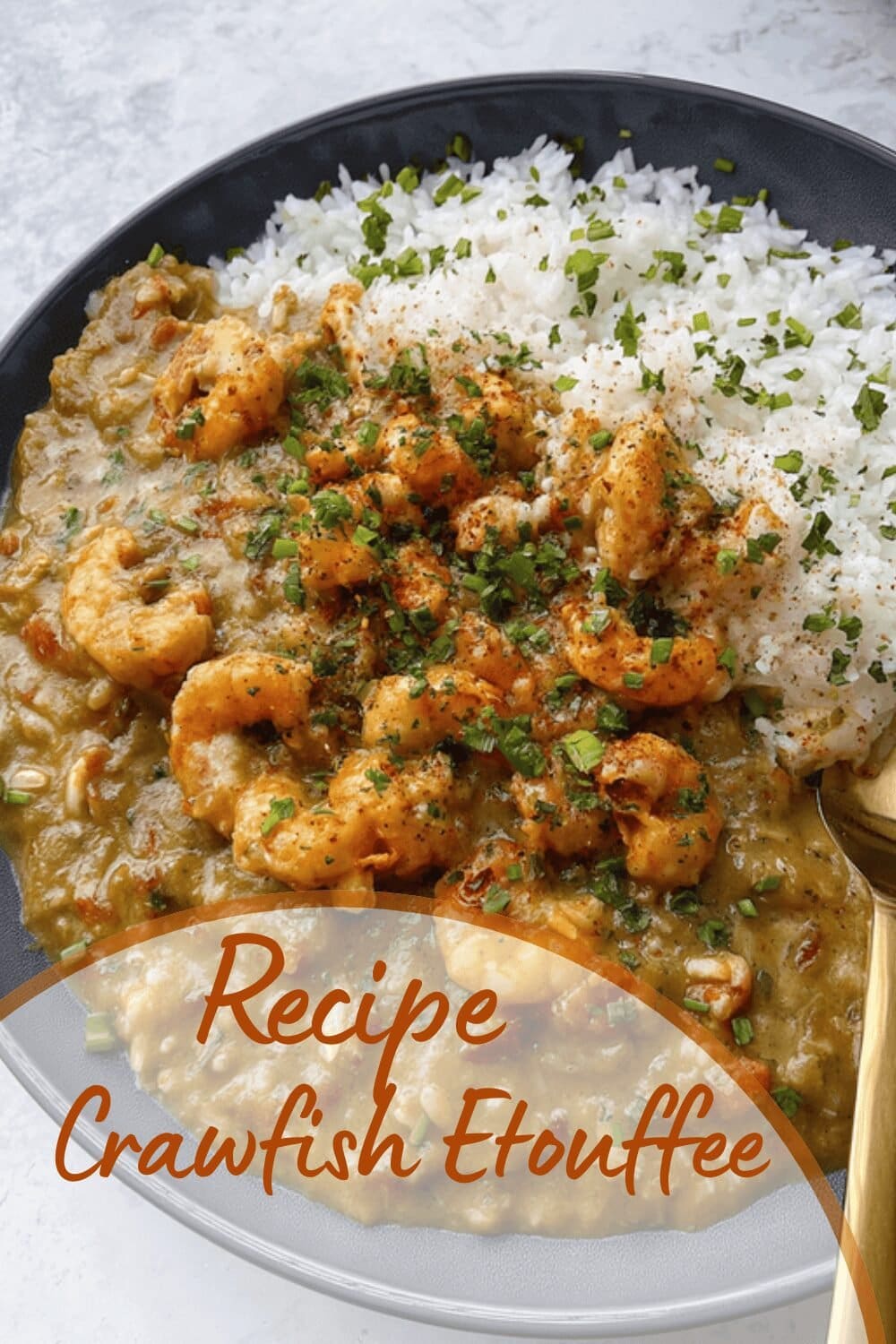
- Presentation tips: Plate etouffee in shallow bowls atop fluffy rice. Garnish with bright parsley, chopped green onions, and a lemon wedge to enhance presentation and flavor.
- Make-ahead options: Prepare the roux and vegetable base earlier; refrigerate until ready to finish with crawfish. This keeps textures fresh and simplifies serving for busy schedules.
How to Store Crawfish Etouffee: Best Practices
- Refrigeration: Store leftovers promptly in airtight containers and refrigerate for up to 3-4 days to preserve freshness and flavor.
- Freezing: Cool the etouffee completely before portioning into freezer-safe containers. Freeze for up to 3 months, retaining taste and texture.
- Reheating: Warm gently on the stovetop over low heat, stirring occasionally. Add a splash of stock or water to restore sauce consistency as needed.
- Meal prep considerations: Batch prepare and freeze individual portions for convenient meals. Label containers with dates and reheating instructions.
FAQs: Frequently Asked Questions About Crawfish Etouffee
What is crawfish étouffée and how is it different from other seafood dishes?
Crawfish étouffée is a classic Louisiana dish featuring tender crawfish tails cooked in a thick, flavorful sauce made from a roux combined with the Cajun trinity of onions, bell peppers, and celery. Unlike boiled or fried seafood, étouffée is simmered in this rich gravy, creating a hearty and savory experience. It is traditionally served over white rice, making it a comforting one-pot meal distinct from other seafood preparations.
When is the best time to buy fresh crawfish for making étouffée?
The peak crawfish season in Louisiana runs from November through July, with the highest availability and best prices typically from late winter to early spring. Buying during this period ensures fresher crawfish with sweeter flavor and better texture. Outside of this season, frozen crawfish tails are a convenient alternative that still produce excellent results in étouffée recipes.
How do you make a roux for crawfish étouffée without burning it?
To make a roux for crawfish étouffée, melt butter or oil in a heavy pan and gradually whisk in all-purpose flour. Cook the mixture over medium heat, stirring constantly with a wooden spoon or whisk. Continue until the roux turns a copper or light brown color, usually around 5 to 10 minutes. Avoid high heat to prevent burning and bitterness. The roux forms the thick base that gives étouffée its signature rich texture.
Can I use frozen crawfish or other seafood instead of fresh crawfish tails in étouffée?
Yes, frozen crawfish tails can be used directly from the freezer, requiring only a slight increase in cooking time. Alternatively, shrimp, crab, or even lobster can substitute crawfish to create tasty variations while maintaining the dish’s essential flavor profile. Just adjust simmering times accordingly to avoid overcooking delicate seafood.
What are some tips for serving crawfish étouffée to enhance flavor and presentation?
Serve crawfish étouffée hot over a bed of fluffy white rice to balance the rich sauce. Garnish with chopped fresh parsley for color and a sprinkle of red chili flakes for a mild kick. Offering hot sauce on the side allows guests to adjust spiciness. For a complete meal, pair with simple sides like steamed vegetables or crusty bread to soak up extra gravy.

Crawfish Etouffee
🦞 Savor the rich, spicy flavors of Cajun cuisine with this Crawfish Etouffee, a perfect dish for both casual meals and special occasions.
🍲 Loaded with delicious crawfish and a robust roux-based sauce, this meal offers a comforting and delightful dining experience.
- Total Time: 40 minutes to 1 hour 15 minutes
- Yield: 4 servings
Ingredients
– 1 pound par-cooked crawfish tail meat
– 4 tablespoons butter or peanut oil for creating the roux
– 4 tablespoons all-purpose flour
– 1 medium onion, chopped
– 1 medium bell pepper, chopped
– 1 stalk celery, chopped
– 4 cloves garlic, minced
– 2 teaspoons Cajun or Creole seasoning
– 1 teaspoon cayenne pepper
– Salt and black pepper, to taste
– 2 cups chicken, seafood, or vegetable stock
– 1 tablespoon fresh chopped parsley
– 1 cup chopped tomatoes
– Cooked white rice for serving
Instructions
First Step: Prep Your Ingredients. Gather fresh or thawed par-cooked crawfish tails. Chop the onion, bell pepper, celery, and mince the garlic to prepare the Cajun trinity and aromatics. Measure out your butter (or peanut oil) and flour for the roux, along with spices and stock.
Second Step: Make the Roux. Heat butter or oil in a large pan or Dutch oven over medium heat. Slowly add the flour while stirring constantly to form a smooth roux. Continue stirring and cooking for 5 to 12 minutes without letting it burn until it reaches a copper or light brown color, which forms the base for the etouffee’s richness.
Third Step: Sauté Vegetables. Add chopped onion, bell pepper, celery, and minced garlic to the roux. Cook and stir for 5 to 10 minutes until the vegetables soften and become fragrant, integrating the Cajun trinity flavors throughout the roux.
Fourth Step: Season and Build the Sauce. Sprinkle in Cajun or Creole seasoning, optional cayenne, salt, and black pepper. Stir well to coat vegetables evenly with spices. Add the optional chopped tomatoes if using and cook for an additional 3 to 5 minutes.
Fifth Step: Simmer with Stock. Slowly pour in the stock, whisking to combine smoothly with the roux and vegetable mixture. Bring the sauce to a boil, then reduce heat and simmer uncovered for 20 to 30 minutes, stirring occasionally. This allows the flavors to meld and the sauce to thicken. Add extra stock as needed to reach desired consistency.
Sixth Step: Add Crawfish and Finish Cooking. Stir in the crawfish tails and gently warm them through for 3 to 5 minutes, ensuring they are heated evenly without overcooking.
Final Step: Serve and Garnish. Remove the pan from heat and stir in fresh chopped parsley (and chopped green onions, if desired). Serve the crawfish etouffee hot over cooked white rice. Garnish with extra parsley, chili flakes, and hot sauce for additional heat and color if you like.
Last Step:
Please leave a rating and comment letting us know how you liked this recipe! This helps our business to thrive and continue providing free, high-quality recipes for you.Notes
🦐 When starting with raw crawfish tails, cook them with the vegetables early in the process to blend flavors.
🌿 Bay leaves and fresh thyme add depth and can be included during simmering.
🌶️ For a spicier version, substitute jalapeno peppers for bell pepper and add cayenne or hot sauce.
- Prep Time: 10–20 minutes
- Cook Time: 30–40 minutes
- Cook Time: 30–40 minutes
- Category: Main Course
- Method: Simmering
- Cuisine: Cajun
- Diet: Non-Vegetarian
Nutrition
- Serving Size: 1 cup without rice
- Calories: 214–315
- Sugar: 6g
- Sodium: 297–1019mg
- Fat: 13–16g
- Saturated Fat: 5–8g
- Unsaturated Fat: 8–10g
- Trans Fat: 0g
- Carbohydrates: 17–19g
- Fiber: 2–4g
- Protein: 7–24g
- Cholesterol: 52–171mg






I’ve always been curious about making Étouffée at home, but I’ve been intimidated by the thought of cooking with crawfish. 😅 Your detailed instructions have given me the confidence to give it a try! Quick question: can I use shrimp instead of crawfish if I can’t find it at my local market?