

Why You’ll Love This Cranberry Walnut Bread
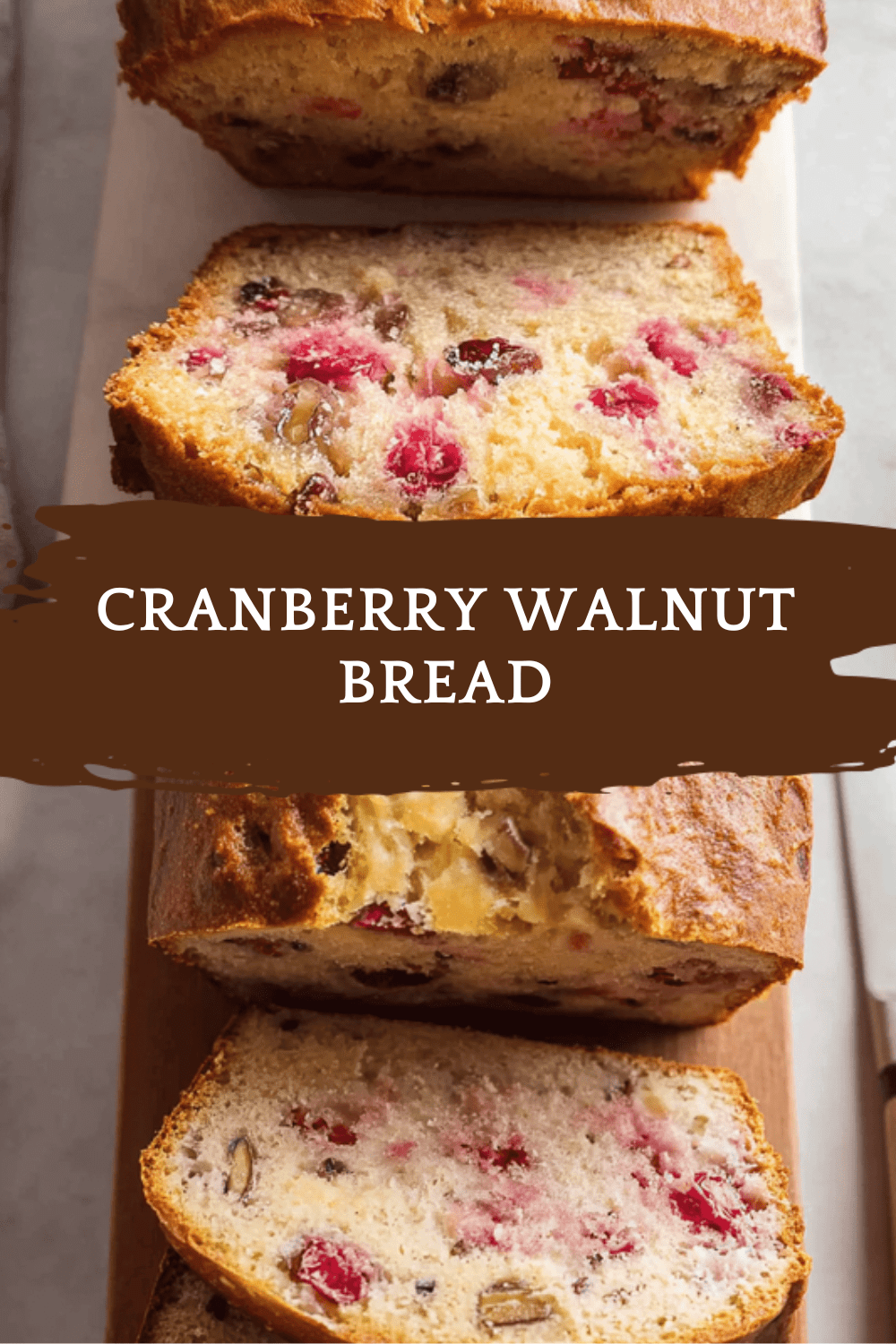
Imagine pulling a warm, golden loaf of Cranberry Walnut Bread out of the oven, filling your kitchen with that irresistible aroma that brings everyone together. This recipe is perfect for busy parents and baking enthusiasts because it’s simple and rewarding, turning everyday ingredients into something special for family gatherings or a quick breakfast. With its mix of tart cranberries and crunchy walnuts, Cranberry Walnut Bread offers a delightful balance of flavors that make it a favorite for home cooks of all skill levels.
One of the best things about this Cranberry Walnut Bread is how easy it is to prepare. You’ll spend just about 20 minutes on active prep, letting the dough rise on its own over 12 to 18 hours, which fits seamlessly into your day without needing constant attention. Plus, it’s versatile enough for dietary tweaks, like using maple syrup instead of honey for a vegan option, making it adaptable for students, seniors, or anyone watching their diet.
Beyond its simplicity, this bread packs in health benefits from antioxidant-rich cranberries and heart-healthy walnuts, as mentioned in resources about the advantages of nuts. Whether you’re a food enthusiast looking for a nutritious snack or a community organizer planning a potluck, this bread supports wellness while tasting amazing. It’s also great toasted with butter or paired with cheeses, adding to those memorable moments around the table that our blog celebrates.
Jump to:
- Why You’ll Love This Cranberry Walnut Bread
- Essential Ingredients for Cranberry Walnut Bread
- How to Prepare the Perfect Cranberry Walnut Bread: Step-by-Step Guide
- Dietary Substitutions to Customize Your Cranberry Walnut Bread
- Substitution Table for Easy Reference
- Mastering Cranberry Walnut Bread: Advanced Tips and Variations
- How to Store Cranberry Walnut Bread: Best Practices
- FAQs: Frequently Asked Questions About Cranberry Walnut Bread
- Can I use fresh cranberries instead of dried in cranberry walnut bread?
- What type of flour works best for cranberry walnut bread?
- How do I know when my cranberry walnut bread is fully baked?
- Can I make the dough ahead of time or freeze cranberry walnut bread?
- What can I substitute for walnuts if someone has a nut allergy?
- Cranberry Walnut Bread
- Ingredients
- Instructions
- Last Step:
- Notes
- Nutrition
- Did you make this recipe?
Essential Ingredients for Cranberry Walnut Bread
Gathering the right ingredients is the first step to success in making Cranberry Walnut Bread. This no knead bread relies on a few key items to create its crusty texture and flavorful profile. Below is a complete list of everything you’ll need, based on the precise measurements provided. Remember to measure carefully for the best results.
- 3 cups plus 2 tablespoons (390g) bread flour or all-purpose flour, plus extra as needed
- 2 teaspoons coarse sea salt
- 1/2 teaspoon instant yeast
- 3/4 cup (95g) chopped walnuts or pecans
- 3/4 cup (105g) dried cranberries (raisins or chopped dried apricots or dates can be alternatives)
- 1 tablespoon (21g) honey (maple syrup can be used as a vegan substitute)
- 1 1/2 cups (360ml) warm water at about 95°F (35°C)
These ingredients ensure the bread turns out just right, with the walnuts adding crunch and the cranberries bringing a tart sweetness. For special dietary options, you can swap honey for maple syrup if you’re going vegan, or use bread flour for a chewier texture as noted in our tips.
How to Prepare the Perfect Cranberry Walnut Bread: Step-by-Step Guide
Creating Cranberry Walnut Bread is a straightforward process that even beginners can master with a bit of patience. Start by mixing your ingredients in a large bowl for that easy no knead method, which saves time and effort. This recipe’s long rise time allows the flavors to develop fully, making it ideal for working professionals who want fresh bread without constant supervision.
First, in a large bowl, stir together the flour, salt, yeast, walnuts, and cranberries. Next, mix the honey with the warm water, then pour it over the dry ingredients and combine everything by hand or with a spatula. The dough will be sticky, so resist the urge to add more flour and just shape it into a rough ball.
After that, cover the bowl tightly and let the dough rise at room temperature for 12 to 18 hours until it doubles in size and becomes bubbly. This step is crucial for that airy texture. Once risen, gently turn the dough onto a lightly floured surface, shape it into a ball with floured hands, and place it on parchment paper. Score the top with a sharp knife in an X shape, then let it rest covered for 30 minutes.
While the dough rests, preheat your oven to 475°F (246°C) and heat a 5-6 quart Dutch oven inside for 30 minutes. Carefully transfer the dough with the parchment into the hot pot, cover it, and bake for 25 minutes. Remove the lid and bake for another 8 to 10 minutes until the bread is golden brown and sounds hollow when tapped, with an internal temperature of 195°F (90°C) for perfect doneness.
Finally, take the bread out of the pot and cool it on a wire rack for at least 20 minutes before slicing. This no knead bread recipe takes about 20 minutes of active prep, 35 minutes of baking, and includes a 12 to 18-hour rise time, totaling around 20 hours. If you’re looking for similar easy recipes, check out our guide on how to make crispy hash browns for a quick side dish that pairs well with this bread.
Dietary Substitutions to Customize Your Cranberry Walnut Bread
Making Cranberry Walnut Bread adaptable to different diets is one of its biggest perks, especially for busy parents or diet-conscious individuals. You can tweak the ingredients without losing that signature crusty texture and tart-sweet flavor. For instance, using bread flour gives a chewier bite, while all-purpose works for a softer loaf.
If you’re aiming for a protein boost, swap walnuts with pecans or almonds for variety. Vegan bakers can replace honey with maple syrup, and to keep it gluten-free, use a blend like rice or almond flour, but remember to limit whole wheat to avoid density. Incorporating fruits like dried apricots instead of cranberries adds a fun twist while keeping the bread moist and nutritious.
Other modifications include adding applesauce for natural sweetness or pumpkin puree for extra nutrients and seasonal flavor. These changes ensure the bread fits various preferences, from low-calorie options by reducing honey to heartier versions with added cinnamon. As our blog focuses on community-friendly recipes, this flexibility helps everyone enjoy shared meals.
Substitution Table for Easy Reference
| Original Ingredient | Substitution Option | Reason for Change |
|---|---|---|
| Walnuts | Pecans or almonds | For different texture and allergy-friendly alternatives |
| Honey | Maple syrup | Vegan substitution for natural sweetness |
| Bread flour | All-purpose or gluten-free blend | To adjust texture or accommodate gluten-free diets |
Mastering Cranberry Walnut Bread: Advanced Tips and Variations
Once you’re comfortable with the basics of Cranberry Walnut Bread, you can elevate your baking with some pro techniques. Sifting the dry ingredients helps aerate the flour and prevents lumps, leading to a lighter loaf. Always use room temperature ingredients for even mixing, and gently fold in the cranberries and nuts to keep them intact.
For flavor variations, try adding a bit of cinnamon or orange zest to enhance the tartness of the cranberries. If you want a savory angle, swap walnuts for toasted pecans or mix in rosemary for an unexpected twist. These changes make the bread even more versatile for food enthusiasts experimenting in the kitchen.
Presentation is key for gatherings, so top your loaf with extra walnut halves or a light dusting of powdered sugar before serving. You can also prepare the batter ahead and refrigerate it overnight for deeper flavors. According to tips we’ve gathered, freezing the baked bread lets you store it for up to three months, perfect for travelers or newlyweds planning ahead. For more make-ahead ideas, explore our recipe for cheesecake stuffed french toast loaf, which is another crowd-pleaser for breakfast.
- Use instant yeast for reliability, but active dry works too without adjustments.
- Avoid overmixing to prevent dense bread; sticky dough is normal.
- Adjust baking time based on your oven and pan size for the best results.
How to Store Cranberry Walnut Bread: Best Practices
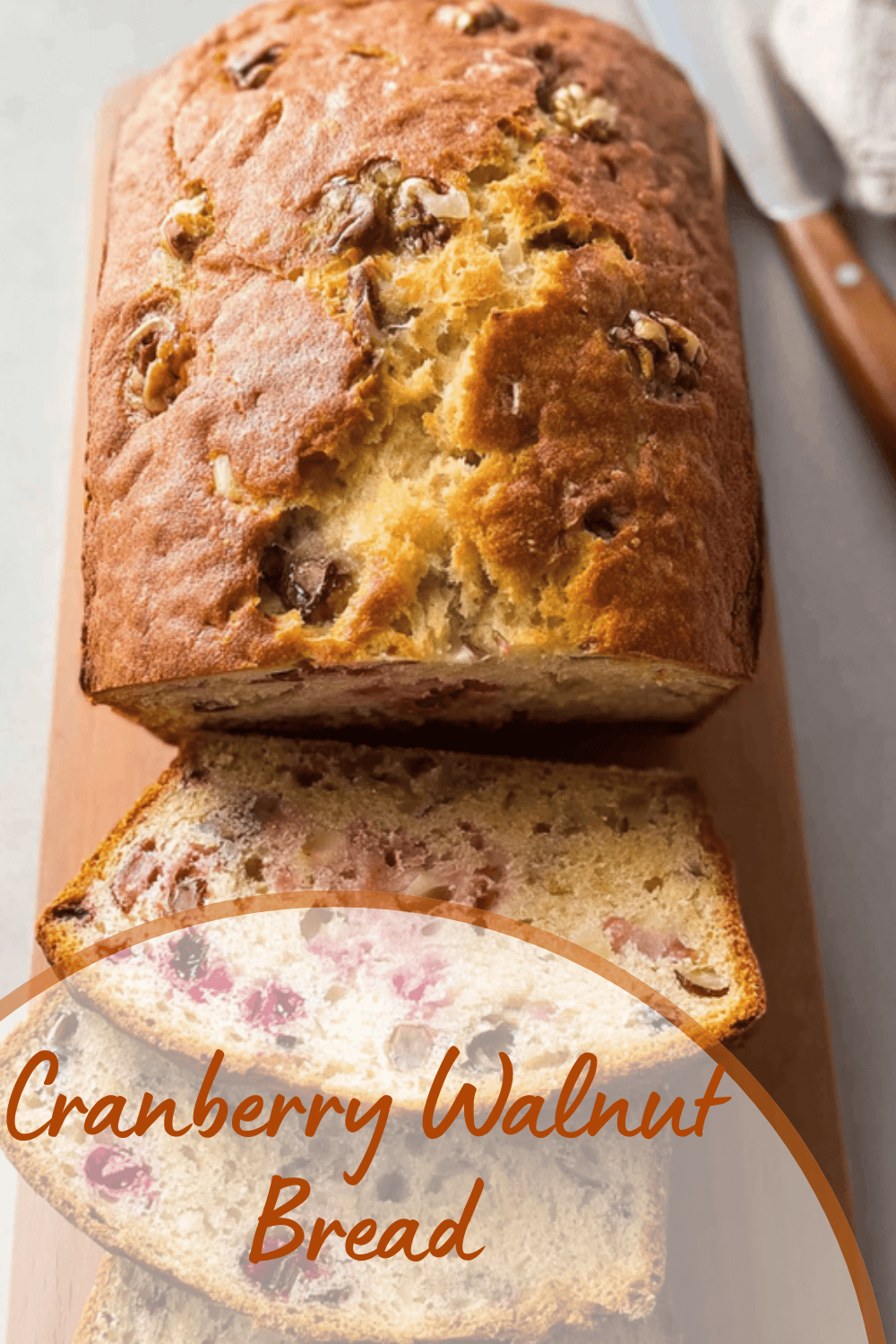
Proper storage keeps your Cranberry Walnut Bread fresh and tasty, extending its enjoyment beyond baking day. Keep it in an airtight container at room temperature for a couple of days, which is ideal for quick access during busy weeks. For longer preservation, slice and freeze portions in bags, allowing you to thaw just what you need.
If you plan meals in advance, reheating slices in a toaster brings back that crisp crust without drying out the bread. This method is great for working professionals or seniors who appreciate easy grab-and-go options. Remember, the bread’s nutritional value remains intact with these practices, making it a smart choice for balanced diets.
This bread not only tastes amazing fresh but also holds up well when stored, proving that good food can bring people together even on reheated days.
FAQs: Frequently Asked Questions About Cranberry Walnut Bread
Can I use fresh cranberries instead of dried in cranberry walnut bread?
It’s best to use dried cranberries for this bread because fresh cranberries add too much moisture, making the dough wet and difficult to handle. Dried cranberries provide the right texture and sweetness without affecting the dough consistency. If you want to use fresh cranberries, consider roasting or drying them first to remove excess moisture.
What type of flour works best for cranberry walnut bread?
You can use either bread flour or all-purpose flour for this recipe. Bread flour results in a chewier texture due to its higher protein content, while all-purpose flour produces a softer crumb. You may also substitute up to 1 cup of whole wheat flour for a nuttier flavor, but using all whole wheat flour is not recommended as it can make the bread dense.
How do I know when my cranberry walnut bread is fully baked?
The bread is done when it sounds hollow when tapped on the bottom and the internal temperature reaches about 195°F (90°C). Using an instant-read thermometer is a reliable way to check doneness. The crust should be golden brown and crisp to the touch.
Can I make the dough ahead of time or freeze cranberry walnut bread?
Yes, you can prepare the dough up to a day in advance and keep it refrigerated before baking. After baking and cooling, wrap the bread tightly in plastic wrap and freeze it for up to three months. To freeze dough, shape it first, freeze, then thaw and allow it to rise before baking.
What can I substitute for walnuts if someone has a nut allergy?
If you have a nut allergy or prefer not to use walnuts, you can omit nuts altogether or substitute with seeds like pumpkin or sunflower seeds. These alternatives add a pleasant crunch without compromising the bread’s flavor. You can also try pecans or almonds if there are no allergies.

Cranberry Walnut Bread
🍞 Enjoy the rustic charm and wholesome flavor of crusty bread enriched with chewy cranberries and crunchy nuts.
🌰 This no-knead recipe is perfect for artisan-style bread lovers seeking a simple, hands-off baking experience.
- Total Time: 20 hours
- Yield: 1 loaf 1x
Ingredients
3 cups plus 2 tablespoons (390g) bread flour or all-purpose flour, plus extra as needed
2 teaspoons coarse sea salt
1/2 teaspoon instant yeast
3/4 cup (95g) chopped walnuts or pecans
3/4 cup (105g) dried cranberries (raisins or chopped dried apricots or dates can be alternatives)
1 tablespoon (21g) honey (maple syrup can be used as a vegan substitute)
1 1/2 cups (360ml) warm water at about 95°F (35°C)
Instructions
1-First, in a large bowl, stir together the flour, salt, yeast, walnuts, and cranberries.
2-Next, mix the honey with the warm water, then pour it over the dry ingredients and combine everything by hand or with a spatula. The dough will be sticky, so resist the urge to add more flour and just shape it into a rough ball.
3-After that, cover the bowl tightly and let the dough rise at room temperature for 12 to 18 hours until it doubles in size and becomes bubbly. This step is crucial for that airy texture. Once risen, gently turn the dough onto a lightly floured surface, shape it into a ball with floured hands, and place it on parchment paper. Score the top with a sharp knife in an X shape, then let it rest covered for 30 minutes.
4-While the dough rests, preheat your oven to 475°F (246°C) and heat a 5-6 quart Dutch oven inside for 30 minutes. Carefully transfer the dough with the parchment into the hot pot, cover it, and bake for 25 minutes. Remove the lid and bake for another 8 to 10 minutes until the bread is golden brown and sounds hollow when tapped, with an internal temperature of 195°F (90°C) for perfect doneness.
5-Finally, take the bread out of the pot and cool it on a wire rack for at least 20 minutes before slicing.
Last Step:
Please leave a rating and comment letting us know how you liked this recipe! This helps our business to thrive and continue providing free, high-quality recipes for you.Notes
🥖 Use bread flour for a chewier texture; all-purpose flour works too.
🕰️ Allow 12 to 18 hours rise time to develop flavor and good fermentation.
♨️ Baking in a covered Dutch oven traps steam for a crispy crust; use steaming method if no Dutch oven.
- Prep Time: 20 minutes
- Rise time: 12-18 hours
- Cook Time: 35 minutes
- Category: Bread
- Method: Baking
- Cuisine: American
- Diet: Vegetarian
Nutrition
- Serving Size: 1 slice


