

Why You’ll Love This Couvillion Recipe
- Ease of preparation: This couvillion recipe is delightfully simple, requiring minimal ingredients and a streamlined cooking process. Its step-by-step method is perfect for busy weeknights, allowing you to achieve authentic Cajun flavors without hours in the kitchen.
- Health benefits: Featuring lean seafood like redfish, shrimp, and crawfish, this recipe offers a rich source of omega-3 fatty acids and protein. Combined with fresh vegetables and a tomato-based sauce, it contributes valuable vitamins, minerals, and antioxidants that promote a well-rounded, nourishing meal.
- Versatility: Easily adaptable, this couvillion recipe can cater to a variety of dietary preferences. Swap seafood with tofu for a vegan twist, use gluten-free flour and seasonings to accommodate allergies, or adjust spice levels and stock types to suit your taste and dietary needs.
- Distinctive flavor: What sets this couvillion apart is its rich roux base, perfectly browned to add depth and thickness, paired with a bold Creole spice blend and vibrant tomato sauce. The combination of aromatic vegetables, fresh herbs, and a balanced spicy kick creates a memorable dish packed with complex, hearty flavors.
Jump to:
- Why You’ll Love This Couvillion Recipe
- Essential Ingredients for Couvillion Recipe
- Special Dietary Options
- How to Prepare the Perfect Couvillion Recipe: Step-by-Step Guide
- First Step: Prepare Ingredients
- Second Step: Make the Roux
- Third Step: Cook the Vegetables
- Fourth Step: Build the Sauce
- Fifth Step: Add Seafood and Poach
- Final Step: Finish and Serve
- Dietary Substitutions to Customize Your Couvillion Recipe
- Protein and Main Component Alternatives
- Vegetable, Sauce, and Seasoning Modifications
- Mastering Couvillion Recipe: Advanced Tips and Variations
- How to Store Couvillion Recipe: Best Practices
- FAQs: Frequently Asked Questions About Couvillion Recipe
- What is Couvillion and how is it different from other seafood stews?
- Which types of seafood work best for making Couvillion?
- How do you prepare the fish before cooking it in Couvillion?
- Can Couvillion be stored and reheated safely?
- Is it possible to substitute alligator meat in Couvillion for a different taste?
- Couvillion Recipe
- Ingredients
- Instructions
- Last Step:
- Notes
- Nutrition
- Did you make this recipe?
Essential Ingredients for Couvillion Recipe
- 1 pound (about 450 g) skinless redfish fillets or firm white fish such as grouper, snapper, swordfish, halibut, mahi mahi, or catfish – the primary seafood providing tender, flaky protein.
- 1 pound (about 450 g) shrimp, peeled and deveined, or crawfish – adds variety and sweetness to the seafood medley.
- 3 tablespoons Cajun seasoning, divided – delivers signature spice and Creole flavor.
- 1/3 cup (80 ml) vegetable oil or butter (bacon grease optional) – for making the deep-flavored roux and sautéing ingredients.
- 1/3 cup (42 g) all-purpose flour – thickens the stew and forms the roux base.
- 1 medium onion, chopped – builds the savory foundation.
- 1 medium bell pepper, chopped (optional) – adds sweetness and color.
- 1 stalk celery, chopped – imparts aromatic depth.
- 5 cloves garlic, minced – enhances pungency and flavor complexity.
- 1 tablespoon minced fresh thyme – contributes herbal brightness.
- 2 bay leaves – add earthy notes and aroma.
- 28 ounces (about 794 g) chopped tomatoes (canned or fresh) – injects acidity and richness into the sauce.
- 4 cups (960 ml) seafood stock or chicken/vegetable stock – provides the broth base; increase to 6 cups for soupier consistency.
- Hot sauce, to taste – intensifies heat and flavor dimension.
- Salt and freshly ground black pepper, to taste – essential for seasoning balance.
- For serving: fresh chopped parsley or green onions, red pepper flakes, extra hot sauce – add freshness and visual appeal.
- Optional sides: steaming white rice, lemon wedges, hot French bread, garden salad – complement the hearty stew perfectly.
Special Dietary Options
- Vegan: Replace seafood with marinated tofu or seitan and use vegetable stock for plant-based richness.
- Gluten-free: Use gluten-free flour alternatives and ensure all seasonings and sauces are certified gluten-free to suit dietary restrictions.
- Low-calorie: Reduce oil or butter, use lean seafood or plant proteins, and avoid optional sides like bread for a lighter but flavorful meal.
How to Prepare the Perfect Couvillion Recipe: Step-by-Step Guide
First Step: Prepare Ingredients
Start by cutting the fish into bite-sized chunks and peeling and deveining the shrimp or preparing crawfish. Toss the seafood in a bowl with 1 tablespoon of Cajun seasoning, then refrigerate to marinate while preparing other ingredients. Chop the onion, bell pepper, celery, garlic, and fresh thyme, readying all components.
Second Step: Make the Roux
In a large heavy pot or Dutch oven, heat your choice of vegetable oil or butter over medium heat. Slowly sprinkle in the flour, stirring constantly with a wooden spoon or spatula to prevent lumps. Cook the roux carefully for 20 to 30 minutes, stirring regularly until it reaches a rich chocolate brown color. This slow cooking process is crucial for developing the deep flavor and body of your couvillion.
Third Step: Cook the Vegetables
Add the chopped onions, bell pepper, and celery to the roux. Stir frequently and cook for about 5-6 minutes until the vegetables soften and their flavors meld with the roux. Add the minced garlic, fresh thyme, and bay leaves, cooking for an additional minute to release aromatic oils.
Fourth Step: Build the Sauce
Pour in the Cajun seasoning remaining, chopped tomatoes with their juices, and seafood or vegetable stock. Stir well and bring the mixture to a simmer. Add hot sauce according to your desired spice level, and season with salt and freshly ground black pepper. Simmer uncovered for about one hour, stirring occasionally, to allow all flavors to deepen and develop fully.
Fifth Step: Add Seafood and Poach
Raise the heat to medium and gently layer in the seasoned fish and shrimp mixture, placing it atop the sauce without fully submerging to prevent overcooking. Cover and poach for 10-15 minutes until the seafood turns opaque, becomes tender, and flakes easily.
Final Step: Finish and Serve
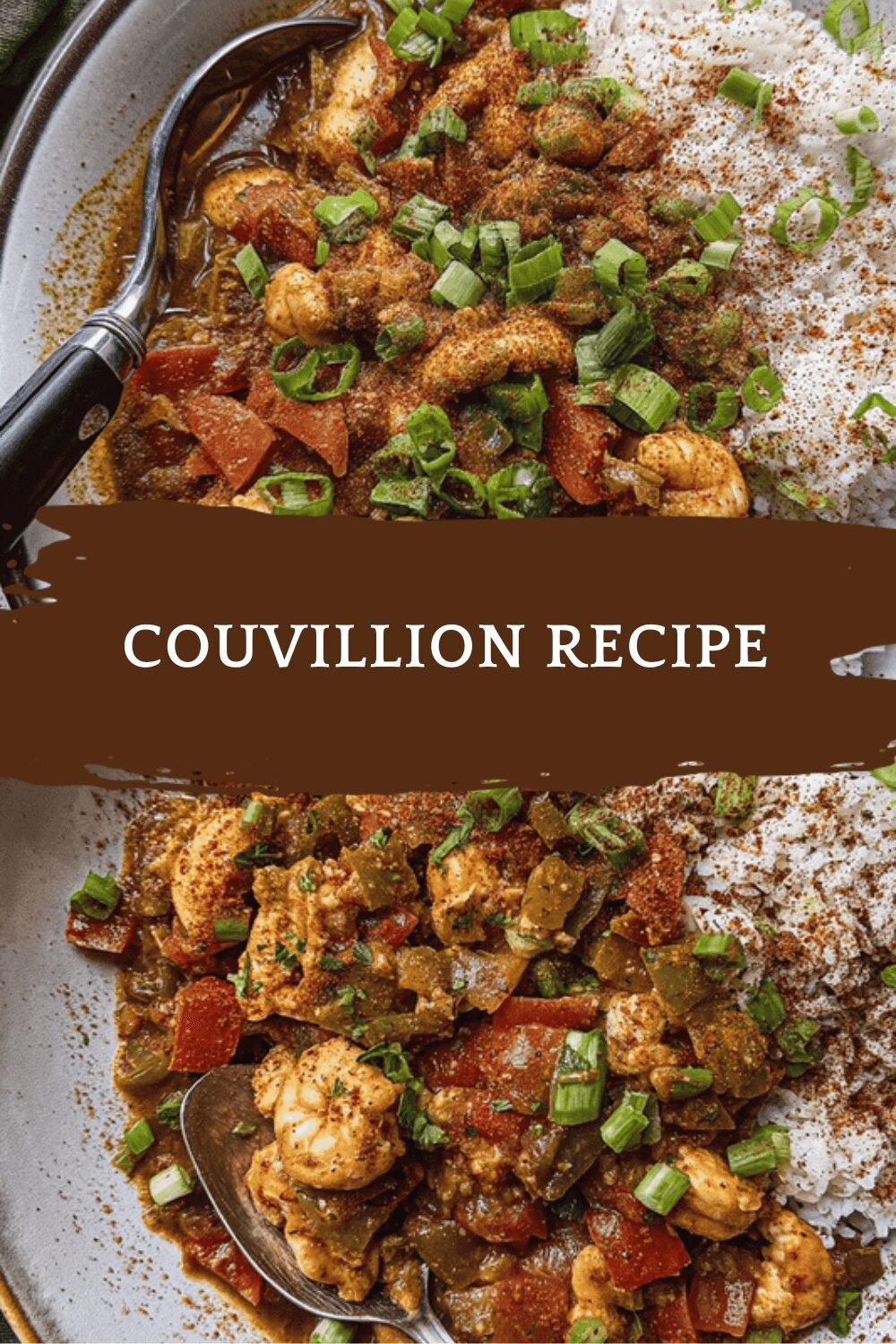
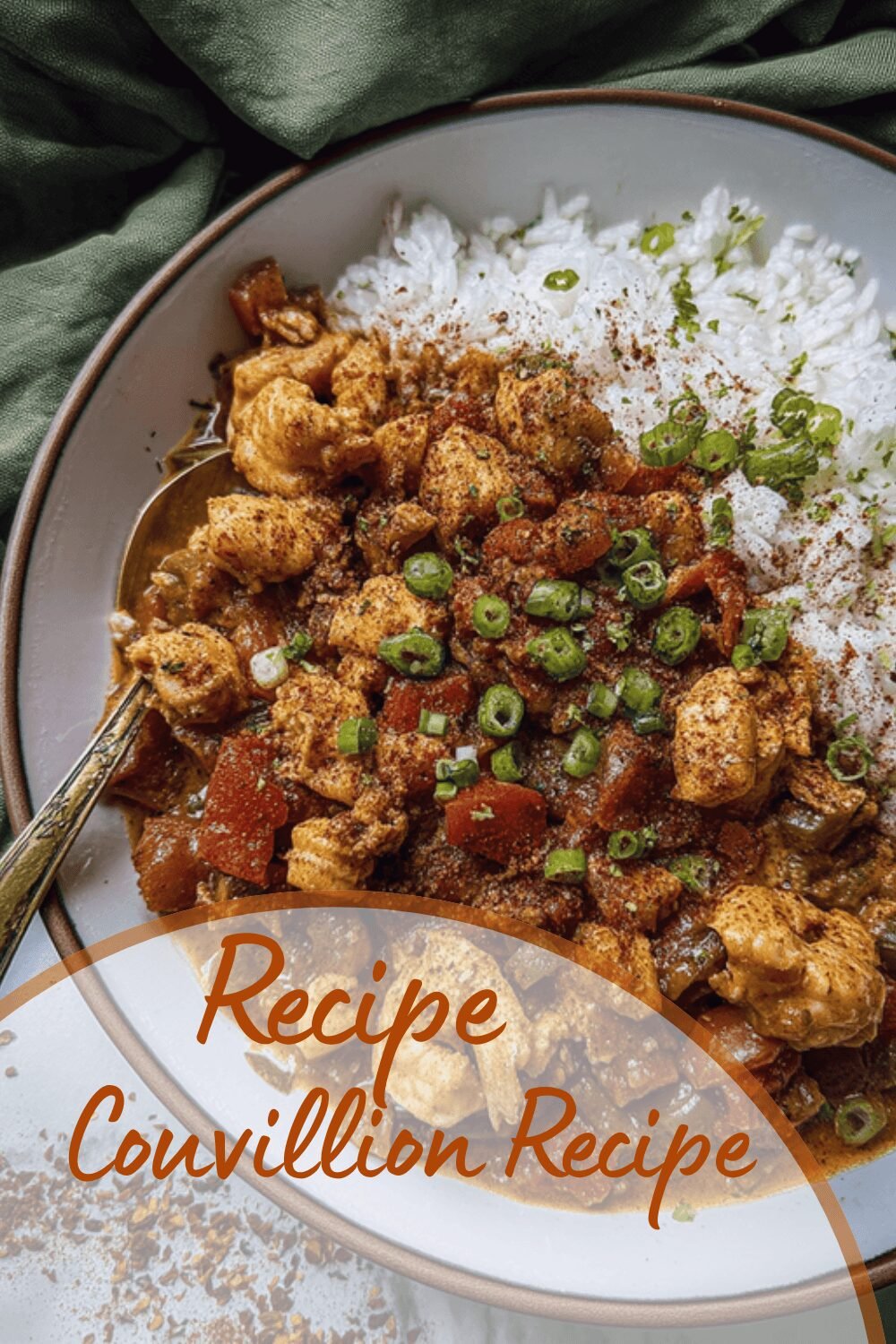
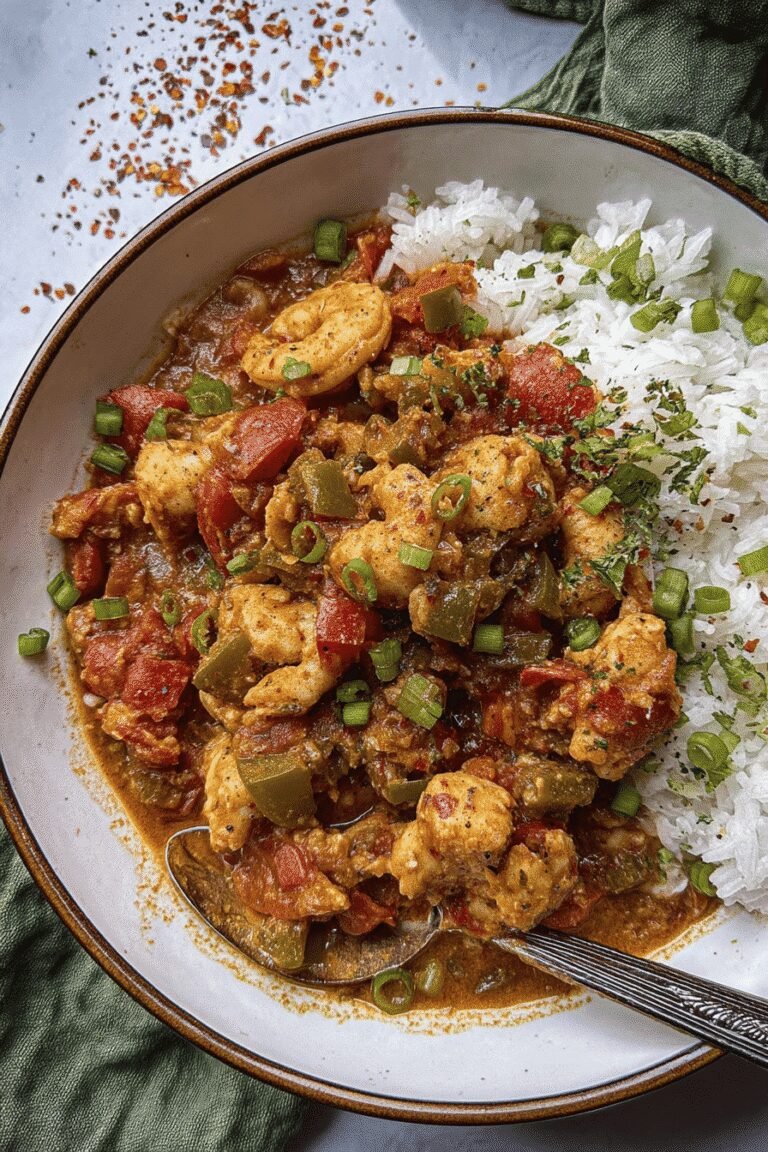
Remove the pot from heat and allow the stew to rest briefly, letting the sauce thicken slightly and flavors meld. Garnish with fresh parsley or green onions and sprinkle with red pepper flakes if desired. Serve hot, traditionally over steaming white rice, accompanied by lemon wedges, hot French bread, and a garden salad for a complete, comforting meal. Extra hot sauce at the table allows guests to customize the heat.
Dietary Substitutions to Customize Your Couvillion Recipe
Protein and Main Component Alternatives
- Substitute the seafood mix with marinated tofu or tempeh for a vegan alternative.
- Use lean chicken breast or turkey for a lower-fat protein option.
- Incorporate beans or lentils to boost plant-based protein content.
Vegetable, Sauce, and Seasoning Modifications
- Swap bell peppers for zucchini or mushrooms depending on preference or seasonal availability.
- Use reduced-sodium tomato sauce for a lighter, lower-salt version.
- Modify spice levels with milder or hotter Cajun seasoning blends.
- For gluten-free preparation, use gluten-free flour or thickening agents and ensure seasonings are gluten-free.
Mastering Couvillion Recipe: Advanced Tips and Variations
- Pro cooking techniques: Use a heavy, thick-bottomed skillet for even heat distribution to prevent roux from burning. Deglaze with white wine or stock to intensify depth of flavor.
- Flavor variations: Add smoked paprika, cayenne pepper, or herbs such as thyme and basil for nuance. Experiment with adding oysters or crab for additional seafood complexity.
- Presentation tips: Serve over vibrant greens or in ramekins for an elegant look. Garnish with lemon wedges, fresh herbs, or chopped scallions to brighten the dish.
- Make-ahead options: Prepare seafood and sauce separately ahead of time. Reheat gently and combine just before serving to preserve texture and freshness.
How to Store Couvillion Recipe: Best Practices
- Refrigeration: Store leftovers in airtight containers for up to 3 days to maintain flavor and freshness.
- Freezing: Freeze in suitable airtight containers, leaving room for expansion; consume within 1-2 months for optimal taste.
- Reheating: Warm gently on stovetop over low heat or microwave, stirring occasionally to keep texture intact and prevent drying.
- Meal prep considerations: Portion the couvillion into meal-sized servings before storing to simplify reheating and prevent waste.
FAQs: Frequently Asked Questions About Couvillion Recipe
What is Couvillion and how is it different from other seafood stews?
Couvillion is a hearty, tomato-based seafood stew originating from Louisiana’s Cajun and Creole traditions. It is thickened with a roux and seasoned with the Cajun trinity of onions, bell peppers, and celery, along with spices and stewed tomatoes. Unlike lighter seafood soups, Couvillion offers a rich, savory gravy that is perfect for simmering firm white fish or catfish, making it distinct from other seafood dishes like gumbo or jambalaya.
Which types of seafood work best for making Couvillion?
Redfish, catfish, grouper, snapper, swordfish, and halibut are popular choices for Couvillion because their firm flesh holds up well during cooking. You can also include shrimp, crawfish, tender crab, or oysters for added flavor and variety. Using fresh or thawed seafood ensures the best taste and texture.
How do you prepare the fish before cooking it in Couvillion?
Season the fish fillets evenly with your preferred blend of Cajun spices and garlic. Let them rest briefly before gently placing them into the simmering tomato and roux base. This method helps the fish absorb the flavors while cooking evenly without falling apart, usually taking about 12 to 18 minutes depending on thickness.
Can Couvillion be stored and reheated safely?
Yes, Couvillion can be refrigerated in an airtight container for up to 5 days. To keep it longer, freeze it for up to 2 to 3 months. Reheat gently on the stove over low heat to preserve the texture of the seafood and maintain the stew’s rich flavor.
Is it possible to substitute alligator meat in Couvillion for a different taste?
Alligator meat can be used as a substitute for fish or shrimp in Couvillion and adds a unique flavor and texture. It requires thorough cooking to become tender, so simmer it longer in the stew to ensure it is fully cooked and safe to eat, making the dish a great option for those seeking a regional twist.
Couvillion Recipe
🍲 Enjoy the rich, hearty flavors of Cajun cuisine with this delicious Courtbouillon, perfect for seafood lovers.
🐟 Featuring a deep, flavorful broth enriched with fresh fish and spices, this dish is a true Creole delight.
- Total Time: 2 hours
- Yield: 6 servings 1x
Ingredients
1 pound skinless redfish fillets or firm white fish such as grouper, snapper, swordfish, halibut, mahi mahi, or catfish
1 pound shrimp, peeled and deveined, or crawfish
3 tablespoons Cajun seasoning
1/3 cup vegetable oil or butter
1/3 cup all-purpose flour
1 medium onion, chopped
1 medium bell pepper, chopped
1 stalk celery, chopped
5 cloves garlic, minced
1 tablespoon minced fresh thyme
2 bay leaves
28 ounces chopped tomatoes
4 cups seafood stock or chicken/vegetable stock
Hot sauce, to taste
Salt and freshly ground black pepper, to taste
fresh chopped parsley or green onions
red pepper flakes
extra hot sauce
Instructions
1-First Step: Prepare Ingredients
Start by cutting the fish into bite-sized chunks and peeling and deveining the shrimp or preparing crawfish. Toss the seafood in a bowl with 1 tablespoon of Cajun seasoning, then refrigerate to marinate while preparing other ingredients. Chop the onion, bell pepper, celery, garlic, and fresh thyme, readying all components.
2-Second Step: Make the Roux
In a large heavy pot or Dutch oven, heat your choice of vegetable oil or butter over medium heat. Slowly sprinkle in the flour, stirring constantly with a wooden spoon or spatula to prevent lumps. Cook the roux carefully for 20 to 30 minutes, stirring regularly until it reaches a rich chocolate brown color. This slow cooking process is crucial for developing the deep flavor and body of your couvillion.
3-Third Step: Cook the Vegetables
Add the chopped onions, bell pepper, and celery to the roux. Stir frequently and cook for about 5-6 minutes until the vegetables soften and their flavors meld with the roux. Add the minced garlic, fresh thyme, and bay leaves, cooking for an additional minute to release aromatic oils.
4-Fourth Step: Build the Sauce
Pour in the Cajun seasoning remaining, chopped tomatoes with their juices, and seafood or vegetable stock. Stir well and bring the mixture to a simmer. Add hot sauce according to your desired spice level, and season with salt and freshly ground black pepper. Simmer uncovered for about one hour, stirring occasionally, to allow all flavors to deepen and develop fully.
5-Fifth Step: Add Seafood and Poach
Raise the heat to medium and gently layer in the seasoned fish and shrimp mixture, placing it atop the sauce without fully submerging to prevent overcooking. Cover and poach for 10-15 minutes until the seafood turns opaque, becomes tender, and flakes easily.
6-Final Step: Finish and Serve
Remove the pot from heat and allow the stew to rest briefly, letting the sauce thicken slightly and flavors meld. Garnish with fresh parsley or green onions and sprinkle with red pepper flakes if desired. Serve hot, traditionally over steaming white rice, accompanied by lemon wedges, hot French bread, and a garden salad for a complete, comforting meal. Extra hot sauce at the table allows guests to customize the heat.
Last Step:
Please leave a rating and comment letting us know how you liked this recipe! This helps our business to thrive and continue providing free, high-quality recipes for you.Notes
🐚 Use fresh, seasonal seafood like oysters or extra shrimp for added flavor complexity.
🌾 Cook the roux slowly to achieve a deep color and rich flavor—patience is key.
🌶️ Adjust spice levels by adding more hot sauce or including hotter chili peppers.
- Prep Time: 15-20 minutes
- Cooking Time: 1 hour 40 minutes
- Cook Time: 1 hour 40 minutes
- Category: Main Course
- Method: Simmering
- Cuisine: Creole
Nutrition
- Serving Size: 1 bowl
- Calories: 288
- Sugar: 8g
- Sodium: 1160mg
- Fat: 8g
- Saturated Fat: 2g
- Unsaturated Fat: 6g
- Trans Fat: 0g
- Carbohydrates: 26g
- Fiber: 6g
- Protein: 29g
- Cholesterol: 73mg






I just tried this recipe, and it was a hit at our family gathering! 😍 I added a bit more cayenne for an extra kick.
Have you ever tried making this with shrimp instead of catfish? I’m curious about the flavor combination.