

Why You’ll Love This Ciabatta Bread
This ciabatta bread recipe stands out for its straightforward steps, making it ideal for anyone new to baking or short on time. The process involves minimal hands-on work with the biga, or preferment, to develop deep flavors overnight, plus a simple mix-and-rise for the dough. You’ll end up with a loaf that’s not only delicious but also adaptable for all sorts of meals, from sandwiches to sides.
One key benefit is how it supports a healthy lifestyle with its simple ingredients like bread flour and yeast that deliver complex carbs and fiber. This helps with steady energy and digestion, fitting well for busy parents or diet-conscious folks who want tasty options without overloads of sugar or fat. Plus, the airy texture and crisp crust make it a hit at gatherings, aligning with our blog’s focus on community and shared meals.
Versatility is another reason to try it, as the recipe easily adjusts for vegan or gluten-free needs with minor tweaks. Imagine serving it at picnics or potlucks to impress friends and family, creating those warm moments around the table. Overall, it’s about enjoying fresh, homemade bread that enhances everyday life for home cooks and baking enthusiasts alike.
Jump to:
- Why You’ll Love This Ciabatta Bread
- Essential Ingredients for Ciabatta Bread
- How to Prepare the Perfect Ciabatta Bread: Step-by-Step Guide
- Finishing and Baking Steps
- Dietary Substitutions to Customize Your Ciabatta Bread
- Mastering Ciabatta Bread: Advanced Tips and Variations
- How to Store Ciabatta Bread: Best Practices
- FAQs: Frequently Asked Questions About Ciabatta Bread
- What is ciabatta bread, and how is it different from other breads?
- Can I use all-purpose flour instead of bread flour when making ciabatta?
- How do I get a crispy crust on my ciabatta bread at home?
- Why is ciabatta dough so sticky, and what’s the best way to handle it?
- Can I add herbs or other flavorings to ciabatta dough?
- Ciabatta Bread
- Ingredients
- Instructions
- Last Step:
- Notes
- Nutrition
- Did you make this recipe?
Essential Ingredients for Ciabatta Bread
Gathering the right ingredients is the first step to making great ciabatta bread, and this recipe keeps things simple yet effective. Below is a complete list based on the proven method, including everything needed for both the biga and the dough. I’ve organized it clearly so you can follow along easily and measure out each item just right.
- 1 cup bread flour (for the Biga)
- 1/8 teaspoon active-dry or instant yeast (for the Biga)
- 1/2 cup room-temperature water (for the Biga)
- 1 teaspoon active-dry or instant yeast (for the Ciabatta dough)
- 1 cup warm water (100 110°F) (for the Ciabatta dough)
- 2 and 1/2 cups bread flour (plus more as needed) (for the Ciabatta dough)
- 1 and 1/2 teaspoons table salt (for the Ciabatta dough)
- Olive oil (used for coating hands and tools; quantity as needed)
This list covers all the basics, ensuring you have just what you need without extras. Remember, accurate measurements help the bread turn out perfect every time, so use a kitchen scale if possible.
How to Prepare the Perfect Ciabatta Bread: Step-by-Step Guide
Start your ciabatta adventure on Day 1 by making the biga, which is a simple preferment that adds that special tangy flavor. Combine 1 cup bread flour and 1/8 teaspoon active-dry or instant yeast, then mix in 1/2 cup room-temperature water until it forms a thick batter. Cover it and let it sit at room temperature for 8 to 24 hours, which gives the yeast time to work its magic.
On Day 2, dissolve 1 teaspoon active-dry or instant yeast in 1 cup warm water (around 100 110°F) and let it rest for 5 to 10 minutes until it bubbles. Add the preferment you made earlier, along with 2 and 1/2 cups bread flour and 1 and 1/2 teaspoons table salt, then stir everything to form a sticky dough. Cover the bowl and let it rest for 30 minutes before starting the stretch and fold process.
To build the dough’s structure, perform the stretch and fold four times, with 30-minute breaks in between each one. After that, pop the dough in the fridge for 1 to 24 hours to develop even more flavor. Once chilled, flour your surface and hands generously, scrape the dough out, and shape it into a rectangle without pressing too hard. Cut it into 8 rolls or 2 loaves, place them on floured parchment paper, dust the tops with flour, cover, and let them proof for about an hour.
Finishing and Baking Steps
While the dough proofs, preheat your oven to 450°F with a baking sheet on the center rack. For a crisp crust, add ice cubes to a pan on the bottom rack to create steam, and give the dough a light spray of water. Carefully transfer the dough on the parchment to the hot baking sheet, slide the ice pan into the oven, and bake for 20 to 25 minutes. You’ll know it’s done when it’s golden brown and sounds hollow when tapped, or when the inside reaches 205°F to 210°F on a thermometer. Let it cool for at least 45 minutes before slicing to keep the texture just right. Try using your fresh ciabatta in a toasted Italian sandwich for a delicious meal idea.
Dietary Substitutions to Customize Your Ciabatta Bread
Everyone’s needs are different, so adapting this ciabatta recipe is easy and fun. For protein boosts or main changes, swap active-dry yeast with a sourdough starter to get that natural tang without much effort. You can also use chickpea flour or lentil flour blends in place of some bread flour for a gluten-free version that still packs a protein punch.
When it comes to veggies, sauces, and seasonings, try mixing in roasted garlic or caramelized onions for a flavor twist. Add herbs like rosemary or thyme to make it your own, or switch olive oil for avocado oil if you’re looking for a healthier fat option. These swaps help keep the bread’s light, airy feel while fitting various diets.
Mastering Ciabatta Bread: Advanced Tips and Variations
Taking your ciabatta to the next level starts with smart techniques like using a baking stone for a crisper crust and better rise. To get that professional texture, add steam in the oven by placing a pan of water inside during baking, which we’ve already mentioned in the steps. If you love experimenting, toss in extras like olives or sun-dried tomatoes for a burst of taste that’s perfect for food enthusiasts.
Flavor ideas are endless try fresh herbs such as basil or oregano to personalize your loaf. For presentation, score the dough before baking to make attractive patterns that wow at gatherings. You can also prep ahead by chilling the dough in the fridge for up to 24 hours, which deepens the flavors and fits busy schedules. Remember, all-purpose flour works in a pinch, but bread flour gives the best chew; plus, you can shape this dough into focaccia or use a sourdough starter for variety. Pair your ciabatta with falafel for a tasty, community-style meal that brings people together.
Other handy tips include using a kitchen scale for precise measurements and a bench scraper for handling that sticky dough. Check temperatures with a thermometer to ensure everything’s just right, and don’t forget to cool the bread fully before cutting. You can even freeze the baked loaves for up to 3 months, making it simple for working professionals or families to enjoy fresh bread anytime.
How to Store Ciabatta Bread: Best Practices
Keeping your ciabatta fresh is key to enjoying its crisp crust and soft inside. Store it in a paper bag or bread box at room temperature for up to 2 days to avoid drying it out. If you need it to last longer, wrap the bread tightly in plastic wrap and then aluminum foil before freezing for up to 3 months.
When you’re ready to eat it again, thaw at room temperature and reheat by sprinkling a bit of water on it and warming in an oven at 350°F for 5-10 minutes. This brings back that fresh-baked feel without much fuss. For meal prep, slice and freeze portions separately so you can grab just what you need for quick sandwiches or sides.
FAQs: Frequently Asked Questions About Ciabatta Bread
What is ciabatta bread, and how is it different from other breads?
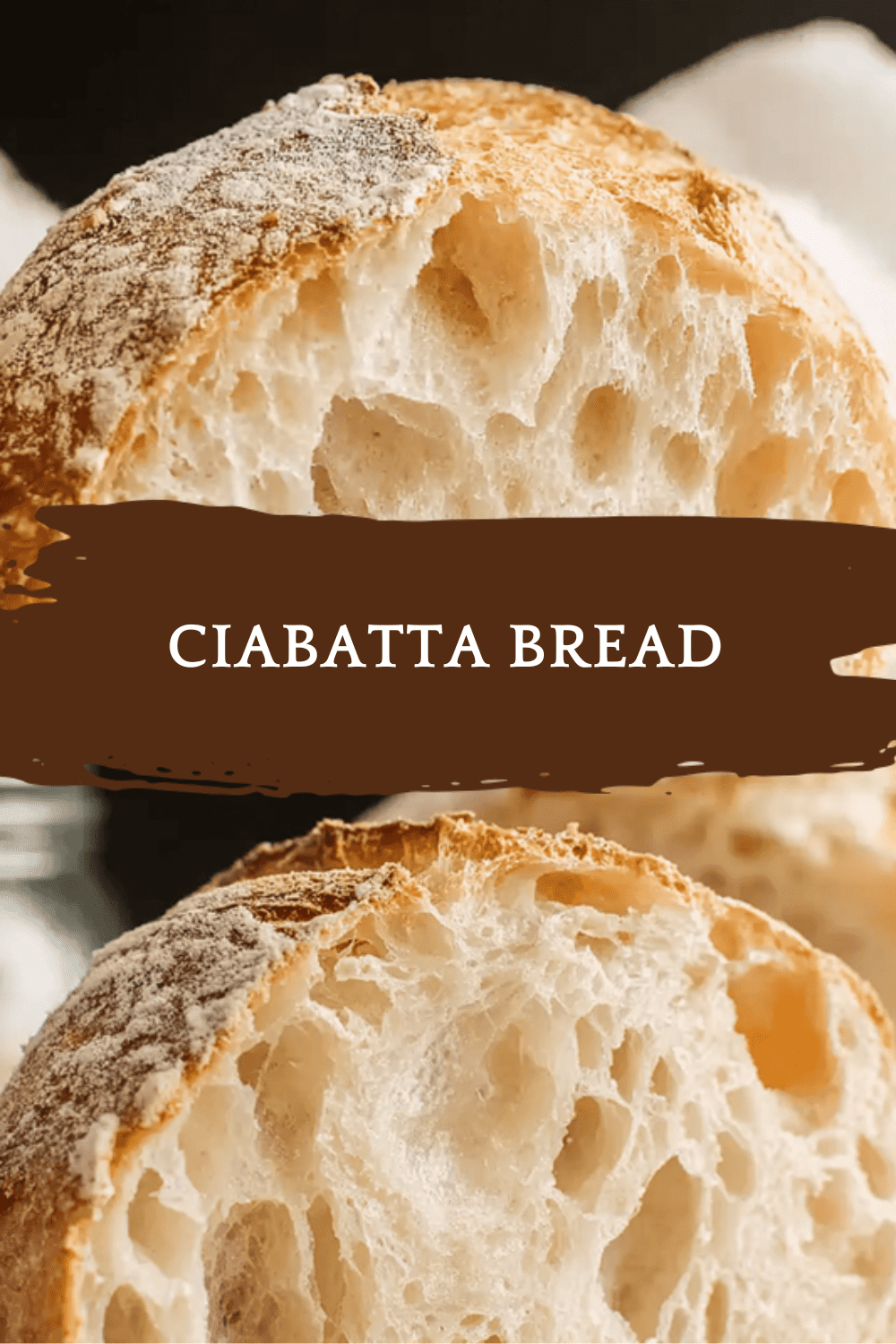
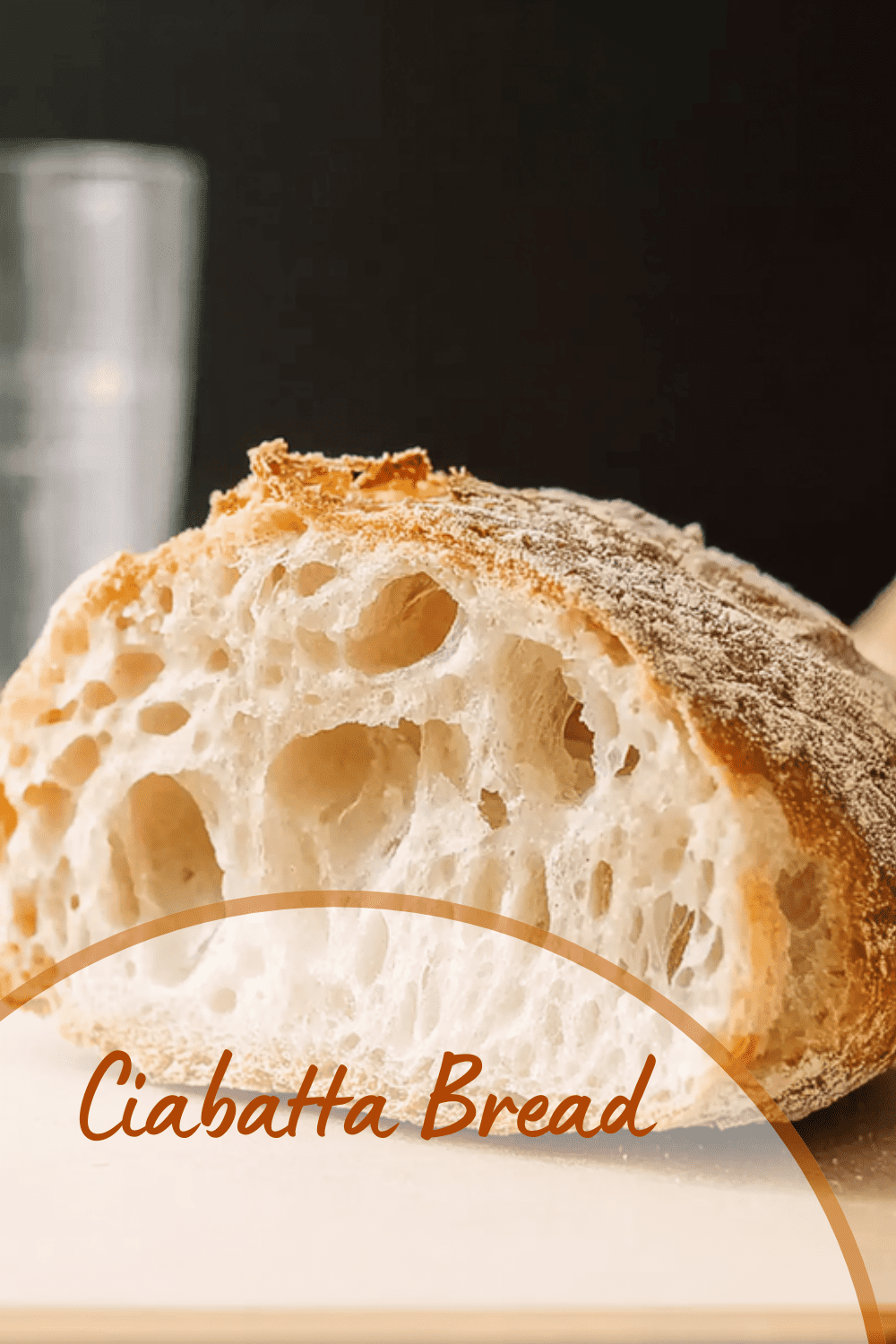
Ciabatta is an Italian white bread known for its rustic look, open crumb with large holes, and crispy crust. Unlike denser breads, ciabatta dough has a high hydration level, making it sticky and airy. It’s typically made with bread flour, water, yeast, salt, and sometimes a preferment called biga to develop flavor and texture. This bread’s chewy interior and light structure set it apart from traditional sandwich loaves.
Can I use all-purpose flour instead of bread flour when making ciabatta?
Yes, all-purpose flour can be substituted 1:1 for bread flour in ciabatta recipes. However, bread flour is preferred because its higher protein content strengthens gluten, producing a chewier crumb and better overall structure in the bread. If using all-purpose flour, expect a slightly softer texture but still a tasty loaf.
How do I get a crispy crust on my ciabatta bread at home?
To achieve a crispy crust, bake the ciabatta in a steamy oven. Place a pan with water or ice cubes on the lower rack to create steam during the first 10–15 minutes of baking. You can also lightly mist the shaped dough with water before placing it in the oven. This moist heat helps form a crisp, golden crust while allowing the dough to expand without cracking.
Why is ciabatta dough so sticky, and what’s the best way to handle it?
Ciabatta dough has a high hydration level (more water than typical bread dough), making it very sticky and wet. Instead of traditional kneading, it’s best to use stretch-and-fold techniques to develop the gluten structure. Using lightly oiled hands and a well-floured surface can help manage the sticky dough during shaping.
Can I add herbs or other flavorings to ciabatta dough?
Yes, fresh or dried herbs like rosemary or thyme can be added to ciabatta dough for extra flavor. Add about 1 teaspoon dried or 2 ½ teaspoons fresh chopped herbs, ideally combined with minced garlic, at the same time you add the salt. Avoid adding too much, as excessive herbs can affect dough texture and rise.

Ciabatta Bread
🍞 Discover the delight of making Homemade Ciabatta Bread with simple ingredients that yield a crisp, golden crust.
⏳ This recipe uses a unique biga preferment and stretch-and-fold technique for an airy, flavorful bread that’s perfect for any occasion.
- Total Time: 14 hours 10 minutes
- Yield: 8 rolls or 2 loaves
Ingredients
– 1 cup bread flour for the Biga
– 1/8 teaspoon active-dry or instant yeast for the Biga
– 1/2 cup room-temperature water for the Biga
– 1 teaspoon active-dry or instant yeast for the Ciabatta dough
– 1 cup warm water (100 110°F) for the Ciabatta dough
– 2 and 1/2 cups bread flour (plus more as needed) for the Ciabatta dough
– 1 and 1/2 teaspoons table salt for the Ciabatta dough
– Olive oil used for coating hands and tools; quantity as needed
Instructions
1-Start your ciabatta adventure on Day 1 by making the biga, which is a simple preferment that adds that special tangy flavor. Combine 1 cup bread flour and 1/8 teaspoon active-dry or instant yeast, then mix in 1/2 cup room-temperature water until it forms a thick batter. Cover it and let it sit at room temperature for 8 to 24 hours, which gives the yeast time to work its magic.
2-On Day 2, dissolve 1 teaspoon active-dry or instant yeast in 1 cup warm water (around 100 110°F) and let it rest for 5 to 10 minutes until it bubbles. Add the preferment you made earlier, along with 2 and 1/2 cups bread flour and 1 and 1/2 teaspoons table salt, then stir everything to form a sticky dough. Cover the bowl and let it rest for 30 minutes before starting the stretch and fold process.
3-To build the dough’s structure, perform the stretch and fold four times, with 30-minute breaks in between each one. After that, pop the dough in the fridge for 1 to 24 hours to develop even more flavor. Once chilled, flour your surface and hands generously, scrape the dough out, and shape it into a rectangle without pressing too hard. Cut it into 8 rolls or 2 loaves, place them on floured parchment paper, dust the tops with flour, cover, and let them proof for about an hour.
4-Finishing and Baking Steps While the dough proofs, preheat your oven to 450°F with a baking sheet on the center rack. For a crisp crust, add ice cubes to a pan on the bottom rack to create steam, and give the dough a light spray of water. Carefully transfer the dough on the parchment to the hot baking sheet, slide the ice pan into the oven, and bake for 20 to 25 minutes. You’ll know it’s done when it’s golden brown and sounds hollow when tapped, or when the inside reaches 205°F to 210°F on a thermometer. Let it cool for at least 45 minutes before slicing to keep the texture just right. Try using your fresh ciabatta in a toasted Italian sandwich for a delicious meal idea.
Last Step:
Please leave a rating and comment letting us know how you liked this recipe! This helps our business to thrive and continue providing free, high-quality recipes for you.Notes
🕰️ Prepare the biga the day before to develop flavor and improve bread structure.
🤲 Expect a very sticky dough; use the stretch and fold method instead of kneading.
🔪 Use a bench scraper and coat hands/tools with olive oil to easily handle sticky dough.
- Prep Time: 5 minutes (Day 1)
- Resting and Rising Time: 13 hours 40 minutes
- Cook Time: 25 minutes
- Category: Bread
- Method: Baking and Stretch & Fold
- Cuisine: Italian
- Diet: Vegetarian
Nutrition
- Serving Size: 1 roll
- Calories: 233
- Sugar: 0.2g
- Sodium: 437.5mg
- Fat: 2.8g
- Saturated Fat: Not specified
- Unsaturated Fat: Not specified
- Trans Fat: 0g
- Carbohydrates: 43.7g
- Fiber: Not specified
- Protein: 7.4g
- Cholesterol: 0mg


