

Why You’ll Love This Christmas Sweets
Christmas sweets bring the holiday spirit to life with their delicious flavors and easy preparation, making them a favorite for home cooks and busy families alike. These festive treats are perfect for gathering around the table, sharing laughs, and creating warm memories during the season. Whether you’re baking for a crowd or just whipping up something simple, Christmas sweets offer a mix of traditional tastes that everyone can enjoy.
One reason you’ll love this Christmas sweets is the ease of preparation, which lets even beginners jump in without hassle. Many recipes, like no-bake options or those that take just 10 to 15 minutes, use straightforward steps and minimal ingredients to keep things fun and stress-free. Plus, with versatile techniques, you can adapt them to fit your schedule, from quick mixes to slightly longer bakes that still fit into a busy day.
Another highlight is how these sweets pack in health benefits through wholesome add-ins, such as nuts and dried fruits that provide natural antioxidants and vitamins. For instance, using ingredients like almonds or cranberries can add healthy fats and nutrients while keeping the festive flavors intact. You can even tweak recipes to reduce sugar or calories, making them a smarter choice for diet-conscious folks during holiday celebrations.
The versatility of Christmas sweets shines through in their ability to meet different dietary needs, like vegan or gluten-free options, without losing that signature holiday taste. Popular sweets include peanut butter snowballs, truffles, brittle, fudge, bark with nuts and dried fruits, caramels, rum balls, peppermint pretzel dippers, and snowman-themed Oreo balls, giving you plenty of choices. These recipes offer traditional holiday flavors with adaptable ingredients, making them ideal for beginners and experienced makers alike.
Finally, the distinctive flavor from spices like cinnamon and nutmeg creates a memorable aroma that fills your home with Christmas magic. Blending these with chocolate or peanut butter results in treats that feel indulgent yet approachable. All in all, these sweets are about bringing people together, just like the heartwarming recipes on chocolate-covered pretzels that pair perfectly with holiday themes.
Jump to:
- Why You’ll Love This Christmas Sweets
- Essential Ingredients for Christmas Sweets
- How to Prepare the Perfect Christmas Sweets: Step-by-Step Guide
- Key Preparation Methods
- Dietary Substitutions to Customize Your Christmas Sweets
- Mastering Christmas Sweets: Advanced Tips and Variations
- More Ways to Enhance Your Treats
- How to Store Christmas Sweets: Best Practices
- FAQs: Frequently Asked Questions About Christmas Sweets
- What are some classic Christmas sweets people love during the holidays?
- How can beginners make simple Christmas candies at home?
- Are there any easy no-bake Christmas candy recipes?
- What should I keep in mind when storing homemade Christmas sweets?
- Can I customize Christmas sweets to suit dietary restrictions?
- Christmas Sweets
- Ingredients
- Instructions
- Last Step:
- Notes
- Nutrition
- Did you make this recipe?
Essential Ingredients for Christmas Sweets
Christmas sweets rely on a handful of key ingredients that bring out the best in festive flavors, making them simple to prepare at home. These components form the backbone of popular recipes, from no-bake truffles to baked brittle, ensuring delicious results every time. By using fresh, quality items, you can create treats that capture the essence of the holidays.
Below is a comprehensive list of essential ingredients for making Christmas sweets. This includes all the items mentioned for the recipes, formatted clearly for easy shopping and preparation. Each ingredient is listed with its precise measurement to help you measure accurately and avoid any surprises in the kitchen.
- All-purpose flour, 2 cups forms the base for certain sweets like cookies.
- Brown sugar, 1 cup adds sweetness and moisture to the mix.
- Butter, 1/2 cup contributes richness, but you can use up to 1 cup for some recipes.
- Eggs, 2 large help bind ingredients, or use flaxseed as a substitute.
- Ground cinnamon, 1 tsp provides classic holiday spice.
- Baking powder, 1 tsp ensures the sweets rise properly.
- Chocolate (milk, white, or dark), 200 to 400 grams melts into a smooth base for truffles and bark.
- Peanut butter, 1/2 to 1 cup (120 to 240 ml) key for snowballs and no-bake treats.
- Nuts such as pecans, cashews, almonds, walnuts, or pistachios, 1 cup (100 to 120 grams) add crunch to brittle or bark.
- Dried fruits like cranberries or cherries, 1/2 to 1 cup (60 to 120 grams) bring tartness to festive mixes.
- Granulated sugar or powdered sugar, 1/2 to 2 cups (100 to 400 grams) sweetens fudge and caramels.
- Cream cheese, 4 to 8 ounces (115 to 230 grams) creates creamy textures in truffles.
- Peppermint or other flavor extracts, 1 to 2 teaspoons (5 to 10 ml) enhances peppermint pretzel dippers.
- Spices such as cinnamon or nutmeg, 1/4 to 1 teaspoon (1 to 5 ml) boosts overall flavor.
- Condensed or evaporated milk, 1/2 to 1 cup (120 to 240 ml) thickens fudge recipes.
- Marshmallows, 1 to 2 cups, mini or regular sized (50 to 150 grams) used in certain no-bake options.
- Candy coatings, as needed for quick melting on various treats.
- Peppermint bits, as needed adds a festive crunch.
- Shortening, as needed helps with melting chocolate smoothly.
- Saltine crackers, as needed base for toffee squares.
For special dietary options, consider these swaps to customize your sweets. Vegan versions might replace butter with plant-based margarine and eggs with flaxseed meal mixed with water. Gluten-free adaptations use certified gluten-free flour blends, while low-calorie tweaks swap butter for unsweetened applesauce and cut sugar in half.
How to Prepare the Perfect Christmas Sweets: Step-by-Step Guide
Getting started with Christmas sweets is all about fun and simplicity, no matter your skill level. Popular recipes range from no-bake options that take just 15 to 30 minutes to baked treats that might need up to 60 minutes plus cooling time. Begin by gathering your ingredients and tools, like a candy thermometer for precise heating in recipes such as brittle.
First, preheat your oven to 350°F (175°C) if you’re baking, and line your tray with parchment paper for easy cleanup. For no-bake sweets, simply melt chocolate or butter in a microwave or on the stovetop, then mix in nuts, dried fruits, or peanut butter until smooth.
Second, in a large bowl, cream together the softened butter and sugar until fluffy, which helps create that perfect texture for things like fudge or caramels. If you’re making a no-bake version, combine crushed cookies with peanut butter and chocolate for a quick base. This step is where flavors like cinnamon and peppermint really start to shine.
Key Preparation Methods
Some recipes involve melting ingredients and setting them in the refrigerator for 30 minutes to a few hours, while others require heating sugar on the stovetop to the right temperature. For baked items like almond brittle, mix and bake for 10 to 20 minutes until golden. Always stir gently to keep the glossy finish on your chocolate.
Third, beat in eggs or substitutes one at a time for even mixing, then whisk dry ingredients like flour and spices in a separate bowl. Gradually add them to your wet mix to avoid lumps, and shape the dough into festive forms like balls or bars. No-bake recipes often skip this and go straight to chilling the mixture.
Fourth, place your shaped sweets on the tray with space between them, and pop them in the oven or fridge as needed. If you’re making something like rum balls, roll them after chilling for the best results. Preparation times vary, but tips like using candy coating discs can speed things up and keep melting easy.
Fifth, bake for 12 to 15 minutes or until done, then let cool on a wire rack. For stove-top methods, heat to the precise temperature and pour onto a lined sheet to set. Remember, setting times for fudge might extend overnight, so plan ahead for gifting. To learn more about similar treats, check out cinnamon-sugar donut holes for a sweet twist.
Finally, once cooled, add garnishes like sprinkles or a dusting of powdered sugar for extra flair. These sweets are versatile for holiday events, and with practice, you’ll master the art of making them ahead for parties or gifts.
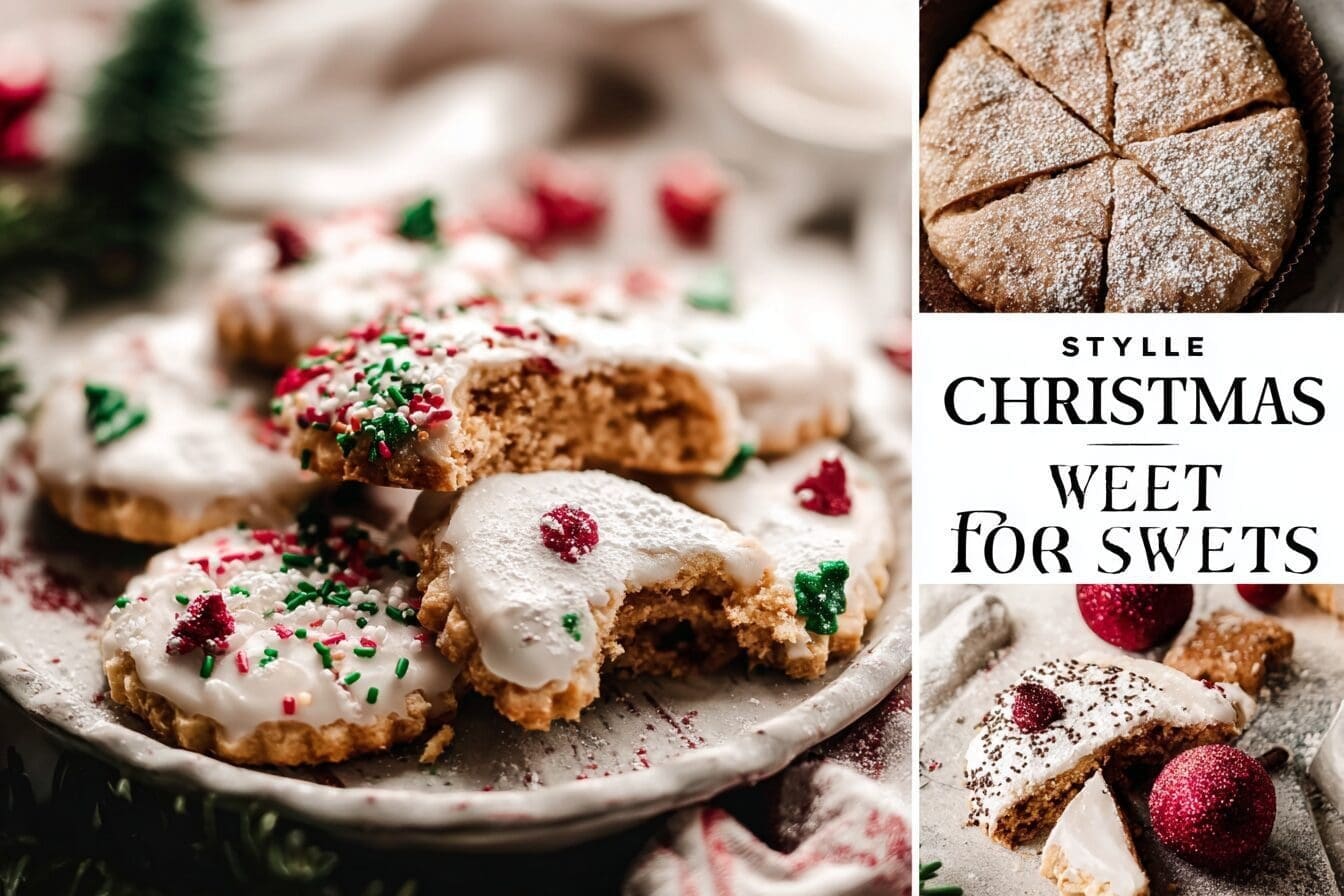
Dietary Substitutions to Customize Your Christmas Sweets
Making Christmas sweets inclusive is easy with a few smart swaps, so everyone at your gathering can enjoy them. Whether you’re dealing with allergies or preferences, these adjustments keep the flavors intact while fitting various diets. For example, substituting ingredients lets you tailor recipes like truffles or bark to suit vegan or gluten-free needs.
For protein and main components, try flaxseed or chia seed gels in place of eggs for vegan options, or use plant-based butters instead of dairy. If you’re going gluten-free, swap all-purpose flour with almond or coconut flour to maintain that fluffy texture. These changes work well in recipes with nuts and dried fruits, adding both nutrition and taste.
- Use maple syrup or agave nectar as a natural sweetener to cut refined sugar.
- Add vegetable purees like pumpkin for extra moisture and nutrients in baked sweets.
- Replace traditional spices with blends like pumpkin pie spice for a fresh variation.
Remember, tips like gently melting chocolate ensure your customized sweets still look and taste amazing. This way, you can make ahead and store them for holiday sharing, just as many recipes encourage.
Mastering Christmas Sweets: Advanced Tips and Variations
Taking your Christmas sweets to the next level involves some pro techniques that make a big difference in the final product. Start with room temperature ingredients for better mixing and a smoother texture, or chill your dough before baking to help it hold shape and intensify flavors. For items like brittle, browning the butter adds a nutty depth that elevates the taste.
Flavor variations can include adding orange zest, chopped nuts, or dried fruits to create unique twists on classics like fudge or caramels. Try incorporating savory spices such as cardamom for a surprising kick, or mix in peppermint extract for that holiday zing. These adjustments make sweets like peanut butter snowballs or rum balls even more memorable for your guests.
More Ways to Enhance Your Treats
Presentation is key, so garnish with powdered sugar, melted chocolate drizzles, or edible decorations to boost visual appeal. For make-ahead options, prepare dough up to 24 hours in advance and chill it, or freeze baked sweets for later. Storing in airtight containers keeps them fresh, and substituting nuts or fruits lets you personalize each batch.
As you experiment, remember tips like using candy coating discs for quick melting and gentle handling of chocolate for a glossy finish. This approach suits beginners and pros, with preparation times from 10 minutes for no-bake to longer for cooked versions. Overall, these methods help you create sweets that are perfect for gifting during the holidays.
How to Store Christmas Sweets: Best Practices
Proper storage keeps your Christmas sweets tasting fresh and looking great for days, whether you’re saving them for a party or gifting them. Start by choosing the right method based on the recipe, like refrigeration for creamy ones or room temperature for crunchy types. Following these steps ensures your treats stay enjoyable throughout the season.
| Storage Method | Details | Tips |
|---|---|---|
| Refrigeration | Up to one week in an airtight container | Ideal for sweets with cream or eggs to prevent spoilage |
| Freezing | Up to three months, wrapped individually | Great for meal prep; thaw in fridge for best results |
| Reheating | Warm in a low oven or microwave | Avoid overheating to keep texture soft and fresh |
For meal prep, portion sweets into containers and label with dates to track freshness, rotating older batches first. This practice ties into making candies in advance, as many recipes suggest, so you can focus on enjoying the holidays.

FAQs: Frequently Asked Questions About Christmas Sweets
What are some classic Christmas sweets people love during the holidays?
Classic Christmas sweets include candy canes, gingerbread cookies, fudge, peppermint bark, and chocolate truffles. These treats are popular because of their festive flavors and easy availability during the holiday season. Candy canes offer a minty crunch, gingerbread provides a spicy warmth, and fudge delivers rich, creamy chocolate goodness. Peppermint bark combines white and dark chocolate with peppermint bits, making it both colorful and tasty.
How can beginners make simple Christmas candies at home?
Beginners can start with no-fuss recipes like chocolate-dipped pretzels, saltine toffee squares, or peanut butter cups. These recipes usually require minimal tools and ingredients. For example, saltine toffee involves layering salted crackers with butter and brown sugar before baking and topping with melted chocolate. These treats are straightforward to prepare, don’t need specialized equipment, and offer a festive look with sprinkles or drizzle decorations.
Are there any easy no-bake Christmas candy recipes?
Yes, many Christmas candies can be made without baking. Examples include chocolate bark, rum balls, and dipped cookies. Chocolate bark is created by melting chocolate and adding nuts or festive sprinkles before chilling. Rum balls combine crushed cookies, cocoa, and rum flavoring into bite-sized balls. No-bake recipes save time and reduce complexity, making them perfect for quick holiday treats.
What should I keep in mind when storing homemade Christmas sweets?
Store homemade Christmas sweets in airtight containers at room temperature unless they contain perishable ingredients like cream or eggs, which require refrigeration. Some candies, such as fudge and truffles, last longer when kept in the fridge, while others like brittles and candy canes stay fresh at room temperature. Proper storage helps maintain texture and flavor throughout the holiday season.
Can I customize Christmas sweets to suit dietary restrictions?
Absolutely, many Christmas candy recipes can be adapted for dietary needs. For gluten-free options, substitute regular flour or cookies with certified gluten-free versions. Use dairy-free chocolate or nut butters for those avoiding dairy. Sugar-free sweeteners or natural alternatives like maple syrup can also replace refined sugar. Customizing recipes ensures that everyone can enjoy festive treats safely.
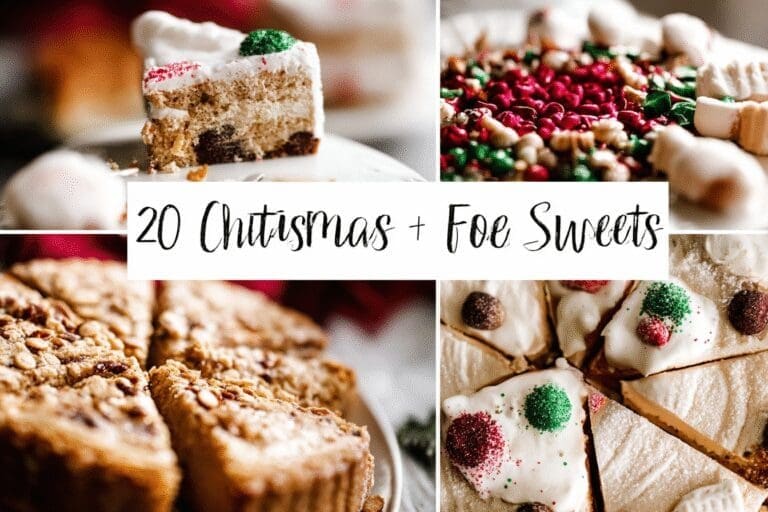
Christmas Sweets
🎄 These Christmas Candy Recipes offer a variety of sweet and festive treats perfect for holiday celebrations, ranging from easy no-bake options to more intricate confections.
🍬 Whether you’re a beginner or an experienced candy maker, these recipes provide delicious classics like fudge, brittle, truffles, and peppermint treats that bring joy to any gathering.
- Total Time: Varies by recipe, typically 40 to 60 minutes plus setting
- Yield: Varies by recipe
Ingredients
– 2 cups all-purpose flour forms the base for certain sweets like cookies
– 1 cup brown sugar adds sweetness and moisture to the mix
– 1/2 cup to 1 cup butter contributes richness
– 2 large eggs help bind ingredients
– 1 tsp ground cinnamon provides classic holiday spice
– 1 tsp baking powder ensures the sweets rise properly
– 200 to 400 grams chocolate (milk, white, or dark) melts into a smooth base for truffles and bark
– 1/2 to 1 cup (120 to 240 ml) peanut butter key for snowballs and no-bake treats
– 1 cup (100 to 120 grams) nuts such as pecans, cashews, almonds, walnuts, or pistachios add crunch to brittle or bark
– 1/2 to 1 cup (60 to 120 grams) dried fruits like cranberries or cherries bring tartness to festive mixes
– 1/2 to 2 cups (100 to 400 grams) granulated sugar or powdered sugar sweetens fudge and caramels
– 4 to 8 ounces (115 to 230 grams) cream cheese creates creamy textures in truffles
– 1 to 2 teaspoons (5 to 10 ml) peppermint or other flavor extracts enhances peppermint pretzel dippers
– 1/4 to 1 teaspoon (1 to 5 ml) spices such as cinnamon or nutmeg boosts overall flavor
– 1/2 to 1 cup (120 to 240 ml) condensed or evaporated milk thickens fudge recipes
– 1 to 2 cups (50 to 150 grams) marshmallows, mini or regular sized used in certain no-bake options
– candy coatings as needed for quick melting on various treats
– peppermint bits as needed adds a festive crunch
– shortening as needed helps with melting chocolate smoothly
– saltine crackers as needed base for toffee squares
Instructions
1-Getting started with Christmas sweets: Getting started with Christmas sweets is all about fun and simplicity, no matter your skill level. Popular recipes range from no-bake options that take just 15 to 30 minutes to baked treats that might need up to 60 minutes plus cooling time. Begin by gathering your ingredients and tools, like a candy thermometer for precise heating in recipes such as brittle.
2-First: preheat your oven to 350°F (175°C) if you’re baking, and line your tray with parchment paper for easy cleanup. For no-bake sweets, simply melt chocolate or butter in a microwave or on the stovetop, then mix in nuts, dried fruits, or peanut butter until smooth.
3-Second: in a large bowl, cream together the softened butter and sugar until fluffy, which helps create that perfect texture for things like fudge or caramels. If you’re making a no-bake version, combine crushed cookies with peanut butter and chocolate for a quick base. This step is where flavors like cinnamon and peppermint really start to shine.
4-Key Preparation Methods: Some recipes involve melting ingredients and setting them in the refrigerator for 30 minutes to a few hours, while others require heating sugar on the stovetop to the right temperature. For baked items like almond brittle, mix and bake for 10 to 20 minutes until golden. Always stir gently to keep the glossy finish on your chocolate.
5-Third: beat in eggs or substitutes one at a time for even mixing, then whisk dry ingredients like flour and spices in a separate bowl. Gradually add them to your wet mix to avoid lumps, and shape the dough into festive forms like balls or bars. No-bake recipes often skip this and go straight to chilling the mixture.
6-Fourth: place your shaped sweets on the tray with space between them, and pop them in the oven or fridge as needed. If you’re making something like rum balls, roll them after chilling for the best results. Preparation times vary, but tips like using candy coating discs can speed things up and keep melting easy.
7-Fifth: bake for 12 to 15 minutes or until done, then let cool on a wire rack. For stove-top methods, heat to the precise temperature and pour onto a lined sheet to set. Remember, setting times for fudge might extend overnight, so plan ahead for gifting. To learn more about similar treats, check out cinnamon-sugar donut holes for a sweet twist.
8-Finally: once cooled, add garnishes like sprinkles or a dusting of powdered sugar for extra flair. These sweets are versatile for holiday events, and with practice, you’ll master the art of making them ahead for parties or gifts.
Last Step:
Please leave a rating and comment letting us know how you liked this recipe! This helps our business to thrive and continue providing free, high-quality recipes for you.Notes
🍫 Substitute nuts and dried fruits to tailor flavors to your preference.
🌡️ Use candy coating discs for easy melting and glossy finish.
❄️ Store candies in airtight containers in cool conditions to preserve texture and flavor.
- Prep Time: 10 to 15 minutes for simple recipes
- Cook/Bake/Set time: 30 to 60 minutes or overnight for setting
- Cook Time: 10 to 20 minutes for baked candies
- Category: Dessert
- Method: Melting, mixing, baking, setting
- Cuisine: American
- Diet: Varies
Nutrition
- Serving Size: Varies by recipe


