

Benefits and Advantages of Chocolate Espresso Cake
The chocolate espresso cake stands out as a dessert that marries rich chocolate with the invigorating essence of coffee. This combination creates a mocha-flavored treat that appeals to both chocolate and coffee lovers, delivering a sophisticated yet approachable dessert experience.
One major benefit of this cake is its straightforward preparation, suitable even for novice bakers, requiring only common kitchen ingredients and simple baking steps. The espresso powder or brewed espresso intensifies the cake’s aroma and flavor without making the batter too runny, resulting in moist and tender layers.
Chocolate and espresso together offer antioxidants and mood-enhancing compounds, making this indulgent dessert also a thoughtful choice for those mindful of health benefits.
Moreover, this recipe’s versatility is notable it adapts well to a variety of dietary preferences including vegan and gluten-free options, accommodating a wide audience. Whether served for a special occasion or a casual treat, the cake’s unique balance of chocolate richness and coffee kick ensures it remains a timeless favorite.
Jump to:
- Benefits and Advantages of Chocolate Espresso Cake
- Essential Ingredients for Chocolate Espresso Cake
- For the Cake:
- For the Frosting:
- Espresso Buttercream
- Or Ganache
- For Decoration:
- Dietary Substitutions to Customize Your Chocolate Espresso Cake
- Gluten-Free Options
- Vegan Adaptations
- Low-Calorie Sweeteners
- Decaffeinated or Non-Caffeinated Variations
- Nut-Free Adaptations
- How to Prepare the Perfect Chocolate Espresso Cake: Step-by-Step Guide
- Mastering Chocolate Espresso Cake: Advanced Tips and Variations
- How to Store Chocolate Espresso Cake: Best Practices
- Room Temperature Storage
- Refrigeration
- Freezing
- Thawing and Reheating
- Nutritional Value of Chocolate Espresso Cake
- FAQs: Frequently Asked Questions About Chocolate Espresso Cake
- Can I use real espresso instead of espresso powder in chocolate espresso cake?
- Does chocolate espresso cake taste strongly like coffee?
- Can I substitute instant espresso powder with store brands like Nescafé?
- How do I adjust the recipe for smaller cake pans, like 6-inch layers?
- Can I use milk alternatives like almond or soy milk in chocolate espresso cake?
- Chocolate Espresso Cake Recipe with Rich Coffee Frosting for High Altitude Baking
- Ingredients
- Instructions
- Last Step:
- Notes
- Nutrition
- Did you make this recipe?
Essential Ingredients for Chocolate Espresso Cake
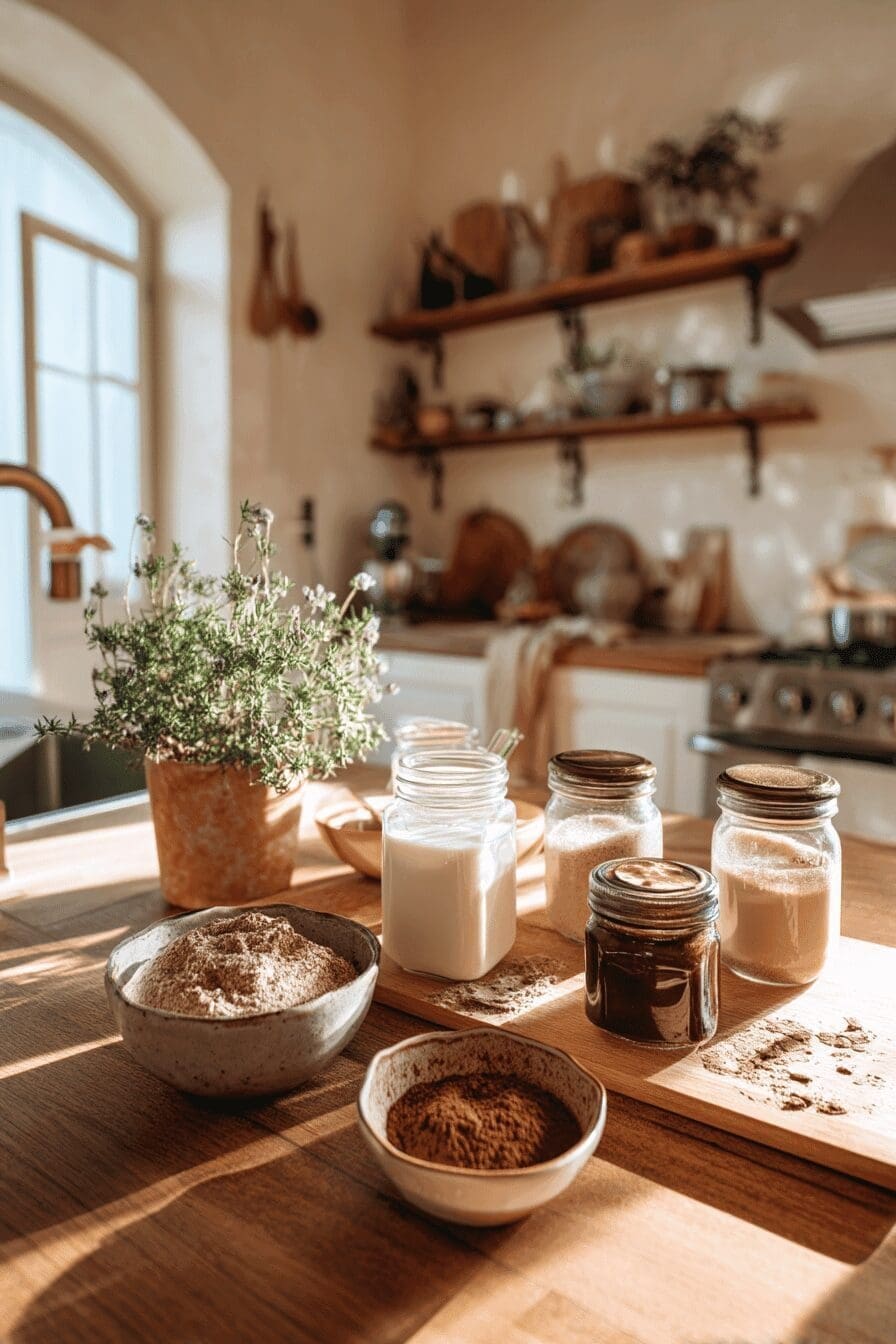
This chocolate espresso cake relies on specific ingredients to achieve its signature moist texture and deep mocha flavor. Below is a detailed list of all the components needed for both the cake and its frosting.
For the Cake:
- 2 cups (240-256 g) all-purpose flour
- 1 ¾ to 2 cups (350-400 g) granulated sugar, or 1 ½ cups (300 g) light brown sugar as an alternative
- ½ to ¾ cup (50-75 g) Dutch-processed cocoa powder (unsweetened)
- ½ to 2 teaspoons baking powder
- ½ to 1 ¼ teaspoons baking soda
- ½ teaspoon salt (coarse or table, to taste)
- 2 to 4 large eggs
- ½ to 1 cup (110-240 ml/g) vegetable oil
- ½ to 1 cup (120-240 ml) whole milk, room temperature
- 1 cup (240 ml) sour cream (optional, adds richness and moisture)
- 1 to 2 teaspoons vanilla extract
- 1 to 3 tablespoons espresso powder, dissolved in hot water or milk (hot water preferred to avoid watery batter)
- Optional: 8 oz (240 ml) freshly brewed espresso, can substitute espresso powder in some variations
For the Frosting:
Espresso Buttercream
- 3 sticks (340 g) or 2 cups (454 g) unsalted butter, softened
- 21 oz (600 g) sweetened condensed milk or 4 cups powdered sugar (adjust sweetness as needed)
- 2 to 4 tablespoons espresso powder dissolved in hot water or milk/cream
- 1 to 2 teaspoons vanilla extract
- ½ teaspoon salt
- 1 tablespoon meringue powder (optional, for stability)
- ¼ cup (60 ml) whole milk or cream, for adjusting consistency
Or Ganache
- 6 oz (170 g) semi-sweet chocolate
- 6 oz (170 g) heavy cream
For Decoration:
- Chocolate shavings, curls, or chocolate-covered espresso beans
| Ingredient | Quantity | Purpose |
|---|---|---|
| All-purpose flour | 2 cups (240-256 g) | Provides structure and texture |
| Espresso powder | 1-3 tablespoons | Enhances coffee flavor without thinning batter |
| Dutch-processed cocoa powder | ½ to ¾ cup (50-75 g) | Delivers rich chocolate flavor |
| Butter (for buttercream) | 3 sticks (340 g) | Creates creamy, smooth frosting |
Using precise ingredient measurements, especially when baking at high altitudes, helps maintain the cake’s moistness and texture. For a more indulgent frosting option, try the chocolate ganache, which offers a glossy, velvety finish.
Dietary Substitutions to Customize Your Chocolate Espresso Cake
This chocolate espresso cake is highly adaptable to fit various dietary needs without sacrificing taste or texture.
Gluten-Free Options
- Replace all-purpose flour with a gluten-free flour blend formulated for baking. Ensure baking powder and cocoa powder are gluten-free.
Vegan Adaptations
- Substitute eggs with flax eggs (1 tablespoon ground flaxseed mixed with 3 tablespoons water per egg, allowed to gel).
- Use plant-based margarine or vegan butter instead of dairy butter.
- Select non-dairy milk alternatives like almond or oat milk, using unsweetened versions.
Low-Calorie Sweeteners
- Reduce sugar quantities or replace with natural sweeteners such as stevia, monk fruit, or erythritol, adjusting to taste.
Decaffeinated or Non-Caffeinated Variations
- Replace espresso powder with decaffeinated coffee or use a rich herbal coffee alternative for those avoiding caffeine.
Nut-Free Adaptations
- Ensure no nut-based ingredients or flours are used. Substitute nut flours with oat or rice flour where applicable.
By customizing ingredients thoughtfully, bakers can enjoy this chocolate espresso cake irrespective of allergies, dietary choices, or health goals.
How to Prepare the Perfect Chocolate Espresso Cake: Step-by-Step Guide
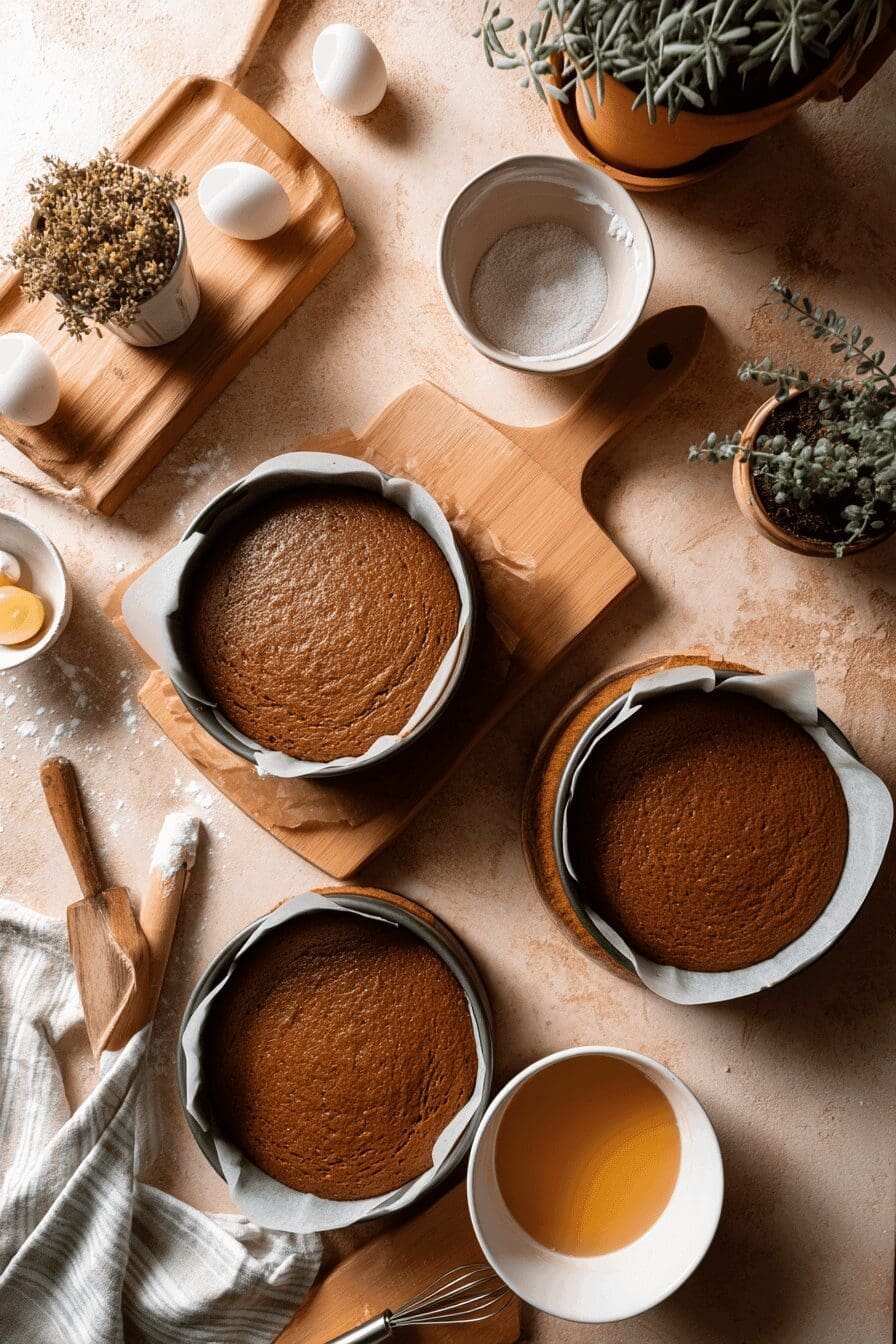
Following these structured steps will help you bake a moist, tender chocolate espresso cake with a rich coffee-infused flavor that delights every time.
- Preheat your oven to 350°F (175°C). Grease and line two or three 8 or 9-inch round cake pans with parchment paper, dusting lightly with cocoa powder to prevent sticking.
- Sift together in a medium bowl: 2 cups all-purpose flour, ½ to ¾ cup Dutch-processed cocoa powder, ½ to 2 teaspoons baking powder, ½ to 1 ¼ teaspoons baking soda, and ½ teaspoon salt. Thoroughly combine.
- Brew strong espresso or coffee and let cool. For a caffeine-free version, use decaf coffee. Dissolve 1 to 3 tablespoons espresso powder in hot water or milk as needed.
- Cream 2 to 4 large eggs with 1 ¾ to 2 cups sugar (or brown sugar alternative), ½ to 1 cup vegetable oil, ½ to 1 cup whole milk (room temperature), 1 cup sour cream (optional), and 1 to 2 teaspoons vanilla extract in a large mixing bowl. Whisk until smooth.
- Mix the dissolved espresso or brewed coffee into the wet ingredients.
- Combine wet and dry ingredients gently, mixing just until smooth. Batter will be somewhat runny this is expected for moist layers.
- Divide the batter evenly into prepared pans. Tap pans lightly to release air bubbles.
- Bake for 25 to 40 minutes, depending on pan size and number of layers. Check doneness with a toothpick; it should come out clean or with a few moist crumbs.
- Cool cakes completely on wire racks before frosting.
- Prepare frosting: For espresso buttercream, whip 3 sticks soft unsalted butter until pale (about 5 minutes). Gradually beat in sweetened condensed milk or powdered sugar and meringue powder if using. Add 2 to 4 tablespoons dissolved espresso, vanilla, and salt. Whip to glossy, stiff peaks.
- Assemble by leveling cake layers and layering with frosting or ganache. Optionally slice layers horizontally for thinner, more balanced stacking.
- Decorate with chocolate shavings, curls, or espresso beans to finish.
Using espresso powder instead of brewed coffee in the batter prevents thinning, while freshly brewed espresso enhances the frosting’s coffee kick.
For great pairing ideas, discover other rich desserts like Chocolate Tiramisu on CookyCooky for those who appreciate coffee-inspired sweets.
Mastering Chocolate Espresso Cake: Advanced Tips and Variations
To perfect your chocolate espresso cake, start with freshly ground espresso beans to heighten the rich coffee flavor. Adding a pinch of cinnamon or chili powder introduces warmth and a subtle spicy kick that complements the chocolate and espresso beautifully.
For a moist and tender texture, replace part of the butter with Greek yogurt or unsweetened applesauce. This tweak reduces fat while enhancing moisture, ideal for those seeking a healthier option.
Consider these delicious variations:
- Layer with coffee-flavored cream: Add smooth coffee-infused whipped cream between cake layers for extra indulgence.
- Adult twist: Mix a splash of coffee liqueur into the batter to give the cake a sophisticated depth.
- Vegan and gluten-free alternatives: Use almond or coconut flour, adjusting liquid ingredients accordingly. Replace eggs with flax or chia eggs, and opt for plant-based butter for a fully vegan cake.
- Quality chocolate: Use dark chocolate with at least 70% cocoa content to balance the espresso’s bitterness and intensify richness.
Experimenting with spices and alternative ingredients allows every baker to tailor this classic dessert to their individual taste and dietary needs.
These tips make your chocolate espresso cake both exciting and adaptable, whether you’re baking for family, friends, or special occasions.
How to Store Chocolate Espresso Cake: Best Practices
Proper storage keeps your chocolate espresso cake fresh and flavorful over several days or weeks.
Room Temperature Storage
Store the cake in an airtight container at room temperature if you plan to consume it within two days. This preserves the cake’s moistness and intensifies its flavors.
Refrigeration
For storage up to a week, cover the cake tightly with plastic wrap or foil and refrigerate. This helps maintain moisture, especially if the cake is frosted with rich espresso buttercream or ganache.
Freezing
Wrap the cake layers or whole cake snugly in plastic wrap, then in aluminum foil. Place it inside a freezer-safe bag to prevent freezer burn. Freeze for up to three months for best quality.
Thawing and Reheating
- Thaw frozen cake overnight in the refrigerator for best texture.
- Reheat slices gently in the microwave for 15-20 seconds or in a low oven at 300°F (150°C) for 10 minutes to bring back freshness.
Storing the cake with care protects its glossy frosting and maintains the perfect balance of chocolate and espresso flavors.
Nutritional Value of Chocolate Espresso Cake
Below is an approximate nutritional breakdown per slice when the cake is divided into 12 servings:
| Nutrient | Amount per slice | Notes |
|---|---|---|
| Calories | ~476 kcal | Provides a satisfying energy boost |
| Fat | 20-25 g | Includes saturated fats (~12 g) mainly from butter and chocolate |
| Carbohydrates | 70-75 g | Primarily from sugar and flour, contributing to sweet flavor |
| Protein | 7 g | Supports muscle repair, largely from eggs and milk ingredients |
| Sugar | 50-52 g | High sugar content mainly from sweeteners in cake and frosting |
| Fiber | 2 g | Derived from cocoa powder and flour |
| Cholesterol | ~54 mg | Present from eggs and butter |
| Sodium | ~300 mg | From salt and baking ingredients |
Choosing vegan or low-calorie ingredient substitutions can reduce fat and sugar content, making the cake suitable for diverse dietary goals without compromising flavor. The antioxidants from cocoa and espresso contribute additional health benefits.
FAQs: Frequently Asked Questions About Chocolate Espresso Cake
Can I use real espresso instead of espresso powder in chocolate espresso cake?
You can use real espresso, but it adds extra liquid to the batter, which may affect the cake’s texture and baking time. Espresso powder is preferred because it gives a strong coffee flavor without altering moisture levels. If you want to use brewed espresso, look for recipes specifically designed to accommodate the added liquid to maintain the cake’s balance.
Does chocolate espresso cake taste strongly like coffee?
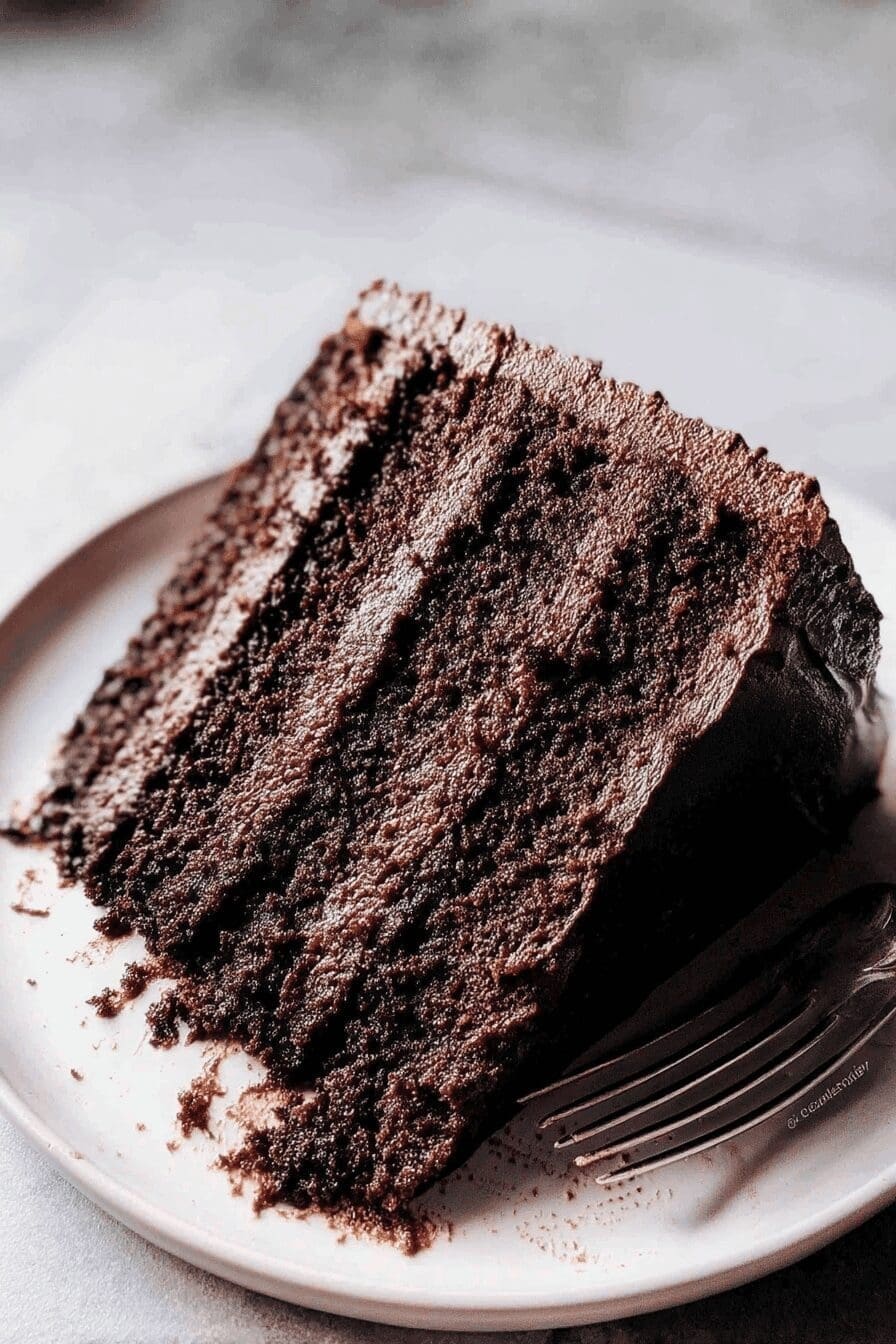
The cake mainly has a rich chocolate flavor with a subtle coffee undertone from the espresso powder. The coffee taste is more pronounced in the espresso-infused buttercream frosting, depending on how much espresso powder you add. Overall, the coffee flavor enhances the chocolate rather than overpowering it.
Can I substitute instant espresso powder with store brands like Nescafé?
Yes, most instant espresso powders, including Nescafé, dissolve easily and work well in this recipe. Just be sure to use a fine, pure espresso powder without added flavors or sweeteners to get the best coffee flavor without affecting the cake’s texture.
How do I adjust the recipe for smaller cake pans, like 6-inch layers?
To make a 3-layer 6-inch cake, use about half the amount of cake batter called for in the original recipe. For the espresso buttercream, reducing the amount to about three-quarters of the original will provide enough frosting to cover and fill the smaller layers without excess.
Can I use milk alternatives like almond or soy milk in chocolate espresso cake?
Almond, oat, and soy milk can likely be used as substitutes for regular milk, though this hasn’t been extensively tested. These alternatives might slightly change the cake’s texture and flavor. Use unsweetened varieties to avoid adding unintended sweetness and observe batter consistency to adjust if needed.

Chocolate Espresso Cake Recipe with Rich Coffee Frosting for High Altitude Baking
☕ Delight in the rich combination of chocolate and espresso for a truly decadent dessert experience.
🍰 Perfect for coffee and chocolate lovers seeking a balance of flavors encapsulated in moist, tender cake layers.
- Total Time: 1 hour to 1 hour 15 minutes
- Yield: 12 servings
Ingredients
All-purpose flour: 2 cups (240-256g)
Granulated sugar: 1 ¾ to 2 cups (350-400g) or light brown sugar 1 ½ cups (300g) as alternative
Dutch-processed cocoa powder (unsweetened): ½ to ¾ cup (50-75g)
Baking powder: ½ to 2 teaspoons
Baking soda: ½ to 1 ¼ teaspoons
Salt: ½ teaspoon (coarse or table salt), adjust to taste
Eggs: 2 to 4 large
Vegetable oil: ½ to 1 cup (110-240 ml/g)
Whole milk: ½ to 1 cup (120-240 ml), room temperature
Sour cream: 1 cup (240 ml) (optional, adds richness and moisture)
Vanilla extract: 1 to 2 teaspoons
Espresso powder: 1 to 3 tablespoons, dissolved in hot water or milk for concentrated coffee flavor (hot water preferred to avoid watery batter)
Freshly brewed espresso: 8 oz (240 ml) can be used in some variations instead of espresso powder
Espresso Buttercream:
Unsalted butter: 3 sticks (340g) or 2 cups (454g), softened to room temperature
Sweetened condensed milk: 21 oz (600g) or powdered sugar 4 cups (adjust sweetness accordingly)
Espresso powder: 2 to 4 tablespoons dissolved in hot water or milk/cream
Vanilla extract: 1 to 2 teaspoons
Salt: ½ teaspoon
Meringue powder (optional for stability): 1 tablespoon
Whole milk or cream: ¼ cup (60 ml) for adjusting consistency
Or Ganache:
Semi-sweet chocolate: 6 oz (170g)
Heavy cream: 6 oz (170g)
For Decoration:
Chocolate shavings, curls, or chocolate-covered espresso beans
Instructions
1. Preheat oven to 350°F (175-180°C). Grease and line two to three 8 or 9-inch round cake pans.
2. Sift together dry ingredients: flour, cocoa powder, baking powder, baking soda, salt. Mix thoroughly.
3. In a separate large bowl, whisk eggs, sugar (granulated or brown), oil, milk (and sour cream if using), vanilla, and dissolved espresso powder or brewed espresso. Combine wet and dry ingredients, mixing gently until smooth. Expect a somewhat runny batter.
4. Divide batter evenly among prepared pans, tapping lightly to release air bubbles.
5. Bake for 25 to 40 minutes (depending on pan size and number of layers), until a toothpick inserted in the center comes out clean or with few moist crumbs.
6. Cool cakes completely on wire racks before frosting.
7. For espresso buttercream, whip softened butter on high speed until pale and creamy (about 5 minutes). Gradually add sweetened condensed milk or powdered sugar and meringue powder (if using), continuing to whip carefully to avoid splitting. Add vanilla, salt, and espresso dissolved in hot water or milk. Whip until buttercream is thick, glossy, and holds stiff peaks.
8. For ganache, heat cream just to a low boil, pour over chopped semi-sweet chocolate, let sit for a few minutes, then whisk until smooth. Cool slightly before pouring over cooled cake layers.
9. To assemble, level cake layers. For thinner layers and better cake-to-frosting balance, optionally cut each cake in half horizontally.
10. Alternate layers of cake and frosting or ganache. Coat the outside with remaining frosting. Chill if desired.
11. Decorate with chocolate curls, shavings, or espresso beans as preferred.
Last Step:
Please leave a rating and comment letting us know how you liked this recipe! This helps our business to thrive and continue providing free, high-quality recipes for you.Notes
☕ Use espresso powder instead of brewed coffee in the batter to prevent thinning while achieving a concentrated coffee flavor.
🧈 Always use room-temperature butter for smooth, creamy buttercream; remove butter from the fridge at least an hour before whipping.
🔪 Weigh ingredients for accuracy rather than relying solely on volume measurements.
- Prep Time: 20-45 minutes
- Cooling and assembly: 15-30 minutes
- Cook Time: 25-40 minutes
- Category: Dessert
- Method: Baking
- Cuisine: American
- Diet: Vegetarian
Nutrition
- Serving Size: 1 slice
- Calories: 476 kcal
- Sugar: 50-52 g
- Sodium: 300 mg
- Fat: 20-25 g
- Saturated Fat: 12 g
- Unsaturated Fat: Not specified
- Trans Fat: Not specified
- Carbohydrates: 70-75 g
- Fiber: 2 g
- Protein: 7 g
- Cholesterol: 54 mg


