

Why You’ll Love This Chicken Ramen
- Ease of preparation: This chicken ramen recipe is incredibly simple and quick, taking under 30 minutes from start to finish. It requires minimal prep, with straightforward steps like roasting chicken and simmering broth, making it perfect for busy weeknights when time is short but you crave a satisfying meal.
- Health benefits: Packed with lean protein from chicken and nutrient-rich vegetables, this chicken ramen promotes a balanced diet. The light yet flavorful broth hydrates and provides essential vitamins, supporting overall wellness without feeling heavy.
- Versatility: Easily adaptable to various dietary needs, this chicken ramen can be customized to suit gluten-free, low-calorie, or plant-based diets. Simple ingredient swaps like tamari for soy sauce or tofu for chicken ensure everyone can enjoy this comforting dish.
- Distinctive flavor: What makes this chicken ramen stand out is its rich umami broth infused with aromatic ginger, garlic, and shiitake mushrooms. The tender chicken paired with perfectly cooked noodles creates a comforting bowl full of authentic, memorable Japanese-inspired flavors.
Jump to:
- Why You’ll Love This Chicken Ramen
- Essential Ingredients for Chicken Ramen
- Special Dietary Options
- How to Prepare the Perfect Chicken Ramen: Step-by-Step Guide
- First Step: Prepare Ingredients
- Second Step: Roast the Chicken
- Third Step: Build the Broth
- Fourth Step: Prepare Soft-Boiled Eggs
- Fifth Step: Cook the Noodles
- Sixth Step: Assemble the Ramen Bowls
- Dietary Substitutions to Customize Your Chicken Ramen
- Protein and Main Component Alternatives
- Vegetable, Sauce, and Seasoning Modifications
- Mastering Chicken Ramen: Advanced Tips and Variations
- How to Store Chicken Ramen: Best Practices
- FAQs: Frequently Asked Questions About Chicken Ramen
- What ingredients do I need to make homemade chicken ramen?
- How can I speed up making chicken ramen without losing flavor?
- Can I substitute mirin for something else in chicken ramen recipes?
- What’s the best way to store and reheat leftover chicken ramen?
- Can I add other proteins or vegetables to chicken ramen, and how?
- Chicken Ramen
- Ingredients
- Instructions
- Last Step:
- Notes
- Nutrition
- Did you make this recipe?
Essential Ingredients for Chicken Ramen
- 2 boneless, skin-on chicken breasts (or 4 boneless chicken thighs with skin) – provides tender, juicy protein.
- Kosher salt and freshly ground black pepper, to taste – essential for seasoning.
- 1 tablespoon unsalted butter – adds richness when roasting chicken.
- 2 teaspoons sesame or vegetable oil, divided – used for cooking and flavor infusion.
- 2 teaspoons fresh minced ginger (or 1 ½ teaspoons ginger paste) – imparts warming, aromatic flavor.
- 1 tablespoon fresh minced garlic (or ½ teaspoon minced garlic) – adds depth and savoriness.
- 3 tablespoons low-sodium soy sauce (plus ¼ cup light soy sauce for broth) – balances saltiness and umami.
- 2 tablespoons mirin (or substitute dry sherry, white wine, or rice wine with brown sugar) – introduces subtle sweetness.
- 4 to 5 cups rich low-sodium chicken stock (1000 to 1180 mL) – forms the hearty, flavorful broth base.
- 1 ounce dried shiitake mushrooms or ½ cup fresh shiitake mushrooms – boosts earthiness and umami aroma.
- 1 to 2 teaspoons sea salt, to taste – adjusts seasoning in broth.
- 2 to 4 large eggs (for soft-boiled or ramen eggs) – classic topping adding richness and texture.
- ½ cup sliced scallions or spring onions (plus additional whole scallions cut into 3-inch pieces for broth) – fresh garnish and aromatic broth flavor.
- 2 packs (3 ounces/~85 g each) dried ramen noodles or 4 portions (~340 g dry) fresh/dried noodles – core component for texture and substance.
- Optional toppings: fresh jalapeño or chili slices, red bell pepper, broccoli, mushrooms, radishes, bean sprouts, or chili garlic oil – for personalization and extra layers of flavor.
- Optional glaze for chicken: 2 teaspoons brown sugar, 2 tablespoons dark soy sauce, or 1 tablespoon light soy sauce plus 1 tablespoon water – if caramelizing the chicken.
- Optional marinade: ¼ teaspoon cayenne pepper, Worcestershire sauce, and ketchup – for stir-fry-style variations.
Special Dietary Options
- Vegan: Replace chicken with firm tofu or tempeh, use vegetable broth instead of chicken stock, and soy sauce alternatives like tamari or coconut aminos for gluten-free.
- Gluten-free: Substitute traditional ramen noodles with certified gluten-free noodles or rice noodles, and use tamari instead of soy sauce.
- Low-calorie: Opt for chicken thighs without skin, reduce oil and butter usage, and use shirataki noodles or lower-carb alternatives.
How to Prepare the Perfect Chicken Ramen: Step-by-Step Guide
First Step: Prepare Ingredients
Start by seasoning the chicken breasts with kosher salt and freshly ground black pepper. Slice the fresh ginger thinly and mince the garlic cloves. Chop the scallions, reserving some whole pieces for the broth. Measure out chicken stock, noodles, and other ingredients.
Second Step: Roast the Chicken
Preheat your oven to 375°F (190°C). In an oven-safe skillet, melt the butter over medium heat. Add 1 teaspoon of oil and place the chicken skin-side down. Cook until the skin is golden and releases easily, approximately 5-7 minutes. Flip and cook for another 4-5 minutes. Transfer the skillet to the oven and roast the chicken for 15-20 minutes until fully cooked. If using glaze, brush the chicken halfway during roasting with the brown sugar-soy sauce mixture. Allow to rest before slicing thinly.
Third Step: Build the Broth
Heat the remaining 1 teaspoon of oil in a large pot over medium heat. Add garlic, ginger, whole scallions, and optional chili slices. Sauté until fragrant and softened. Stir in soy sauce and mirin, cooking for an additional minute. Add chicken stock and bring to a boil, then reduce heat and simmer uncovered for 20-25 minutes. Add dried shiitake mushrooms or fresh sliced mushrooms and simmer for another 10 minutes. Season the broth with sea salt to taste. Optionally, strain the broth for clarity.
Fourth Step: Prepare Soft-Boiled Eggs
Place cold eggs in boiling water and simmer for 6 to 8 minutes depending on desired yolk consistency. Transfer eggs to ice water immediately, peel, and slice. For extra flavor, marinate eggs overnight in a soy-based mixture to create traditional ramen eggs.
Fifth Step: Cook the Noodles
Boil ramen noodles according to the package directions, ideally 1 minute less for firmer texture. Drain and rinse with cold water to halt cooking. Toss lightweight oil over noodles to prevent sticking, especially if preparing leftovers.
Sixth Step: Assemble the Ramen Bowls
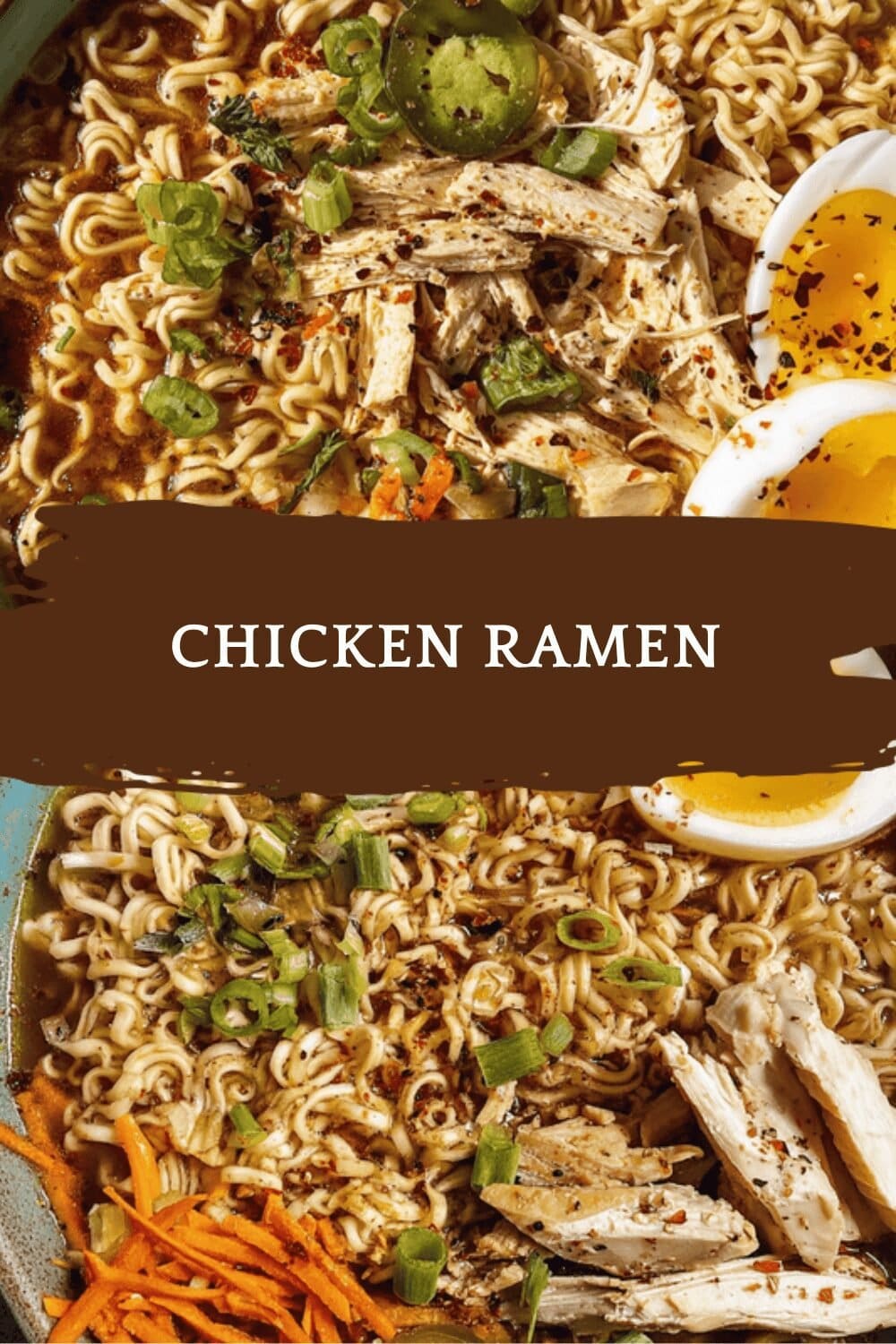
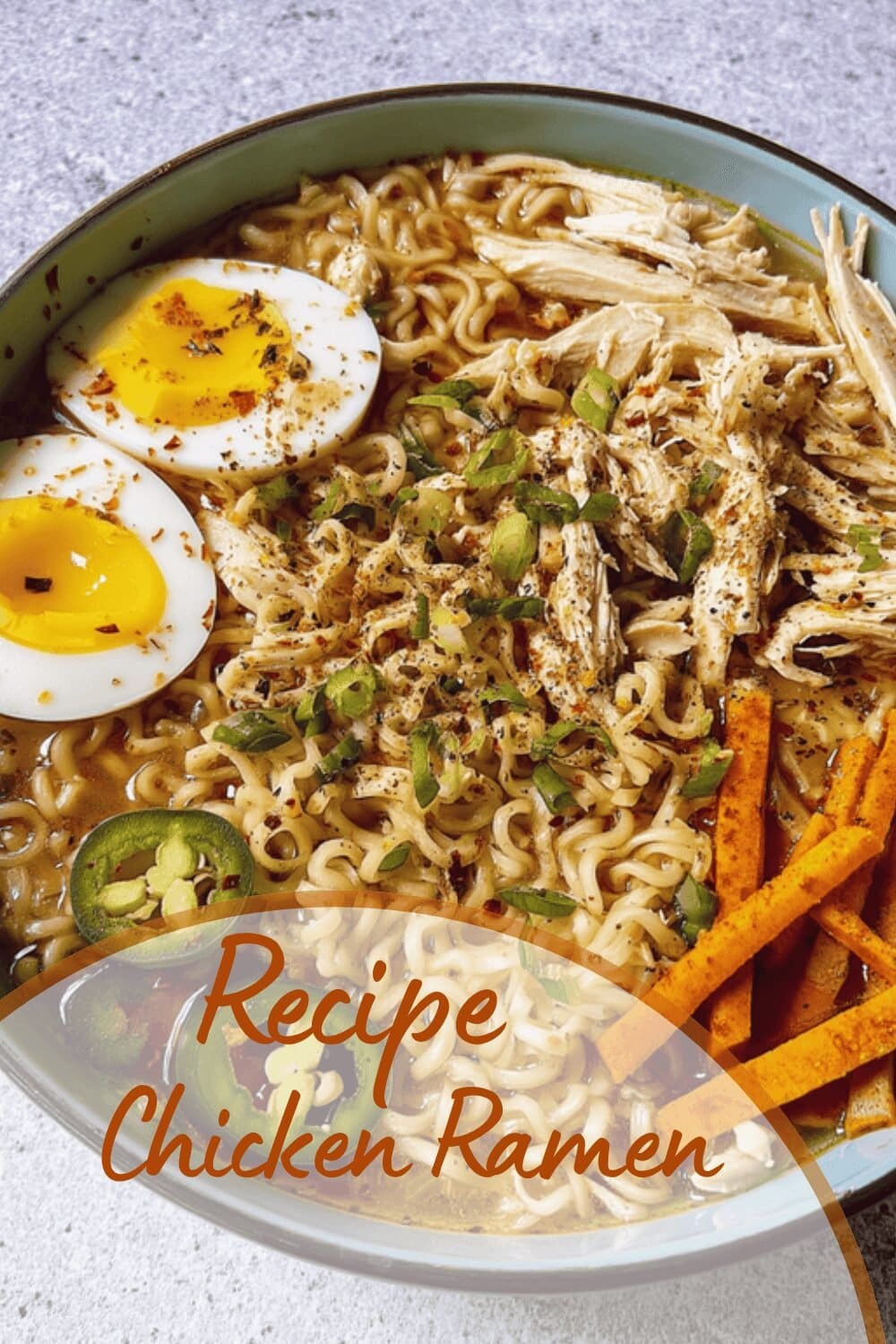
Divide noodles evenly into ramen bowls. Top with sliced chicken, ladle the steaming broth over noodles and meat, then add soft-boiled eggs, scallions, and optional toppings such as jalapeño slices, broccoli, or bean sprouts. Serve immediately for optimal texture and flavor.
Dietary Substitutions to Customize Your Chicken Ramen
Protein and Main Component Alternatives
- Replace chicken breasts with thighs for richer flavor and juiciness.
- Use firm tofu or tempeh to create a vegan-friendly chicken ramen.
- Incorporate pre-cooked shredded chicken or rotisserie chicken for a quick shortcut.
Vegetable, Sauce, and Seasoning Modifications
- Swap shiitake mushrooms with bok choy, spinach, or kale for varied textures and nutrients.
- Use tamari or coconut aminos instead of soy sauce to make the broth gluten-free.
- Add chili flakes, fresh jalapeños, or a dash of chili garlic oil to adjust spice levels to taste.
- Fresh herbs like cilantro or Thai basil can also be added as garnish to amplify herbal brightness.
Mastering Chicken Ramen: Advanced Tips and Variations
- Pro cooking techniques: Prepare a homemade chicken broth simmered for hours with chicken bones and aromatics to deepen umami richness. Toast spices such as star anise or cloves before adding to broth to enhance complexity.
- Flavor variations: Incorporate miso paste for a richer broth or sesame oil for nutty undertones. Include chili oil or garlic chips to boost heat and add crunch.
- Presentation tips: Serve ramen in wide, deep bowls accentuating the layered ingredients. Garnish with soft-boiled eggs, nori strips, sliced scallions, and sesame seeds for an authentic visual appeal.
- Make-ahead options: Prepare the broth and shredded chicken beforehand and refrigerate separately. Assemble noodles and toppings just before serving to retain lively texture and freshness.
How to Store Chicken Ramen: Best Practices
- Refrigeration: Store cooked ramen broth and chicken in airtight containers in the refrigerator for up to 3 days. Keep noodles separate to prevent sogginess.
- Freezing: Freeze broth and chicken without noodles in freezer-safe containers for up to 2 months. Thaw overnight in the fridge before reheating.
- Reheating: Warm broth and chicken gently on the stove, avoiding boiling. Cook noodles fresh or reheat separately. Stir gently during reheating to preserve texture and flavor.
- Meal prep considerations: Portion broth and protein into single servings for easy reheating. Add freshly cooked noodles and toppings at serving time for best results.
FAQs: Frequently Asked Questions About Chicken Ramen
What ingredients do I need to make homemade chicken ramen?
To make chicken ramen at home, you’ll typically need chicken (breasts, thighs, or tenders), ramen noodles (fresh or dried), chicken broth or stock, soy sauce, mirin (a sweet rice wine), garlic, ginger, and green onions. Common toppings include soft-boiled eggs, seaweed, mushrooms, and steamed vegetables. Optional ingredients like sesame oil, sesame seeds, or chili can be added for extra flavor. Using good-quality chicken broth and fresh aromatics will make your ramen taste rich and satisfying.
How can I speed up making chicken ramen without losing flavor?
To save time, use store-bought chicken stock and pre-cooked rotisserie chicken instead of cooking chicken from scratch. Finely mince garlic and ginger for quicker flavor release. Cooking noodles separately prevents sogginess and saves reheating time. You can also add dried mushrooms for depth or steam vegetables in the microwave while the broth simmers. These steps can cut preparation to around 30 minutes while maintaining good flavor.
Can I substitute mirin for something else in chicken ramen recipes?
Yes, if you don’t have mirin, you can substitute it with dry white wine, dry sherry, or a mixture of rice wine and a pinch of sugar to mimic its mild sweetness. Vinegar alone is too sharp, so if using vinegar, adding a small amount of sugar helps balance the taste. These alternatives help maintain the characteristic slightly sweet flavor of the broth.
What’s the best way to store and reheat leftover chicken ramen?
Allow the ramen to cool completely before transferring it to an airtight container. Store it in the refrigerator and consume within 2 to 3 days. When reheating, use a skillet or microwave and add a splash of water or broth to prevent drying out. Reheating gently keeps the noodles firm and the broth flavorful. Avoid freezing ramen as noodles tend to become mushy when thawed.
Can I add other proteins or vegetables to chicken ramen, and how?
Yes, you can add shrimp, tofu, or extra vegetables like bok choy, spinach, or frozen mixed vegetables. For shrimp, sauté with garlic and soy sauce before adding to the bowl, or cook them directly in the broth for convenience. Frozen vegetables should be thawed and drained before mixing into the ramen to keep the broth from watering down. Adjust seasonings accordingly when adding additional ingredients.

Chicken Ramen
🍜 Dive into the delightful world of flavors with this easy Chicken Ramen, featuring a simple homemade broth that’s packed with umami.
🍶 Perfect for a cozy night in, this ramen delivers tender chicken and a comforting bowl of warmth that delights your taste buds.
- Total Time: 55 minutes to 1 hour 55 minutes
- Yield: 2 servings
Ingredients
– 2 boneless skin-on chicken breasts or 4 boneless chicken thighs with skin for tender, juicy protein
– Kosher salt and freshly ground black pepper to taste for seasoning
– 1 tablespoon unsalted butter for richness when roasting chicken
– 2 teaspoons sesame or vegetable oil divided for cooking and flavor infusion
– 2 teaspoons fresh minced ginger or 1 ½ teaspoons ginger paste for warming, aromatic flavor
– 1 tablespoon fresh minced garlic or ½ teaspoon minced garlic for depth and savoriness
– 3 tablespoons low-sodium soy sauce plus ¼ cup light soy sauce for broth for balancing saltiness and umami
– 2 tablespoons mirin for subtle sweetness
– 4 to 5 cups rich low-sodium chicken stock for hearty, flavorful broth base
– 1 ounce dried shiitake mushrooms or ½ cup fresh shiitake mushrooms for earthiness and umami aroma
– 1 to 2 teaspoons sea salt to taste for seasoning in broth
– 2 to 4 large eggs for soft-boiled or ramen eggs for richness and texture
– ½ cup sliced scallions or spring onions plus additional whole scallions for fresh garnish and aromatic broth flavor
– 2 packs dried ramen noodles or 4 portions fresh/dried noodles for core component with texture and substance
– Optional toppings: fresh jalapeño or chili slices, red bell pepper, broccoli, mushrooms, radishes, bean sprouts, or chili garlic oil for personalization and extra layers of flavor
– Optional glaze for chicken: 2 teaspoons brown sugar, 2 tablespoons dark soy sauce, or 1 tablespoon light soy sauce plus 1 tablespoon water for caramelizing the chicken
– Optional marinade: ¼ teaspoon cayenne pepper, Worcestershire sauce, and ketchup for stir-fry-style variations
Instructions
First Step: Prepare Ingredients Start by seasoning the chicken breasts with kosher salt and freshly ground black pepper. Slice the fresh ginger thinly and mince the garlic cloves. Chop the scallions, reserving some whole pieces for the broth. Measure out chicken stock, noodles, and other ingredients.
Second Step: Roast the Chicken Preheat your oven to 375°F (190°C). In an oven-safe skillet, melt the butter over medium heat. Add 1 teaspoon of oil and place the chicken skin-side down. Cook until the skin is golden and releases easily, approximately 5-7 minutes. Flip and cook for another 4-5 minutes. Transfer the skillet to the oven and roast the chicken for 15-20 minutes until fully cooked. If using glaze, brush the chicken halfway during roasting with the brown sugar-soy sauce mixture. Allow to rest before slicing thinly.
Third Step: Build the Broth Heat the remaining 1 teaspoon of oil in a large pot over medium heat. Add garlic, ginger, whole scallions, and optional chili slices. Sauté until fragrant and softened. Stir in soy sauce and mirin, cooking for an additional minute. Add chicken stock and bring to a boil, then reduce heat and simmer uncovered for 20-25 minutes. Add dried shiitake mushrooms or fresh sliced mushrooms and simmer for another 10 minutes. Season the broth with sea salt to taste. Optionally, strain the broth for clarity.
Fourth Step: Prepare Soft-Boiled Eggs Place cold eggs in boiling water and simmer for 6 to 8 minutes depending on desired yolk consistency. Transfer eggs to ice water immediately, peel, and slice. For extra flavor, marinate eggs overnight in a soy-based mixture to create traditional ramen eggs.
Fifth Step: Cook the Noodles Boil ramen noodles according to the package directions, ideally 1 minute less for firmer texture. Drain and rinse with cold water to halt cooking. Toss lightweight oil over noodles to prevent sticking, especially if preparing leftovers.
Sixth Step: Assemble the Ramen Bowls Divide noodles evenly into ramen bowls. Top with sliced chicken, ladle the steaming broth over noodles and meat, then add soft-boiled eggs, scallions, and optional toppings such as jalapeño slices, broccoli, or bean sprouts. Serve immediately for optimal texture and flavor.
Last Step:
Please leave a rating and comment letting us know how you liked this recipe! This helps our business to thrive and continue providing free, high-quality recipes for you.Notes
🍗 Using bone-in, skin-on chicken breasts requires longer roasting (add 5-10 minutes).
🥬 Marinate chicken and eggs overnight for deeper flavor.
🌡️ Cook noodles separately to keep broth clear and prevent cloudiness and starchiness.
- Prep Time: 15 minutes
- Marinating Time (optional): 1 hour to overnight
- Cook Time: 40-45 minutes
- Category: Main Course
- Method: Simmering
- Cuisine: Japanese
- Diet: Gluten-Free option available
Nutrition
- Serving Size: 1 bowl
- Calories: 340 to 660
- Sugar: 6g
- Sodium: 1000 to 4100 mg
- Fat: 17 to 21 g
- Saturated Fat: 7g
- Unsaturated Fat: 10g
- Trans Fat: 0g
- Carbohydrates: 20 to 88 g
- Fiber: 3g
- Protein: 27 to 31 g
- Cholesterol: 145mg






I made this last night for dinner and it was a HUGE hit with my family! 🍜 I added a soft boiled egg on top, which made it even more delicious. Thanks for the amazing recipe!