

Why You’ll Love This Chicken Katsu
This chicken katsu recipe is a game-changer for anyone craving crispy Japanese fried cutlets that hit the spot without taking forever. It’s simple and quick to make, perfect for busy weeknights when you’re juggling work and family. With just a few steps, you can whip up a dish that’s got that irresistible crunch while staying true to easy, shareable meals that bring people together.
Made with lean chicken breast or thighs, it offers health benefits like solid protein without overloading on calories. You might enjoy how it feels lighter than traditional fried foods, especially if you’re watching what you eat. Plus, it’s versatile enough to tweak for different diets, making it a hit for everyone at your next potluck or picnic.
What really sets chicken katsu apart is its flaky, crispy coating from panko breadcrumbs, paired with rich flavors that make every bite memorable. This recipe serves four and includes carbs from rice and breadcrumbs, plus sides like mac salad for a balanced meal. It’s all about creating those warm moments around the table, just like the hearty dishes I share on my blog.
Jump to:
- Why You’ll Love This Chicken Katsu
- Essential Ingredients for Chicken Katsu
- How to Prepare the Perfect Chicken Katsu: Step-by-Step Guide
- Coating and Frying the Chicken
- Dietary Substitutions to Customize Your Chicken Katsu
- Mastering Chicken Katsu: Advanced Tips and Variations
- How to Store Chicken Katsu: Best Practices
- FAQs: Frequently Asked Questions About Chicken Katsu
- What kind of chicken is best for making chicken katsu?
- Why should I use panko breadcrumbs for chicken katsu instead of regular breadcrumbs?
- How do I prepare chicken breasts differently than thighs before breading for chicken katsu?
- What’s the best way to cook chicken katsu to get a crispy crust without overcooking the chicken inside?
- How can I keep leftover chicken katsu crispy when reheating?
- Chicken Katsu
- Ingredients
- Instructions
- Last Step:
- Notes
- Nutrition
- Did you make this recipe?
Essential Ingredients for Chicken Katsu
Gathering the right ingredients is key to making perfect chicken katsu, and I’ve got the exact list to help you get started. This recipe focuses on fresh, straightforward items that deliver big on taste and texture. Let’s break it down so you can shop easily and cook with confidence.
- 1 ½ pounds boneless, skinless chicken breasts or thighs
- Heaping ½ teaspoon garlic powder, plus extra for dredging
- Kosher salt and ground black pepper to season
- ½ cup rice flour (can substitute all-purpose flour)
- 2 large eggs, lightly beaten
- 2 ½ cups panko breadcrumbs
- Frying oil of choice
These ingredients make for a crispy, flavorful dish that serves four, with lean protein from the chicken and carbs from the rice and breadcrumbs. For special tweaks, go vegan by swapping chicken with firm tofu or seitan, and use chickpea flour plus plant-based milk for the eggs. If you’re gluten-free, opt for gluten-free panko and rice flour to keep things light and crunchy.
How to Prepare the Perfect Chicken Katsu: Step-by-Step Guide
Getting chicken katsu right is all about following simple steps that anyone can handle, even if you’re new to frying. Start by heating about 1 inch of your favorite frying oil in a deep skillet until it reaches 350-375 degrees F you’ll know it’s ready when breadcrumbs sizzle in it. This quick process takes just 25 minutes total, with 15 minutes for prep and 10 for cooking, making it ideal for busy parents or working pros.
First, prepare the chicken by butterflying the breasts horizontally and pounding them to ½-inch thickness, or trim and flatten the thighs for even cooking. Season everything with garlic powder, kosher salt, and black pepper to build that tasty base.
Next, set up a breading station with three shallow bowls: one with rice flour, one with beaten eggs, and one with panko breadcrumbs all seasoned with a bit of salt, pepper, and garlic powder for extra flavor.
Coating and Frying the Chicken
Now, coat each piece by dredging in the rice flour, dipping in the egg, and pressing into the panko breadcrumbs; shake off any excess to avoid a soggy mess. For a fun variation, if you want something lighter, you can check out our air fryer Korean soy garlic chicken thighs recipe for a healthier twist on crispy chicken.
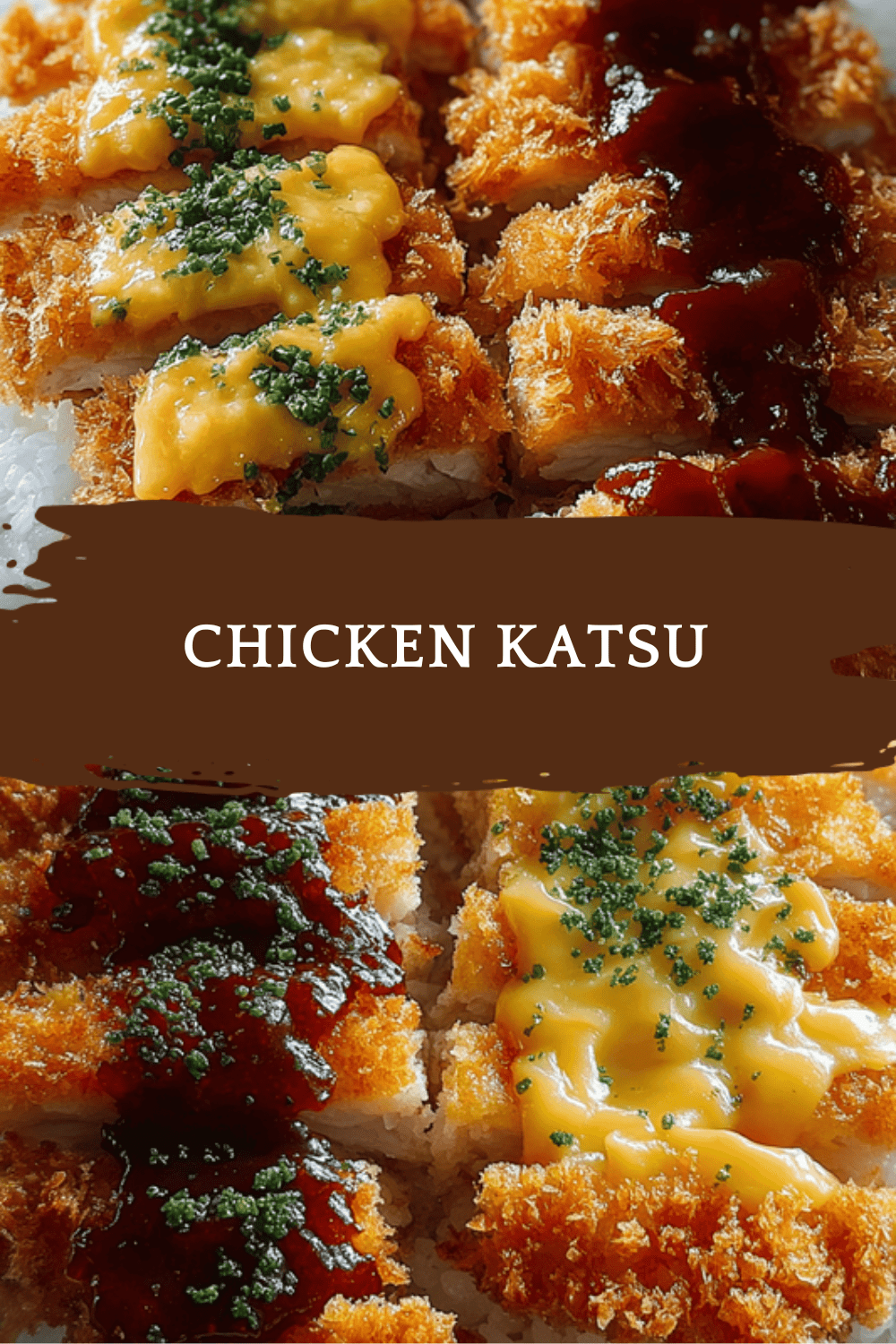
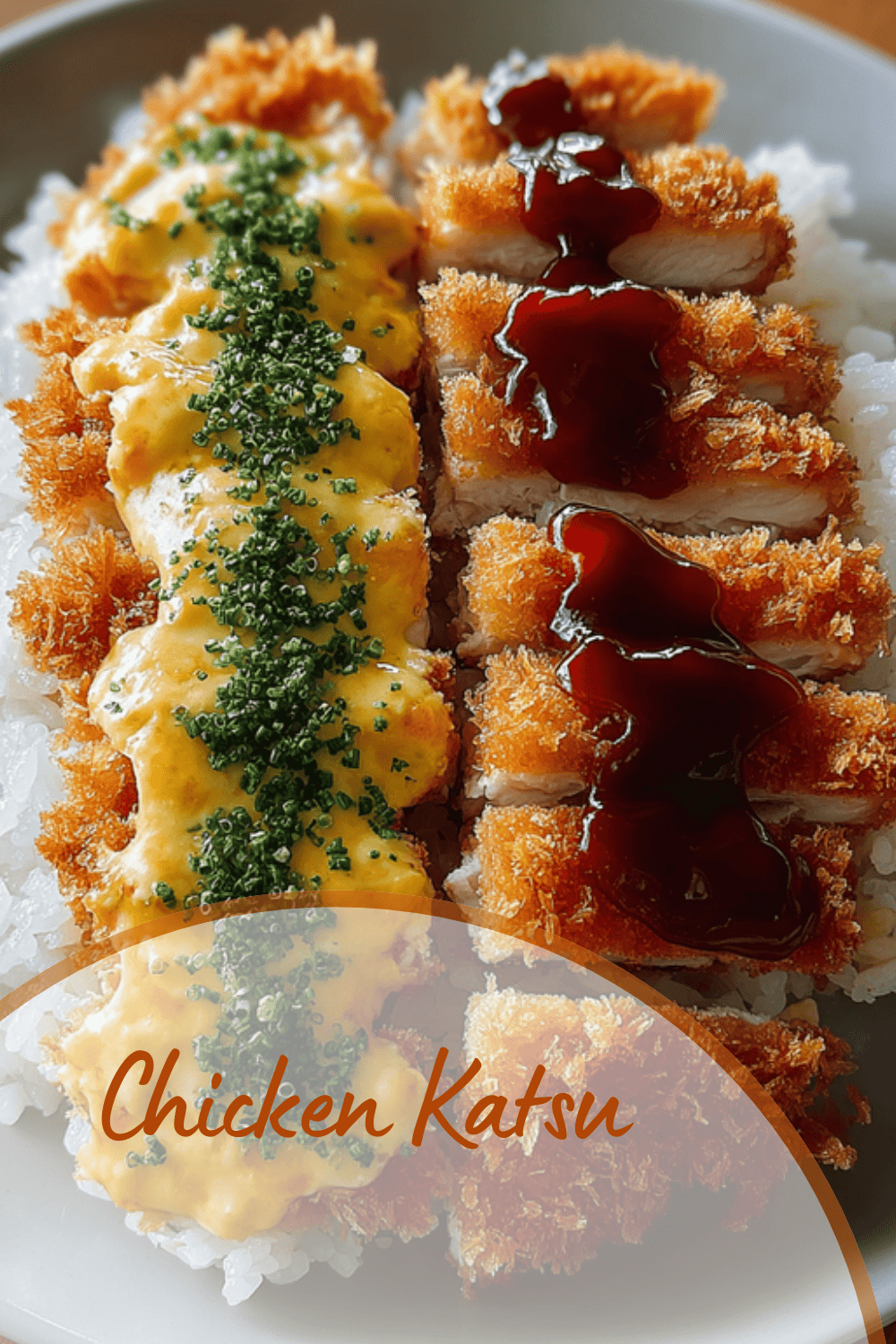
Fry the chicken in batches for 3-4 minutes per side until it’s golden brown and cooked through, then drain on paper towels and add a pinch of salt while it’s warm. Serve right away with white rice, creamy mac salad, and homemade katsu sauce for a complete meal that feels like a hug from your kitchen.
Dietary Substitutions to Customize Your Chicken Katsu
Making chicken katsu work for your needs is easy with a few smart swaps, keeping it delicious for everyone at your gathering. For protein options, swap chicken for firm tofu or seitan to go vegan, or try turkey cutlets for something leaner. These changes help maintain that crispy texture while fitting different lifestyles.
When it comes to veggies and sauces, add shredded cabbage or pickled sides for a fresh crunch. Experiment with dipping sauces like spicy mayo or sweet chili sauce, and use gluten-free soy sauce for those avoiding gluten. These tweaks let you personalize the dish without losing its charm, perfect for diet-conscious folks or food enthusiasts mixing things up.
| Original Ingredient | Substitution Option | Benefit |
|---|---|---|
| Chicken breasts or thighs | Firm tofu or seitan | Makes it vegan and plant-based |
| Panko breadcrumbs | Gluten-free panko | Suitable for gluten-free diets |
| Rice flour | Chickpea flour | Enhances flavor for vegan versions |
Mastering Chicken Katsu: Advanced Tips and Variations
Once you’re comfortable with the basics, level up your chicken katsu with pro techniques like using a meat mallet to tenderize the chicken evenly for a juicy inside and crispy outside. Double-coat the pieces by dipping twice in egg and breadcrumbs for that extra crunch many folks love. Don’t forget to add spices such as garlic powder, smoked paprika, or cayenne to the breadcrumb mix for a personalized kick.
For flavor twists, incorporate parmesan cheese or sesame seeds into the coating to make it your own. Presentation matters too serve sliced chicken katsu over steamed rice or noodles, topped with chopped scallions and toasted sesame seeds for a picture-perfect plate. If you’re prepping ahead, bread the chicken and freeze it, then thaw and cook on busy days for quick meals.
This recipe’s homemade katsu sauce, blended from shoyu, ketchup, Worcestershire sauce, and seasonings, takes the flavor up a notch and pairs wonderfully with the crispy cutlets. Chicken breasts give a leaner, crisper result, while thighs add juicier richness choose based on what your crowd enjoys most.
Remember, panko breadcrumbs are key for that light, flaky coating, and keeping the oil at the right temperature prevents sogginess. Leftovers store well for up to 2 days in the fridge and reheat nicely in an oven or air fryer, even working great in sandwiches for lunch the next day.
How to Store Chicken Katsu: Best Practices
Storing chicken katsu the right way keeps it tasty and crunchy for later, which is a big win for meal preppers or families with leftovers. Pop it in an airtight container in the fridge for up to 3 days, using a paper towel to soak up moisture and preserve that crisp coating. For longer storage, wrap pieces tightly in plastic and freeze for up to a month thaw overnight before reheating.
When it’s time to enjoy again, warm it in a 350°F oven for 10-15 minutes to bring back the crunch without making it limp. Avoid the microwave since it softens the breading, and think about portioning it out for easy grab-and-go meals. These tips ensure your chicken katsu stays fresh and flavorful, ideal for busy professionals or seniors planning ahead.
- Refrigerate in an airtight container with a paper towel
- Freeze wrapped pieces for up to a month
- Reheat in the oven at 350°F for best results
FAQs: Frequently Asked Questions About Chicken Katsu
What kind of chicken is best for making chicken katsu?
Boneless, skinless chicken breasts or thighs are ideal for chicken katsu. Chicken breasts give a leaner cut and create a crispier crust when pounded thin, while thighs offer more juiciness and flavor inside the crispy coating. Both work well depending on your preference for texture and taste.
Why should I use panko breadcrumbs for chicken katsu instead of regular breadcrumbs?
Panko breadcrumbs are preferred because they are coarser and lighter than regular breadcrumbs. This texture results in a crisp, airy, and crunchy coating that fries up golden without becoming greasy. Panko also absorbs less oil, helping the chicken katsu stay crispy longer.
How do I prepare chicken breasts differently than thighs before breading for chicken katsu?
For chicken breasts, it’s best to butterfly and then pound them to about ½-inch thickness to ensure even cooking and a tender bite. Thighs are naturally more tender and don’t require pounding; trimming excess fat and making shallow cuts for even thickness suffices.
What’s the best way to cook chicken katsu to get a crispy crust without overcooking the chicken inside?
Shallow-frying in about one inch of oil heated to 350°F is ideal. Cook the breaded cutlets for 3-4 minutes per side until they turn golden brown and crispy. This method ensures the coating crisps up nicely while keeping the chicken juicy inside.
How can I keep leftover chicken katsu crispy when reheating?
To maintain the crispiness, reheat chicken katsu in a preheated oven at 425°F, baking for 3-4 minutes per side, or use an air fryer at 375°F for 2 minutes per side. Avoid microwaving as it makes the coating soggy. This approach revives the crunchy texture effectively.

Chicken Katsu
🍗 Chicken Katsu Recipe delivers crispy, golden Japanese-style fried cutlets that are quick and easy to prepare.
⏰ Ready in just 25 minutes, this dish is perfect for a satisfying weeknight dinner with a flavorful crunch.
- Total Time: 25 minutes
- Yield: 4 servings 1x
Ingredients
1 ½ pounds boneless, skinless chicken breasts or thighs
Heaping ½ teaspoon garlic powder, plus extra for dredging
Kosher salt and ground black pepper to season
½ cup rice flour (can substitute all-purpose flour)
2 large eggs, lightly beaten
2 ½ cups panko breadcrumbs
Frying oil of choice
Instructions
1-Getting chicken katsu right is all about following simple steps that anyone can handle, even if you’re new to frying. Start by heating about 1 inch of your favorite frying oil in a deep skillet until it reaches 350-375 degrees F you’ll know it’s ready when breadcrumbs sizzle in it. This quick process takes just 25 minutes total, with 15 minutes for prep and 10 for cooking, making it ideal for busy parents or working pros.
2-First, prepare the chicken by butterflying the breasts horizontally and pounding them to ½-inch thickness, or trim and flatten the thighs for even cooking. Season everything with garlic powder, kosher salt, and black pepper to build that tasty base.
3-Next, set up a breading station with three shallow bowls: one with rice flour, one with beaten eggs, and one with panko breadcrumbs all seasoned with a bit of salt, pepper, and garlic powder for extra flavor.
4-Now, coat each piece by dredging in the rice flour, dipping in the egg, and pressing into the panko breadcrumbs; shake off any excess to avoid a soggy mess. For a fun variation, if you want something lighter, you can check out our air fryer Korean soy garlic chicken thighs recipe for a healthier twist on crispy chicken.
5-Fry the chicken in batches for 3-4 minutes per side until it’s golden brown and cooked through, then drain on paper towels and add a pinch of salt while it’s warm. Serve right away with white rice, creamy mac salad, and homemade katsu sauce for a complete meal that feels like a hug from your kitchen.
Last Step:
Please leave a rating and comment letting us know how you liked this recipe! This helps our business to thrive and continue providing free, high-quality recipes for you.Notes
🌾 Use panko breadcrumbs for a light, flaky, crispy coating.
🍗 Choose chicken breasts for a leaner cutlet or thighs for juicier, richer flavor.
🌡️ Maintain oil temperature to avoid soggy breading and ensure crispiness.
- Prep Time: 15 minutes
- Cook Time: 10 minutes
- Category: Main Dish
- Method: Frying
- Cuisine: Japanese
Nutrition
- Serving Size: 1 cutlet


