

Why You’ll Love This Chicken Cacciatore
- Ease of preparation: This Chicken Cacciatore recipe is quick and straightforward, perfect for busy weeknights. With simple ingredients and a clear cooking method, you can have a delicious and hearty Italian stew simmering in under an hour.
- Health benefits: Loaded with lean protein from bone-in, skin-on chicken thighs and nutrient-rich vegetables like bell peppers, onions, and mushrooms, this dish provides a balanced meal. It offers vitamins, antioxidants, and minerals that support overall wellness.
- Versatility: The recipe is highly adaptable, suitable for various dietary preferences. You can substitute protein sources to make it vegan or gluten-free, adjust vegetables according to season or taste, and control fat content by choosing skinless or boneless chicken.
- Distinctive flavor: Rich tomato sauce infused with herbs such as oregano, thyme, and fresh parsley creates a robust and comforting taste. The optional additions like Kalamata olives and anchovies deepen the savoriness, truly capturing the essence of classic Italian cooking.
Jump to:
- Why You’ll Love This Chicken Cacciatore
- Essential Ingredients for Chicken Cacciatore
- Special Dietary Options
- How to Prepare the Perfect Chicken Cacciatore: Step-by-Step Guide
- First Step: Prepare Ingredients
- Second Step: Brown the Chicken
- Third Step: Sauté Vegetables
- Fourth Step: Add Aromatics and Deglaze
- Fifth Step: Build the Sauce and Simmer
- Final Step: Garnish and Serve
- Dietary Substitutions to Customize Your Chicken Cacciatore
- Protein and Main Component Alternatives
- Vegetable, Sauce, and Seasoning Modifications
- Mastering Chicken Cacciatore: Advanced Tips and Variations
- How to Store Chicken Cacciatore: Best Practices
- FAQs: Frequently Asked Questions About Chicken Cacciatore
- What is Chicken Cacciatore and what ingredients are typically used?
- Can I cook Chicken Cacciatore in a slow cooker, and what is the best method?
- What chicken cuts work best for Chicken Cacciatore, and how should boneless cuts be handled?
- How should leftover Chicken Cacciatore be stored and reheated?
- What are some traditional serving suggestions for Chicken Cacciatore?
- Chicken Cacciatore
- Ingredients
- Instructions
- Last Step:
- Notes
- Nutrition
- Did you make this recipe?
Essential Ingredients for Chicken Cacciatore
- 6 bone-in, skin-on chicken thighs (trimmed of excess fat) – provides tender, juicy protein with rich flavor.
- Kosher salt and black pepper, to taste – essential for seasoning and enhancing flavors.
- 2 tablespoons extra virgin olive oil – used for browning chicken and sautéing vegetables.
- 1 small yellow onion, chopped – adds sweetness and depth to the sauce.
- 2 celery ribs, chopped – contributes aromatic undertones and texture.
- ½ red bell pepper, chopped (about 75 grams) – offers sweetness and color.
- ½ green bell pepper, chopped (about 75 grams) – balances with a fresh, mild flavor.
- 8 ounces (approx. 225 grams) mushrooms (white or baby bella), cleaned and sliced – adds earthiness and texture.
- 3 garlic cloves, minced – infuses savory aroma.
- 1 teaspoon dried oregano – provides herbaceous warmth.
- 3 sprigs fresh thyme (or substitute with 1 teaspoon dried thyme) – adds fragrant herbal notes.
- 2 tablespoons fresh chopped parsley, plus extra for garnish – freshens the dish and brightens flavor.
- Pinch of red pepper flakes (optional) – introduces mild heat.
- 1 cup (240 ml) dry red wine (such as Pinot Noir or similar dry variety) – adds acidity and complexity.
- 28-ounce (approx. 800 grams) can crushed tomatoes – forms the rich base of the sauce.
- Optional: 16 whole pitted Kalamata olives – adds briny depth.
- Optional: 2 bay leaves – contribute subtle earthiness.
- Optional: 2 sprigs fresh rosemary or 1 teaspoon dried rosemary – enhances herbal aroma.
- Optional: 3 anchovy fillets or 1 teaspoon anchovy paste – imparts umami richness.
Special Dietary Options
- Vegan: Substitute chicken with firm tofu, tempeh, or seitan; use vegetable broth in place of wine or stock.
- Gluten-free: Ensure all canned products are gluten-free; omit any flour or thickening agents if present.
- Low-calorie: Use skinless, boneless chicken breast and reduce olive oil; increase vegetables for volume.
How to Prepare the Perfect Chicken Cacciatore: Step-by-Step Guide
First Step: Prepare Ingredients
Chop onion, celery, bell peppers, and mushrooms into even pieces to ensure uniform cooking. Mince garlic and pick your herbs (parsley, thyme). Pat the bone-in, skin-on chicken thighs dry thoroughly, then season generously with kosher salt and black pepper, including under the skin for maximum flavor penetration.
Second Step: Brown the Chicken
Heat olive oil in a large heavy skillet or braiser over medium-high heat. Place chicken thighs skin side down in the hot oil, cooking until golden and crisp about 6 minutes. Flip and brown the other side for an additional 3 minutes. Once browned, remove and set aside to prevent overcooking.
Third Step: Sauté Vegetables
In the same pan with the rendered oils, add chopped onions, celery, bell peppers, and mushrooms. Season lightly with salt, black pepper, oregano, and thyme. Sauté over medium heat until the vegetables soften and become fragrant, about 5 to 7 minutes.
Fourth Step: Add Aromatics and Deglaze
Stir in minced garlic and optional anchovies, mashing anchovies into the vegetables to release their flavor. Cook for 1 to 2 minutes. Pour in the dry red wine to deglaze the pan, scraping browned bits from the bottom. Let the wine reduce by half to concentrate flavor.
Fifth Step: Build the Sauce and Simmer
Stir in crushed tomatoes, bay leaves, rosemary if using, and Kalamata olives if desired. Bring the sauce up to a simmer, then return the chicken pieces skin side up into the pan. Cover the skillet, reduce heat to medium-low, and let cook gently for 30 minutes until the chicken is tender and juicy. Remove the lid and simmer uncovered for another 10 minutes to thicken the sauce to your liking.
Final Step: Garnish and Serve
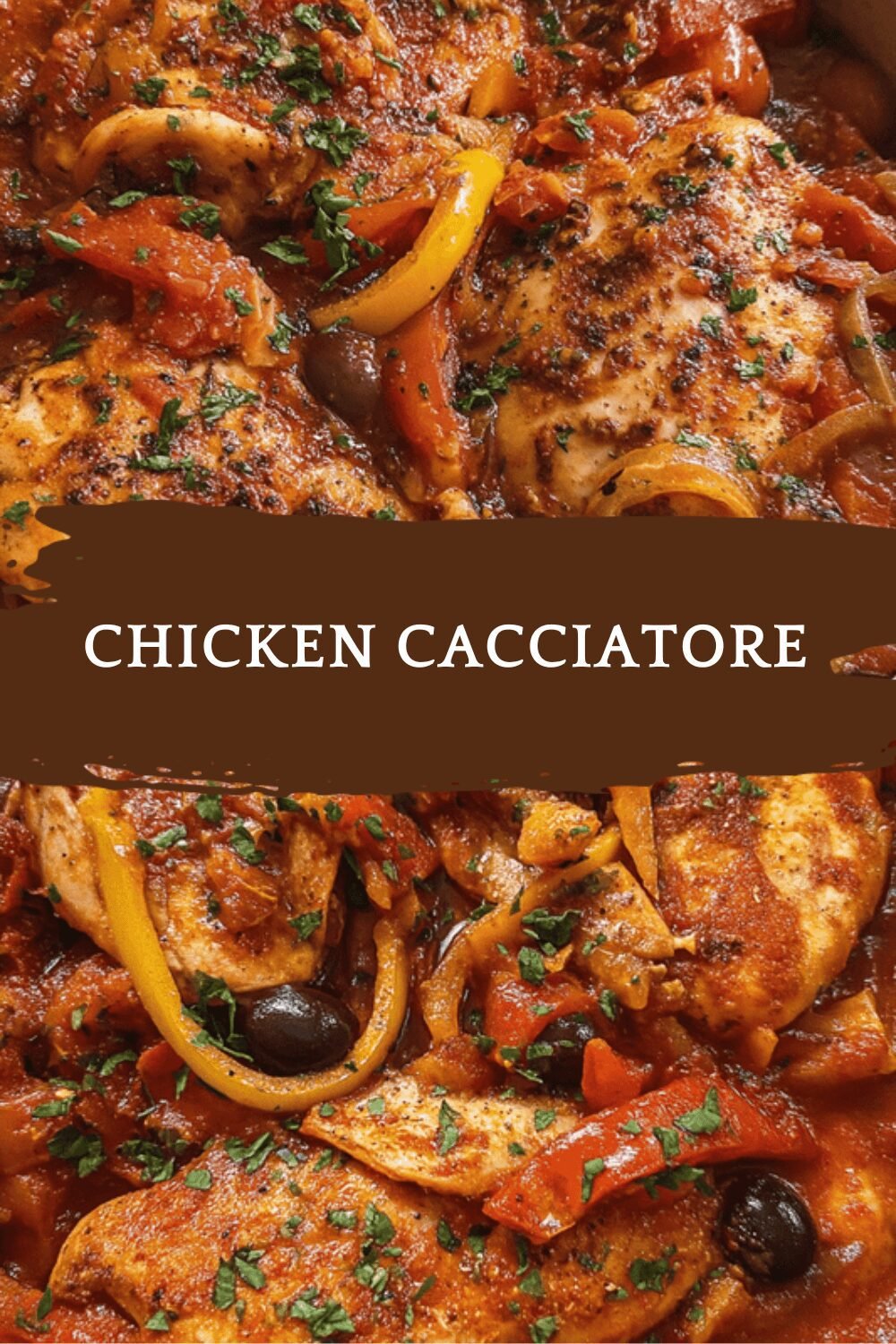
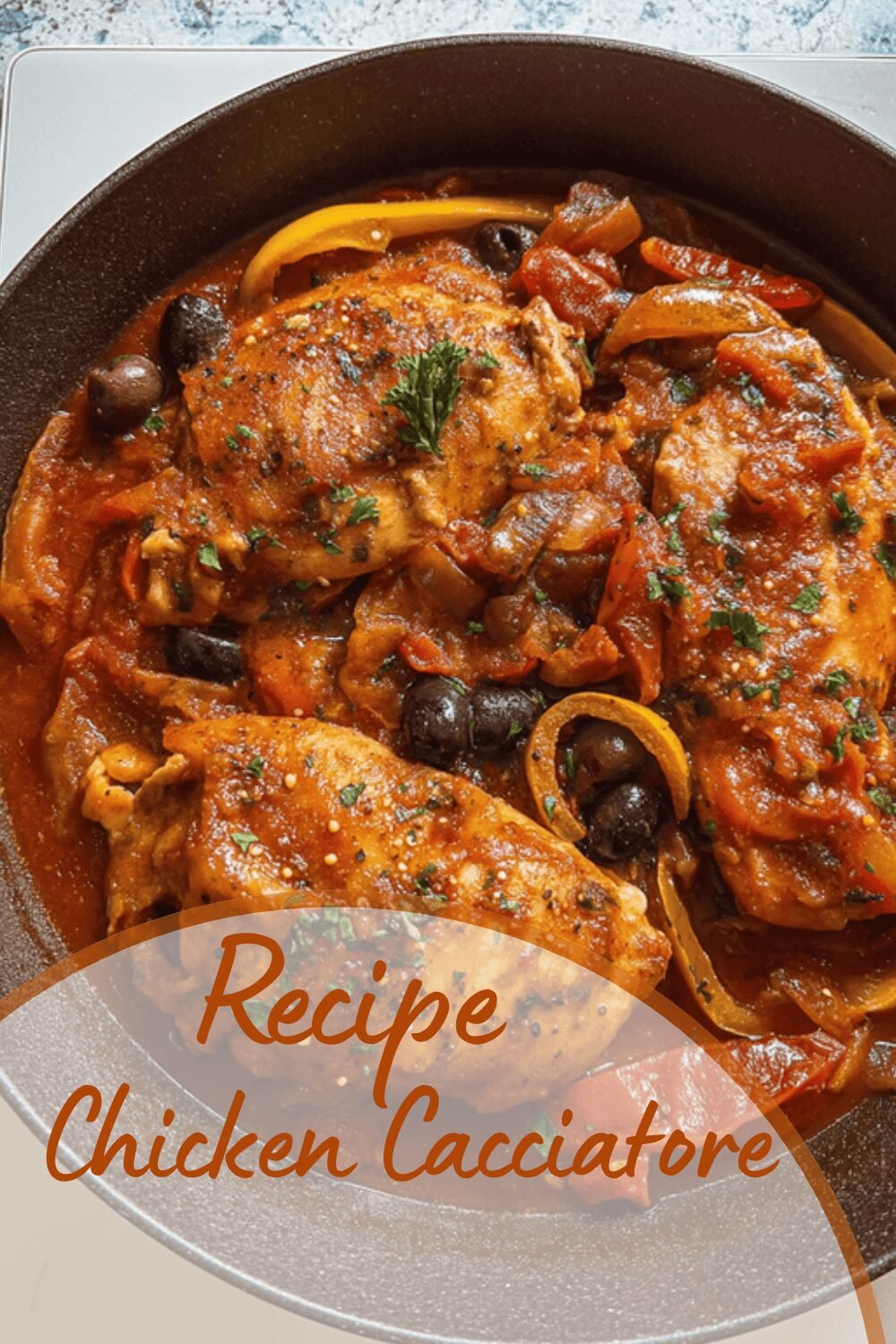
Remove bay leaves, adjust salt and pepper seasoning, and finish with fresh chopped parsley. Serve hot over mashed potatoes, polenta, pasta, or alongside crusty bread to soak up the flavorful sauce. For dietary modifications, substitute protein and cooking times accordingly.
Dietary Substitutions to Customize Your Chicken Cacciatore
Protein and Main Component Alternatives
- Replace chicken thighs with boneless, skinless thighs or chicken breasts for a leaner option.
- Use firm tofu or seitan for vegan adaptations, adjusting cooking times as needed.
- Turkey thighs can serve as a flavorful alternative to chicken.
Vegetable, Sauce, and Seasoning Modifications
- Swap bell peppers with zucchini, eggplant, or carrots depending on season and preference.
- Use gluten-free vegetable or chicken broth to replace or supplement wine.
- Add herbs like rosemary, basil, or thyme to tweak the flavor profile.
- Omit olives or anchovies for milder taste or substitute with capers for a different salty note.
Mastering Chicken Cacciatore: Advanced Tips and Variations
- Pro cooking techniques: Start by searing chicken skin side down for crispness and flavor. Use a wooden spoon to deglaze with wine, scraping up the fond for extra depth.
- Flavor variations: Include olives or capers for briny undertones, smoked paprika for warmth, or fresh basil for a punch of freshness.
- Presentation tips: Serve the dish atop creamy polenta or your favorite pasta, garnished with freshly grated Parmesan and parsley for color contrast.
- Make-ahead options: Prepare chicken and sauce separately ahead of time, then reheat and combine gently before serving. This method works well for meal prepping and helps flavors meld beautifully.
How to Store Chicken Cacciatore: Best Practices
- Refrigeration: Store in airtight containers for up to 3-4 days, keeping flavors fresh and textures intact.
- Freezing: Freeze in meal-sized portions for up to 3 months. Thaw overnight in the refrigerator before reheating gently.
- Reheating: Warm on low heat either on the stove or microwave, stirring occasionally. Avoid high heat to prevent drying out the chicken.
- Meal prep considerations: Cool completely before storing. Portion meals individually for convenient reheating and maintain freshness.
FAQs: Frequently Asked Questions About Chicken Cacciatore
What is Chicken Cacciatore and what ingredients are typically used?
Chicken Cacciatore is a traditional Italian stew made by braising chicken pieces in a tomato-based sauce with vegetables. Common ingredients include bone-in, skin-on chicken thighs or legs, onions, bell peppers, garlic, mushrooms, tomatoes, herbs like oregano and basil, and sometimes Kalamata olives. The dish is known for its hearty, savory flavors and rustic preparation.
Can I cook Chicken Cacciatore in a slow cooker, and what is the best method?
Yes, Chicken Cacciatore can be prepared in a slow cooker. First, brown the chicken in a skillet to develop flavor, then transfer it to the slow cooker. Add sautéed vegetables, crushed tomatoes, herbs, and optionally red wine or chicken stock. Cook on low for 6 to 8 hours or high for 4 hours. Browning the chicken beforehand improves texture and taste.
What chicken cuts work best for Chicken Cacciatore, and how should boneless cuts be handled?
Bone-in, skin-on thighs and drumsticks are ideal because they stay moist during slow cooking. Boneless, skinless thighs or breasts can also be used but should be added later in the cooking process to avoid drying out. For breasts, cut into even pieces and simmer for a shorter time until fully cooked.
How should leftover Chicken Cacciatore be stored and reheated?
Allow the dish to cool to room temperature before transferring leftovers to airtight containers. Store in the refrigerator for up to 4 days or freeze for up to 3 months. When reheating, thaw frozen portions in the refrigerator overnight and warm gently on the stove or microwave to preserve texture and flavor.
What are some traditional serving suggestions for Chicken Cacciatore?
Chicken Cacciatore pairs well with pasta, polenta, mashed potatoes, or rice to soak up the rich sauce. It can also be served alongside crusty bread and a simple green salad for a balanced meal. These options highlight the dish’s rustic, comforting nature.
Chicken Cacciatore
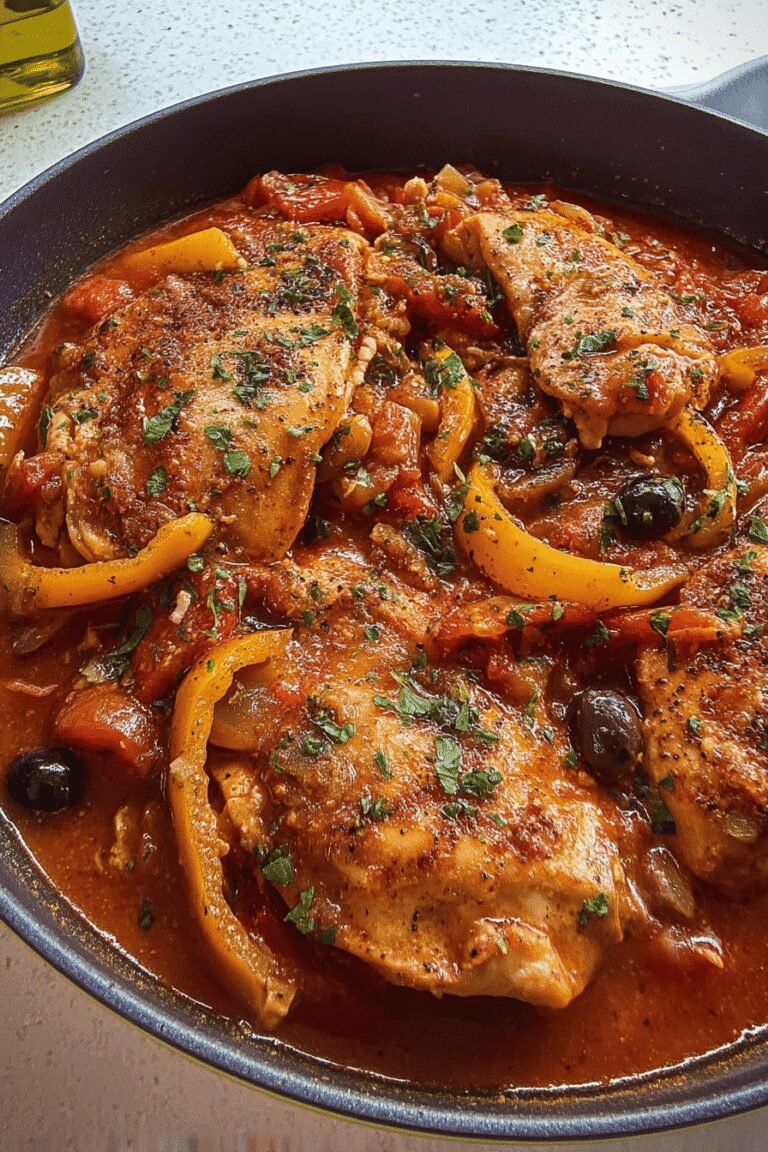
🍗 Indulge in a classic Italian favorite with our Chicken Cacciatore, perfect for warming your soul with its rich and comforting flavors.
🍷 This versatile dish pairs beautifully with pasta, polenta, or crusty bread, making it ideal for both weeknights and special dinners.
- Total Time: 1 hour (stovetop)
- Yield: 6 servings
Ingredients
– 6 bone-in, skin-on chicken thighs
– Kosher salt and black pepper
– 2 tablespoons extra virgin olive oil
– 1 small yellow onion, chopped
– 2 celery ribs, chopped
– ½ red bell pepper, chopped
– ½ green bell pepper, chopped
– 8 ounces mushrooms, cleaned and sliced
– 3 garlic cloves, minced
– 1 teaspoon dried oregano
– 3 sprigs fresh thyme
– 2 tablespoons fresh chopped parsley
– Pinch of red pepper flakes
– 1 cup dry red wine
– 28-ounce can crushed tomatoes
– 16 whole pitted Kalamata olives
– 2 bay leaves
– 2 sprigs fresh rosemary
– 3 anchovy fillets
Instructions
First Step: Prepare Ingredients Chop onion, celery, bell peppers, and mushrooms into even pieces to ensure uniform cooking. Mince garlic and pick your herbs (parsley, thyme). Pat the bone-in, skin-on chicken thighs dry thoroughly, then season generously with kosher salt and black pepper, including under the skin for maximum flavor penetration.
Second Step: Brown the Chicken Heat olive oil in a large heavy skillet or braiser over medium-high heat. Place chicken thighs skin side down in the hot oil, cooking until golden and crisp about 6 minutes. Flip and brown the other side for an additional 3 minutes. Once browned, remove and set aside to prevent overcooking.
Third Step: Sauté Vegetables In the same pan with the rendered oils, add chopped onions, celery, bell peppers, and mushrooms. Season lightly with salt, black pepper, oregano, and thyme. Sauté over medium heat until the vegetables soften and become fragrant, about 5 to 7 minutes.
Fourth Step: Add Aromatics and Deglaze Stir in minced garlic and optional anchovies, mashing anchovies into the vegetables to release their flavor. Cook for 1 to 2 minutes. Pour in the dry red wine to deglaze the pan, scraping browned bits from the bottom. Let the wine reduce by half to concentrate flavor.
Fifth Step: Build the Sauce and Simmer Stir in crushed tomatoes, bay leaves, rosemary if using, and Kalamata olives if desired. Bring the sauce up to a simmer, then return the chicken pieces skin side up into the pan. Cover the skillet, reduce heat to medium-low, and let cook gently for 30 minutes until the chicken is tender and juicy. Remove the lid and simmer uncovered for another 10 minutes to thicken the sauce to your liking.
Final Step: Garnish and Serve Remove bay leaves, adjust salt and pepper seasoning, and finish with fresh chopped parsley. Serve hot over mashed potatoes, polenta, pasta, or alongside crusty bread to soak up the flavorful sauce. For dietary modifications, substitute protein and cooking times accordingly.
Last Step:
Please leave a rating and comment letting us know how you liked this recipe! This helps our business to thrive and continue providing free, high-quality recipes for you.Notes
🍳 Browning chicken well before simmering prevents sogginess and adds flavor and texture.
🍖 Bone-in, skin-on thighs and drumsticks hold up best for juicy meat; add boneless pieces near the end.
🍅 Kalamata olives and anchovies add depth but can be omitted or substituted as preferred.
- Prep Time: 15 minutes
- Simmer Time: 40 minutes
- Cook Time: 45–55 minutes (stovetop), 4–8 hours (crockpot)
- Category: Main Course
- Method: Simmering
- Cuisine: Italian
Nutrition
- Serving Size: 1 chicken thigh with sauce
- Calories: 350-495
- Sugar: 8g
- Sodium: 460-980mg
- Fat: 5-30g
- Saturated Fat: 5-8g
- Unsaturated Fat: 22-25g
- Trans Fat: 0g
- Carbohydrates: 15-16g
- Fiber: 3.7-4g
- Protein: 22-37g
- Cholesterol: 110-185mg






This Chicken Cacciatore recipe was a hit with my family! 🍗🍅 I used fresh rosemary from my garden, and it added a wonderful aroma. Do you think adding white wine instead of the red will change the flavor significantly? Just curious!