

Benefits and Advantages of Cheese Curds
Cheese curds are a delightful snack that offers more than just great flavor. Their fresh, moist pieces of curdled milk bring a mild, slightly salty taste with a unique springy texture known for its characteristic squeak when bitten. This fascinating texture generally lasts between 12 to 24 hours after production, even when refrigerated, making freshness key for the best experience. The squeak is a sign of high-quality curds and adds a fun sensory dimension to eating.
From a nutritional standpoint, cheese curds provide an excellent source of protein, offering around 7 to 9 grams per serving. They are rich in calcium, vital for bone strength and muscle maintenance. Containing approximately 100 to 120 calories per 28-gram serving, these curds strike a balance between indulgence and nourishment, with fat content around 8 to 10 grams and minimal carbohydrates under 1 gram.
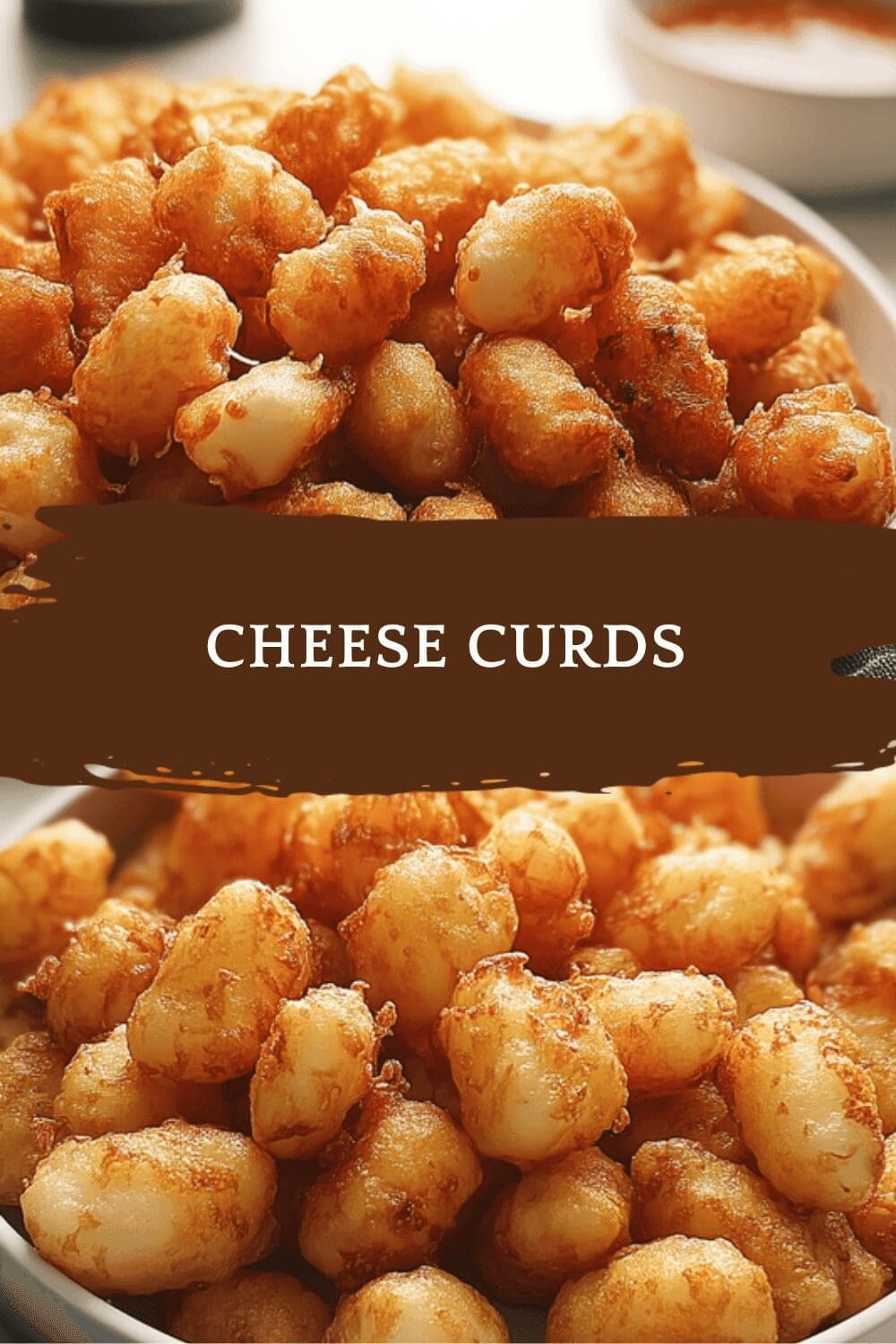
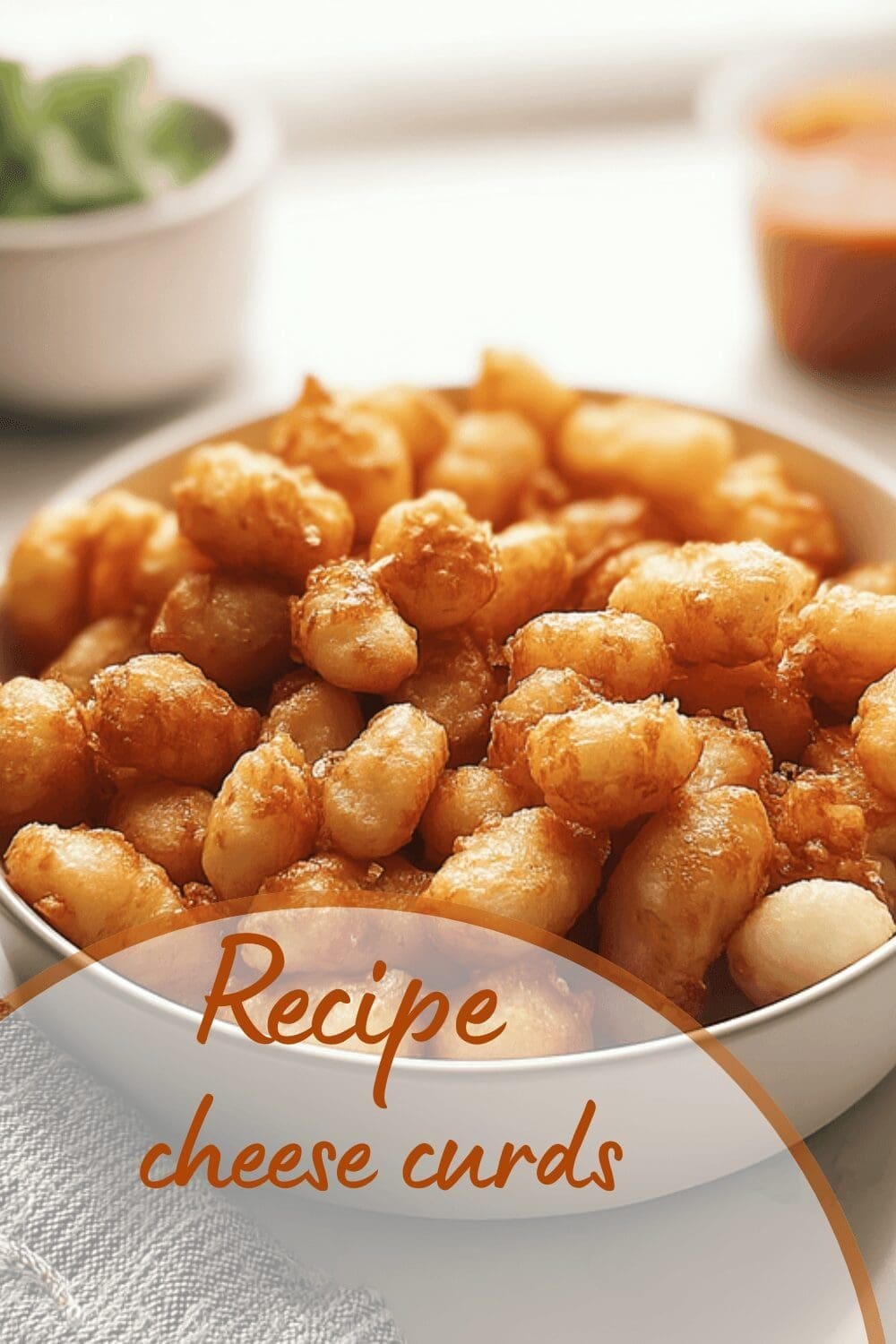
Unlike many processed cheese snacks, cheese curds are minimally processed and contain fewer additives, making them a wholesome choice for those who seek fresh dairy products. Their versatility also allows them to be enjoyed plain, seasoned with garlic, dill, chili peppers, or Cajun spices, or paired with smoked meats and pickled sides. They can be skewered alongside sausages or pork slices or even deep-fried with light breading for a crispy treat, often served with ranch or marinara dipping sauces.
Cheese curds combine convenience, nutritional benefits, and authentic flavor, making them a practical and enjoyable snack or ingredient that stands out in a variety of recipes.
Regionally, cheese curds hold a special place in the culinary traditions of places like Wisconsin, Quebec, Vermont, and New York. Wisconsin, in particular, is celebrated for its variety and rich heritage in cheese curd production.
Enjoying cheese curds fresh is the best way to experience their signature squeak and texture; freezing them is discouraged as it negatively impacts their quality. Additionally, pairing cheese curds with light beers such as pilsners, lagers, or pale ales enhances the tasting experience.
For home cooks looking to add a fresh, unique ingredient to their pantry or snack repertoire, cheese curds offer a balance of flavor, nutrition, and textural excitement that few other snacks can rival.
Jump to:
- Benefits and Advantages of Cheese Curds
- Essential Ingredients for Cheese Curds
- Dietary Substitutions to Customize Your Cheese Curds
- Dairy-Free and Vegan Options
- Low-Fat and Light Varieties
- Gluten-Free Considerations
- Lactose Intolerance Adaptations
- Dietary Substitutions to Customize Your Cheese Curds
- How to Prepare the Perfect Cheese Curds: Step-by-Step Guide
- Mastering Cheese Curds: Advanced Tips and Variations
- Start with Fresh Ingredients
- Experiment with Acid Types
- Enhance Richness and Flavor
- Cooking Variations
- Handling and Storage
- How to Store Cheese Curds: Best Practices
- Nutritional Value of Cheese Curds
- FAQs: Frequently Asked Questions About Cheese Curds
- What exactly are cheese curds and how do they taste?
- How are cheese curds made from milk?
- Why do fresh cheese curds squeak when you eat them?
- What is the best way to store cheese curds to keep their texture?
- How are cheese curds commonly used in cooking?
- cheese curds
- Ingredients
- Instructions
- Last Step:
- Notes
- Nutrition
- Did you make this recipe?
Essential Ingredients for Cheese Curds
The key to crafting authentic cheese curds lies in selecting the right ingredients that work together to create their fresh taste and distinctive texture. Below is a list of essential ingredients needed for making traditional cheese curds:
- 4 liters of fresh whole cow’s milk – Provides a creamy base essential for rich curds.
- ¼ teaspoon bacterial cultures – Helps initiate the fermentation process needed for curd formation.
- ¼ teaspoon rennet (vegetarian options available) – Causes the milk to coagulate, separating curds from whey.
- 1–2 teaspoons salt (adjust depending on batch size) – Enhances flavor and helps preserve freshness.
If using natural acid for quick curdling instead of bacterial cultures and rennet, either vinegar or lemon juice can be employed. These ingredients assist in coagulating the milk by lowering its pH.
For those adjusting for dietary needs:
- Low-fat milk can replace whole milk to reduce calories while keeping good curd yield.
- Plant-based milks (like almond or soy) can be used with vegan coagulants for dairy-free alternatives, though texture and flavor will differ from traditional curds.
- Salt alternatives may be chosen for sodium-sensitive diets, but care should be taken as salt also aids in preservation.
| Ingredient | Role in Cheese Curds |
|---|---|
| Fresh Whole Milk (4 liters) | Base ingredient; provides fat and protein essential for curd structure |
| Bacterial Cultures (¼ tsp) | Ferments milk, initiating acidification |
| Rennet (¼ tsp) | Enzyme causing milk coagulation |
| Salt (1–2 tsp) | Flavor and preservation |
Each ingredient plays a crucial role in achieving the signature squeaky texture and mild salty taste that define fresh cheese curds. For detailed techniques on making cheese curds at home, visit How to Make Cheese Curds at Home.
Dietary Substitutions to Customize Your Cheese Curds
Cheese curds can be adapted to fit a variety of dietary preferences and restrictions. Understanding suitable ingredient substitutions allows you to customize this tasty snack while maintaining as much of the authentic experience as possible.
Dairy-Free and Vegan Options
Plant-based milks such as cashew, soy, or oat milk offer a base for dairy-free cheese curds when paired with specialized vegan coagulants. While these alternatives offer a comparable fresh bite, the texture of traditional squeaky curds does not fully carry over. This option is ideal for those avoiding animal products but craving a curd-like snack.
Low-Fat and Light Varieties
Using low-fat or skimmed milk instead of whole milk reduces calorie and fat intake. The resulting cheese curds will be lighter in texture and creaminess but still retain their essential flavor. This is a good choice for individuals looking to enjoy cheese curds with fewer calories.
Gluten-Free Considerations
Base ingredients in cheese curds such as milk, bacterial cultures, rennet, and salt are naturally gluten-free. However, it’s important to check packaged or flavored cheese curds for gluten-containing additives if you have gluten sensitivities. Making curds at home ensures full control over what goes in.
Lactose Intolerance Adaptations
Lactose-free milk or lactase enzyme drops can be used to improve digestibility for those with lactose intolerance. This preserves the traditional curd flavor and texture without discomfort, though slight variations in curd formation can occur.
- Substituting lemon juice for vinegar offers a milder acid flavor and similar curdling action
- For enhanced richness, replace part of the milk with cream or half-and-half
- Salt alternatives or reduced salt can accommodate sodium-restricted diets with minor flavor trade-offs
With thoughtful substitutions, cheese curds can be enjoyed by a wide audience, making this fresh snack accessible for many dietary needs.
For more inspiration on how cheese curds complement flavors, discover recipes such as the Honey Pepper Chicken Pasta or the Creamy Corn Salad, which bring fresh cheese flavors into traditional dishes.
Dietary Substitutions to Customize Your Cheese Curds
Ingredient availability can vary, so consider these substitutions if fresh cheese curds ingredients are scarce:
- Milk Substitute: Instead of fresh whole milk, pasteurized milk works well. However, avoid ultra-pasteurized types as they affect coagulation and curd formation.
- Acid Substitute: Lemon juice can be swapped for white vinegar or apple cider vinegar, which also act as acids to help curd the milk.
- Fat Enhancers: Salted butter or plant-based oils can be added post-preparation to enrich flavor and add richness.
- Richer Texture: For a creamier curd, substitute part of the milk with cream or half-and-half to add more depth.
To keep the recipe engaging and avoid repetitive phrasing, synonyms such as curd cheese or cheese nibs may also be used throughout.
How to Prepare the Perfect Cheese Curds: Step-by-Step Guide
- Heat the Milk: Pour fresh whole milk into a large pot and slowly warm it over medium heat until it reaches about 90°F (32°C). Stir occasionally to prevent scorching, as this temperature is ideal for curdling.
- Add Acid: Gently stir in vinegar or lemon juice to the warmed milk. Let the mixture sit undisturbed for 10 to 15 minutes until you notice curds forming and whey separating.
- Strain Curds: Line a colander with cheesecloth and carefully pour in the mixture, collecting the curds while the whey drains off.
- Squeeze Excess Whey: Gather the cheesecloth edges and gently press out extra whey. Avoid applying too much pressure to keep the curds light and airy.
- Season the Curds: Transfer the curds to a bowl and sprinkle with salt. Mix gently so that the salt is evenly distributed.
- Adapt for Diet: For a milder tang, substitute vinegar with apple cider vinegar. To lighten curds, use low-fat milk in the initial step.
- Storage: Use fresh curds immediately for the best flavor and springy texture, or refrigerate for up to one week.
- Variations: Add herbs or spices at this stage, or coat curds in breadcrumbs if you plan to fry them later.
This straightforward method allows flexibility to tailor your cheese curds to personal taste and dietary requirements.
Mastering Cheese Curds: Advanced Tips and Variations
Start with Fresh Ingredients
Using the freshest milk possible is crucial; freshness directly affects the flavor and squeaky texture of cheese curds. A thermometer helps maintain precise temperatures during heating, ideally between 100°F and 108°F (38–42°C), supporting optimal curd formation.
Experiment with Acid Types
Try different acids such as white vinegar, apple cider vinegar, or citrus juices like lemon to subtly change the tangy profile of your curds.
Enhance Richness and Flavor
Adding a small amount of cream during preparation can produce a richer texture. Incorporate herbs like chives or dill for fresh flavor infusions. Smoking the cheese curds lightly will give them a gourmet twist.
Cooking Variations
Consider frying cheese curds, breaded in light batter or crumbs, for a crispy outside and creamy inside. Maintain gentle heat when cooking to keep their springy character.
Handling and Storage
Keep curds cool and moist before use to preserve their signature squeak. Avoid excessive pressure when handling or packaging to prevent compacting the texture.
Using varied terms like cheese nuggets or fresh cheese bits in your recipes can provide engaging text without repeating the main keyword unnecessarily.
How to Store Cheese Curds: Best Practices
Proper storage is essential to maintain the quality and texture of fresh cheese curds. Below is a guide to keep your curds tasting fresh and squeaky:
| Storage Method | Instructions | Storage Duration | Notes |
|---|---|---|---|
| Refrigeration | Place curds in an airtight container or resealable plastic bag to retain moisture and avoid odor absorption. Store in the coldest part of the fridge. | 5-7 days | Consume within a week for peak freshness; bringing curds to room temperature before eating helps restore some texture. |
| Freezing | Spread curds on baking sheet to freeze individually, then transfer to airtight freezer bags. | 2-3 months | Texture may be less springy after thawing; gently reheat without melting to maintain integrity. |
Using terms like fresh curds or cheese bites in storage tips offers natural SEO variation.
Nutritional Value of Cheese Curds
Cheese curds are a nutritious snack or ingredient offering several health benefits and nutrients crucial for a balanced diet:
| Nutrient | Amount per 1 oz (28g) | Health Benefits |
|---|---|---|
| Protein | 6-9 grams | Supports muscle repair and growth. |
| Calcium | Approx. 200 mg | Essential for strong bones and teeth. |
| Fat | 8-10 grams (varies with milk fat content) | Provides energy and aids in vitamin absorption. |
| Calories | 90-120 kcal | Moderate energy content for a snack. |
| Carbohydrates | ~1 gram or less | Minimal carbs, suitable for low-carb diets. |
Cheese curds also contain vitamins A and phosphorus and may include probiotics naturally present in fresh curds, promoting digestive health.
Adjusting ingredients like switching to low-fat or lactose-free milk can tailor the nutritional profile for individual needs.
For detailed nutrition, visit Nutritional Information on Cheese Curds.
FAQs: Frequently Asked Questions About Cheese Curds
What exactly are cheese curds and how do they taste?
Cheese curds are small, moist pieces of curdled milk with a mild flavor similar to cheddar cheese. They have a distinct rubbery or springy texture when fresh, which gives them a characteristic squeak when bitten. Commonly eaten as a snack, cheese curds can be enjoyed plain or seasoned with herbs and spices for added flavor.
How are cheese curds made from milk?
Cheese curds are made by adding bacterial cultures and rennet to fresh milk, causing it to coagulate. The solid curds are then cut into cubes, gently heated, and pressed to separate the liquid whey. This process is repeated to remove moisture and develop their texture. Finally, the curds are cut into small pieces and salted to preserve freshness.
Why do fresh cheese curds squeak when you eat them?
The squeaking sound occurs because fresh cheese curds have a porous protein structure with trapped air and moisture. When you bite into them, the curds’ rubbery texture rubs against your teeth, creating tiny vibrations that produce the familiar squeak. This sound usually fades within 12 hours as the curds lose moisture.
What is the best way to store cheese curds to keep their texture?
To maintain the squeaky texture, cheese curds should be kept at room temperature if you plan to eat them within a day. Refrigeration causes them to lose moisture and their signature squeak. If longer storage is needed, keep them in an airtight container in the fridge and bring them to room temperature before serving.
How are cheese curds commonly used in cooking?
Cheese curds are enjoyed fresh as snacks, but they are also popular in dishes like poutine—French fries topped with cheese curds and gravy. They can be breaded and deep-fried for a crispy appetizer or flavored with spices for added taste. Their mild flavor and unique texture make them versatile in various recipes.

cheese curds
🧀 Experience the delightful ‘squeak’ of fresh cheese curds, a unique and enjoyable sensation for cheese lovers!
🧀 Perfect for snacking, these curds offer a versatile treat that pairs wonderfully with a variety of flavors and dishes.
- Total Time: 1 hour 20 minutes
- Yield: Approximately 500 grams of cheese curds 1x
Ingredients
4 liters fresh cow’s milk
1/4 teaspoon bacterial cultures
1/4 teaspoon rennet (vegetarian, if preferred)
1–2 teaspoons salt
Optional: spices such as garlic, dill, chili peppers, or Cajun seasonings for flavor
Instructions
1. Warm the fresh cow’s milk to about 32°C (90°F).
2. Stir in the bacterial cultures and rennet; let sit for 30-40 minutes until the milk curdles.
3. Cut the curd into 1–2 cm cubes to separate from the whey.
4. Gently cook the curds at 38–42°C (100–108°F) for 20–30 minutes, stirring occasionally.
5. Drain the whey and add salt to the curds, mixing gently.
6. If desired, add spices for additional flavor.
7. Enjoy fresh or coat with batter and fry for a tasty snack.
Last Step:
Please leave a rating and comment letting us know how you liked this recipe! This helps our business to thrive and continue providing free, high-quality recipes for you.Notes
📝 Enjoy cheese curds fresh for the best squeaky texture. Consume within 12 to 24 hours for optimal enjoyment.
📝 Avoid freezing cheese curds to maintain their integrity and texture.
📝 When frying, use gentle heat to preserve their springy consistency and achieve a perfect crispy outer layer.
- Prep Time: 10 minutes
- Coagulation Time: 40 minutes
- Cook Time: 30 minutes
- Category: Appetizer, Snack
- Method: Coagulation, Cooking
- Cuisine: American, Canadian
- Diet: Vegetarian
Nutrition
- Serving Size: 28 grams
- Calories: 110
- Sugar: 0 grams
- Sodium: 200 mg
- Fat: 9 grams
- Saturated Fat: 5 grams
- Unsaturated Fat: 4 grams
- Trans Fat: 0 grams
- Carbohydrates: 1 gram
- Fiber: 0 grams
- Protein: 8 grams
- Cholesterol: 25 mg