

Why You’ll Love This Challah Bread
- Ease of preparation: This Challah bread recipe simplifies the traditional braided yeast bread process with straightforward steps and accessible ingredients. From dissolving yeast to kneading and braiding, the method is suitable for home cooks of all levels, making the preparation process enjoyable without lengthy cooking times. The total recipe time, including rising and baking, is approximately 3 to 4 hours, while active hands-on work is just about 1 hour, allowing for a manageable kitchen experience.
- Health benefits: Challah bread offers nutritional value thanks to its balanced ingredients. The use of five large eggs provides a rich source of protein, essential for muscle repair and overall nutrition. Vegetable oil adds moderate healthy fats, and the sugar quantity is moderate enough to give a slightly sweet taste without overwhelming sweetness. While traditional, it remains a wholesome option when enjoyed in moderation. For more on the benefits of eggs in baking, see Health benefits of eggs in baking.
- Versatility: Although known as a traditional festive bread, this recipe can be adapted to suit various dietary needs. With simple substitutions like flax eggs for vegan alternatives or gluten-free flour blends, the recipe becomes accessible for different diets, making Challah bread a flexible addition to any meal plan. This versatility ensures anyone can enjoy the tender, braided loaf regardless of dietary restrictions.
- Distinctive flavor: Challah bread stands out due to its rich, slightly sweet flavor combined with a soft yet textured crumb. The braiding and final egg wash not only create a glossy, golden crust but also provide a wonderful surface for poppy or sesame seeds, adding subtle crunch and enhancing the overall sensory experience. This unique combination makes Challah a standout bread ideal for both casual and special occasions.
Jump to:
- Why You’ll Love This Challah Bread
- Essential Ingredients for Challah Bread
- Special Dietary Options
- How to Prepare the Perfect Challah Bread: Step-by-Step Guide
- First Step: Activate the Yeast
- Second Step: Combine Wet Ingredients
- Third Step: Mix and Knead the Dough
- Fourth Step: First Rise
- Fifth Step: Punch Down and Second Rise
- Sixth Step: Shape the Challah
- Seventh Step: Prepare for Baking
- Eighth Step: Preheat and Bake
- Final Step: Cool and Serve
- Dietary Substitutions to Customize Your Challah Bread
- Protein and Main Component Alternatives
- Vegetable, Sauce, and Seasoning Modifications
- Mastering Challah Bread: Advanced Tips and Variations
- Pro Cooking Techniques
- Flavor Variations
- Presentation Tips
- Make-Ahead Options
- How to Store Challah Bread: Best Practices
- Refrigeration
- Freezing
- Reheating
- Meal Prep Considerations
- FAQs: Frequently Asked Questions About Challah Bread
- What are the main ingredients in the Brazilian Mounjaro drink?
- How does lemon juice in Mounjaro help with weight loss?
- Can I prepare the Brazilian Mounjaro drink in advance?
- Is it safe to drink Brazilian Mounjaro every day?
- Why should I use room temperature water instead of cold water in the Mounjaro drink?
- Challah Bread
- Ingredients
- Instructions
- Last Step:
- Notes
- Nutrition
- Did you make this recipe?
Essential Ingredients for Challah Bread
| Ingredient | Quantity | Purpose |
|---|---|---|
| Active dry yeast | 1 ½ packages (about 3 ½ teaspoons) | Leavens the dough to create a light and airy crumb |
| Sugar | 1 tablespoon + ½ cup | Adds sweetness and helps yeast activate |
| Vegetable oil | ½ cup (plus extra for greasing) | Moisturizes dough and contributes richness |
| Large eggs | 5 | Enhances texture, protein content, and color |
| Salt | 1 tablespoon | Balances flavor and strengthens dough structure |
| All-purpose flour | 8 to 8 ½ cups | Provides the structural base for the bread |
| Poppy or sesame seeds (optional) | As desired for topping | Adds texture and subtle nutty flavor |
Special Dietary Options
- Vegan: Replace eggs with flaxseed “eggs” (1 tablespoon ground flaxseed mixed with 3 tablespoons water per egg) and use plant-based oil; substitute egg wash with a mixture of plant milk and maple syrup for shine.
- Gluten-free: Use a high-quality gluten-free all-purpose flour blend suited for yeast breads. Note that kneading and rising times may vary; avoid excessive kneading to prevent toughness.
- Low-calorie: Reduce sugar quantities or replace with natural, low-calorie sweeteners such as stevia. Use vegetable oil sparingly or substitute with applesauce to lower fat content while maintaining moisture.
How to Prepare the Perfect Challah Bread: Step-by-Step Guide
First Step: Activate the Yeast
Begin by dissolving 1 ½ packages of active dry yeast (about 3 ½ teaspoons) and 1 tablespoon of sugar into 1 ¾ cups of lukewarm water (approximately 110°F or 43°C). Stir well and let it sit in a warm place until the mixture becomes frothy, about 5 to 10 minutes. This proofing step confirms active yeast, which is critical for the bread’s rise and fluffy texture.
Second Step: Combine Wet Ingredients
Whisk ½ cup of vegetable oil into the yeast mixture. Then, beat in 4 large eggs one at a time for even incorporation. Gradually add the remaining ½ cup sugar and 1 tablespoon of salt, mixing thoroughly for a balanced sweetness and flavor foundation.
Third Step: Mix and Knead the Dough
Slowly add 8 to 8 ½ cups of all-purpose flour, stirring with a wooden spoon or dough hook attachment on low speed until the dough begins to come together. Transfer the dough to a floured surface and knead vigorously for about 10 minutes until the dough is smooth and elastic. Proper kneading develops gluten, essential for structure and stretch during baking. For those adapting to gluten-free flour, knead just until ingredients combine to preserve tenderness.
Fourth Step: First Rise
Lightly grease a large bowl with vegetable oil and place the kneaded dough inside. Cover it tightly with plastic wrap or a damp cloth and allow it to rise in a warm area for about 1 hour or until the dough nearly doubles in size. This fermenting period enriches flavor and dough texture.
Fifth Step: Punch Down and Second Rise
Gently punch down the risen dough to release built-up gases. Cover again and let it rise for another 30 minutes. This second rise improves the crumb’s softness and workability for shaping.
Sixth Step: Shape the Challah
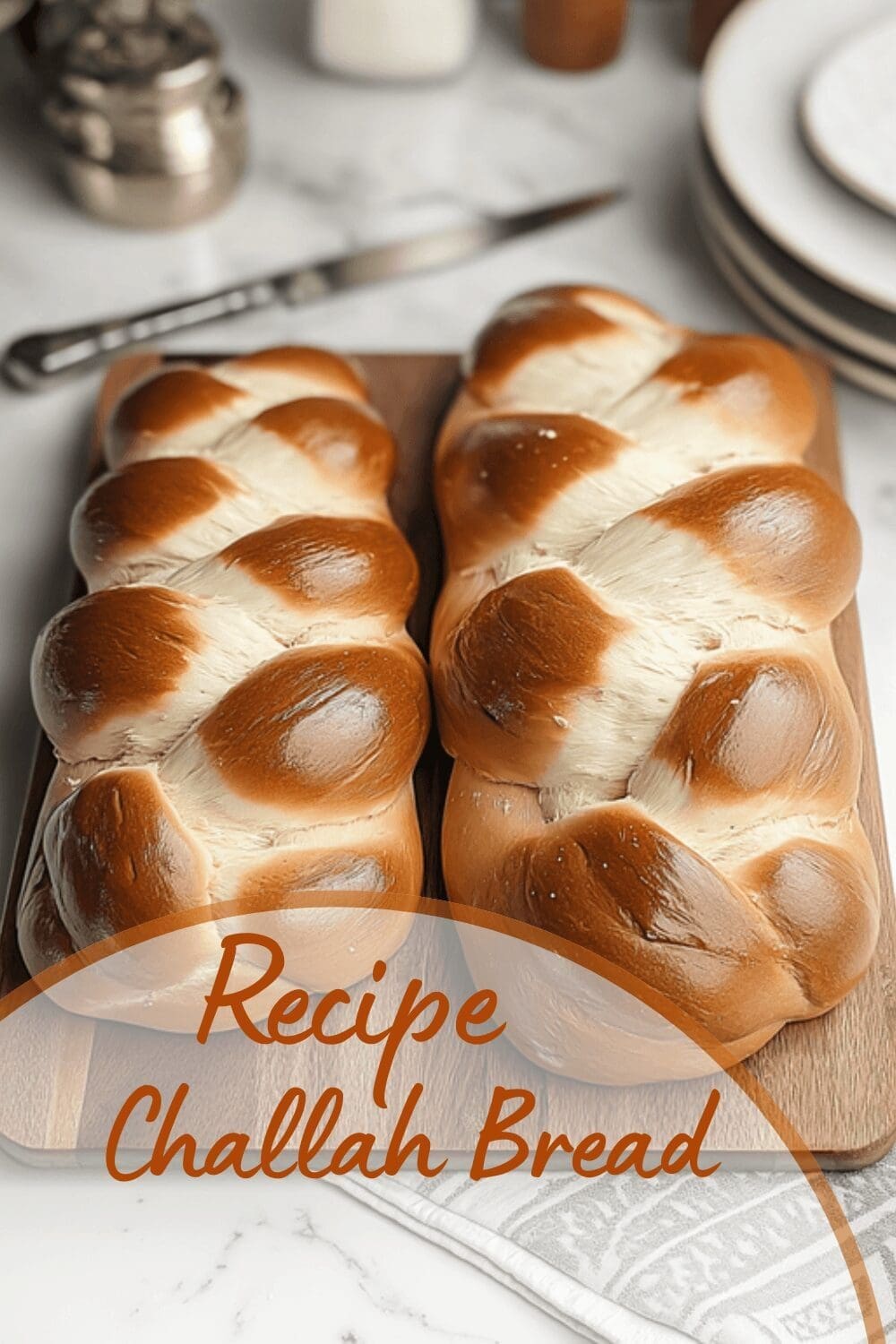
Divide half the dough into 6 equal portions. Roll each ball into strands approximately 12 inches long and 1 ½ inches wide. Lay the strands side by side, pinch their tops together, and braid tightly. For a traditional straight loaf, tuck the ends underneath. For a circular loaf, twist and pinch ends together. Repeat with remaining dough to create a second loaf.
Seventh Step: Prepare for Baking
Place the braided loaves on a greased baking sheet with enough space between them to expand. Beat the remaining egg and brush it evenly over the loaves to create a glossy crust. Sprinkle poppy or sesame seeds firmly after dipping your fingers into the egg wash to help them adhere. At this stage, you can freeze the dough for later use or let it rise once more for about an hour to enhance lightness.
Eighth Step: Preheat and Bake
Preheat your oven to 375°F (190°C). Brush the loaves with egg wash again before placing them inside. To maintain an even golden crust, watch for browning and apply additional egg wash to paler spots during baking if needed. Bake for 35 to 40 minutes until the Challah bread is a rich golden brown and sounds hollow when tapped.
Final Step: Cool and Serve
Remove the bread from the oven and transfer to a wire rack. Allow it to cool completely to set the crumb and prevent sogginess. Slice and serve the traditional braided Challah bread fresh, or store it properly for later use.
For lighter crusts suited to children or those preferring a softer exterior, bake at 350°F (175°C) for around 30 minutes, checking for doneness.
For more helpful baking guides, check out our Pineapple Quick Bread recipe which offers similar easy-to-follow preparation tips and flavor balance.
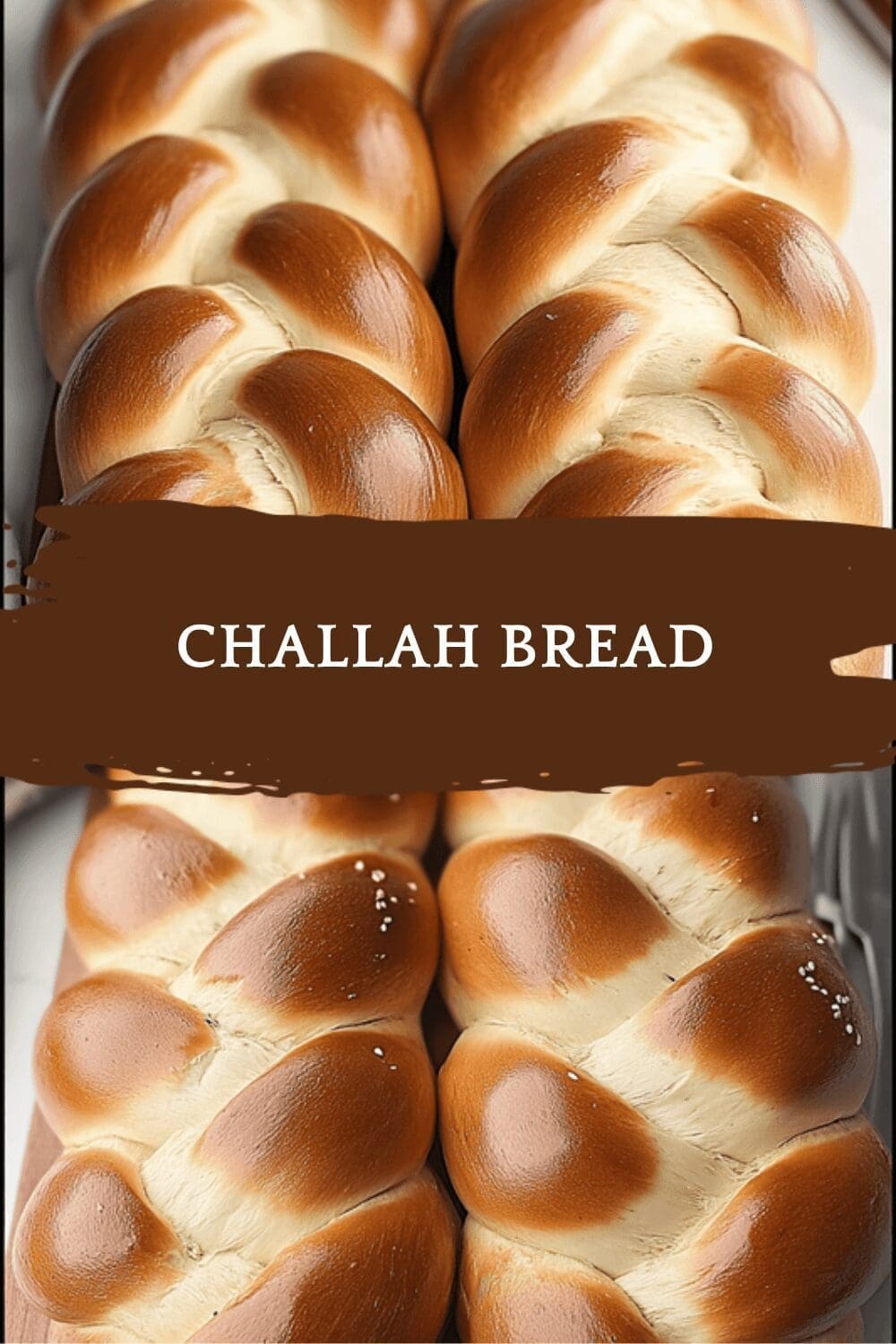
Dietary Substitutions to Customize Your Challah Bread
Protein and Main Component Alternatives
If you need to modify the main protein or binding agents in your Challah bread to meet dietary preferences, consider these swaps:
- Egg substitutes: Replace eggs with flax eggs (1 tablespoon ground flaxseed mixed with 3 tablespoons water per egg) or chia eggs for a vegan-friendly option that maintains moisture and binding properties.
- Aquafaba: Use the liquid from canned chickpeas as a direct egg white substitute for volume and crumb texture, especially useful in vegan baking.
- Oil replacements: For a healthier or vegan twist, substitute vegetable oil with avocado oil or melted coconut oil, which can influence flavor profiles subtly.
Vegetable, Sauce, and Seasoning Modifications
To add variety or fit into specific nutritional goals, feel free to adjust the seasoning and additional components:
- Herbs and spices: Infuse the dough with rosemary, thyme, cinnamon, or orange zest for additional aroma and taste nuances.
- Sweetener swaps: Replace white sugar with natural alternatives like honey or maple syrup for a richer flavor and potential antioxidant benefits.
- Seed variations: Swap poppy or sesame seeds with sunflower or pumpkin seeds to add different textures and nutritional qualities.
Mastering Challah Bread: Advanced Tips and Variations
Pro Cooking Techniques
- Use a stand mixer with a dough hook attachment to knead the Challah bread dough evenly and efficiently. This method ensures thorough gluten development for a consistent texture.
- Allow at least two risings: the initial rise in a warm place and a slow rise overnight in the refrigerator for a brioche-like crumb and richer flavor.
- Reapply egg wash during baking if uneven browning occurs by briefly removing the bread and gently brushing paler crust areas for a uniformly glossy finish.
Flavor Variations
- Add raisins, chocolate chips, or dried cranberries during mixing for a subtly sweet variation perfect for breakfast or snacks.
- Incorporate spices such as cinnamon or cardamom for a warm flavor profile, or try savory fillings like za’atar or sumac for a different twist.
Presentation Tips
- Use poppy or sesame seeds generously on the braided surface before baking for an attractive, textural topping.
- For a festive look, create circular challah loaves by twisting the braid into a wreath shape, perfect for holidays or celebrations.
Make-Ahead Options
- Prepare the dough the night before and refrigerate it for a slow rise, allowing flavors to deepen and saving time the next day.
- Freeze braided loaves after the first egg wash. When ready, thaw in the refrigerator overnight and allow a final rise before baking fresh Challah bread.
How to Store Challah Bread: Best Practices
Refrigeration
Store freshly baked Challah bread wrapped snugly in plastic wrap or placed within an airtight bag at room temperature for up to 3 days. Refrigeration is generally not recommended for bread as it can dry out the texture, but if needed, ensure it is well-sealed to retain moisture.
Freezing
For longer preservation, wrap the challah loaf securely in aluminum foil and then place it in a freezer-safe airtight container or bag. This method prevents freezer burn and maintains freshness for up to 3 months. Slice before freezing for convenient individual portions.
Reheating
Thaw frozen Challah bread at room temperature. To refresh its softness and crust, warm it in an oven preheated to 300°F (150°C) for about 10 minutes. Avoid microwaving to prevent sogginess.
Meal Prep Considerations
If preparing multiple loaves, slice and freeze individual portions to simplify future uses. This approach maximizes convenience for busy schedules and maintains quality for batch cooking, making Challah bread an excellent choice for make-ahead meals.
FAQs: Frequently Asked Questions About Challah Bread
What are the main ingredients in the Brazilian Mounjaro drink?
The Brazilian Mounjaro drink typically includes apple cider vinegar, fresh lemon juice, ginger, and room temperature water. Optional ingredients like butterfly pea flower or camu camu powder may be added for extra antioxidants and nutrients. Each component supports digestion, metabolism, or immune health, making the drink a natural wellness boost.
How does lemon juice in Mounjaro help with weight loss?
Lemon juice is rich in vitamin C and contains natural enzymes that help stimulate digestion. This improved digestive function can support healthy metabolism and aid in managing weight. Additionally, lemon may help reduce inflammation and promote hydration, which are important factors in overall well-being.
Can I prepare the Brazilian Mounjaro drink in advance?
Yes, you can prepare a larger batch by multiplying the ingredients for multiple servings and storing it in a glass pitcher in the refrigerator. If your recipe includes butterfly pea flower, steep it separately and add it after the drink has cooled to maintain its vibrant color. Drinking fresh is recommended for the best flavor and nutrient retention.
Is it safe to drink Brazilian Mounjaro every day?
Generally, consuming the Brazilian Mounjaro drink in moderation daily is considered safe for most people. However, if you have conditions like acid reflux or other digestive sensitivities, you may want to adjust ingredients—for example, reducing apple cider vinegar or increasing ginger. Consulting a healthcare professional before daily use is advisable if you have underlying health concerns.
Why should I use room temperature water instead of cold water in the Mounjaro drink?
Room temperature water helps dissolve apple cider vinegar and sweeteners more effectively, making the drink smoother. It is also gentler on the digestive system, especially when consumed in the morning, because cold water can slow down digestive processes. Using water at room temperature supports better nutrient absorption and comfort during digestion.
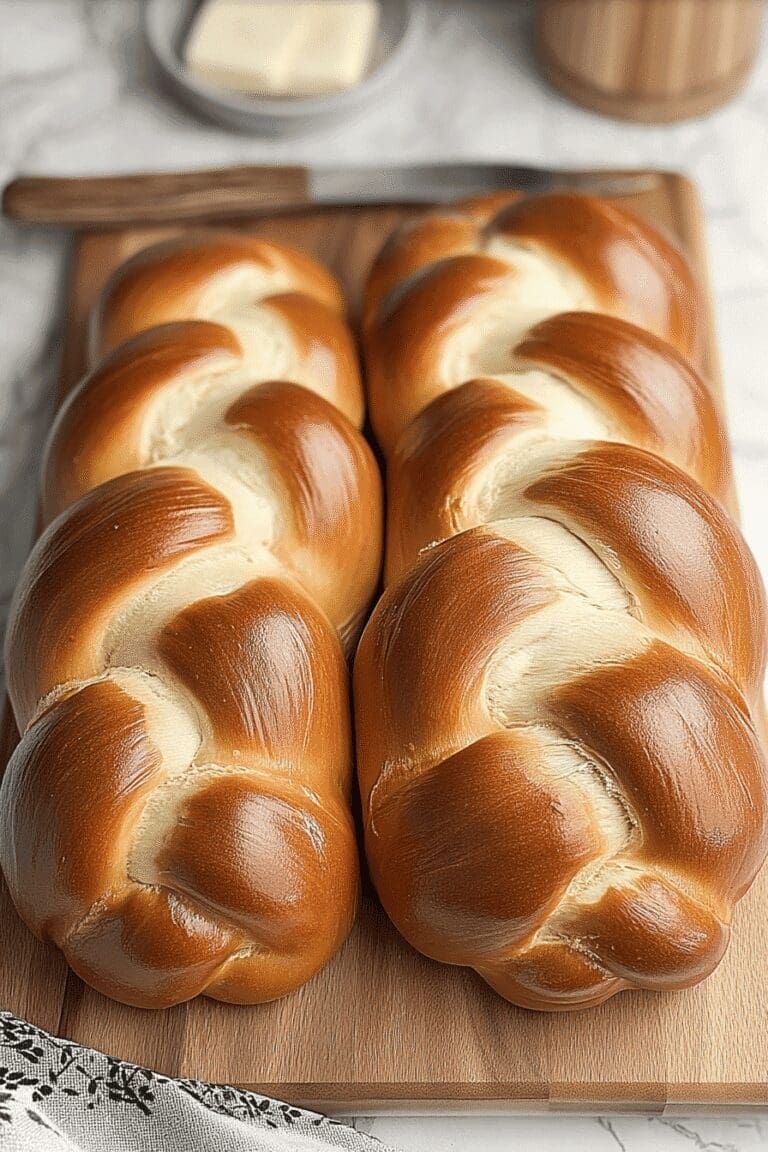
Challah Bread
🥤 Inspired by traditional flavors, this Mounjaro drink is a refreshing blend of natural ingredients perfect for a wellness boost and delicious hydration.
🍋 Quick and easy to prepare, it’s a natural choice for anyone looking to enjoy a revitalizing and flavorful drink.
- Total Time: 3 hours
- Yield: 2 loaves
Ingredients
– 1 ½ packages (about 3 ½ teaspoons) Active dry yeast Leavens the dough to create a light and airy crumb
– 1 tablespoon + ½ cup Sugar Adds sweetness and helps yeast activate
– ½ cup Vegetable oil Moisturizes dough and contributes richness
– 5 Large eggs Enhances texture, protein content, and color
– 1 tablespoon Salt Balances flavor and strengthens dough structure
– 8 to 8 ½ cups All-purpose flour Provides the structural base for the bread
– As desired Poppy or sesame seeds (optional) Adds texture and subtle nutty flavor
Instructions
First Step: Activate the Yeast Begin by dissolving 1 ½ packages of active dry yeast (about 3 ½ teaspoons) and 1 tablespoon of sugar into 1 ¾ cups of lukewarm water (approximately 110°F or 43°C). Stir well and let it sit in a warm place until the mixture becomes frothy, about 5 to 10 minutes. This proofing step confirms active yeast, which is critical for the bread’s rise and fluffy texture.
Second Step: Combine Wet Ingredients Whisk ½ cup of vegetable oil into the yeast mixture. Then, beat in 4 large eggs one at a time for even incorporation. Gradually add the remaining ½ cup sugar and 1 tablespoon of salt, mixing thoroughly for a balanced sweetness and flavor foundation.
Third Step: Mix and Knead the Dough Slowly add 8 to 8 ½ cups of all-purpose flour, stirring with a wooden spoon or dough hook attachment on low speed until the dough begins to come together. Transfer the dough to a floured surface and knead vigorously for about 10 minutes until the dough is smooth and elastic. Proper kneading develops gluten, essential for structure and stretch during baking. For those adapting to gluten-free flour, knead just until ingredients combine to preserve tenderness.
Fourth Step: First Rise Lightly grease a large bowl with vegetable oil and place the kneaded dough inside. Cover it tightly with plastic wrap or a damp cloth and allow it to rise in a warm area for about 1 hour or until the dough nearly doubles in size. This fermenting period enriches flavor and dough texture.
Fifth Step: Punch Down and Second Rise Gently punch down the risen dough to release built-up gases. Cover again and let it rise for another 30 minutes. This second rise improves the crumb’s softness and workability for shaping.
Sixth Step: Shape the Challah Divide half the dough into 6 equal portions. Roll each ball into strands approximately 12 inches long and 1 ½ inches wide. Lay the strands side by side, pinch their tops together, and braid tightly. For a traditional straight loaf, tuck the ends underneath. For a circular loaf, twist and pinch ends together. Repeat with remaining dough to create a second loaf.
Seventh Step: Prepare for Baking Place the braided loaves on a greased baking sheet with enough space between them to expand. Beat the remaining egg and brush it evenly over the loaves to create a glossy crust. Sprinkle poppy or sesame seeds firmly after dipping your fingers into the egg wash to help them adhere. At this stage, you can freeze the dough for later use or let it rise once more for about an hour to enhance lightness.
Eighth Step: Preheat and Bake Preheat your oven to 375°F (190°C). Brush the loaves with egg wash again before placing them inside. To maintain an even golden crust, watch for browning and apply additional egg wash to paler spots during baking if needed. Bake for 35 to 40 minutes until the Challah bread is a rich golden brown and sounds hollow when tapped.
Final Step: Cool and Serve Remove the bread from the oven and transfer to a wire rack. Allow it to cool completely to set the crumb and prevent sogginess. Slice and serve the traditional braided Challah bread fresh, or store it properly for later use.
Last Step:
Please leave a rating and comment letting us know how you liked this recipe! This helps our business to thrive and continue providing free, high-quality recipes for you.Notes
🥯 Allowing one rise to occur slowly in the refrigerator can yield a more brioche-like crumb.
🥚 Brushing with egg wash twice ensures a glossy, evenly browned crust.
🍞 For a lighter crust, bake at 350°F for around 30 minutes.
- Prep Time: 1 hour
- Rising Time: 1.5 hours
- Cook Time: 40 minutes
- Category: Bread
- Method: Baking
- Cuisine: Jewish
- Diet: Vegetarian
Nutrition
- Serving Size: 1 slice
- Calories: 75
- Sugar: 2g
- Sodium: 146mg
- Fat: 2g
- Saturated Fat: 0.5g
- Unsaturated Fat: 1.5g
- Trans Fat: 0g
- Carbohydrates: 13g
- Fiber: 1g
- Protein: 3g
- Cholesterol: 28mg


This recipe brought back so many memories! My grandmother used to make challah every Friday, and the aroma would fill the entire house.🥰 I followed your instructions and the bread turned out amazingly fluffy. Do you have any tips for adding raisins without them sinking to the bottom?