

Why You’ll Love This Carne Adovada
- Ease of preparation: This carne adovada recipe is straightforward and perfect for those who want delicious, authentic flavors without complicated steps. The process mainly involves marinating the pork in a homemade red chile sauce and letting it slow-cook to tender perfection. While it takes time, the active cooking steps are simple and accessible to cooks of all levels.
- Health benefits: Featuring lean pork shoulder or loin combined with nutrient-dense spices such as garlic, oregano, and red chilies, carne adovada is a balanced meal packed with protein and antioxidants. The slow cooking method preserves nutrients while minimizing added fats, making it a wholesome choice that supports wellness and satisfying nutrition.
- Versatility: Carne adovada adapts easily to different dietary preferences. You can opt for pork loin for a leaner dish, switch up the chilies for milder or spicier versions, or even experiment with plant-based substitutes for a similar taste and texture. Its flexibility suits gluten-free, low-calorie, and even vegan lifestyles with minor adjustments.
- Distinctive flavor: The hallmark of carne adovada is its deeply flavorful, tangy red chile sauce made from dried New Mexican chile pods or chile powder. The slow braised pork absorbs these bold spices, resulting in a rich, smoky, and slightly sweet dish that captures the essence of traditional New Mexican cuisine. This unique flavor profile makes carne adovada a crowd-pleasing favorite.
Jump to:
- Why You’ll Love This Carne Adovada
- Essential Ingredients for Carne Adovada
- Special Dietary Options
- How to Prepare the Perfect Carne Adovada: Step-by-Step Guide
- First Step: Prepare the Pork and Soften Chiles
- Second Step: Make the Red Chile Sauce
- Third Step: Marinate the Pork
- Fourth Step: Braise the Pork
- Final Step: Finish and Serve
- Dietary Substitutions to Customize Your Carne Adovada
- Protein and Main Component Alternatives
- Vegetable, Sauce, and Seasoning Modifications
- Mastering Carne Adovada: Advanced Tips and Variations
- How to Store Carne Adovada: Best Practices
- Refrigeration
- Freezing
- Reheating
- Meal Prep Considerations
- FAQs: Frequently Asked Questions About Carne Adovada
- What cut of pork is best for making carne adovada?
- How long should I marinate the pork in the red chile sauce?
- Can I cook carne adovada in an Instant Pot or slow cooker?
- What can I do to reduce the heat and bitterness in the red chile sauce?
- How should I store and use leftover carne adovada?
- Carne Adovada
- Ingredients
- Instructions
- Last Step:
- Notes
- Nutrition
- Did you make this recipe?
Essential Ingredients for Carne Adovada
- 7 to 8 pounds bone-in pork shoulder or pork butt, trimmed and cut into 1 to 2-inch chunks – Provides tender, juicy meat with enough fat to keep it moist during slow cooking.
- 1 tablespoon oil or bacon dripping (or 3 tablespoons neutral oil such as canola or vegetable oil) – Used for sautéing onions and garlic and adding richness.
- ½ medium onion (or 1 large onion, chopped) – Adds sweetness and flavor depth to the sauce.
- 4 to 6 large garlic cloves, chopped – Enhances aroma and savory complexity.
- 25 to 30 dried red chile pods, stems and seeds removed, cut into lengths, or 2 tablespoons New Mexico Chimayo red chile powder – Supplies the signature smoky and spicy flavor of the red chile sauce.
- 1 teaspoon salt – Balances and enhances the overall seasoning.
- 2 teaspoons Mexican oregano (or 1 teaspoon dried oregano, preferably Mexican) – Provides earthy, herbal notes essential to the sauce.
- 3 cups water or 2 ½ cups chicken broth – Forms the cooking liquid and helps meld flavors together.
- 2 teaspoons medium red chile powder (optional) – For those desiring extra heat and depth.
- 1 teaspoon honey (optional) – Balances heat with subtle sweetness.
- 2 teaspoons apple cider vinegar (or 2 tablespoons cider or sherry vinegar) – Adds acidity to brighten and balance the sauce flavors.
- Optional for thickening: 3 tablespoons butter and 3 tablespoons flour – Create a roux to thicken the sauce if desired.
- Optional spices for deeper flavor: 1 teaspoon cumin and ½ teaspoon ground coriander – Add warmth and complexity to the sauce.
- Optional: 1 tablespoon molasses – Stirred in after cooking to enhance sweetness and richness.
Special Dietary Options
- Vegan: Substitute pork with firm tofu or jackfruit marinated in the red chile sauce to mimic texture and flavor.
- Gluten-free: All main ingredients are naturally gluten-free; just ensure any additional products like flour used for thickening are certified gluten-free.
- Low-calorie: Use pork loin for leaner meat and reduce oil amounts; opt to skip the butter and flour for a lighter sauce.
How to Prepare the Perfect Carne Adovada: Step-by-Step Guide
First Step: Prepare the Pork and Soften Chiles
Trim visible fat and bone from 7 to 8 pounds of pork shoulder or pork butt, then cut into 1 to 2-inch chunks. Meanwhile, soak 25 to 30 dried red chile pods (stems and seeds removed, cut into 1 to 2-inch lengths) in hot water for about 20 minutes to soften. This prepares the chiles for blending into the sauce.
Second Step: Make the Red Chile Sauce
In a heavy skillet over medium heat, warm 1 tablespoon of oil. Add ½ medium onion (or one large, chopped) and 4 to 6 chopped garlic cloves, cooking gently until the onions are translucent. Add softened dried red chiles (or 2 tablespoons of New Mexico Chimayo red chile powder) and toast lightly for 5 minutes, stirring often to prevent burning.
Stir in 2 teaspoons Mexican oregano, and optionally 1 teaspoon cumin and ½ teaspoon coriander for extra depth. Add 3 cups water or 2 ½ cups chicken broth and bring to a boil. Cover and simmer for 10 minutes. Transfer mixture to a blender with some cooking liquid, add 2 teaspoons apple cider vinegar, and blend until smooth. Adjust salt and add 1 teaspoon honey if you’d like to tame the heat. For a silky sauce, strain through a fine sieve.
Third Step: Marinate the Pork
Lightly oil a large heavy pot or Dutch oven. Place pork chunks in the pot, pour enough red chile sauce to fully coat the meat (around ½ cup sauce per pound), and stir well to combine. Cover and refrigerate for at least overnight or up to 24 hours, allowing the flavors to penetrate deeply and tenderize the pork.
Fourth Step: Braise the Pork
Remove the pork from the refrigerator about 1 hour before cooking to bring it to room temperature. Preheat oven to 300°F (150°C). Cover the pot tightly and cook in the oven for approximately 2 hours. Then stir the pork, uncover, and continue baking uncovered for another 1 to 1.5 hours until the meat is fall-apart tender and the sauce has thickened to your liking.
Final Step: Finish and Serve
Remove from oven and, if desired, stir in 1 tablespoon molasses and a splash of additional vinegar to brighten the sauce and balance sweetness. Let the carne adovada rest covered for 10 to 15 minutes before serving. Serve hot, topped with extra red chile sauce and alongside warm flour tortillas, rice, beans, or a fresh salad for a complete meal.
Tip: For thicker sauce, melt 3 tablespoons butter in a skillet and whisk in 3 tablespoons flour to make a roux, then stir it back into the sauce before baking.
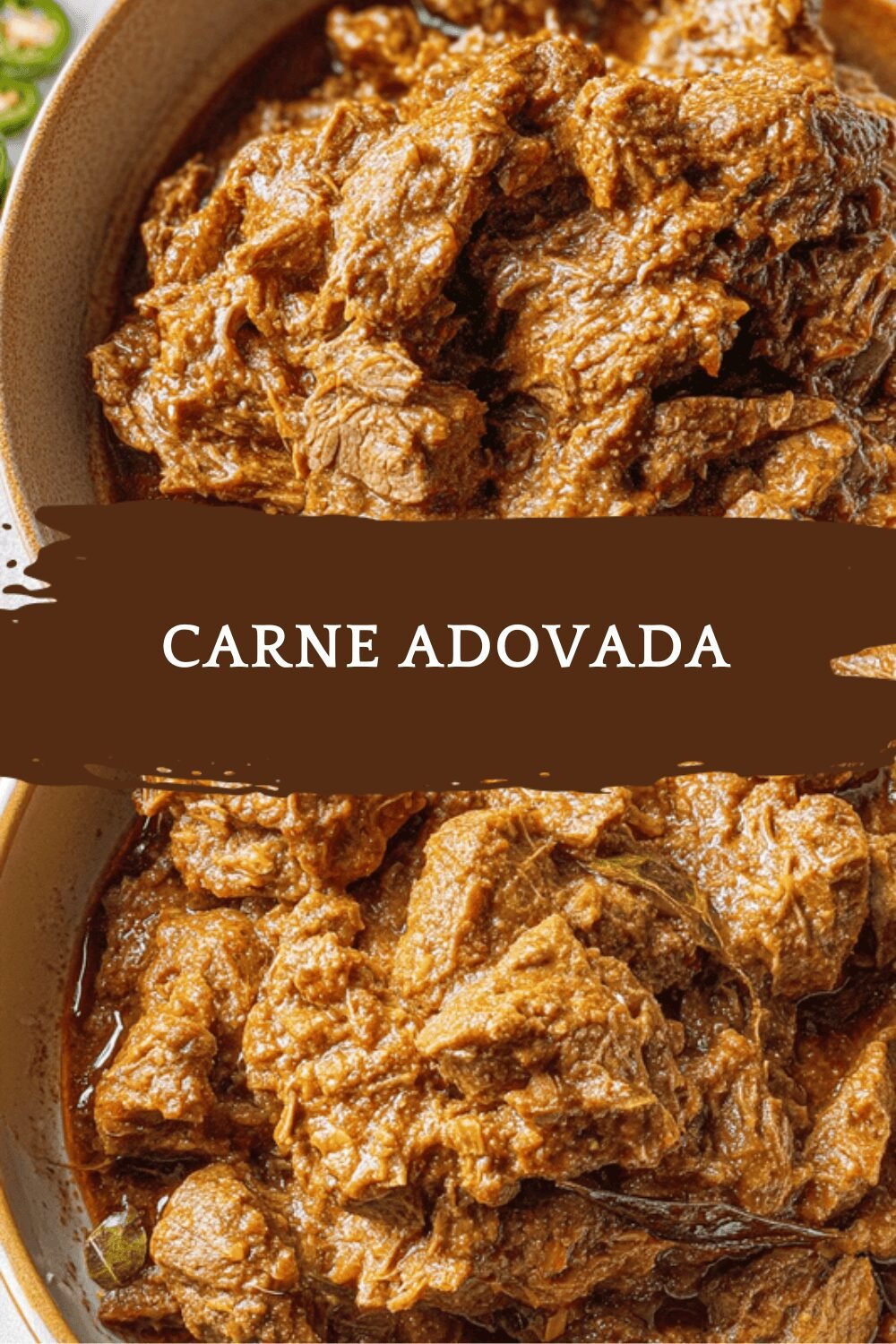
Dietary Substitutions to Customize Your Carne Adovada
Protein and Main Component Alternatives
- Swap pork shoulder with pork loin for a leaner, less fatty option that yields firmer meat chunks.
- Use firm tofu or jackfruit marinated in the red chile sauce for a vegan adaptation that mimics texture and flavor.
- Combine smoked pork or brisket leftovers with fresh pork shoulder to deepen smoky notes.
Vegetable, Sauce, and Seasoning Modifications
- Substitute dried New Mexico chile pods with fresh roasted green or red chiles for a sweeter, less thick sauce with a soup-like texture.
- Adjust heat by varying the number or type of chiles used; add honey or molasses to temper bitterness without oversweetening.
- Add vegetables like potatoes or carrots to create a heartier stew-like version.
- Introduce spices like cinnamon or cloves for warm aromatic variations.
Mastering Carne Adovada: Advanced Tips and Variations
- Pro cooking techniques: Sear pork chunks before marinating to infuse rich, caramelized flavors. Use a slow cooker for an unattended low and slow cook resulting in meltingly tender meat.
- Flavor variations: Experiment with blending ancho or chipotle powders for smokier depth. Incorporate small amounts of cinnamon or cloves to add subtle warmth without overpowering.
- Presentation tips: Serve in rustic bowls garnished with chopped cilantro, diced onions, and lime wedges for a fresh contrast. Pair with colorful sides like rice pilaf or steamed greens for a balanced plate.
- Make-ahead options: Marinate the pork overnight and slow cook the next day to save time. Leftovers freeze well and work delightfully in tacos, burritos, or tostadas, making meal prep easy and flavorful.
How to Store Carne Adovada: Best Practices
Store your carne adovada thoughtfully to maintain freshness and flavor:
Refrigeration
Place leftovers in airtight containers and refrigerate promptly. The dish keeps well for up to 4 days, allowing the flavors to mature further.
Freezing
Freeze in portions using freezer-safe bags or containers. Remove excess air to prevent freezer burn and preserve taste. Consume within 3 months for best quality. Thaw overnight in the refrigerator before reheating.
Reheating
Warm gently on the stovetop over low heat, stirring occasionally. Add a splash of broth or water to loosen the sauce if needed. Alternatively, reheat in the microwave in short bursts, stirring between intervals to maintain even heat and moisture.
Meal Prep Considerations
Batch cook carne adovada and portion into single meals for quick reheats on busy days. Proper storage enhances convenience and ensures you always have a hearty meal ready.
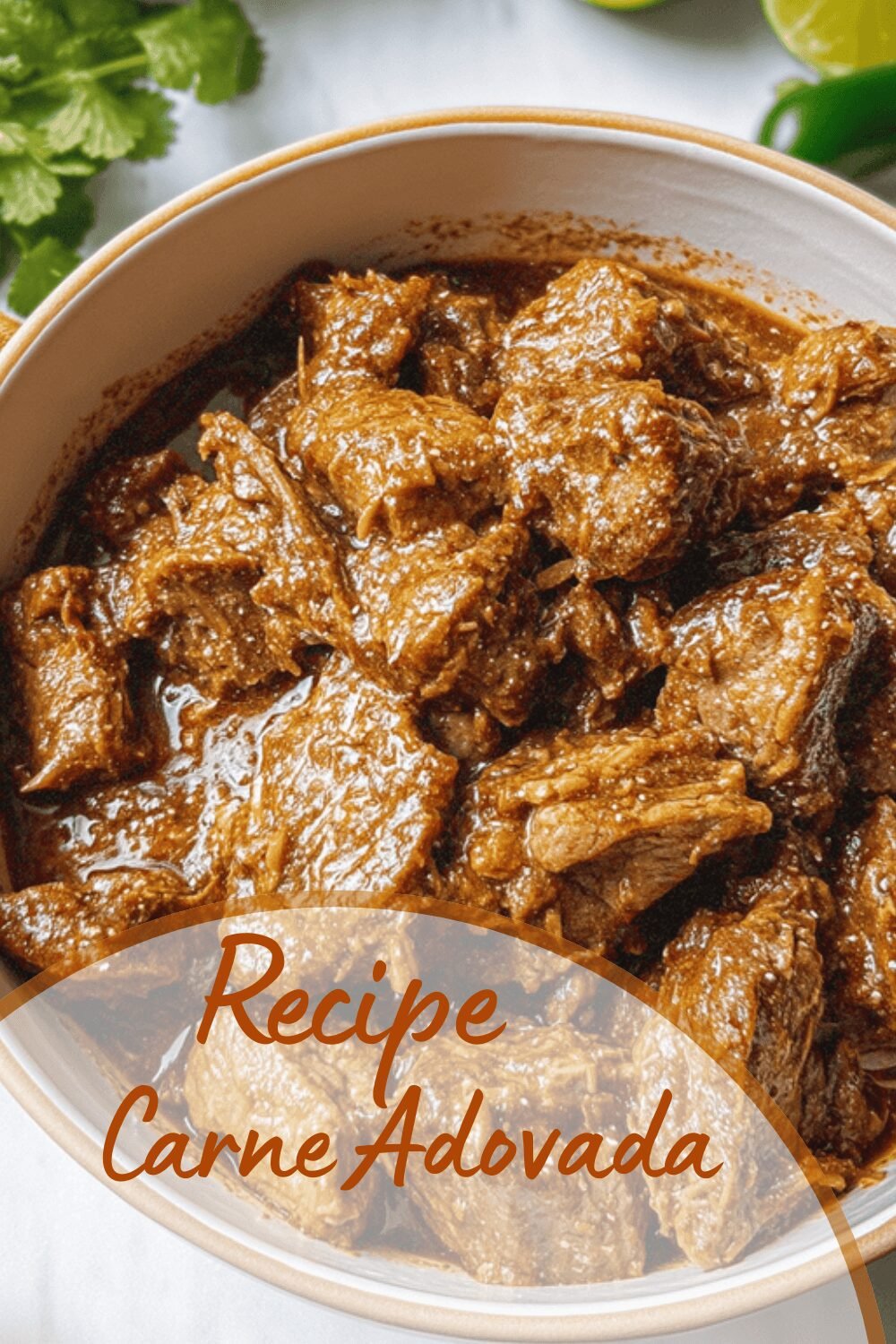
FAQs: Frequently Asked Questions About Carne Adovada
What cut of pork is best for making carne adovada?
Pork shoulder is the preferred cut for carne adovada because its higher fat content helps keep the meat tender and flavorful during long cooking. An 8-pound bone-in pork shoulder works well, yielding about 5 pounds of meat after trimming. Boneless pork shoulder between 5 and 6 pounds is also suitable and requires less prep. Leaner cuts like pork loin or sirloin chops can be used but may result in a drier, less tender texture and a different cooking time.
How long should I marinate the pork in the red chile sauce?
Marinating the pork overnight is recommended to allow the red chile sauce flavors to deeply penetrate the meat. For best results, marinate at least 8 hours in the refrigerator, though up to 24 hours can intensify the taste. This step also helps tenderize the pork, making it juicier after cooking.
Can I cook carne adovada in an Instant Pot or slow cooker?
Yes, both the Instant Pot and slow cooker are good alternatives to oven braising. After marinating the pork overnight, cook it in a slow cooker on low for about 8 to 9 hours, or use the Instant Pot following its pressure cooking guidelines (usually 60 to 70 minutes). These methods yield tender meat and are convenient for hands-off cooking.
What can I do to reduce the heat and bitterness in the red chile sauce?
To balance the heat and bitterness often found in red chile sauce, add a small amount of honey—about one teaspoon or less—while preparing the sauce. This slight sweetness smooths out sharp flavors without making the sauce overly sweet. Additionally, using a blend of mild and medium red chile powder can help control spiciness.
How should I store and use leftover carne adovada?
Leftover carne adovada can be stored in an airtight container in the refrigerator for up to 4 days or frozen for up to 3 months. Reheat gently on the stovetop to prevent drying out. Leftovers are versatile and make excellent fillings for tacos, burritos, tostadas, or as a topping for eggs. Saving extra red chile sauce separately allows for smothering dishes later.
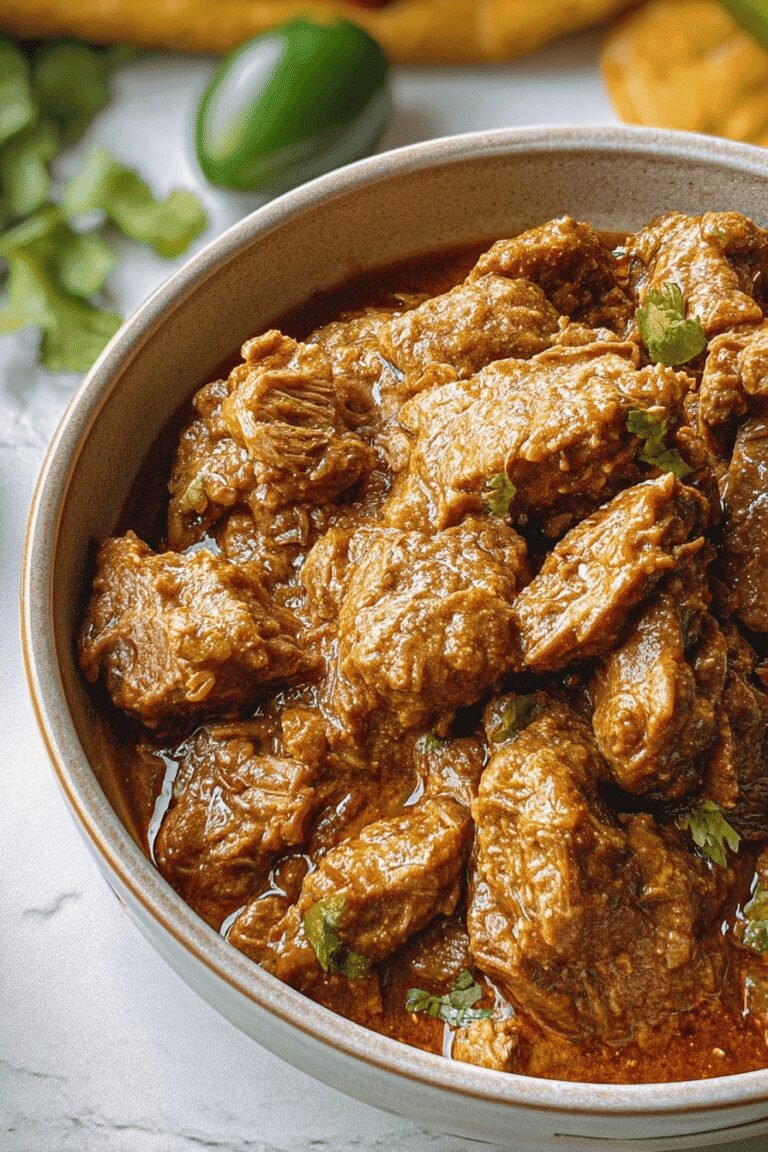
Carne Adovada
🌶️ Experience the authentic rich flavors of New Mexican cuisine with Carne Adovada, perfect for spice lovers.
🍖 Slow-cooked to perfection, this pork dish offers tender, juicy bites infused with vibrant chile sauce.
- Total Time: 28.5 hours
- Yield: 8 servings
Ingredients
– 7 to 8 pounds bone-in pork shoulder or pork butt, trimmed and cut into 1 to 2-inch chunks
– 1 tablespoon oil or bacon dripping (or 3 tablespoons neutral oil such as canola or vegetable oil) for sautéing
– ½ medium onion (or 1 large onion, chopped)
– 4 to 6 large garlic cloves, chopped
– 25 to 30 dried red chile pods, stems and seeds removed, cut into lengths, or 2 tablespoons New Mexico Chimayo red chile powder
– 1 teaspoon salt
– 2 teaspoons Mexican oregano (or 1 teaspoon dried oregano, preferably Mexican)
– 3 cups water or 2 ½ cups chicken broth
– 2 teaspoons medium red chile powder (optional)
– 1 teaspoon honey (optional)
– 2 teaspoons apple cider vinegar (or 2 tablespoons cider or sherry vinegar)
– 3 tablespoons butter and 3 tablespoons flour for thickening (optional)
– 1 teaspoon cumin and ½ teaspoon ground coriander (optional)
– 1 tablespoon molasses (optional)
Instructions
1-First Step: Prepare the Pork and Soften Chiles
Trim visible fat and bone from 7 to 8 pounds of pork shoulder or pork butt, then cut into 1 to 2-inch chunks. Meanwhile, soak 25 to 30 dried red chile pods (stems and seeds removed, cut into 1 to 2-inch lengths) in hot water for about 20 minutes to soften. This prepares the chiles for blending into the sauce.
2-Second Step: Make the Red Chile Sauce
In a heavy skillet over medium heat, warm 1 tablespoon of oil. Add ½ medium onion (or one large, chopped) and 4 to 6 chopped garlic cloves, cooking gently until the onions are translucent. Add softened dried red chiles (or 2 tablespoons of New Mexico Chimayo red chile powder) and toast lightly for 5 minutes, stirring often to prevent burning.
Stir in 2 teaspoons Mexican oregano, and optionally 1 teaspoon cumin and ½ teaspoon coriander for extra depth. Add 3 cups water or 2 ½ cups chicken broth and bring to a boil. Cover and simmer for 10 minutes. Transfer mixture to a blender with some cooking liquid, add 2 teaspoons apple cider vinegar, and blend until smooth. Adjust salt and add 1 teaspoon honey if you’d like to tame the heat. For a silky sauce, strain through a fine sieve.
3-Third Step: Marinate the Pork
Lightly oil a large heavy pot or Dutch oven. Place pork chunks in the pot, pour enough red chile sauce to fully coat the meat (around ½ cup sauce per pound), and stir well to combine. Cover and refrigerate for at least overnight or up to 24 hours, allowing the flavors to penetrate deeply and tenderize the pork.
4-Fourth Step: Braise the Pork
Remove the pork from the refrigerator about 1 hour before cooking to bring it to room temperature. Preheat oven to 300°F (150°C). Cover the pot tightly and cook in the oven for approximately 2 hours. Then stir the pork, uncover, and continue baking uncovered for another 1 to 1.5 hours until the meat is fall-apart tender and the sauce has thickened to your liking.
5-Final Step: Finish and Serve
Remove from oven and, if desired, stir in 1 tablespoon molasses and a splash of additional vinegar to brighten the sauce and balance sweetness. Let the carne adovada rest covered for 10 to 15 minutes before serving. Serve hot, topped with extra red chile sauce and alongside warm flour tortillas, rice, beans, or a fresh salad for a complete meal.
Last Step:
Please leave a rating and comment letting us know how you liked this recipe! This helps our business to thrive and continue providing free, high-quality recipes for you.Notes
🍖 Pork shoulder/butt yields a richer, fattier sauce and tender meat ideal for shredding, while pork loin offers leaner, firmer chunks with less grease.
🌶️ Adjust the number of dried chile pods or chile powder to control heat level; use honey or molasses sparingly to balance bitterness or spice without making the dish too sweet.
⏲️ Marinating overnight maximizes flavor penetration and tenderness.
- Prep Time: 1 hour
- Marination Time: 24 hours
- Cook Time: 3.5 hours
- Category: Main Course
- Method: Braise
- Cuisine: New Mexican
- Diet: Omnivore
Nutrition
- Serving Size: 1.5 cups
- Calories: 500
- Sugar: 6 g
- Sodium: 800 mg
- Fat: 22 g
- Saturated Fat: 8 g
- Unsaturated Fat: 12 g
- Trans Fat: 0 g
- Carbohydrates: 15 g
- Fiber: 4 g
- Protein: 55 g
- Cholesterol: 160 mg






Wow, this Carne Adovada recipe looks incredible! 🌶️ I’ve never tried making it at home before, but your step-by-step instructions make it seem so doable. Can the dish be prepared a day in advance, or does it taste best fresh? Thanks for sharing!