

Benefits and Advantages of Caribbean Chicken
Caribbean chicken is a flavorful and versatile dish known for its ease of preparation, making it an excellent choice for both novice and experienced cooks. Its blend of spices and tropical flavors provides a unique taste experience that stands out from more traditional chicken recipes. Besides its delicious flavor profile, this dish offers health benefits due to the use of fresh ingredients such as garlic, ginger, and herbs, which contribute antioxidants and essential nutrients.
Caribbean chicken can be easily adapted to fit various dietary preferences, including low-calorie and gluten-free options, making it a suitable meal for a wide range of health-conscious individuals. The recipe’s simplicity and ability to customize spice levels and ingredients make it highly appealing for weeknight dinners or special occasions. Overall, Caribbean chicken combines convenience, nutrition, and taste, solidifying its reputation as a beloved culinary staple.
“This dish offers a perfect balance of sweet, smoky, and spicy flavors while delivering lean protein and vital nutrients.”
Advantages at a Glance
- Quick and easy to prepare, perfect for busy schedules
- Rich in protein and antioxidants
- Highly customizable to suit dietary needs
- Combines savory and tropical flavors for a unique palate experience
- Pairs well with a variety of healthy sides
Jump to:
- Benefits and Advantages of Caribbean Chicken
- Advantages at a Glance
- Essential Ingredients for Caribbean Chicken
- Dietary Substitutions to Customize Your Caribbean Chicken
- Protein Alternatives
- Gluten-Free Options
- Lower-Calorie Modifications
- Spice Sensitivity Adjustments
- How to Prepare the Perfect Caribbean Chicken: Step-by-Step Guide
- Step 1: Make the Marinade
- Step 2: Marinate the Chicken
- Step 3: Prepare to Cook
- Step 4: Cook the Chicken
- Step 5: Adapt for Special Diets
- Step 6: Rest and Garnish
- Step 7: Serve with Complementary Sides
- Mastering Caribbean Chicken: Advanced Tips and Variations
- Creative Variations to Try
- How to Store Caribbean Chicken: Best Practices
- Refrigeration
- Freezing
- Reheating Tips
- Nutritional Value of Caribbean Chicken
- FAQs: Frequently Asked Questions About Caribbean Chicken
- How do I know when Caribbean chicken is fully cooked and safe to eat?
- Can I use fresh pineapple instead of canned in Caribbean chicken recipes?
- What are some good side dishes to serve with Caribbean chicken?
- Can I marinate Caribbean chicken overnight, and will it affect the texture?
- Is it okay to make Caribbean chicken using boneless chicken breasts or thighs?
- Quick Caribbean Jerk Chicken with Tangy Pineapple Salsa Recipe
- Ingredients
- Instructions
- Last Step:
- Notes
- Nutrition
- Did you make this recipe?
Essential Ingredients for Caribbean Chicken
The success of Caribbean chicken lies in the quality and combination of its ingredients. Here is a comprehensive list that forms the foundation of this dish:
- 1 pound (450 grams) boneless, skinless chicken breasts or thighs, cut into 1-inch pieces
- 1 tablespoon olive oil
- 2 teaspoons garlic-herb seasoning blend (or 4 to 6 chopped garlic cloves and fresh herbs like parsley or cilantro)
- 1 can (14.5 ounces/411 grams) fire-roasted diced tomatoes with liquid (or about 2 cups fresh chopped tomatoes)
- 1 can (8 ounces/227 grams) unsweetened pineapple chunks, drained (or about 1 cup fresh chopped pineapple)
- 1/4 cup (60 ml) barbecue sauce (choose sweet, smoky, or spicy)
- Optional: 1 teaspoon hot sauce or spicy barbecue sauce for added heat
- Optional: Fresh cilantro or parsley leaves for garnish
- Hot cooked rice (brown rice recommended for nutrition), to serve
| Ingredient | Role in the Dish |
|---|---|
| Chicken breasts or thighs | Provides lean protein and texture |
| Olive oil | Aids in cooking and adds healthy fats |
| Garlic-herb seasoning | Builds aromatic flavor foundation |
| Fire-roasted diced tomatoes | Adds smoky depth and moisture |
| Pineapple chunks | Delivers natural sweetness and acidity |
| Barbecue sauce | Contributes sweet and tangy flavor |
Choosing fresh or organic ingredients further enhances the vibrant flavors and nutritional profile of Caribbean chicken.
Dietary Substitutions to Customize Your Caribbean Chicken
Caribbean chicken is flexible to meet various dietary preferences and ingredient availability. Here are practical substitutions to maintain flavor while customizing your dish:
Protein Alternatives
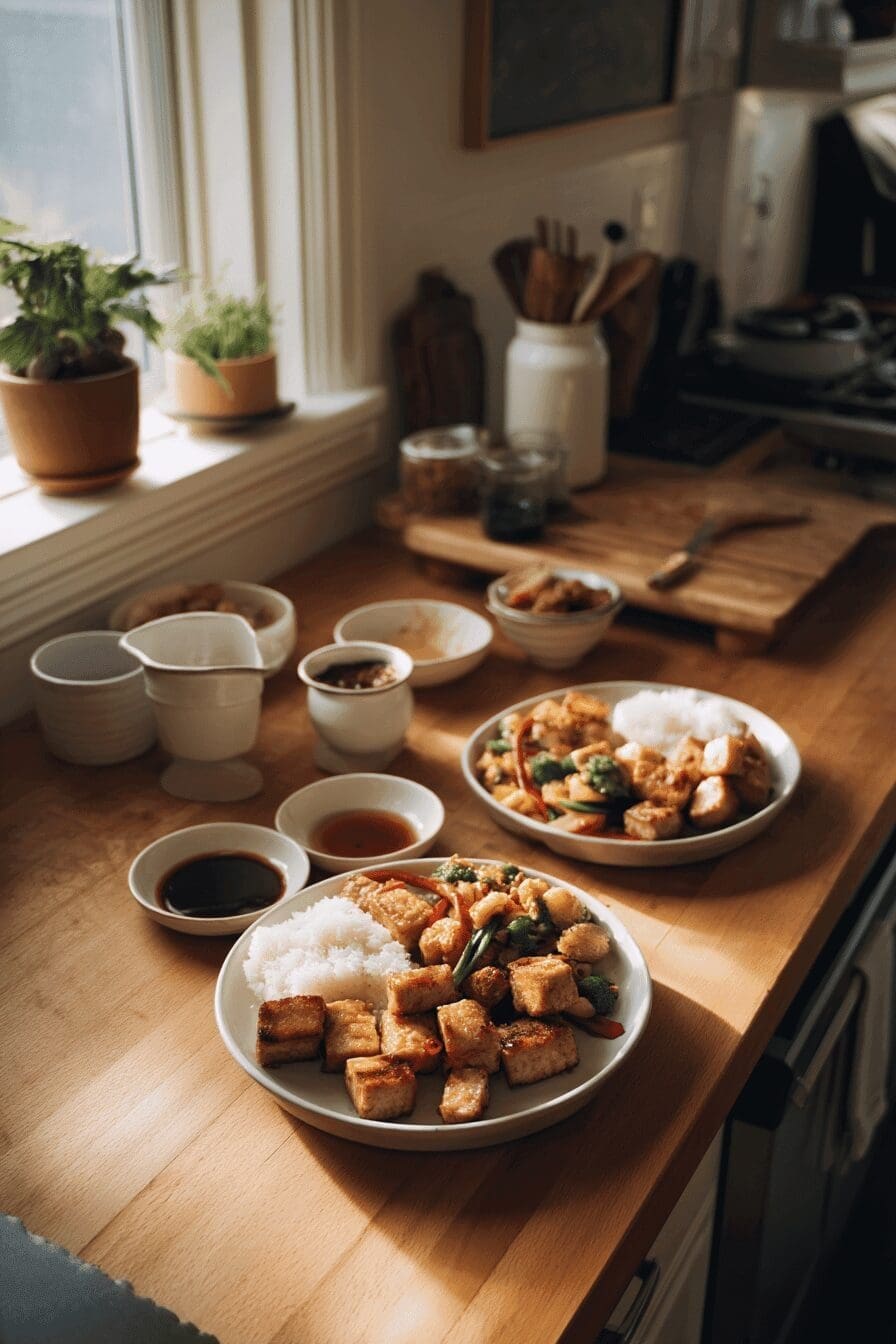
- Vegan/Vegetarian: Replace chicken with firm tofu, tempeh, or seitan to retain texture and carry the jerk seasoning well.
- Pork Option: Boneless pork chops, cut into cubes, can substitute chicken; cook pork to an internal temperature of 145°F (63°C).
Gluten-Free Options
- Use tamari instead of traditional soy sauce to keep the marinade gluten-free.
- Ensure the barbecue and jerk seasonings are gluten-free by checking labels.
Lower-Calorie Modifications
- Use skinless chicken breast instead of thighs for leaner protein.
- Limit added oils by using non-stick cooking spray or cooking techniques like grilling.
Spice Sensitivity Adjustments
- Reduce or omit Scotch bonnet peppers and use milder chili powders or paprika instead.
- Opt for mild barbecue sauces or exclude hot sauce for gentler heat levels.
“Customizing your Caribbean chicken is simple and allows you to enjoy this flavorful dish regardless of dietary restrictions.”
How to Prepare the Perfect Caribbean Chicken: Step-by-Step Guide
Step 1: Make the Marinade
Combine jerk seasoning, freshly minced garlic, grated ginger, lime juice, soy sauce, and chopped fresh herbs such as thyme and scallions in a medium bowl. Stir until mixed thoroughly to distribute flavors evenly.
Step 2: Marinate the Chicken
Place the chicken pieces into a resealable plastic bag or a shallow dish. Pour the marinade over the chicken, making sure every piece is well coated. Refrigerate for at least 2 hours, or overnight for deeper flavor infusion.
Step 3: Prepare to Cook
Preheat your grill, oven, or skillet to medium-high heat. Remove chicken from the marinade, letting excess drip off, and reserve the marinade for basting.
Step 4: Cook the Chicken
Grill or sauté chicken for 5 to 7 minutes per side, or until the internal temperature reaches 165°F (74°C). During cooking, baste occasionally with the reserved marinade to keep the meat juicy and flavorful.
Step 5: Adapt for Special Diets
- For vegan options, grill or pan-fry marinated tofu or tempeh using the same cooking times.
- For gluten-free diets, ensure marinade ingredients like soy sauce are replaced with tamari.
Step 6: Rest and Garnish
After cooking, let the chicken rest for a few minutes to allow juices to redistribute. Garnish with fresh cilantro or parsley for a burst of color and fresh flavor.
Step 7: Serve with Complementary Sides
Serve hot over steamed brown rice or your choice of grains. Traditional sides like rice and peas, grilled vegetables, or fresh pineapple salsa balance the spicy, sweet, and smoky notes of the chicken.
| Step | Action | Tips |
|---|---|---|
| 1 | Prepare marinade | Mix ingredients evenly for best flavor distribution |
| 2 | Marinate chicken | At least 2 hours; overnight for stronger taste |
| 3 | Preheat cooking surface | Medium-high heat ensures proper searing |
| 4 | Cook chicken | Baste regularly; check internal temp for safety |
| 5 | Rest and garnish | Makes chicken juicy and flavorful |
| 6 | Serve | Pair with rice, veggies, or salsa for balanced meal |
For more easy-to-make chicken dishes, check out our Quick Dinner Recipes collection, perfect for busy weeknights.

Mastering Caribbean Chicken: Advanced Tips and Variations
Taking your Caribbean chicken to the next level involves thoughtful techniques and creative variations. Marinating the chicken for a full 24 hours can deepen the flavors, allowing the spice blend to fully permeate the meat. Adding spices like smoked paprika or freshly grated nutmeg introduces warm, earthy tones that complement the classic jerk seasoning beautifully.
A sweet contrast works wonders, so consider adding a tablespoon of brown sugar or honey to your marinade. These natural sweeteners help form a caramelized crust when grilling, balancing the heat and savoriness with a touch of richness. For authentic smoky flavor, cooking over charcoal is ideal, though a gas grill fitted with a smoking box can also deliver excellent results.
Creative Variations to Try
- Coconut Milk Marinade: Use coconut milk as a base in the marinade to lend a creamy texture and tropical essence.
- Pineapple Juice: Integrate pineapple juice in your marinade or sauce to tenderize the chicken naturally and add sweet acidity.
- Stuffed Chicken Breasts: For an indulgent twist, stuff chicken breasts with a mixture of cream cheese, fresh herbs, and a touch of jerk seasoning before grilling or baking.
- Lower-Fat Options: Remove skin from chicken before marinating and opt for grilling instead of frying to reduce fat content without sacrificing flavor.
These strategies and variations can personalize the dish while keeping its vibrant Caribbean essence intact. For a full guide on preparing Caribbean chicken, check out our step-by-step preparation guide to master this favorite recipe.
How to Store Caribbean Chicken: Best Practices
Proper storage is key to maintaining the flavor, texture, and safety of your Caribbean chicken leftovers. Follow these best practices to ensure your dish remains delicious and safe to eat:
Refrigeration
Always refrigerate cooked Caribbean chicken within two hours of cooking. Use airtight containers to prevent moisture loss and contamination. Stored at or below 40°F (4°C), leftover chicken will keep fresh for 3 to 4 days.
Freezing
For longer preservation, freeze your cooked chicken in heavy-duty freezer bags or airtight containers. Remove as much air as possible before sealing to reduce freezer burn. Properly stored in the freezer, chicken maintains optimal quality for up to 3 months.
Reheating Tips
- Thaw frozen chicken overnight in the refrigerator or use a microwave’s defrost function safely.
- Reheat thoroughly until the internal temperature reaches 165°F (74°C) to ensure food safety.
- Avoid reheating multiple times to preserve texture and moisture.
Following these storage guidelines helps retain the fresh, vibrant taste and juicy texture that make Caribbean chicken such a satisfying meal.
Nutritional Value of Caribbean Chicken
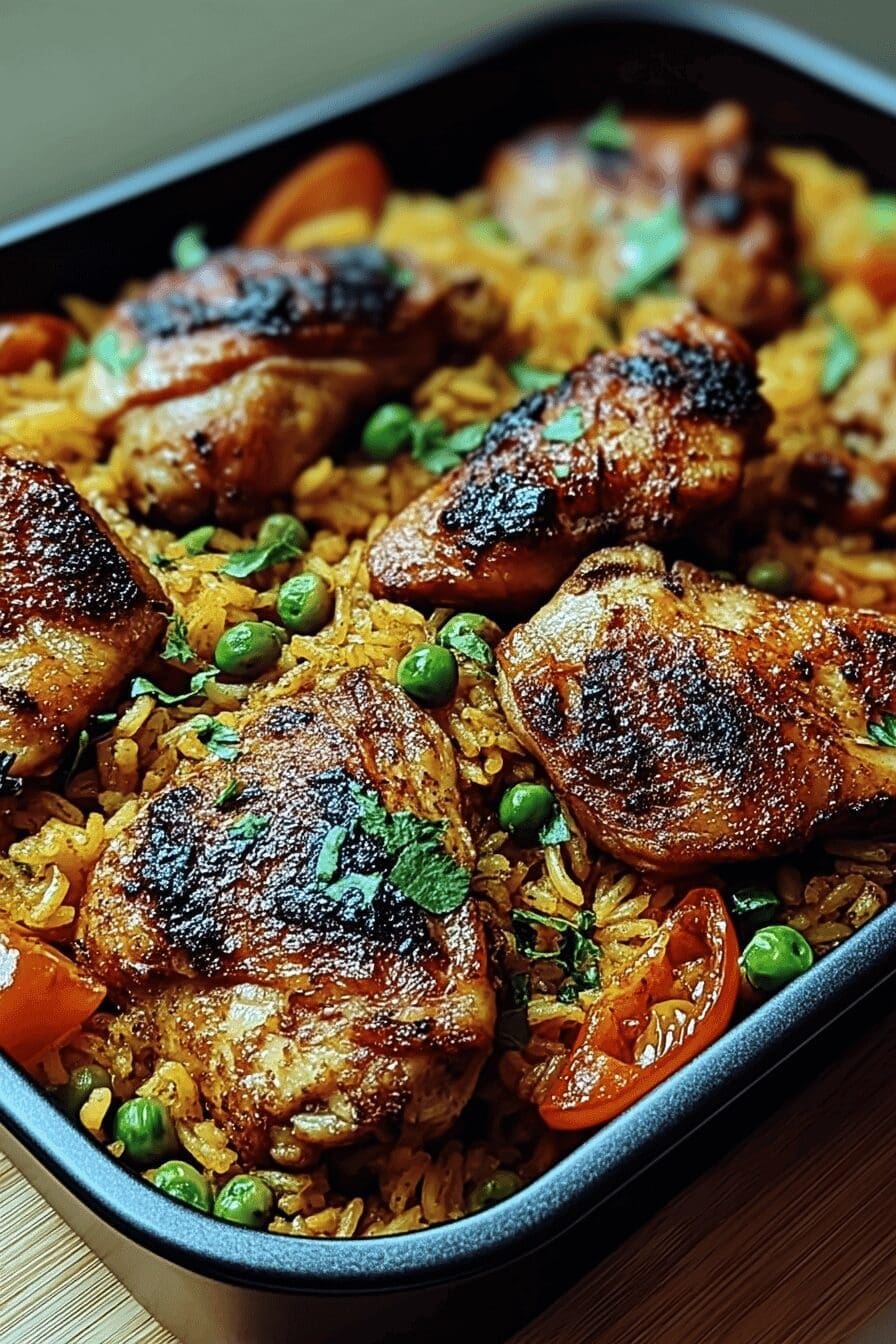
Caribbean chicken offers a nutrient-dense meal packed with benefits. Below is a detailed look at its nutritional profile based on a typical serving of approximately one cup of the chicken mixture.
| Nutrient | Amount per Serving |
|---|---|
| Calories | 242 kcal |
| Protein | 24 grams |
| Total Fat | 6 grams (1 gram saturated fat) |
| Cholesterol | 63 mg |
| Sodium | 605 mg |
| Carbohydrates | 20 grams (15 grams sugars, 1 gram fiber) |
| Vitamins & Minerals | Vitamin A, Vitamin C, Calcium, Iron (from fresh herbs and tomatoes) |
This dish supports muscle repair and energy with its high protein content, while fresh ingredients contribute valuable antioxidants and micronutrients. To keep sodium levels moderate, opt for low-sodium barbecue sauce and seasonings when possible. Pairing the chicken with a nutritious side such as brown rice or steamed vegetables enhances the meal’s overall healthiness and balance.
FAQs: Frequently Asked Questions About Caribbean Chicken
How do I know when Caribbean chicken is fully cooked and safe to eat?
Caribbean chicken should be cooked to an internal temperature of 165°F (74°C) to ensure it’s safe to eat. Use a food thermometer inserted into the thickest part of the chicken without touching bone. When it reaches 160°F, remove it from heat and let it rest; the temperature will rise to 165°F as it finishes cooking. This method prevents undercooking and keeps the chicken juicy.
Can I use fresh pineapple instead of canned in Caribbean chicken recipes?
Yes, fresh pineapple is a great substitute for canned pineapple in Caribbean chicken dishes. Use about 1 cup of chopped fresh pineapple for similar flavor and texture. Fresh pineapple offers a brighter, less sweet taste and adds a nice tropical touch. Make sure to remove the core and chop finely to blend well with the sauce or salsa.
What are some good side dishes to serve with Caribbean chicken?
Caribbean chicken pairs well with a variety of sides. Brown rice is a popular choice because it adds fiber and a nutty flavor that complements the spices. You can also serve it with coconut rice, fried plantains, steamed vegetables, or a fresh pineapple salsa. These sides help balance the spicy and sweet notes in the chicken.
Can I marinate Caribbean chicken overnight, and will it affect the texture?
Marinating overnight is possible but not always recommended. Ingredients like lime or citrus juice in the marinade can begin to “cook” the chicken, changing its texture and making it mushy if left too long. Ideally, marinate for up to 3 hours to enhance flavor without compromising texture. If you prefer longer marinating, reduce or omit acidic components.
Is it okay to make Caribbean chicken using boneless chicken breasts or thighs?
Yes, you can use boneless chicken breasts or thighs instead of bone-in pieces. Keep in mind breast meat is leaner and cooks faster, so adjust cooking time accordingly to avoid drying out. Thighs remain tender and flavorful when cooked longer. Using a mix of both can offer a good balance of texture and taste in your dish.

Quick Caribbean Jerk Chicken with Tangy Pineapple Salsa Recipe
🍗 Discover the vibrant flavors of the Caribbean with this delightful Quick Caribbean Jerk Chicken dish. Perfect for busy nights, it brings a taste of the tropics to your table.
🍍 Packed with juicy pineapple salsa, this recipe is not only quick to prepare but also a burst of sweet and tangy flavors with every bite.
- Total Time: 20 minutes
- Yield: 4 servings 1x
Ingredients
1 tablespoon olive oil
1 pound boneless, skinless chicken breasts, cut into 1-inch pieces
2 teaspoons garlic-herb seasoning blend
1 can (14.5 ounces) fire-roasted diced tomatoes with liquid
1 can (8 ounces) unsweetened pineapple chunks, drained
1/4 cup barbecue sauce
1 teaspoon hot sauce (optional)
Fresh cilantro or parsley leaves for garnish
Hot cooked rice to serve
Instructions
1. Heat the olive oil in a large nonstick skillet over medium-high heat. Add the chicken pieces and garlic-herb seasoning; sauté until the chicken is lightly browned and no longer pink inside, about 5 minutes.
2. Add the fire-roasted diced tomatoes with their liquid, pineapple chunks, and barbecue sauce. Stir well and bring the mixture to a boil.
3. Reduce the heat to medium and cook, stirring occasionally, until the flavors meld and the chicken is fully cooked, about 5 to 7 minutes. Add a splash of water or broth if you need to adjust the sauce consistency.
4. Serve hot over cooked rice and garnish with fresh cilantro or parsley, if desired.
Last Step:
Please leave a rating and comment letting us know how you liked this recipe! This helps our business to thrive and continue providing free, high-quality recipes for you.Notes
🔍 Ensure chicken reaches an internal temperature of 165°F (74°C) for food safety.
🍍 Try using fresh pineapple for a sweeter, more vibrant flavor, or experiment with mango as an alternative.
🔥 For an extra kick, incorporate diced jalapeños or adjust the amount of hot sauce to suit your preference.
- Prep Time: 10 minutes
- None: 0 minutes
- Cook Time: 10 minutes
- Category: Main Course
- Method: Stovetop
- Cuisine: Caribbean
- Diet: Gluten Free
Nutrition
- Serving Size: 1 cup
- Calories: 242 kcal
- Sugar: 15 grams
- Sodium: 605 mg
- Fat: 6 grams
- Saturated Fat: 1 gram
- Unsaturated Fat: 5 grams
- Trans Fat: 0 grams
- Carbohydrates: 20 grams
- Fiber: 1 gram
- Protein: 24 grams
- Cholesterol: 63 mg


