

Benefits and Advantages of cake balls
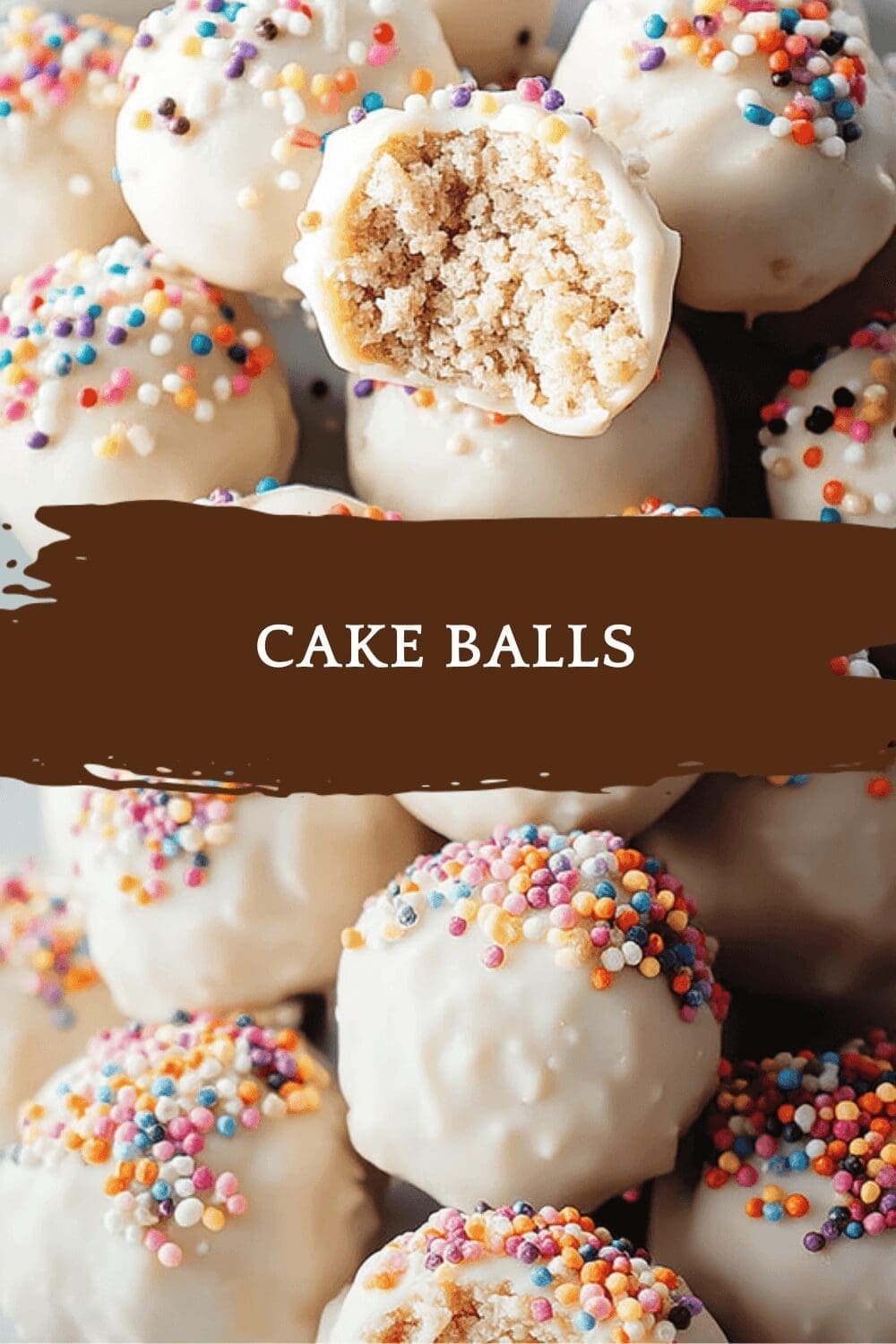
Cake balls are a delightful and convenient dessert option that combines ease of preparation with enjoyable taste and texture. One of their key advantages is simplicity requiring just a few basic ingredients and minimal steps, making them accessible for bakers of any experience level. Cake balls offer flexibility since they can be made from leftover cake scraps, reducing waste while turning imperfect baked goods into attractive treats.
These bite-sized sweets are perfect for portion control, ideal for parties, gift giving, or casual snacking. They can be flavored and decorated in endless variations, allowing customization for seasons, celebrations, or personal flavor preferences. Additionally, cake balls adapt well to dietary needs when ingredient substitutions are made, accommodating gluten-free, vegan, or low-calorie diets.
With their compact size and endless versatility, cake balls blend convenience, customization, and crowd-pleasing appeal into one irresistible bite.
Jump to:
- Benefits and Advantages of cake balls
- Essential Ingredients for cake balls
- Dietary Substitutions to Customize Your cake balls
- How to Prepare the Perfect cake balls: Step-by-Step Guide
- Mastering cake balls: Advanced Tips and Variations
- How to Store cake balls: Best Practices
- Nutritional Value of cake balls
- FAQs: Frequently Asked Questions About cake balls
- What exactly are cake balls and how are they made?
- Can I use leftover cake or different types of cake to make cake balls?
- How do I prevent cracking in the chocolate coating when dipping cake balls?
- What are some popular decorating and coating options for cake balls?
- How should cake balls be stored and can I freeze them?
- cake balls
- Ingredients
- Instructions
- Last Step:
- Notes
- Nutrition
- Did you make this recipe?
Essential Ingredients for cake balls
Crafting perfect cake balls requires just a few core ingredients, each contributing to structure, flavor, and coating:
- 1 box cake mix (your preferred flavor) or approximately 280g (2 cups) homemade or store-bought cake
- Eggs, oil, and water as directed by the cake mix or recipe
- 1 cup plus 2 tablespoons canned frosting or about 140g (1 cup) homemade frosting such as buttercream or cream cheese icing
- 1 pound (about 450g) candy melts or quality baking chocolate for coating
- ½ cup sprinkles (optional, for decoration)
- Additional coating options include finely chopped nuts, desiccated coconut, cocoa powder, crushed cookies, or crushed candies
Each ingredient plays an important role: the cake provides flavor and texture, the frosting binds the crumbs into a moldable dough, and the coating adds richness and visual appeal. Choosing quality coatings and frostings impacts the final taste and appearance greatly.
Dietary Substitutions to Customize Your cake balls
Adapting cake balls to dietary restrictions is straightforward and can accommodate most preferences:
- Gluten-Free: Use certified gluten-free cake mixes or homemade recipes with gluten-free flours like almond or oat flour.
- Vegan: Select plant-based cakes and bind crumbs using vegan frosting alternatives such as coconut cream or nut-based spreads.
- Dairy-Free: Substitute dairy frosting with vegan cream cheese or use soaked chia seeds mixed with plant-based milk as a binder.
- Sugar-Free/Low-Sugar: Opt for sugar-free cakes and frostings sweetened with natural sweeteners like stevia or erythritol.
- Nut Allergies: Ensure all ingredients, including coatings and cake bases, are nut-free; swap nut flours for seed flours if necessary.
These substitutions maintain the texture, flavor, and enjoyment of cake balls while making them suitable and inclusive for various dietary preferences.
How to Prepare the Perfect cake balls: Step-by-Step Guide
- Bake the cake: Prepare your chosen cake per package or homemade recipe instructions. Allow it to cool completely to room temperature to prevent soggy crumbs.
- Crumble the cake: Break apart the cooled cake into fine crumbs in a large mixing bowl, ensuring no large clumps remain for better binding.
- Add the binder: Gradually mix in frosting, cream cheese, or vegan alternatives. Add small amounts incrementally until the mixture becomes a soft, non-sticky dough that holds shape without cracking. Typically, a 2:1 cake-to-frosting ratio works well.
- Chill the mixture: Cover and refrigerate for 1–2 hours, or freeze for about 1 hour, to firm the dough, making rolling easier and smoother.
- Roll into balls: Using a spoon or small cookie scoop, portion out and roll the dough into tablespoon-sized balls, approximately the size of a walnut. Place on parchment-lined trays.
- Chill again: Refrigerate the rolled balls for about 30 minutes to an hour to firm before coating.
- Melt the coating: Using a double boiler or microwave, carefully melt candy melts or baking chocolate, stirring every 30 seconds until smooth. Thin with a small amount of shortening or oil if needed for better dipping consistency.
- Dip the balls: For cake pops, insert lollipop sticks by dipping the tip in coating and inserting halfway into the ball. Then dip the cake balls fully into the coating, allowing excess to drip off. Place on parchment to set.
- Decorate: While the coating is wet, quickly add sprinkles, nuts, or other toppings as desired to ensure they stick well.
- Set the coating: Let the coated cake balls rest at room temperature or refrigerate until the coating hardens fully, about an hour.
This thorough yet adaptable method ensures cake balls that are flavorful, evenly coated, and ready to impress at any event or as a sweet snack.
Mastering cake balls: Advanced Tips and Variations
To master the art of cake balls, incorporate flavor infusions such as vanilla, almond, lemon, or peppermint extracts into the cake crumb mixture or frosting binder for added depth. Adding finely chopped nuts, dried fruit, or mini chocolate chips to the dough can create pleasant texture contrasts. For coating, experiment with double dipping in chocolate or candy melts to achieve thicker, smoother shells. Consider using silicone molds to shape cake balls into unique forms beyond the traditional sphere, bringing creative flair to your treats.
Filling cake balls with a small dollop of jam, caramel, or ganache before coating adds a surprising burst of flavor and moistness inside. For dietary customization, dark chocolate coatings add antioxidants and tend to be lower in sugar, while coconut oil-based coatings serve as excellent vegan options. Keeping the melted coating at the right temperature is essential to avoid cracks cool slightly before dipping to maintain a smooth finish. Adjust chilling times based on the environment to prevent melting or cracking and maintain firmness.
These subtle yet effective tweaks help create bakery-quality cake balls that impress with flavor, texture, and presentation.
How to Store cake balls: Best Practices
Proper storage safeguards cake balls’ freshness and flavor. Store them in an airtight container in the refrigerator for 4 to 5 days to prevent drying out. For extended storage, freeze cake balls by first allowing them to harden on a tray, then transferring them to a freezer-safe container or bag. In the freezer, they can be kept for up to two months without losing quality.
When ready to enjoy, thaw frozen cake balls by placing the container in the refrigerator for several hours or overnight to ensure gradual, even thawing that preserves texture. Avoid reheating cake balls in the microwave for long periods, as this can cause the coating to melt improperly. Note that chocolate coatings may develop condensation when moved from freezer to warm environments, so allow them to acclimate in sealed containers.
Following these best practices ensures your cake balls stay deliciously fresh for both immediate treats and special occasions.
Nutritional Value of cake balls
Cake balls usually contain between 100 and 150 calories per piece, depending on the recipe and size. The fat content mainly comes from the frosting or cream cheese and the coating, with saturated fats present due to chocolate or candy melts. Protein content is generally low but slightly increased when including cream cheese or nut-based binders.
Carbohydrates make up the major portion of calories, mainly from sugar and flour. Gluten-free flours or sugar substitutes can be used to tailor the nutritional profile to specific dietary needs. Fiber content is minimal unless whole-grain or fiber-rich flours are incorporated.
| Nutrient | Approximate Amount per Cake Ball |
|---|---|
| Calories | 116 |
| Carbohydrates | 21 g |
| Fat | 7 g (1 g saturated fat) |
| Sodium | 116 mg |
| Sugar | 15 g |
| Calcium | 31 mg |
| Iron | 0.3 mg |
Choosing lower-fat frostings, sugar alternatives, or gluten-free flours can help adjust calorie counts and nutritional values without sacrificing taste.
FAQs: Frequently Asked Questions About cake balls
What exactly are cake balls and how are they made?
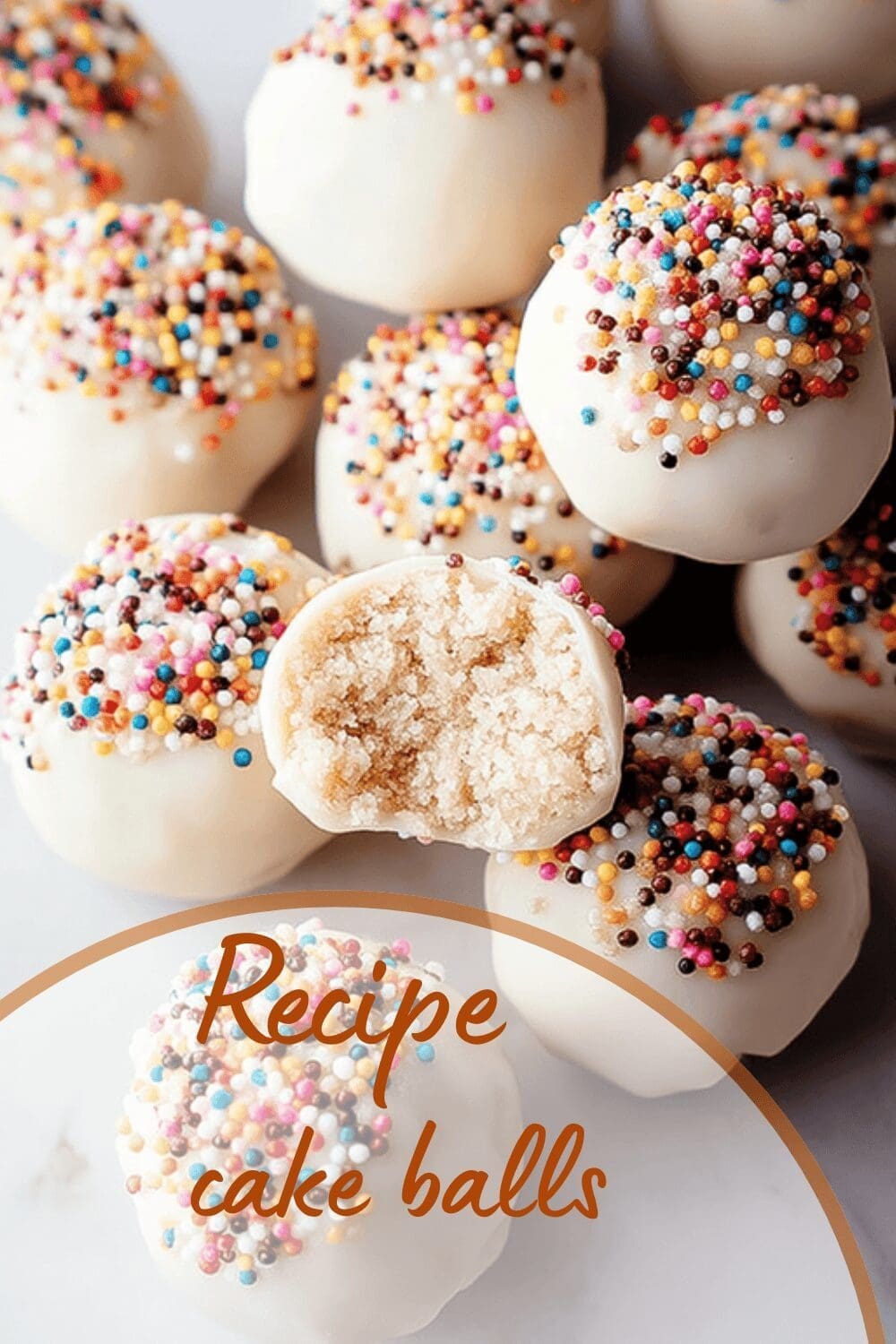
Cake balls are bite-sized treats made by mixing crumbled cake with frosting to form a dough-like consistency, then rolling it into small balls. These balls are typically coated in melted candy or chocolate and decorated with sprinkles or other toppings. To make them, bake a cake (or use leftover cake), crumble it finely, blend with enough frosting to hold together without being sticky, shape into balls about 1 to 1.5 inches in diameter, then chill before dipping in melted coating.
Can I use leftover cake or different types of cake to make cake balls?
Yes, cake balls are a great way to use leftover cake scraps, cupcakes, or even muffins. Any cake type works, but denser cakes may require less frosting, while lighter cakes need a bit more to bind properly. Adjust the frosting gradually until the mixture holds its shape without being too sticky. This flexibility helps reduce waste and makes cake balls a versatile dessert option.
How do I prevent cracking in the chocolate coating when dipping cake balls?
To avoid cracks, ensure the melted chocolate or candy coating isn’t too hot—let it cool for about 5 minutes after melting. Also, make sure the cake balls are fully chilled before dipping. The temperature difference can cause cracking if the coating cools too quickly. Using quality melts and gently tapping off excess coating will help create a smooth, even layer.
What are some popular decorating and coating options for cake balls?
Common coatings include melted chocolate, colored candy melts, or white chocolate tinted with gel food coloring. Decorations can range from sprinkles, chopped nuts, shredded coconut, cocoa powder, cookie crumbs, to crushed candies like M&M’s. Applying sprinkles or decorations immediately after dipping ensures they stick well. Mixing toppings offers a fun way to customize appearance and flavor.
How should cake balls be stored and can I freeze them?
Store cake balls in an airtight container in the refrigerator for up to one week. For longer storage, freeze them after the coating has completely hardened, placing them in a freezer-safe bag or container. They can be kept frozen for up to six weeks. Thaw frozen cake balls overnight in the refrigerator to maintain their texture and flavor before serving.

cake balls
🎂 Irresistibly fun and easy to make, these Cake Balls are perfect for parties and sharing with friends.
🍫 Delight in the endless customization possibilities, from flavor combinations to decorative coatings, ensuring each bite is a delicious surprise.
- Total Time: 2 to 3 hours
- Yield: 24 cake balls 1x
Ingredients
1 box cake mix (flavor of your choice) or approximately 280g (2 cups) homemade or store-bought cake
Eggs, oil, and water as required by the cake mix box (if using box mix)
1 cup plus 2 tablespoons canned frosting (flavor of your choice) or approximately 140g (1 cup) homemade frosting such as buttercream or cream cheese icing
1 pound (about 450g) candy melts or quality baking chocolate for coating
1/2 cup sprinkles (optional)
Additional coating options: finely chopped nuts, desiccated coconut, cocoa powder, crushed cookies, or crushed sweets
Instructions
1. Prepare cake according to box instructions or bake your homemade cake and allow it to cool completely.
2. Crumble cooled cake finely into a large bowl.
3. Gradually mix cake crumbs with frosting until a soft, non-sticky dough forms, adding more frosting if needed to achieve a moist but firm consistency that holds shape without cracking.
4. Roll the mixture into tablespoon-sized balls and place on a parchment-lined baking sheet.
5. Chill the balls in the refrigerator for at least 1 to 2 hours or freeze for about 1 hour.
6. Melt candy melts or chocolate in a microwave-safe bowl or double boiler until smooth, stirring every 30 seconds.
7. Dip cake balls fully into the melted coating, tapping off excess, and place on parchment paper to set. Add sprinkles or decorations while the coating is still wet.
8. Allow the coating to set completely at room temperature or in the refrigerator.
Last Step:
Please leave a rating and comment letting us know how you liked this recipe! This helps our business to thrive and continue providing free, high-quality recipes for you.Notes
🍰 Use a tall, narrow container for dipping to coat balls more evenly.
❄️ Rolling the mixture when cold helps achieve better shape and texture.
🧁 Adding frosting incrementally helps achieve the right consistency without making the dough too sticky.
- Prep Time: 30 minutes
- Chill time: 1 to 2 hours
- Cook Time: 30 to 36 minutes
- Category: Dessert
- Method: No-Bake
- Cuisine: American
- Diet: Varies
Nutrition
- Serving Size: 1 cake ball
- Calories: 116
- Sugar: 15g
- Sodium: 116mg
- Fat: 7g
- Saturated Fat: 1g
- Carbohydrates: 21g


