

Benefits and Advantages of Cake Balls
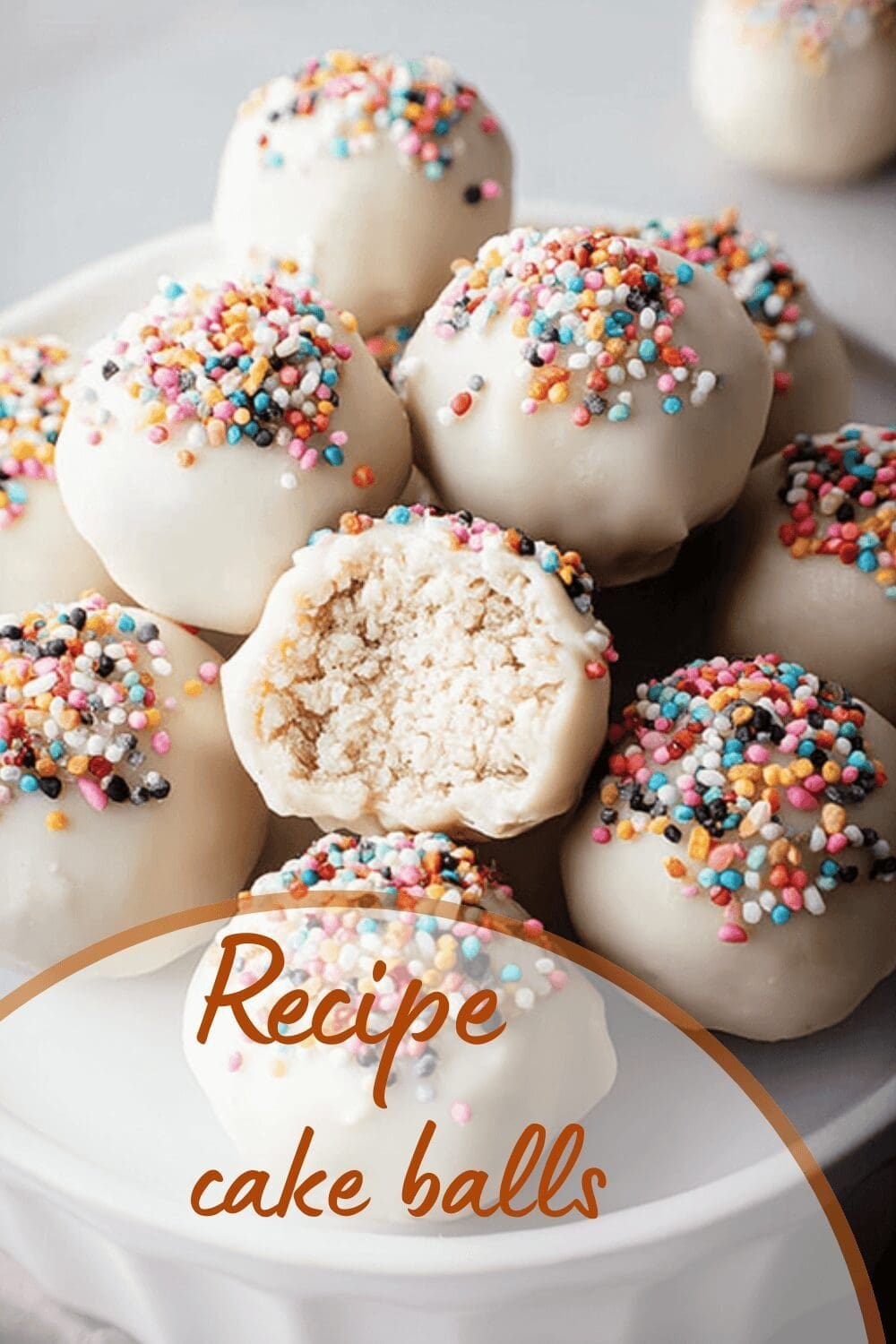
Cake balls offer a delightful combination of simplicity and versatility, making them perfect treats for bakers of all skill levels. Their quick preparation minimizes time in the kitchen without sacrificing flavor or texture. These bite-sized sweets adapt easily to various dietary needs, including vegan and gluten-free preferences, broadening their appeal.
Health-conscious variations are also possible by swapping traditional ingredients for lower-calorie or allergen-friendly alternatives. Cake balls’ small size promotes easy portion control, making them ideal for parties and guilt-free snacking. Their luscious texture balances moist cake crumbs with creamy frosting and a smooth outer coating, delivering a satisfying bite every time.
This blend of ease, customization, and indulgence positions cake balls as a favorite choice for homemade desserts.
Jump to:
- Benefits and Advantages of Cake Balls
- Essential Ingredients for Cake Balls
- Diet and Dietary Substitutions to Customize Your Cake Balls
- Vegan Options
- Gluten-Free Alternatives
- Low-Calorie and Sugar-Free Choices
- Nut-Free Adaptations
- Keto-Friendly Versions
- How to Prepare the Perfect Cake Balls: Step-by-Step Guide
- Mastering Cake Balls: Advanced Tips and Variations
- How to Store Cake Balls: Best Practices
- Nutritional Value of Cake Balls
- FAQs: Frequently Asked Questions About Cake Balls
- What are cake balls made of and how do they differ from cake pops?
- How can I prevent the chocolate coating on cake balls from cracking?
- Can cake balls be prepared ahead of time and how should they be stored?
- Is it possible to customize the flavor and color of cake balls?
- How many cake balls can I expect to make from a standard cake recipe?
- cake balls
- Ingredients
- Instructions
- Last Step:
- Notes
- Nutrition
- Did you make this recipe?
Essential Ingredients for Cake Balls
The following core ingredients form the basis for creating perfect cake balls:
- 1 box cake mix (any flavor) or homemade cake baked with ingredients such as flour, eggs, butter, sugar, and vanilla.
- Eggs, oil, and water as required by the cake mix recipe (for example, 3 large eggs, 1/2 cup vegetable oil, and 1 1/4 cups water).
- 1 cup plus 2 tablespoons of canned or homemade frosting, which binds the cake crumbs into a pliable dough.
- Optional: 8 oz cream cheese and 2 tablespoons cocoa powder to enrich chocolate cake balls.
- 8 to 24 ounces of candy melts or chocolate coating wafers, depending on batch size, used for dipping and finishing.
- Optional: 1 to 2 teaspoons shortening or coconut oil to thin candy melts for smoother dipping.
- Decorations: About 1/2 cup sprinkles, mini chocolate chips, coconut shreds, or toffee bits to customize appearances.
Balancing quantities, such as approximately 2 cups of cake crumbs to 1/2 cup of frosting, helps achieve a moldable, non-sticky mixture ideal for shaping.
Diet and Dietary Substitutions to Customize Your Cake Balls
Cake balls are highly adaptable for various dietary restrictions or preferences with straightforward substitutions:
Vegan Options
Replace dairy butter and frosting with vegan margarine and plant-based frostings. Use vegan cakes or cake mixes free from animal products to maintain texture and flavor.
Gluten-Free Alternatives
Utilize gluten-free cake mixes or homemade gluten-free cakes, combining almond, coconut, or other gluten-free flours. Confirm that coatings and decorations are also gluten-free to prevent cross-contamination.
Low-Calorie and Sugar-Free Choices
Swap traditional sugar with natural substitutes like stevia or erythritol in frostings and cakes. Opt for reduced-fat or fat-free frostings to lower caloric intake without losing moisture or taste.
Nut-Free Adaptations
Avoid nuts and nut-derived ingredients to accommodate allergies. Replace with seed-based alternatives or additional fruit flavors and decorations that are safe and allergen-friendly.
Keto-Friendly Versions
Make cake balls using almond flour-based cakes and sugar-free coating options to match ketogenic dietary requirements.
These substitutions enable cake balls to satisfy a wide spectrum of dietary needs while preserving their rich and creamy texture.
For detailed guidance, visit How to Make Cake Balls and Tips for Perfect Cake Balls.
Discover related dessert recipes such as Chocolate Tiramisu and Coconut Cream Balls on our blog.
How to Prepare the Perfect Cake Balls: Step-by-Step Guide
- Prepare the cake base: Bake your cake according to the box instructions or homemade recipe, ensuring it suits your dietary preferences (gluten-free, vegan, etc.). Allow the cake to cool completely on a wire rack.
- Crumble the cake: Break down the cooled cake into fine, uniform crumbs using a stand mixer or by hand to create a smooth texture for binding.
- Add frosting: Gradually incorporate frosting into the cake crumbs. Mix thoroughly until a soft dough forms. Adjust the quantity of frosting if needed; the mixture should be moldable but not sticky.
- Shape the balls: Scoop or roll the dough into small, even-sized balls around 1 tablespoon each. Use gloves or utensils if needed for dietary hygiene.
- Chill the balls: Place shaped cake balls on a parchment-lined baking tray and chill in the refrigerator for at least 30 minutes to firm up for easier coating.
- Melt coating: Melt candy melts, chocolate wafers, or vegan alternatives in short bursts (20-30 seconds), stirring to smooth consistency. Thin with a teaspoon of shortening or coconut oil if too thick, then let cool slightly.
- Dip the cake balls: Using a fork or dipping tool, immerse chilled cake balls fully in the melted coating, gently tapping off excess. For cake pops, insert sticks before dipping.
- Decorate and set: Transfer coated balls to a parchment-lined surface. While coating is wet, add sprinkles, nuts, or other toppings if desired. Refrigerate to set coating completely.
- Store properly: Once set, store cake balls in airtight containers in the refrigerator or freezer following storage guidelines.
This method yields approximately 30-40 cake balls, a perfect batch for parties or gifting. For detailed insights, visit How to Make Cake Balls.
Mastering Cake Balls: Advanced Tips and Variations
Choose cake and frosting flavors that pair well to enhance taste classic options include chocolate cake with cream cheese frosting or vanilla cake with fruity frosting. Chill the mixture before rolling for better consistency and shape retention.
Maintain the right coating temperature to avoid cracking or sogginess avoid dipping cake balls when coating is too hot or too cool. Experiment with mix-ins like chopped nuts, dried fruit, or extracts to add texture and nuanced flavor.
Decorate cake balls creatively using colored candy melts, cocoa powder dusting, or powdered sugar for a polished look. Vegan and gluten-free versions are achievable by selecting compatible ingredients and coatings.
With precision and experimentation, your cake balls will impress in both appearance and flavor.
How to Store Cake Balls: Best Practices
Store cake balls in airtight containers to keep them fresh and prevent drying out. For short-term storage (up to 1 week), refrigeration works best. For longer preservation, freeze cake balls by first placing them on a baking sheet in a single layer to harden, then transfer to freezer-safe containers or bags.
Thaw frozen cake balls overnight in the refrigerator before serving to maintain texture and flavor. Avoid leaving cake balls at room temperature for extended periods, which can affect their quality.
Proper storage helps retain the delightful taste and texture of cake balls, making them ready servings for any occasion.
Nutritional Value of Cake Balls
Nutritional content varies based on ingredients, but a typical cake ball contains:
| Nutrient | Approximate Amount per Cake Ball | Notes |
|---|---|---|
| Calories | 116–182 kcal | Varies with cake mix and coating |
| Carbohydrates | 21 g | Source of energy, mainly from sugar and flour |
| Fat | 7–11 g | Includes saturated fat from frosting and coating |
| Protein | Approximately 2 g | From eggs and dairy in cake and frosting |
| Sodium | 112–116 mg | Driven mostly by baking ingredients |
| Sugar | 15–16 g | Natural and added sugars combined |
For health-conscious options, consider sugar-free frostings and coatings. Detailed nutritional info available at Cake Balls Nutritional Information.
FAQs: Frequently Asked Questions About Cake Balls
What are cake balls made of and how do they differ from cake pops?
Cake balls are made by combining crumbled cake with frosting to create a soft dough, which is then shaped into small balls. Cake pops are essentially cake balls attached to sticks, making them easier to hold and eat. Both are dipped in candy or chocolate coating and decorated, but cake pops have the added element of the lollipop stick for presentation and convenience.
How can I prevent the chocolate coating on cake balls from cracking?
To avoid cracking, let the melted chocolate or candy coating cool for about 5 minutes before dipping the chilled cake balls. Using coating that is too hot causes it to shrink and crack as it cools. Also, make sure the cake balls are well chilled to ensure the coating sets smoothly without breaking.
Can cake balls be prepared ahead of time and how should they be stored?
Yes, cake balls can be made in advance. The shaped cake balls can be refrigerated for up to two days or frozen for up to three months before dipping. Once coated, store cake balls in an airtight container at room temperature for 5-7 days or refrigerate to keep them fresh for up to 10 days.
Is it possible to customize the flavor and color of cake balls?
Absolutely. You can change the flavor by using different cakes, frostings, and dipping chocolates such as white, dark, or flavored melts. The coating color can be customized by using colored candy melts or adding gel-based food coloring to white chocolate. Adding various sprinkles also helps personalize the appearance.
How many cake balls can I expect to make from a standard cake recipe?
A typical recipe using a 9″x13″ cake and standard frosting yields about 40 cake balls, depending on their size. Shaping the balls to about 1½ inches gives a consistent batch size and ensures easy handling when dipping and decorating.

cake balls
🍰 Indulge in a sweet treat that combines the fun of cupcakes with the elegance of truffles!
🍰 Perfect for parties or gifts, these cake balls are easy to customize with your favorite flavors and decorations.
- Total Time: 3 hours
- Yield: Approximately 30 to 40 cake balls 1x
Ingredients
1 box cake mix (any flavor)
3 large eggs
1/2 cup vegetable oil
1 1/4 cups water
1 cup plus 2 tablespoons canned or homemade frosting
8 oz cream cheese (optional for chocolate variations)
2 tablespoons cocoa powder (optional)
8 to 24 ounces candy melts or chocolate melting wafers
1 to 2 teaspoons shortening or coconut oil (if needed)
Decorations: 1/2 cup sprinkles, mini chocolate chips, coconut shreds, toffee bits
Instructions
1. Prepare the cake according to the package or recipe instructions with eggs, oil, and water. Bake and cool the cake completely.
2. Crumble the cooled cake into fine crumbs using a mixer or by hand.
3. Gradually mix in frosting until a soft dough forms. Add cream cheese and cocoa powder if using for chocolate variation.
4. Roll dough into tablespoon-sized balls and place them on a parchment-lined sheet.
5. Chill the cake balls for at least 1 hour.
6. Melt candy melts or chocolate in batches, stirring until smooth. Add shortening or coconut oil to thin if necessary.
7. Dip a lollipop stick into the melted coating and insert into each ball. Then dip the entire cake ball in the coating.
8. Tap off excess and place on parchment paper, adding sprinkles or decoration before it sets.
9. Let coating harden at room temperature or refrigerate, then store in an airtight container.
Last Step:
Please leave a rating and comment letting us know how you liked this recipe! This helps our business to thrive and continue providing free, high-quality recipes for you.Notes
🥄 Use a deep container for dipping to get a smooth finish.
❄️ Chill cake balls until firm to avoid crumbling during dipping.
🌈 Experiment with different flavor combinations and decorations for personalized treats.
- Prep Time: 30 minutes
- Chilling Time: 1 hour
- Cook Time: 36 minutes
- Category: Dessert
- Method: Baking
- Cuisine: American
- Diet: Vegetarian
Nutrition
- Serving Size: 1 cake ball
- Calories: 150
- Sugar: 15 grams
- Sodium: 114 mg
- Fat: 9 grams
- Saturated Fat: 3 grams
- Unsaturated Fat: 6 grams
- Trans Fat: 0 grams
- Carbohydrates: 21 grams
- Fiber: 0 grams
- Protein: 1 gram
- Cholesterol: 15 mg


