

Benefits and Advantages of cafeteria noodles
Cafeteria noodles provide a wonderful balance of convenience and flavor, making them a perfect choice for quick, satisfying meals. One key advantage is their straightforward preparation, which requires minimal and accessible ingredients, allowing even beginner cooks to create a comforting dish easily. This recipe is highly customizable, fitting various dietary preferences including low-calorie and nutrient-rich options by adding fresh vegetables and lean proteins. The versatility of cafeteria noodles lets you tailor them for vegan, gluten-free, or protein-enriched meals, making them suitable for diverse eating habits. This dish shines by marrying creamy textures with familiar flavors, offering both nourishment and comfort without the need for extensive time or effort in the kitchen. It’s a practical, tasty solution for families, busy professionals, and anyone craving classic comfort food with a simple twist.
Jump to:
- Benefits and Advantages of cafeteria noodles
- Essential Ingredients for cafeteria noodles
- Dietary Substitutions to Customize Your cafeteria noodles
- How to Prepare the Perfect cafeteria noodles: Step-by-Step Guide
- Mastering cafeteria noodles: Advanced Tips and Variations
- How to Store cafeteria noodles: Best Practices
- Nutritional Value of cafeteria noodles
- FAQs: Frequently Asked Questions About cafeteria noodles
- Can I add meat or vegetables to cafeteria noodles to make it a full meal?
- What type of noodles work best for cafeteria noodles?
- Can I make cafeteria noodles ahead of time and reheat them later?
- What can I use instead of cream of chicken soup in this recipe?
- How should I store leftover cafeteria noodles, and how long do they last?
- Cafeteria Noodles Recipe: Easy Creamy and Classic Comfort Food
- Ingredients
- Instructions
- Last Step:
- Notes
- Nutrition
- Did you make this recipe?
Essential Ingredients for cafeteria noodles
- 16 ounces (1 pound) egg noodles (regular, no yolk, or thin spaghetti as substitute)
- 4 cups (32 ounces) chicken stock or low sodium chicken broth
- 1 chicken bouillon cube or 1 tablespoon low sodium chicken bouillon powder
- 10.5 ounces condensed cream of chicken soup (low sodium or homemade alternative possible)
- ½ cup (1 stick) salted butter (unsalted butter can be used)
- Black pepper to taste
- Parsley for garnish (optional)
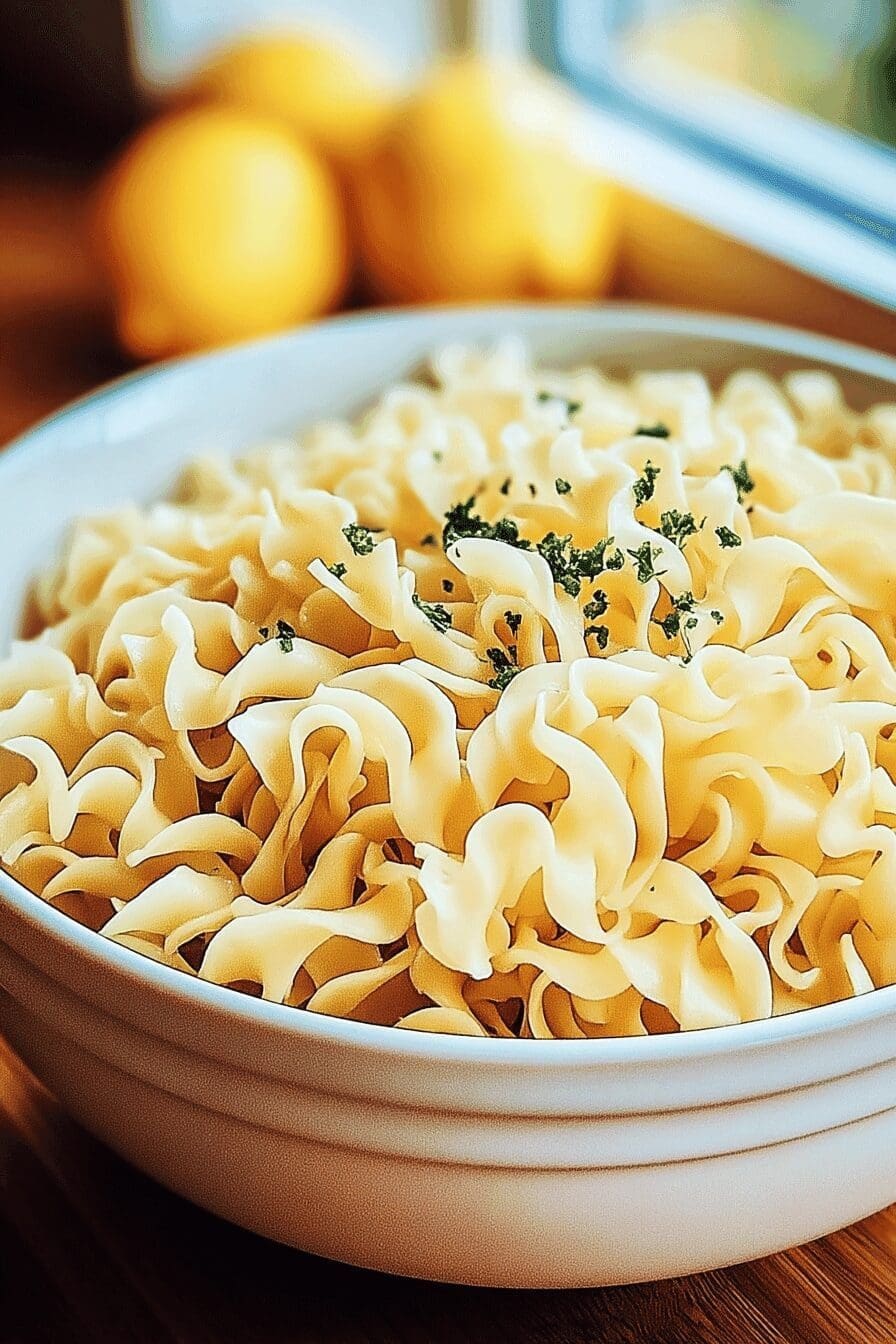
These ingredients are core to the authentic flavor and creamy consistency of cafeteria noodles. Egg noodles provide a hearty base, chicken broth and bouillon infuse robust savory notes, while condensed cream of chicken soup supplies richness and tang. Butter adds a luscious mouthfeel, and simple seasonings like black pepper balance the dish. Garnishing with parsley offers freshness and visual appeal.
Dietary Substitutions to Customize Your cafeteria noodles
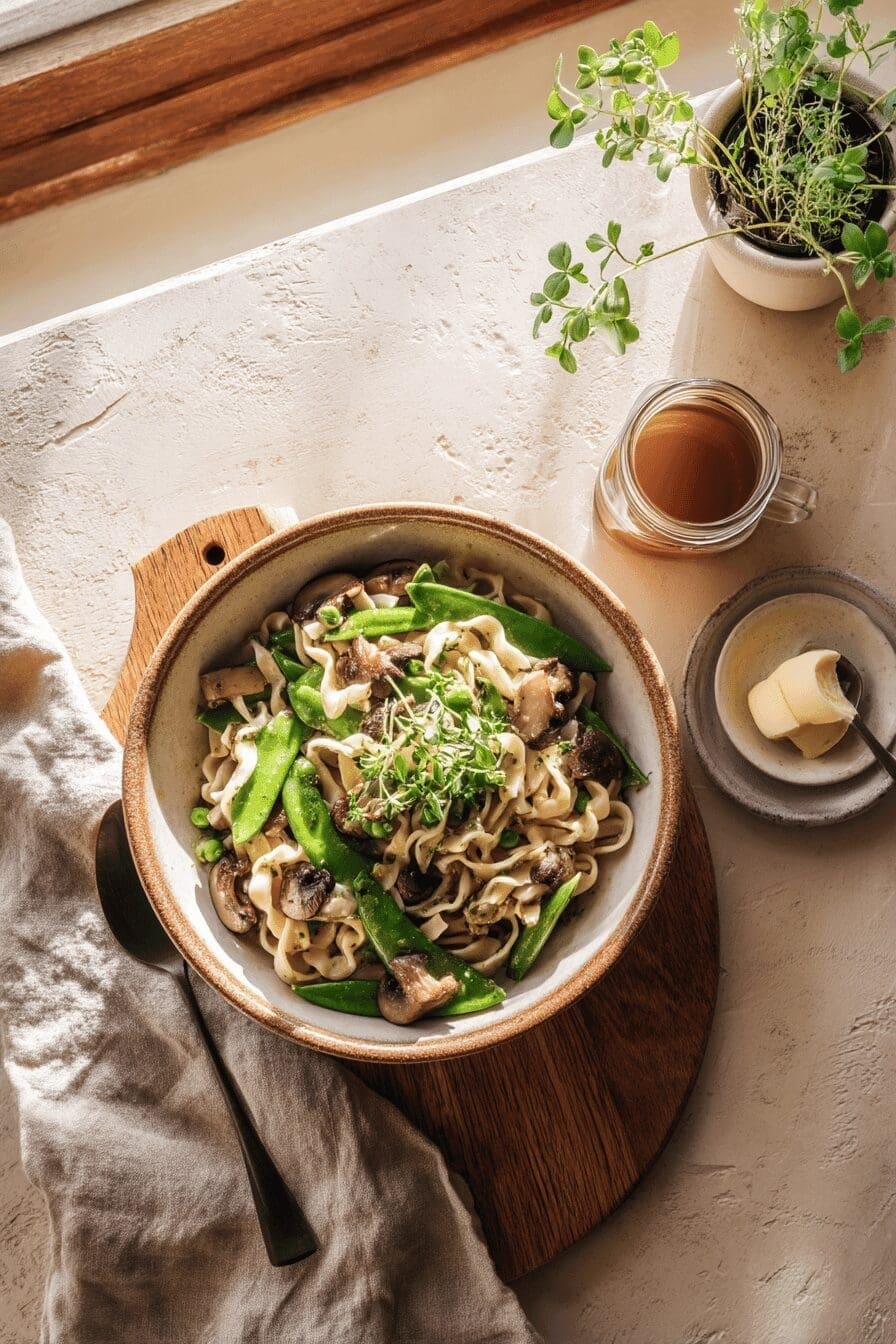
Cafeteria noodles are highly adaptable to accommodate various dietary needs and ingredient availability:
- Gluten-Free: Replace regular egg noodles with rice noodles, gluten-free egg noodles, or thin spaghetti made from gluten-free grains to maintain texture and flavor.
- Vegan: Use plant-based butter or olive oil, substitute cream of chicken soup with cream of mushroom or celery (vegan versions) or a homemade dairy-free cream soup, and swap chicken broth for vegetable broth. Incorporate tofu or plant proteins for added substance.
- Low-Calorie: Use vegetable or low-sodium broths, substitute butter partially or fully with unsweetened applesauce, and reduce cream or replace with low-fat dairy or plant-based alternatives.
- Protein Boost: Add cooked ground beef, shredded chicken, turkey, or shrimp for heartier meals.
- Nut-Free and Allergy-Friendly: Omit sesame or nut-based flavorings (if used) and choose safe oils like olive or canola oil.
These substitutions maintain flavor and texture integrity while broadening the dish’s appeal to many diet types.
How to Prepare the Perfect cafeteria noodles: Step-by-Step Guide
- Bring broth to boil: In a large pot or deep skillet with lid, combine 4 cups of chicken stock and chicken bouillon cube or powder. Bring to a boil over medium-high heat, whisking to dissolve fully.
- Add noodles: Stir in 16 ounces of egg noodles, making sure they are submerged evenly. Return to a boil.
- Mix in cream soup: Stir 10.5 ounces of condensed cream of chicken soup into the boiling mixture. Cook until it comes back to a gentle boil, about 2 minutes.
- Simmer noodles: Reduce heat to medium. Cook uncovered, stirring occasionally, for 10–12 minutes or until noodles are tender. Alternatively, after boiling, cover pot and remove from heat, letting noodles sit covered about 10 minutes to finish cooking without active heat.
- Finish with butter: Remove from heat. Stir in ½ cup (1 stick) butter until melted and fully incorporated, creating a creamy, buttery sauce.
- Season and garnish: Add black pepper and salt to taste. Garnish with fresh parsley if desired.
- Serve: Serve immediately while warm alongside your favorite entrees or as a comforting side dish.
Following these detailed steps ensures tender, creamy cafeteria noodles with rich flavor and a classic, comforting texture every time.
For a helpful guide on homemade cream of chicken soup alternatives and tips add depth to your cooking.
Mastering cafeteria noodles: Advanced Tips and Variations
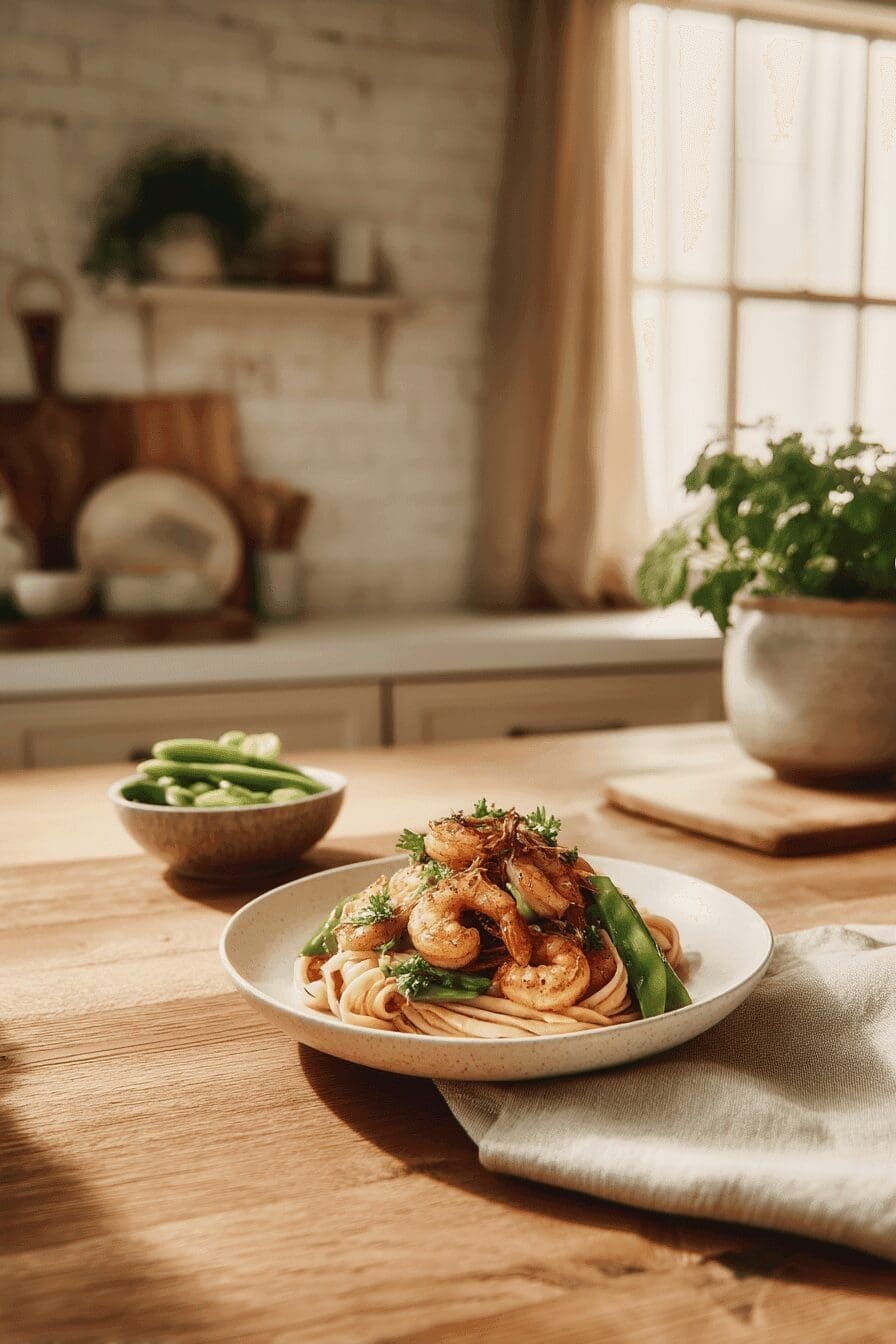
To master cafeteria noodles, consider marinating your choice of protein, such as chicken or shrimp, in complementary sauces like soy sauce mixed with garlic and ginger to boost flavor depth. Experiment with various vegetables seasonal produce like snap peas, mushrooms, or zucchini keeps the dish exciting and colorful. Add spices such as chili flakes or five-spice powder for a subtle heat and aromatic complexity. For textural contrast, sprinkle toasted nuts or crispy shallots as toppings; just make sure to provide nut-free alternatives for guests with allergies.
Explore different noodle types like soba, buckwheat, or whole grain noodles to diversify taste and nutrients. You can also vary cooking techniques try steaming veggies for a softer bite or crisp-tossing them for crunch. These options allow you to tailor cafeteria noodles constantly, making it a flexible recipe that suits personal preferences while balancing flavor, nutrition, and ease.
Creative ingredient swaps and cooking methods keep cafeteria noodles fresh and satisfying every time you prepare it.
How to Store cafeteria noodles: Best Practices
Proper storage is key to maintaining the taste and texture of cafeteria noodles. Place leftovers in an airtight container within two hours of cooking to keep them fresh. They can be refrigerated and safely consumed within three days. For extended storage, freeze individual portions in freezer-safe containers or bags for up to two months, ensuring no air pockets to prevent freezer burn.
Thaw frozen noodles overnight in the refrigerator or use the microwave’s defrost setting. When reheating, warm gently in a skillet or microwave, adding a splash of water or broth to maintain moisture and creaminess. Stir occasionally to prevent clumping or drying out. These preservation techniques help you enjoy cafeteria noodles conveniently without sacrificing flavor or texture.
Effective storage methods extend the life of your dish, making it ideal for meal prepping and easy reheating.
Nutritional Value of cafeteria noodles
| Nutrient | Approximate Amount Per Serving |
|---|---|
| Calories | 245-297 kcal |
| Carbohydrates | 34-47 g |
| Protein | 7-12 g |
| Total Fat | 6-9 g |
| Sodium | 565-613 mg |
| Dietary Fiber | 2 g |
| Sugar | 3 g |
Cafeteria noodles provide a balanced energy source with moderate carbohydrates from noodles and vegetables, alongside protein from added meats or tofu. Healthy fats mainly come from butter, and sodium content depends on broth and seasoning choices. Vegetables contribute dietary fiber and micronutrients, supporting digestion and overall health. Opting for low-sodium broth or homemade cream soups can improve the nutritional profile.
FAQs: Frequently Asked Questions About cafeteria noodles
Can I add meat or vegetables to cafeteria noodles to make it a full meal?
Yes, adding cooked proteins such as shredded chicken, ground beef, rotisserie chicken, shrimp, or leftover pork can turn cafeteria noodles into a complete meal. You can also mix in vegetables like peas, mushrooms, broccoli, or steamed carrots for extra nutrition and flavor. Simply stir these additions in towards the end of cooking to warm through without overcooking the noodles.
What type of noodles work best for cafeteria noodles?
Traditional recipes call for dried egg noodles because they cook quickly and absorb the sauce well. However, you can substitute other pasta shapes like rotini, penne, or bowties—just adjust the cooking time accordingly. For gluten-free options, use gluten-free egg noodles and check that all other ingredients are gluten-free.
Can I make cafeteria noodles ahead of time and reheat them later?
Yes, you can prepare cafeteria noodles a couple of hours ahead or even the day before. To reheat, add a splash of broth or milk to restore creaminess, then warm gently on the stovetop or microwave. Covering the noodles while resting off heat also helps them finish cooking and stay tender.
What can I use instead of cream of chicken soup in this recipe?
Cream of chicken soup provides the signature flavor and creaminess, but you can substitute with other canned “cream of” soups like mushroom or celery depending on your taste. You can also make a homemade version using a roux with broth and milk as a healthier alternative. Be sure to adjust seasoning if you use a different base.
How should I store leftover cafeteria noodles, and how long do they last?
Store leftovers in an airtight container in the refrigerator for up to 3 days. For best texture, avoid freezing as the creamy sauce may separate. When reheating, add a little broth or milk to maintain moisture and stir gently to prevent clumping. Reheat over low heat until warmed through.

Cafeteria Noodles Recipe: Easy Creamy and Classic Comfort Food
🍜 Create a nostalgic experience with these creamy cafeteria noodles, perfect for a cozy family meal.
🥣 Easy to make and loved by picky eaters, this dish simplifies both preparation and cleanup while delivering rich flavor.
- Total Time: 30 minutes
- Yield: 6 servings 1x
Ingredients
4 cups (32 ounces) chicken stock or low sodium chicken broth
1 chicken bouillon cube or 1 tablespoon low sodium chicken bouillon powder
16 ounces (1 pound) egg noodles
10.5 ounces condensed cream of chicken soup
1/2 cup (1 stick) salted butter
Black pepper to taste
Parsley for garnish (optional)
Instructions
1. In a large pot or deep skillet, bring chicken stock and bouillon to a boil over medium-high heat, whisking to dissolve the bouillon completely.
2. Add egg noodles, stirring to submerge evenly in the broth, and bring back to a boil.
3. Stir in cream of chicken soup and cook until the mixture returns to a gentle boil, about 2 minutes.
4. Reduce heat to medium and cook, stirring occasionally, until noodles are tender (about 10-12 minutes). Alternatively, cover the pot, remove from heat, and let sit for 10 minutes.
5. Remove from heat, add butter, and stir until melted and fully incorporated, creating a creamy sauce.
6. Season with black pepper and salt as needed. Garnish with parsley if desired. Serve hot.
Last Step:
Please leave a rating and comment letting us know how you liked this recipe! This helps our business to thrive and continue providing free, high-quality recipes for you.Notes
🍲 Adding proteins like ground beef or shredded chicken can make it a main dish.
🥦 Incorporate vegetables such as peas or steamed broccoli for added nutrition.
🧂 Use low sodium ingredients to better control salt levels.
- Prep Time: 5 minutes
- Rest Time: 10 minutes
- Cook Time: 15 minutes
- Category: Side Dish
- Method: Boiling
- Cuisine: American
- Diet: Flexible
Nutrition
- Serving Size: 1 cup
- Calories: 245-297
- Sugar: 3 grams
- Sodium: 565-613 mg
- Fat: 6-9 grams
- Saturated Fat: N/A
- Unsaturated Fat: N/A
- Trans Fat: N/A
- Carbohydrates: 34-47 grams
- Fiber: 2 grams
- Protein: 7-12 grams
- Cholesterol: N/A


