

Why You’ll Love This cacio e pepe
- Ease of preparation: This cacio e pepe recipe is delightfully straightforward and quick, requiring only a handful of ingredients and about 20 to 30 minutes to prepare. The simple technique makes it an excellent choice for busy weeknights or when you want an authentic Italian dish without complicated steps.
- Health benefits: With high-quality protein from Pecorino Romano cheese and antioxidants from freshly ground black pepper, this dish supports bone health and offers a satisfying source of nutrients. Its minimalist ingredient list also helps keep calories and additives low compared to cream-based pasta sauces.
- Versatility: Easily adaptable to various dietary preferences, cacio e pepe can be made vegan by using plant-based cheese alternatives or gluten-free by swapping traditional pasta for certified gluten-free varieties. This flexibility ensures it fits effortlessly into many wellness and dietary routines.
- Distinctive flavor: The defining combination of sharp, salty Pecorino Romano cheese and pungent freshly cracked black pepper creates a bold, memorable taste. Tossed into perfectly al dente pasta with emulsified pasta water, this classic Roman dish showcases complex flavors with simplicity and elegance.
Jump to:
- Why You’ll Love This cacio e pepe
- Essential Ingredients for cacio e pepe
- Special Dietary Options:
- How to Prepare the Perfect cacio e pepe: Step-by-Step Guide
- First Step: Cook Your Pasta
- Second Step: Toast the Black Pepper
- Third Step: Combine Pasta and Sauce Components
- Fourth Step: Incorporate the Pecorino Cheese
- Final Step: Serve Immediately
- Dietary Substitutions to Customize Your cacio e pepe
- Protein and Main Component Alternatives
- Vegetable, Sauce, and Seasoning Modifications
- Mastering cacio e pepe: Advanced Tips and Variations
- How to Store cacio e pepe: Best Practices
- FAQs: Frequently Asked Questions About cacio e pepe
- What is cacio e pepe and what ingredients do I need?
- How do I make cacio e pepe without the cheese clumping or sticking?
- Can I use different pasta types for cacio e pepe?
- Why is black pepper important in cacio e pepe and how much should I use?
- What are some tips for serving and storing leftover cacio e pepe?
- cacio e pepe
- Ingredients
- Instructions
- Last Step:
- Notes
- Nutrition
- Did you make this recipe?
Essential Ingredients for cacio e pepe
- 8 ounces (about 225 grams) uncooked pasta (spaghetti, bucatini, or tonnarelli) – provides the traditional base with a texture ideal for the sauce to cling to.
- 2 tablespoons unsalted butter (optional) – adds creaminess and helps the cheese melt smoothly.
- 1 teaspoon coarsely ground black pepper (freshly ground preferred) – delivers the characteristic spicy kick and aromatic depth.
- 2 ounces (about 60 grams or 1 cup) finely grated Pecorino Romano cheese – supplies sharp, salty flavor and creamy richness essential to the recipe.
- Salt – used generously in boiling pasta water to enhance the overall dish flavor.
- Approximately ⅓ cup (80 ml) reserved starchy pasta cooking water – emulsifies the cheese and pepper into a silky, glossy sauce.
Special Dietary Options:
- Vegan: Use plant-based Pecorino-style cheese and dairy-free butter substitutes, combined with gluten-free pasta if needed.
- Gluten-free: Substitute wheat pasta with certified gluten-free varieties such as rice, corn, or chickpea pasta.
- Low-calorie: Use less butter and cheese, and swap to whole wheat or vegetable-based pasta for added fiber and lower calorie intake.
How to Prepare the Perfect cacio e pepe: Step-by-Step Guide
First Step: Cook Your Pasta
Bring approximately 3 quarts of water to a rolling boil in a large pot. Salt the water generously with fine sea salt to season the pasta. Add your chosen pasta traditionally spaghetti, bucatini, or tonnarelli and cook until just al dente, stirring occasionally to prevent sticking. Reserve about ⅓ cup (80 ml) of the starchy pasta water before draining.
Second Step: Toast the Black Pepper
While your pasta cooks, melt the butter (if using) in a large sauté pan over medium heat. Add the coarsely ground freshly cracked black pepper and toast it briefly for around 30 seconds to release its fragrant oils. Remove the pan from heat immediately to avoid the pepper burning.
Third Step: Combine Pasta and Sauce Components
Using tongs, transfer the cooked pasta directly from the pot into the pan with pepper and butter, retaining some of the starchy pasta water. Add the reserved pasta water incrementally, tossing the pasta to combine and help dissolve the pepper into a flavorful base for the sauce.
Fourth Step: Incorporate the Pecorino Cheese
Add half of the finely grated Pecorino Romano cheese to the pasta, tossing continuously to coat the noodles evenly and create a creamy texture. Gradually add the remaining cheese while stirring vigorously. Use extra starchy pasta water as needed to maintain a glossy, smooth sauce that clings to the pasta perfectly.
Final Step: Serve Immediately
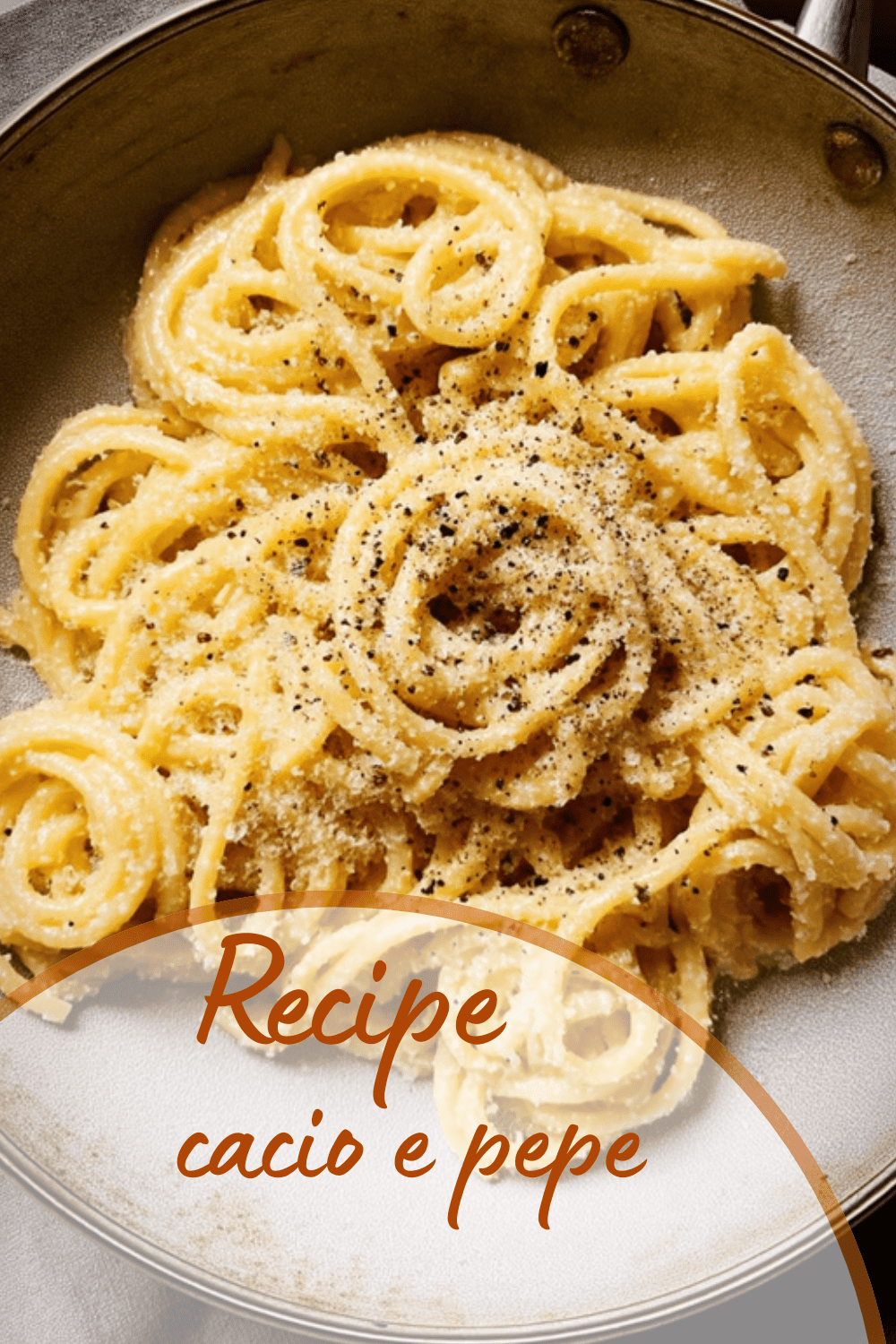
Once the sauce is silky and coats the pasta beautifully, plate your cacio e pepe. Garnish with additional freshly cracked black pepper and a sprinkle of Pecorino Romano cheese if desired. Serve right away for the best flavor and texture this dish truly shines when fresh.
The key to authentic cacio e pepe lies in the technique a careful balance of cheese, pepper, and starchy pasta water creates its signature creamy, peppery sauce.
For more detailed tips, check out this Authentic Cacio e Pepe Recipe.
Dietary Substitutions to Customize Your cacio e pepe
Protein and Main Component Alternatives
- Swap Pecorino Romano cheese for Parmesan or vegan cheese alternatives to accommodate dietary restrictions.
- Replace traditional spaghetti with gluten-free pastas made from rice, quinoa, or chickpeas to suit gluten-free diets.
- For added plant protein, consider mixing in sautéed mushrooms or lightly cooked spinach.
Vegetable, Sauce, and Seasoning Modifications
- Add white pepper or crushed red pepper flakes for a pleasant heat variation.
- Include sautéed vegetables like zucchini ribbons or asparagus tips to boost nutrition.
- Use olive oil instead of butter for a lighter, dairy-free version.
- Experiment with fresh herbs such as parsley or basil to add freshness and complexity.
Mastering cacio e pepe: Advanced Tips and Variations
- Pro cooking techniques: Grate Pecorino Romano cheese finely by hand with a microplane to prevent clumping. Use hot starchy pasta water and toss pasta vigorously off the heat for a seamless sauce.
- Flavor variations: Try infusing the oil or butter with garlic or chili flakes before toasting the pepper to deepen flavor.
- Presentation tips: Serve in warmed bowls with a generous dusting of cracked black pepper and extra grated cheese for a rustic Italian look.
- Make-ahead options: Prepare the pepper and cheese mixture ahead and combine with freshly cooked pasta just before serving to maintain sauce silkiness.
How to Store cacio e pepe: Best Practices
| Storage Method | Guidelines | Notes |
|---|---|---|
| Refrigeration | Store leftovers in an airtight container within 2 hours of cooking | Consume within 2 days for best taste and quality |
| Freezing | Not recommended due to potential sauce separation | Freeze pasta separately if desired, sauce is best fresh |
| Reheating | Reheat gently on stovetop with a splash of pasta water to restore texture | Avoid microwaving to prevent clumping and dryness |
| Meal prep | Cook pasta al dente and keep sauce mixture separate | Combine just prior to serving for ideal results |
FAQs: Frequently Asked Questions About cacio e pepe
What is cacio e pepe and what ingredients do I need?
Cacio e pepe is a traditional Roman pasta dish whose name means “cheese and pepper.” It features just a few simple ingredients: long pasta such as spaghetti or bucatini, Pecorino Romano cheese, freshly ground black pepper, and sometimes butter. The cheese and pepper combine with starchy pasta water to form a silky, flavorful sauce that coats the pasta.
How do I make cacio e pepe without the cheese clumping or sticking?
To prevent clumping, grate Pecorino Romano cheese finely by hand just before using it. After cooking the pasta, keep a bit of the starchy pasta water. Remove the pan with melted butter and pepper from direct heat before adding the cheese. Add cheese gradually while tossing the pasta quickly and continuously to create a smooth, glossy sauce. Serve immediately to maintain the creamy texture.
Can I use different pasta types for cacio e pepe?
Yes, traditional cacio e pepe is often made with spaghetti or bucatini, but other long, thin pasta such as linguine or tonnarelli also work well. The key is choosing a pasta that holds the creamy cheese and pepper sauce effectively. Avoid short or very thick pasta that may not blend as smoothly with the sauce.
Why is black pepper important in cacio e pepe and how much should I use?
Black pepper provides the signature spicy kick in cacio e pepe, balancing the salty and creamy Pecorino Romano cheese. Use freshly ground black pepper for the best flavor, and don’t be shy with the amount—usually 1 to 2 teaspoons for four servings. Toasting the pepper in butter or olive oil before mixing intensifies its aroma and flavor.
What are some tips for serving and storing leftover cacio e pepe?
Serve cacio e pepe immediately while hot and creamy; reheating can cause the sauce to separate or become clumpy. If you have leftovers, store them in an airtight container in the refrigerator for up to 1 day. Reheat gently with a splash of water or broth over low heat and stir constantly to bring back the sauce’s smooth texture.
cacio e pepe
🍝 Enjoy the rich and creamy flavors of Roman cuisine with Cacio e Pepe, perfect for a quick gourmet meal.
👨🍳 Simple ingredients create a complex and satisfying dish, making it a must-try for pasta lovers.
- Total Time: 20 to 30 minutes
- Yield: 2 to 4 servings
Ingredients
– 8 ounces uncooked pasta
– 2 tablespoons unsalted butter
– 1 teaspoon coarsely ground black pepper
– 2 ounces finely grated Pecorino Romano cheese
– Salt
– Approximately ⅓ cup reserved starchy pasta cooking water
Instructions
First Step: Cook Your Pasta
Bring approximately 3 quarts of water to a rolling boil in a large pot. Salt the water generously with fine sea salt to season the pasta. Add your chosen pasta traditionally spaghetti, bucatini, or tonnarelli and cook until just al dente, stirring occasionally to prevent sticking. Reserve about ⅓ cup (80 ml) of the starchy pasta water before draining.
Second Step: Toast the Black Pepper
While your pasta cooks, melt the butter (if using) in a large sauté pan over medium heat. Add the coarsely ground freshly cracked black pepper and toast it briefly for around 30 seconds to release its fragrant oils. Remove the pan from heat immediately to avoid the pepper burning.
Third Step: Combine Pasta and Sauce Components
Using tongs, transfer the cooked pasta directly from the pot into the pan with pepper and butter, retaining some of the starchy pasta water. Add the reserved pasta water incrementally, tossing the pasta to combine and help dissolve the pepper into a flavorful base for the sauce.
Fourth Step: Incorporate the Pecorino Cheese
Add half of the finely grated Pecorino Romano cheese to the pasta, tossing continuously to coat the noodles evenly and create a creamy texture. Gradually add the remaining cheese while stirring vigorously. Use extra starchy pasta water as needed to maintain a glossy, smooth sauce that clings to the pasta perfectly.
Final Step: Serve Immediately
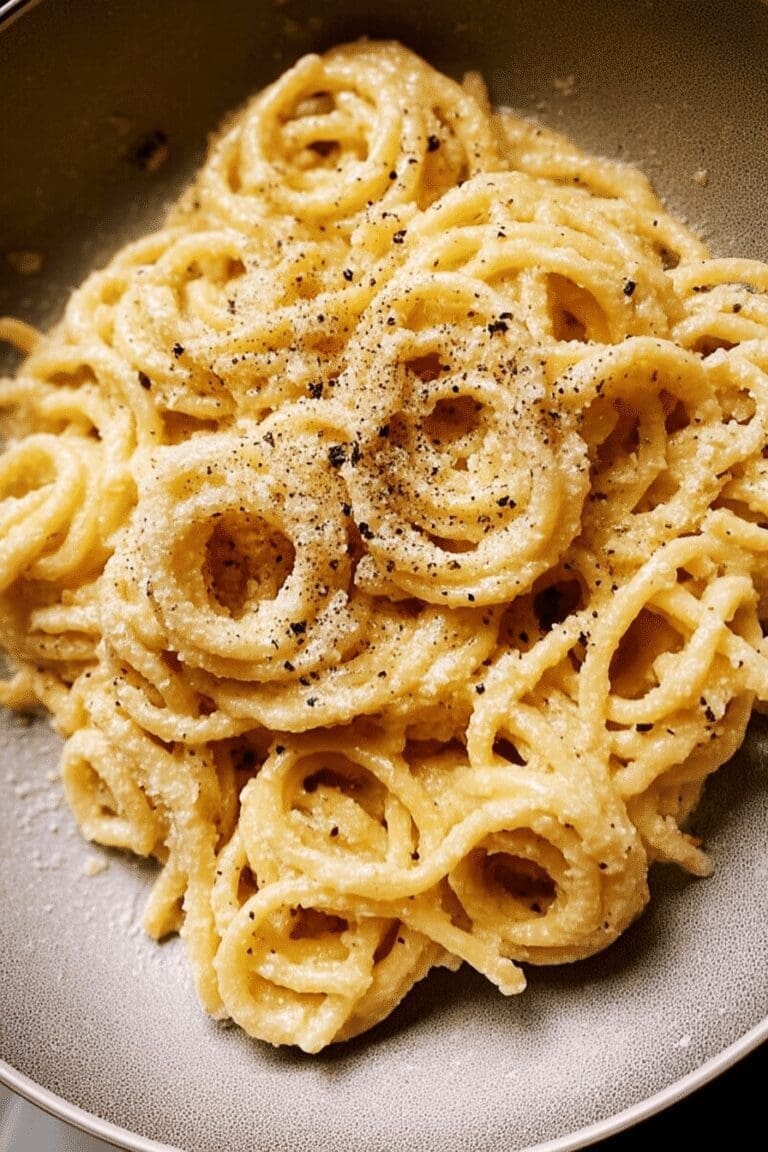
Once the sauce is silky and coats the pasta beautifully, plate your cacio e pepe. Garnish with additional freshly cracked black pepper and a sprinkle of Pecorino Romano cheese if desired. Serve right away for the best flavor and texture this dish truly shines when fresh.
Last Step:
Please leave a rating and comment letting us know how you liked this recipe! This helps our business to thrive and continue providing free, high-quality recipes for you.Notes
🧀 Grate Pecorino finely and avoid pre-grated cheese for optimal melting.
🍲 Use a large pan to toss pasta and sauce effectively.
🔥 Remove pan from heat before adding cheese to prevent clumping.
- Prep Time: 5 to 10 minutes
- None: 0 minutes
- Cook Time: 15 to 20 minutes
- Category: Main Course
- Method: Boiling and Sautéing
- Cuisine: Italian
- Diet: Vegetarian
Nutrition
- Serving Size: 1 plate
- Calories: 500 kcal
- Sugar: 1 g
- Sodium: 500 mg
- Fat: 22 g
- Saturated Fat: 13 g
- Unsaturated Fat: 9 g
- Trans Fat: 0 g
- Carbohydrates: 60 g
- Fiber: 2 g
- Protein: 18 g
- Cholesterol: 35 mg


