
Why Youll Love This Buttermilk
Buttermilk adds a tangy twist to everyday cooking and baking that keeps home cooks coming back for more. Whether you grab it from the store or whip up homemade buttermilk pancakes on a weekend morning, its role in simple buttermilk recipes shines through. Busy parents appreciate how fast these dishes come together for family breakfasts or school lunches, while food enthusiasts love experimenting with buttermilk bread for potlucks.
This ingredient transforms basic meals into crowd-pleasers perfect for picnics and church gatherings. Its subtle sour note pairs well with sweet and savory flavors, making buttermilk recipes cooking a joy for students and working professionals alike.
- Ease of preparation: Buttermilk recipes stand out for their straightforward steps and short cooking times. Mix up easy buttermilk biscuits in under 30 minutes with pantry staples, ideal for newlyweds setting up house or seniors wanting quick wins. No fancy equipment needed, just stir, bake, and serve at your next community event. These simple buttermilk recipes save time without skimping on taste, letting you focus on sharing food with friends.
- Health benefits: Buttermilk packs probiotics that support gut health, plus calcium for strong bones and B vitamins for steady energy. Low in fat at about 3g per cup, it fits diet-conscious plans while aiding digestion like yogurt. Travelers and busy parents find it light yet satisfying in smoothies or dressings, promoting wellness during gatherings.
- Versatility: Adapt buttermilk to vegan swaps or gluten-free needs effortlessly. Use it in buttermilk cake for desserts, buttermilk dressing for salads, or buttermilk chicken for mains. Baking enthusiasts craft buttermilk bread loaves, while community organizers rely on it for portable picnic sides that suit everyone.
- Distinctive flavor: The creamy tang from lactic acid sets buttermilk apart, tenderizing meats in buttermilk fried chicken recipe and creating fluffy rises in homemade buttermilk pancakes. It brings a Southern comfort vibe to Midwestern casseroles, making every bite memorable at potlucks.
Buttermilk turns ordinary ingredients into dishes that spark conversations around the table, feeding both body and soul just like my favorite crowd-pleasers.
With these perks, buttermilk becomes a staple for anyone hosting picnics or family dinners. Check out more inspiration from the best buttermilk recipes online to expand your repertoire.
Jump to:
- Why Youll Love This Buttermilk
- Essential Ingredients for Buttermilk
- How to Prepare the Perfect Buttermilk: Step-by-Step Guide
- Timing and Temperature Details
- Dietary Substitutions to Customize Your Buttermilk
- Protein and Main Component Alternatives
- Vegetable, Sauce, and Seasoning Modifications
- Mastering Buttermilk: Advanced Tips and Variations
- Pro Cooking Techniques
- Flavor Variations
- Presentation Tips
- Make-Ahead Options
- How to Store Buttermilk: Best Practices
- FAQs: Frequently Asked Questions About Buttermilk
- What is buttermilk?
- How do you make buttermilk at home?
- What are the health benefits of buttermilk?
- What can I use buttermilk for in cooking?
- How long does buttermilk last and how do you store it?
- Buttermilk
- Ingredients
- Instructions
- Last Step:
- Notes
- Nutrition
- Did you make this recipe?
Essential Ingredients for Buttermilk
Gathering the right items makes creating the perfect buttermilk simple and reliable. Focus on fresh components for that signature tang in your buttermilk recipes baking projects. Below is a structured list of everything needed for homemade versions, drawn directly from tried methods.
Main Ingredients:
- 1 cup milk (whole, 2%, or non-dairy like almond) – Provides the base liquid that curdles into creamy buttermilk, reacting with acid for tenderness in baked goods.
- 1 tablespoon lemon juice or white vinegar – Acts as the acid to mimic fermentation, creating curds and whey for authentic texture in quick substitutes.
- 2 tablespoons plain yogurt or store-bought buttermilk (for cultured version) – Supplies live cultures to ferment milk naturally, yielding thicker, probiotic-rich results for superior buttermilk pancakes.
These quantities yield 1 cup, perfect for scaling up buttermilk recipes cooking like biscuits or dressings.
Special Dietary Options:
- Vegan: Swap dairy milk for almond, oat, or soy milk; use apple cider vinegar instead of lemon for plant-based buttermilk ranch dressing recipe.
- Gluten-free: All options work as-is since no flour involved; ideal base for gluten-free buttermilk bread.
- Low-calorie: Choose skim or non-fat milk and measure acid precisely to keep it light for diet-friendly buttermilk cake.
This setup ensures your buttermilk fits any lifestyle, from students whipping up quick batches to seniors baking for groups. Pair it with staples like flour and baking soda for endless easy buttermilk biscuits.
How to Prepare the Perfect Buttermilk: Step-by-Step Guide
Mastering homemade buttermilk opens doors to countless buttermilk recipes. This guide covers quick substitutes and cultured methods, with tips for using in favorites like buttermilk pancakes and fried chicken. Follow these steps for foolproof results every time.
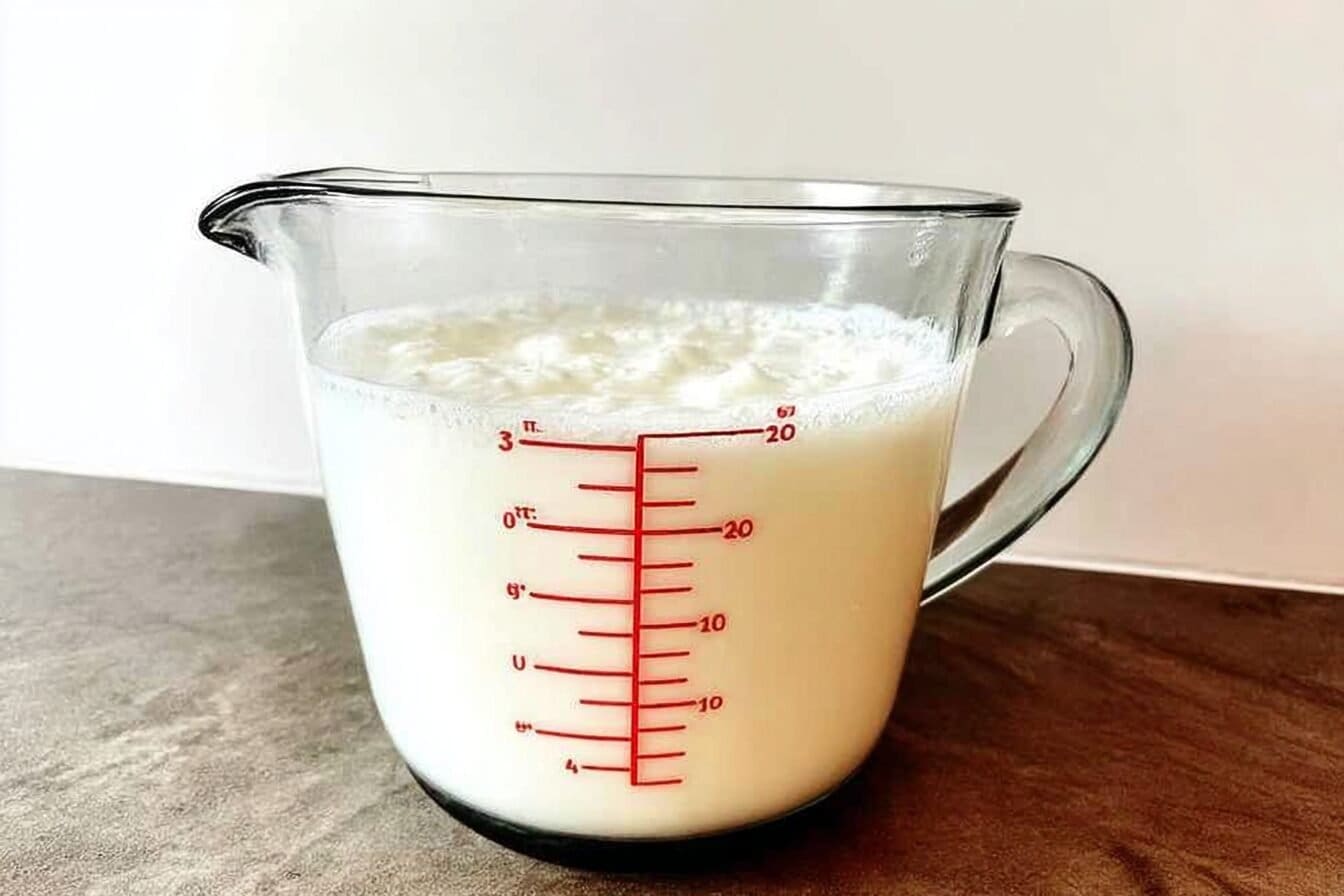
First Step: Gather and measure your mise en place. Pour 1 cup milk into a glass measuring cup at room temperature. Add 1 tablespoon lemon juice or vinegar for the fast method. For cultured, mix 1 cup whole milk with 2 tablespoons plain yogurt. Let ingredients sit out briefly to avoid cold shocks. This prep takes 2 minutes and sets up success for simple buttermilk recipes.
Second Step: Combine and activate the mixture. Stir the acid into the milk vigorously for 10 seconds until fully incorporated. Tiny curds will form almost immediately, thickening slightly. For vegan adaptations, almond milk works best stirred gently to prevent separation. Cover loosely and let rest 5-10 minutes undisturbed. This curdling creates the acidity needed for fluffy rises in buttermilk biscuits.
Third Step: Incubate for cultured depth (optional but recommended). Heat milk-yogurt mix to 110°F on stove or microwave, stirring often. Pour into a jar, wrap in a towel, and place in a warm oven or near a heater for 12-24 hours. Taste for tanginess; it should mimic store buttermilk. This step boosts probiotics, perfect for health-focused buttermilk bread bakers. Refrigerate after to halt fermentation.
Fourth Step: Strain and store if needed. Whisk gently to smooth any lumps post-rest. For thicker texture in dressings, strain through cheesecloth. Use right away in recipes or transfer to a clean jar. This yields tangy buttermilk ready for marinades, lasting up to a week chilled. Adapt for low-calorie by using skim milk throughout.
Fifth Step: Test in a sample recipe like buttermilk pancakes. Mix 1 cup prepared buttermilk with 1 cup flour, 1 egg, 1 tablespoon sugar, 1 teaspoon baking powder, and pinch salt. Heat a skillet over medium, add batter 1/4 cup at a time, cook 2-3 minutes per side until golden. Yields 8 pancakes, fluffy from acid-leavener reaction. Gluten-free? Swap flour for a 1:1 blend.
Sixth Step: Scale for buttermilk fried chicken recipe. Use 2 cups buttermilk to marinate 4 chicken pieces 30 minutes to overnight in fridge with salt, pepper, garlic. Dredge in flour mix, fry at 350°F for 12-15 minutes until crisp. Juicy results every time. For potlucks, double batch travels well in foil.
Final Step: Finishing touches and serving. Shake jar before each use as separation occurs naturally. Garnish pancakes with berries, serve chicken with slaw using leftover buttermilk dressing. Total time: 10 minutes active for substitute, plus rest. These steps make buttermilk recipes baking accessible for all, from busy professionals to baking enthusiasts.
Pro tip: Always use fresh acid for best curdle. For gatherings, prep ahead and freeze portions. This method suits dietary tweaks seamlessly.
Timing and Temperature Details
Quick method: 10 minutes total at room temp. Cultured: 110°F initial heat, then ambient warmth. Baking uses: 425°F for biscuits 12 minutes. Monitor fridge at 40°F for storage safety.
Dietary Substitutions to Customize Your Buttermilk
Protein and Main Component Alternatives
Swap the milk base for dietary needs in buttermilk recipes. Use lactose-free milk for intolerance, keeping protein at 8g per cup. For higher protein, blend in Greek yogurt starter. In chicken marinades, replace dairy buttermilk with coconut milk plus vinegar for vegan buttermilk fried chicken recipe that stays juicy.
Busy parents love almond milk versions for nut-free allergies, maintaining tenderness without dairy. These changes keep calories low at 100 per cup.
Vegetable, Sauce, and Seasoning Modifications
Add herbs like dill to buttermilk for custom ranch dressing, or garlic for bolder marinades. Seasonal swaps: lemon in summer, apple cider vinegar in fall. For low-sodium, reduce salt in mixes. Vegetable sides pair with buttermilk dressing using cucumber or carrots for crunch at picnics.
Gluten-free flours in biscuits absorb flavors well. These tweaks make buttermilk recipes versatile for church groups or travelers.
Mastering Buttermilk: Advanced Tips and Variations
Pro Cooking Techniques
Whisk buttermilk into batters last to preserve bubbles for rise. Brine meats 24 hours for peak tenderness. Use ice cube trays for freezing portions, perfect for meal prep.
Flavor Variations
- Buttermilk ranch dressing recipe: Whisk with mayo, garlic, herbs.
- Buttermilk cake: Add vanilla, bake at 350°F for 30 minutes.
- Spice up biscuits with cheddar and chives.
Try pairing with our cinnamon sugar donut holes for a sweet twist using leftover buttermilk glaze.
Presentation Tips
Drizzle extra buttermilk glaze on scones, garnish chicken with pickles. Serve biscuits warm in baskets for gatherings.
Make-Ahead Options
Prep marinade day before, freeze batter for pancakes. These strategies suit working professionals. Explore more like this pumpkin sour cream coffee cake.
Check buttermilk substitute ideas for endless tweaks.
How to Store Buttermilk: Best Practices
- Refrigeration: Keep at 40°F, lasts 1-2 weeks opened. Shake well, sniff for off odors.
- Freezing: Portion in bags up to 3 months; thaw in fridge, stir.
- Reheating: Not needed; use cold in recipes for best texture.
- Meal prep considerations: Ice cube freeze for single uses in dressings or batters.
These habits prevent waste for batch cooking potluck favorites.
| Storage Method | Duration | Tips |
|---|---|---|
| Fridge | 1-2 weeks | Sealed container, bottom shelf |
| Freezer | 3 months | Leave headspace, label dates |
FAQs: Frequently Asked Questions About Buttermilk
What is buttermilk?
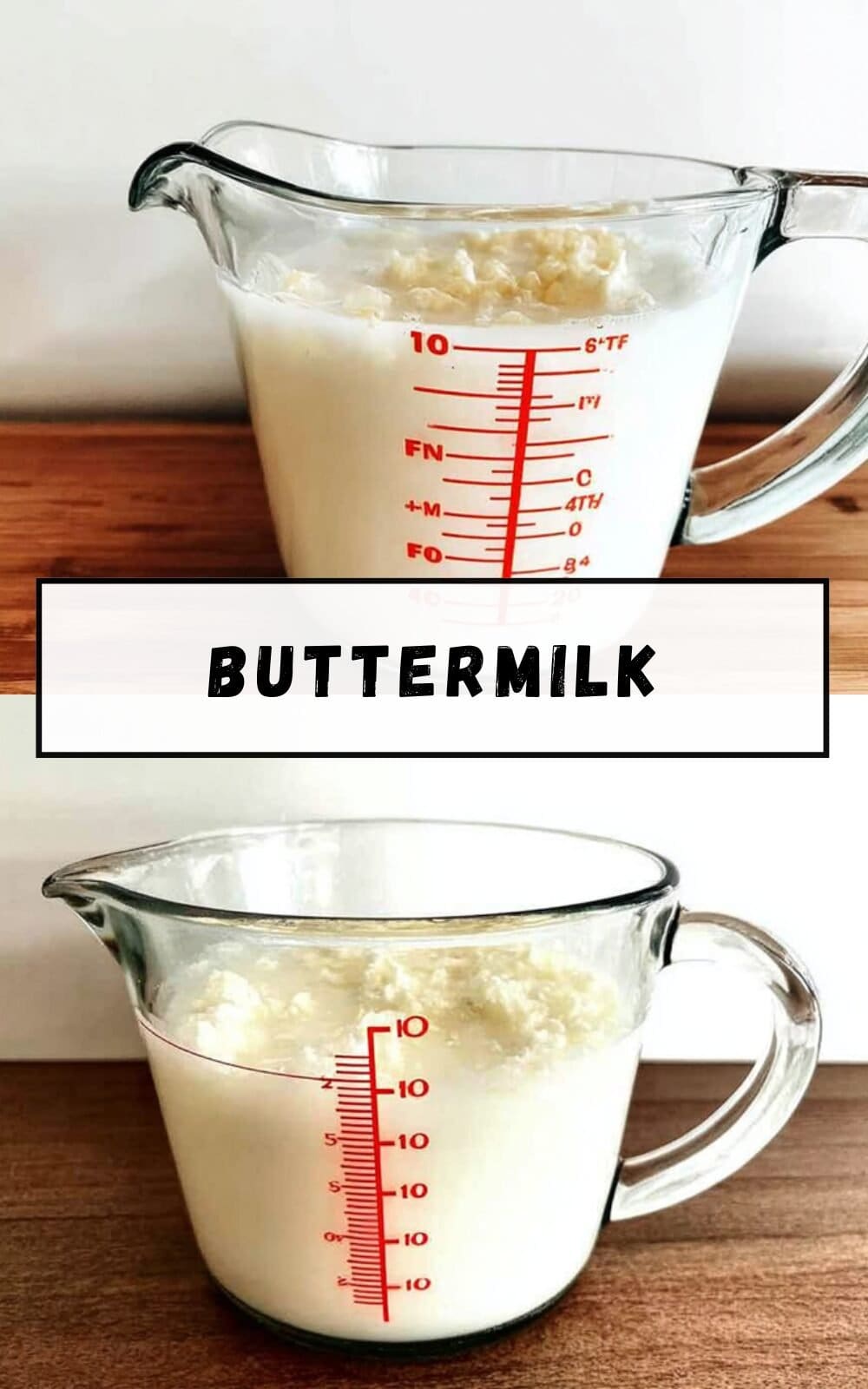
Buttermilk is a tangy, fermented dairy liquid traditionally made from the liquid left after churning butter from cream. Modern store-bought buttermilk is usually cultured low-fat milk fermented with lactic acid bacteria, giving it a thick, creamy texture and slightly sour taste similar to yogurt but thinner. It’s pale yellow or white, with a pH around 4.5, and commonly sold in cartons. Unlike regular milk, it contains live cultures that aid digestion. Use it in recipes calling for its acidity to tenderize baked goods or add moisture to fried chicken. Always shake before use as it may separate. Nutritional profile per cup (240ml): about 100 calories, 8g protein, 3g fat, 12g carbs. Store in the fridge up to 2 weeks past the date.
How do you make buttermilk at home?
Making buttermilk substitute is simple with milk and acid. For 1 cup: add 1 tablespoon lemon juice or white vinegar to 1 cup milk (whole, 2%, or non-dairy like almond). Stir, let sit 5-10 minutes until it curdles and thickens slightly. For real cultured buttermilk, mix 1 cup whole milk with 2 tablespoons plain yogurt or store buttermilk, heat to 110°F, incubate 12-24 hours in a warm spot until tangy. Strain if needed. This DIY version works perfectly in pancakes, biscuits, or marinades. Avoid ultra-pasteurized milk for best culturing. Yields tender results in baking due to the acid reacting with leaveners like baking soda. Cost-effective and ready in minutes.
What are the health benefits of buttermilk?
Buttermilk offers probiotics from fermentation, supporting gut health and digestion like yogurt. It’s rich in calcium (about 300mg per cup), aiding bone health, and provides B vitamins for energy metabolism. Low-fat versions have 2-3g fat per serving, making it heart-friendly with potassium to regulate blood pressure. The lactic acid may improve lactose tolerance for some. Studies link regular dairy fermented products to lower cholesterol and better weight management. Drink plain, add to smoothies, or use in raita for cooling effects in spicy meals. Limit if lactose-intolerant; opt for lactose-free. A 2020 review in Nutrients highlighted its anti-inflammatory properties from bioactive peptides. Aim for 1 cup daily as part of a balanced diet.
What can I use buttermilk for in cooking?
Buttermilk shines in baking for fluffy pancakes, biscuits, and cakes—its acidity activates baking soda for rise and tenderness. Marinate chicken or fish 30 minutes to hours for juicy, flavorful results, as in Southern fried chicken. Make creamy salad dressings, coleslaw, or dips by mixing with herbs and mayo. In India, it’s lassi or chaas for hydration. Use in cornbread, scones, or waffles for moisture without heaviness. Substitute ratio: 1:1 for milk +1 tsp acid. Freeze in ice cube trays for portions. Pro tip: brine pork chops overnight for extra succulence. Enhances mashed potatoes or soups too. Versatile pantry staple for savory and sweet dishes.
How long does buttermilk last and how do you store it?
Opened buttermilk lasts 1-2 weeks in the fridge at 40°F or below, or up to the “sell by” date if unopened. Check for sour smell beyond tanginess, mold, or excessive separation—discard if off. Freeze up to 3 months in airtight container; thaw overnight in fridge, shake well, use within days as texture may change slightly. Portion into smaller amounts to avoid waste. DIY versions last 1 week refrigerated. For longer life, buy smaller cartons. Signs it’s bad: chunky curds not stirring smooth, yellowing, or bubbling. Always date containers. In hot climates, consume faster. Freezing preserves for baking emergencies without quality loss.

Buttermilk
🥛 Unlock the tangy richness of buttermilk in these versatile recipes that tenderize baked goods like biscuits or add creaminess to fried chicken, elevating everyday meals with minimal effort.
🥛 Explore simple ideas for baking fluffy cakes or cooking moist marinades, perfect for using up leftover buttermilk while creating flavorful, homemade dishes that impress without complexity.
- Total Time: 25 minutes
- Yield: 12 pancakes
Ingredients
– 1 cup milk (whole, 2%, or non-dairy like almond)
– 1 tablespoon lemon juice or white vinegar
– 2 tablespoons plain yogurt or store-bought buttermilk (for cultured version)
Instructions
1-First Step: Gather and measure your mise en place. Pour 1 cup milk into a glass measuring cup at room temperature. Add 1 tablespoon lemon juice or vinegar for the fast method. For cultured, mix 1 cup whole milk with 2 tablespoons plain yogurt. Let ingredients sit out briefly to avoid cold shocks. This prep takes 2 minutes and sets up success for simple buttermilk recipes.
2-Second Step: Combine and activate the mixture. Stir the acid into the milk vigorously for 10 seconds until fully incorporated. Tiny curds will form almost immediately, thickening slightly. For vegan adaptations, almond milk works best stirred gently to prevent separation. Cover loosely and let rest 5-10 minutes undisturbed. This curdling creates the acidity needed for fluffy rises in buttermilk biscuits.
3-Third Step: Incubate for cultured depth (optional but recommended). Heat milk-yogurt mix to 110°F on stove or microwave, stirring often. Pour into a jar, wrap in a towel, and place in a warm oven or near a heater for 12-24 hours. Taste for tanginess; it should mimic store buttermilk. This step boosts probiotics, perfect for health-focused buttermilk bread bakers. Refrigerate after to halt fermentation.
4-Fourth Step: Strain and store if needed. Whisk gently to smooth any lumps post-rest. For thicker texture in dressings, strain through cheesecloth. Use right away in recipes or transfer to a clean jar. This yields tangy buttermilk ready for marinades, lasting up to a week chilled. Adapt for low-calorie by using skim milk throughout.
5-Fifth Step: Test in a sample recipe like buttermilk pancakes. Mix 1 cup prepared buttermilk with 1 cup flour, 1 egg, 1 tablespoon sugar, 1 teaspoon baking powder, and pinch salt. Heat a skillet over medium, add batter 1/4 cup at a time, cook 2-3 minutes per side until golden. Yields 8 pancakes, fluffy from acid-leavener reaction. Gluten-free? Swap flour for a 1:1 blend.
6-Sixth Step: Scale for buttermilk fried chicken recipe. Use 2 cups buttermilk to marinate 4 chicken pieces 30 minutes to overnight in fridge with salt, pepper, garlic. Dredge in flour mix, fry at 350°F for 12-15 minutes until crisp. Juicy results every time. For potlucks, double batch travels well in foil.
7-Final Step: Finishing touches and serving. Shake jar before each use as separation occurs naturally. Garnish pancakes with berries, serve chicken with slaw using leftover buttermilk dressing. Total time: 10 minutes active for substitute, plus rest. These steps make buttermilk recipes baking accessible for all, from busy professionals to baking enthusiasts.
Last Step:
Please leave a rating and comment letting us know how you liked this recipe! This helps our business to thrive and continue providing free, high-quality recipes for you.Notes
🥛 Substitute regular milk with 1 tablespoon lemon juice or vinegar plus milk to make DIY buttermilk for these ideas.
🔥 For baking, always use cold buttermilk to create tender results in quick breads or cakes.
🍗 In cooking, buttermilk tenderizes meats beautifully—marinate for at least 30 minutes up to overnight for juicy fried chicken or grilled items.
- Prep Time: 10 minutes
- Cook Time: 15 minutes
- Category: Breakfast
- Method: Stovetop
- Cuisine: American
- Diet: Vegetarian
Nutrition
- Serving Size: 2 pancakes
- Calories: 220 kcal
- Sugar: 8 g
- Sodium: 350 mg
- Fat: 8 g
- Saturated Fat: 4 g
- Unsaturated Fat: 3 g
- Trans Fat: 0 g
- Carbohydrates: 30 g
- Fiber: 1 g
- Protein: 6 g
- Cholesterol: 70 mg


