

Why You’ll Love Bosnian Sarma
Bosnian Sarma is the kind of meal that feels right at home on a busy weeknight, a holiday table, or a potluck spread. This traditional Bosnian recipe brings together tender cabbage, savory meat, and rice in a rich broth that warms you from the inside out. If you like stuffed cabbage, this dish is one of those comforting recipes you will want to make again and again.
- Easy to make in batches: Once you get the rolling technique down, you can fill a whole pot at once. It is a great make-ahead dish for family dinners, church suppers, and community meals.
- Hearty and filling: With meat, rice, cabbage, and broth, each serving gives you a balanced mix of protein, carbs, and vegetables. That makes it a practical choice for feeding a crowd.
- Flexible for different kitchens: You can use sour cabbage leaves or fresh cabbage, and you can swap veal for beef or lamb if that is what you have on hand.
- Deep, old-fashioned flavor: Slow simmering gives Bosnian Sarma its rich taste, and extras like smoked meat, bay leaves, or a little paprika roux add even more comfort.
According to this look at cabbage as an overlooked superfood, cabbage brings a lot to the table with its fiber and nutrients. That is one more reason this classic dish has stayed popular for generations. It is the kind of food that feels simple, but still special enough to share with people you care about.
If you want a dinner that tastes even better the next day, Bosnian Sarma is a smart choice.
It is also a useful recipe for anyone who wants a meal that travels well and feeds several people from one pot. That fits the kind of food many home cooks are looking for, especially when they need something dependable for gatherings or meal prep.
Jump to:
- Why You’ll Love Bosnian Sarma
- Essential Ingredients for Bosnian Sarma
- Main Ingredients
- Special Dietary Options
- How to Prepare the Perfect Bosnian Sarma: Step-by-Step Guide
- First Step: Prepare the cabbage
- Second Step: Mix the filling
- Third Step: Fill the cabbage leaves
- Fourth Step: Arrange the rolls in the pot
- Fifth Step: Add the cooking liquid
- Sixth Step: Simmer low and slow
- Seventh Step: Serve and enjoy
- Dietary Substitutions to Customize Your Bosnian Sarma
- Protein and Main Component Alternatives
- Vegetable, Sauce, and Seasoning Modifications
- Mastering Bosnian Sarma: Advanced Tips and Variations
- Pro cooking techniques
- Flavor variations
- Presentation tips
- Make-ahead options
- How to Store Bosnian Sarma: Best Practices
- Refrigeration
- Freezing
- Reheating
- Meal prep considerations
- FAQs: Frequently Asked Questions About Bosnian Sarma
- What is Bosnian Sarma?
- What cabbage should I use for Bosnian Sarma?
- What meat goes in Bosnian Sarma filling?
- How long do you cook Bosnian Sarma?
- What sides go with Bosnian Sarma?
- Bosnian Sarma
- Ingredients
- Instructions
- Last Step:
- Notes
- Nutrition
- Did you make this recipe?
Essential Ingredients for Bosnian Sarma
Here is the full ingredient list for Bosnian Sarma. This section includes every item mentioned in the recipe, with exact measurements so you can prep with confidence.
Main Ingredients
- 2 lbs sour cabbage leaves or 1 large head of fresh cabbage – Sour cabbage gives the most traditional flavor, while fresh cabbage works well if that is easier to find.
- 10 ounces ground veal – Veal gives the filling a mild, tender taste. You can also use beef or lamb.
- 1/3 cup rice – Rice helps bind the filling and makes the rolls more satisfying.
- 1 medium onion, finely minced – Onion adds sweetness and depth to the meat mixture.
- Salt and pepper to taste – Season the filling well so the flavors carry through the cabbage.
- Paprika – Adds color and a warm, gentle spice.
- Beef stock or water for cooking – This becomes the cooking liquid that keeps the rolls moist while they simmer.
- Butter for serving – A small amount adds richness when serving.
- Sour cream for serving – Gives each plate a creamy finish and pairs well with the tangy cabbage.
Special Dietary Options
- Vegan: Replace the meat with cooked lentils, finely chopped mushrooms, and walnuts. Use vegetable stock instead of beef stock, and skip the butter and sour cream or use plant-based versions.
- Gluten-free: This recipe is naturally close to gluten-free as written. Just check that your stock is gluten-free and avoid any flour-based roux unless you use a gluten-free flour.
- Low-calorie: Use lean beef, go light on butter and sour cream, and serve smaller portions with extra cabbage and broth.
| Ingredient | Role in the Dish |
|---|---|
| Sour cabbage or fresh cabbage | Forms the wrapper for each roll and gives structure |
| Ground veal | Main protein and flavor base |
| Rice | Helps the filling hold together |
| Onion and paprika | Add sweetness, color, and warmth |
| Beef stock or water | Creates the braising liquid |
If you enjoy hearty main dishes that feed a crowd, you may also like this easy goulash recipe for another comforting family-style meal.
How to Prepare the Perfect Bosnian Sarma: Step-by-Step Guide
First Step: Prepare the cabbage
Start by separating the cabbage leaves carefully so they do not tear. If you are using sour cabbage leaves, gently peel them apart and trim any thick stems that might make rolling difficult. If you are using a large head of fresh cabbage, bring a pot of water to a boil and blanch the cabbage until the leaves soften enough to remove cleanly. This usually takes about 10 to 15 minutes, depending on the size of the head.
Once the leaves are loose, set them aside to cool. Pat them dry if they feel too wet. If the center vein on a leaf is thick, shave it down a little so the leaf folds more easily. This small step makes rolling much simpler later.
Second Step: Mix the filling
In a large bowl, combine the ground veal, rice, finely minced onion, salt, pepper, and paprika. Mix everything thoroughly until the ingredients are evenly distributed. The mixture should look well blended and slightly sticky, which helps the rolls hold together while cooking.
If you want to use beef or lamb instead of veal, that works well too. Beef gives a deeper flavor, while lamb brings a stronger, richer taste. Either choice still fits the traditional style of this Bosnian recipe.
Third Step: Fill the cabbage leaves
Lay one cabbage leaf flat on a clean work surface. Place about a tablespoon or a little more of the meat mixture at the base of the leaf, depending on the leaf size. Do not overfill, because the rice will expand as it cooks. Fold the sides inward after the first roll, then keep rolling tightly into a neat cylinder.
Try to keep the rolls similar in size so they cook evenly. If a leaf is too large, you can cut it in half and use each piece separately. If it is too small, place a little less filling inside. The goal is a snug roll that will not open during simmering.
Fourth Step: Arrange the rolls in the pot
Place the finished rolls tightly in a heavy pot. Nestle them close together so they stay in place while cooking. If you have extra cabbage leaves, you can layer them between the rolls or line the bottom of the pot with them to help protect the sarma from sticking.
Many cooks like to add smoked ribs, hocks, or bacon at this stage for extra flavor. If you use smoked meat, tuck it between the layers or around the sides of the pot. Bay leaves are also a nice addition and can be removed after cooking.
Fifth Step: Add the cooking liquid
Pour enough beef stock or water over the rolls to cover them well. The cabbage should be mostly submerged, but not packed so tightly that the liquid cannot circulate. If you want a tangier broth, a little sauerkraut juice or vinegar can help when using fresh cabbage, although that is optional.
Bring the pot to a boil over medium-high heat. Once it starts boiling, reduce the heat to low so the liquid stays at a gentle simmer. A slow simmer is what gives Bosnian Sarma its soft texture and deep flavor.
Sixth Step: Simmer low and slow
Let the sarma cook for at least three hours. This long, gentle cooking time softens the cabbage and lets the flavors blend together. Check the pot now and then to make sure there is still enough liquid. If needed, add a little more stock or water so the rolls do not dry out.
For a richer broth, you can add a roux during the final cooking phase. Use vegetable or pork fat, flour, and paprika, and add chopped garlic carefully so it does not burn. Stir or gently shake the pot while you pour the roux in slowly to prevent clumps. This step gives the broth more body and a deeper color.
Seventh Step: Serve and enjoy
When the cabbage is tender and the filling is cooked through, remove the pot from the heat. Serve Bosnian Sarma hot with butter and sour cream. Some people like a little of the cooking liquid on the plate, while others prefer the rolls drained. Both ways are delicious, so serve it the way your family likes best.
Boiled potatoes are a traditional side dish and go very well with the savory broth. They soak up the sauce and make the meal even more filling. If you want another simple side, bread works well too.
For the best texture, let the pot rest a few minutes before serving so the rolls hold together better.
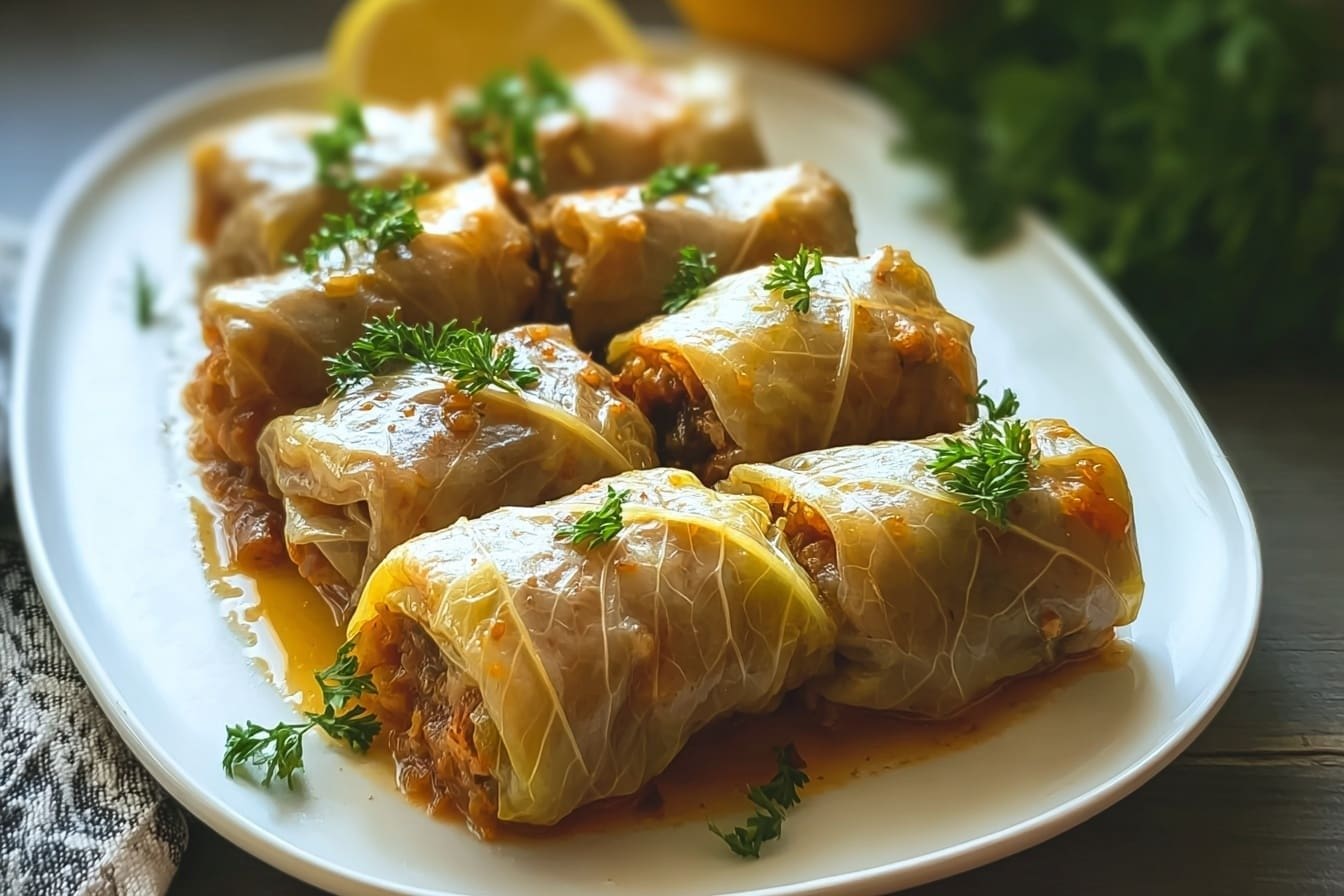
Dietary Substitutions to Customize Your Bosnian Sarma
Protein and Main Component Alternatives
If you cannot find veal, ground beef is the easiest swap for Bosnian Sarma. It gives the filling a stronger flavor and is widely available. Ground lamb also works well if you enjoy a richer, more distinct taste. For a lighter version, use lean beef, but avoid very lean meat if possible because it can turn dry.
For a meat-free version, replace the filling with a mix of cooked lentils, mushrooms, and chopped walnuts. This gives you a hearty texture that still feels satisfying. Use vegetable stock in the pot, and top with dairy-free sour cream if you want to keep the same creamy finish.
Vegetable, Sauce, and Seasoning Modifications
If sour cabbage is hard to find, fresh cabbage is a good backup. Blanch it first so the leaves soften, and consider adding a splash of vinegar or sauerkraut juice to mimic the traditional tang. Bay leaves can be added for a gentle herbal note, and smoked meat can be left out if you want a lighter broth.
You can also adjust the paprika to suit your taste. A little more paprika deepens the color and gives the broth a warmer flavor. If you enjoy garlic, add a small amount to the roux near the end of cooking, but keep the heat low so it does not burn. That gives the sauce a nice savory edge without overpowering the cabbage.
Mastering Bosnian Sarma: Advanced Tips and Variations
Pro cooking techniques
One of the best tips for a stronger Bosnian recipe is to layer flavor from the start. If you are using smoked ribs, bacon, or hocks, place them in the pot with the cabbage rolls so their flavor blends into the broth. Bay leaves add a subtle background note, and they are easy to remove before serving.
A slow simmer is better than a hard boil, since it keeps the cabbage intact and helps the filling stay juicy. If the liquid drops too low, add a bit more stock or water. That keeps the rolls tender without breaking apart.
Flavor variations
You can shift the flavor in a few simple ways. More paprika gives the broth a deeper red color and a warmer taste. A roux made from fat, flour, and paprika makes the sauce thicker and richer. If you want a stronger smoky flavor, add a little bacon or smoked pork alongside the rolls.
For a more rustic meal, serve the sarma with boiled potatoes and some of the cooking liquid spooned over the top. That is a simple way to turn the dish into a full dinner with very little extra work.
Presentation tips
Arrange the rolls on a warm platter or in a shallow bowl and spoon a little broth around them. A small dollop of sour cream on top makes the dish look inviting and adds a creamy finish. You can also serve the potatoes on the side in a separate bowl so guests can build their own plate.
Make-ahead options
Traditional Bosnian Sarma is a great make-ahead meal. You can roll the cabbage leaves a day ahead, keep them covered in the fridge, and cook them the next day. In fact, many people think the flavor improves after resting overnight. If you need another meal that works well for planning ahead, you might also like this Dutch oven lasagna, which is also a solid option for feeding a group.
How to Store Bosnian Sarma: Best Practices
Refrigeration
Let the sarma cool before storing it. Place the rolls and broth in an airtight container and keep them in the refrigerator for up to 4 days. Storing them with a little cooking liquid helps keep the cabbage from drying out.
Freezing
Bosnian Sarma freezes well, especially if you divide it into portions. Put the rolls and some broth into freezer-safe containers, leaving a little room at the top. Freeze for up to 3 months for best quality. Thaw overnight in the refrigerator before reheating.
Reheating
Reheat sarma on the stove over low heat for the best flavor and texture. Add a splash of water or stock if the broth has thickened too much. A microwave works in a pinch, but the stove usually keeps the cabbage more tender and the filling more even.
Meal prep considerations
If you are cooking for a crowd or planning meals for the week, Bosnian Sarma is a smart choice because it holds up well and tastes even better after a day in the fridge. Portion it into individual containers with a little broth and a side of potatoes for easy lunches or dinners.
FAQs: Frequently Asked Questions About Bosnian Sarma
What is Bosnian Sarma?
Bosnian Sarma is a traditional Balkan dish featuring cabbage leaves stuffed with a savory filling of ground meat, rice, onions, and spices, then slow-cooked in a flavorful broth. In Bosnia, it’s often made with sour cabbage (kiselo zelje) for a tangy taste, layered with smoked meats like ribs or bacon for depth. The result is tender rolls in a rich, aromatic sauce. It’s a staple at holidays, weddings, and family gatherings, with roots in Ottoman cuisine. Each roll is about the size of a cigar, packed with beef or veal, and simmered for hours. Serve hot with bread or potatoes. This hearty meal feeds 6-8 people from one large pot, making it perfect for crowds. For authenticity, source fermented cabbage from Eastern European markets.
What cabbage should I use for Bosnian Sarma?
Traditional Bosnian Sarma uses sour or fermented cabbage leaves (kiselo zelje) for their tangy flavor and tenderness. If unavailable, blanch a fresh head of green cabbage in boiling water until leaves soften and peel easily—about 10-15 minutes. Core the cabbage first for easier separation. Add 2-3 tablespoons of vinegar or sauerkraut juice to the cooking broth to replicate the sourness. Avoid red cabbage, as it alters color and taste. Prepare 30-40 leaves for a standard batch. This substitution works well but may require longer simmering for flavor melding. Pro tip: Freeze blanched leaves overnight to make rolling simpler next time.
What meat goes in Bosnian Sarma filling?
Ground veal is classic for Bosnian Sarma, mixed with rice, diced onions, garlic, salt, pepper, and paprika in a 2:1 meat-to-rice ratio. Substitute beef, lamb, or pork for variety—80/20 lean-to-fat keeps it juicy. For richer flavor, add 1/2 pound smoked bacon or ribs to the pot layers. Mix 1.5 lbs meat with 3/4 cup uncooked rice, 1 chopped onion, 2 eggs, and herbs; let rest 30 minutes. Vegetarians can swap meat for mushrooms, lentils, and walnuts. Avoid lean turkey, as it dries out. This flexible filling yields 40 rolls, perfect for freezing extras.
How long do you cook Bosnian Sarma?
Bosnian Sarma needs 3-4 hours of gentle simmering after assembly to tenderize cabbage and blend flavors. Roll filling into leaves, layer in a deep pot with smoked meats and sour cabbage between layers. Cover with beef stock or water, add bay leaves, bring to boil, then reduce to low simmer. Check liquid midway; add more if needed. Total time: 30 minutes prep, 3.5 hours cook. Use a heavy pot or slow cooker on low for 6-8 hours. It’s done when rolls pierce easily and sauce thickens. Cool slightly before serving; improves overnight. Yields 8 servings at 300 calories each.
What sides go with Bosnian Sarma?
Pair Bosnian Sarma with simple boiled potatoes, which soak up the savory broth perfectly—peel and quarter 2 lbs, simmer 20 minutes. Rye bread or polenta also complements the richness. For freshness, add a cucumber-tomato salad with yogurt dressing. Finish cooking by stirring in a roux: heat 2 tbsp oil, whisk in 2 tbsp flour and 1 tsp paprika, then 1 minced garlic clove; cook 1 minute before adding to pot for silky sauce. Avoid heavy sides like rice. This combo balances the dish’s heartiness. Leftovers store 4 days in fridge or freeze 3 months; reheat gently with splash of water.

Bosnian Sarma
🥬🍲 Sarma Bosnian Stuffed Cabbage Leaves simmer tender meat-rice rolls in savory broth – hearty Bosnian protein comfort!
🇧🇦 Traditional family layers with smoky depth: flavorful, filling main for gatherings!
- Total Time: 3 hours 30 minutes
- Yield: 4-6 servings
Ingredients
– 2 lbs sour cabbage leaves or 1 large head of fresh cabbage
– 10 ounces ground veal
– 1/3 cup rice
– 1 medium onion, finely minced
– Salt and pepper to taste
– Paprika
– Beef stock or water for cooking
– Butter for serving
– Sour cream for serving
Instructions
1-First Step: Prepare the cabbage Start by separating the cabbage leaves carefully so they do not tear. If you are using sour cabbage leaves, gently peel them apart and trim any thick stems that might make rolling difficult. If you are using a large head of fresh cabbage, bring a pot of water to a boil and blanch the cabbage until the leaves soften enough to remove cleanly. This usually takes about 10 to 15 minutes, depending on the size of the head. Once the leaves are loose, set them aside to cool. Pat them dry if they feel too wet. If the center vein on a leaf is thick, shave it down a little so the leaf folds more easily. This small step makes rolling much simpler later.
2-Second Step: Mix the filling In a large bowl, combine the ground veal, rice, finely minced onion, salt, pepper, and paprika. Mix everything thoroughly until the ingredients are evenly distributed. The mixture should look well blended and slightly sticky, which helps the rolls hold together while cooking. If you want to use beef or lamb instead of veal, that works well too. Beef gives a deeper flavor, while lamb brings a stronger, richer taste. Either choice still fits the traditional style of this Bosnian recipe.
3-Third Step: Fill the cabbage leaves Lay one cabbage leaf flat on a clean work surface. Place about a tablespoon or a little more of the meat mixture at the base of the leaf, depending on the leaf size. Do not overfill, because the rice will expand as it cooks. Fold the sides inward after the first roll, then keep rolling tightly into a neat cylinder. Try to keep the rolls similar in size so they cook evenly. If a leaf is too large, you can cut it in half and use each piece separately. If it is too small, place a little less filling inside. The goal is a snug roll that will not open during simmering.
4-Fourth Step: Arrange the rolls in the pot Place the finished rolls tightly in a heavy pot. Nestle them close together so they stay in place while cooking. If you have extra cabbage leaves, you can layer them between the rolls or line the bottom of the pot with them to help protect the sarma from sticking. Many cooks like to add smoked ribs, hocks, or bacon at this stage for extra flavor. If you use smoked meat, tuck it between the layers or around the sides of the pot. Bay leaves are also a nice addition and can be removed after cooking.
5-Fifth Step: Add the cooking liquid Pour enough beef stock or water over the rolls to cover them well. The cabbage should be mostly submerged, but not packed so tightly that the liquid cannot circulate. If you want a tangier broth, a little sauerkraut juice or vinegar can help when using fresh cabbage, although that is optional. Bring the pot to a boil over medium-high heat. Once it starts boiling, reduce the heat to low so the liquid stays at a gentle simmer. A slow simmer is what gives Bosnian Sarma its soft texture and deep flavor.
6-Sixth Step: Simmer low and slow Let the sarma cook for at least three hours. This long, gentle cooking time softens the cabbage and lets the flavors blend together. Check the pot now and then to make sure there is still enough liquid. If needed, add a little more stock or water so the rolls do not dry out. For a richer broth, you can add a roux during the final cooking phase. Use vegetable or pork fat, flour, and paprika, and add chopped garlic carefully so it does not burn. Stir or gently shake the pot while you pour the roux in slowly to prevent clumps. This step gives the broth more body and a deeper color.
7-Seventh Step: Serve and enjoy When the cabbage is tender and the filling is cooked through, remove the pot from the heat. Serve Bosnian Sarma hot with butter and sour cream. Some people like a little of the cooking liquid on the plate, while others prefer the rolls drained. Both ways are delicious, so serve it the way your family likes best. Boiled potatoes are a traditional side dish and go very well with the savory broth. They soak up the sauce and make the meal even more filling. If you want another simple side, bread works well too.
Last Step:
Please leave a rating and comment letting us know how you liked this recipe! This helps our business to thrive and continue providing free, high-quality recipes for you.Notes
🥓 Layer smoked meat like ribs for authentic smoky richness.
🌿 Add bay leaves early, remove post-cook for subtle aroma.
🔥 Reheat on stovetop gently – revives flavors best!
- Prep Time: 30 minutes
- Cook Time: 3 hours
- Category: Main Dish
- Method: Stovetop
- Cuisine: Bosnian
Nutrition
- Serving Size: 8-10 rolls
- Calories: 350 kcal
- Sugar: 3g
- Sodium: 500mg
- Fat: 15g
- Saturated Fat: 6g
- Unsaturated Fat: 9g
- Trans Fat: 0g
- Carbohydrates: 25g
- Fiber: 4g
- Protein: 20g
- Cholesterol: 60mg


